29 Backyard Oasis Ideas for a Relaxing Outdoor Space
Plan zones, privacy, seating, and lighting before you shop. These 29 backyard oasis ideas help you build a relaxing, stylish outdoor space at home.
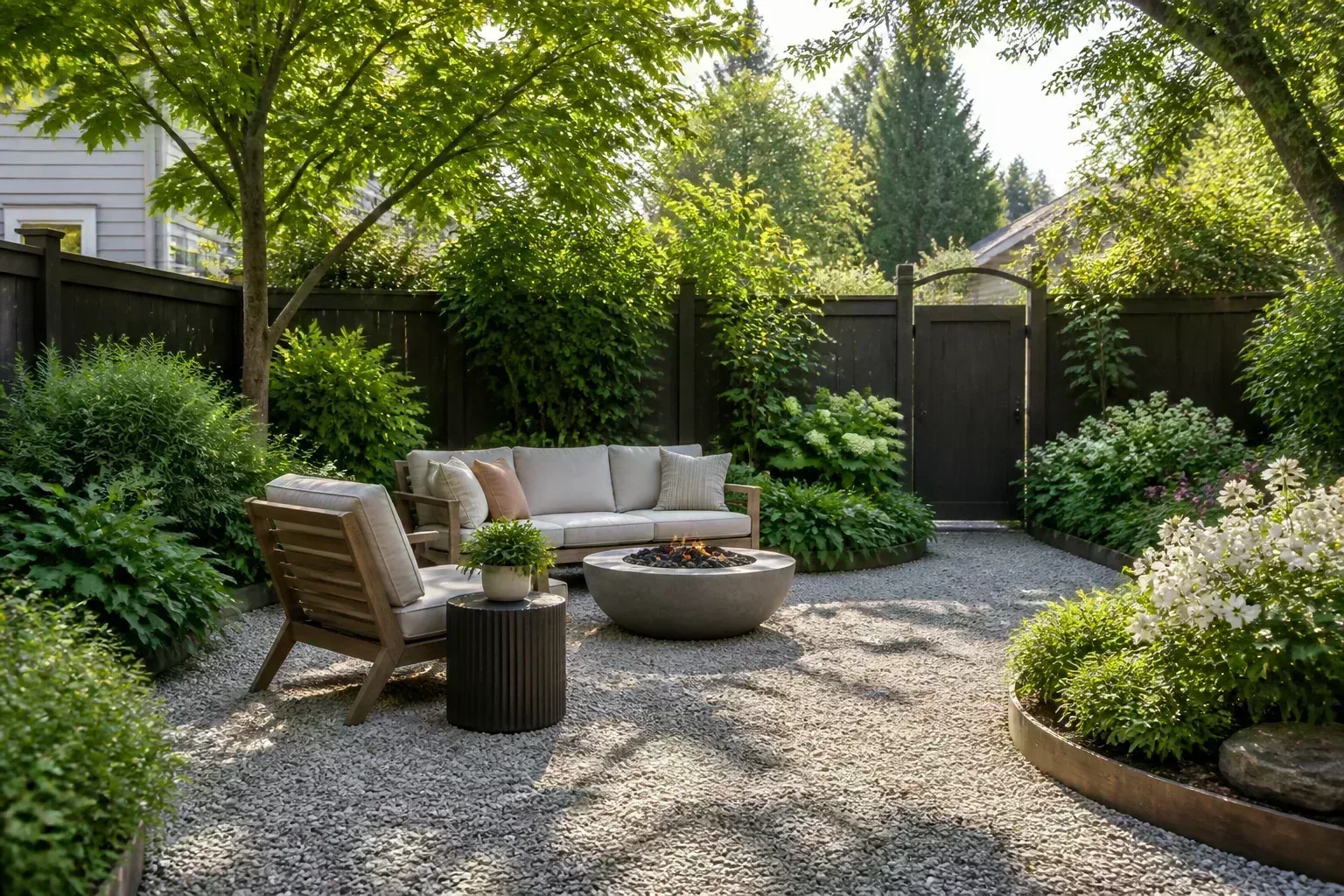
A backyard oasis is not a single purchase. It is a yard that feels private enough to exhale, comfortable enough to sit in for an hour without adjusting cushions every five minutes, and organized enough that cooking, dining, lounging, and quiet time each have a place. The difference between a pretty patio photo and a yard you use every week comes down to planning: who will use the space, where sun and shade fall, how water drains, and how much maintenance you will honestly keep up.
What makes a backyard feel like an oasis
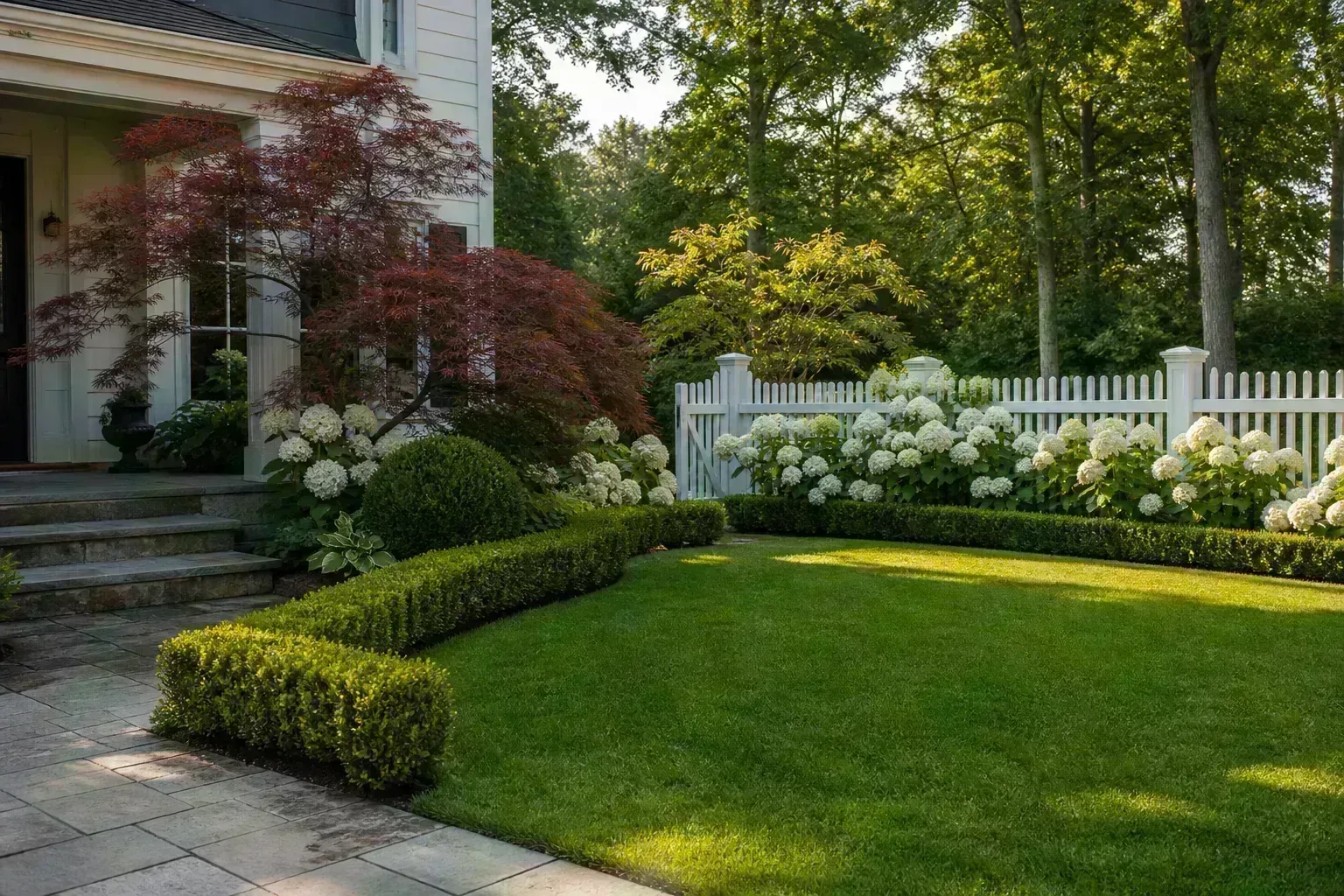
Privacy, shade, and comfort matter more than decor. String lights and throw pillows help, but they cannot fix a yard that bakes in afternoon sun, faces a busy sightline, or offers nowhere to put down a drink. The strongest retreats share four traits: a sense of enclosure, at least one shaded seating zone, surfaces that stay usable after rain, and a restrained color palette that makes plants and materials read as intentional rather than cluttered.
University of Florida extension guidance on landscape planning stresses that your yard is a living system — sun patterns, slope, and drainage change how every idea performs. Before copying a photo of a fire pit or hammock, note your microclimate: full sun, partial shade, deep shade, and how water moves away from the house. A lounge that works in coastal fog may be unusable in humid summer heat without tree canopy or a pergola.
Plan your oasis before you buy anything
The fastest way to waste money on a backyard makeover is to shop for furniture first and discover it does not fit the slope, blocks a path, or sits in the one spot that floods. Extension educators recommend treating the yard like a set of outdoor rooms linked by circulation, not a furniture showroom dropped on grass.
Map how you will actually use the yard
Start with users and activities. Will children or pets run through the space? Do you host dinners for six or quiet coffee for two? Do you want a grill station, a reading corner, or both? UF/IFAS planning guidance suggests assigning separate zones for different uses, then connecting them with paths or paving so people move naturally instead of cutting across planting beds.
Sketch a simple bubble diagram: lounge, dine, cook, play, garden, storage. Mark north, afternoon sun, noisy neighbors, and the view you want to frame or block. If you share a tight suburban lot, one well-defined conversation zone plus a dining table often beats three half-finished corners.
Budget tiers that change what you build first
Budget determines sequence more than style does. A practical order for most homeowners:
| Tier | Focus first | Why it pays off |
|---|---|---|
| Under $500 | Privacy plants, outdoor rug, string lights, hammock, portable fire pit | Changes how the yard feels daily without construction |
| $500–$5,000 | Gravel pad, pavers, raised planters, shade umbrella, better seating | Creates usable surfaces and defined rooms |
| $5,000+ | Patio or deck, built-in seating, pergola, permanent fire feature, drainage fixes | Worth it only after layout and drainage are solved |
If funds are limited, spend on enclosure and seating before decorative accents. A $40 pillow on a wobbly chair in full sun still feels like a patio, not a retreat.
Build privacy and enclosure first
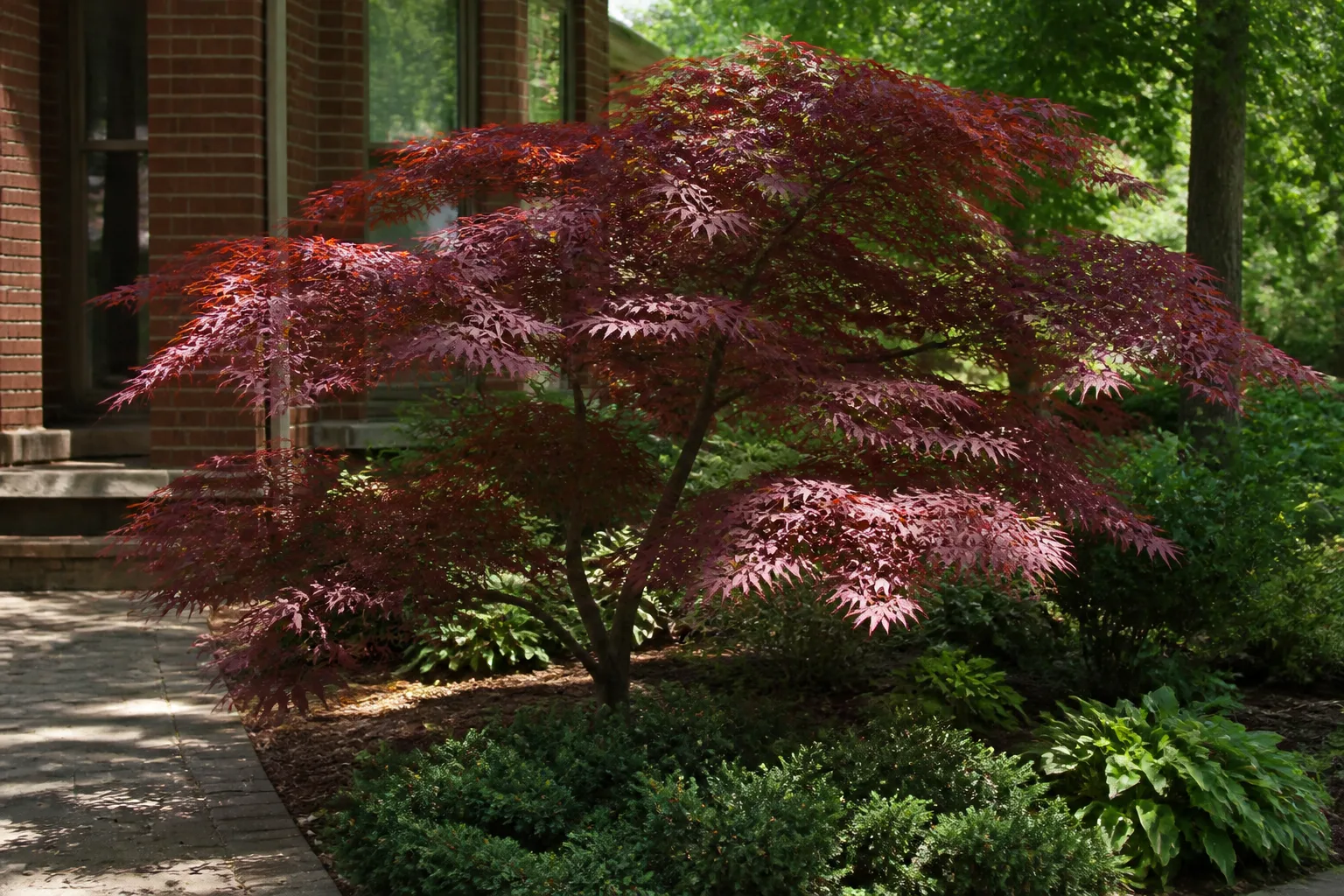
Nothing kills relaxation faster than feeling watched. Privacy does not require a fortress wall. Layered screening — fence or hedge, then taller plants, then furniture orientation — creates depth without making a small yard feel like a box.
Hedges, walls, and lattice that feel airy
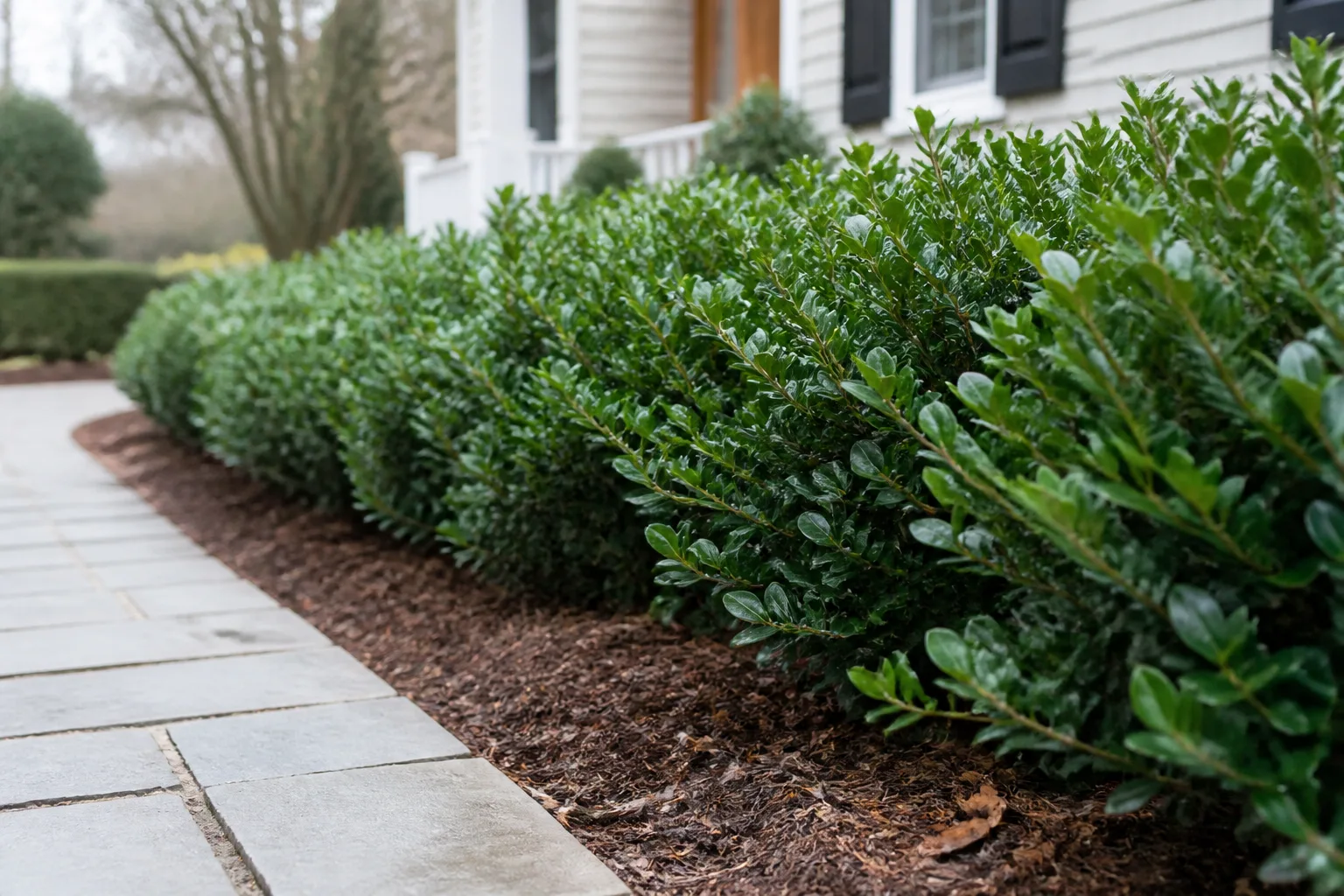
Tall hedges deliver a secret-garden mood, especially when allowed to grow slightly informal at the top. Evergreen shrubs need less seasonal cleanup than flower-heavy borders, but they also need width at maturity — check labels before planting against a narrow fence line. Lattice or slatted fencing blocks sightlines while letting air and filtered light through, which helps urban courtyards avoid a claustrophobic feel. High solid walls work in desert and midcentury settings where architecture carries the design; pair them with openings or translucent gates so the space does not feel sealed.
Plants can function as barriers: dense hedges block views and access; lower plantings suggest boundaries without closing the vista. Vines on a trellis soften a side entrance and cool a seating wall by afternoon. Match plant choices to your USDA hardiness zone and realistic pruning schedule — a privacy hedge you never trim becomes a maintenance burden, not an oasis.
Create zones for lounging, dining, and fire
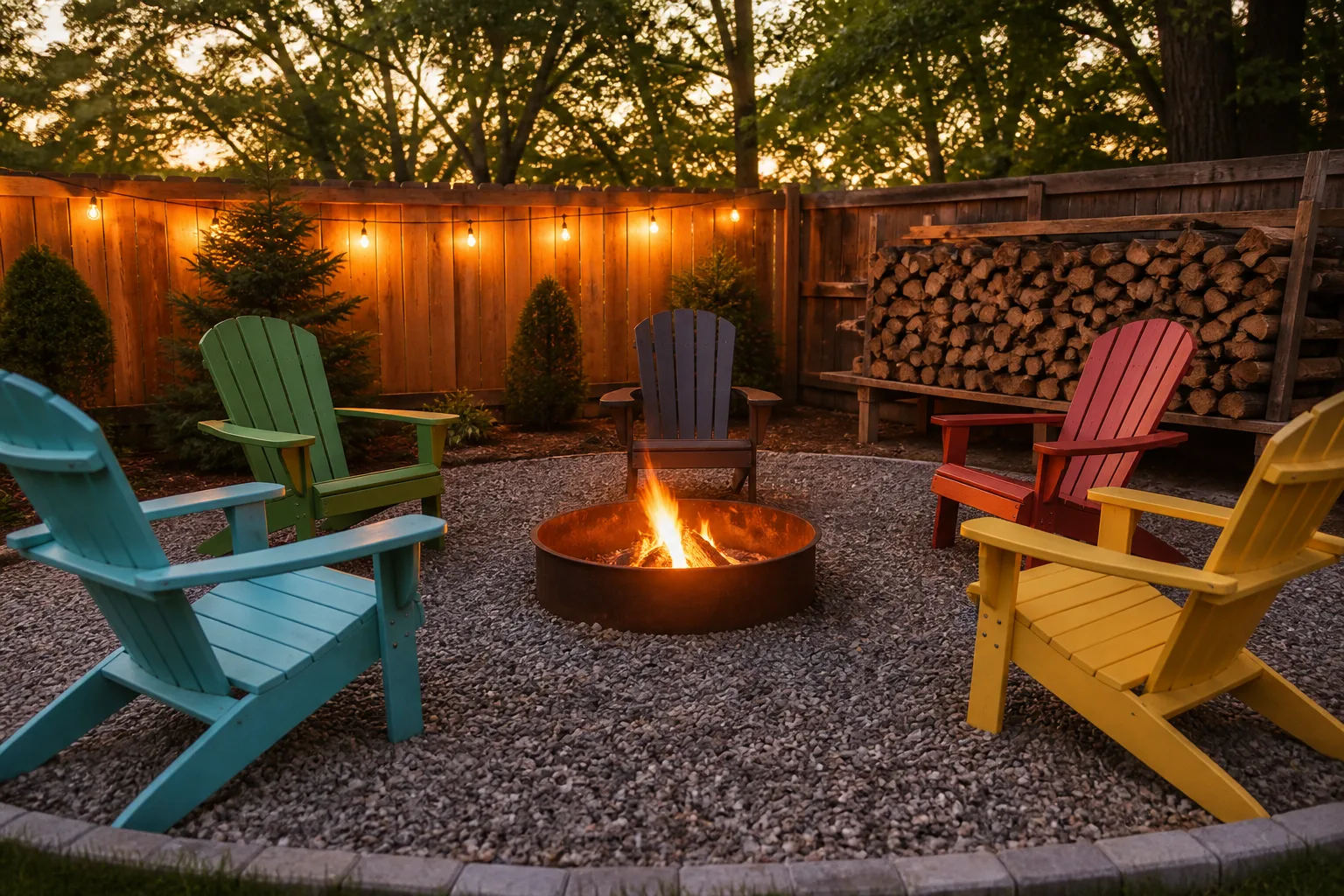
Multifunctional backyards work when zones are obvious. A guest should be able to tell where to sit, eat, or stand with a drink without asking. Overlapping functions is fine; overlapping furniture without boundaries is not.
Conversation areas and fire pits that get used
A fire pit conversation area anchors cool evenings and gives guests a natural focal point. Place it downwind of seating when possible, leave clearance for smoke, and use comfortable chairs with arms — not dining chairs — for longer sits. A U-shaped banquette on a gravel or paver pad defines a quiet corner and saves space in compact yards. Hammocks and hanging chairs fit corners under trees where floor space is tight; install hardware into sound structure, not decorative fence tops.
For a floating deck lounge with a view, keep furniture low and neutral so the landscape stays the hero. Neutral cushions and simple lines read more restful than a yard full of competing patterns.
Outdoor dining that works in real life
Dining under tree canopy is one of the most used upgrades because shade changes meal timing from “only after sunset” to “actually pleasant at lunch.” Size the table to your real guest count, not your aspirational one. Leave clearance for chairs to slide back without stepping into planting beds. A large farm table suits frequent hosts; a bistro set keeps a small patio breathable.
Separate the grill and prep zone from the lounge when you can. Chefs need counter space, light, and a path that does not cut through conversation seating. On sloped lots, a two-tiered deck can put dining in shade on the upper level and lounge or play on the lower — but only if railings and steps are lit for safety.
Use planting to cool, soften, and frame the space
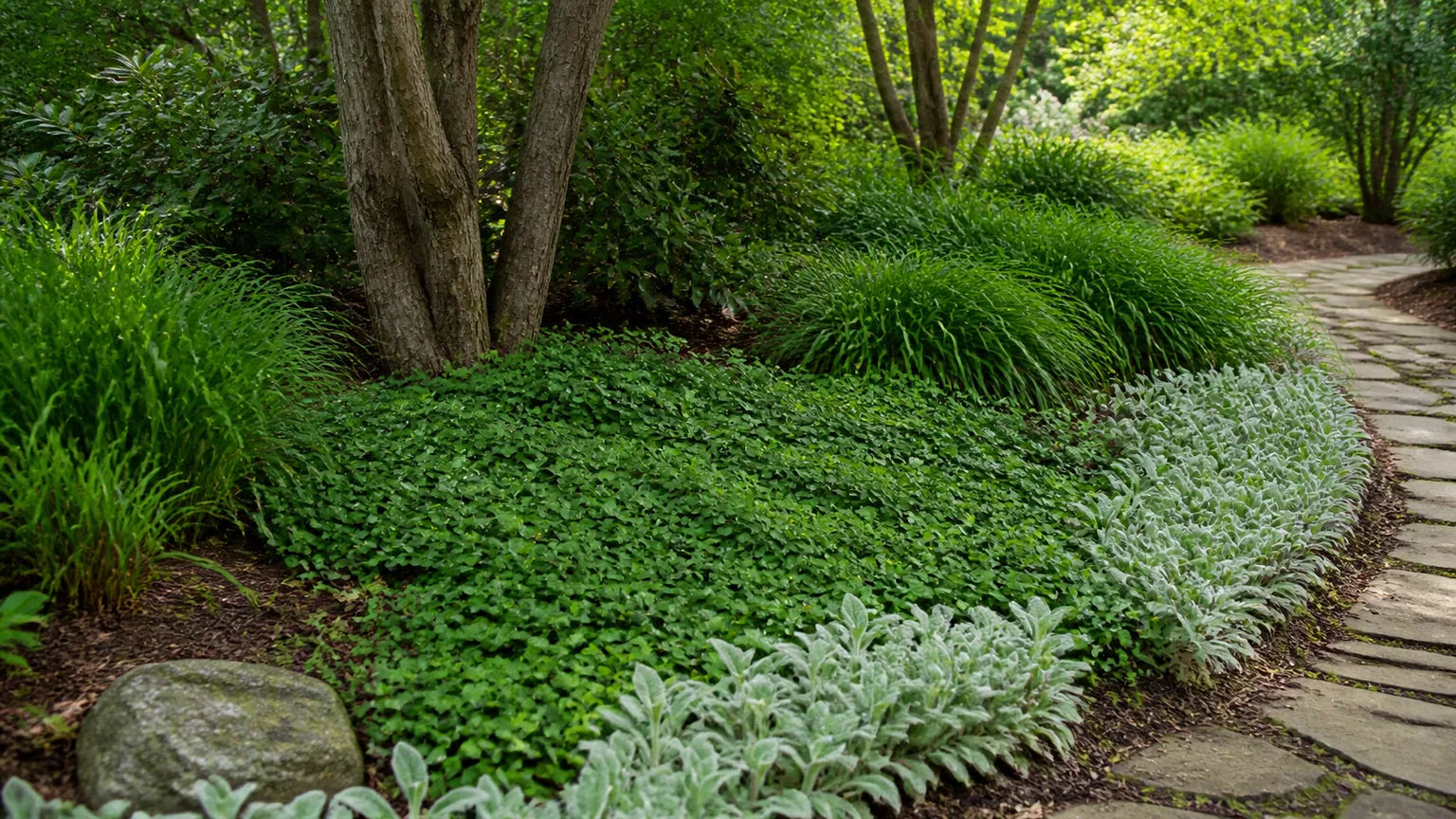
Plants do more than decorate. They lower perceived temperature, soften hard edges, frame views, and — when placed thoughtfully — make a new patio feel established.
Trees, canopy shade, and landscaping around existing trunks
Mature trees are assets. Design around them instead of fighting them: a bench built around a trunk, a hanging chair between two trees, or a dining table placed in dappled shade turns existing structure into a feature. Avoid piling soil against trunks or cutting major roots for paving; work with a arborist on grade changes near established trees.
Tree canopy makes pool and lounge areas feel luxurious and secluded, but plan for leaf drop, root competition, and future limb clearance. Manicured lawn patches between planting beds suit formal oasis styles; grassless gravel and shrub borders reduce mud and mowing in small entertaining yards where furniture traffic kills turf anyway.
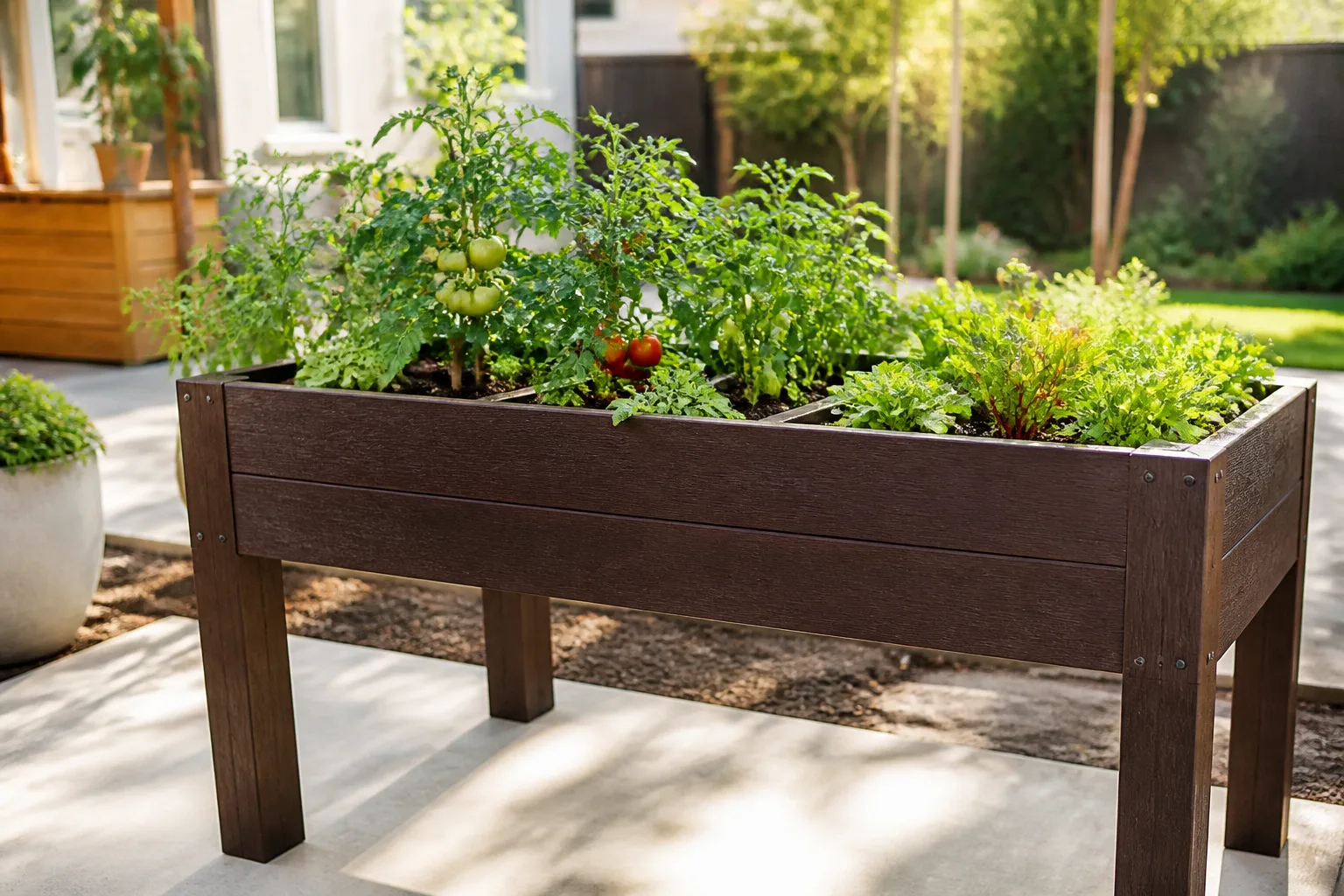
Raised herb gardens on a sunny patio edge add scent, cooking utility, and visual life without a large vegetable plot. Galvanized stock tanks or wood raised beds on gravel drain better than herbs stuck in lawn. Winding garden paths connect deck, fire pit, greenhouse, or shed and slow movement through the yard — that pacing is part of what makes a space feel like a retreat rather than a shortcut.
Layer planting heights — groundcover, mid-height shrubs, canopy — so the eye travels vertically. Repeating a few shapes and colors across beds creates cohesion, which reads as “designed” even when plant lists are simple.
Paths, decks, and hardscape that tie rooms together
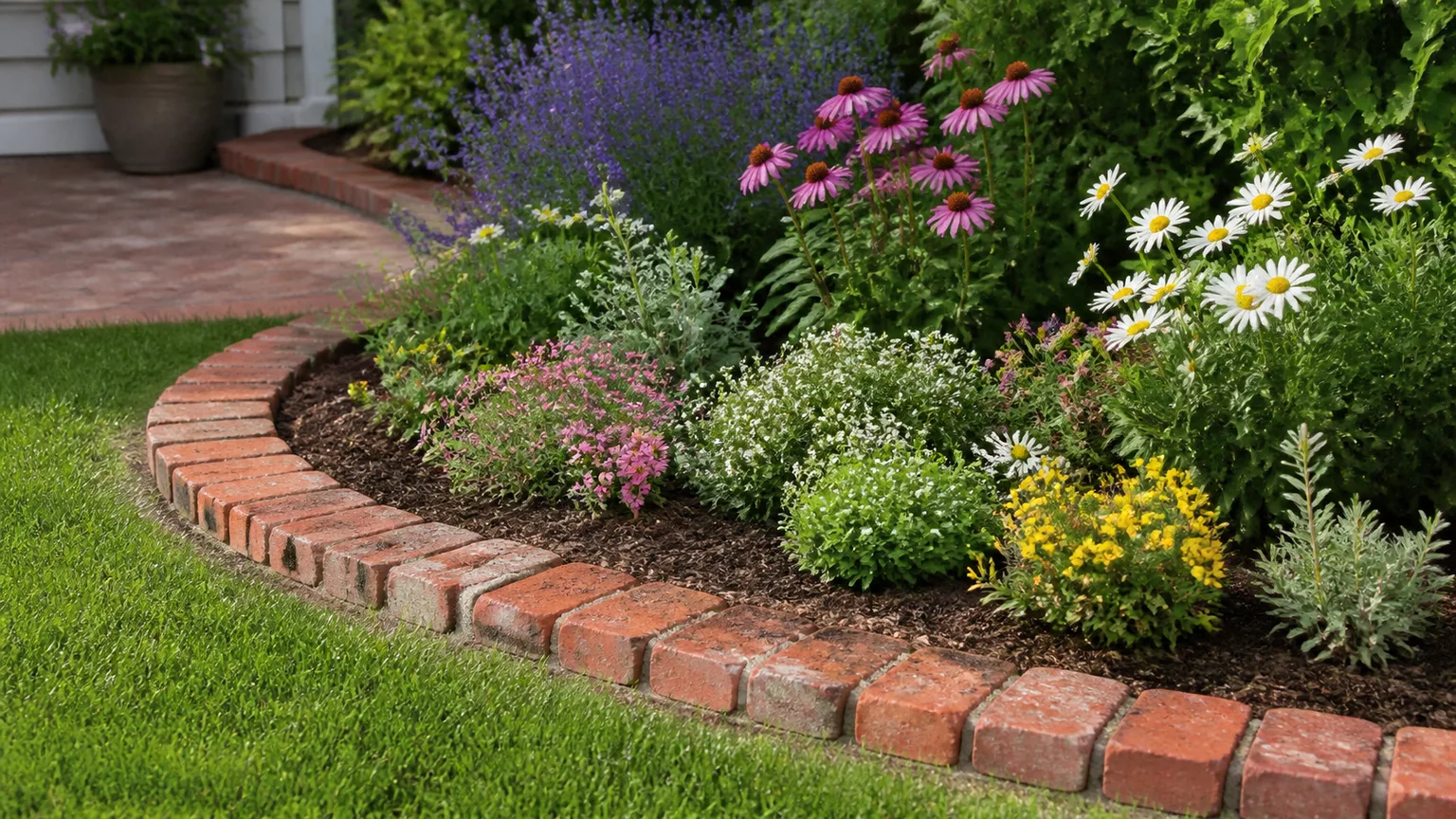
Hardscape is the floor plan of your outdoor home. Stone patios on sloped ground, stamped or poured concrete with proper slope, gravel pads for fire seating, and paver paths between zones keep feet clean and protect plants from daily foot traffic.
Embrace natural materials — stone, wood, rattan, linen — when you want warmth; use sleek white furnishings and clean-lined walls when architecture is modern and planting is the color. Minimal black-and-white palettes with tropical plants suit small pools and courtyards because contrast stays crisp without extra decor.
Blur indoor-outdoor lines with large glass doors and matching floor tones, but solve drainage and insect screens at the threshold before styling the transition. Indoor pillows only belong outdoors under covered porches where rain cannot reach them.
Lighting and atmosphere after dark

Lighting extends usable hours, but bad lighting ruins the calm you built. The RHS advises caution with garden lighting: wildlife depends on darkness, neighbors do not want spotlights in bedroom windows, and uplighting ponds can attract and harm flying insects.
Practical rules: light steps and paths with low, warm-toned fixtures; hide the source behind plants when backlighting grasses or peeling bark; use string lights, lanterns, and candles for mood in dining zones; turn decorative lights off when you go inside. Solar path lights work when panels receive daytime sun — shady side yards often need wired low-voltage kits instead.
29 backyard oasis ideas organized by goal
Below are 29 ideas drawn from real design moves that work across climates and lot sizes. Treat them as a menu tied to your plan, not a shopping list to install all at once.
Relaxation-first ideas
- Timeless seating with vintage urns and simple lines — aged planters and restrained furniture age gracefully; avoid trend-heavy pieces outdoors.
- Hammock corner — best in a quiet, partially shaded pocket with secure mounting.
- Hanging chair between trees — solo retreat zone; pair with a small side table.
- Quiet U-shaped banquette — defines a reading or fire corner separate from the main crowd.
- Tree bench — turns a trunk into a focal point; leave root zone unpaved.
- Organic stone patios in lawn — irregular edges soften modern houses on natural lots.
- Embrace the hillside setting — follow slope with terraces instead of fighting grade.
- Grow a tree canopy lounge — prioritize shade before buying more furniture.
- Natural textures — rattan, woven pendants, linen cushions warm desert and coastal yards.
- Yoga or wellness shed — convert a dry shed with bifold doors if climate allows year-round use.
Entertaining-first ideas
- Fire pit conversation patio — anchor seating in a circle or shallow U; check local fire codes.
- Large outdoor dining table under trees — shade is the upgrade guests notice first.
- Multifunctional backyard zones — cook, dine, lounge, swim, and soak without crowding one pad.
- Built-in banquette with pool or patio — saves space and keeps sightlines clean.
- Outdoor kitchen or grill station — separate from lounge; include light and prep surface.
- Modern comforts under cover — outdoor fireplace, sound, and TV only where weather and wiring are realistic.
- White-and-gold accent styling — metallic side tables and bar carts pop against green planting; keep metals sealed for weather.
- Set the table with living centerpieces — potted herbs or flowers beat fussy decor you must store.
- Resort-style pool with statement tile — high budget; plan privacy planting and maintenance before tile selection.
- Blur indoors and out — align flooring color and door sightlines so the patio reads as another room.
Small-yard and budget-smart ideas
- Zone a compact yard — two or three clear functions beat four cramped ones.
- Let hedges grow slightly informal — secret-garden privacy without instant mature hedge cost.
- Lattice enclosure — airy privacy for townhouses and narrow lots.
- Minimal color palette — black, white, and green simplifies small tropical courtyards.
- Sleek midcentury lines — high walls plus simple furniture make planting the focus.
- Raised herb garden on gravel — useful, pretty, and movable if you rent.
- Garden path linking features — connects deck, fire, and shed so the yard feels larger.
- Two-tiered deck on slope — doubles usable flat area; prioritize guardrails and lighting.
- Lounge on a floating deck — elevated platform for views when ground level is wet or uneven.
Pick three ideas maximum for your first season. Install privacy and a usable surface, then seating, then planting and lights.
Common backyard oasis mistakes to avoid
Buying furniture before solving drainage leads to puddles under chairs and mildew on cushions. Planting privacy trees too close to fences or pools ignores mature width. Over-lighting the whole yard harms wildlife and neighbors. Outdoor electronics without weather-rated enclosures fail quickly. Copying a pool-centric design when you need low maintenance creates a yard you avoid. Finally, skipping maintenance math — hedges, lawns, containers, and fabric all need time or money; be honest in planning, as UF/IFAS recommends, about whether you will maintain the landscape yourself or hire help.
Conclusion
A relaxing, stylish backyard oasis at home starts with how the space works, not how it photographs. Map users, sun, shade, and drainage; build privacy and comfortable zones; connect them with paths and planting; add warm, restrained lighting last. Use the 29 ideas above as targeted upgrades matched to your lot — conversation fire pits for hosts, hammock corners for quiet, raised herbs for cooks, lattice and hedges for privacy-challenged lots. Execute in phases, and the yard will feel intentional long before the project is “finished,” because a good oasis is never static; it grows with your plants, your habits, and the seasons you actually spend outside.



