How to Grow a Meadow Lawn This Spring
Learn how to start a meadow lawn this spring, choose regional plants, prepare soil, manage the first year, and mow an established meadow wisely.
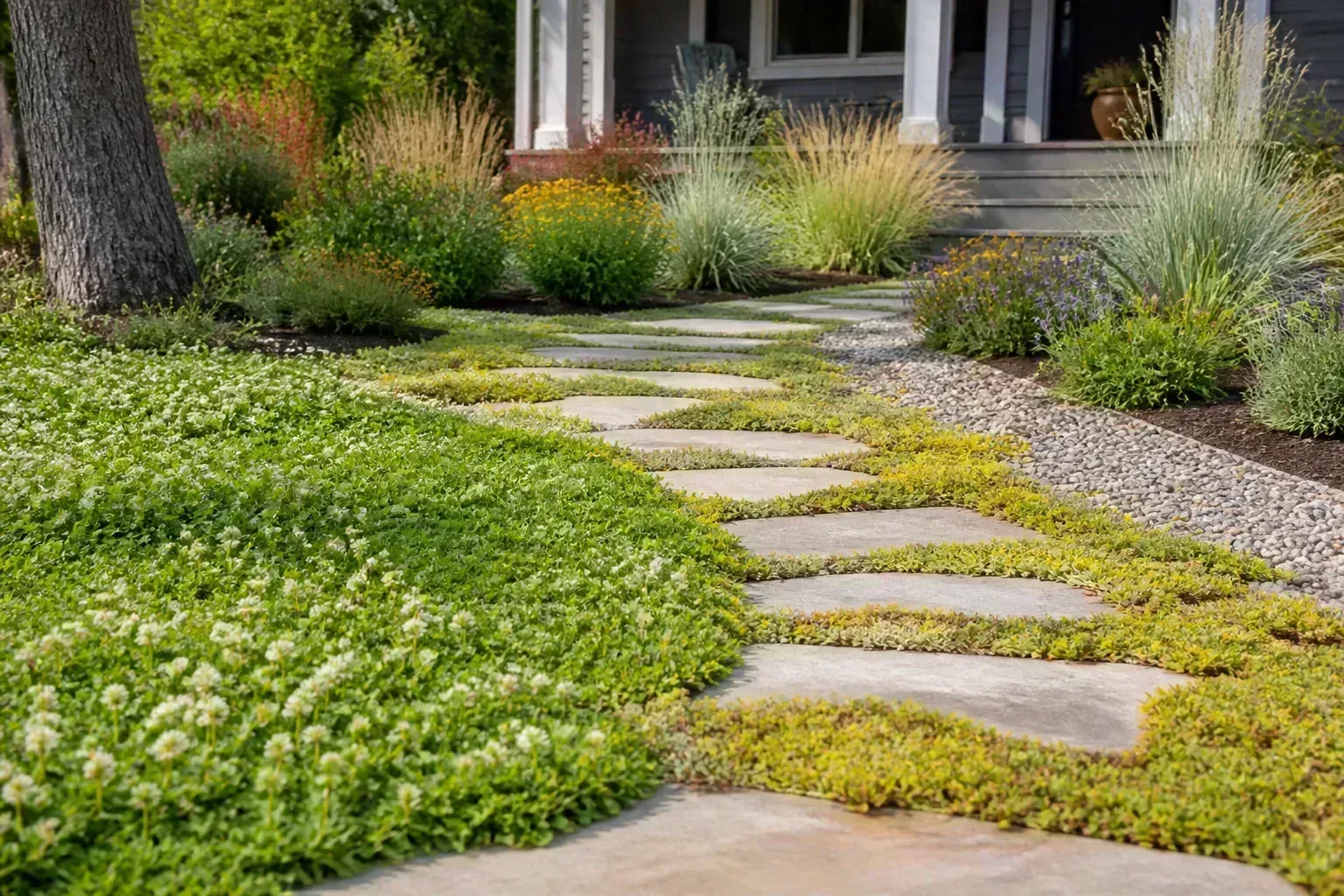
A meadow lawn can be a beautiful answer to a lawn that takes more time, water, fuel, and chemical input than you want to give it. The best versions are not neglected grass with a few flower seeds tossed on top. They are deliberate plant communities: grasses and flowers chosen for the site, allowed to bloom and set seed, then cut on a schedule that keeps woody plants and aggressive weeds from taking over.
Spring is a useful time to begin, but it is not a universal sowing date. You may be ready to prepare soil, mark paths, or let an existing patch grow now, while the actual seed sowing belongs in late fall for a particular regional mix. The right plan depends on whether you want a tall perennial meadow, a lower pollinator lawn, or a simpler first experiment in one corner of the yard.
What a Meadow Lawn Actually Is
A meadow lawn is a managed mix of grasses and flowering plants that is cut less often and allowed to support a wider range of seasonal growth than conventional turf. It can replace a whole lawn, occupy a broad front-yard patch, or take the form of a small island edged with mown grass. A meadow is still managed; the management is timed around flowering, seed production, wildlife, and plant balance rather than a uniform green height.
The phrase covers several different projects. A tall wildflower meadow usually contains upright perennials and bunchgrasses, has limited foot traffic, and may be viewed from a path or patio. A low-growing pollinator or bee lawn keeps some turf and adds plants such as clover or self-heal that tolerate closer mowing. A rewilded lawn simply pauses mowing so plants already present can flower. Calling all three a “wildflower lawn” can make the project sound easier than it is, so choose the form before you buy seed.
The Royal Horticultural Society’s guide to creating wildflower meadows separates annual and perennial meadows and also recognizes seed, turf, and existing-lawn conversion as different routes. That distinction is useful anywhere: a packet of quick annuals may create one bright season, while a regional perennial meadow takes longer to establish but is designed to return.
Why Gardeners Are Choosing Meadow Lawns
The strongest reason to grow a meadow lawn is not that it eliminates work. It changes the kind of work you do. Instead of mowing a uniform surface every week during peak growth, you spend more attention up front on site preparation and plant choice, then monitor weeds, make a few well-timed cuts, and keep paths or edges usable.
Pollinator habitat without a weekly short cut
Flowers provide nectar and pollen, while stems, seed heads, and leaf litter can offer shelter and food for insects and other small wildlife. A regional mix also gives you a better chance of supporting the pollinators that actually occur in your area than a generic packet labeled only “wildflowers.” The National Park Service’s regional pollinator planting cards are a helpful model: plant recommendations are organized by region because local growing conditions and pollinator relationships matter.
Habitat value is not a reason to ignore plant identity. Avoid collecting plants from wild places, and be cautious with mixes that contain invasive species, ornamental cultivars with unclear value, or plants that are not suited to your climate. If children or pets regularly graze in the yard, check every plant in the proposed mix and keep the meadow away from play areas when you cannot verify safety.
Seasonal color and lower routine inputs
A meadow gives you more than one green texture. Early growth may look quiet, summer brings flowers and tall stems, and fall can leave seed heads that provide structure after petals fade. The visual effect is also more forgiving: a patch can look intentional when it has a mown border, a path, and repeated plant shapes, even though it is not uniformly clipped.
Once established, many native plants can tolerate ordinary dry periods better than shallow-rooted, intensively managed turf, but “drought-tolerant” is not a guarantee. A freshly sown meadow needs moisture while roots form, and a species selected for a wet low spot will not be a good choice for a hot, sandy bank. The main savings usually come from fewer mowing passes and reduced fertilizer, not from never watering under any conditions.
Is Your Yard a Good Fit?
Treat the first spring as a site audit, not a race to scatter seed. Walk the area at different times of day, note where water sits after rain, and decide where people, pets, delivery workers, and lawn equipment need to move. A small meadow in the right place will outperform a large meadow in a shaded, compacted corridor.
Check sunlight, drainage, soil, and use
Most meadow flowers need several hours of direct sun. A bright, well-drained area is the easiest starting point, while deep shade, permanently wet soil, or a highly compacted root zone calls for a specialized mix or a different planting. Do not “fix” every site with a thick layer of compost: high fertility can favor vigorous grasses and weeds over slower wildflowers. Test the soil if you need to understand pH or major nutrient problems, then choose plants that fit the result.
Use a meadow where a little height is safe. Keep a short, mown strip beside sidewalks, around steps, near fire hydrants, and along the driveway so the boundary is clear. Leave a path through a larger area rather than creating informal footpaths that flatten plants and compact the soil. If an HOA, municipality, or neighbor expects a conventional lawn, a defined meadow bed with a neat edge is easier to explain and maintain than an abrupt wall of tall growth.
Be honest about foot traffic. A tall perennial meadow is not a substitute for a play lawn, picnic surface, or dog run. If you need a surface that can be crossed, consider a low pollinator lawn or retain a smaller turf zone and convert the least-used portion first.
Choose the Right Way to Start
There are two reliable starting paths, plus a useful middle ground. Choose based on what is already growing and how much control you need over the final plant community.
Rewild part of an existing lawn
The lowest-cost experiment is to stop mowing a defined patch and observe what appears. Mark its edge, mow a path around it, and remove obvious invasive or woody seedlings by hand. This approach works best when the existing lawn is thin enough to contain flowering plants already adapted to the site. It may produce a grass-dominant long-grass habitat rather than a flower-filled meadow, and that is still a legitimate result.
You can also keep a portion of the area short and overseed low-growing flowers where the turf is open and not heavily fertilized. Dense, vigorous grass is usually too competitive for tiny seedlings. The Michigan State University Extension guidance on pollinator lawns recommends reducing mowable area, retaining flowering volunteers where appropriate, and planning new flowering lawns around soil, drainage, shade, and the intended use of the space.
Remove turf for an intentional meadow
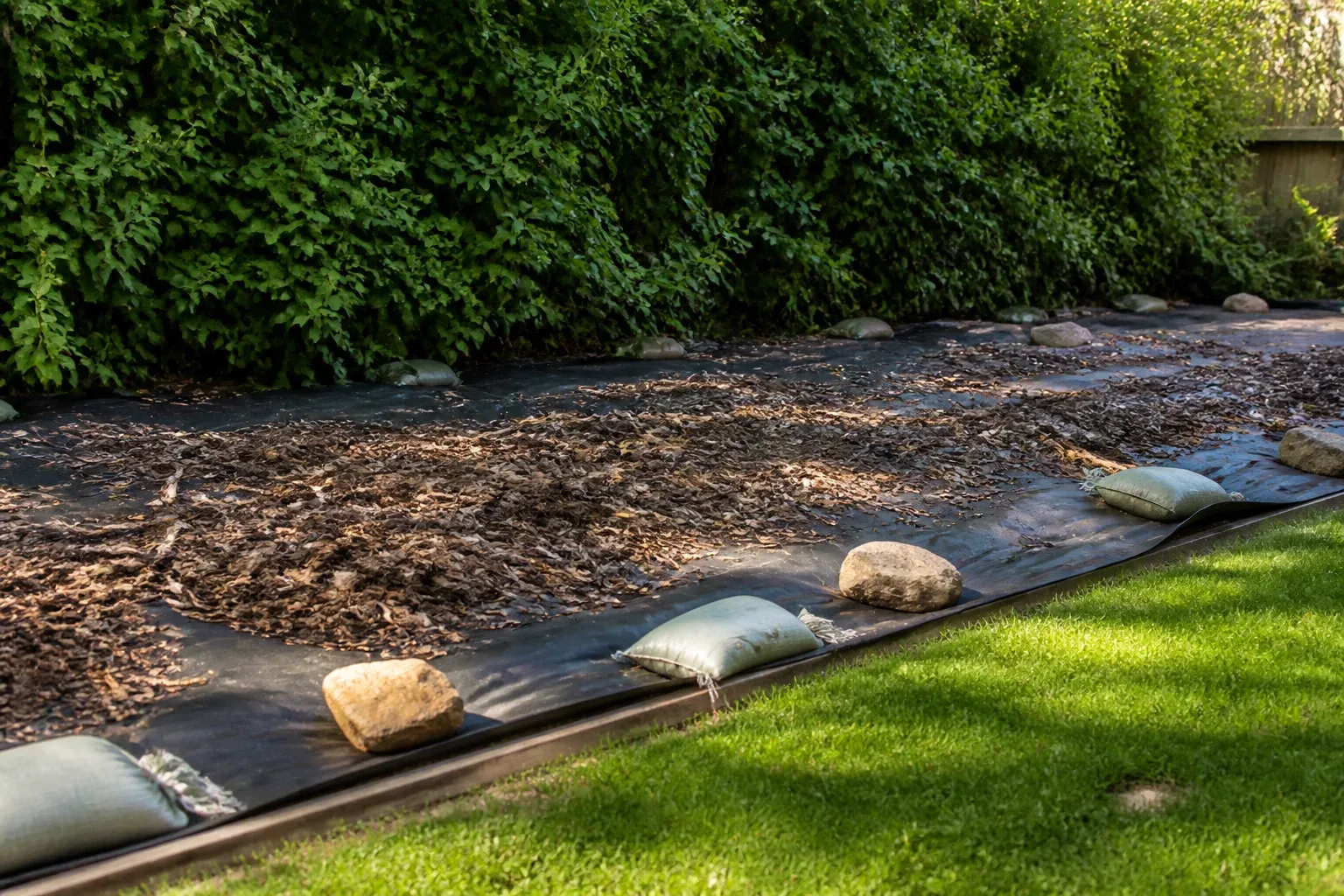
If you want a specific mix of plants, start with a clean, mostly weed-free seedbed. Existing turf can be removed with a sod cutter, dug out in a small area, or smothered with an appropriate sheet-mulching method. Solarization or other nonchemical methods may suit some sites; herbicides are not automatically the best answer and should never be used casually around flowering plants or pollinators. Follow the product label and local rules if chemical control is considered.
Removing grass is only the first half of preparation. Rake away dead thatch, break up compaction without pulverizing the soil, remove perennial weeds and their roots, and let the surface settle. A short waiting period can reveal a new flush of weeds that is easier to remove before sowing. The finished seedbed should be level, firm enough that you do not sink into it, and loose only at the shallow surface where seed will land.
Pick Plants for Your Region and Site
Start with a regional seed supplier, native plant nursery, conservation district, or extension recommendation rather than a universal “pollinator mix.” Look for the scientific names or a complete species list, the geographic region or state of origin, the soil and light conditions, and the proportions of flowers to grasses. A label that lists only colorful common names gives you too little information to judge what will thrive or spread.
Build a mix of native grasses and flowers
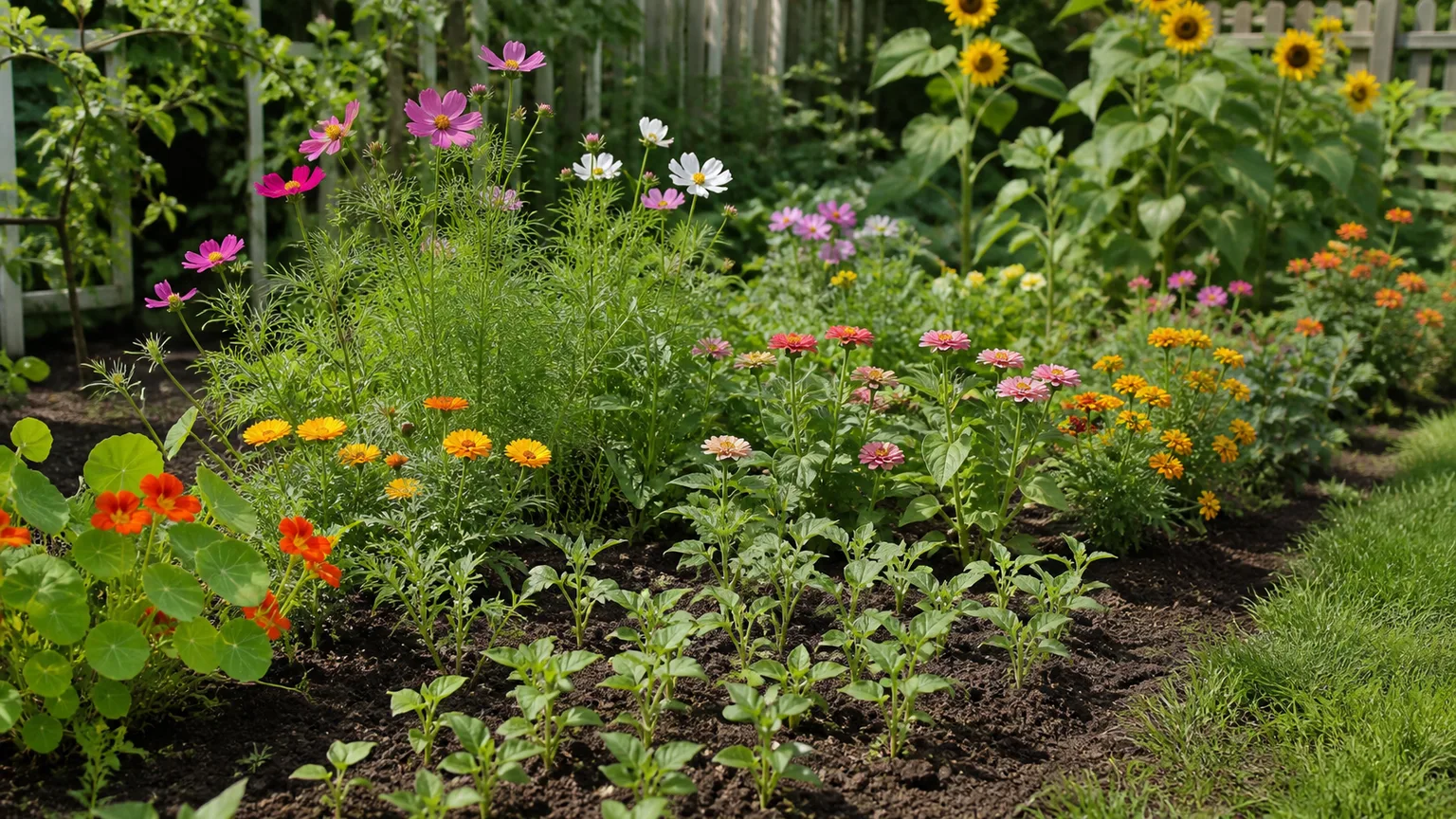
Native plants are usually a strong starting point because they are connected to local climate, soils, and wildlife, but “native” still needs a location attached to it. A species native to one side of a continent may behave very differently elsewhere. Prefer plants and seed sources appropriate to your region, and do not assume that the showiest flowers are the best habitat plants.
Include grasses as structural partners, not as filler. Bunchgrasses can protect bare soil, add winter form, and compete with opportunistic weeds without forming an impenetrable turf mat. Flowers should be spread across the season so the area does not bloom for one short window and then go quiet. Depending on your region, examples may include black-eyed Susan, coneflower, asters, goldenrod, milkweed, yarrow, clover, or self-heal—but those are examples to investigate, not a ready-made recipe.
Decide between annuals, perennials, seed, and plugs
Annual meadow mixes germinate quickly, flower in one season, and finish after setting seed. They are useful for a temporary display or a small trial, but they can create a misleading first impression because fast color is not the same as a stable perennial meadow. Perennial mixes often look sparse in their first season while roots develop, then become more substantial in the second and third years.
Seed is economical for larger areas and lets you create a broad, interwoven community, but it needs patience and careful site preparation. Plugs or container-grown native plants cost more per plant and require more spacing decisions, yet they can give a small meadow structure and visible plants while seed-grown perennials are still establishing. A mixed approach—seed for coverage plus a few plugs at the edge or along a path—can make a new planting easier to read without turning it into a formal border.
How to Plant a Meadow Lawn in Spring
Spring seeding can work when the soil is workable, drainage is good, and the chosen mix is intended for spring. In cold or wet areas, spring may be safer than sowing into soil that will stay saturated over winter. In other regions, late-fall sowing is useful because some native seeds benefit from natural winter moisture and cold exposure. Check the specific mix and local guidance instead of treating the title on a seed packet as a climate rule.
Use this sequence for a spring project:
- Mark the footprint and keep an access route. Outline the meadow with a hose, stakes, or a mown edge, and leave enough room for a mower or trimmer to work around it.
- Remove or weaken existing turf. Seed needs contact with soil. Do not expect a dense lawn to become a meadow merely because seed is scattered over it.
- Prepare a firm, fine surface. Remove roots and perennial weeds, loosen only as deeply as needed, and rake away stones and clods. Skip fertilizer unless a soil test and the mix instructions show a real need.
- Sow evenly. Mix small seed with a clean, inert carrier if that helps you see coverage. Divide the seed into two portions and spread them in crossing directions so one pass does not leave bare stripes. Follow the labeled rate; more seed is not always better.
- Press seed into the surface. Most meadow seed should be near the surface, not buried under a thick layer of soil. Firm contact with a roller, the back of a rake, or careful foot pressure helps seed stay in place. Lawn Love’s practical wildflower meadow guide likewise emphasizes firm seed-to-soil contact and shallow sowing rather than burying small seed.
- Water gently during establishment. Keep the surface evenly moist during germination without washing seed into piles or creating standing water. Once seedlings are rooted, taper toward deeper, less frequent watering and rely on rainfall when the site and climate allow it.
Protect the seedbed from foot traffic and mark it clearly. The first green shoots may be weeds or volunteer plants, so identify before removing anything. If you cannot identify a plant, photograph it and ask a local extension service, native-plant group, or knowledgeable nursery rather than pulling every unfamiliar seedling.
Manage the First Year Without Losing Patience
The first year is when many meadow projects fail emotionally. A perennial meadow may be short, patchy, and more leafy than floral while plants invest in roots. That does not automatically mean the seed failed. Keep records of what germinated, where water pooled, and which weeds appeared so you can improve the mix or add plugs at the right time.
Do not leave every first-year planting untouched. A planned high cut can reduce competition from fast annual weeds and keep seedlings from being shaded. The RHS maintenance guidance recommends different cutting schedules for new and established meadows, including an early cut after seedlings appear and repeated cuts through the first summer for some perennial or mixed plantings. Follow the instructions for your mix and local climate, and set the mower or trimmer high enough that you are not scalping young plants.
Walk the meadow regularly and hand-pull invasive plants, aggressive annual weeds, and tree seedlings before they set seed. Do not broadcast a lawn weed killer across a mixed flowering planting: a product designed to remove broadleaf weeds from grass cannot tell the difference between a dandelion and your intended wildflower. If a serious infestation requires treatment, identify the plant, read the label, and use the narrowest legal method possible.
Maintain an Established Meadow
An established meadow is lower maintenance, not maintenance-free. The goal is to preserve a changing mix rather than freeze the garden at its first peak bloom. Watch whether grasses are crowding flowers, whether one aggressive plant is forming a monoculture, and whether shrubs or tree seedlings are beginning to take hold.
Mow, weed, and leave the right material behind
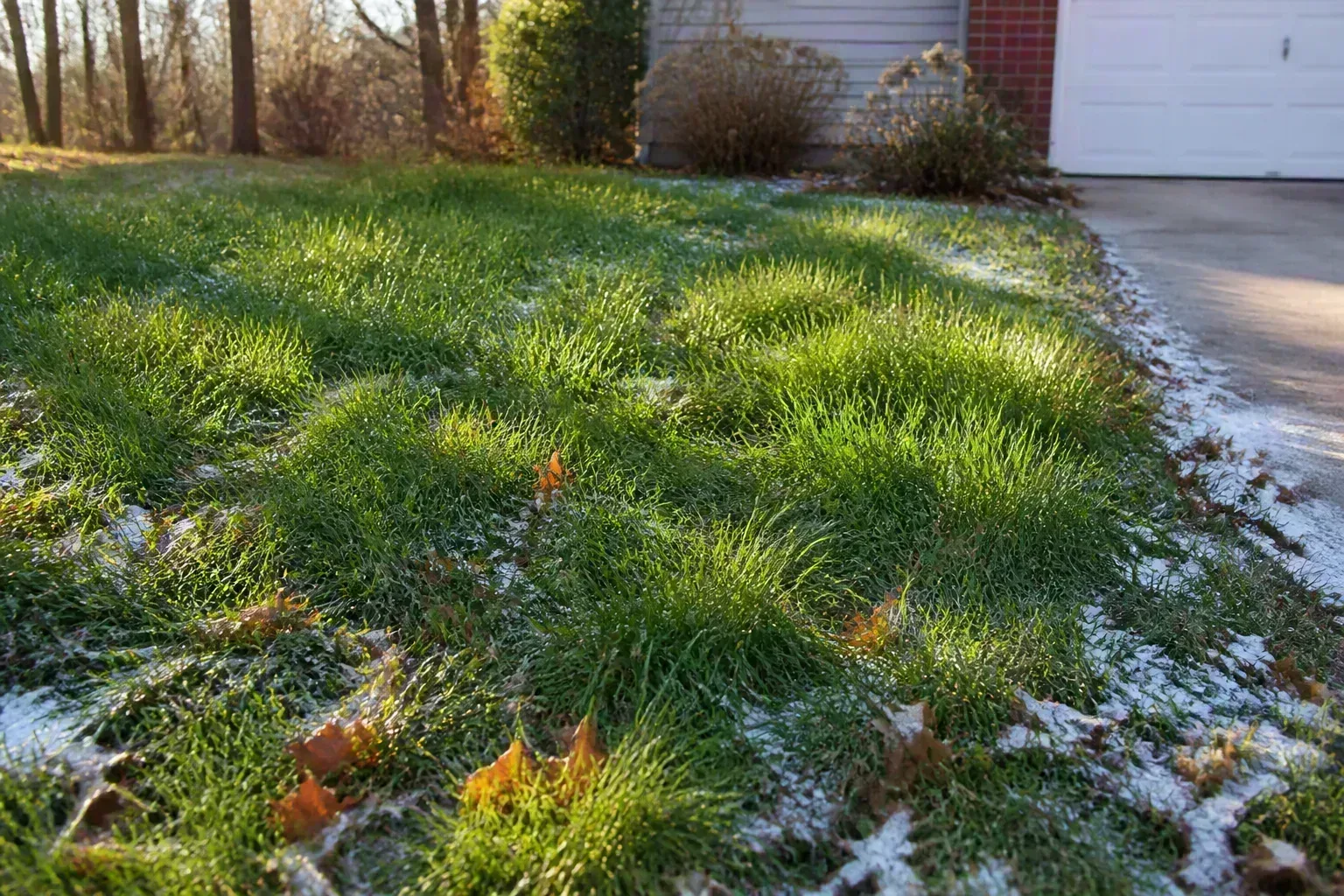
There is no single correct mowing date for every meadow. A spring cut can help where lush grass is overwhelming flowers. A summer or late-summer hay cut can follow seed set and remove excess growth. An autumn cut can keep fertile ground from becoming grass-heavy. In some small, low-fertility meadows, one major annual cut is enough; in others, two or more cuts maintain balance better. The RHS meadow maintenance guide explains how timing changes which flowers are favored and why substantial cut material is often removed after seed has dropped.
Before cutting tall growth, walk the area slowly and make enough noise for wildlife to move away. Use a mown perimeter and paths to make the meadow accessible, and keep equipment away from saturated soil. After a hay cut, leave material briefly if seed needs time to fall, then rake and remove the bulk of it when reducing fertility is part of the management goal. In other situations, leaving some seed heads and stems over winter can provide structure and shelter; management should serve your mix and wildlife goals rather than a rigid calendar.
Hand-weeding remains the most precise tool in a small meadow. Pull invasive or unwanted plants before seed production, cut woody volunteers at the base, and avoid confusing a native plant with a weed simply because it is not in your original packet. The Fine Gardening meadow-lawn guide also emphasizes that mown paths and crisp edges can make a relaxed planting look intentional while preserving access.
Common Meadow Lawn Mistakes to Avoid
Scattering seed into dense grass. Seedlings rarely win a race against an established turf canopy. Either open the soil, choose a low-growing overseeding project for a thin lawn, or simply rewild the existing plants instead of promising yourself a full meadow.
Buying a generic packet for a specific site. A mix for dry sun will disappoint in heavy shade; a tall mix will frustrate you beside a walkway. Match species, seed origin, soil, moisture, height, and intended use before buying.
Adding compost and fertilizer by reflex. Rich soil can produce tall grass and weeds faster than wildflowers. Test or observe first, then feed only when there is a clear, evidence-based reason.
Expecting first-year color to prove success. Quick annuals may flower immediately, while perennial natives build slowly. Judge the planting over more than one season and fill obvious gaps with appropriate plugs only after you understand the site.
Mowing by a slogan. “Once a year” may be a useful shorthand for an established, low-fertility meadow, but it is not a universal rule. New meadows, fertile sites, grass-dominant mixes, and wildlife-sensitive areas need different timing.
Trying to make every inch usable. Keep a short lawn for games, pets, or gatherings and let the meadow occupy the space that can be left alone. A smaller meadow that fits your life is more likely to survive than a large one that is constantly trampled or resented.
Treating a wild look as proof of ecological success. A tall patch can still be dominated by one aggressive grass or invasive plant. Diversity, seasonal continuity, and a site-appropriate management plan matter more than height alone.
Conclusion
A meadow lawn is worth growing when you want a more seasonal, habitat-friendly yard and are willing to trade uniformity for a living plant community. It can reduce mowing and fertilizer over time, add flowers and texture, and make a quiet part of your property useful to pollinators and other wildlife.
Start with the pathway that fits your yard: rewild a defined patch, build a low pollinator lawn, or remove turf and sow a regional perennial mix. This spring, audit the site, prepare the soil, choose plants for your climate, and protect the seedbed. Then give the meadow time to root, cut it according to its actual plant community, and keep a mown edge or path so the result feels intentional rather than abandoned.