Little Bluestem Care and Growing Guide
Learn how to grow little bluestem with the right sun, soil, watering, spacing, pruning, propagation, cultivar choice, and seasonal care.
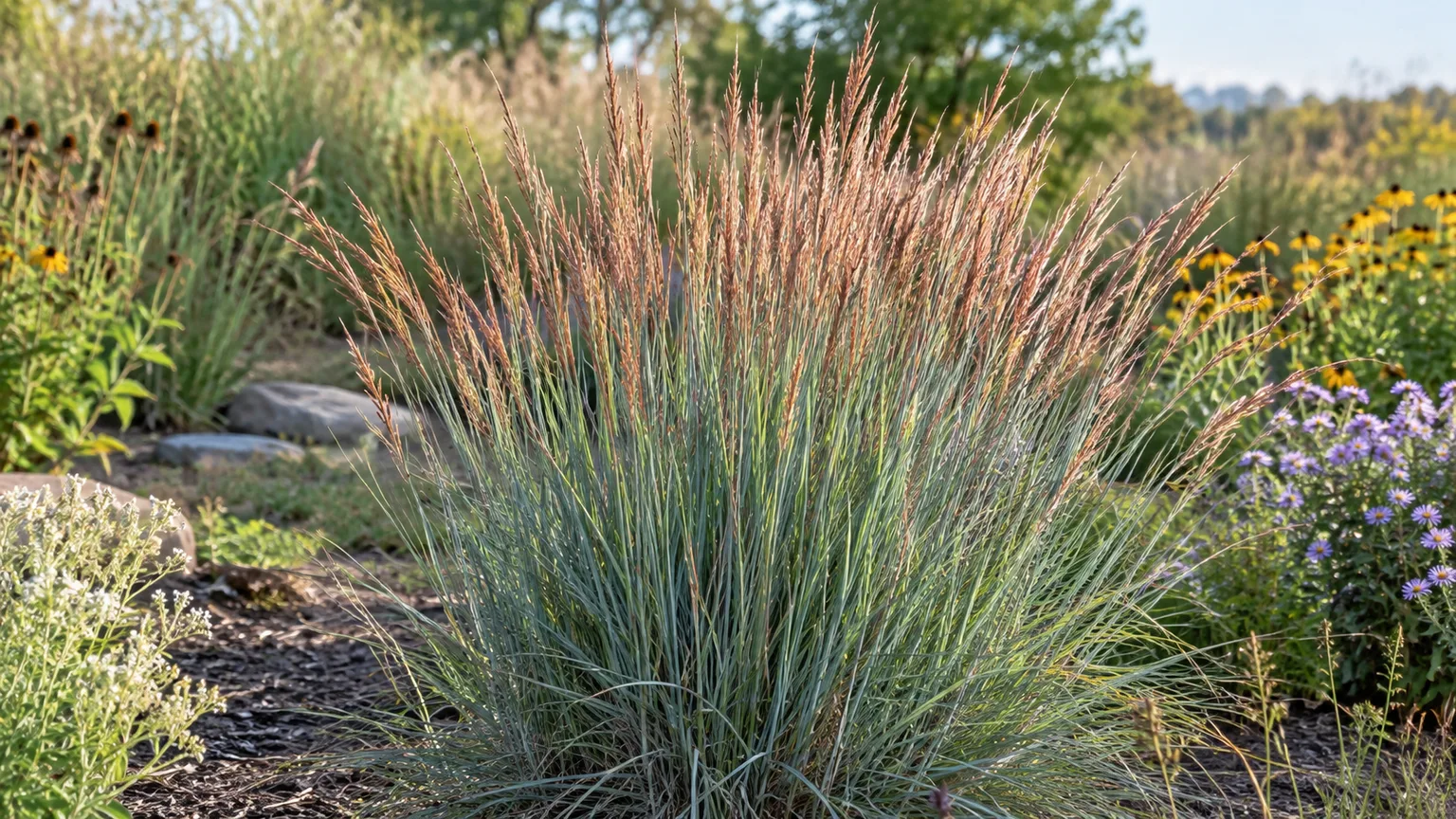
Little bluestem (Schizachyrium scoparium) is a warm-season North American bunchgrass that earns its place in a garden through structure rather than constant flowers. Its narrow blue-green blades form upright clumps, fine seed heads appear above the foliage in summer, and the plant shifts through copper, bronze, red, and straw tones as the season advances. The same deep-rooted, prairie-adapted habit that makes it resilient also explains its main care rule: sun, drainage, and restraint matter more than rich soil or frequent watering.
This is not a grass to tuck into a dark, irrigated corner and rescue with fertilizer. Give it a bright site where water moves away, keep competing plants from smothering the crown, and allow it time to establish. In the right place, little bluestem can be a dependable accent, a repeated drift, a slope plant, or part of a wildlife-friendly meadow with very little routine work.
Know the Grass Before You Plant It
Little bluestem is a clump-forming perennial, not a lawn grass and not a rhizomatous groundcover that fills every gap quickly. Individual plants expand gradually from a central crown and can produce seedlings when mature seed heads are left in place. That distinction is useful when planning: a drift needs deliberate spacing at the start, while a formal bed may need occasional removal of volunteers later.
Expect a plant roughly 2 to 3 feet tall in ordinary garden conditions, with flowering stems and seed heads sometimes rising higher. Mature height varies with cultivar, soil, moisture, and competition. The grass may look modest during its first season because it is investing in roots; a slow-looking first year is not automatically a failure.
Little bluestem is generally suited to USDA hardiness zones 3 through 9, but hardiness is only one part of the decision. A cold-zone plant in wet winter clay can fail where the temperature itself would not have been a problem. Conversely, a well-drained planting may handle heat and dry periods far better than a supposedly “easier” grass that has been placed in a constantly damp bed.
Choose a Site With Sun and Drainage
Give It More Light Than You Think
Full sun is the reliable target: aim for at least six hours of direct light, with more light preferred where summers are humid or the soil is fertile. Sun keeps the blades denser, improves the blue cast, supports flowering, and helps the crown dry after rain. In partial shade, the grass may survive, but it tends to be thinner, greener, and less upright.
Watch the seasonal sun pattern rather than judging a site in one month. A bed that is sunny in early spring may sit in the shadow of a tree once the canopy fills. Likewise, a wall can create reflected heat without providing enough actual light. If a mature clump repeatedly leans toward one direction, insufficient light is one possibility; excessive moisture and crowding are the others.
Match Soil Texture and Fertility
The best soil is well drained and moderately to low in fertility. Sandy, gravelly, rocky, and ordinary garden soils can all work if water does not remain around the crown. Little bluestem can tolerate clay, but “tolerate” does not mean “enjoy a waterlogged planting hole.” On heavy soil, improve the site broadly with grading, a raised position, or a slope rather than filling one small hole with rich compost that creates a bathtub effect.
Do not make the soil uniformly rich just because the grass is young. High fertility and abundant moisture can push soft, tall growth that bends at the base. If you are starting with a poor, compacted site, loosen the planting area and remove construction debris, but avoid turning it into a heavily amended vegetable bed. A lean, airy root zone usually produces a sturdier ornamental plant.
Plant Little Bluestem for Strong Establishment
Plant nursery-grown plugs or divisions in spring after the soil begins to warm, or in early fall where there is enough time for roots to settle before hard freezes. Spring planting is the safer default for cold climates and for small divisions. Fall planting can work well in milder areas, but a late purchase should not be forced into cold, saturated soil.
Prepare an area wider than the root ball. Remove perennial weeds, break up only compacted layers that genuinely restrict drainage, and set the crown at the same level it occupied in its container. Planting too deeply is a common quiet failure: the crown stays damp, new shoots emerge weakly, and the gardener responds with more water.
Water slowly immediately after planting so the root ball makes contact with surrounding soil. For the next several weeks, check the soil a few inches down rather than watering by calendar alone. The goal is consistent establishment moisture, not permanent wetness. A thin layer of mulch can reduce competition, but keep it away from the crown and do not bury a small plant under a thick blanket of wood chips.
In-Ground Spacing and Design
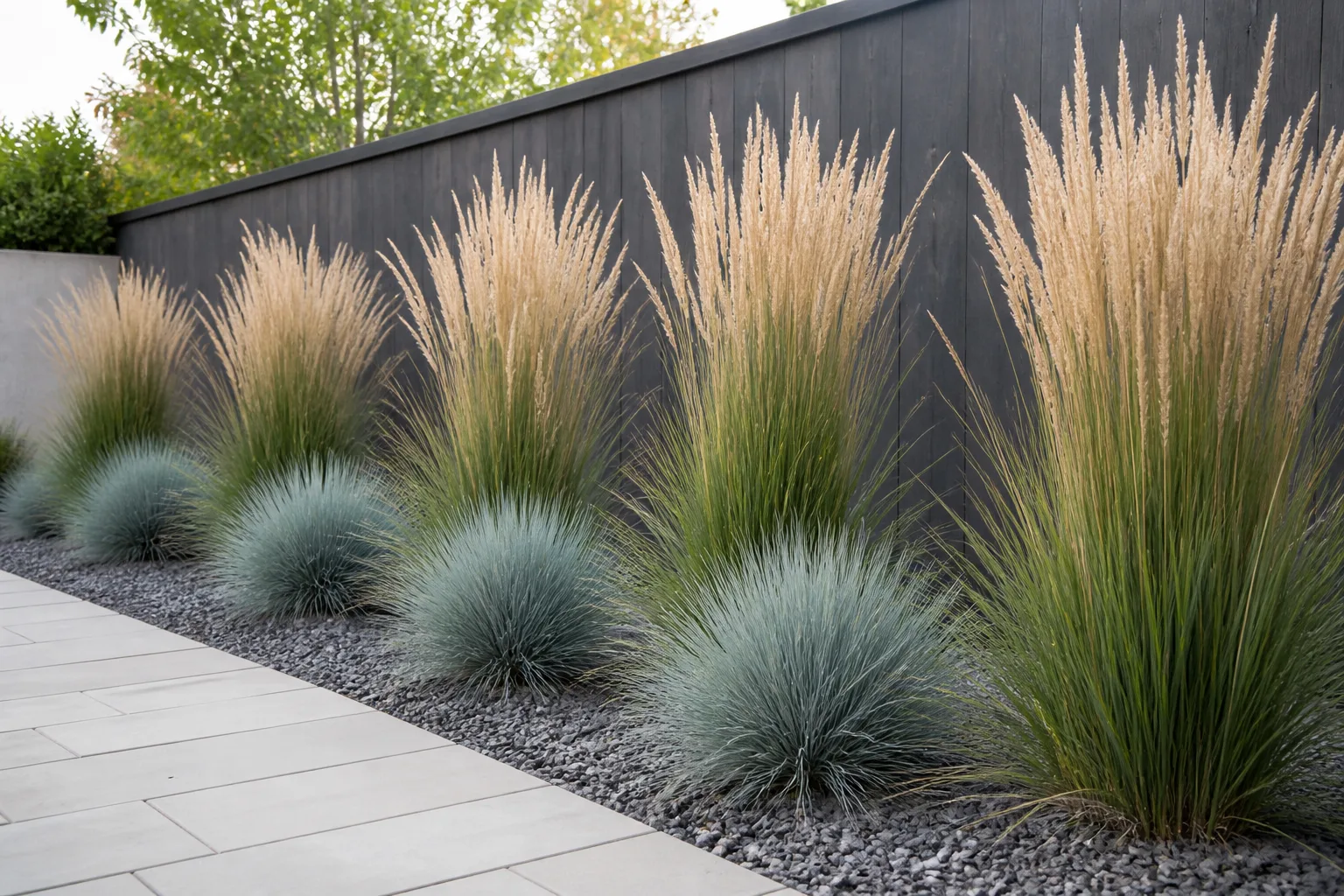
Space plants according to the final effect you want, not the size of the plug. About 18 to 24 inches between centers is a useful starting range for a visible drift, while a specimen planting can have more room and a dense edge can use closer spacing if airflow is still adequate. Read the cultivar label because tall upright selections and compact forms do not occupy the same visual footprint.
Use repetition to make little bluestem look intentional. Three, five, or more plants can echo a path or soften a hard edge, while isolated clumps work as punctuation among low perennials. Avoid placing it directly in front of a sprinkler head or at the bottom of a downspout; those locations defeat the plant’s natural drought tolerance.
Watering Through the First Two Years
Newly planted little bluestem needs attention while roots move beyond the original container or division. Water deeply when the upper few inches of surrounding soil have begun to dry, then allow excess water to drain. In hot weather, a young plant may need supplemental water weekly, but rainfall, soil type, wind, mulch, and planting date all change the interval.
After establishment, water less often and more deliberately. Mature plants can handle dry spells because their roots explore a larger volume of soil, but drought tolerance is not the same as a requirement for severe neglect. During an unusually prolonged, hot drought, water at the root zone before the plant shows severe collapse. Avoid frequent shallow sprinkling, which encourages surface roots and keeps the foliage damp.
If the stems droop after irrigation, check the soil before adding more water. A clump can look thirsty in heat while the root zone is actually saturated. Probe with a trowel or finger, inspect drainage after rain, and look for a pattern across the whole bed. One wilted plant beside healthy neighbors may have a root or crown problem; a whole row flopping after heavy watering points more strongly to site conditions.
Fertilizer, Mulch, and Soil Amendments
Little bluestem rarely needs routine fertilizer in a garden bed. If a soil test identifies a genuine deficiency, correct that specific issue at an appropriate rate rather than applying a broad high-nitrogen feed by habit. Nitrogen can make ornamental grasses look lush briefly while reducing the sturdy, upright form that makes this species valuable.
Mulch is optional, not a substitute for drainage. A thin layer can suppress weeds while plants establish, but keep the crown visible and leave an air gap around the base. In a meadow-style planting, leaf litter and neighboring stems may provide enough ground cover; in a formal border, hand weeding around young clumps may be more useful than adding more mulch.
Seasonal Growth and Winter Appearance
As a warm-season grass, little bluestem starts slowly in cool spring soil. Do not assume a dormant clump is dead simply because cool-season weeds are already green. New growth usually becomes more obvious as temperatures rise, and the plant’s strongest height and color arrive later in the growing season.
Summer brings narrow foliage and airy seed heads that catch light without becoming a heavy plume. Fall color can be one of the plant’s best features, especially when the clump receives strong sun and is not being overwatered. In winter, the dried stems hold shape and can shelter seed-eating birds, although snow, wind, and cultivar differences affect how long the display remains upright.
Pruning Without Losing Habitat Value
The cleanest routine is to leave the dried stems through winter and cut the clump back in late winter or early spring before fresh shoots are tall. This timing preserves winter structure and seed access, then clears space for new growth. Cut stems a few inches above the crown rather than scalping into the growing point.
If you are managing a small formal bed, you can remove damaged stems earlier, but there is little benefit to cutting a healthy plant down in autumn just because the color has changed. Fall cutting removes habitat and makes the border look bare during the season when the grass can still provide texture. In fire-prone settings or where local rules require vegetation reduction, follow the site’s safety guidance and treat habitat goals as secondary to risk control.
Use clean, sharp pruners for a few plants or a hedge trimmer for a larger drift. Wear gloves: dry grass blades can be surprisingly sharp. Bag diseased-looking material rather than spreading it as mulch, and clear the cut stems from dense crowns if last season’s foliage stayed wet and matted.
Cultivars Worth Considering
The straight species is a sensible choice when you want genetic variation and a natural prairie look. Cultivars are useful when a particular height, color, or habit matters more than a uniform wild appearance.
‘The Blues’ is valued for stronger blue tones and rich fall color, though its performance still depends on light and soil. ‘Standing Ovation’ is often selected when a taller, more upright silhouette and wind tolerance are priorities. ‘Blaze’ is a good candidate for dramatic red fall color and may handle heavier soil better than some selections, but no cultivar turns standing water into a suitable site.
Before buying, compare mature dimensions and ask whether the nursery-propagated plant is a named cultivar or a seed-grown form. A seed-grown plant may vary in color and height, which is useful in a naturalistic planting but less desirable when you need a uniform row.
Grow Little Bluestem From Seed
Seed is economical for a large meadow-style area and lets you establish many plants without purchasing mature containers. It is less predictable for a formal border because germination, seedling competition, and first-year size vary. Use fresh, clean seed from a reputable source and prepare a weed-free seedbed; tiny seedlings lose the race to established weeds.
Sow in spring when soil is warming, pressing seed into the surface or covering it only lightly according to the supplier’s directions. Keep the seed zone evenly moist until germination, then gradually lengthen the interval between waterings as roots develop. Warm soil speeds emergence, but a cool spring can make the process look stalled. Mark the area so it is not disturbed while seedlings are small.
For cold climates, fall sowing can provide natural winter exposure, but it also exposes seed to erosion, rodents, and uneven moisture. Choose the timing that matches your site rather than treating one method as universally best. Seedlings may need a full season or more before they look like a finished ornamental clump.
Divide an Established Clump
Division is the quickest way to make a known plant into several matching plants. Divide in spring as new growth begins, when the clump is large enough to handle and the weather is not yet intensely hot. Dig around the entire crown, lift it with as much root mass as practical, and use a sharp spade or knife to separate vigorous sections with both roots and shoots.
Replant divisions promptly at the original depth and water them in. Keep them evenly but not constantly moist during establishment. Very small pieces may survive, but they take longer to fill out and dry faster than substantial divisions. If the center of an old clump is dead or crowded, discard the exhausted center and replant the healthy outer sections.
Containers, Slopes, and Difficult Sites
Little bluestem can grow in a large container, but a pot is a compromise rather than its ideal long-term home. Choose a container with generous drainage, use a free-draining mix, and expect to water more often during the growing season because roots cannot explore the surrounding soil. Protect the pot from repeated freeze-thaw exposure in cold climates, and divide or refresh the plant when the root mass becomes congested.
On a slope, this grass can help hold soil once established, but young plants still need protection from runoff. Plant across the slope’s flow path, use temporary erosion control where necessary, and keep the seedbed from washing away. A shallow, sunny rise is usually more promising than a low pocket where water collects after every storm.
In a rain garden or permanently damp swale, choose a species adapted to wet feet instead. Little bluestem may tolerate an occasional wet period, but repeated saturation is a poor match. The right plant in the right hydrologic zone will outperform a drought-tolerant plant forced into a wet one.
Troubleshoot Flopping, Browning, and Sparse Growth
Flopping is usually a cultural clue, not a request for a support ring. Check for excess water, rich soil, too much shade, a crowded crown, and late-season storm damage. If the plant is green, vigorous, and only the seed heads arch slightly, that may be normal movement rather than failure. If stems bend from the base and remain soft, reduce irrigation, stop routine fertilizer, improve light, and consider moving or dividing the plant during the next suitable season.
Brown foliage in late fall or winter is normal dormancy. Brown tips in midsummer can reflect drought, salt exposure, root damage, or a crown that stays wet. Feel the soil and inspect the whole plant before diagnosing a nutrient deficiency. A dry outer edge beside a downspout may be receiving runoff on one side and drying on the other, creating symptoms that look inconsistent.
Sparse growth during the first season is often establishment rather than decline. Remove weeds, confirm the crown is not buried, and give the plant time. Sparse growth that persists into later seasons usually points to shade, competition, poor drainage, or a mismatch between the cultivar and the site.
Pests, Disease, and Wildlife Interactions
Little bluestem is not immune to problems, but it is generally less demanding than many intensively fed ornamentals. Leaf spots and other fungal issues become more likely when foliage stays wet, clumps are crowded, or the crown is stressed by poor drainage. Improve airflow and watering practices before reaching for a treatment.
Inspect new plants for insects before planting and remove heavily damaged leaves when practical. Avoid broad-spectrum insecticide applications during bloom or seed-head development when beneficial insects and other wildlife are active. The grass itself can provide cover and seed resources, but wildlife value varies with the surrounding planting and local bird populations.
Deer pressure is not a guarantee that little bluestem will be untouched. Browsing preferences change with season and food availability, so use a barrier or deer strategy where protection is essential. Treat the grass as one habitat layer, not a complete wildlife garden by itself; combine it with locally appropriate flowers, shrubs, and undisturbed cover.
Control Self-Sowing and Maintain a Bed
Let seed heads remain if you want natural regeneration, then remove volunteer seedlings while they are small and easy to identify. In a formal border, cut or shear selected seed heads before they shed, but do not remove every stem if winter structure and bird forage are part of the planting’s purpose. This is a design decision, not a judgment about whether self-sowing is inherently good or bad.
Keep an annual eye on the crown and neighboring plants. Thin crowded clumps before airflow disappears, pull seedlings from paths and gravel where they are unwanted, and refresh the edge so the planting does not blur into lawn. Little bluestem is manageable when you choose where it can reproduce; it becomes frustrating when the bed is allowed to seed into every crack and then cleaned only once a year.
Conclusion: Give This Grass the Conditions It Wants
Successful little bluestem care is mostly about choosing a compatible site and resisting the urge to improve it with too much water or fertilizer. Plant it in sun, provide drainage, space it for mature air movement, water consistently during establishment, and let the clump experience a leaner routine once rooted.
Leave the stems through winter when conditions allow, prune before spring growth accelerates, and choose seed or division according to whether you value scale or uniformity. When a plant flops or browns, investigate light, moisture, fertility, and planting depth in that order. With those decisions handled, Schizachyrium scoparium supplies blue-green texture, late-season color, winter structure, and useful habitat without demanding a high-input maintenance schedule.