How to Grow and Care for Mustard Plants
Grow mustard plants for tender greens or seed with cool-season timing, direct-sowing steps, watering, spacing, pest prevention, harvesting, and seed-saving advice.
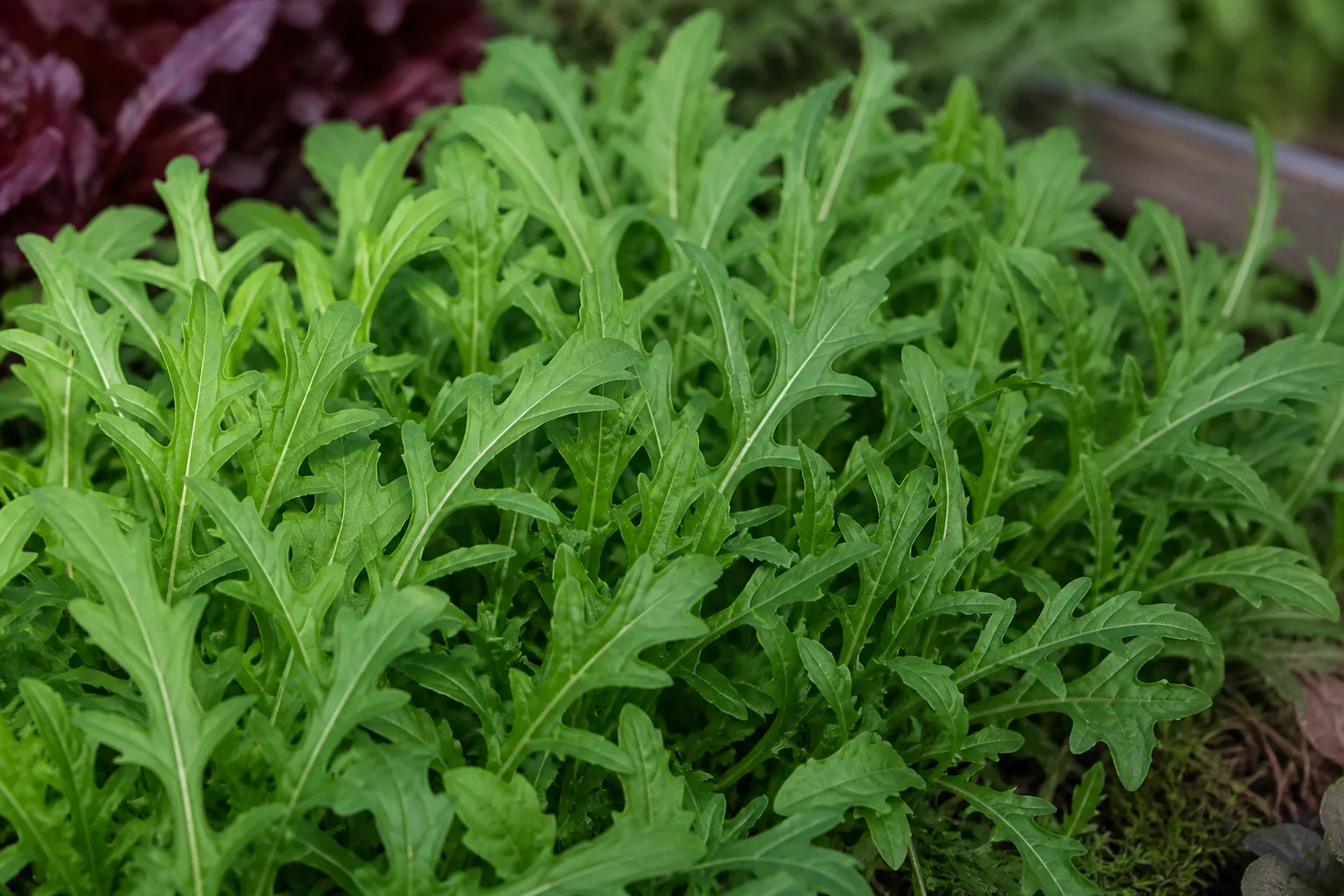
Mustard is a fast cool-season crop that can give you baby salad leaves, full-size cooking greens, edible flowers, or a crop of seed for grinding. The catch is timing: the same plant that produces tender, peppery leaves in cool weather can race toward flowers in heat, drought, or long summer days.
The most reliable plan is to decide your harvest goal first, sow directly into well-drained soil, keep the root zone evenly moist, and harvest before the plant spends its energy on a seed stalk. If you want seed, grow a separate group and let it follow a different schedule. NC State Extension describes mustard greens as annuals that prefer rich, consistently moist soil and become more likely to bolt and develop a stronger flavor in summer.
Decide whether you are growing for leaves, seed, or both
Mustard is not one uniform crop. A small patch grown for baby leaves needs close sowing and frequent cutting. A plant grown for large mature leaves needs more room, steady fertility, and enough time before heat arrives. A seed crop needs still more room, support, and patience after the leaf harvest would normally be over.
For a home garden, the easiest approach is to reserve one short row for greens and, if you want seed, reserve a second row for seed plants. That separation prevents a common mistake: pulling every plant when the first yellow flowers appear, then wondering why there are no mustard seeds to save. It also lets you keep harvesting tender leaves from one group while another finishes its flowering cycle.
Mustard greens are usually harvested as a cut-and-come-again crop, not as a permanent perennial. You can pick outer leaves repeatedly while the center grows, but the plant will eventually flower. Once the central stalk elongates, the leaves usually become sharper, tougher, or more bitter, especially if hot weather and dry soil arrive together.
Mustard types and what they are best for
For leafy greens, look first for cultivars of brown mustard (Brassica juncea). They may have smooth, frilled, green, red, or purple-tinged leaves, and the seed packet often tells you whether the flavor is mild, hot, or slow to bolt. NC State lists brown mustard under common names including Chinese, Indian, leaf, oriental, and vegetable mustard, which is a useful reminder that common names overlap.
White or yellow mustard and black mustard are more commonly selected for their seed, although the plants may also be edible. If your goal is a jar of homemade mustard, buy seed sold for that purpose and check the days to maturity. If your goal is salads or stir-fries, choose a named greens variety rather than assuming any mustard seed will produce the leaf texture you want.
Read the packet for three details before buying: days to baby-leaf harvest, days to mature harvest, and bolting or heat tolerance. A variety that reaches baby size in about three weeks gives you more flexibility than a slow variety if your spring warms quickly. A frilled or red-leaved cultivar may be chosen for texture or color, but the flavor still depends heavily on plant age and weather.
Do not confuse edible garden mustard with every wild plant called mustard. Field mustard may be grown as a cover crop, and garlic mustard is a separate invasive weed in many areas. Identify any volunteer before eating it, and do not let a seed crop spread into nearby natural areas where local rules treat it as a noxious plant.
Choose a cool planting window
Mustard grows best when the crop will mature in cool, moderate weather rather than in peak summer. In spring, sow as soon as the soil can be prepared and your local forecast gives seedlings time to establish before the last expected frost. In fall, count backward from the first expected frost by roughly four to eight weeks, adjusting for the variety’s days to maturity and your climate.
That range is deliberately broader than a single calendar date. A quick baby-leaf crop can be sown later than a seed crop, while a northern gardener may need a faster variety for fall. Sow Right Seeds recommends spring sowing about four weeks before the last frost and fall sowing four to six weeks before the first frost, with succession sowing every three weeks when the season allows.
Mustard seed can germinate in soil around 45°F, but colder soil slows emergence. Once plants are growing, light frost is usually less concerning than a sudden run of hot days. If your only open window is midsummer, choose a heat-tolerant variety, use afternoon shade, mulch the soil, and plan to harvest young. It is still more realistic to treat midsummer mustard as a gamble than as ideal timing.
For an extended harvest, sow a short row every two to three weeks instead of planting the entire packet at once. Stop sowing when the crop would mature during your region’s hottest stretch. This simple succession plan protects you from losing every plant to one heat wave and gives you leaves at several stages of tenderness.
Prepare the bed and plan crop rotation
Choose a site with full sun during cool weather, or morning sun and light afternoon shade where spring and fall temperatures rise quickly. Mustard tolerates partial shade, but growth will be slower and leaves may stay smaller. The important combination is light plus soil that drains after rain rather than remaining waterlogged around the shallow roots.
Before sowing, loosen the top few inches and mix in finished compost if the bed is low in organic matter. Aim for a crumbly seedbed: mustard seed is small, so clods and crusted soil create uneven emergence. A soil test is more useful than guessing at lime or fertilizer, especially if you have had clubroot or repeated brassica problems.
Rotate mustard with crops outside the cabbage family. Cabbage, broccoli, cauliflower, kale, radish, turnip, and other brassicas can share pests and soil-borne diseases, so do not put mustard straight into the same bed year after year. A three-year break from brassicas is a practical target where space allows; if your garden is small, rotate as widely as you can and remove diseased roots and crop debris at the end of the season.
Direct-sow mustard step by step
Direct sowing is usually the simplest method because mustard germinates quickly and does not need a long indoor start. The RHS recommends a fine, weed-free seedbed, drills about 10 millimeters deep, rows 25 to 30 centimeters apart, and thinning crowded plants to about 20 centimeters for larger leaves.
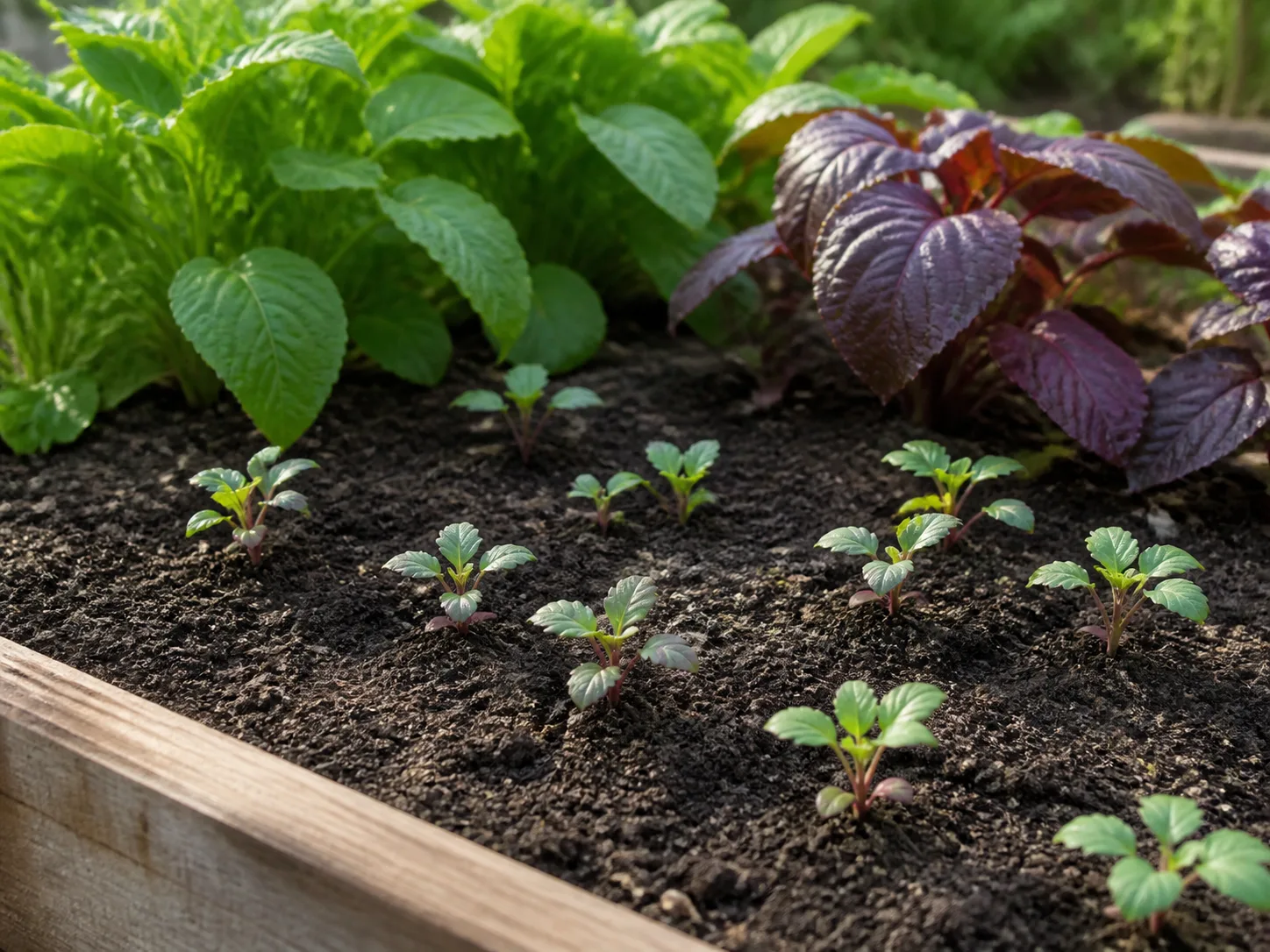
- Water dry soil the day before planting so you do not wash seed into a trench.
- Make shallow furrows about 1/4 inch deep. Do not bury the seed at the depth used for large beans or peas.
- Sow seeds about an inch apart for plants you will thin, or broadcast more densely if your goal is baby greens.
- Cover with a light layer of fine soil and press gently for good seed-to-soil contact.
- Water with a gentle spray and keep the surface consistently damp until seedlings emerge, often within four to twelve days.
- Mark the variety and sowing date. That small label helps you compare flavor, bolting, and days to harvest later.
Do not soak mustard seed before planting. The seed is small and quick to germinate in moist soil, so pre-soaking adds handling without solving the main problems, which are poor soil contact, drying, crusting, and unfavorable temperatures.
Thin seedlings for the harvest you want
Thin when seedlings are large enough to handle and use the thinnings as microgreens or baby greens. For a baby-leaf row, you can leave plants relatively close and harvest early. For mature leaves, thin to about 6 to 12 inches apart depending on the variety’s size; the larger the packet says the plant will become, the more space it needs.
Keep rows about 10 to 12 inches apart for easy watering and cutting. Seed plants should be spaced farther apart—roughly 12 to 18 inches where possible—and staked once the flowering stems become tall. Crowded plants are harder to inspect, dry more slowly after rain, and compete for water just when heat is pushing them toward bolting.
Container mustard: an easy small-space option
Mustard greens are well suited to pots, troughs, and window boxes because you can grow them for baby leaves without waiting for a large root system. Use a container with drainage holes and at least about 8 inches of depth; a wider pot is more useful than a tall, narrow one because mustard is harvested across the surface.
Fill the container with fresh, well-draining potting mix rather than garden soil, which can compact in a pot. Sow a short line or scatter seed lightly, then thin according to whether you want baby leaves or full plants. A crowded container can produce a quick cut, but it will dry out faster and is more likely to give small, stressed leaves.
Containers need more frequent checks than garden beds because they heat and dry from every side. Feel the top inch of mix and lift the pot when you can; water when the mix is beginning to dry, not after the plant has wilted. Seed production is possible in a large container, but a small pot rarely provides the root room, stability, and number of plants that make seed saving worthwhile.
Light, temperature, and water that keep leaves tender
Give mustard full sun during cool weather. In a hot climate or late spring, light afternoon shade can protect baby leaves and slow the transition to flowering. Shade is a heat-management tool, not a substitute for light; deep shade produces weak, slow growth and a smaller harvest.
Keep the soil evenly moist but never saturated. A dry spell can make leaves tougher and intensify their peppery flavor, while waterlogged soil reduces root oxygen and raises disease risk. Water at the base in the morning when possible so foliage dries before night, a practice NC State Extension connects with lower fungal-disease risk.
A thin mulch layer helps after seedlings are established. Keep mulch a little away from the crown, and do not use a heavy layer over tiny seedlings that are still trying to emerge. In a container, check moisture more often than you would in a bed; a pot that feels dry on a sunny morning may need water again sooner than expected.
Feed for leaves without overdoing nitrogen
Compost mixed into the bed before sowing is often enough for a short greens crop. If growth is pale, slow, or unusually small despite good light and moisture, side-dress with compost or apply a complete fertilizer according to its label. A modest nitrogen supply supports leaf growth, but repeated heavy feeding can create lush, soft tissue that is more attractive to pests and does not fix a crop planted in the wrong season.
Do not fertilize a plant that is already bolting back into leafy production. Once the stem has elongated and flower buds are forming, the useful decision is whether to harvest what is still tender, pull the plant, or let it finish for seed. More fertilizer cannot turn a hot-weather seed stalk back into a young spring plant.
Prevent flea beetles, caterpillars, and slugs
Inspect the underside of leaves every few days while seedlings are small. Flea beetles leave many tiny round holes, especially in young leaves. Caterpillars and cabbage loopers make ragged holes or consume sections between the veins. Aphids cluster around tender growth, while slugs and snails leave irregular chewing and sometimes a glistening trail.
The best first defense is physical: cover newly sown rows with a floating row cover whose edges are sealed to the soil, then check underneath for trapped pests. Because mustard greens do not need insect pollination for a leaf harvest, you can keep the cover in place while the plants are young. Remove it if plants become crowded beneath it, if heat builds, or when you need access for harvest.
Wash small aphid colonies from sturdy leaves with a directed stream of water and hand-pick caterpillars when you find them. For a larger problem, use only a product labeled for edible brassicas, follow its mixing and harvest-interval directions, and identify the pest before spraying. “Natural” is not the same as risk-free, and a home remedy can leave residues or scorch leaves.
Spot disease early and protect next crops
Good spacing and morning watering are the simplest disease controls. Powdery mildew looks like pale dusty growth on leaves; downy mildew often begins as yellow or pale patches with growth on the leaf underside. Remove badly affected leaves, improve airflow, and avoid working among wet plants because handling spreads moisture and debris.
Clubroot deserves a different response because it survives in soil. If mustard or another brassica repeatedly wilts in moist soil and has swollen, distorted roots, do not simply add fertilizer. Remove infected plants and soil clinging to them, clean tools, improve drainage, and rotate the bed away from brassicas for several years. A soil test can guide pH changes; do not add lime blindly just because one crop failed.
Never compost heavily diseased brassica roots in a home pile that does not reliably heat. Clean up fallen leaves and spent stems after harvest, and do not save seed from a weak or diseased plant. A seed crop should come from vigorous plants that performed well under your normal conditions.
Harvest mustard greens for repeat picking
Baby leaves may be ready in roughly 25 to 30 days, while mature leaves often take about 40 to 50 days, depending on variety and weather. Use the calendar only as a starting estimate. The better test is leaf size, texture, and flavor: young leaves are tender and milder, while older leaves are stronger and better suited to cooking.
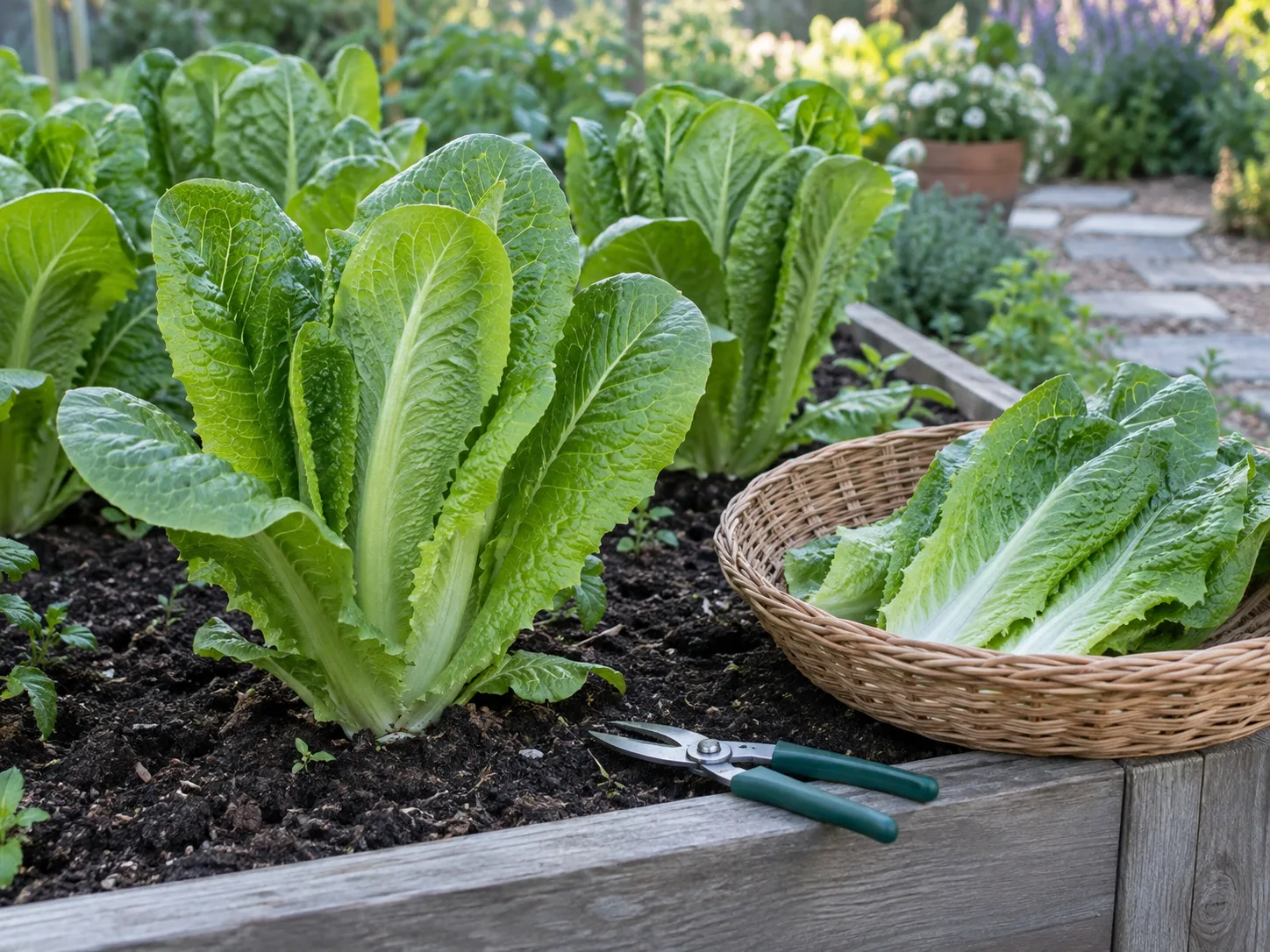
Harvest in the morning when leaves are crisp. Cut the largest outer leaves near their base with clean scissors, leaving the central growing point and newest leaves intact. Grow Organic’s practical guide recommends outer-leaf picking to keep plants producing, while noting that baby and mature harvest dates vary by variety.
Pick only what you can cool and use promptly. Refrigerate dry, unwashed leaves in a loose bag or container, then wash just before cooking. If a large harvest arrives at once, blanching and freezing is more reliable for cooked greens than expecting a full-size leaf crop to stay crisp for weeks.
A light frost can improve the flavor of some mustard greens, but do not use frost tolerance as a reason to leave every crop outside indefinitely. A hard freeze, wind, or repeated freeze-thaw cycle can damage leaves. Protect the bed or finish the harvest according to your local forecast and the variety’s tolerance.
What to do when mustard bolts
Bolting is the plant’s shift from leaf production to flowering and seed production. Look for a central stem that stretches upward, smaller new leaves, flower buds, and eventually yellow flowers. Heat is the usual trigger, but drought, crowding, nutrient stress, and abrupt temperature changes can push the same response.
If the stem has only just started, harvest the remaining tender leaves immediately and keep them cool after cutting. If flowers are open and the leaves are tough, stop treating the plant as a greens crop. Pull it to prevent unwanted self-seeding, or mark it as a seed plant and let the pods mature.
Bolting is not a care failure you can reverse with extra water or fertilizer. For the next sowing, move the planting earlier or later, choose a slower-bolting variety, protect the afternoon side from heat, mulch the soil, and sow several small batches instead of one large batch.
Grow mustard for seed and save it cleanly
Seed production takes longer than greens production and works best when you can leave plants in place after flowering. Stake tall stems before they lean, and remove weak plants so you save seed from the healthiest performers. If you are growing several mustard varieties, separate them or use an appropriate isolation method because insects can move pollen between flowering plants and saved seed may not come true.
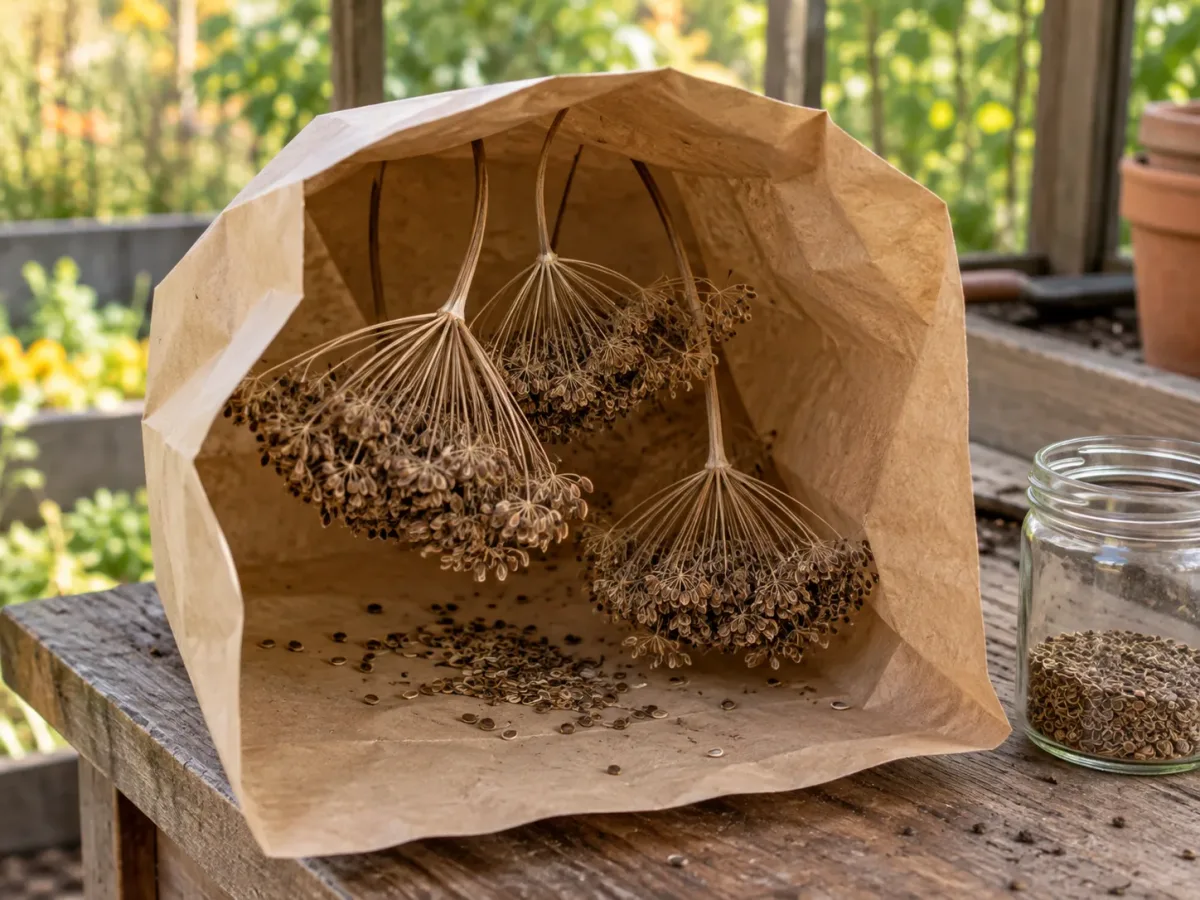
After flowering, watch the pods rather than the leaves. Cut seed-bearing stems when most pods have changed from green to tan or brown and feel dry, but before they split and scatter. Put the stems in a paper bag or on a tray in a warm, dry, well-ventilated place. Let them become crisp; Epic Gardening recommends slow, cool, dark drying when possible to preserve mustard seed flavor.
When pods crackle and release seed easily, thresh them over a bowl by rubbing or shaking the dry stems. Pour the mixture slowly between bowls outdoors or in a protected workspace so lighter chaff blows away from the heavier seed. Label the variety and year, then store whole seed in an airtight container in a cool, dark, dry place. Grind only what you need because whole seed generally holds its flavor longer than ground seed.
Do not save seed from a plant that you sprayed without checking the product’s label and harvest restrictions. If you cannot keep the crop dry and fully mature, buying fresh seed is safer and more predictable than storing a damp, questionable batch.
Use the whole plant wisely
Young mustard leaves can be eaten raw when they are clean, tender, and mild enough for your palate. Mature leaves and stems are often better cooked, where heat softens their texture and mellows some of the sharpness. Flower buds and open flowers can also be used as a peppery accent, but the plant’s best culinary stage depends on the variety.
When the plant has bolted, taste a small clean leaf before deciding what to do with it. A stronger flavor is not automatically a problem if you planned to cook it, but a fibrous leaf is a quality signal that the crop has passed its best salad stage. Compost spent plants only when they are healthy and unlikely to spread seed where you do not want mustard.
Common mistakes that shorten the harvest
The most common mistake is planting by month instead of by weather. A packet sown into a hot July bed can fail even when the same variety is excellent in September. Use your frost dates, expected heat, and days to maturity together.
The second mistake is treating mustard as drought-tolerant because it grows quickly. Fast leaf growth requires a steady water supply. If the soil swings from dry to saturated, leaves become tougher, roots suffer, and the plant may bolt earlier.
The third is spacing for the seed packet’s first sprout and never thinning. Crowded seedlings compete for light and moisture, conceal pests, and make airflow poor. Eat the thinnings and give the remaining plants the space their mature size requires.
Finally, do not wait for a whole row to reach one perfect size. Harvest a few outer leaves from established plants, sow the next short row, and keep a separate seed plant if you want to save seed. That rhythm is more resilient than trying to make every mustard plant do every job at once.
Conclusion
Mustard is easy to grow when you treat it as a cool-season crop with a short, flexible harvest window. Sow shallowly into a fine, fertile bed, keep the soil evenly moist, thin for the size you want, and protect young leaves from crucifer pests. Harvest outer leaves while they are tender, and move the crop out of the way when heat or a seed stalk tells you the leaf season is ending.
If you want mustard seed, plan for a separate group of vigorous plants, support the flowering stems, let the pods dry fully, and label the saved seed. The best result is not the biggest plant; it is a planting date and harvest goal that match your weather, your space, and the way you actually plan to eat or use the crop.