4 Fall Plants: When to Plant Them and When to Wait
Thinking about fall planting? See when mums, black-eyed Susans, goldenrod, and coneflowers fit—and when cold or wet soil makes spring a smarter choice.
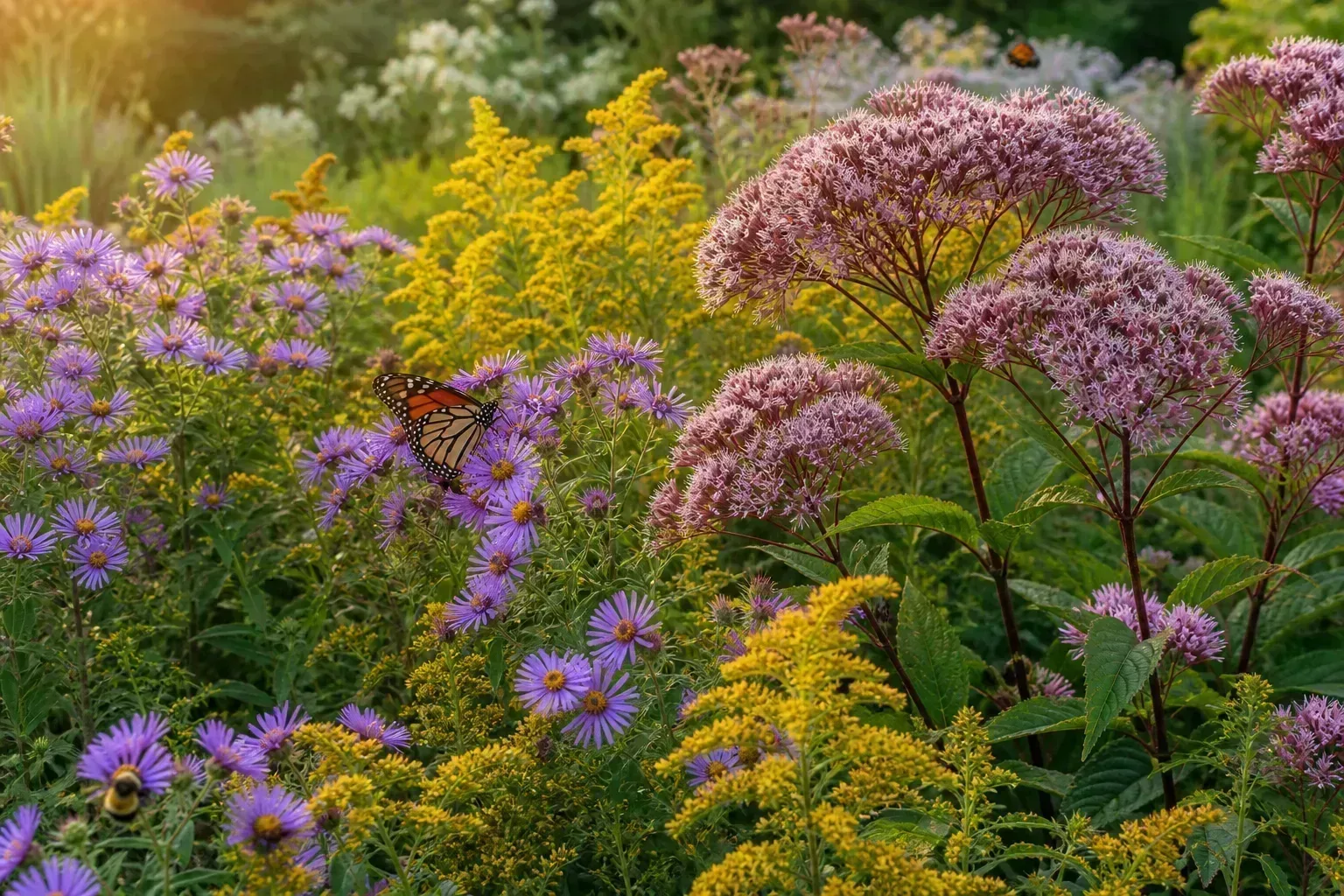
The promise in that headline needs a correction: none of these four perennials is automatically a waste of a fall planting. Mums, black-eyed Susans, goldenrod, and coneflowers can all earn a place in a fall garden, but success depends on which plant you are buying, how much time remains before the ground freezes, and whether your soil drains after autumn rain.
The useful question is not “Should I plant these in fall?” It is “Can this exact plant establish before winter where I live, and am I buying it for flowers now or for a plant that returns next year?” A pot covered in blooms can give instant color without being a reliable overwintering perennial. A hardy, locally suitable plant installed earlier in fall may establish roots and return. Those are different gardening jobs, and mixing them together is what makes fall shopping confusing.
The short answer: fall is not automatically a bad time for these plants
Fall is a common planting season for many hardy perennials because the soil can stay warm and moist while air temperatures cool. The Royal Horticultural Society recommends spring or autumn planting for perennials in its UK climate, and says container-grown plants can go in whenever the ground is not frozen or waterlogged. BBC Gardeners’ World makes the key exception clear: hardy plants can benefit from autumn conditions, but frost-tender plants need more time to establish and are safer in spring (RHS perennial planting guide; BBC Gardeners’ World’s autumn planting guide).
That does not mean fall is always better. A perennial installed when winter is imminent has less time to anchor its roots than one planted while several mild weeks remain. Heavy, saturated soil can also harm roots even when the plant is labeled hardy. “Worth it” therefore has a few conditions: choose a perennial suited to your climate, plant while the soil is workable, and give it enough time and aftercare to settle before severe cold.
Check your planting window before you buy
Before taking a flowering plant to the register, look past the color and read the tag. Find the botanical name, mature size, whether the selection is a hardy perennial in your region, and any winter-protection instructions. A common name can cover plants with very different life cycles, and a nursery’s fall display usually tells you when the plant is attractive to sell, not how likely that specific pot is to survive outdoors in your yard.
Look at soil, weather, and the time before a hard freeze
A light overnight frost and frozen ground are not the same thing. Some established perennials keep their crowns and roots alive through frost even after flowers fade; the greater concern for a fresh transplant is whether its roots have spread into surrounding soil before the soil freezes or stays cold and waterlogged. The exact calendar window varies by region, exposure, soil, and forecast, so use local extension advice and the plant’s hardiness information rather than copying a month from another climate.
Use this practical check: if the soil is workable, drains well, and your local planting guidance still allows time for establishment, a hardy potted perennial may be a reasonable fall purchase. If your area is already approaching regular hard freezes, the ground stays soggy, or the plant is tender or unlabeled, wait for spring or enjoy it in a container you can protect. Penn State’s specific recommendation for planting Rudbeckia transplants in Pennsylvania—about six weeks before the first frost—is a helpful local example, not a universal deadline for every perennial or region (Penn State Extension’s black-eyed Susan guide).
Match the plant type and stock to the season
A young rooted perennial, a mature flowering nursery plant, a seed packet, and a florist-style pot may all carry the same broad common name, yet behave differently after you plant them. Young plants need root establishment; a plant sold in full bloom may have been grown for immediate display; seeds may need specific temperature or cold-stratification conditions. When a label or seller cannot tell you whether it is hardy in your area, treat that uncertainty as real rather than trusting a cheerful “fall color” tag.
Also decide what success means. If you want one attractive entryway display through autumn, an inexpensive flowering pot can be worth buying even if you treat it as seasonal. If you want a border plant that returns next year, spend your money on a named garden variety with local hardiness guidance and enough time to establish. The same mum can be a good seasonal purchase and a poor bet for an in-ground perennial, depending on that goal.
1. Chrysanthemums: worth planting when you know they are hardy
Chrysanthemums are not fall failures; they are fall bloomers. The RHS describes hardy garden chrysanthemums as outdoor perennials that flower in late summer and autumn, become dormant in winter, and regrow in spring. It also notes that even hardy types may need frost protection. Mature flowering plants appear in late summer and early autumn for instant color, while smaller plants and cuttings are usually available earlier, which explains why the season’s most tempting mum may be the least promising choice for long-term survival (RHS chrysanthemum growing guide).
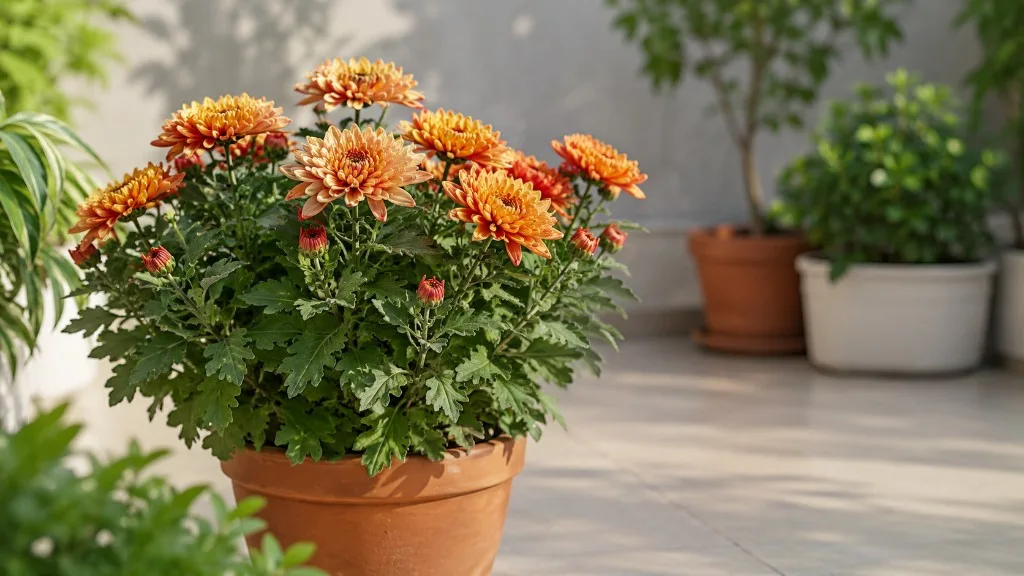
Choose garden mums for a long-term border
If you want mums to return, look for a garden chrysanthemum sold as a perennial and check that its hardiness matches your location. Plant it in a sunny, sheltered spot with fertile, well-drained soil; the RHS recommends keeping the soil from drying out completely while also avoiding waterlogged conditions. After planting, water the rootball thoroughly and monitor it during dry spells. A hardy label is useful, but drainage, exposure, cultivar, and how established the plant is still affect winter survival.
For a cold region, spring planting gives a new mum a much longer growing season to make roots before winter. If you are buying one in early fall and the plant is hardy locally, planting it promptly may still be sensible. A late-season purchase in full bloom, by contrast, may be better kept in its pot as temporary color, especially if the tag does not say whether it is a garden perennial or how to overwinter it.
Treat an unknown flowering pot as seasonal color
Many store displays are selected for dense flowers and a compact shape, not for explaining the cultivar’s winter tolerance. You can still buy one for a porch, patio, or one-season border accent. To reduce risk in a container, keep it watered, move it to a protected location during hard freezes, and avoid leaving the pot exposed to repeated freeze-thaw cycles if you hope to overwinter it; roots in containers experience colder temperatures than roots insulated by garden soil.
Do not take a plant’s current flower display as proof that it will be hardy. The RHS says mature chrysanthemums sold in full bloom can create an instant late-summer or autumn display, while its growing guide recommends frost protection even for hardy garden types. That is a useful distinction: the plant may be completely worth buying for color now, but you need the right variety and conditions to expect it to return.
2. Black-eyed Susans: a good fall choice when you plant the right Rudbeckia
“Black-eyed Susan” is an especially confusing label. Penn State Extension explains that it can refer to Rudbeckia, including North American native species such as Rudbeckia fulgida and R. hirta, or to Thunbergia alata, a tropical climbing vine grown as an annual in Pennsylvania. The vine is not the perennial yellow daisy many gardeners mean when they ask about a black-eyed Susan, so confirm the botanical name before choosing a spot or judging its winter prospects.
Penn State says most Rudbeckia varieties sold there are perennials, tolerate full sun to partial shade, and bloom from midsummer into October once established. Its guidance directly contradicts a blanket “never plant this in fall” rule: Rudbeckia transplants can go in during late spring or fall, about six weeks before the first frost in Pennsylvania. That timing is regional, but it proves fall planting can be a sound choice when you still have an establishment window (Penn State Extension).
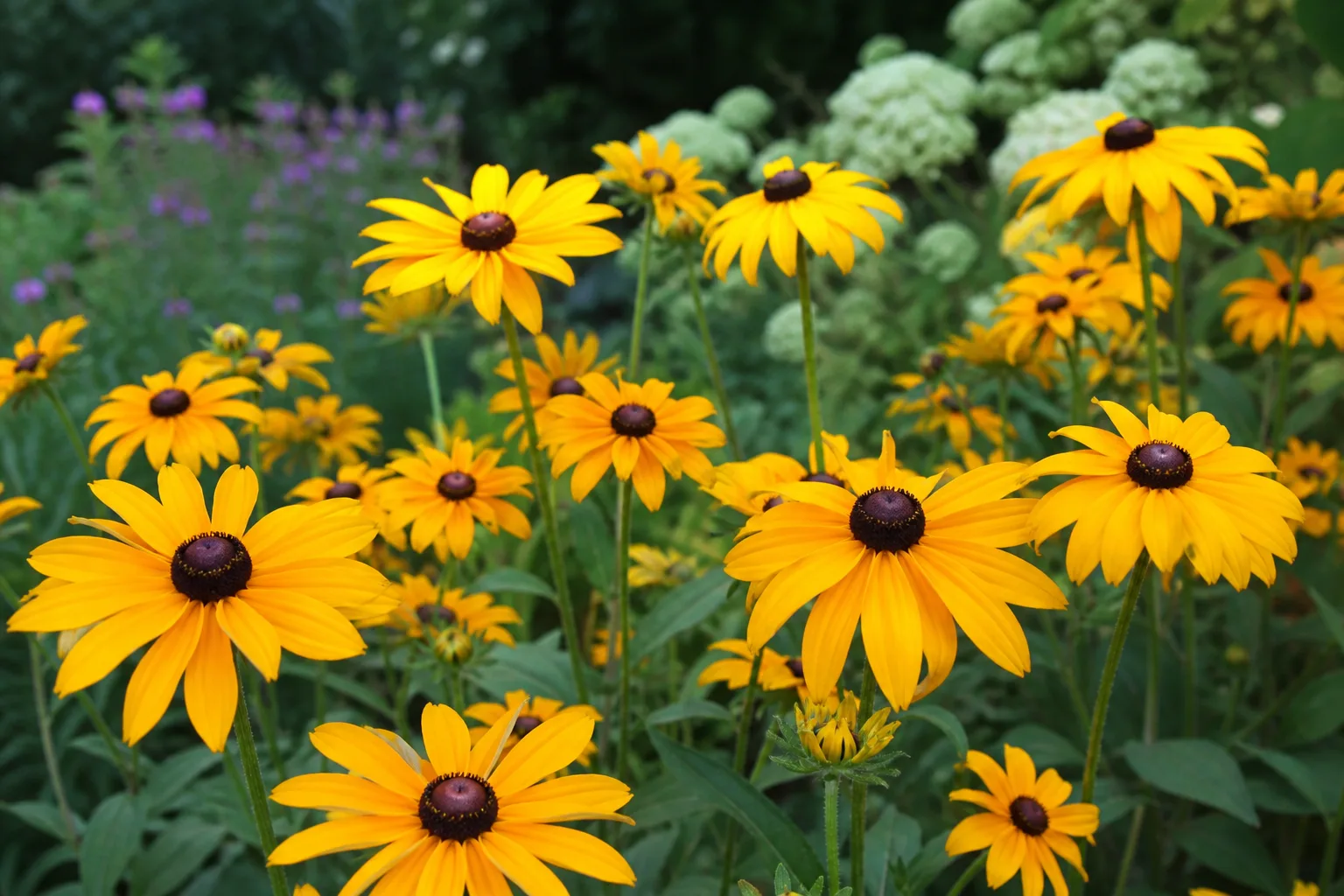
Check the botanical name before you buy
A tag that says only “black-eyed Susan” does not tell you whether the plant is a clump-forming perennial, a short-lived biennial, or the tropical vine. R. fulgida selections are commonly grown as perennials, while Penn State notes that some R. hirta cultivars, including ‘Autumn Colors’ and ‘Cherry Brandy,’ are technically biennials and are often treated like annual bedding plants. That difference changes whether you should expect a permanent clump or a plant that reseeds and may need replacing.
Rudbeckias can also spread by self-seeding, so place them where you are comfortable seeing seedlings in future seasons. If you prefer a tidier border, choose a named cultivar with known habit and remove some spent heads before seed dispersal. If you want a wildlife-friendly patch, leave some clean seed heads in place; Penn State notes that birds feed on mature seed and recommends delaying cleanup until spring.
Choose transplants or seeds for the result you want
For reliable flowers sooner, buy a rooted Rudbeckia transplant and plant it while the local window remains open. Penn State says Rudbeckia seed germinates best after a cold period that mimics winter, called stratification; fall sowing in an outdoor container can provide that treatment. The extension article does not recommend expecting the best results from simply scattering purchased seed in the ground, so follow seed-packet instructions or use a controlled method if you are starting from seed.
A nursery transplant planted in time can root in fall even if its flowers are fading. A seed sown outdoors is a longer-term project and may not produce a full show next season, depending on species and conditions. Keep the soil evenly moist while the new plant establishes, protect young transplants from rabbits if they are common in your yard, and avoid placing a tall species where it will shade shorter neighbors.
3. Goldenrod: worth growing when you choose a suitable species
Goldenrod is not one interchangeable garden plant. North Carolina State Extension describes Solidago as a genus of roughly 138 perennial species, most native to North America, that flower in bright clusters and provide nectar to bees, flies, beetles, wasps, and butterflies. The genus includes plants for different habitats and soil conditions, so “goldenrod” on its own does not tell you how tall a specimen will grow, how moist its site should be, or how quickly it may spread (NC State Extension Plant Toolbox).
That diversity makes goldenrod a useful fall planting when the selected species fits your site, but a poor impulse buy when the label gives no mature size or spread. Choose from local native-plant guidance, a named garden cultivar, or a nursery with a botanical name and clear size information. If your goal is a pollinator bed, fall bloom can be a benefit; if you need a narrow, highly controlled border, check the plant’s growth habit before you bring it home.
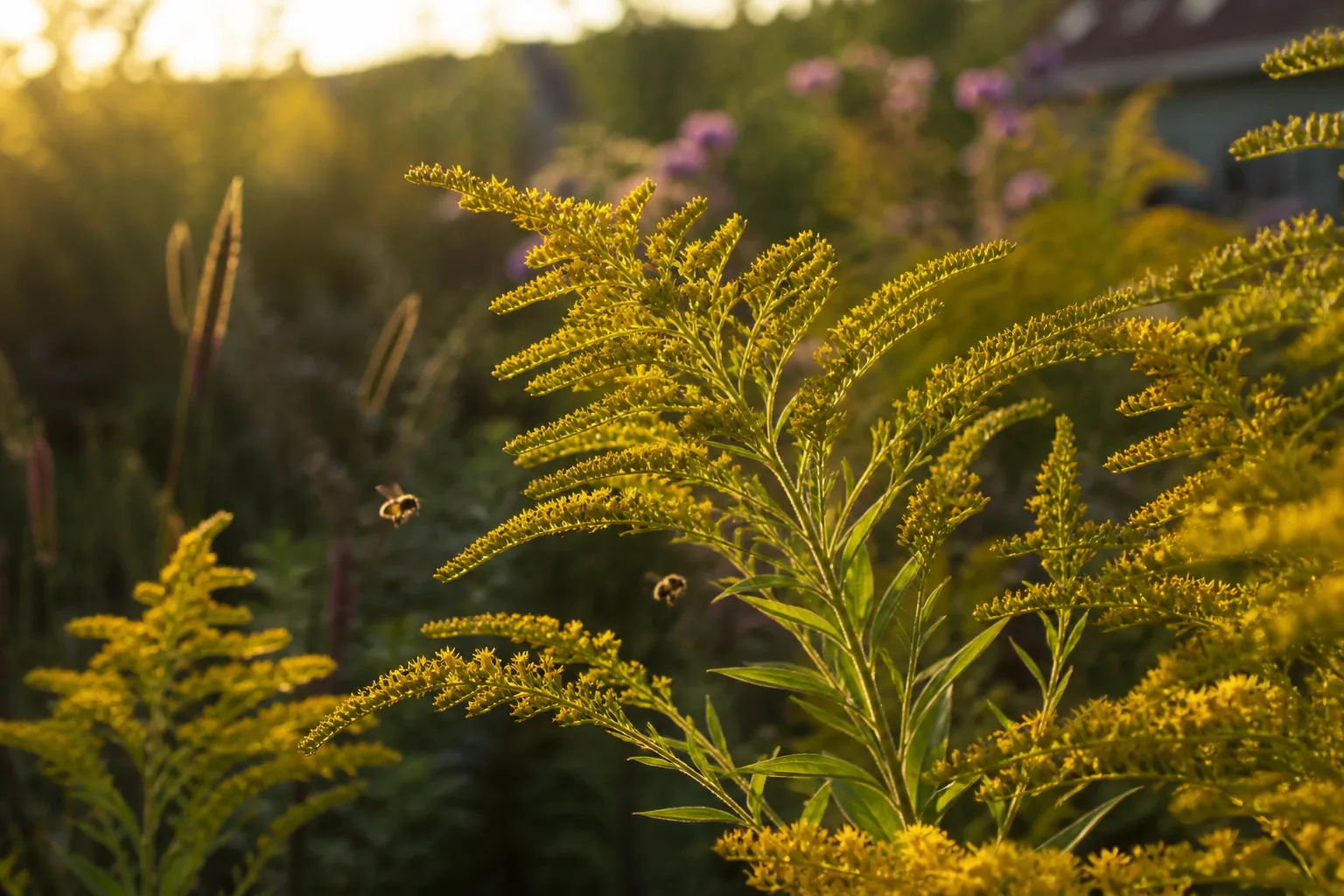
Match the plant to its native habitat and mature spread
NC State says goldenrod generally grows well in full sun and average, dry-to-medium, well-drained soil, and tolerates a range of less-than-perfect conditions. It also warns that some species spread aggressively by rhizomes or self-seeding. The right answer is not “avoid goldenrod”; it is to identify the species, learn its mature width, and decide whether a naturalizing patch is welcome in the exact bed you have.
For a small formal border, select a compact, well-behaved garden cultivar that your local extension service or native-plant nursery recommends. For a meadow or larger naturalistic planting, a spreading native species may be useful, provided it is appropriate to your region and does not displace other plants. Do not choose a species solely because a photo looks attractive; its habitat and underground spread matter as much as its flower color.
Expect late-season flowers, not instant roots
A flowering goldenrod sold in late summer may offer nectar and color right away, but planting it does not make its root system mature overnight. If the chosen species blooms from summer into early fall, an autumn purchase may have only a short display left. That is not a waste if you value fall pollinator forage or are adding a perennial for later years; it is disappointing if you expected weeks of new flowers from a plant that is already finishing its cycle.
Goldenrod is also often blamed for seasonal allergies, but NC State notes that its pollen is not wind-borne in the way that makes it a typical hay-fever culprit; showy flowers attract insect pollinators. That does not mean every person will have the same experience around every plant, but it is a reason not to reject all goldenrod based on the common allergy myth. Plant the right species in the right space and let its late-season flowering be part of the garden’s purpose.
4. Coneflowers: fall can work for established Echinacea
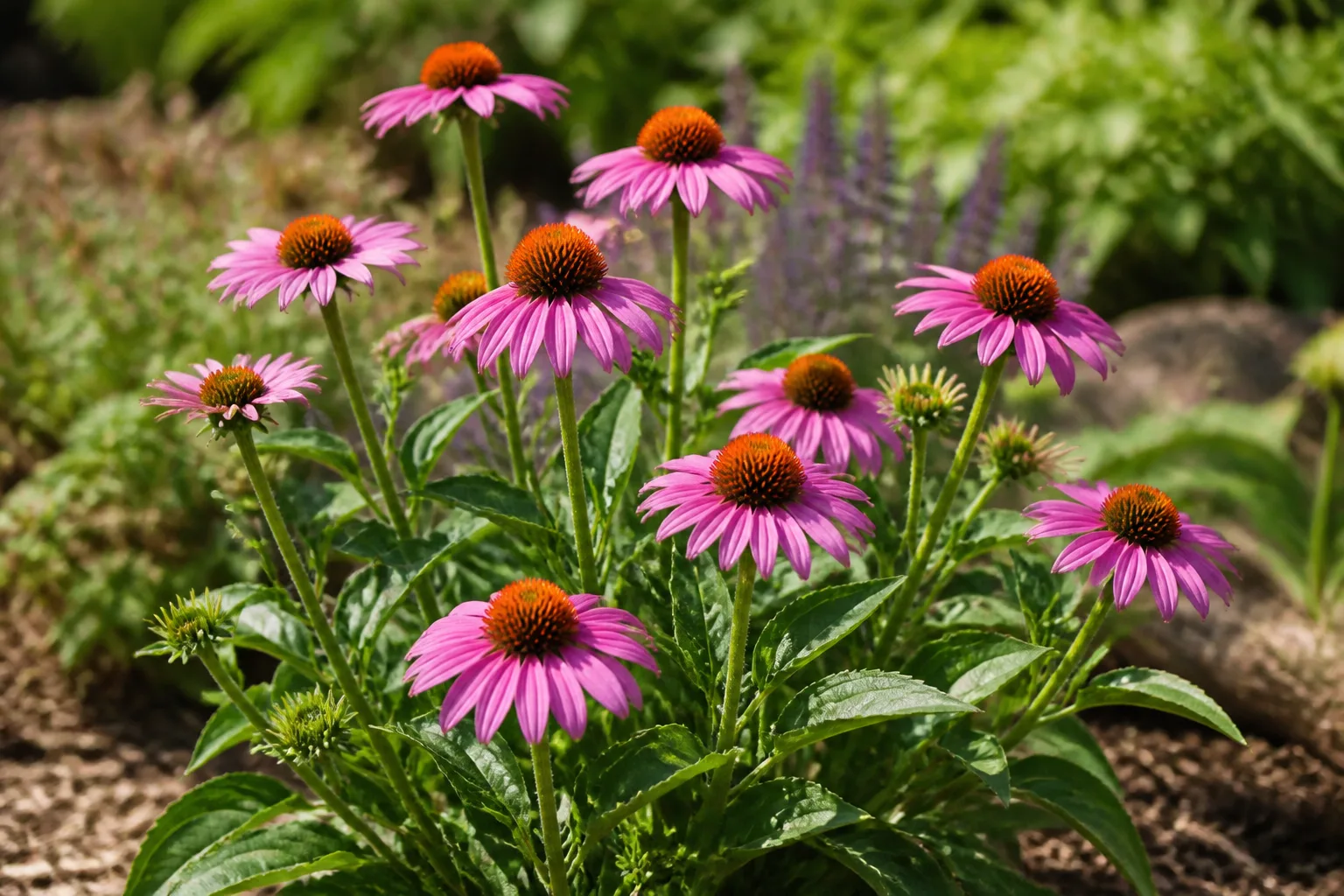
Purple coneflower, Echinacea purpurea, is a perennial rather than a fragile annual that automatically dies at the first cold night. Purdue’s consumer horticulture guidance describes it as an easy-to-grow perennial that flowers from midsummer until frost, prefers full sun and well-drained loamy soil, and is available in more than one flower color. The flowers continuing until frost does not mean the plant itself is frost-sensitive; it means the bloom season ends as cold arrives (Purdue University’s coneflower guide).
Plant early enough for roots to settle
An established potted Echinacea can be a reasonable fall planting if you have workable, well-drained soil and enough mild weather for it to begin rooting. Loosen a tightly circling rootball gently, set the crown at the same depth it grew in the pot, water it in, and keep an eye on moisture while rainfall is inconsistent. Choose a sunny location and give mature plants enough room; a small transplant can look sparse at first but expand in later seasons.
Do not expect a late-season transplant to produce a full flowering display immediately. In the first year, its job is to settle into the bed; the show will depend on cultivar, size, light, and the conditions it experiences after planting. If the plant is already finished blooming, that can still be a good purchase for the perennial border, but it is not an instant-color solution.
Wait when winter or drainage makes establishment unlikely
Put coneflower on the spring list if your planting season is nearly over, the bed stays waterlogged, or you cannot provide water during a dry fall. Purdue’s advice emphasizes well-drained soil, and perennial plants generally struggle when roots sit in saturated ground. A hardy perennial label cannot compensate for a poor site or roots that have no time to spread before hard winter conditions.
This is also where the distinction between a flower and the whole plant matters. The blossoms may stop at frost, but an established perennial can return after winter. If you want fresh flowers now, choose a blooming pot for a container; if you want an enduring Echinacea clump, install a healthy plant early enough to settle and judge it over several seasons rather than by its first month.
A quick comparison: plant now or wait until spring?
| Plant | Fall planting can make sense when… | Wait for spring or use a container when… |
|---|---|---|
| Chrysanthemum | The label identifies a hardy garden mum, the plant is suited to your climate, and the bed still has an establishment window | The pot is unlabeled, tender, in full flower very late, or difficult to protect in your winter |
| Black-eyed Susan | You have a rooted Rudbeckia transplant and enough time before severe cold; Penn State’s Pennsylvania example is about six weeks before first frost | You are unsure whether it is Rudbeckia or Thunbergia, or you want flowers from seed immediately |
| Goldenrod | You know the species or cultivar, its mature spread fits, and the site matches its growing needs | The tag hides its identity or you do not want a plant that may naturalize or spread |
| Coneflower | You have an established Echinacea transplant, sun, drainage, and workable fall conditions | The soil is saturated or frozen, winter is imminent, or your only goal is immediate flowers |
Use the table as a decision aid, not a universal calendar. Local first-frost dates, the length of fall, winter lows, soil drainage, and whether the plant was grown outdoors or in a greenhouse all change the risk. When you cannot confirm the plant’s hardiness, waiting is a reasonable choice—not a failure to garden.
How to plant fall perennials for a better start
Start with a healthy, well-rooted plant that has not been sitting pot-bound for a long time. BBC Gardeners’ World advises checking for fresh, fibrous roots rather than relying on a large top full of flowers, and recommends checking the weather because autumn can shift quickly from warm, moist soil to cold conditions. The RHS suggests preparing the bed, planting at the rootball’s depth, firming the soil, and watering after planting even if rain is expected; it also advises keeping newly planted perennials moist while they settle (BBC Gardeners’ World’s planting tips; RHS perennial planting guide).
Before planting, clear weeds and debris, check that water drains from the site, and set pots out to confirm spacing. Water the pot first so the rootball is not dry; if roots circle tightly around the container, loosen the outer layer gently so new roots can grow into the bed. Dig a hole only deep enough for the crown to sit at its original soil level, backfill with the garden soil, and water slowly to settle it. Do not bury the crown in a mound of compost or fertilizer.
After planting, use a loose organic mulch to help buffer soil moisture and temperature, leaving the crown itself uncovered. Continue watering during dry spells until the ground becomes cold, but do not keep saturated soil wet in the name of “helping” roots. If a new plant shifts in the ground, is heaved by freeze-thaw cycles, or sits in a puddle, address that site issue rather than adding more water or piling mulch against the stems.
The first winter is a test of both the plant and the location. A successful fall planting does not guarantee every cultivar will return, and a plant that disappears aboveground may simply be dormant. Mark where each perennial is planted so you do not dig it up during spring cleanup, then assess new growth after the local season begins. That gives you a fairer evaluation than deciding a plant has failed as soon as its flowers fade.
Conclusion
These four fall plants are not automatic skips. Hardy garden mums, perennial Rudbeckia, a well-chosen goldenrod, and Echinacea can all be worthwhile, but the plant label, mature habit, local climate, and time left for roots to establish matter more than a blanket “plant in spring” rule.
If you want color now, buy a blooming pot for the display it can provide and do not assume it will return. If you want a perennial border, identify the variety, check its local hardiness and spread, and plant while the ground is workable with enough time before winter. When the plant is tender, the soil stays wet, or cold is imminent, waiting for spring is the more reliable choice.



