66 Patio Landscaping Ideas for Better Outdoor Living
Use these 66 patio landscaping ideas to plan comfortable seating, screen views, soften hardscape with plants, manage rain, and make a small yard work harder.
A good patio connects house and garden, fits daily use, and handles sun and rain without adding a second job. These ideas span the route, paving, plants, shade, privacy, lighting, and drainage.
Before choosing materials, map doors, utilities, trees, sun, wind, and runoff. The UF/IFAS landscape design guide recommends assessing the site and its uses first. A clear path, useful screen, and suited plants can do more than a yard full of accessories.
Plan the patio around how you live
1. Track sun and wind before choosing the seat. Sit outside at breakfast, midday, and in the evening, then mark where direct sun and strong wind fall. This tells you whether the main job is afternoon shade, winter sun, or a wind buffer—and which plants can thrive beside the paving.
2. Give each outdoor zone one clear job. Keep dining close to the kitchen door, put lounging where it feels sheltered, and reserve a sunny edge for pots or herbs. You can share a small patio between uses; a change in rug, paving pattern, or planter line can mark the transition without adding a wall.
3. Protect the routes people already use. Follow the natural path from the back door to the garden, trash bins, hose, or shed before you add furniture. A design that blocks the shortest route will be used less, even when its seating looks beautiful in a photo.
4. Draw furniture footprints on the plan. Include the space needed to pull out chairs, carry a tray, and pass behind someone seated. Mark doors, steps, grills, and service access too; this simple test can prevent a patio from becoming a crowded arrangement of lovely objects.
Make the approach feel intentional
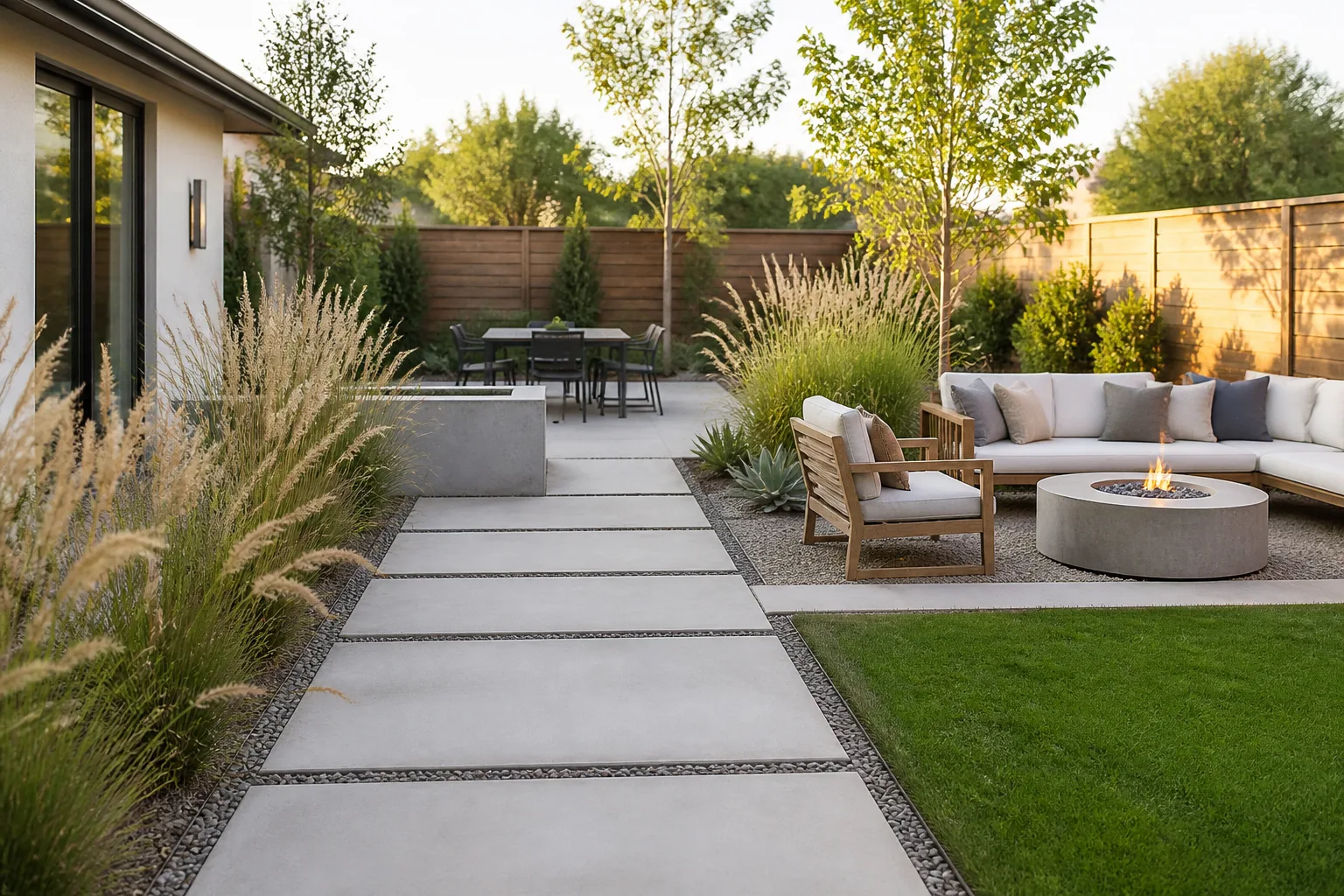
5. Widen the threshold with a landing pad. A small paved or gravel landing outside a busy door gives people somewhere to pause without stepping straight into a planting bed. Keep the surface level with the route and away from door swings so it works for groceries, wet shoes, and guests.
6. Repeat a patio material in one garden detail. Carry a stone color into a short path, a low wall cap, or a stepping stone rather than paving the entire yard to match. Repetition ties the spaces together while leaving room for plants and soil between the built elements.
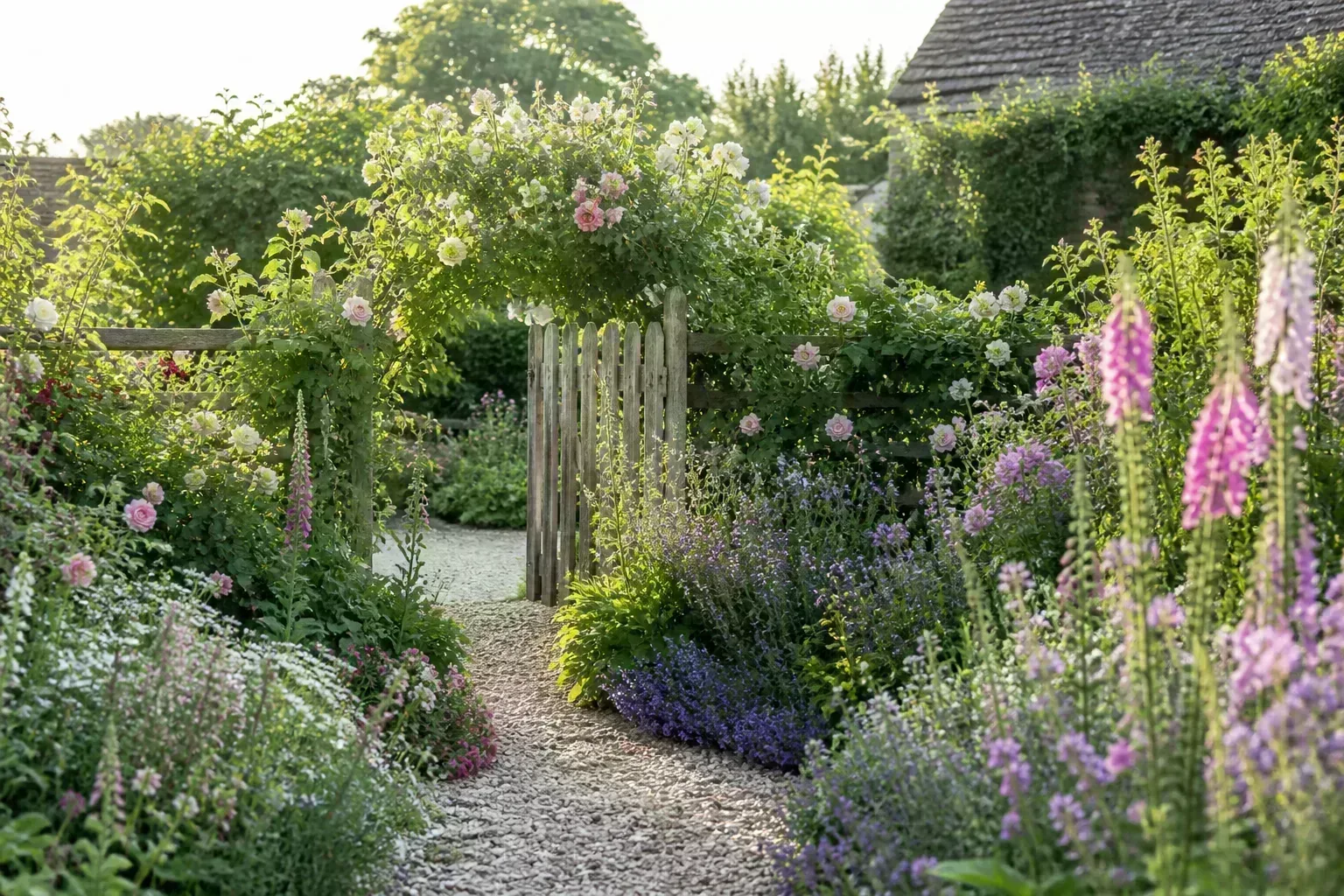
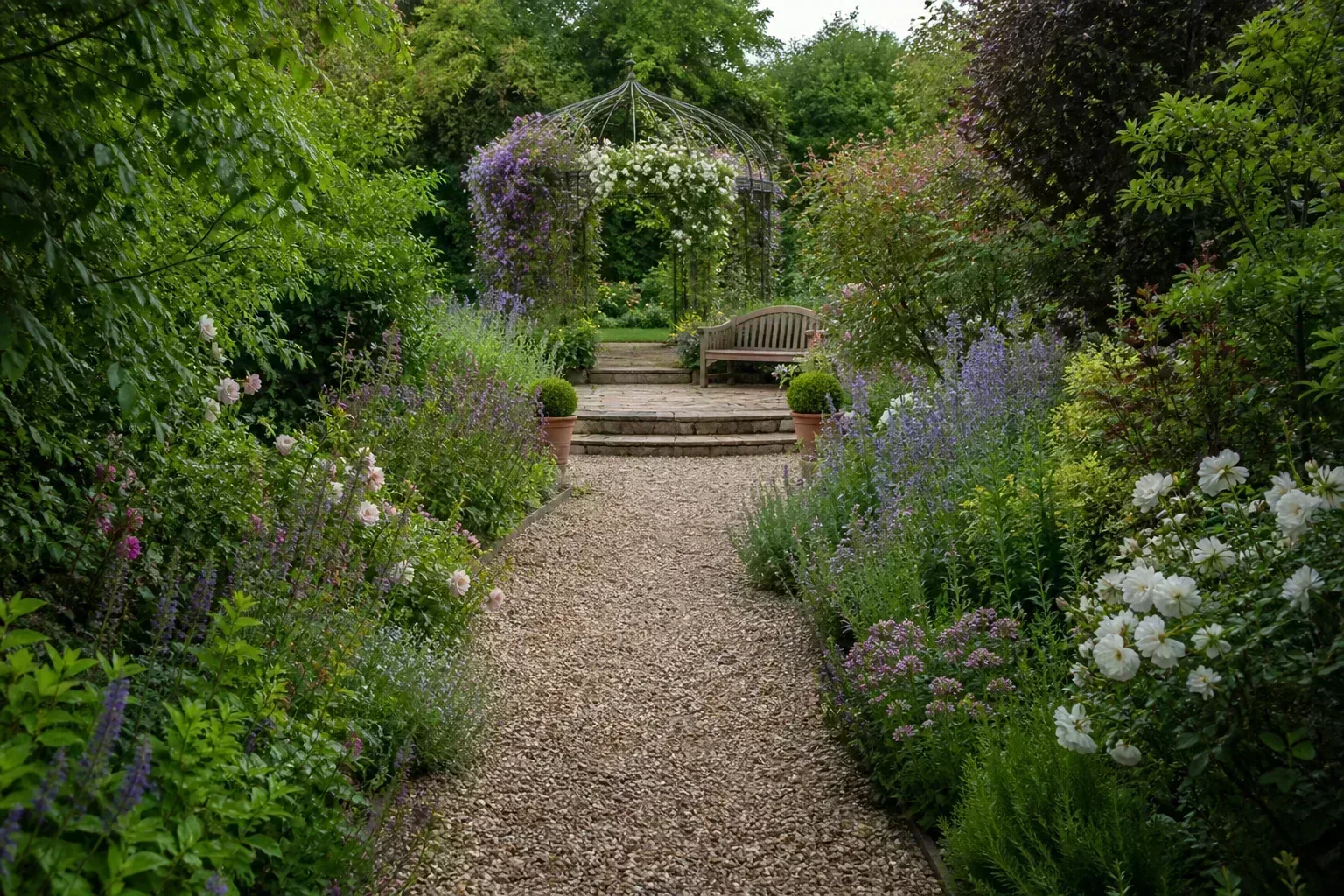
7. Let a path connect two useful destinations. Link the patio to a herb bed, a side gate, or a small second seat so the walk serves a daily purpose. A path that ends at an empty corner rarely earns its footprint; add a bench, a pot, or a view at the destination.
8. Use a gentle curve to reveal the next area. A winding route can make a compact garden feel deeper when it follows the site. Garden Design’s path guide explains how paths organize movement; keep bends broad enough for easy turns.
Choose a surface that supports plants and rain
9. Echo one material from the house. Brick, stone, concrete, or timber that repeats a color or texture from the exterior helps the patio feel attached to the home. A small contrast can still work, but limit the palette so the paving does not compete with the planting.
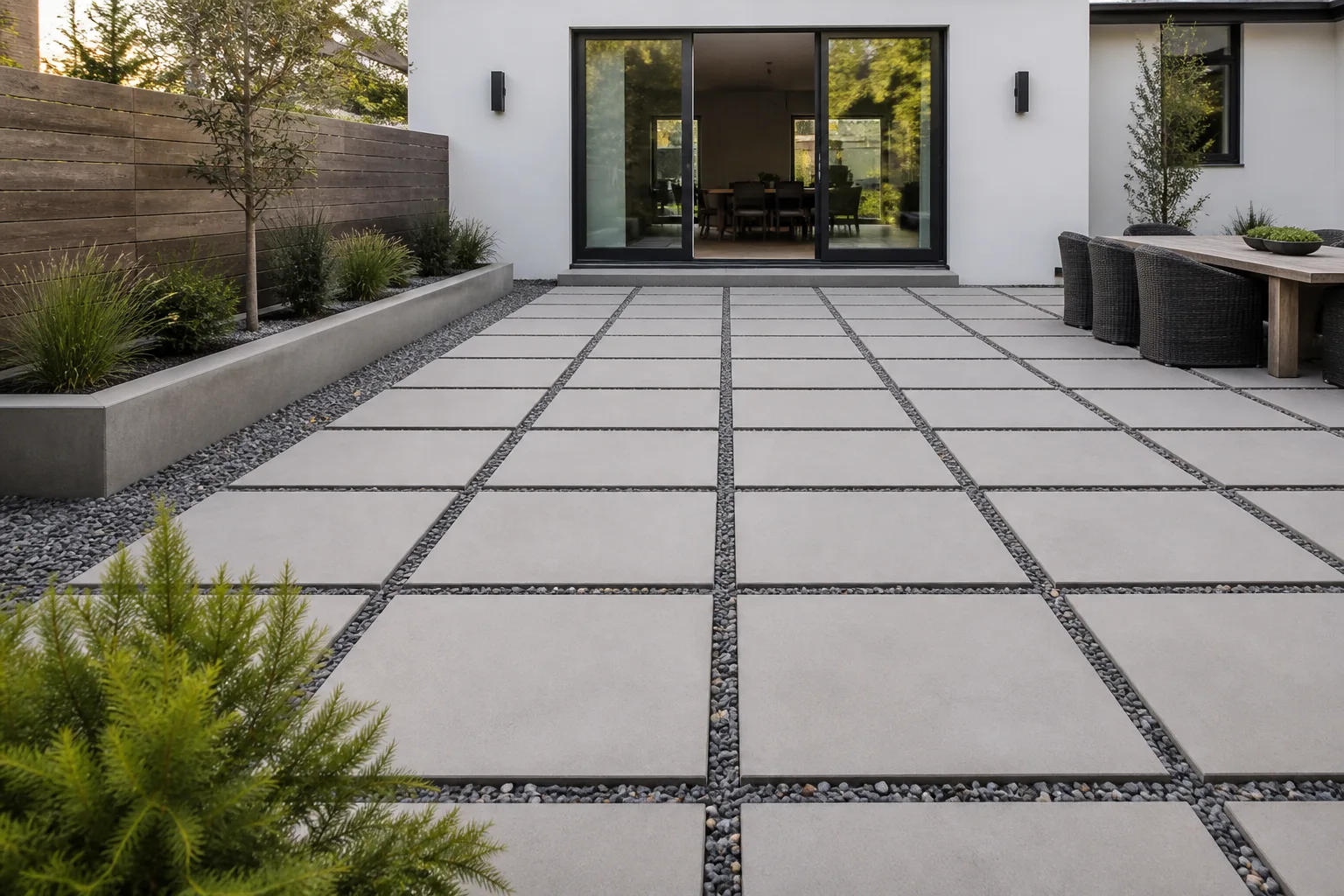
10. Pair solid pavers with gravel joints. Large slabs separated by gravel can create a crisp grid while letting a little more rain reach the ground than an unbroken surface. The joints still need upkeep, and this pattern is not a substitute for a designed permeable-paving base or a plan for overflow.
11. Set stepping stones into a planted path. Spaced slabs through a low groundcover or gravel make a lighter route to a side garden or secondary seat. Use stones large and stable enough for the way people actually walk, and choose plants that tolerate occasional foot traffic rather than assuming every creeping plant can.
12. Consider an engineered permeable-paver system. Porous surfaces can manage runoff when installed over a suitable stone base with an outlet. Penn State Extension explains that performance depends on the full system, soil, slope, and maintenance—not just the surface.
Shape the edges with useful structure
13. Use a planted border to soften the paving. A bed that follows only one or two sides can make a patio feel green without narrowing the whole space. Leave enough width for plants to reach their mature size, and choose the lineup for the actual sun and water pattern at that edge.
14. Add a low wall where a level change needs a boundary. Stone or block can create a crisp terrace and hold a modest planting bed, but a retaining wall has to resist soil and water pressure. For significant slopes, tall walls, or drainage changes, ask a qualified local professional about design and permits.
15. Turn a strong edge into a seat wall. A broad, smooth wall cap can provide extra seating around a gathering area and visually anchor the patio. Keep the seat comfortable and stable, and avoid using the wall to hide a drainage problem that will undermine its base.
16. Make a gravel channel a deliberate border. A gravel strip between a wall, fence, or bed and patio can catch splashes and ease access. Use it only with a safe outlet; a trench ending at the foundation can collect water there.
Let planting soften hard lines
Mature size matters more than the nursery pot. UF/IFAS guidance on plant selection recommends matching plant function and needs to site conditions.
17. Plant a small canopy tree beyond the main circulation route. A tree can shade seating and give it a natural ceiling. Check mature spread, roots, overhead lines, and litter. The USDA hardiness map helps with cold tolerance, but local advice is still needed for heat, soil, and exposure.
18. Repeat a few shrubs or grasses instead of collecting one of everything. Repeating a small group of shapes creates rhythm and makes a border look considered. Layer taller structure at the back, medium plants in the middle, and lower edges toward the paving, leaving room for each to grow.
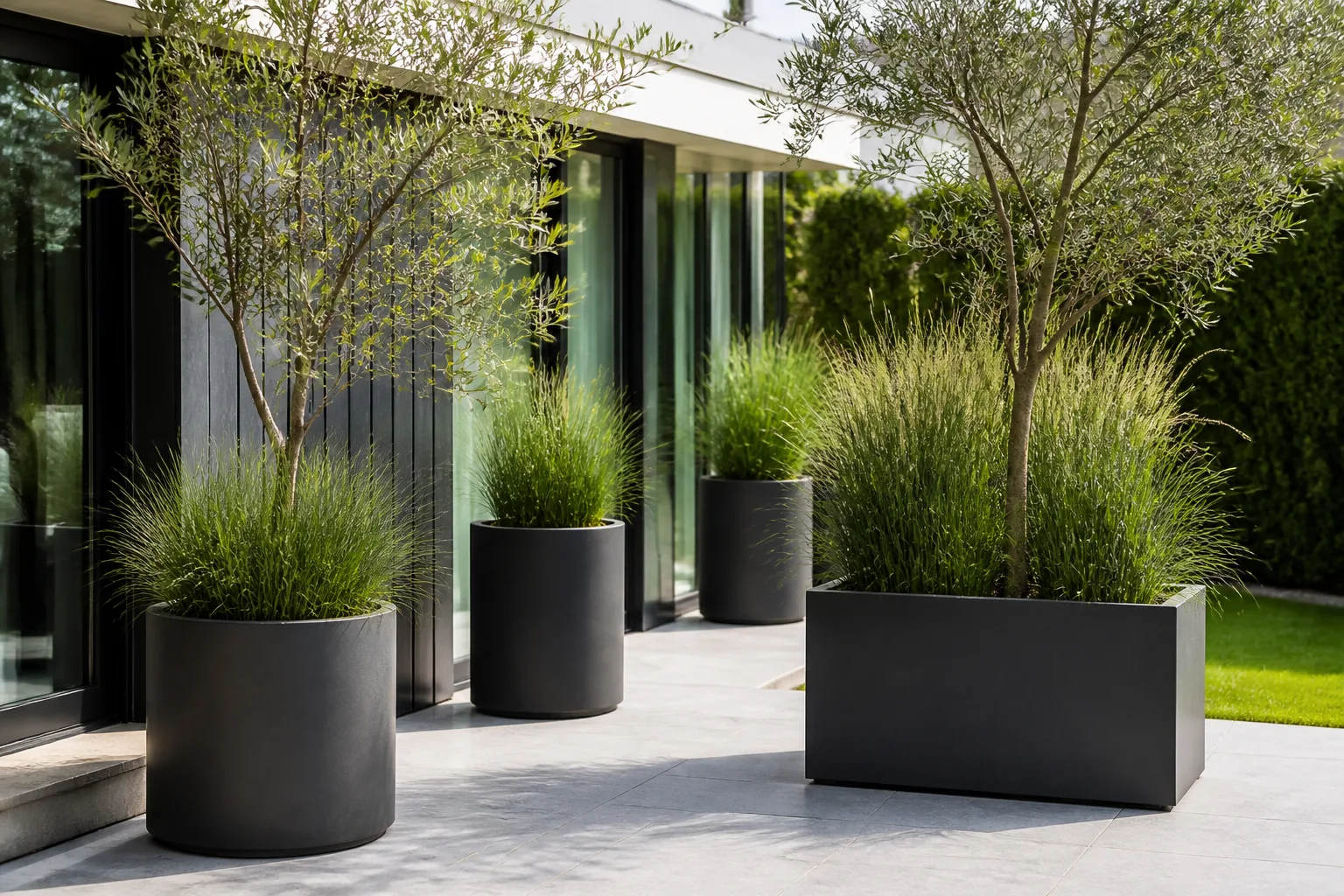
19. Place one substantial planter where a bed cannot fit. A large container near a bare corner or patio entrance gives the eye a focal point and softens a hard boundary. Keep its mature plant size realistic for the pot, ensure it drains, and choose a stable container that will not tip in wind.
20. Refresh a container group with the season. Keep an evergreen or structural plant in the largest pot, then swap smaller pots for seasonal color. Fine Gardening’s container-design guidance shows how repeated containers tie a garden together; group pots with similar light and water needs.
Build privacy without a green wall
Block the actual sightline—a neighbor’s window, street, or utility area—instead of screening every side. This preserves more daylight and airflow than wrapping the patio in a tall hedge.
21. Plant a mixed screen in layers. Combine heights, textures, and seasons instead of relying on one shrub. University of Maryland Extension recommends diverse, locally appropriate privacy planting and warns against invasive choices such as bamboo.
22. Add a trellis where the view comes from above. A slim panel with a locally suitable vine can soften a fence or screen a balcony-level view without using a deep planting bed. Give the mature vine room and a sturdy support, and check that the plant is not invasive or likely to cling to siding.
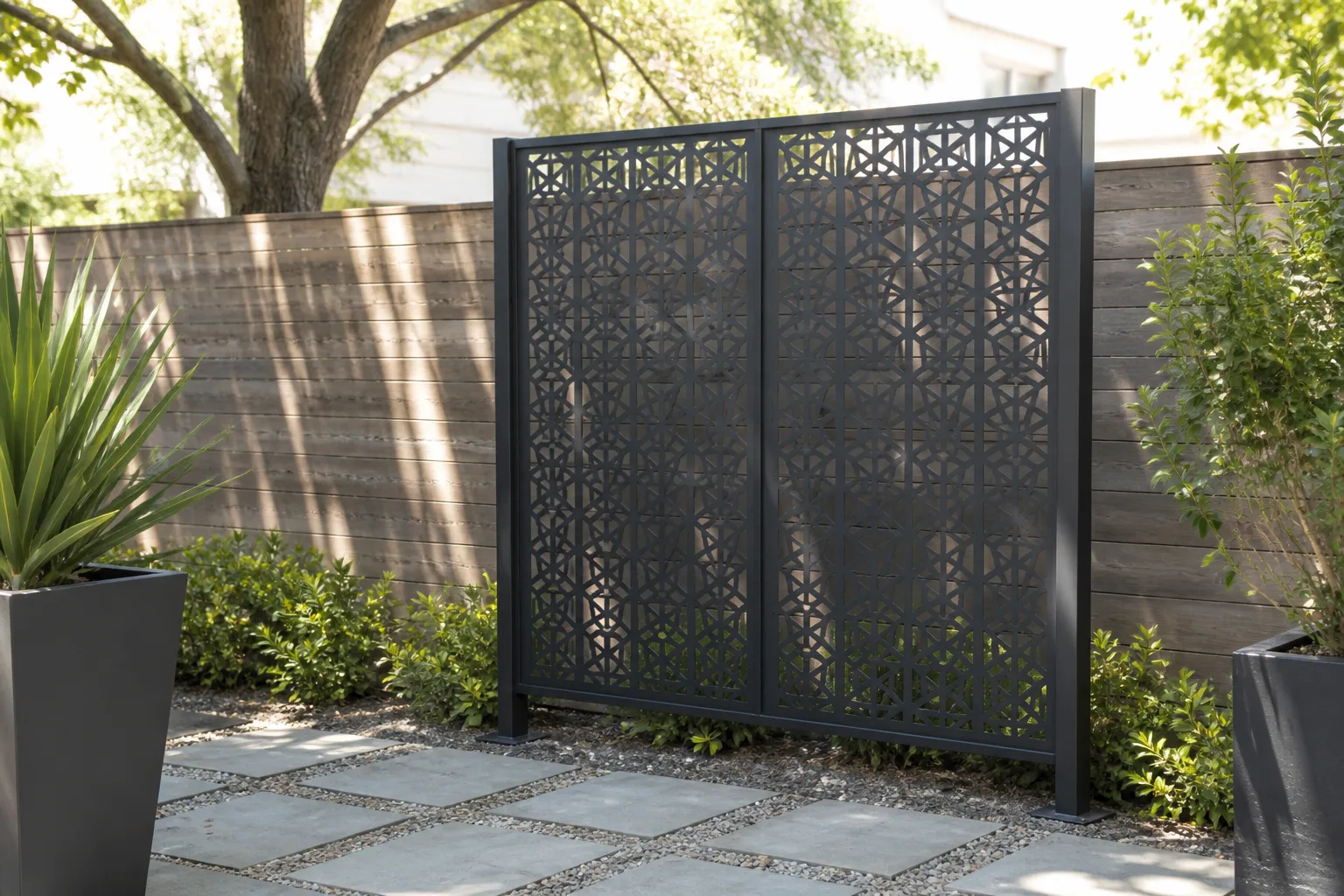
23. Use a slatted screen to filter, not seal, the edge. A narrow panel can hide a specific sightline while still allowing some breeze and light through. Place it beside the seating zone rather than along every boundary, and confirm it is secured for wind and permitted by local rules.
24. Make movable planters a flexible privacy layer. Tall containers can screen a table during one season and shift when you want to open the view or rearrange seating. Use containers large and stable enough for the chosen plant, and remember they may need more water than in-ground beds.
Add shade where the sun lands
Choose shade for the hour you use the patio. Trace the sun before deciding between a movable canopy, pergola, sail, or tree.
25. Anchor the dining table with a movable umbrella. An umbrella is useful when you want afternoon shade without a permanent structure or when the table moves seasonally. Pick a base heavy enough for the model and wind conditions, and close it when it is unattended in gusty weather.
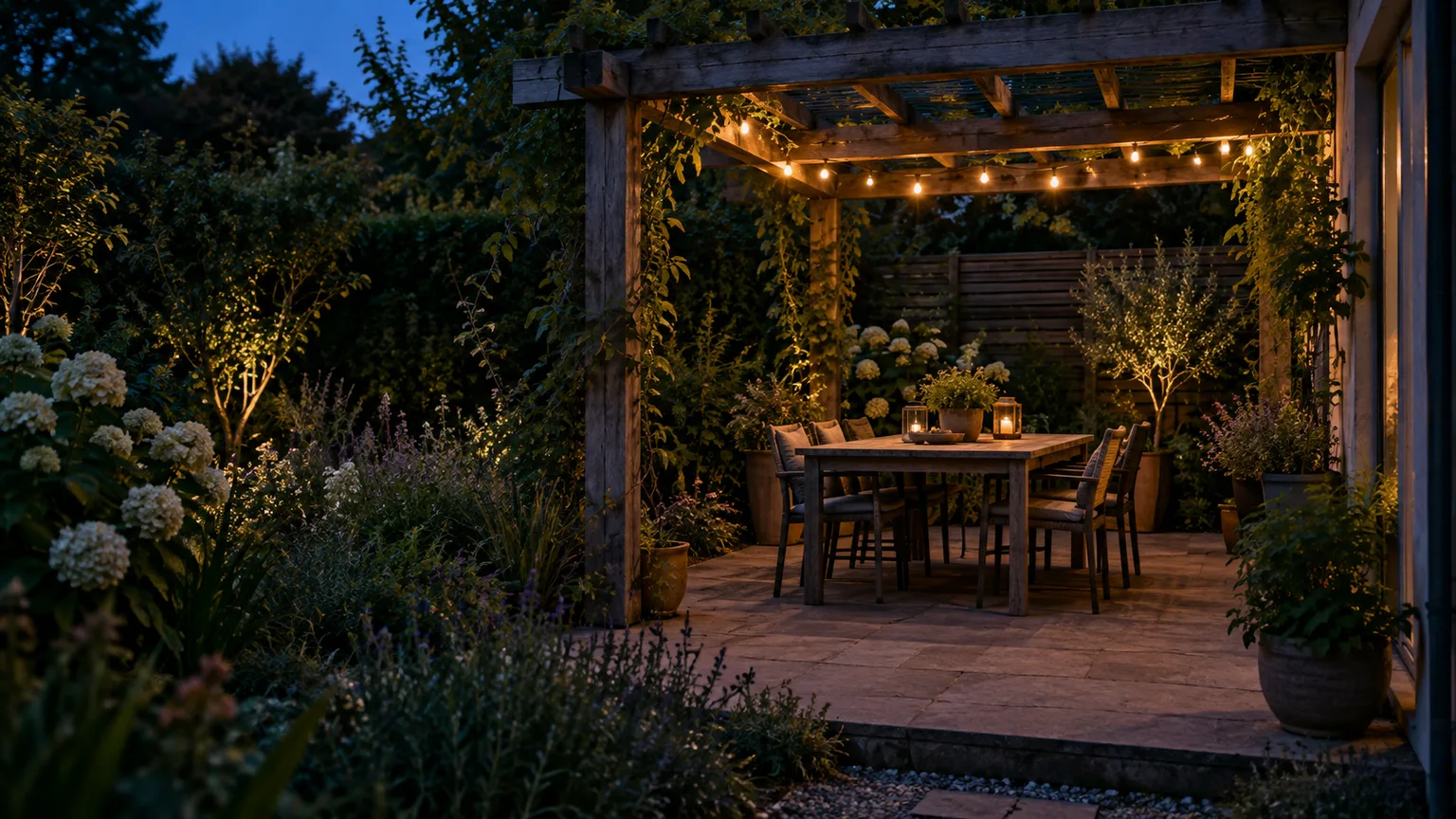
26. Use an open pergola to define an outdoor room. A pergola marks the seating area and supports lights or climbing plants while letting some sun through. Its shade can be limited until a canopy or vine fills in, so plan for structural support, maintenance, and how the roof will affect indoor light.
27. Stretch a shade sail over a hot corner. An anchored sail covers a lounge or play area without taking floor space. Wind loads the anchors, so use rated hardware and posts, and retract the fabric when its maker or local weather guidance advises.
28. Let a tree shade the patio over time. Tree shade can be cooler and more natural than fabric, but it takes years to develop and changes with the season. Choose a species for mature size and local conditions, keep roots away from critical utilities and paving, and accept the leaf and fruit cleanup that comes with it.
Get more from a small footprint
29. Choose furniture that folds or nests. A folding bistro table or stackable chairs can clear the patio for stretching, play, or gardening. Leave one comfortable seat ready for daily use; if every piece must be unpacked, the space may stay empty.
30. Grow upward on a wall or fence. A mounted planter rail, trellis, or shelf adds greenery without using the walking surface. Check the wall’s strength, water access, and drainage from containers so irrigation does not stain siding or leave a wet patch below.
31. Give a bench a second job. A bench with a storage compartment can hold cushions or small garden tools and reduce visual clutter. Choose outdoor-rated construction and keep stored textiles dry; a sealed box can trap moisture if it is not designed to ventilate.
32. Use pale, simple surfaces to open the view. A restrained paving and wall palette can make a tight courtyard feel brighter and less visually busy. In a very sunny climate, test a sample first because light-colored surfaces can reflect glare and may not feel comfortable in full midday sun.
Make outdoor meals convenient
33. Put the dining zone near the kitchen exit. A table close to the door cuts down on carrying dishes and keeps the meal route clear. If that spot gets strong afternoon sun, solve the heat with movable shade rather than relocating the table somewhere awkward to reach.
34. Keep kitchen herbs within reach of the cook. A few pots of herbs can make a practical border beside a serving door or outdoor counter. Match each herb to the light and climate, and use containers with drainage so watering one pot does not leave a slick puddle underfoot.
35. Add a narrow serving ledge to a wall or railing. A compact shelf gives guests somewhere to set a glass without adding another table. Secure it to a structure that can carry the weight, and leave enough clearance so people can pass without bumping into it.
36. Give the grill a separate, stable landing. Keep it outside the main route and away from dry plants, fabric, siding, rails, eaves, and branches. The U.S. Fire Administration advises keeping grills at least three feet from siding and deck railings and clear of overhangs; follow stricter maker or local rules.
Create a quieter place to sit
37. Tuck a bench into a sheltered corner. A seat beside a garden bed creates a destination for a short break without needing a second paved terrace. Check afternoon sun, prevailing wind, and wet-season conditions before choosing the corner; a beautiful seat is wasted if it stays exposed or muddy.
38. Turn a wide step into an informal perch. A broad, stable step or low platform can support a quick sit while connecting the patio to the lawn. Keep the walking edge easy to see at dusk and do not make a retaining structure double as a seat unless it was built for that use.
39. Add a small recirculating fountain for sound. The sound of moving water can soften traffic or neighborhood noise in a seating nook. Choose a pump and basin that are easy to clean, secure the cord for outdoor use, and maintain the water so it does not become stagnant.
40. Hang a hammock only from a structure rated for the load. A hammock turns a quiet corner into a place to read or nap, but fence rails and young tree limbs are not automatically safe anchor points. Use manufacturer-approved supports and preserve a clear area around the swing path.
Use color without visual clutter
41. Borrow one color from the house exterior. Repeat a door, trim, or brick tone in cushions, ceramic pots, or a painted screen. The connection helps the patio read as part of the home, while a neutral base gives seasonal flowers room to change.
42. Repeat the same pot in a small group. Three matching containers can look more deliberate than a scatter of unrelated shapes and sizes. Vary the plants inside them for interest, and keep pots close enough together that they share a similar light and watering routine.
43. Contrast leaf shapes as well as flower colors. Fine grasses beside broad leaves or upright foliage beside trailing plants can make a green border feel rich even when few plants bloom. Choose plants that share the site’s sun and moisture conditions so the visual combination is practical too.
44. Plan a sequence of seasonal color. Combine plants with different bloom or foliage seasons so the patio does not depend on one brief flush of flowers. Use locally recommended species and look at the plant’s full-season habit, not only the nursery’s peak bloom photo.
Design for pollinators and wildlife
Even a small patio can support pollinators when planting reflects the local region. Favor native, varied flowers and suitable shelter or water.
45. Plant a small, locally native border. Native plants adapted to your area can add seasonal interest and support local wildlife, but the right species depend on region, soil, and exposure. Maryland Extension’s pollinator guidance recommends a varied planting with blooms across the season and habitat as well as nectar.
46. Group blooms instead of scattering single stems. A few plants of one species grouped together are easier to see and tend than a one-of-everything collection. Mix bloom times and flower shapes, and leave some perennial stems or undisturbed patches when your local garden guidance recommends them.
47. Build a pollinator container garden near a sunny door. A deep pot brings flowers to a paved or balcony patio. The University of Georgia Extension guide to container pollinator gardens covers small-space planting; choose species for the pot’s sun and local climate.
48. Add a shallow birdbath or wildlife water dish. A shallow source with a safe landing surface can make a patio border more inviting to birds and insects. Refresh and clean it regularly; Maryland Extension advises changing pollinator-garden water every other day to discourage mosquito breeding.
Bring height, fragrance, and food close
49. Place fragrance near the seat, not across the whole patio. A scented shrub or container herb close to a bench makes its aroma easier to enjoy without overwhelming everyone. Check flowering season, mature size, and sensitivities in the household; fragrance is a personal preference, not a universal upgrade.
50. Train a suitable climber over a pergola or arch. A vine can add flowers, leaves, and dappled shade overhead, but it also adds weight and pruning. Choose a species known to behave well in your region, provide a sturdy support, and avoid planting woody vines against siding or beneath utility lines.
51. Grow a compact vertical herb or salad garden. A tiered stand or wall planter can keep fresh leaves close to the kitchen when the patio gets the right light. Use a stable frame, water containers before they become bone dry, and avoid placing runoff where it can make the route slippery.
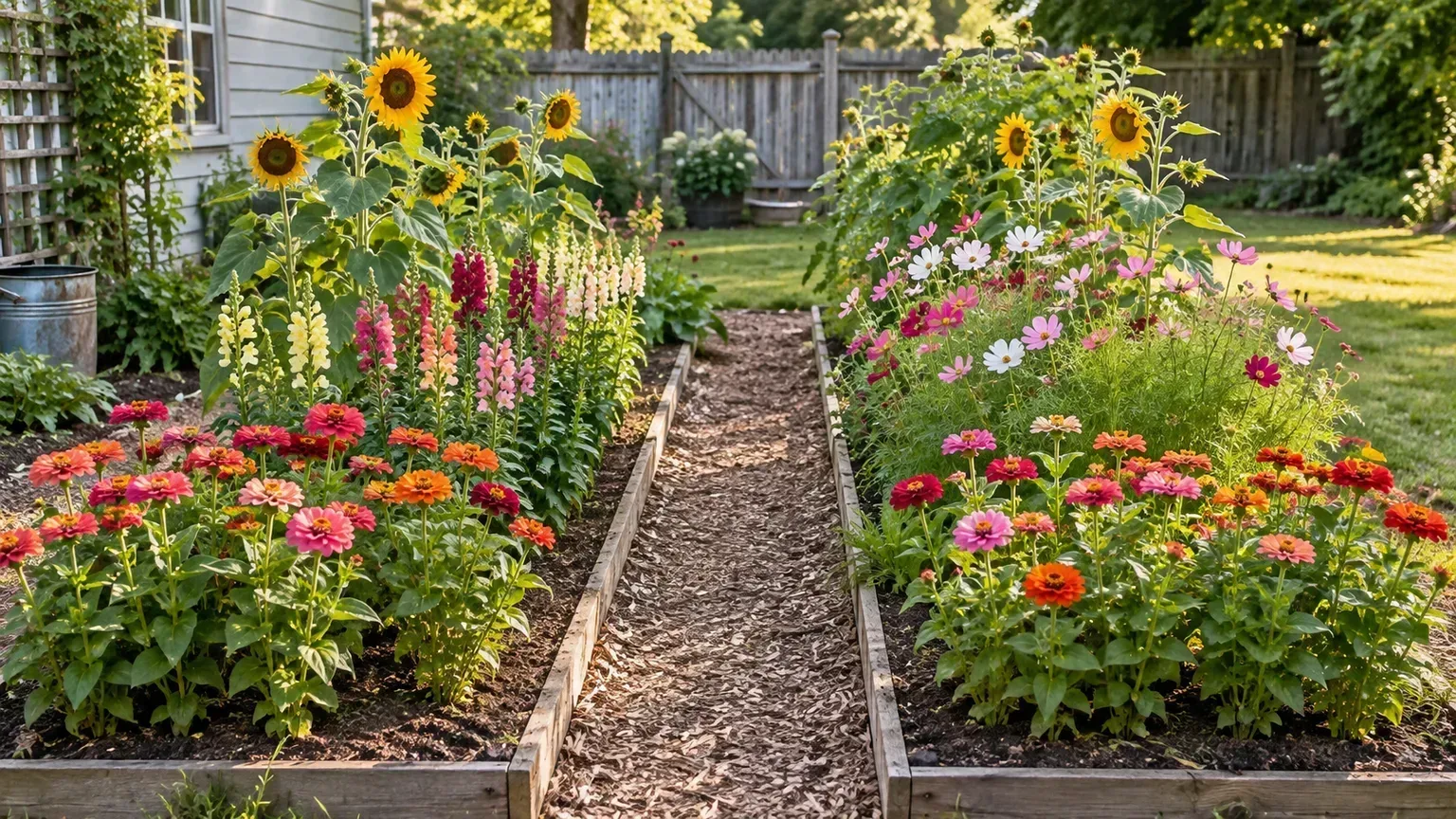
52. Put a small edible bed where you can tend it easily. A raised trough for greens or herbs can sit beside the patio rather than at the far end of the yard. Keep it accessible for watering and harvesting, and choose crops for the season and local growing conditions instead of copying a climate-specific planting calendar.
Give evenings a softer light
Use light for tasks, safe routes, and atmosphere—not every plant and fence. DarkSky and the Illuminating Engineering Society recommend aiming low, controlling light, and using it only where needed.
53. Light steps and work surfaces first. A modest fixture at stairs, an outdoor counter, or a frequently used door helps people see what they are doing. Choose outdoor-rated equipment and have hardwired electrical work installed to the applicable local requirements.
54. Use low, shielded path lights at decision points. Mark a turn, step, or route edge instead of lining every foot of the path with bright points. A shielded fixture aimed downward reduces glare and spill into nearby windows, where it can annoy neighbors or wash out the night sky.
55. Hang string lights only from secure supports. A few warm bulbs can connect a dining zone to a pergola or overhead beam and make the patio usable after sunset. Use equipment rated for outdoor conditions, keep cords out of walkways, and do not use tree branches as permanent electrical supports.
56. Put decorative lights on a timer or switch. Controls make it easy to turn off the patio when everyone heads inside and avoid leaving lights on all night. A motion sensor can suit a service route, while a simple switch may be better for a dinner area where sudden bright light would spoil the mood.
Turn awkward grades and runoff into features
Trace runoff to its source and outlet before adding a rain garden, stone channel, or terrace. Water should move away from the house, not under a decorative layer.
57. Use a rain garden only where the site can support one. A shallow planted basin can catch runoff if soil, slope, and local rules suit it. Keep it away from foundations; Penn State Extension explains how landscape surfaces affect runoff and water quality.
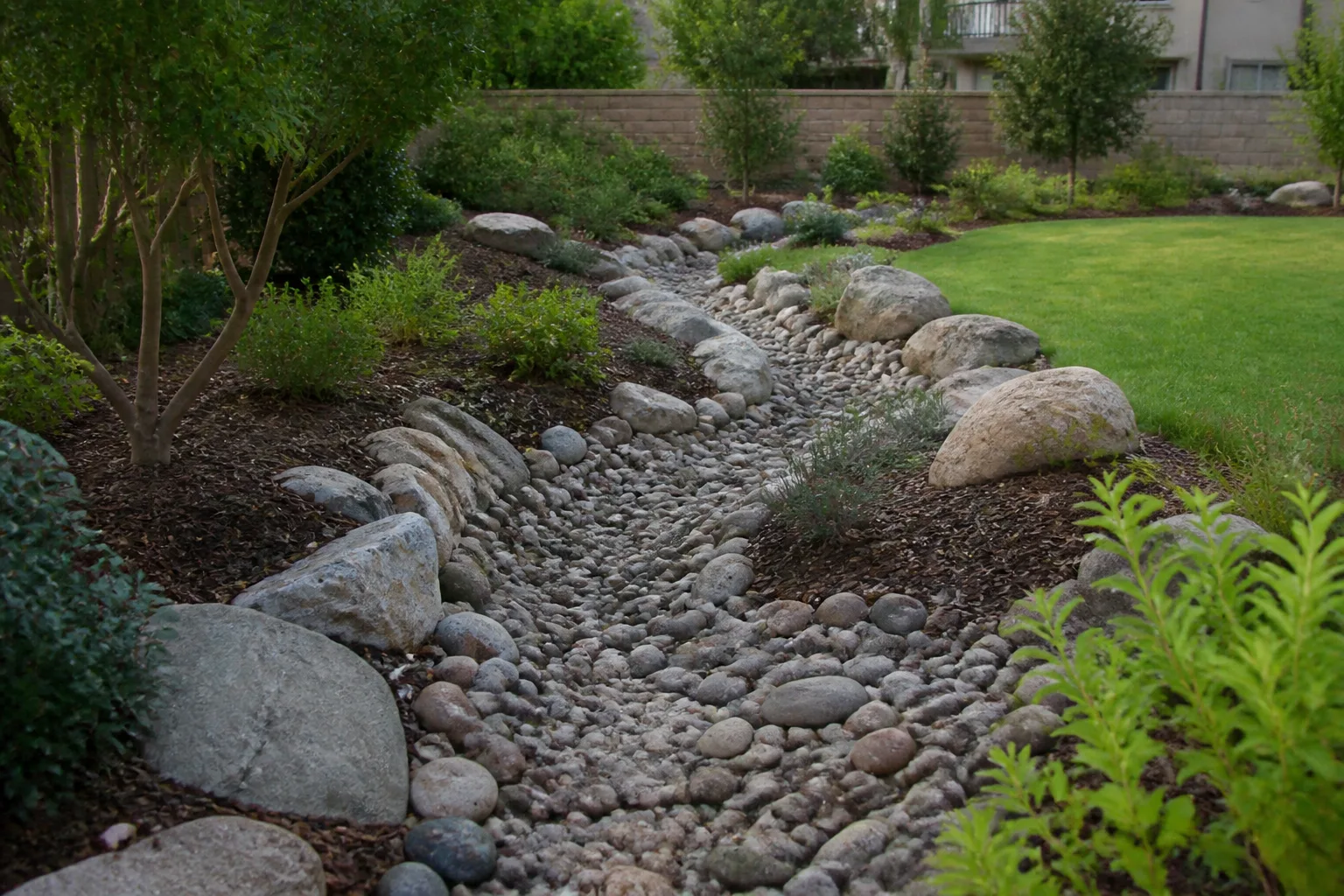
58. Turn an existing drainage route into a dry creek. A stone-lined channel can make a seasonal flow path visible and help guide water through a planted area. It has to connect to a functional outlet and carry the expected runoff; decorative rocks alone will not correct a grading problem.
59. Terrace a slope in short, planted sections. Several smaller level areas can create places for pots or seats where one steep bank is difficult to use. Retaining walls and slope changes need sound drainage and structural design, so use local code guidance or a qualified professional for substantial work.
60. Capture roof water in a barrel or cistern with overflow planned. Stored rain can water patio containers, but route overflow away from foundations and neighbors. Screen inlets and maintain the container to limit mosquitoes.
Add comfort and a focal point
61. Ground a seating group with an outdoor rug. A weather-rated rug can visually gather chairs around a table and soften a plain slab. Choose one that dries well, lies flat, and does not catch chair legs; remove it during long wet periods if the surface beneath stays damp.
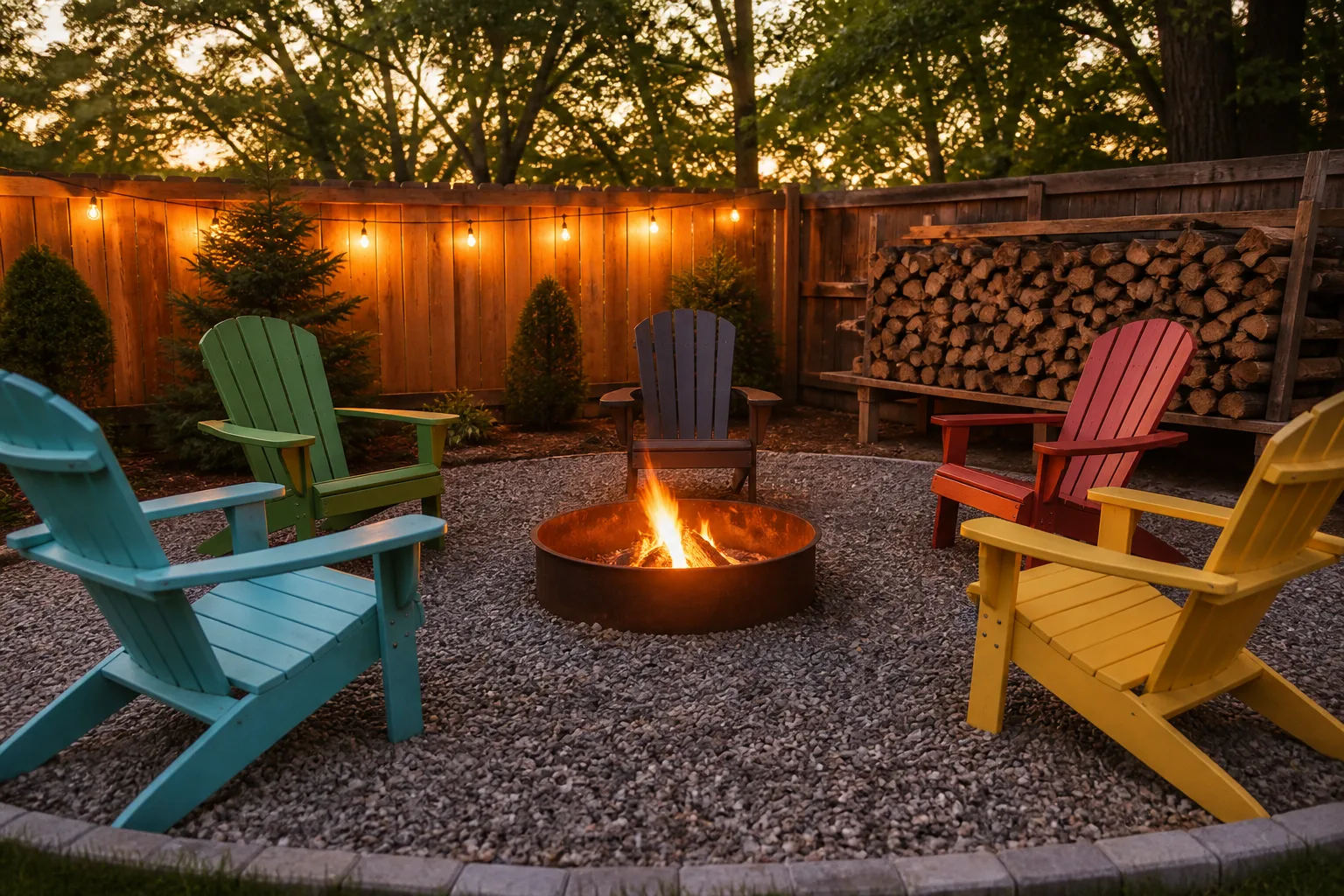
62. Make a fire feature a separate, safely placed destination. Use a fire pit only where rules, wind, seating, and clearances allow. The U.S. Fire Administration recommends at least 10 feet from the home or anything that can burn; follow stricter maker instructions and fire restrictions.
63. Put a simple focal point where it can be seen from indoors. A distinctive planter, sculptural bowl, or small ornamental tree gives the garden a view when the patio is empty. Keep the feature in scale with the yard and leave some quiet space around it so it reads as a focal point rather than clutter.
64. Add a covered sitting area for rain and midday sun. A roofed pavilion makes a patio more dependable in changeable weather. Before building, check loads, drainage, utilities, local rules, and whether it will darken an indoor room.
Cut future maintenance
65. Group plants by water and sun needs. Put thirsty containers near the hose and dry-site plants separately instead of watering all by the hungriest pot’s schedule. This reduces missed watering and makes unusual needs easier to spot.
66. Keep a clear strip for sweeping and repairs. Leave access along fences, drains, and the house wall instead of filling every gap with pots or furniture. A reachable edge is easier to weed and inspect, and it gives you room to replace a damaged paver or clean a gutter outlet later.
Conclusion
Start with the biggest frustration: an awkward route, a hot seat, an exposed view, or pooled rain. Add plants and details that fit, and check local guidance and rules before permanent work.
A comfortable patio needs only a clear layout, suitable surface, thoughtful planting, and a dependable seat. Add features only when they improve daily use.