16 Perennials That Grow Indoors in Winter
Discover 16 tender perennials that can winter indoors, plus frost timing, pest checks, light, watering, dormancy, and spring acclimation advice.
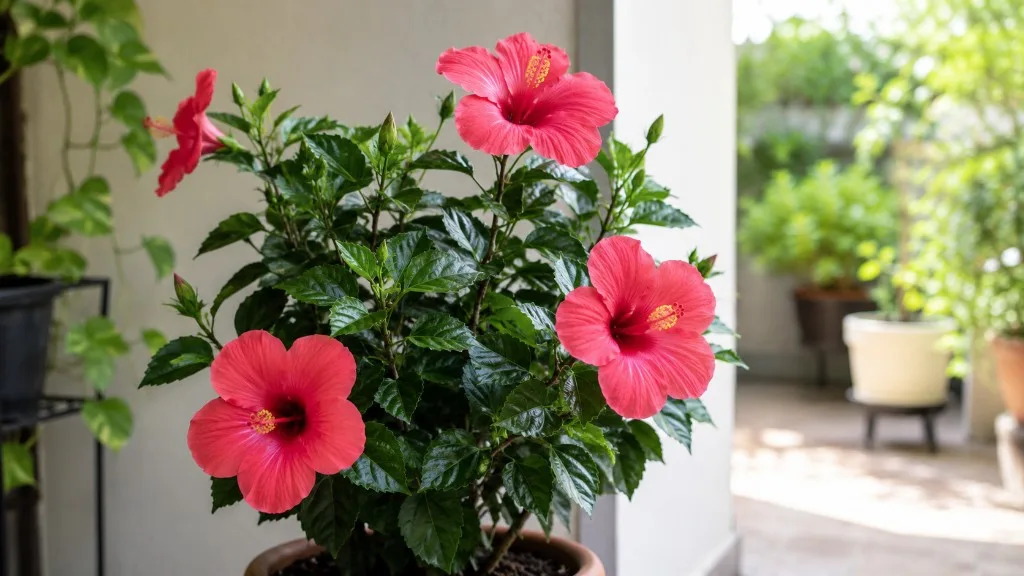
Some plants sold as patio color or summer bedding are not annuals at all. They are tender perennials: plants that can live for years when their roots stay above freezing, but that need a protected winter in colder climates. A potted hibiscus, rosemary, caladium, or jasmine can come back larger next year if you give it the right kind of winter rather than treating it like a generic houseplant.
The important distinction is that “indoors” does not always mean warm, brightly lit, and actively growing. Some plants want a sunny room; others need a cool slowdown; a few are better stored as dormant bulbs, corms, or bare-looking plants. Use the list below to choose the winter method first, then match the plant to the space you actually have.
A simple rule: bring in tender plants, not every perennial
Start with hardiness, not with the calendar. A perennial that is reliably hardy in your local climate usually benefits from staying outside, where it can follow its normal seasonal rhythm. Moving a hardy plant into a warm room can interrupt dormancy, stretch its growth in weak light, and create a spring plant that is less adapted to the garden than it was before.
The better candidates are frost-tender tropicals, subtropical shrubs, Mediterranean herbs, and marginal plants in containers. Container roots are less insulated than roots in the ground, so a plant that survives winter in a border may still need protection in a pot. The RHS perennial growing guide is a useful reminder that “perennial” describes lifespan, not guaranteed hardiness; the Southern Living Plants overwintering guide also notes that container conditions can be colder than in-ground conditions.
Choose active indoor growth or a planned winter rest
There are three workable strategies. Warm and active is for plants such as hibiscus, jasmine, rosemary, and African violet that can keep growing with enough light. Cool and slowed suits plants that tolerate a bright, cooler room and reduced watering. Dormant storage is for plants whose bulbs, corms, tubers, or woody framework can rest with little light and little water.
Do not put a dormant caladium in a bright window and then keep watering because its soil looks dry, and do not place a sun-hungry rosemary in a dark basement simply because it is “resting.” The method is part of the plant’s care. The RHS describes the same broad choice for tender plants: bring them into a warm, light environment, keep them cool and frost-free, or lift and store their underground organs when that is the better fit.
Prepare outdoor plants before the first frost
Move plants while the weather is still mild enough for them to adjust. A forecast of frost is a deadline, not an invitation to wait until the leaves are blackened. For many tender plants, beginning the move when nights approach about 50°F gives you time to inspect, clean, and acclimate them; the exact threshold depends on the species and your local exposure.
The RHS guidance on overwintering in conservatories recommends being ready in early autumn and notes that local conditions determine when vulnerable plants need to be moved. A plant in a windy, elevated container may need protection sooner than the same species against a warm wall.
Inspect, clean, prune, pot, and quarantine
Treat every outdoor plant as a possible hitchhiker. Look along leaf undersides, in stem joints, around pot rims, and on the soil surface for aphids, scale, mealybugs, whitefly, spider mites, eggs, or sticky residue. Remove dead leaves and weeds, rinse foliage with a gentle stream of water, and let the plant dry before it enters the house. The Savvy Gardening overwintering guide makes the practical point that checking both sides of the leaves and the soil surface matters because outdoor pests are easy to miss.
Prune only enough to make the plant manageable and improve airflow. Remove damaged growth, spent flowers, and stems that would press against a wall or window. Avoid a hard haircut on a plant that needs its leaves to keep feeding roots, and avoid repotting a healthy container plant merely for appearance. If a garden plant must be dug, preserve as much of the root ball as practical and use a clean container with drainage and fresh, well-drained potting mix.
Keep the newcomer in a separate room or enclosed area for two to three weeks if you can. Quarantine is not dramatic; it is a way to catch a surviving scale crawler or a burst of fungus gnats before the pest reaches your established houseplants. Inspect weekly, and do not share saucers, tools, or plant stands with the main collection until the plant has stayed clean.
Acclimate outdoor foliage to indoor light
Outdoor light is much stronger than light through a window, even on a cloudy day. Moving a plant straight from full sun to a dim living room can cause leaf drop or weak, stretched growth; moving it from shade to a hot window can scorch foliage. Start with a sheltered, bright-shade location for several days, then bring the plant indoors for progressively longer periods over roughly a week.
This light adjustment is for plants that will stay active. A tuber, corm, or plant intentionally entering dormancy does not need a week of indoor light; it needs the storage conditions appropriate to its resting stage. Southern Living Plants’ method guide recommends deepening shade over about a week for active plants and keeping moved plants apart from established houseplants while pest checks continue.
Match the winter room to the plant
The best winter location is not automatically the sunniest window. Think in pairs: light with temperature, and water with growth rate. A warm room increases the demand for light and water; a cool room slows the plant and keeps the pot wet longer. A plant that survives in either room may look very different depending on which trade-off you choose.
Light and temperature are a package deal
Give flowering and sun-loving plants the brightest safe position, often a south- or west-facing window or a full-spectrum grow light. Keep foliage from touching cold glass, and leave enough space for air to move around leaves. If a plant stretches toward the window, produces unusually small leaves, or drops older leaves while the soil remains damp, suspect insufficient light before adding fertilizer.
Warmth is not a substitute for light. A heated room at 70°F can push a hibiscus or mandevilla to keep growing when the winter window cannot supply enough energy, producing thin stems and inviting pests. A slightly cooler, stable room can be the kinder choice for a plant that is meant to slow down. Keep plants away from radiators, heat vents, exterior doors, and drafts; RHS winter houseplant advice specifically warns against temperature swings and hot spots near central heating.
Water, humidity, and airflow change indoors
Stop watering by the summer calendar. Check the root zone with a finger or moisture meter, then water according to the plant’s growth and the room’s drying rate. When you do water an active plant, wet the root ball thoroughly and empty the saucer; for a cool or dormant plant, wait longer and use much less water. Wet soil plus low light is the classic winter route to root damage.
Dry heated air can crisp leaf edges, but a wet pot does not fix dry air. Grouping plants, using a humidifier, or setting a pot on a pebble tray can help humidity-sensitive plants, provided the pot sits above the waterline. The RHS conservatory guidance describes brown tips and wilting as possible humidity stress and recommends airflow alongside humidity; still air and constantly wet foliage encourage fungal problems.
Feed sparingly. A plant making little or no new growth cannot use a heavy dose of fertilizer, and salts accumulate faster when the pot dries slowly. Resume a normal feeding rhythm only when day length increases and the plant is visibly growing.
16 perennials that work as winter houseplants
The plants below are grouped by the winter setup they can realistically use. “Great houseplant” means a useful winter candidate, not that all 16 will flower continuously or stay perfectly lush. Read each note as a placement decision: light, temperature, watering, and the failure mode to watch.
Flowering and foliage plants for bright, filtered light
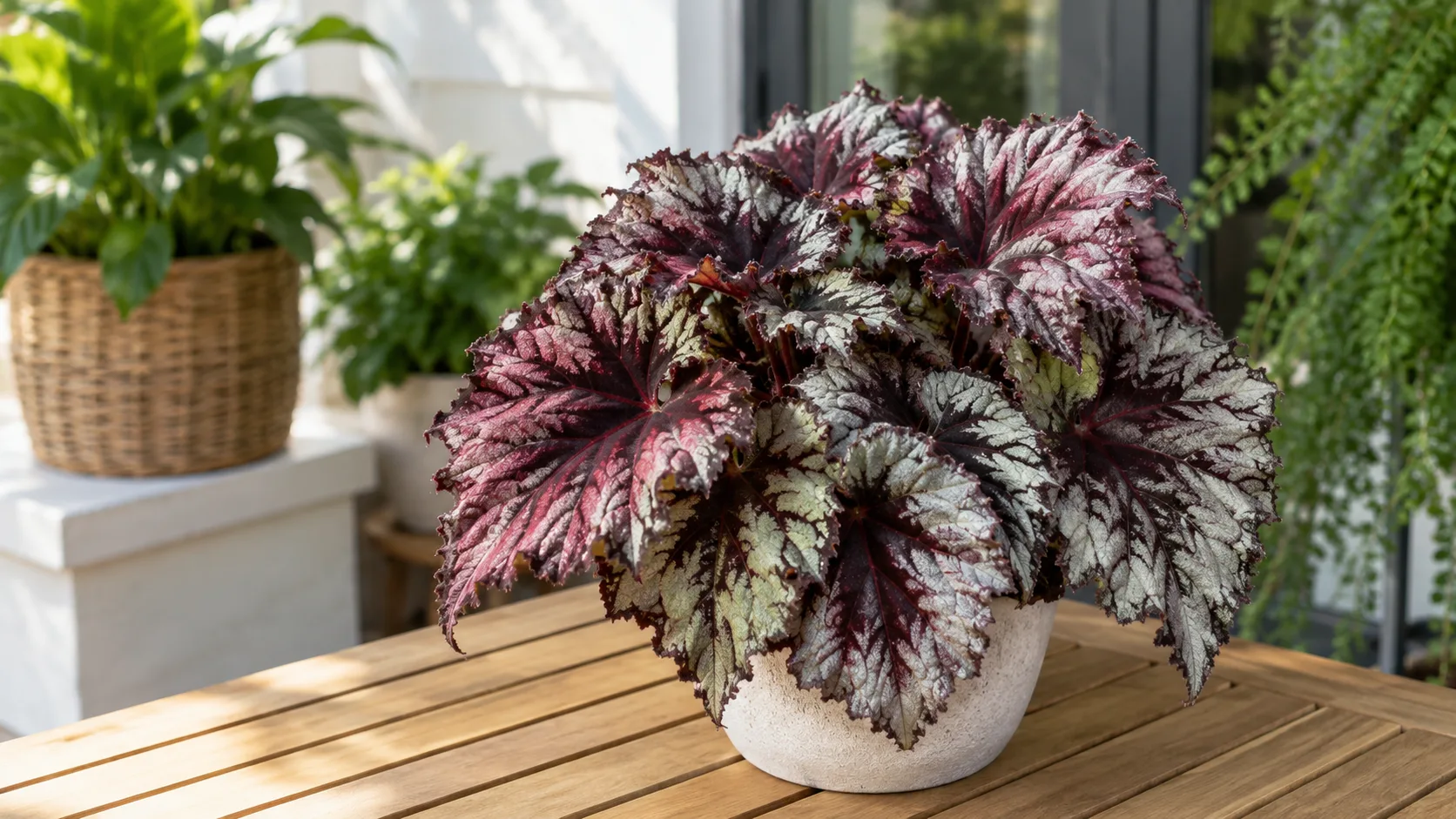
1. Begonia. Fibrous, wax, and Rex begonias can all spend winter indoors, but they are not interchangeable. Wax and fibrous types usually appreciate bright, indirect light and evenly but lightly moist soil; Rex begonias prefer filtered light, warmth, and excellent airflow around textured leaves. Groom away damaged growth, keep water off fuzzy foliage when possible, and reduce watering if growth slows. Tuberous begonias may be better treated as dormant tubers rather than forced to grow in a dim room.
2. African violet. This is already an indoor-friendly perennial, so it suits a bright windowsill or grow-light shelf better than a cold porch. Give it bright, indirect light, a stable temperature, and water at the soil line or from below while keeping the crown dry. It may bloom indoors through winter if light is adequate, but avoid cold glass, sudden drafts, and a saturated mix.
3. Florist’s cyclamen. Cyclamen persicum hybrids prefer a bright, cool spot rather than a hot room. Keep the mix from staying waterlogged, remove spent flowers cleanly, and expect the plant to slow after flowering before its summer rest. The RHS Christmas-flowering houseplant guide notes that occasional drying is safer for cyclamen than chronic overwatering and that the plant can flower again in later years.
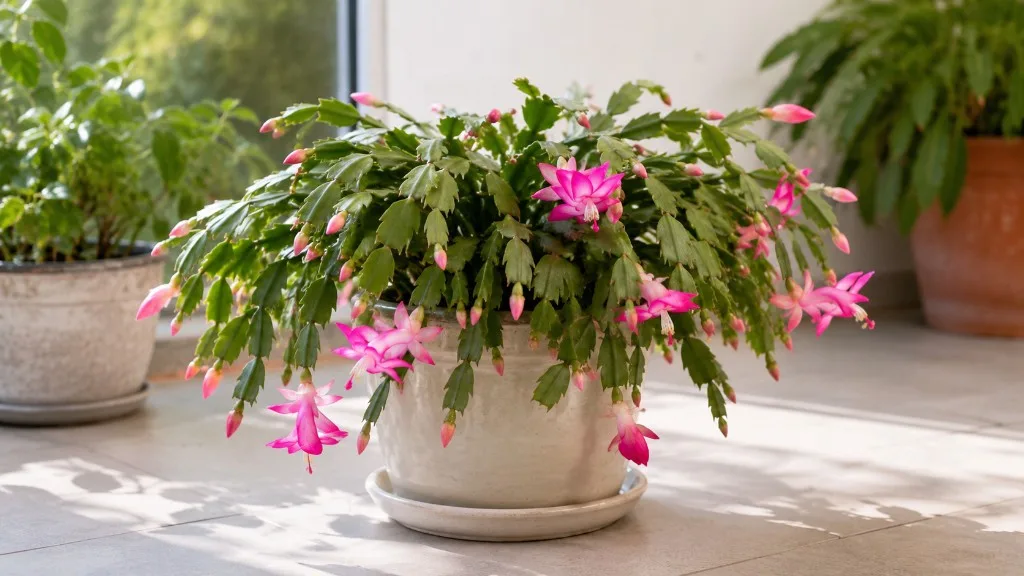
4. Christmas cactus. Give this epiphytic cactus bright, diffused light and a porous mix, then let the surface dry somewhat before watering again. It does not want the deep drought of a desert cactus. Cooler nights and a reliable long-dark period can support bud formation, but once buds appear, avoid moving the pot or swinging between dry and soggy conditions.
5. Poinsettia. A poinsettia can be kept as a perennial, but maintaining its winter color next year requires a seasonal schedule, not casual houseplant care. For the current display, give it bright light, even moisture without standing water, and a stable warm room away from drafts and heaters. If you want it to recolor, it needs a long uninterrupted dark period in autumn; a room that is lit at night can interfere with that process.
6. Caladium. Caladiums are excellent summer foliage plants but often make poor active winter houseplants in low-light homes. If the leaves fade and the plant naturally declines, let it rest: reduce watering, keep the tuber warm enough to avoid chilling, and store it according to its dormancy needs. If you keep it growing, provide warmth, humidity, bright indirect light, and a sharply draining mix; do not keep watering a leafless plant as though it were in July.
7. Kalanchoe. This succulent perennial wants the brightest light of this group and a pot that dries between waterings. Place it near a sunny window but protect it from cold glass at night. Water deeply only after the mix has dried well, and avoid raising humidity around it unnecessarily. To encourage rebloom, give it strong light while growing and a consistent long-night schedule later in the year.
Sun-loving plants for the brightest room
8. Abutilon, or flowering maple. Abutilon can stay leafy and may flower indoors when it receives several hours of strong light. Put it close to the brightest window, prune lightly for shape, and let the surface of the potting mix begin to dry before watering. It responds badly to a combination of low light and wet soil, so moving it to a cooler, less thirsty location may be wiser than trying to maintain summer growth.
9. Olive tree. An olive tree can overwinter indoors as an attractive foliage plant, but indoor flowering and fruiting are uncommon. Give it direct sun, strong airflow, and a gritty, fast-draining mix. Allow more drying between waterings than you would for tropical foliage, and inspect carefully for scale before moving the tree inside. If your home lacks a genuinely sunny window, a cool, bright space with supplemental light is more realistic than a dim corner.
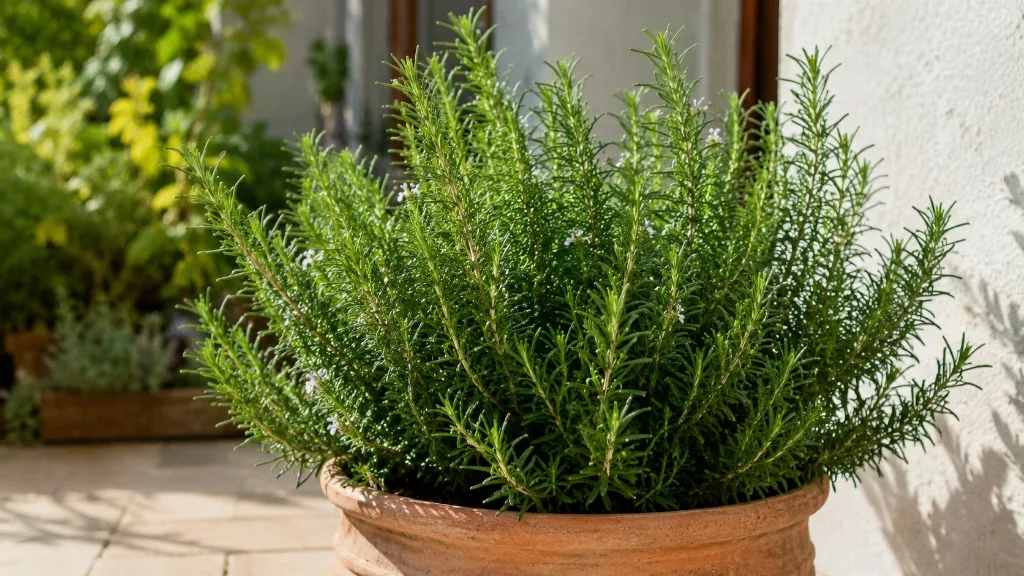
10. Rosemary. Rosemary is one of the most useful winter herbs and one of the easiest to overwater. Keep it in the brightest window you have, give it free-draining soil, and water only when the root zone has dried noticeably. It dislikes both bone-dry heated air and constantly wet roots, so airflow and a pot with an open drainage hole matter as much as frequency.
11. Tropical hibiscus. Hibiscus can remain active indoors if it receives strong light, warmth, and consistent moisture without waterlogging. It may drop leaves or flower buds after the move; stabilize light and temperature before pruning harder or feeding more. A plant that is too large for the window will usually perform better after a measured cutback and a less ambitious winter goal: survival and healthy stems, not a full summer flush of flowers.
12. Mandevilla. This twining tropical can be pruned into a manageable winter plant. Give it bright light, warmth, and moderate watering, but do not let a leafless or heavily slowed vine sit in wet compost. Check stems and leaf axils for scale and mites, support only the growth you intend to keep, and accept that it may hold rather than flower until spring.
13. Arabian jasmine. Jasmine rewards a very bright window and good air movement. Keep the mix lightly but consistently moist while it is actively growing, then reduce watering if growth slows in a cooler room. It is a strong candidate for a cool porch or conservatory in climates where that space stays frost-free; RHS guidance lists jasmine among plants suited to bright, cool conditions.
Plants that reward a warmer or seasonal-rest setup
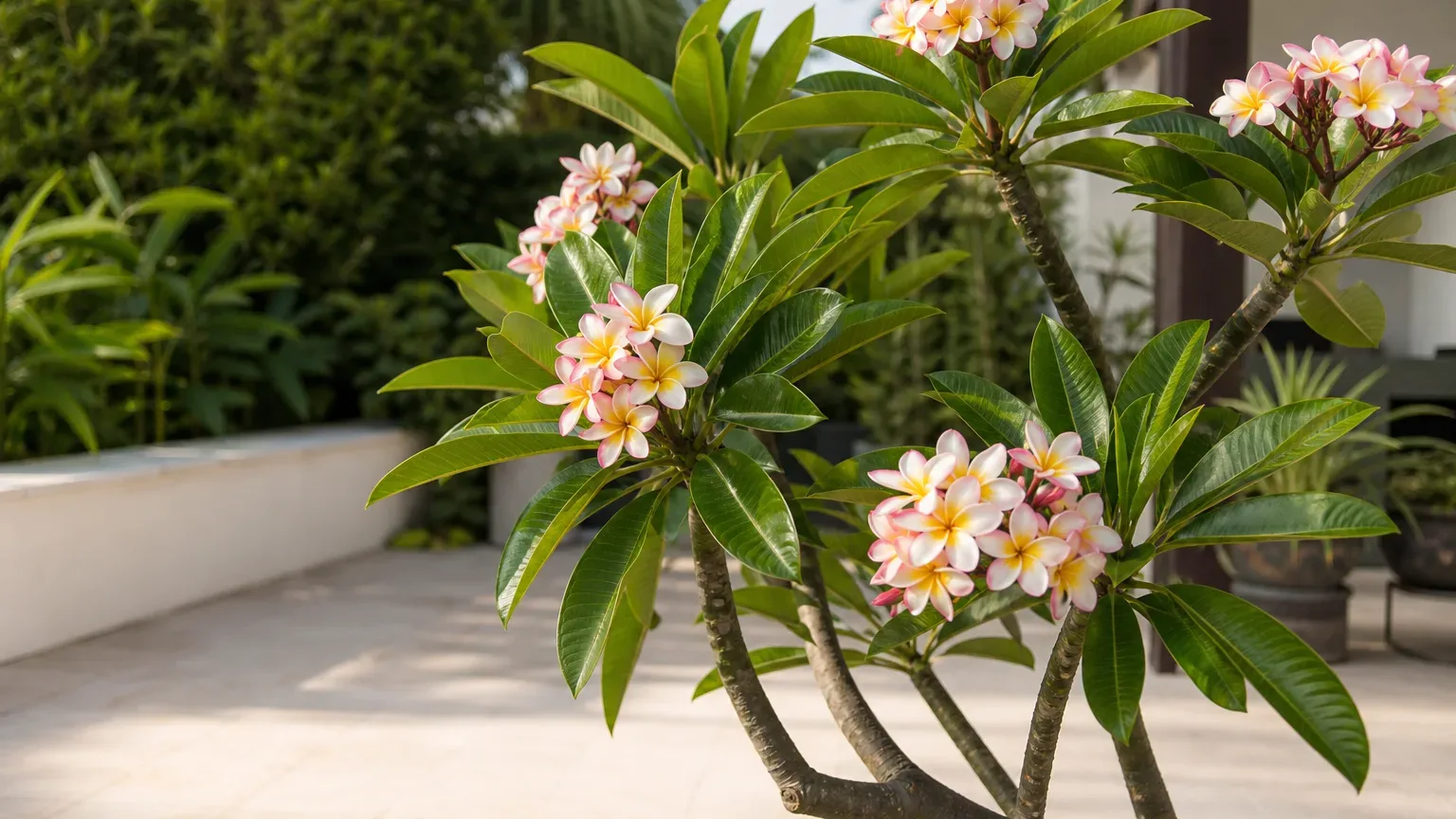
14. Plumeria. Plumeria gives you a choice: keep it warm and bright with reduced growth, or let it go dormant in a cooler, frost-free location. A dormant plant may lose its leaves, which is not automatically a failure. Keep the stem and roots from freezing, provide much less water than during summer, and do not keep a leafless plant in a warm, wet window. If you want active growth, plan on very strong light and enough space for a woody plant.
15. Passionflower. Passionflower is a vigorous vine, so its winter value depends on whether you can give it a bright window and a hard prune without losing the structure you want next year. In a cool, bright room it may slow or partially defoliate. Keep the root ball just on the dry side while growth is minimal, then increase water as new shoots appear. In warmer climates, check whether the plant is hardy enough to stay outside before you take on an unnecessary indoor move.
16. Mexican bird-of-paradise. This sun-loving shrub can survive indoors, but it is a demanding winter guest. Give it the brightest window available and use a grow light if new leaves become pale or yellow and stems stretch. Water moderately, avoid cold drafts, and be prepared for some leaf loss during the transition. If it is too large to light properly, a cool, frost-free rest may be more honest than maintaining a weak, warm plant in the middle of the room.
Troubleshoot the first month indoors
The first few weeks are a transition, not a verdict. Outdoor plants suddenly lose wind, ultraviolet light, evaporative demand, and the broad temperature range that helped them regulate water. A little leaf drop can be a stress response; a steady decline usually means the indoor setup does not match the plant’s strategy.
Yellow leaves, leaf drop, and leggy growth
Check the order of events. Leaves that drop soon after the move often point to abrupt light or temperature change, while yellow leaves in a cool, dim, wet pot suggest overwatering or root stress. If the soil is dry and the plant is wilted, water thoroughly; if it is wet several inches down, increase light and airflow and wait rather than adding more water.
Leggy stems, small new leaves, and a plant leaning toward the window indicate insufficient light more often than a fertilizer shortage. Move the plant closer to the window if the leaves are not scorching, add a grow light, or accept a slower winter. Do not compensate for weak light with frequent feeding; that creates soft growth the plant cannot support.
Pests, rot, and dry-air damage
Isolate a plant as soon as you see fine webbing, sticky leaves, cottony clusters, shells, or clusters of small insects. Remove badly damaged foliage, wash the plant where appropriate, and use only a treatment labeled for that plant and indoor use. Reinspect after the first cleanup because eggs and concealed insects can survive a single pass.
For root problems, slide the root ball from the pot if the plant continues to decline despite dry surface soil. Brown, mushy roots and a sour smell point toward rot; trim only dead tissue with clean tools, repot into a smaller well-drained container, and correct the light and watering pattern. Crispy margins with a dry root ball can reflect low humidity, salt buildup, or missed watering, so check the roots before assuming the air alone is at fault.
Move overwintered plants outdoors in spring
Spring is another transition, not a one-day relocation. Wait until frost risk has passed for the species and nighttime temperatures are stable enough for the plant. A plant that survived indoors at 65°F can still be damaged by a cold spring night, even if the afternoon feels warm.
Harden off without sunscald
Start outdoors in bright shade for a few hours, protected from wind. Increase the time outside over one to two weeks, then introduce gentle morning sun before stronger afternoon exposure. Bring the plant back in or into a sheltered garage when nights are cold, and watch the leaves rather than following a rigid calendar.
The Savvy Gardening spring transition advice uses the same seedling-style hardening logic: shade first, longer outings, then a gradual move toward the plant’s summer position. When new growth is clearly underway, resume normal watering and feeding, check for fresh pests, and repot only if the roots or container actually require it.
Conclusion
The best perennials to grow indoors in winter are not necessarily the rarest or most tropical. They are the plants whose winter method matches your available light, temperature, space, and attention. Begonias, African violets, cyclamen, Christmas cactus, rosemary, hibiscus, jasmine, plumeria, and the other plants on this list can all reward the effort, but only when you decide whether they should grow, slow down, or rest.
Bring them in before damaging frost, inspect and quarantine them, reduce water as growth slows, and solve light problems before reaching for fertilizer. Then reverse the process in spring with shade and patience. That simple sequence gives a tender perennial a far better chance of returning to the garden healthy—and gives you a winter houseplant you can actually manage.