4 Plants You Can Leave Uncut in Fall—and What to Do Instead
You can leave many hostas, perennial flowers, hardy hibiscus, and dogwood shrubs alone in fall. Learn when waiting helps—and when cleanup is essential.
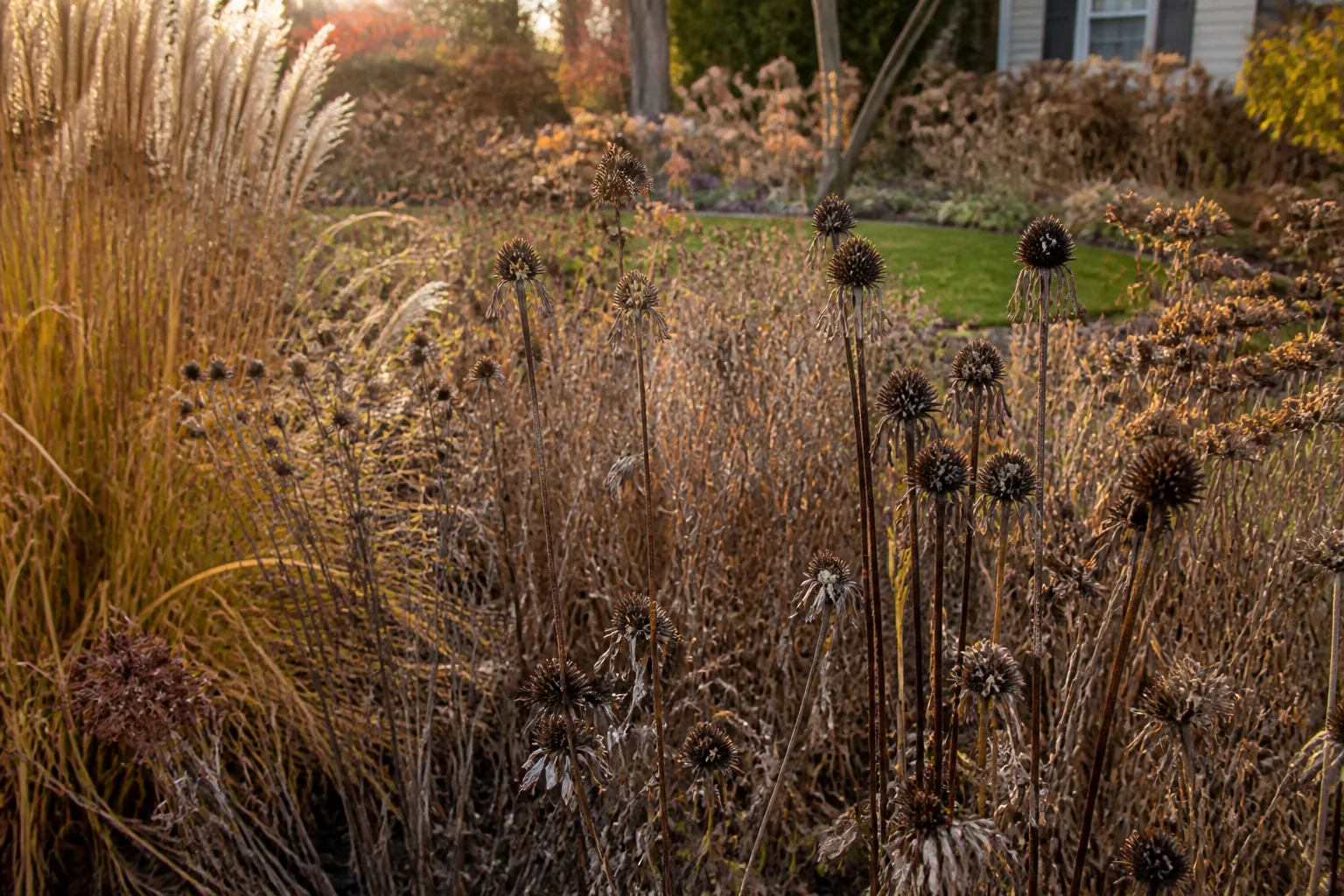
Fall pruning feels productive because the garden looks finished. Brown leaves, dry stems, and spent flowers can make a bed seem untidy, so it is tempting to clear everything in one energetic weekend. But a brown plant is not necessarily a dead plant, and a clean-looking bed is not always a healthier one.
Many herbaceous perennials disappear above ground while their crowns and roots rest below the soil. Their old stems can also hold seed for birds, shelter insects, protect a crown from weather, or simply mark where a late-emerging plant is hiding. The RHS guidance on cutting back perennials notes that fall tidying can remove winter structure, food, and habitat, which is why many gardeners delay at least part of the cleanup.
That does not mean every stem should stand until April. Diseased foliage, hazardous growth, invasive self-seeders, and shrubs that flower on old wood all deserve a more specific plan. Here are four plant groups that often do not need a fall cut, plus the decision rules that tell you when waiting is genuinely useful rather than merely postponing a chore.
The short answer: “not cutting” is still a decision
The four groups are hostas, many perennial flowers, hardy hibiscus, and some dogwood shrubs. In each case, “leave it alone” means leaving healthy, useful structure in place and choosing a better pruning window—not ignoring the plant indefinitely.
For hostas and herbaceous flowers, the main question is whether the plant is naturally entering dormancy. If it is healthy, waiting for a hard frost or spring cleanup is usually reasonable. For hardy hibiscus, old canes can remain as winter structure and be removed before new shoots appear. For dogwood, the common name hides two very different jobs: a red-twig shrub is often renewed in early spring, while a flowering dogwood tree is not a shrub to shear on a fall schedule.
The goal is to spend your limited fall energy where it matters. Cut what is diseased, unsafe, or likely to cause a real problem; leave what still feeds wildlife, protects the soil, or can be removed more cleanly after winter.
A five-question test before you pick up the pruners
Use this quick test on every plant instead of treating the whole border as one unit.
1. Plant type and pruning purpose
First decide whether you are looking at an herbaceous perennial, an evergreen perennial, a woody shrub, or a grass. The distinction matters because an herbaceous perennial may die back to a living crown, while a shrub’s permanent branches may already carry next spring’s flower buds.
Next name the purpose of the cut. Are you removing disease, reducing a trip hazard, controlling size, improving airflow, renewing old stems, or simply making the garden look tidy? Those are different jobs with different seasons. Penn State Extension’s pruning guidance separates rejuvenation, thinning, deadheading, and general cleanup for exactly this reason.
2. Health, hazards, and habitat
Inspect before you preserve. Healthy brown stems and seed heads can be useful; stems with active disease, slimy rot, a heavy pest problem, or seeds from a plant you are trying to eliminate are not automatically wildlife habitat.
Also look at the site. A stem that stands beautifully in a back border may block a walkway, scrape a window, hide a drain, or become a winter fire risk beside a structure. If standing growth will create an access or safety problem, a targeted cut is more helpful than following a leave-it-all rule.
For woody plants, ask where next year’s flowers form. Shrubs that bloom on one-year-old or older wood can lose their show if you prune in fall; many shrubs that bloom on new growth are more forgiving when pruned during dormancy or in early spring. UW–Madison Extension’s shrub-pruning guide explains the old-wood versus new-growth distinction and why a shrub should be pruned for its growth habit, not for the calendar alone.
Old growth can offer more than flowers. Seed heads provide food, hollow stems can shelter insects, and a standing clump may catch leaves that slowly become soil-building organic matter. The RHS winter-seedhead guidance describes dried stems and seed heads as sources of winter interest and wildlife value.
You do not have to preserve every inch of a plant to gain those benefits. Leaving a few strong stems, keeping a group of seed heads, or delaying the final cut until early spring can be a better compromise than either a completely bare bed or an unmanaged thicket.
A mild, wet winter, a snowy continental winter, and a dry, fire-prone winter impose different demands. In a soggy bed, dead foliage pressed against a crown may stay wet for months; on an exposed site, standing stems may reduce wind and temperature swings; in a dry grass planting near a building, the fire-risk calculation may win.
Even the useful pollinator advice is not a single universal date. A North Carolina State Extension study sampled nearly 3,000 stems from 20 gardens in 10 North Carolina counties and found that stems were not occupied in their first winter, while older stems could host bees. Treat that as valuable regional evidence for selective, high-cut stem management—not as permission to cut every perennial in every climate at the same time.
1. Hostas: wait for a hard freeze, or clean them up in spring
Hostas are one of the clearest examples of a fall chore that can wait. After frost, their leaves collapse into a soft, unattractive mass, but the plant is already moving into dormancy below ground. There is usually no prize for cutting a healthy hosta a few weeks before it would naturally disappear.
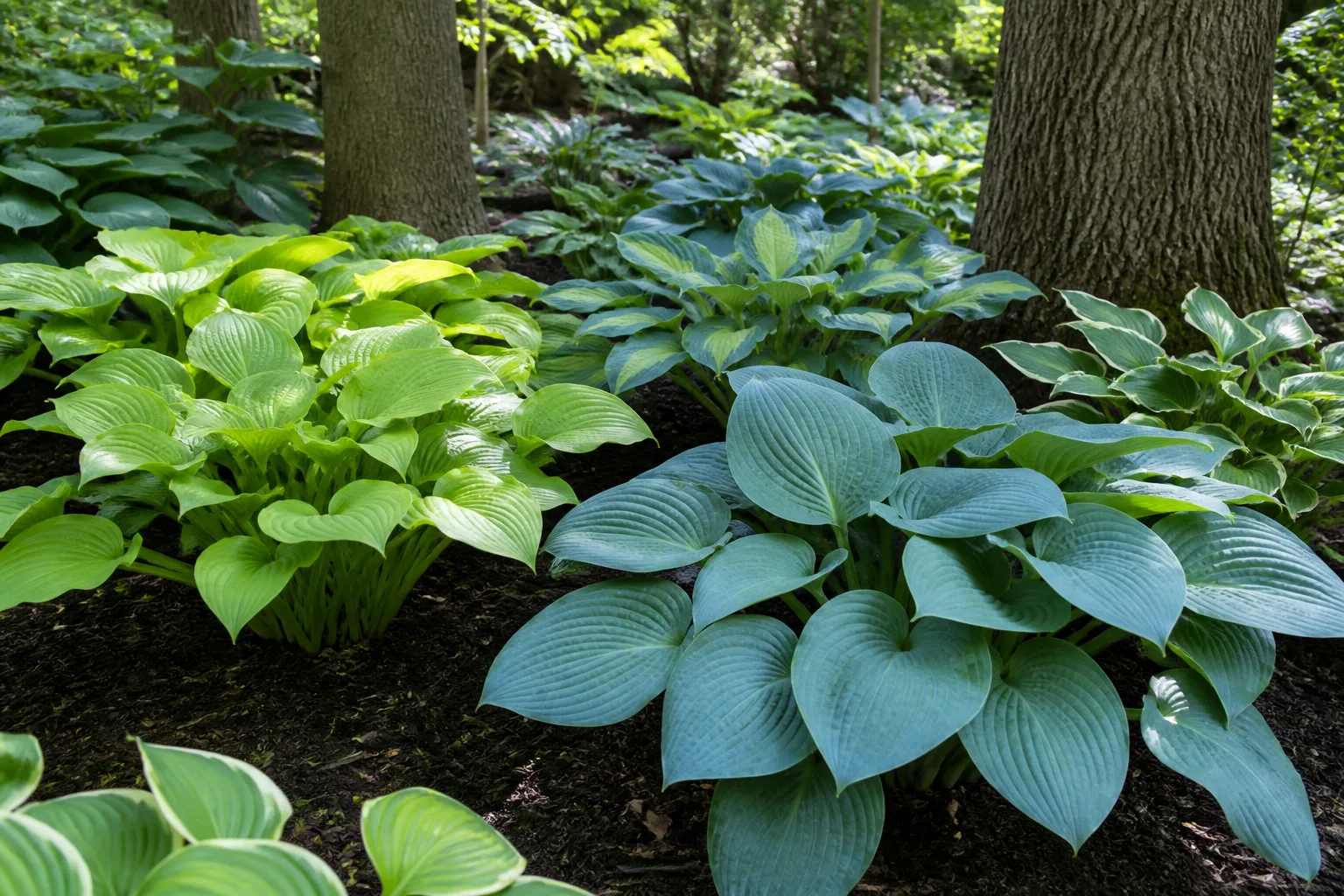
Let the leaves turn yellow or brown naturally, or wait until a hard frost has finished the foliage. Then either leave the spent leaves until a spring cleanup day or remove them once they are dry enough to gather without smearing wet material over the crown. Savvy Gardening’s hosta-care guidance also makes the useful point that healthy hostas do not all require a whole-plant fall cut.
How to save time without starving the crown
Do not remove green leaves simply because they look tired, and do not cut a wilted hosta to the soil when the real problem may be heat, drought, sun exposure, or a hungry animal. Green tissue is still doing work for the plant. If only a leaf is damaged, remove that leaf rather than turning a localized problem into a full haircut.
There are legitimate exceptions. If a hosta has a serious leaf or petiole disease, remove the affected material and clear it away rather than tucking it under mulch. Penn State’s hosta-disease guidance emphasizes sanitation, tool disinfection, and avoiding a pile of infected debris around the crown. Likewise, if a dense mat of foliage is providing a perfect hiding place for pests in your garden, a thorough late-fall or early-spring cleanup can be worthwhile.
When you do clean up, cut or pull the dead leaves before new “nose” growth begins in spring. Keep mulch off the crown, and use only a modest layer around—not on top of—the plant. Penn State’s perennial-care guidance notes that winter mulch is most useful for newly planted, divided, or tender plants and is best applied after the ground freezes, then removed gradually as spring arrives.
2. Perennial flowers: leave seed heads, not a diseased tangle
Coneflowers, black-eyed Susans, asters, sedums, and many other perennial flowers can look spectacularly scruffy in winter. That is part of their value. Their dried heads hold seed for birds, their stems provide texture above snow, and their hollow interiors may become small winter shelters.
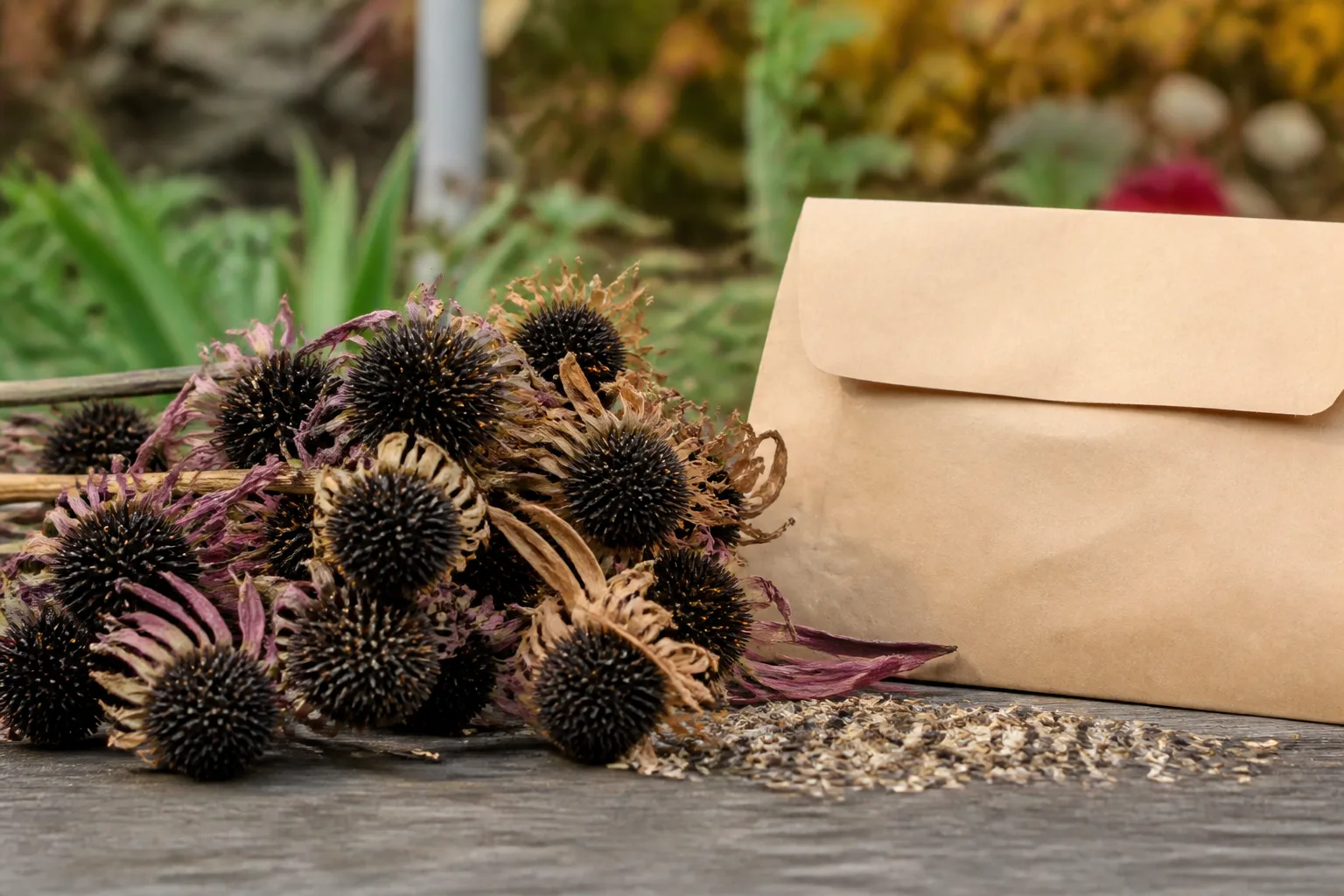
The simplest approach is to leave healthy stems and seed heads until late winter or early spring. You can then cut the old growth as new shoots begin to show, taking care not to crush those shoots or compact wet soil while moving through the bed. RHS perennial-cutback guidance recommends weighing the tidy appearance of an autumn cut against lost habitat and winter structure, and it supports selective removal where decay or fungal problems are present.
This is also a good place to practice “chop and drop” carefully. Healthy stems can be chopped into pieces and left as light surface litter, but diseased leaves should not be treated as free mulch. If a plant had a persistent leaf spot, mildew, crown rot, or other serious problem, gather the suspect material and follow your local disposal guidance instead of spreading it through the bed.
The wildlife-friendly compromise
You do not have to choose between a completely wild-looking border and a sterile one. Remove collapsed material from the front edge, open a path, or cut only the stems that are leaning onto neighboring plants. Keep a sturdy group of seed heads and standing stalks toward the back.
For stem-nesting insects, the height and timing of a cut matter. The North Carolina study cited above found that first-winter stems were not occupied in its sampled gardens, while older stems could be. A practical interpretation is to cut selected new stems high enough to leave a visible section of hollow stem, then leave those cut stems alone through the following season. Do not turn this regional finding into a promise that every stem is empty; plant species, bee communities, and climate vary.
If birds are using the seed heads, wait until the food is mostly gone before removing them. If a perennial self-seeds aggressively and you do not want seedlings, deadhead just the unwanted heads while leaving the rest of the plant’s structure standing. That is a small, purposeful cut—not an autumn-wide reset.
3. Hardy hibiscus: leave the canes, but identify the plant
Hardy hibiscus is a late-summer showstopper that often looks finished long before its underground crown is ready to wake next year. Rose mallow and other hardy types are herbaceous perennials: the tall canes die back, while the crown survives winter and sends up new shoots.
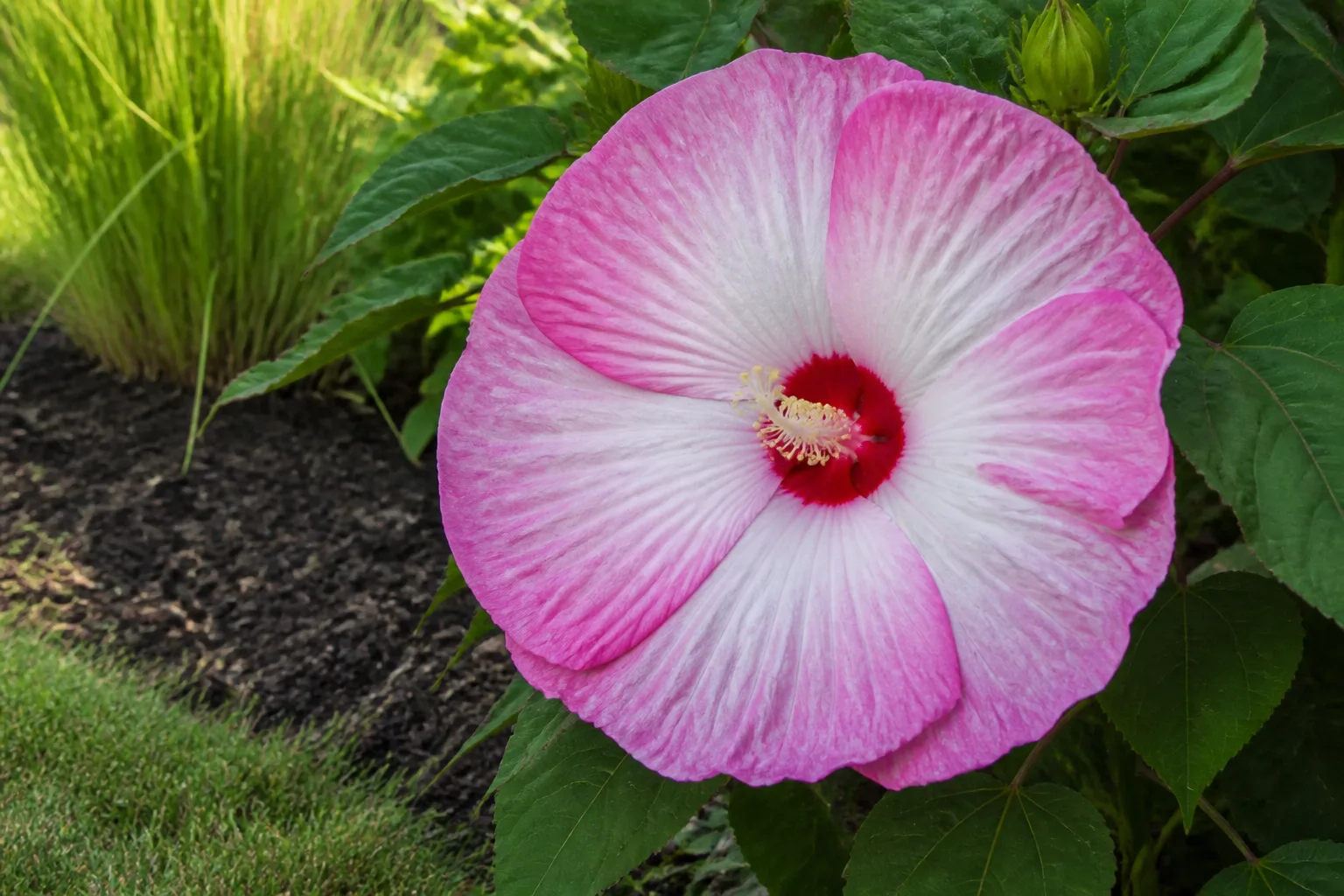
Once the foliage has dropped, you can cut the old canes down if you prefer a neat bed. You can also leave them standing through winter for structure, a visible marker, and some protection around the crown, then remove them in spring before new shoots are growing strongly. A practical hardy-hibiscus overview describes both approaches and notes that old canes can be reduced after the foliage dies back.
Do not pile a thick, wet blanket directly over the crown. A loose, modest mulch layer in a cold climate can help, but drainage matters more than enthusiasm. If the plant sits in heavy, poorly drained soil, keeping a mass of wet stems pressed against it can work against the protection you intended.
Hardy versus tropical hibiscus
The name “hibiscus” is not enough to determine the plan. Hardy hibiscus, including rose mallow types, dies back to a crown and can remain dormant outdoors in climates where it is suited. Tropical hibiscus is a woody, frost-sensitive plant commonly moved indoors or otherwise protected; leaving its outdoor stems in a cold climate is not the same as leaving dormant perennial canes.
Check the plant tag, growth habit, and local growing conditions before you cut or leave anything. If it is a container plant that has spent summer outdoors, treat overwintering as a separate project. If it is a garden perennial that disappears every winter and returns from the soil, mark its location and postpone the final cut until spring if there is no disease or access problem.
4. Dogwood and other shrubs: prune for the shrub, not the season
“Dogwood” can mean a flowering tree, a shrub with colorful young stems, or a number of landscape plants with very different pruning needs. That is why the most useful advice is not “never prune dogwood in fall,” but “identify the dogwood and decide what you want the cut to accomplish.”
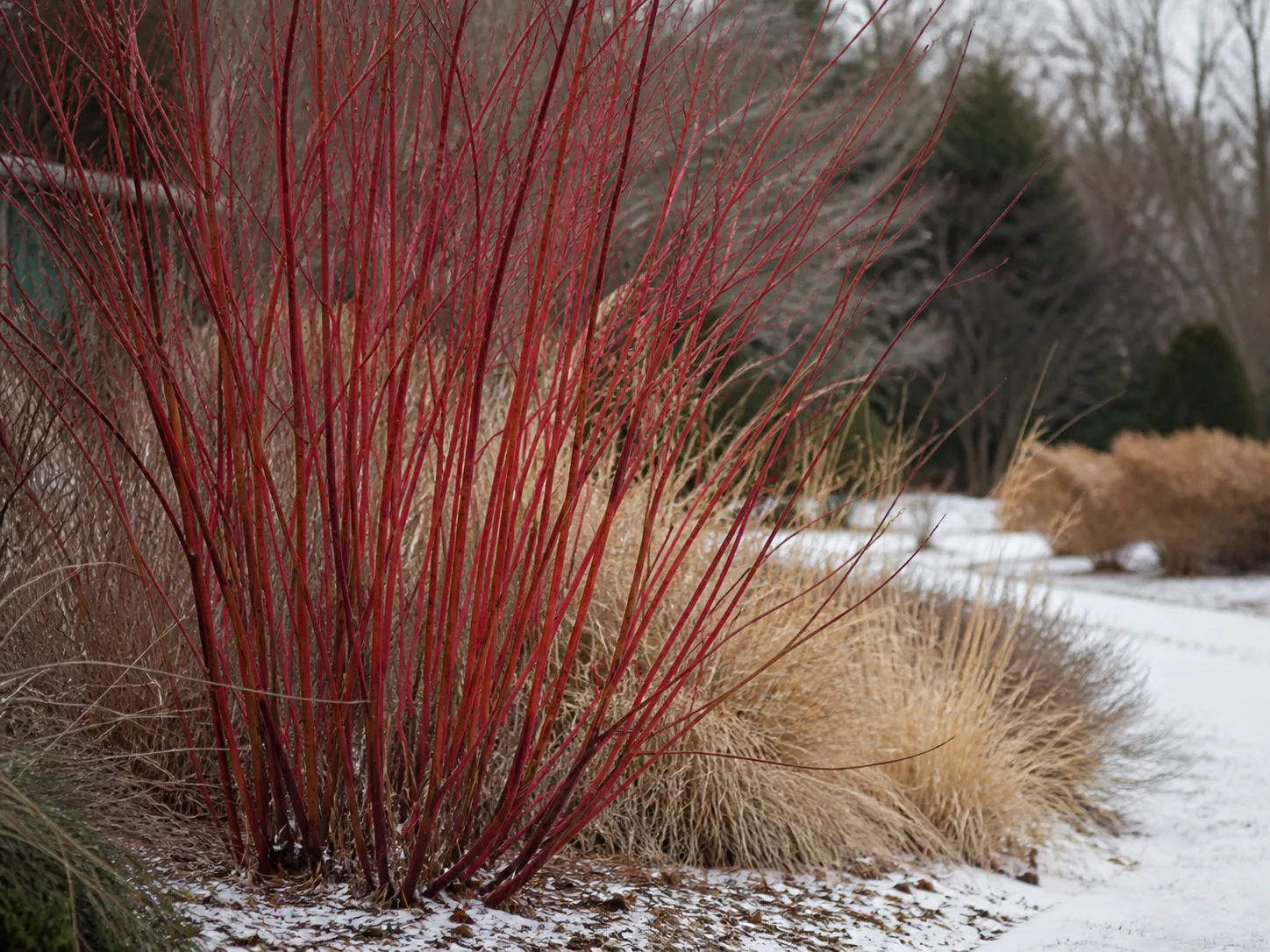
If the shrub is healthy and its size is not a problem, leave it alone in fall. Winter can make the stems easier to evaluate, and waiting gives you time to see which branches are old, damaged, crossing, or no longer providing the vivid color you want. A light removal of a hazardous or broken branch is different from a full reshaping.
Why red-twig dogwood benefits from a spring reset
Red-twig and yellow-twig dogwoods are grown for the color of young stems. Older branches can become duller, so renewal pruning is meant to encourage a new flush of colorful growth. UW–Madison Extension’s pruning-timing advice recommends early spring, while the shrub is dormant, for renewal pruning of red- and yellow-twig dogwood.
That timing lets you enjoy the winter stems and see the structure before you remove selected older canes. The Penn State overview of shrub dogwoods also highlights their four-season and wildlife value, including berries and host-plant relationships. Remove a portion of the oldest stems at the base rather than shearing the whole shrub into a uniform ball; renewal is a measured change in age structure.
For a flowering dogwood tree, the shrub rule does not apply. For a spring-flowering shrub near the dogwood bed, the same caution about old wood often applies: fall pruning may remove the buds that formed during the previous season. When in doubt, identify the species and wait for the appropriate post-bloom or dormant-season window.
Five other plants to treat cautiously in fall
The four groups above are the core “do not rush” list, but several familiar plants deserve the same pause. Their correct treatment depends on species, cultivar, climate, and whether you are removing dead material or trying to reshape living growth.
Hydrangeas, clematis, lavender, ornamental grasses, and spring-flowering shrubs
Hydrangeas are the classic reason a blanket fall-pruning rule causes disappointment. Bigleaf hydrangea and oakleaf hydrangea bloom on old wood, so a fall cut can remove the next season’s flower buds. Smooth hydrangea and panicle hydrangea bloom on new wood and are more tolerant of a dormant-season cut. Penn State’s hydrangea timing guide is a useful species-level reference; identify the hydrangea before you make a major cut.
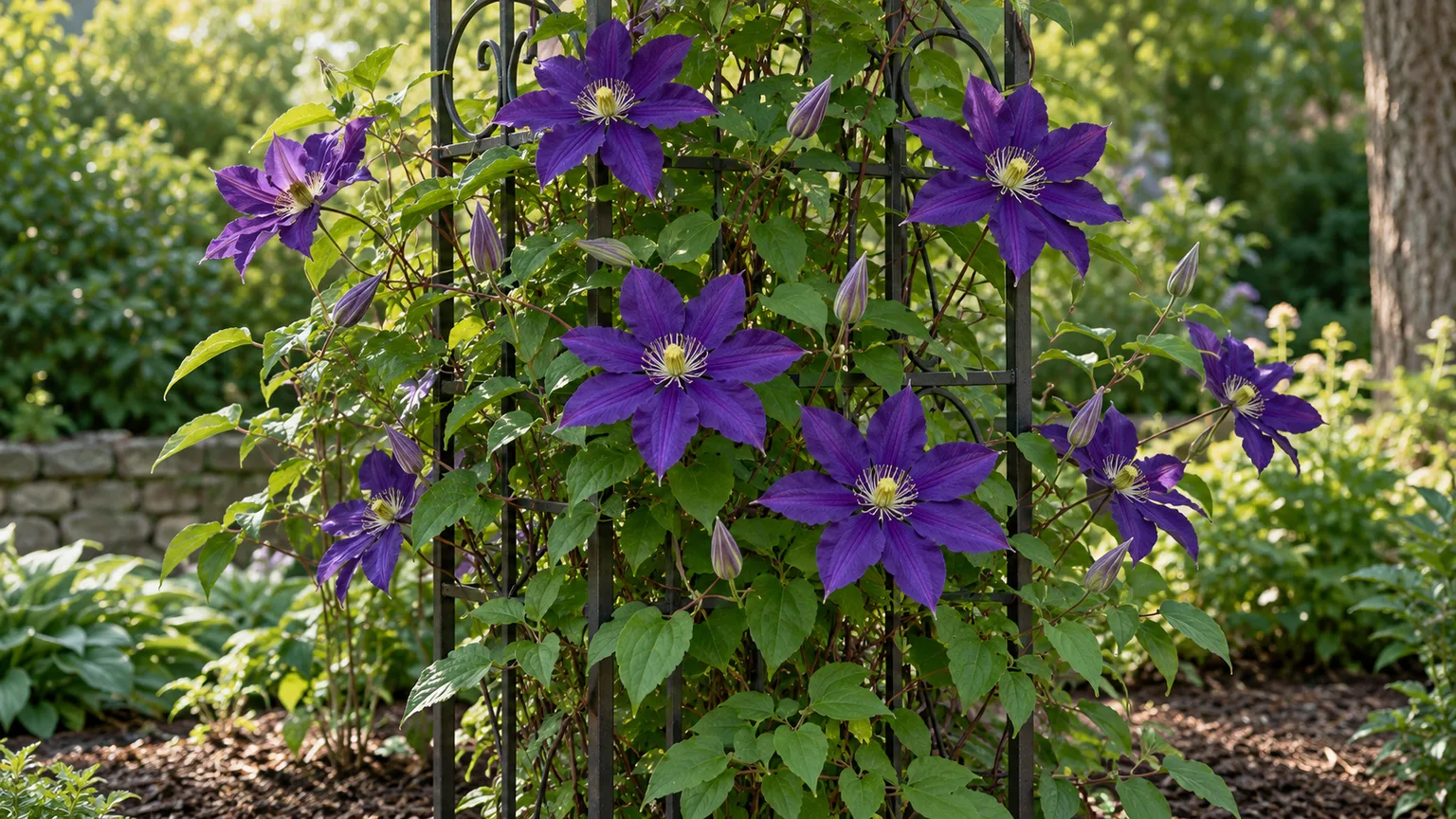
Clematis also needs identification before pruning. Its pruning groups are based on where and when it flowers, and a blind fall cut can remove buds that would have opened the following year. If the tag is missing, save the old stems, note when the plant flowers, and make a light cleanup only for safety or disease until you can match the plant to a reliable clematis pruning-group guide.
Lavender is a woody subshrub, not a soft herbaceous perennial that welcomes a cut to the ground. It can remain attractive through winter in a well-drained site, while severe fall pruning into old wood can leave it exposed to cold, wet damage. Remove obviously dead material, then shape lightly when you can see healthy new growth and the risk of severe cold has passed.
Most ornamental grasses are better left standing until late winter or early spring. Intact foliage helps protect the crown, catches snow, and provides winter habitat. A horticulture-reviewed ornamental-grass guide notes that warm-season grasses may be cut in fall where fire risk or a tidy appearance demands it, while cool-season grasses and evergreen sedges need a more restrained approach. Cut before fresh shoots are tangled into the old clump.
Spring-flowering shrubs such as forsythia, lilac, magnolia, and many viburnums also deserve a pause. They commonly form flower buds on older wood, so the safer general window is after flowering, before the next season’s buds are set. Broadleaf evergreens such as rhododendrons have their own structural and health considerations; do not apply a deciduous-shrub haircut simply because leaves or flowers have faded.
When fall cleanup is the smarter choice
Leaving plants standing is helpful only when the material is healthy and the site can accommodate it. Make fall cleanup a priority when foliage or stems show active disease, crown or root rot, or extensive pest pressure. Penn State’s herbaceous-pruning guidance explains that moist, crowded conditions and decaying diseased material can favor further problems; sanitation is a plant-health task, not a cosmetic preference.
Cut back anything that blocks a path, covers a drain, rubs against a structure, or creates a visibility problem. Remove self-seeding plants that are spreading beyond the space you intend to keep. In dry regions, or when tall grasses sit close to a home, fence, outdoor kitchen, or other ignition source, local fire-safety advice should outweigh a general wildlife recommendation.
Wet soil is another reason to be selective. The RHS notes that in waterlogged sites, cutting back in autumn can sometimes be preferable, because waiting may force you to walk on saturated soil and damage structure or compact the bed. That does not justify clearing every plant; it means schedule the necessary cuts while access is easier and stay out of the bed when conditions are worst.
A low-waste fall cleanup sequence
Start at the garden entrance with a notebook or phone, not the pruners. Mark plants you cannot identify, photograph unusual shrubs, and note which beds drain poorly. A five-minute inventory can prevent the much larger waste of removing next year’s hydrangea buds or cutting a shrub that only needed spring renewal.
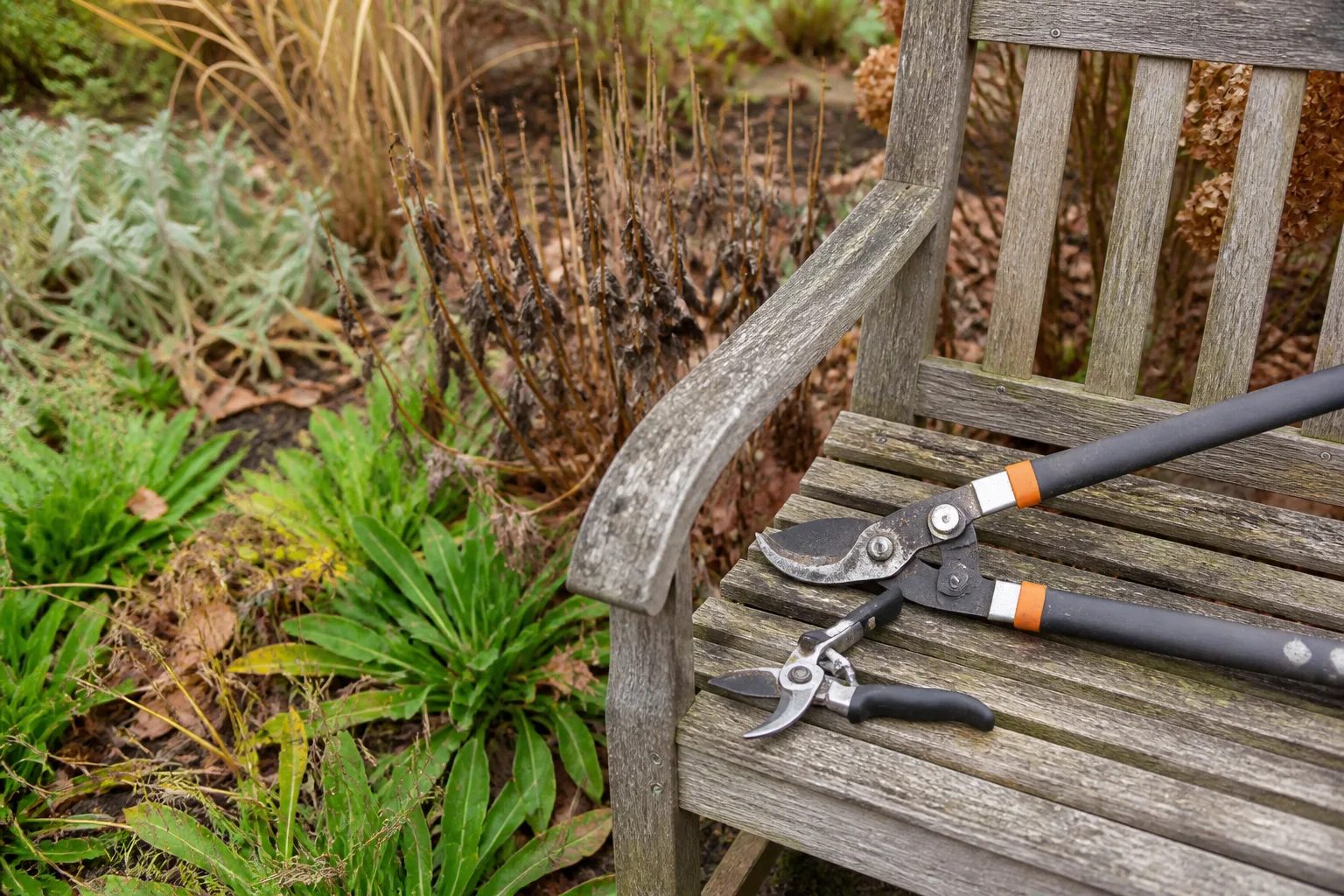
Then work in this order:
- Remove hazards and diseased material first. Bag or otherwise dispose of suspect debris according to local guidance, and clean tools between plants when disease is possible.
- Make only the purposeful cuts: broken branches, access-blocking stems, unwanted seed heads, or growth that must be thinned for airflow. Do not shear a whole bed by reflex.
- Leave a winter layer in each healthy perennial bed. Keep seed heads for birds, a few visible stems for insects, and enough structure to protect or mark crowns.
- Cut selected stems high rather than shaving everything to the soil. Leave standing sections where pollinator habitat is part of your goal, then leave those sections undisturbed through the next growing season.
- Protect crowns without burying them. Use a modest layer of healthy shredded leaves or other suitable mulch around plants, keeping the crown and emerging buds clear. Penn State’s leaf guidance describes shredded leaves as useful mulch and leaf mold material; the best leaf is often the one reused on the same property.
- Put a spring reminder on the calendar. Before new shoots emerge, remove the old hosta leaves and dormant perennial stems, renew red-twig dogwood selectively, and make the species-specific cuts you postponed.
This sequence turns “leave it alone” into an active form of care. You are choosing what to preserve, what to remove, and when to return—not abandoning the garden to winter.
Conclusion
The four plants worth leaving uncut in fall are healthy hostas, many perennial flowers with useful seed heads, hardy hibiscus, and dogwood shrubs that need season-specific pruning rather than an autumn haircut. Waiting can preserve winter structure, support wildlife, protect crowns, and save you from doing the same job twice.
The best rule is narrower than “never cut back in fall”: identify the plant, name the purpose of the cut, inspect for disease and hazards, and check whether next year’s flowers form on old or new wood. Leave healthy structure when it earns its place, remove problems promptly, and schedule the major pruning for the window that matches the plant.