20 Plants That Naturally Overwinter
Discover 20 plants that can overwinter naturally, from hostas and coneflowers to chives and collards, with zone, soil, and winter-survival caveats.
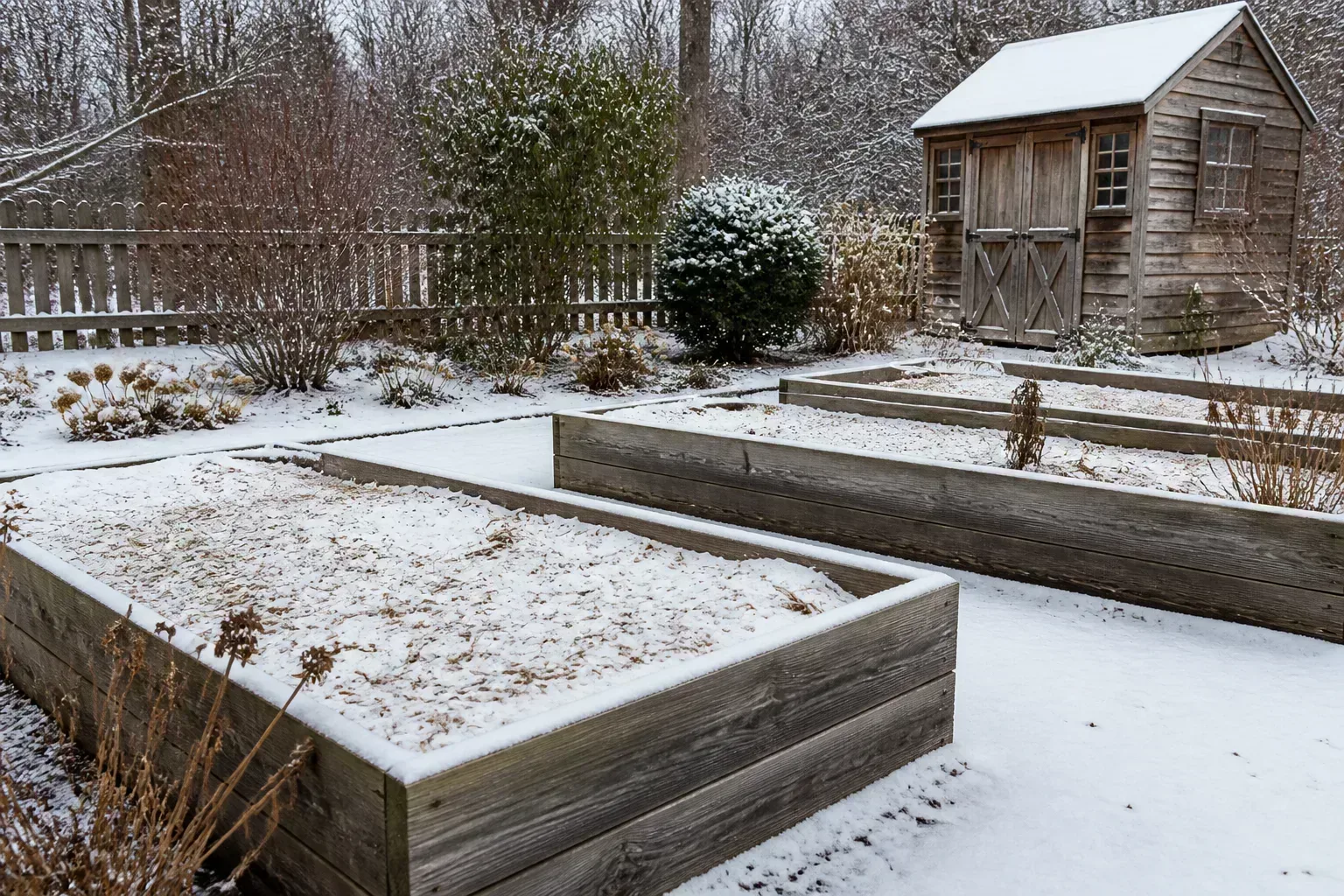
A plant that naturally overwinters stays outside through the cold season and resumes growth when conditions improve. You do not dig it up, move it into a heated room, or store a bulb in a box every autumn. That does not mean the plant is indestructible: the right hardiness range, drainage, planting depth, and establishment time still determine whether it returns.
The most useful way to read a cold-hardy plant list is as a matching exercise. A hosta can sail through a frozen winter in shade but struggle in a hot, dry bed. A panicle hydrangea may survive the cold yet lose its flower display if a late frost catches new buds. The 20 choices below are organized by how they handle winter, with the practical limitation that matters most for each one.
What Naturally Overwintering Really Means
Natural overwintering is a survival strategy, not a promise of green leaves in January. Deciduous shrubs drop leaves, herbaceous perennials often disappear to the crown, and bulbs or rhizomes remain below ground until their seasonal signal tells them to grow again. Cold-season vegetables may remain harvestable, while evergreen plants keep foliage but still lose water to winter wind.
Empress of Dirt makes a useful distinction: plants suited to a local climate generally overwinter without special intervention, while tender plants need insulation, shelter, storage, or indoor care (Empress of Dirt). That distinction keeps the word “overwinter” from becoming a catch-all for every plant that might survive one unusually mild winter.
Hardiness zone is a starting point, not a guarantee
The USDA hardiness zone system is based on average annual extreme minimum temperatures. It helps you compare a plant’s likely cold tolerance with your region, but it does not tell you whether your soil stays waterlogged, whether a north-facing bed is exposed to wind, or whether a young plant has built a large root system. A plant listed for your zone can still fail in a cold pocket or an unprotected container.
Use the zone range on a plant label as a first filter, then ask four questions. Is the soil sharply drained or winter-wet? Does the site receive drying wind or winter sun? Is the plant established, or was it planted late in the season? And is the named cultivar as hardy as the species? Better Homes & Gardens similarly advises checking the zone before buying while noting that varieties within a group can differ in cold tolerance (Better Homes & Gardens).
Why established plants survive better than new ones
Roots and crowns need time to settle into surrounding soil. A plant installed in early fall may have enough weeks to root before the ground freezes; one planted just before a deep freeze may heave, dry out, or remain too shallowly rooted even if the mature plant is hardy. Water the root zone during dry fall weather, but do not turn a cold, saturated planting hole into a winter bathtub.
Winter survival also depends on what happens before dormancy. Perennial plants gradually acclimate, store carbohydrates, and enter a less active state; University of Minnesota Extension describes fall acclimation and dormancy as part of the preparation for winter and the following spring’s bud break (University of Minnesota Extension). Avoid pushing late tender growth with high-nitrogen fertilizer when a plant should be hardening off.
How to Choose a Plant for Your Winter
Match the plant to soil and exposure
Drainage is often the dividing line between a plant that is cold hardy and a plant that dies in winter. Frozen, oxygen-poor soil can damage roots just as surely as low air temperature. Purple saxifrage and pink Mongolian stonecrop need especially sharp drainage; ostrich fern and collards are happier where moisture is more consistent.
Exposure matters too. Evergreen winter heath can lose foliage to wind and bright winter sun even when the thermometer is within its zone range. A sheltered site near a fence or among deciduous shrubs may be a better match than an exposed hilltop. Conversely, a damp, shaded corner that suits a fern is a poor place for a drought-adapted stonecrop.
Separate true perennials from winter survivors
“Comes back” can describe several different outcomes. A true perennial returns from a crown, root system, bulb, or woody framework. A biennial may survive one winter and flower the next year. A cool-season annual such as a winter pansy can remain attractive through cold weather but may not reliably return after a severe winter. A self-seeding plant can reappear because new seedlings replace older plants, not because the original plant lived forever.
That difference matters when planning. Choose hostas, chives, or a shrub when you want a dependable permanent framework. Choose Iceland poppies or winter pansies for seasonal color, accepting that the result depends on cultivar, site, winter severity, and reseeding. Choose collards when the goal is winter harvest, not a permanent vegetable bed.
20 Plants That Naturally Overwinter
The zone ranges below are practical starting points, not guarantees for every cultivar. When a plant is close to your zone boundary, buy a locally proven selection, plant it in the ground rather than a pot, and prioritize drainage and shelter over a dramatic hardiness claim.
Cold-hardy perennials for shade
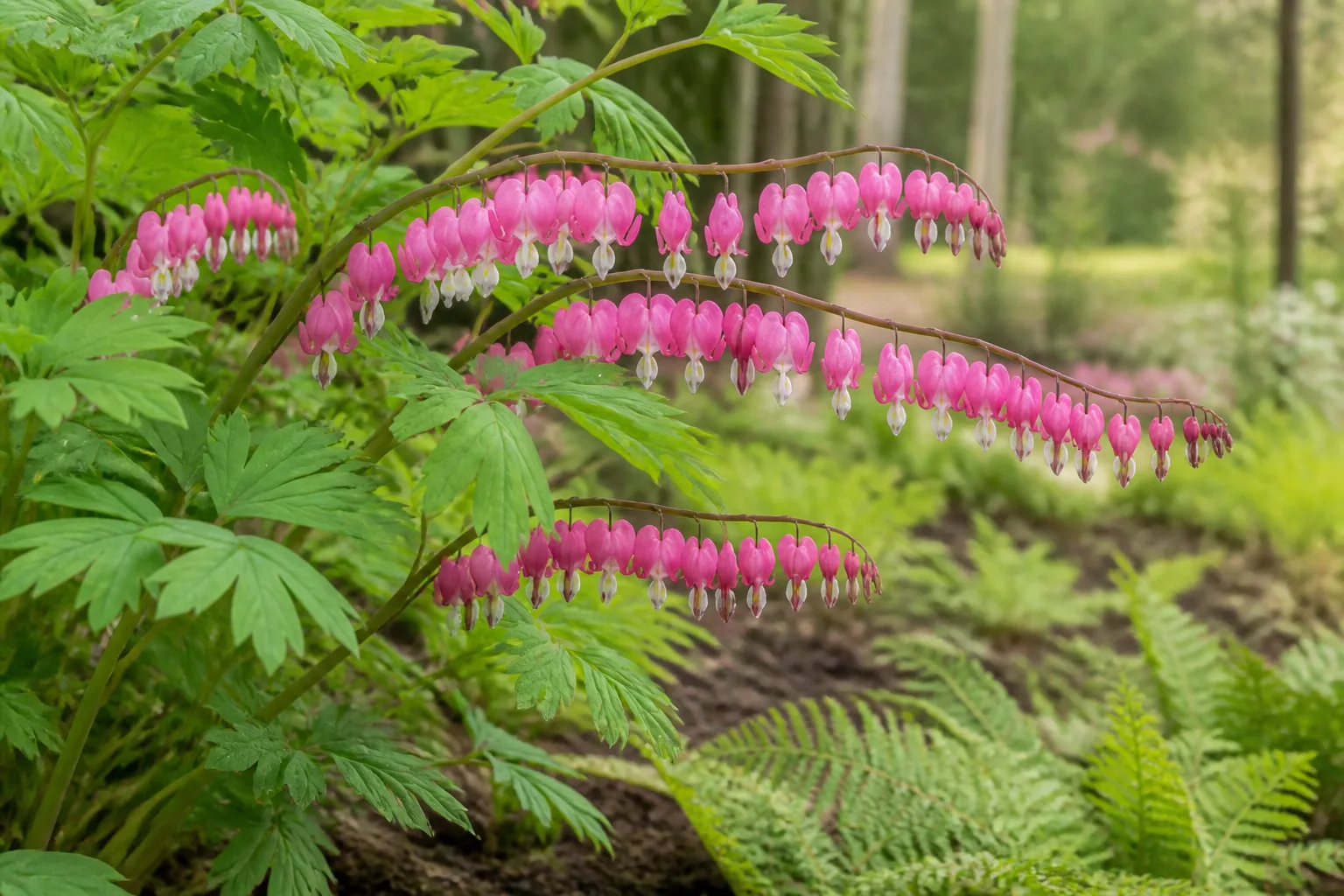
1. Bleeding heart (Lamprocapnos spectabilis) is a spring woodland perennial for moist, humus-rich soil and partial to full shade. Its foliage can fade and the plant can disappear above ground in summer, so do not mistake seasonal dieback for winter failure. Give it a site that does not bake dry while it is growing, and let the crown rest rather than keeping dormant soil constantly wet.
2. Hosta (Hosta spp.) is one of the simplest choices for a shady bed. The leaves collapse after frost, but the crown sleeps below the soil and usually sends up new shoots in spring in roughly Zones 3–9, depending on the selection. Deer, slugs, drought, and poorly drained clay are bigger practical problems than ordinary winter cold; containers are less forgiving because their roots freeze faster than roots in the ground.
3. Ostrich fern (Matteuccia struthiopteris) brings tall, vase-shaped fronds to a cool, moist shade garden and can return from a hardy crown in about Zones 3–7. Expect the fronds to brown and vanish rather than remain decorative all winter. Give this fern room to spread and avoid planting it where winter dryness or compacted soil will stress the crown.
4. Eastern red columbine (Aquilegia canadensis) is a spring bloomer for sun to part shade, especially where soil drains well. Individual plants may be short-lived, but a healthy patch can sustain itself through reseeding, making it a different kind of natural return. Leave a few mature seed heads if you want seedlings, and do not assume every hybrid has the same winter tolerance as the native species.
5. Roseshell azalea (Rhododendron prinophyllum) is a deciduous native azalea that can overwinter in roughly Zones 4–8 when planted in acidic, well-drained soil. It suits a woodland edge rather than a dry foundation strip. Protect its shallow root zone from winter drying and avoid planting it in alkaline fill where the leaves may look deficient long before cold becomes the problem.
6. Winter heath (Erica carnea) is an evergreen, late-winter or early-spring bloomer for sunny to lightly shaded, acidic, sharply drained soil. It can handle cold in about Zones 5–8, but exposed wind and bright winter sun can desiccate the foliage. A modestly sheltered rockery is usually a better home than a wind tunnel beside a road or roof edge.
7. Purple saxifrage (Saxifraga oppositifolia) is a low, mat-forming alpine perennial for a rock garden or raised, gritty bed. Its cold tolerance is impressive, roughly Zones 2–7, but winter moisture is its weak point. Use gravelly soil, keep the crown from sitting in a basin, and choose it for a small-scale rockery rather than a rich, irrigated border.
Cold-hardy flowers for sun and rock gardens
8. Purple coneflower (Echinacea purpurea) is a prairie perennial for full sun and well-drained soil, commonly hardy in about Zones 3–8. The species is tough, but modern hybrids can have narrower hardiness ranges, so read the label instead of assuming every flower form performs like the straight species. Leave sturdy seed heads standing if birds use them, then cut them when cleanup or new growth makes the timing clear.
9. Pink Mongolian stonecrop (Hylotelephium ewersii) is a low succulent perennial for full sun, lean soil, and fast drainage. Its fleshy stems retreat to a crown and return in a broad range of cold climates, often listed around Zones 2–9. Winter rain is more dangerous than snow, so raise it slightly or place it on a slope if your bed stays saturated.
10. Iceland poppy (Papaver nudicaule) is often grown as a cool-season annual, biennial, or short-lived perennial depending on climate and timing. It can overwinter in cold regions when the site is well drained, but its return is less predictable than that of a hosta or coneflower. Treat it as a beautiful bonus for Zones 2–7 rather than the backbone of a permanent border, and avoid heavy, wet soil.
11. Winter pansy (Viola hybrids, including V. hiemalis) is selected for cool-weather color and may flower through frost or resume in early spring. Some survive winter in about Zones 4–10, but the result depends strongly on cultivar, snow cover, exposure, and how severe the freeze is. It is best used as a seasonal color plant, not as proof that every pansy will return year after year.
12. Snowdrop (Galanthus nivalis) is a small bulb that can remain in the ground through winter and flower very early in spring, commonly in Zones 3–7. Plant bulbs at the correct depth in soil that drains well, then allow the leaves to yellow naturally after flowering so the bulb can rebuild its reserves. Snowdrops are most convincing when naturalized in a quiet patch where their short bloom is easy to enjoy.
Woody plants for year-round structure
13. Panicle hydrangea (Hydrangea paniculata) is a large, cold-hardy shrub, often suited to about Zones 3–8, that flowers on new wood. That blooming habit gives it a practical winter advantage over hydrangeas whose old flower buds are more vulnerable to cold. Give it consistent moisture, enough space for its mature size, and a site where spring growth is not repeatedly exposed to late frosts.
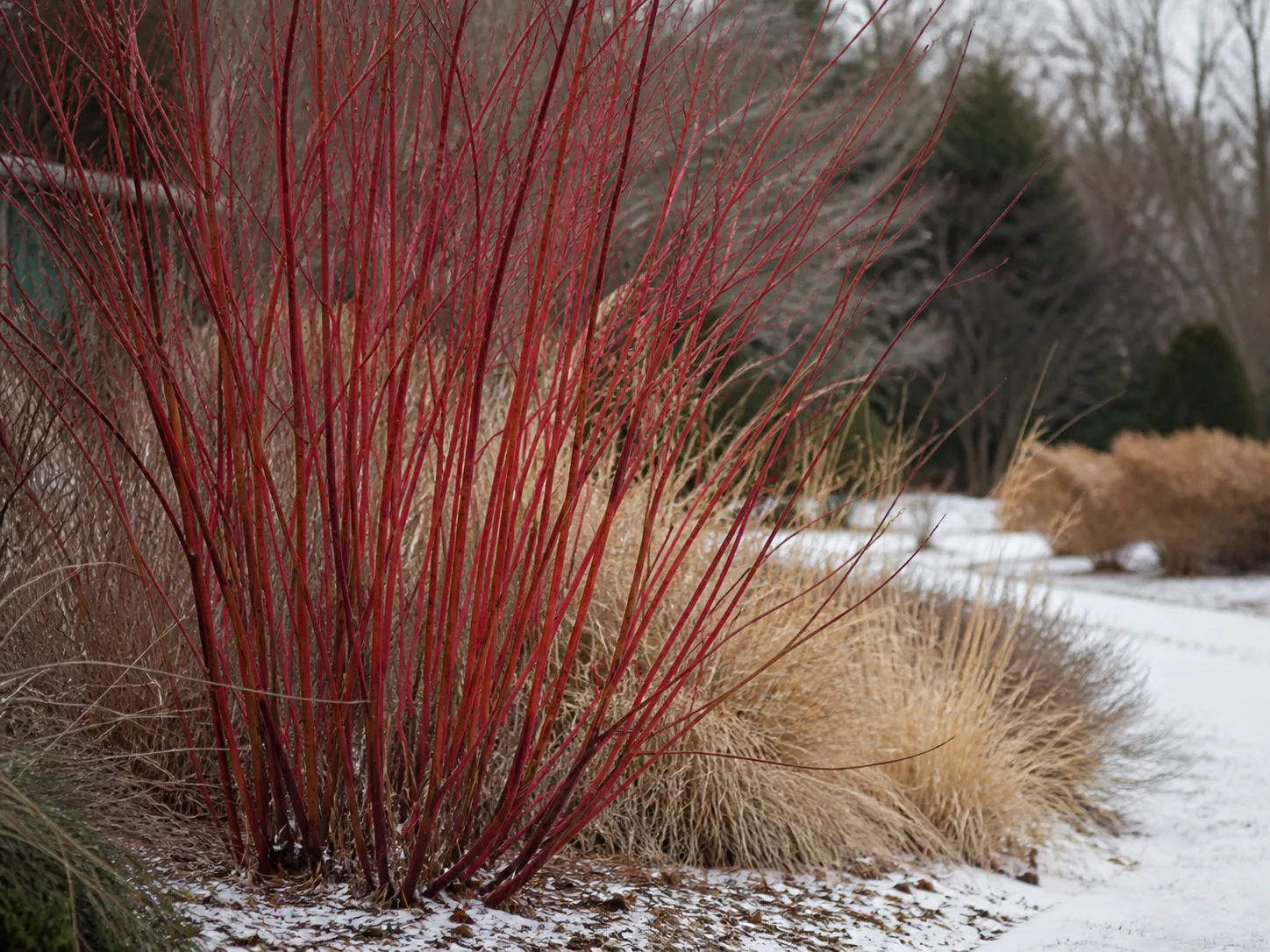
14. Red twig dogwood (Cornus sericea) earns its place in a winter garden because its bare stems provide color after the leaves drop. It is generally hardy in about Zones 3–8 and prefers moisture, so it is useful in a rain garden edge or damp border where many shrubs struggle. If the stems become dull with age, renewal pruning in late winter or early spring can improve color; “natural overwintering” does not mean every ornamental feature is maintenance-free.
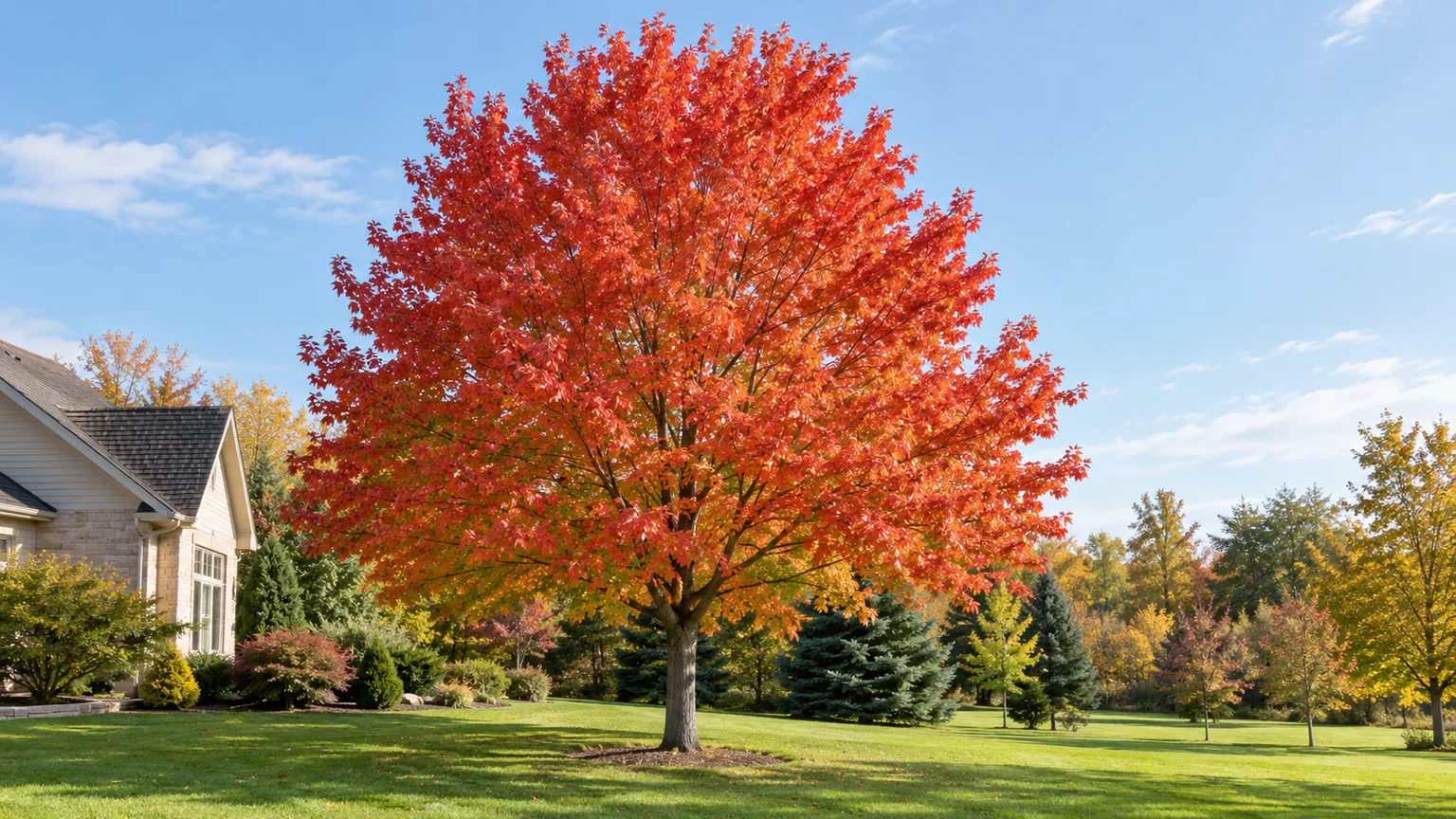
15. Red maple (Acer rubrum) is a large tree that commonly handles winters in about Zones 3–9 once established. It is a long-term landscape decision, not a small-bed filler: allow room for the trunk, canopy, roots, and mature height, and avoid planting it where its roots will be trapped beside pavement or a foundation. Its winter survival is dependable when the site is right, but a tree can still suffer from drought, construction damage, salt, or poor soil.
16. Blackhaw viburnum (Viburnum prunifolium) is a substantial shrub or small tree for roughly Zones 3–9. Its fall color, persistent fruit, textured bark, and spring flowers give it more than one season of interest. Plant it where the mature width fits, provide ordinary establishment watering, and do not select it for a narrow foundation bed simply because it tolerates cold.
17. Northern bush honeysuckle (Diervilla lonicera) is a compact native shrub for sun to part shade and is a useful alternative to invasive honeysuckles sold under similar common names. It can return from the crown in cold climates around Zones 3–8, with yellow summer flowers and fall color. Use the botanical name when shopping, because “honeysuckle” alone does not identify the plant or its growth habit.
18. Witch hazel (Hamamelis virginiana) is a large, slow-growing shrub or small tree that can flower in late fall or early winter in roughly Zones 3–8. It needs room and benefits from moist but well-drained soil; a compacted strip beneath thirsty trees is a poor match. Expect the bloom window to vary with weather, and choose it for structure and seasonal interest rather than a guaranteed flower date.
Edible plants that can carry through cold weather
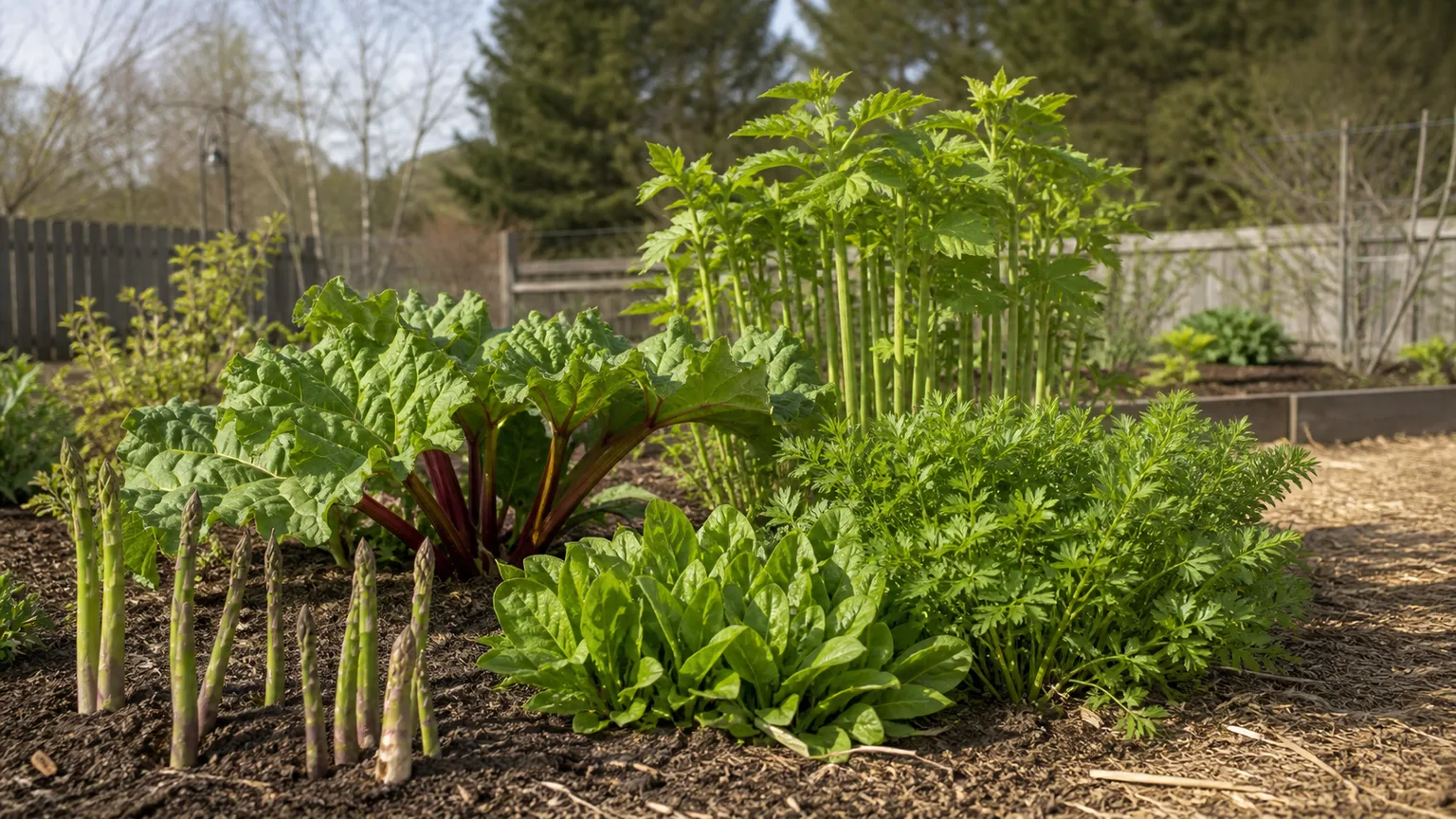
19. Collards (Brassica oleracea var. acephala) are among the most useful winter greens for a kitchen garden. They tolerate cold better than many leafy vegetables, and Savvy Gardening describes collards, kale, and similar crops as good candidates for straw-bale cold frames, row covers, or other season extenders (Savvy Gardening). In mild areas, plants can keep producing with little protection; in colder areas, they may survive but become difficult to harvest without cover. Plant them for winter food, not as permanent perennials.
20. Chives (Allium schoenoprasum) form a hardy clump that dies back or slows in cold weather and returns from bulbs in spring. University of Minnesota Extension describes chives as a cold-hardy, clump-forming garden perennial (University of Minnesota Extension). They prefer sun to light shade and reasonably drained soil; divide crowded clumps when needed, and keep their spread in check if you want a tidy herb bed.
Annuals and short-lived perennials with asterisks
The most honest list of winter plants includes choices that are not permanent, reliable perennials everywhere. Winter pansies and Iceland poppies can give excellent cold-season color, while collards can deliver fresh leaves, but each has a different definition of success. A plant that remains alive until spring is not necessarily a plant that flowers again, reseeds in the same place, or survives the next winter.
The same caution applies to species names versus cultivars. Breeding can improve flower form, disease resistance, or compact habit while narrowing cold tolerance. If a tag lists a hardiness range that barely reaches your climate, treat the plant as a trial and place it in a protected, well-drained site rather than building an entire bed around it.
What These Plants Still Need Before Winter
Water deeply, then stop feeding
Water newly planted perennials, shrubs, and trees thoroughly during dry fall weather so the root zone is moist before the ground freezes. Do not keep watering by the calendar once the soil is frozen, and do not fertilize tender late growth with high-nitrogen products when the plant should be preparing for dormancy. The goal is a well-hydrated, settled root system, not soft new shoots going into a freeze.
Evergreens deserve special attention because winter sun and wind can pull water from leaves while roots are inactive. Water the root zone before the ground freezes if the soil is dry and local conditions allow, then reduce exposure to drying wind through site choice or a loose windbreak. Do not wrap foliage tightly in plastic or turn a hardy plant into a damp, poorly ventilated bundle.
Mulch roots without burying crowns
Mulch is useful when it moderates freeze-thaw swings and protects shallow roots, but it should not form a wet volcano around stems. Use a loose layer of clean leaves, straw, or fine bark appropriate to the bed, and leave the crown or trunk flare visible. Deep mulch can hold moisture against tissue, encourage rodents, and delay spring soil warming.
In very cold, exposed sites, wait until the ground is cold but not permanently frozen before adding extra loose material over shallow-rooted perennials. Remove or pull it back gradually when growth begins. A plant that is fully hardy in the ground may need more root protection when grown in a pot, because the container has less insulating soil volume and is exposed to freezing air on every side (Empress of Dirt).
Clean diseased foliage but leave habitat
Do not cut every perennial to the soil line just to make the garden look empty. Remove leaves or stems that are clearly diseased, rotting, or harboring a recurring pest, and dispose of them according to local guidance. Healthy stems and seed heads can provide winter texture and food for wildlife, and they may protect the crown from wind.
Wait to cut back plants with hollow or tender crowns until you understand their habit. Bleeding heart may disappear on its own; coneflower seed heads can stand; red twig dogwood is pruned for stem color rather than survival. The right cleanup time is the one that solves a disease or access problem without stripping away useful structure.
What to Do After a Freeze or Warm Spell
A hard freeze rarely tells you the whole story on the morning after it happens. Do not rush to prune brown leaves or dig up a plant that looks collapsed. Wait until temperatures moderate, then check whether the crown, lower stems, or buds are firm and alive. Many herbaceous perennials look finished above ground while their growing points remain protected below the soil.
Warm winter weather creates a different risk: early growth can lose some cold hardiness before the season is truly safe. University of Minnesota Extension notes that frost risk changes as perennial plants move from dormancy into active bud development, and that vulnerability depends on plant type and growth stage (University of Minnesota Extension). A warm spell is not a cue to fertilize or uncover every bed; it is a cue to monitor forecasts and keep a light cover available for vulnerable early growth.
If a plant fails repeatedly, diagnose the pattern rather than replacing it with the same plant. Failure in a low wet pocket points toward drainage or site selection. Failure only in a pot points toward root exposure. Failure after a warm spell followed by a freeze points toward early bud break or an exposed microclimate. Choosing a slightly different cultivar or moving the plant a few feet can be more effective than adding more mulch every year.
Conclusion: Build a Garden That Comes Back
The best plants that naturally overwinter are not necessarily the ones with the lowest temperature claim on the label. They are the plants whose cold tolerance, moisture needs, mature size, and seasonal behavior fit the exact place where you will grow them. Hostas and bleeding hearts can sleep through winter in shade, stonecrop can handle cold when it is kept dry, shrubs can provide winter structure, and chives or collards can extend the edible garden.
Start with the hardiness zone, then check drainage, wind, exposure, container versus ground, and the plant’s winter form. Give new plants a chance to establish, water during dry fall weather, mulch lightly without burying crowns, and wait before declaring a freeze-damaged plant dead. With those small decisions in place, “naturally overwintering” becomes a practical garden strategy rather than a promise that winter requires no attention at all.