10 Plants to Prune in Winter (and When to Wait)
Learn which 10 plants to prune in winter, the right cut for each, and which spring bloomers and hydrangeas should wait until after flowering.
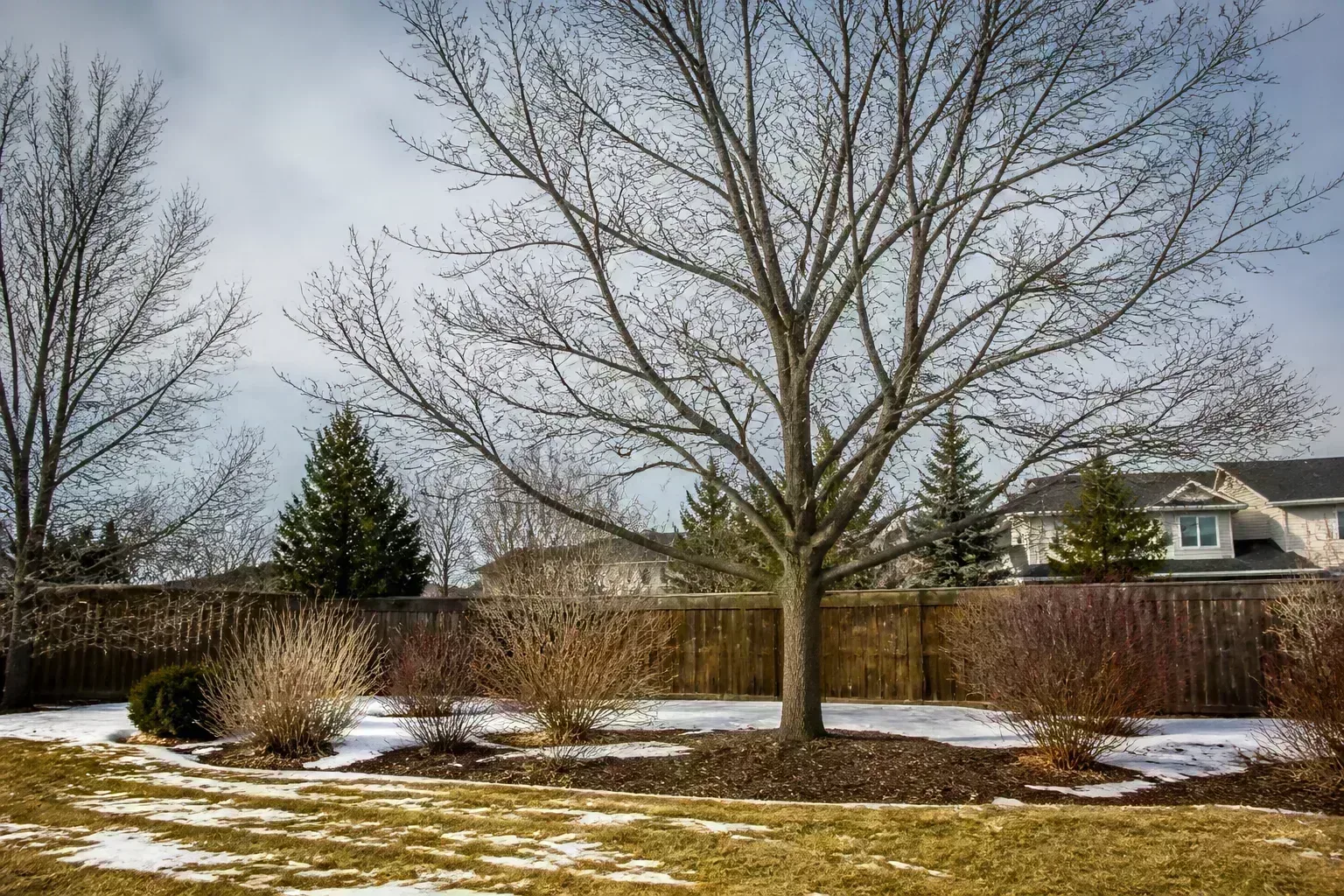
Winter is a good pruning season for some plants, not a blanket invitation to cut everything that has gone bare. The most useful question is not “Is it winter?” but “What is this plant preparing to do next?” A dormant deciduous tree may be showing its structure at exactly the right time, while a leafless spring-blooming shrub may already be carrying next season’s flowers on its branches.
The ten plants below are good winter-pruning candidates when they are established, healthy enough to respond, and fully dormant. Timing still varies by climate and cultivar. Use the list as a starting point, then make a conservative inspection before you remove live wood.
That distinction matters in regional guidance too: NC State Cooperative Extension’s winter-pruning checklist separates dormant trees, fruiting plants, and summer-flowering shrubs from spring bloomers that should wait.
How to know whether winter pruning fits your plant
Winter pruning is most useful when a plant is dormant and you can see the framework clearly. Leafless branches make dead wood, rubbing limbs, narrow branch unions, suckers, and crowded centers easier to spot. Penn State Extension also notes that winter can reduce concern about some pests and diseases associated with fresh pruning cuts, although winter does not make an unsafe cut or a poorly identified plant safe to prune. Penn State Extension’s winter-pruning guidance is a useful reference for evaluating structure before reaching for a saw.
The purpose of the cut matters just as much as the season. Removing a broken branch, a diseased cane, or two branches that rub each other is a health or safety decision. Shortening every branch to make a plant look tidy is a different job, and it may remove flower buds, create weak regrowth, or leave the plant less attractive when spring arrives.
The new-wood and old-wood test
For flowering shrubs, identify where the plant makes its flower buds. Plants that bloom on new wood produce flowers on stems that grow during the coming season, so late-winter pruning can stimulate a flush of useful flowering shoots. Butterfly bush, Rose of Sharon, and panicle hydrangea are common examples. They can still be damaged by an extreme cut at the wrong time, but they are generally more forgiving of dormant pruning than spring bloomers.
Plants that bloom on old wood form their flower buds during the previous growing season. Cutting them in winter can remove the display before you ever see the buds open. Bigleaf hydrangeas, lilacs, forsythias, azaleas, and many viburnums belong in this caution category. A simple rule such as “prune dormant plants now” is not enough; bloom timing and cultivar identity must decide the job.
The practical version of that rule is to prune only when you have a clear objective. Empress of Dirt’s winter-pruning guide makes the same useful distinction between a plant that needs a deliberate cut and one that is merely dormant and does not need trimming.
What to check before you make a cut
Walk around the plant before you pick up a tool. Decide whether you are removing a hazard, restoring a sound framework, improving light and air movement, or reducing size. If you cannot name the goal of a cut, postpone it. A branch that merely looks untidy may be valuable flower-bearing wood or part of the plant’s natural structure.
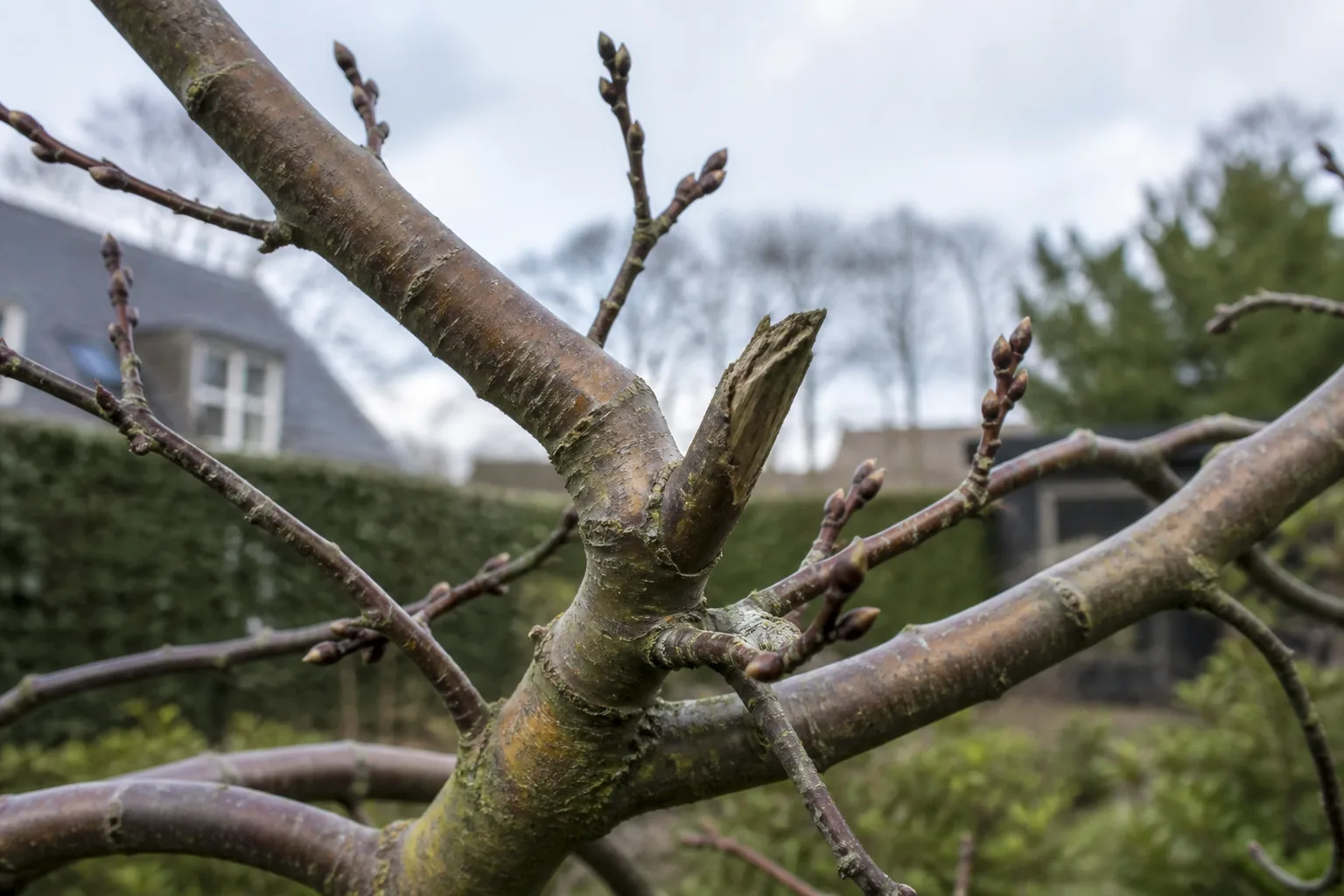
Start with the least controversial cuts: dead, broken, diseased, crossing, rubbing, and inward-growing branches. Then look at the remaining shape from several angles. On trees, preserve a single dominant leader when the species and training style call for one, and avoid leaving two similarly sized stems in a tight V-shaped union. On shrubs, thin a few older stems from the base instead of shearing every tip into a dense outer shell.
Tools, weather, and safety boundaries
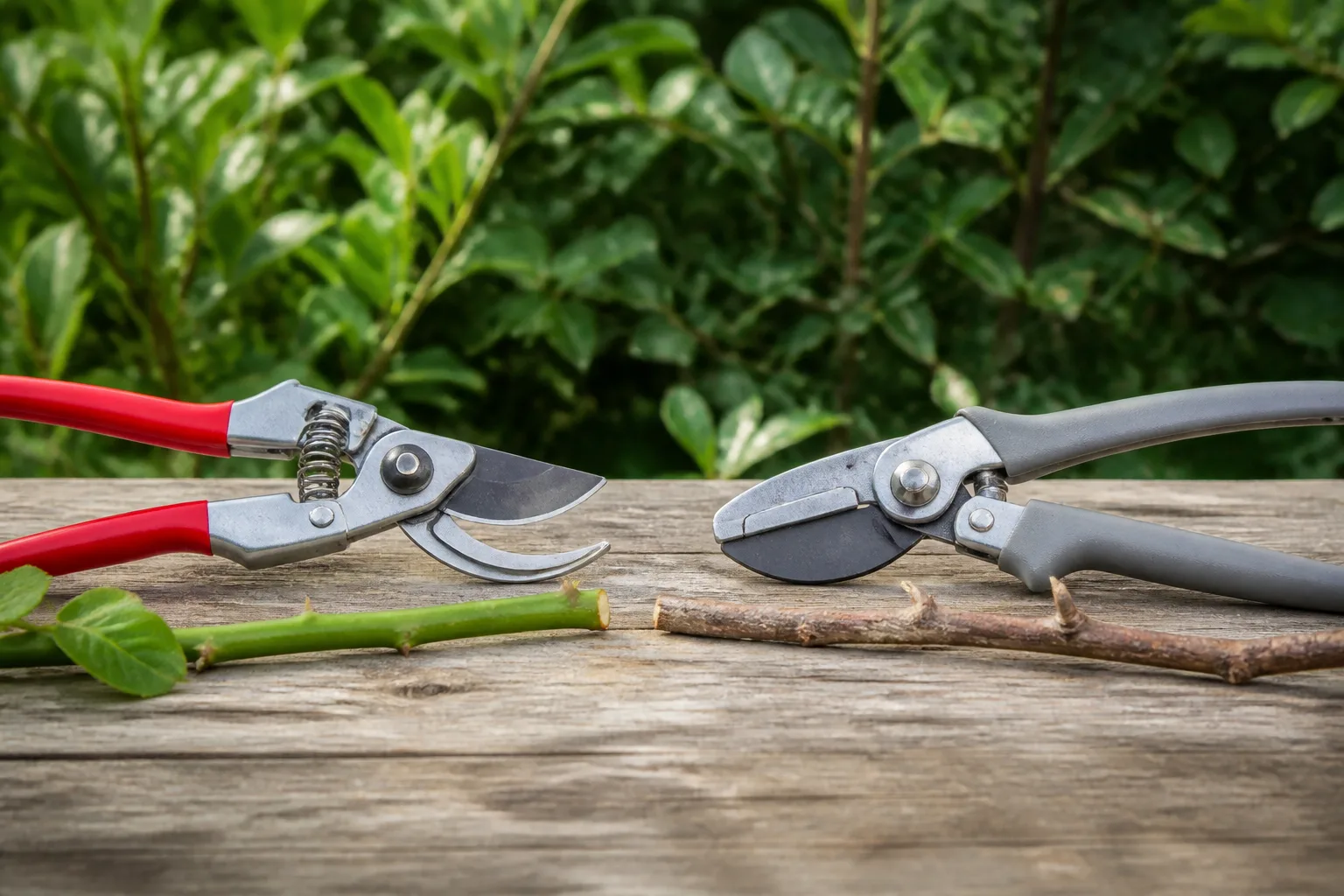
Use bypass pruners for small live stems, loppers for branches you can control comfortably, and a sharp pruning saw for larger wood. Disinfect the blades when moving between plants, especially when you are cutting suspicious or diseased tissue. Clean, sharp tools make smaller wounds and reduce the chance that a ragged cut will split or crush the branch.
Choose a dry, calm day when the wood is not brittle from a deep freeze. Do not prune immediately before a severe freeze if the plant is tender or the cut will expose a large amount of live tissue. A little sap on a birch, maple, or grapevine cut is usually a timing or species characteristic rather than proof that the tree is dying, but it is still sensible to finish those cuts while the plant is dormant.
Keep both feet on the ground for routine work. Penn State Extension recommends calling a trained professional when a limb cannot be reached safely from the ground; use the same boundary for branches near roofs, roads, or power lines. A certified arborist is the right choice for large trees, storm-damaged limbs under tension, climbing work, and decisions involving a major branch union.
10 plants that benefit from winter pruning
These plants share a useful winter window, but they do not all receive the same treatment. Trees generally need selective structural cuts; vines need a repeatable framework; shrubs need timing based on their flowering wood; and roses need a distinction between bush forms and climbers.
1. Japanese maple
Japanese maple (Acer palmatum) is best pruned lightly and with a reason. Winter makes the branch architecture easy to see, but the tree’s delicate silhouette is part of its appeal, so avoid turning dormant pruning into a yearly haircut. Remove dead, damaged, crossing, or badly placed branches first, then make only the small structural corrections needed to keep the canopy balanced.
Young trees may need gradual training to prevent competing leaders or rubbing branches. On an established Japanese maple, preserve the layered habit and avoid exposing large limbs unnecessarily. Maples can bleed sap after late-winter cuts; that is usually cosmetic, but finishing structural work while the tree is dormant reduces the issue and gives the cuts time to dry before active growth.
2. Chinese pistache
Chinese pistache (Pistacia chinensis) responds well to formative pruning when young. Use winter visibility to select a strong framework, remove branches that cross through the center, and correct low or competing limbs before they become heavy. The goal is a stable, naturally spreading canopy rather than a perfectly rounded outline.
As the tree matures, shift from shaping to maintenance. Remove dead or damaged wood and lower branches that interfere with clearance, but do not strip the trunk simply because a bare tree makes every branch look busy. Make cuts at a branch collar or at a suitable lateral branch, and step back after each major cut so you do not solve one asymmetry by creating another.
3. Mulberry
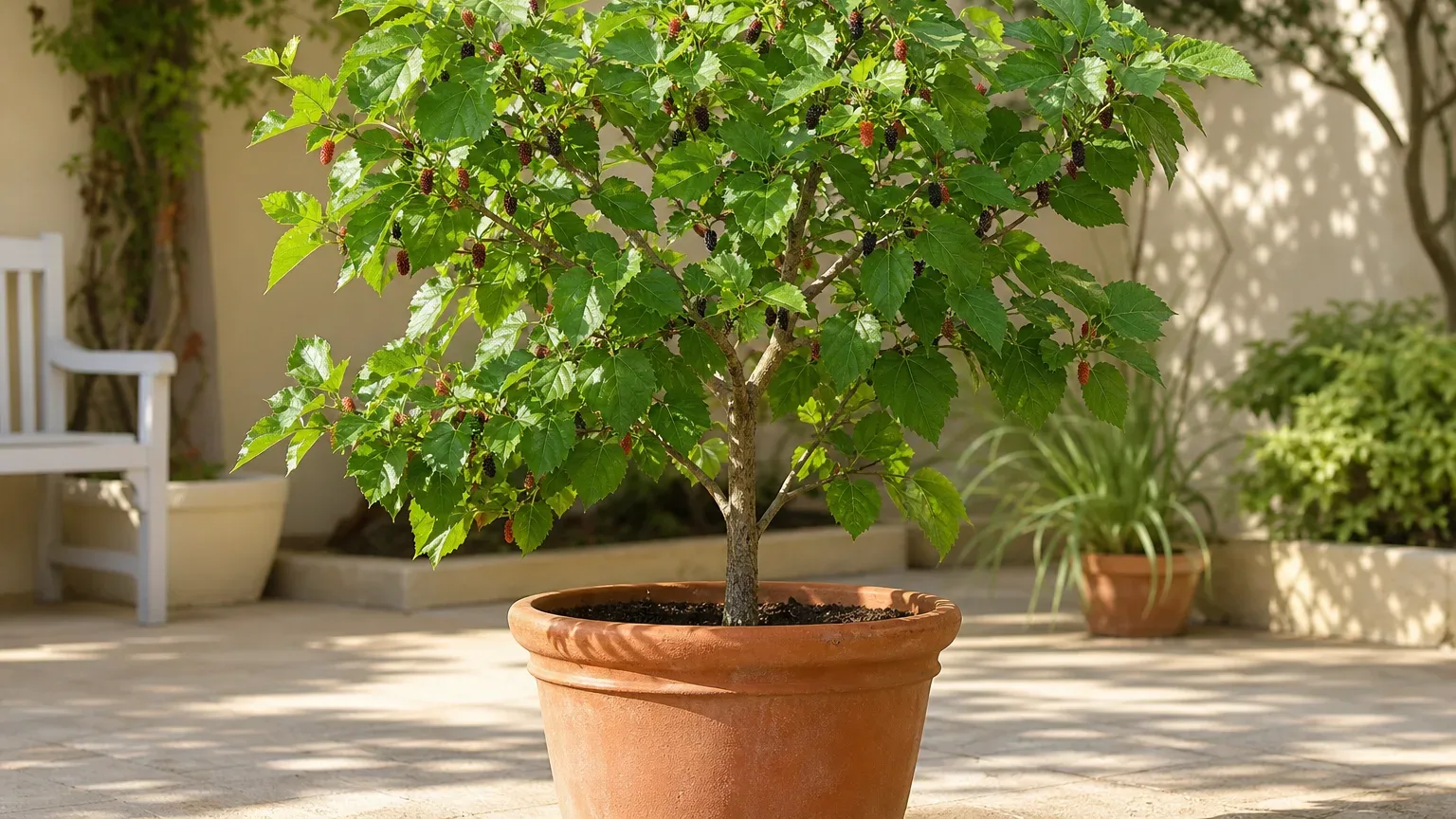
Mulberries (Morus) are vigorous and can quickly outgrow a small garden. Winter is a practical time to remove dead, broken, crossing, or rubbing branches and to reduce a few poorly placed limbs while the canopy is open. Keep the cuts selective: removing too much live wood can provoke a thicket of strong shoots that is harder to manage than the original problem.
If fruit production matters, preserve the healthy framework rather than shortening every fruiting branch. Remove suckers and water sprouts when they are clearly competing with the main structure, and do not leave long stubs that can die back. A tree near a walkway or roof deserves a clear clearance plan; a large mulberry that has become a hazard is an arborist job, not a weekend topping project.
4. Birch
Birches are often included in winter-pruning lists because their leafless structure is easy to assess, but they deserve a light touch. Remove dead, broken, or rubbing branches and correct a clear structural problem; do not remove a large share of the canopy just to make the tree look sparse. Birch may release noticeable sap when cut, especially as the season advances.
Choose the timing with your local climate in mind and avoid unnecessary late-winter cuts once buds are swelling. Sap flow is not automatically a disease symptom, but bleeding from a damaged, declining, or insect-affected trunk is a different diagnostic problem. If you see cracks, cankers, cavities, or a large limb failure, stop pruning and get a qualified assessment.
5. Grapevines
Grapevines need regular winter pruning because last season’s sprawling growth must be reduced to a manageable fruiting framework. The Royal Horticultural Society describes early to mid-winter, while the vine is fully dormant, as the main pruning season and distinguishes between rod-and-spur and Guyot systems. RHS grape pruning guidance is especially helpful because the correct cut depends on how the vine is trained.
For a simple home trellis, first identify the permanent trunk and arms. Keep the framework, then shorten or replace last season’s fruiting shoots according to the training system rather than cutting every cane to the same height. Small spurs and retained canes are not interchangeable: the number of buds left determines how much new growth the vine must support and where the fruit will form.
Finish larger cuts while the vine is dormant if possible. Late cuts can bleed sap, and greenhouse vines may begin moving earlier than outdoor vines. In a frost-prone site, delaying some final pruning can postpone bud break, but that trade-off is best made deliberately; do not confuse a frost strategy with permission to ignore the training system.
6. Rose of Sharon
Rose of Sharon (Hibiscus syriacus) flowers on new wood, making late winter or very early spring a useful time to reduce size and refresh the shrub. Remove dead and damaged stems first, then thin crowded growth and shorten selected branches to an outward-facing bud. If you want a smaller shrub, reduce several older stems at the base rather than cutting every branch to a uniform line.
This shrub can tolerate a firmer renovation than a Japanese maple, but “tolerates” does not mean “requires.” A hard cut may produce long, vigorous shoots that need support and may make the plant look coarse for part of the season. Match the intensity to the goal: light thinning for shape, selective heading for height, and staged renewal for an overgrown plant.
7. Butterfly bush
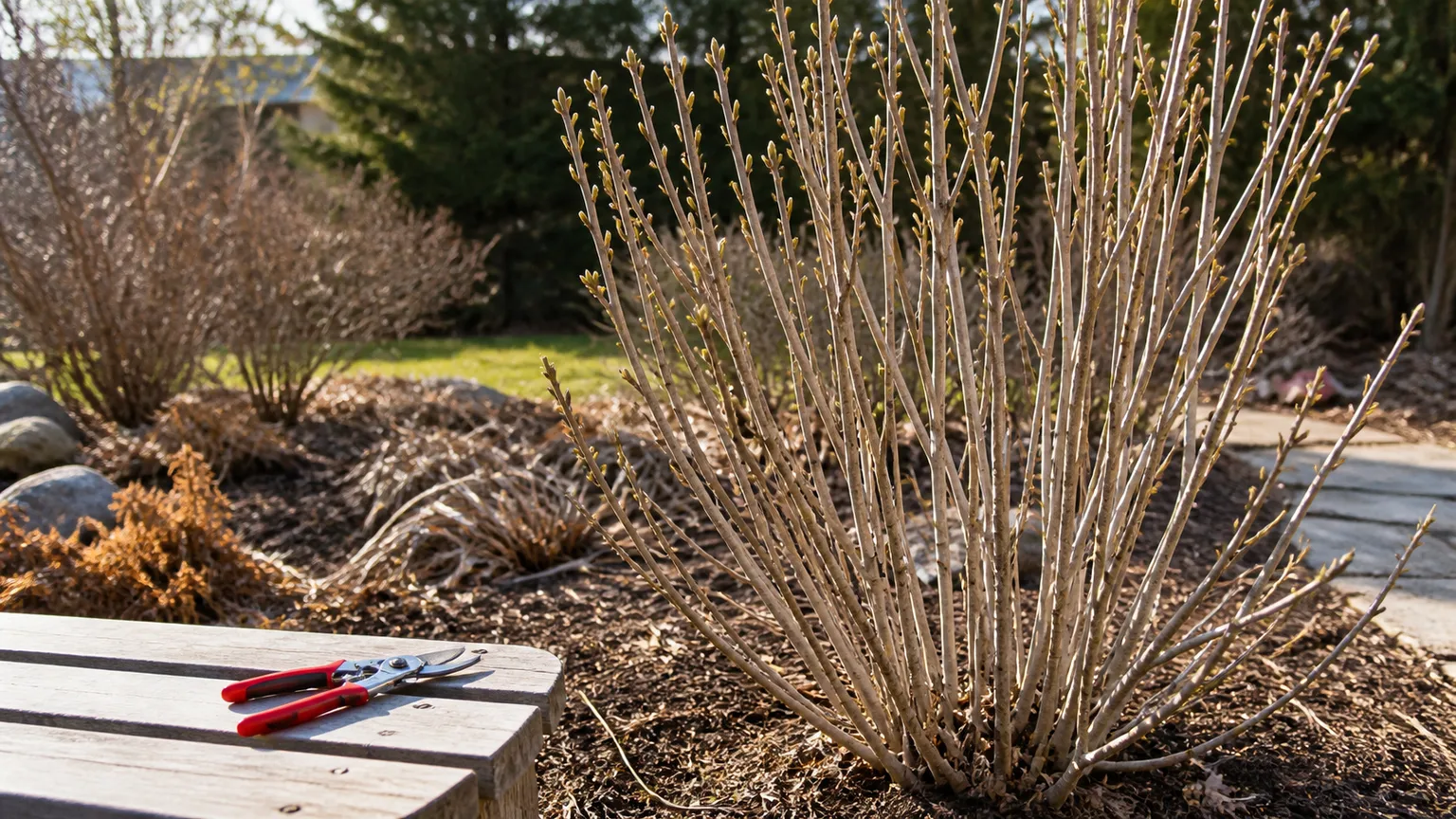
Butterfly bush (Buddleja) flowers on new growth, so a late-winter cutback can keep the shrub compact and put flowers where you can see them. Start by removing dead stems and weak interior growth. Then shorten the remaining framework to a set of strong buds or laterals, leaving enough sturdy structure for the new shoots to branch from.
The right height depends on the cultivar, climate, and whether the shrub is a true perennial dieback plant or a woody specimen that holds its stems through winter. In a cold area, wait until you can distinguish living wood from winter-killed tips. Avoid pruning into frozen or visibly damaged tissue until the risk of a follow-up freeze has passed, then cut back to healthy wood.
8. Panicle hydrangea
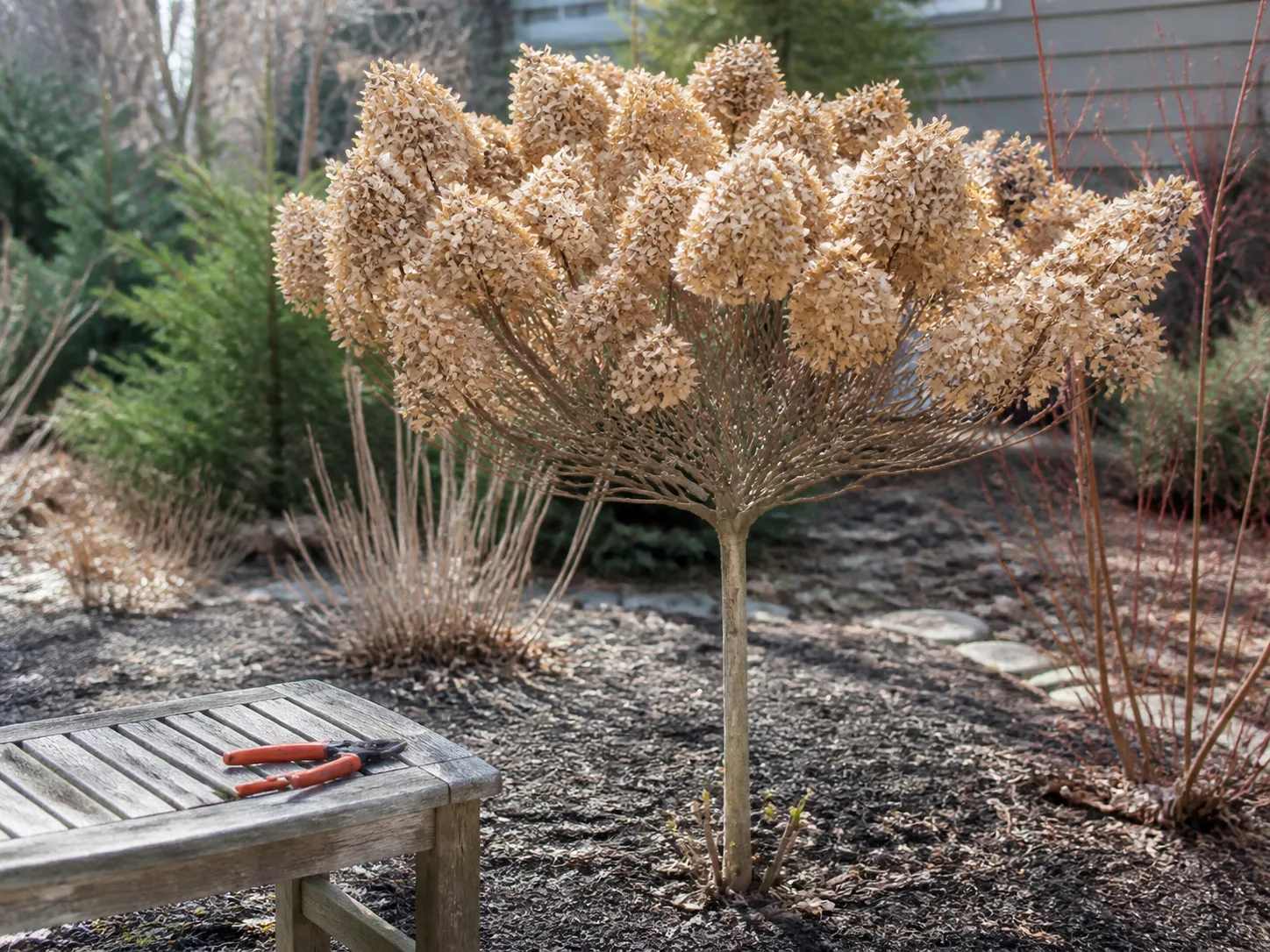
Panicle hydrangea (Hydrangea paniculata) is the hydrangea in this list that commonly benefits from dormant pruning. It flowers on new wood, so late winter is a good time to remove weak stems, shorten overly long branches, and improve the shrub’s basic framework before bud growth accelerates.
Do not apply this rule to every hydrangea. Bigleaf hydrangea (Hydrangea macrophylla) often flowers on old wood, so a winter cut can remove the buds that would have opened in early summer. If the tag is missing or the plant has failed to bloom, prune only dead wood until you identify the cultivar and its flowering habit. The distinction is more useful than a calendar date.
9. Apple trees
Apple trees are classic dormant-pruning candidates because the bare canopy reveals the framework and fruiting wood. The goal is not to make the tree small in one session; it is to maintain strong structure, distribute light, and remove growth that wastes energy or creates a tangled center. Begin with dead, broken, diseased, crossing, and inward-growing branches.
Next, look for water sprouts—vigorous, mostly upright shoots that crowd the canopy—and remove the ones that clearly compete with the framework. Preserve useful short fruiting spurs and avoid stripping the tree of all small branches. Young apples may need a central leader and carefully spaced scaffolds; mature trees usually need a measured maintenance pass rather than a radical redesign.
10. Roses
Many repeat-flowering bush roses can be pruned in late winter as growth is about to restart. Remove dead canes, thin weak or crossing growth, and shorten healthy canes above outward-facing buds so new shoots grow away from the center. A light-to-moderate reduction is safer than cutting every cane to the same height, especially if you are still learning how the cultivar responds.
Climbing and rambling roses are the important exception. Many flower mainly on older canes, so a winter haircut can remove the coming display. Train and tie the long framework, remove only clearly dead or damaged wood, and make the main shaping cuts after flowering unless your specific cultivar’s instructions say otherwise. A rose’s growth habit—not just its name—should decide the pruning window.
Plants to leave alone until after flowering
The safest winter pruning list needs a “not now” section. Spring-flowering shrubs such as lilac, forsythia, azalea, camellia, and many viburnums already carry flower buds on older wood. Wait until flowering finishes, then prune immediately enough to allow new growth to mature and set next year’s buds.
Bigleaf hydrangea belongs here unless you know you have a reblooming cultivar that can flower on both old and new wood. Even then, winter is usually a poor time for a major shape cut. Evergreens such as boxwood, holly, juniper, and arborvitae also deserve restraint during the coldest part of the season because heavy cuts can expose inner growth to winter injury.
Recently planted trees and shrubs should usually be left to establish unless a broken or hazardous branch must be removed. Ornamental grasses and wildlife-friendly seed heads can also stay through winter if they provide habitat or visual interest; cut them back before new growth begins rather than treating every brown stem as dead garden waste.
Aftercare and common winter-pruning mistakes
Remove pruned debris from around plants when it could harbor disease, especially if you cut infected tissue. Do not paint ordinary pruning wounds: clean, correctly placed cuts generally heal through the plant’s own growth processes, and a coating cannot compensate for a stub, flush cut, or branch torn under load.
The most common mistake is over-pruning. A practical ceiling of roughly one-quarter to one-third of a healthy plant’s live canopy in a season is a useful conservative guardrail, but the right amount depends on species, age, vigor, and the reason for the cut. A young, stressed, or newly transplanted plant may need far less. If the job is bigger than a single thoughtful pass, stage it over more than one season.
Another mistake is pruning by temperature alone. A mild day does not turn a spring-blooming shrub into a new-wood plant, and a cold day does not make a large tree safe to climb. If you are uncertain about the species, wait. If the branch is high, heavy, near a utility line, or attached at a dangerous union, hire an arborist before you make the first cut.
For a second opinion on how much to remove, Whitney’s Farm Market & Garden Center’s winter-pruning guidance also recommends clean tools, cuts back to healthy wood, and restraint when a plant is young or recently planted.
Conclusion
Winter pruning works best as a deliberate inspection, not a seasonal ritual. Prune dormant trees and new-wood shrubs when the weather is suitable, use selective cuts to solve a defined problem, and treat grapes, roses, and hydrangeas according to their training system or flowering wood. Leave spring bloomers, many bigleaf hydrangeas, new plantings, and risky tree work alone until the timing—or the professional—makes the next step clear.



