How to Propagate Ponytail Palm From Cuttings Like a Pro
Ponytail palm cuttings can root, but slowly. Follow this practical method, compare pups and seeds, and troubleshoot rot, shriveling, and stalled growth.
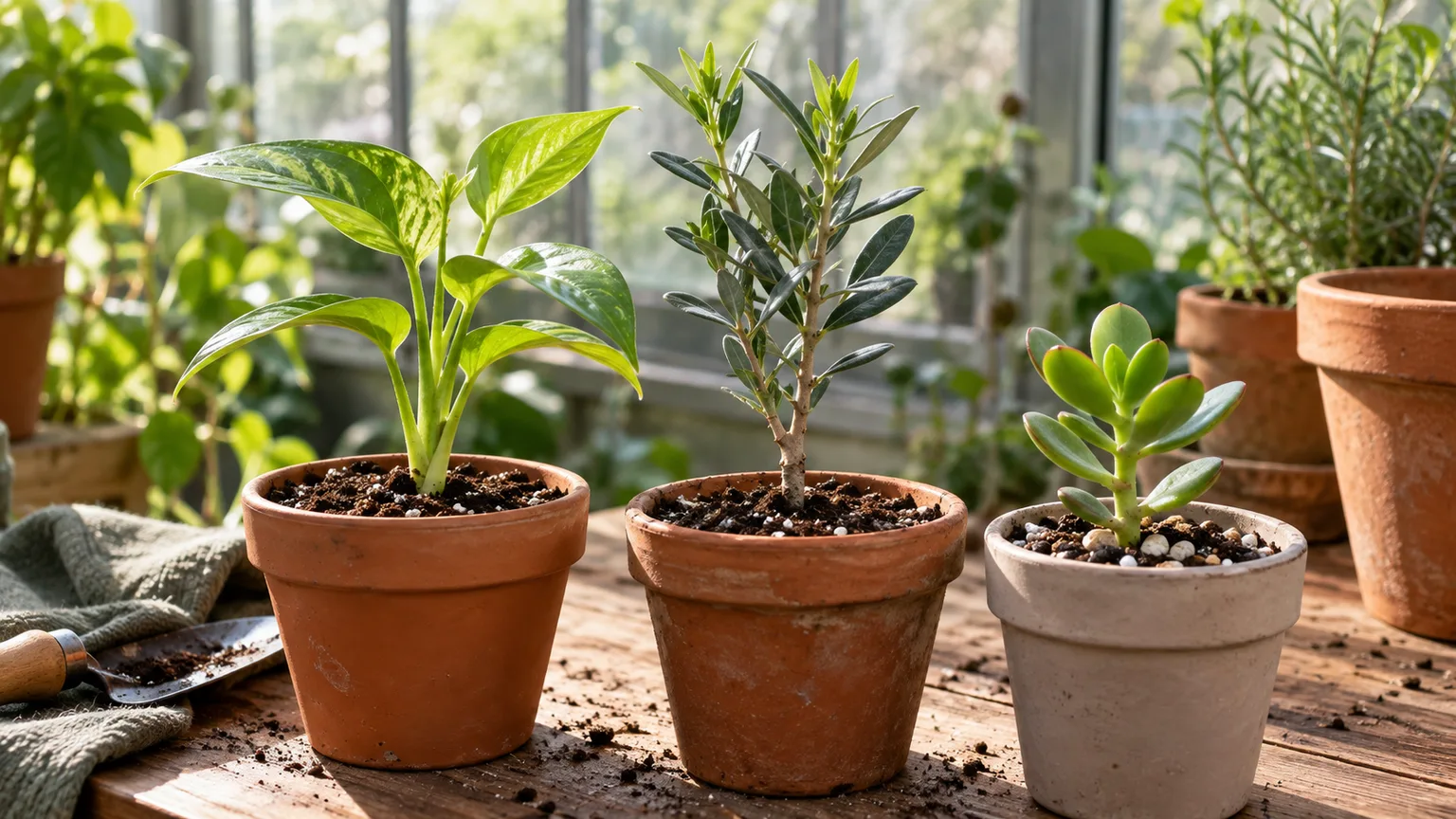
Ponytail palm (Beaucarnea recurvata) can be grown from a cutting, but it is not a quick, high-percentage houseplant project. The plant’s swollen caudex stores water, its growth is slow, and the piece you cut must make new roots before it can support fresh growth. If you treat it like an easy pothos cutting, the most likely result is a wet stem that rots before it roots.
The reliable way to approach this is to treat a cutting as an experiment with a long runway. Start with healthy tissue, keep the parent plant’s cut small and clean, let the wound dry, use an airy medium, and water only when the setup has actually dried. If your plant has a well-developed pup with roots, that may be a better choice; if it has no suitable cutting or offset, seed is the propagation method named by several extension references.
Cuttings are possible—but they are not the easiest route
The short answer is yes, a ponytail palm cutting can root, especially when it is a healthy shoot tip or stem section taken during active growth. Practical guidance from BBC Gardeners’ World Magazine describes stem cuttings as the most successful practical route and recommends a warm room, bright indirect light, and a cactus-and-succulent medium.
That does not mean success is routine. A small study of Beaucarnea recurvata shoot-tip cuttings tested four concentrations of indole-3-butyric acid (IBA); only two cuttings rooted, and they did so after nine months, at the highest treatment in the experiment. The study is not large enough to predict what will happen in every home, but it is a useful reality check: rooting may take months, and even careful technique cannot guarantee a new plant.
Some extension references are more conservative. UF/IFAS lists propagation by seed, while University of Wisconsin–Madison Extension says the plant is propagated only by seed and cautions that apparent offsets may not root. Those statements conflict with practical houseplant instructions for stem cuttings and pups, so this guide separates what is well established about ponytail palm care from what is a plausible but variable propagation technique.
Choose your starting material before you cut
Do not begin with a knife. First decide which piece of the plant you actually have and what outcome you can accept. A top cutting, a side shoot, and a seed all start with different amounts of stored energy and different odds of becoming an independent plant.
A shoot-tip or side-stem cutting
A shoot-tip cutting is a leafy section with a firm stem beneath the leaf rosette. It should be free of pests, mushy tissue, black spots, and recent cold damage. A practical minimum is about 8 inches (20 centimeters) of firm stem, although the exact size depends on the plant and how much material you can remove without disfiguring or weakening the parent.
The best cutting has enough stem to anchor in a pot without burying the leaf crown. Avoid a thin, soft shoot or a piece made mostly of leaves. Ponytail palms are not vines with many easy-to-root nodes; the cutting needs a substantial, healthy base and enough stored water to remain viable while roots form.
A pup: the better shortcut when one is available
A pup is a side shoot that develops near the base or on the caudex. Gardening Know How describes pups around 4 inches (10 centimeters) tall as better starts because they may already be forming a root base. That is practical advice, not a guarantee: Wisconsin Extension specifically warns that some apparent offsets will not root.
If you can see actual roots attached to the pup, the decision is easier. Separate it with the least possible damage, pot it in a fast-draining mix, and keep the cut surface above the soil line if it has no roots. If the “pup” is only a smooth bump or a short, rootless nub, do not assume it is ready. You may be better off leaving it attached until it is larger or choosing a shoot-tip cutting from a plant you can spare.
Seed propagation: useful, but not a cutting method
Seed is slower to arrange but may be the most defensible option when you want a new plant without making a large wound on an existing one. UF/IFAS notes that seed is the usual propagation method in its plant profile, and Wisconsin Extension recommends sowing in spring with warmth.
Seed-grown plants will not be an exact clone of a parent, and seed may be difficult to obtain or slow to germinate. Still, it is worth keeping this option in view: if your only available “cutting” is a weak leaf tuft or a soft section of trunk, buying viable seed or a rooted plant may be more successful than sacrificing the parent.
Time the work for active growth
Aim for spring or early summer, when the plant is naturally able to produce new growth. The warmer, brighter conditions help the cutting maintain metabolism while it forms roots, and they give the parent plant more time to seal its wound and resume growth before the darker season.
Timing is not a magic switch. A warm, bright indoor growing area can support a cutting outside the outdoor growing season, but a cool room, low light, or short winter days lengthen the waiting period. Do not take a cutting simply because the calendar says spring if the parent is stressed, recently overwatered, infested, or recovering from cold exposure.
Gather supplies and set up a clean station
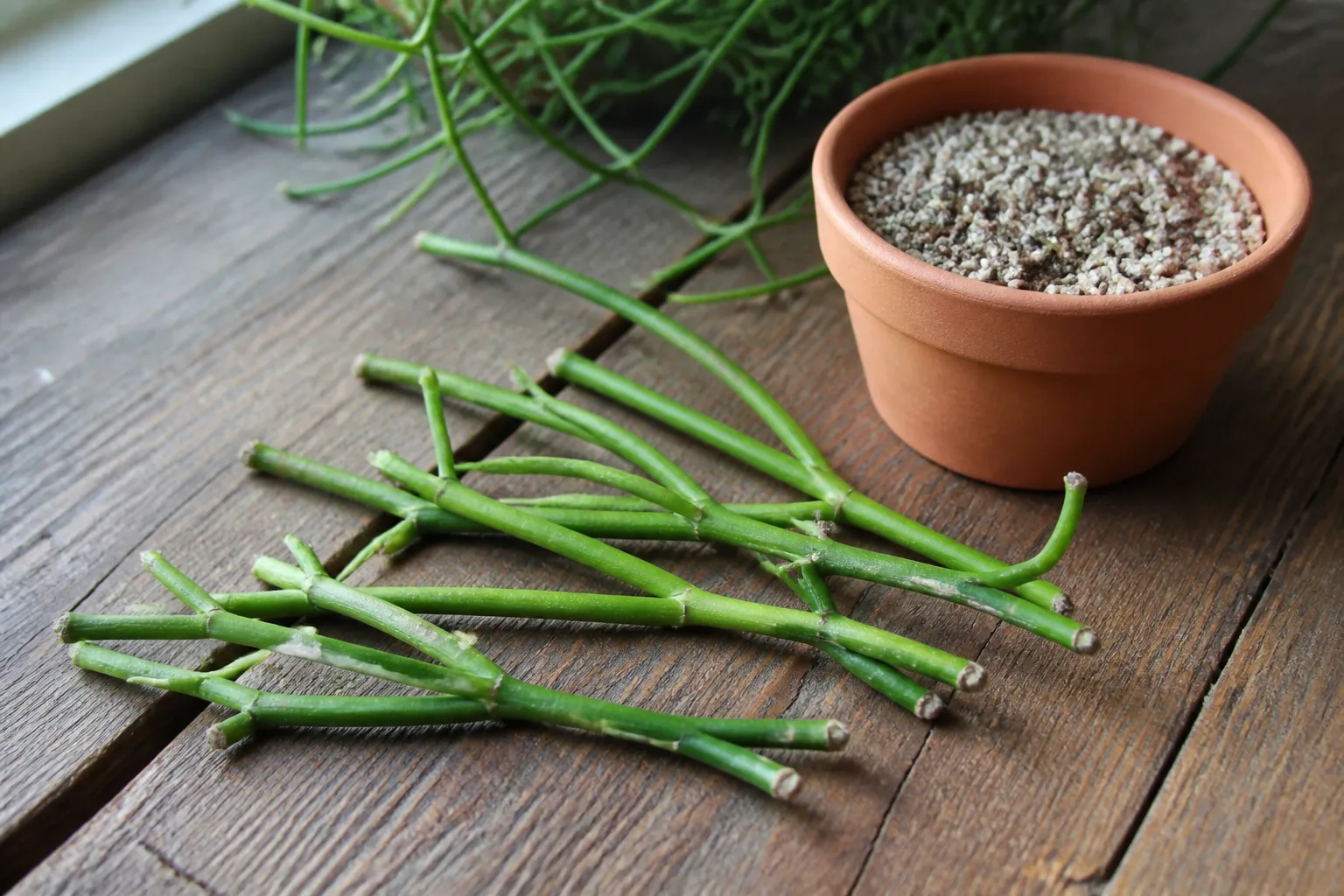
Prepare everything before the first cut so the exposed stem is not left on a dirty counter while you search for a pot. You need a sharp pair of pruners or a clean knife, rubbing alcohol or another tool-cleaning method, a small pot with a drainage hole, a fast-draining rooting medium, a pencil or dibber, and a clean surface.
Wear gloves if you prefer, but still handle the foliage carefully. Ponytail palm leaves have finely serrated edges; NC State Extension lists the plant as non-toxic to cats and dogs, but its leaf margins can still scratch skin. A tray or saucer is useful for catching water, but never leave the pot sitting in runoff.
The pot should be only slightly larger than the base you are rooting. An oversized container holds wet medium around a rootless stem for too long. A 4- to 6-inch pot is usually enough for a single small cutting, while a taller cutting may need a heavier container so it cannot tip over. Drainage matters more than whether the pot is terracotta or plastic.
Take a ponytail palm cutting without damaging the parent
Inspect the parent first. Choose a firm, actively growing stem, and plan the cut so the parent will retain enough foliage to recover. Do not remove the only healthy growing point from a small plant unless you accept the possibility of a slow or unattractive recovery.
Clean the blade, then make one decisive cut rather than sawing through the tissue. Remove a little of the lowest foliage from the cutting so a bare section can sit in the medium, but keep a modest tuft of leaves at the top. A huge leaf canopy loses water faster than a rootless base can replace it; stripping every leaf, however, removes the energy-making tissue the cutting needs.
If the stem is long enough, label the top and bottom before setting it down. A cut section planted upside down will not correct itself. Take a quick photograph of the parent before cutting as well; it makes it easier to monitor whether the wound remains dry and whether new growth appears later.
Let the cut end dry before planting
Ponytail palms are drought-adapted, so a fresh wet wound is a liability. Set the cutting in a dry, shaded, well-ventilated place for about a day, or longer if the cut surface still looks glossy and wet. The goal is not to turn the stem into a raisin. The goal is to let the surface form a dry callus that is less vulnerable when it touches the rooting medium.
Do not put the cutting in a glass of water during this stage. Water propagation keeps the wound continuously wet and gives a slow-rooting, drought-adapted stem little protection from decay. Do not seal the cut end in plastic, coat it with household glue, or apply a homemade paste.
Rooting hormone is optional rather than a guarantee. If you use a commercial powder or gel, follow its label, apply only to the prepared cut end, and avoid increasing the concentration because a research paper used a high experimental treatment. The study’s low success rate is a reason to stay cautious, not a reason to recreate a laboratory dose at home.
Use a fast-draining rooting medium
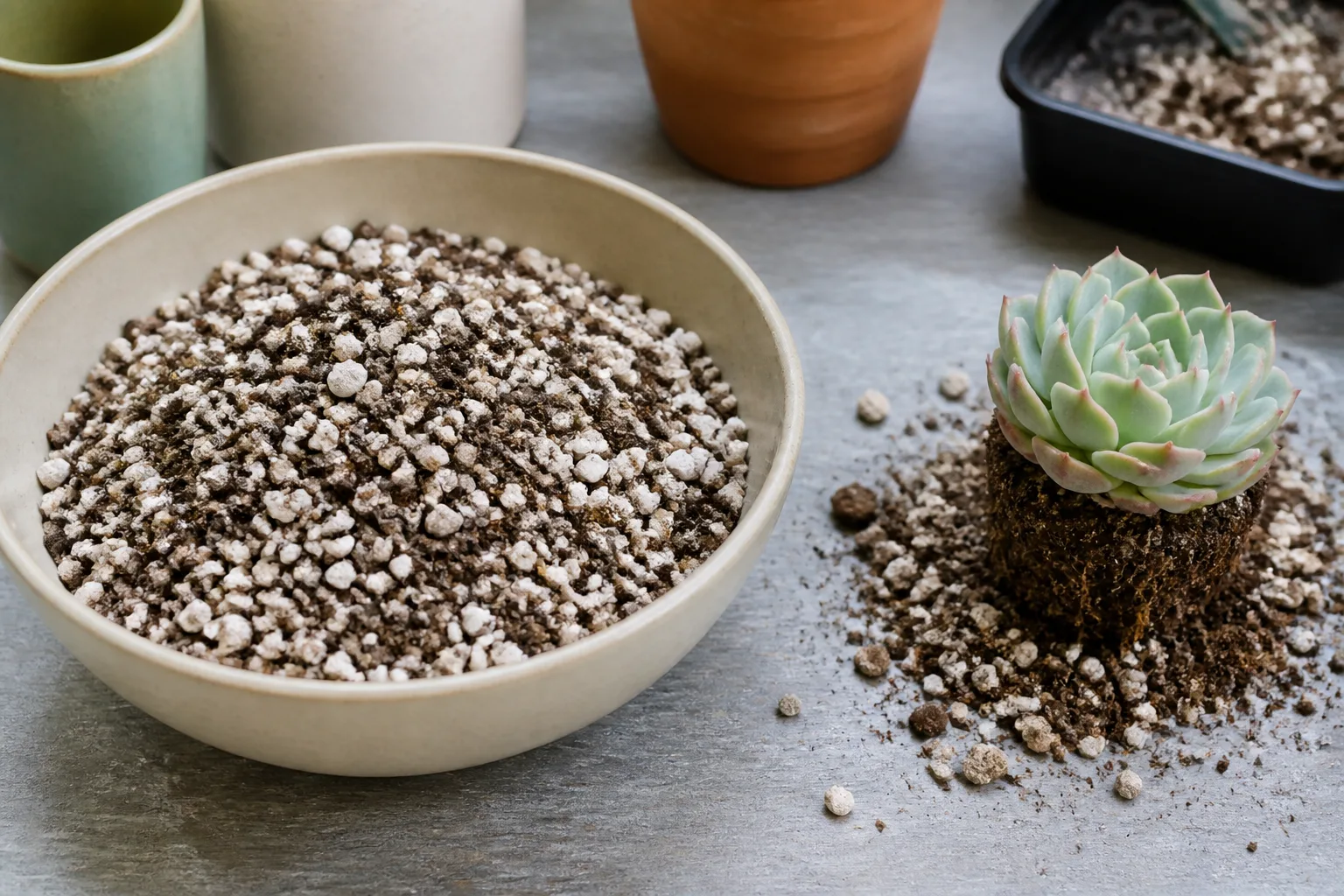
The medium should hold the cutting upright while leaving air around the base. A commercial cactus-and-succulent mix is a reasonable starting point; if it feels dense or stays wet for days, blend in a coarse, sterile aeration material such as perlite. The finished mix should be lightly moist when you plant, never muddy.
Avoid garden soil, heavy compost, and a water-retentive seed-starting mix used by itself. Ponytail palms tolerate drought because the caudex stores water, but that does not make a rootless cutting immune to rot. UF/IFAS and NC State Extension both emphasize well-drained soil, and UF/IFAS specifically warns that wet soils can lead to root rot.
Before planting, moisten the medium evenly and let excess water drain. If you squeeze a handful and water runs out, it is too wet. If it repels water and stays dusty inside, rehydrate it before filling the pot. A consistent, airy starting texture is more useful than a rigid recipe.
Plant the cutting shallowly and keep it upright
Make a planting hole first so the stem does not get scraped as you force it into the mix. Insert only the lower section needed to hold the cutting firmly. Keep the leaf crown and most of the stem above the surface; burying a long section does not create roots faster and increases the amount of tissue exposed to wet medium.
Firm the mix gently around the base, then place the pot where it will not be knocked over. The cutting should be stable enough that you do not need stones or constant repositioning. If it wobbles, use a small stake outside the stem or choose a heavier pot rather than packing the mix tightly.
Keep the cut end of the parent plant dry as well. Do not apply a thick layer of wet soil, moss, or plastic around the wound. The parent and the cutting are separate projects now: the parent needs wound protection, while the cutting needs a controlled rooting environment.
Set light, warmth, and airflow
Place the new cutting in bright light with protection from harsh midday sun. A bright window with filtered light or a few feet back from a sunny window is a useful starting position. NC State Extension describes ponytail palm as a full-sun plant that prefers a sunny window, but an unrooted cutting can dehydrate faster than an established plant, especially behind hot glass.
Warmth helps, within reason. Gardeners’ World recommends keeping a cutting in a warm room, ideally above 20°C, with bright indirect light. Avoid a cold draft, a heat vent blowing directly on the foliage, and a sealed propagation dome that keeps the stem damp. Gentle airflow reduces the stale, humid pocket where rot flourishes.
You do not need to raise humidity aggressively for this desert-adapted plant. A loose clear bag can be used only if the leaves are collapsing from rapid moisture loss, and it should be vented so condensation does not drip onto the soil. In most homes, more light and less water are safer first adjustments than more humidity.
Water by the medium, not by the calendar
Water the newly planted cutting lightly enough to settle the mix, then let the upper portion dry before watering again. Check with a wooden skewer or your finger several inches down rather than relying on the surface alone. A dry-looking top can hide a saturated lower layer, especially in a plastic pot.
There is no universal weekly schedule. A small cutting in a warm, bright room may dry sooner than one in a cool, dim room, while a dense mix may stay wet long after the surface appears dry. When you do water, wet the medium evenly and let the excess drain completely; do not keep a reservoir in the saucer.
The established plant’s drought tolerance is not a reason to leave a cutting bone-dry for months. The base must stay alive while roots form. The balance is slightly dry between modest waterings, not constant moisture and not deliberate neglect. If the stem remains firm and the soil is still damp, wait.
Check progress without disturbing the base
Resist the urge to pull the cutting up every few days. A root that has just started can tear easily, and repeated disturbance resets the physical conditions you are trying to create. Instead, track the cutting with dates, photos, and simple observations: firmness, leaf color, new central growth, and how quickly the pot dries.
New leaves are encouraging, but they are not proof of a strong root system. A cutting can push a small flush from stored energy before it has enough roots to support itself. Wait for several weeks of stable new growth and a root system that holds the medium together before moving it into a larger pot.
Expect a long wait. A practical home cutting may show no obvious change for weeks or months, and the published rooting study observed success only after nine months. If you want a plant that can be shared this season, a confirmed rooted pup or a nursery plant is a more predictable choice.
Diagnose rot, shriveling, and stalled growth
A soft, dark, or foul-smelling base usually means rot. Stop watering, remove the cutting from the pot, and inspect the tissue in a clean workspace. If the decay is superficial and firm tissue remains above it, you can make a new clean cut above the damaged area and repeat the drying process once. If the stem is soft through its core, discard it; trying to rescue a collapsing cutting usually spreads the problem to fresh medium and tools.
A wrinkled or slightly shrunken stem does not automatically mean failure. The caudex stores water, and a rootless cutting can lose some fullness while it waits. Check the medium and the light before adding water. If the stem is still firm, the leaves are not rapidly collapsing, and the soil is damp below the surface, watering more often will not create roots.
No new growth is not a diagnosis by itself. Low light, cool temperatures, a dormant season, a large cutting, or a lack of roots can all produce a quiet pot. Give the cutting a stable setup for a long enough observation period before changing several variables at once. If it becomes loose, black, or wet-smelling, act; if it is simply still, patience is safer than constant repotting.
The parent plant is declining after the cut. Confirm that the parent was not already overwatered and that the wound is dry and firm. Move it into bright light, keep water away from the cut, and avoid taking another piece until it has resumed healthy growth. A cutting is never worth sacrificing a small, stressed parent plant.
Pot up and acclimate a rooted cutting
Once the cutting has a stable root system, move it only one pot size up. Use a container with a drainage hole and the same gritty, well-draining type of mix. Keep the base at the same depth; do not bury the stem to make the plant look taller.
Water the new root ball enough to settle it, then return to a dry-between-waterings routine. Gradually increase light over a week or two if the cutting was rooted in protected indirect light. A sudden move into hot direct sun can scorch leaves and increase water loss before the roots have filled the pot.
Do not fertilize immediately after potting up. Let the plant show consistent new growth first, then use a dilute, balanced houseplant or cactus fertilizer only during active growth and according to the product label. Ponytail palm is slow-growing and not a heavy feeder; extra fertilizer cannot substitute for roots, light, or drainage.
Make an informed choice about pups and seeds
If your goal is the highest chance of getting another ponytail palm, rank your options by what you actually have. A rooted pup is the most sensible first choice when it separates cleanly. A larger, firm shoot-tip cutting is worth trying when you can spare the parent and accept a months-long experiment. A seed makes sense when you want to avoid wounding the parent and do not need a genetic clone.
If the plant has a damaged or rotting trunk, do not automatically treat every healthy-looking piece as a cutting. One Gardeners’ World recommendation uses stem cuttings as a rescue option when root rot forces drastic action, but the cutting still needs firm tissue and a clean, dry base. Soft tissue is not propagation material; it is a source of decay.
The larger lesson is simple: ponytail palm propagation rewards restraint. Make one good cut, keep the medium airy, provide steady light and warmth, and wait long enough to learn whether roots have formed. That approach gives a difficult cutting its best chance without turning a slow plant into a wet, repeatedly disturbed project.
Conclusion
To propagate a ponytail palm from a cutting, choose a healthy firm shoot, use a sterile sharp blade, keep a small leaf crown, let the cut surface dry, and plant the base in a fast-draining medium. Give it bright protected light, warmth, airflow, and modest water only after the mix begins to dry.
But treat the method honestly: ponytail palm cuttings can root, yet they may take months and fail even when the steps are sensible. If a well-rooted pup is available, start there; if the plant is small or stressed, seed or a purchased plant may be kinder to the parent. The pro move is not forcing a guarantee—it is matching the propagation method to the material in front of you.