33 Cool Shade Ideas for Your Patio or Backyard
Find 33 patio shade ideas for renters, DIYers, and permanent projects, with practical advice on sun direction, wind, trees, drainage, and upkeep.
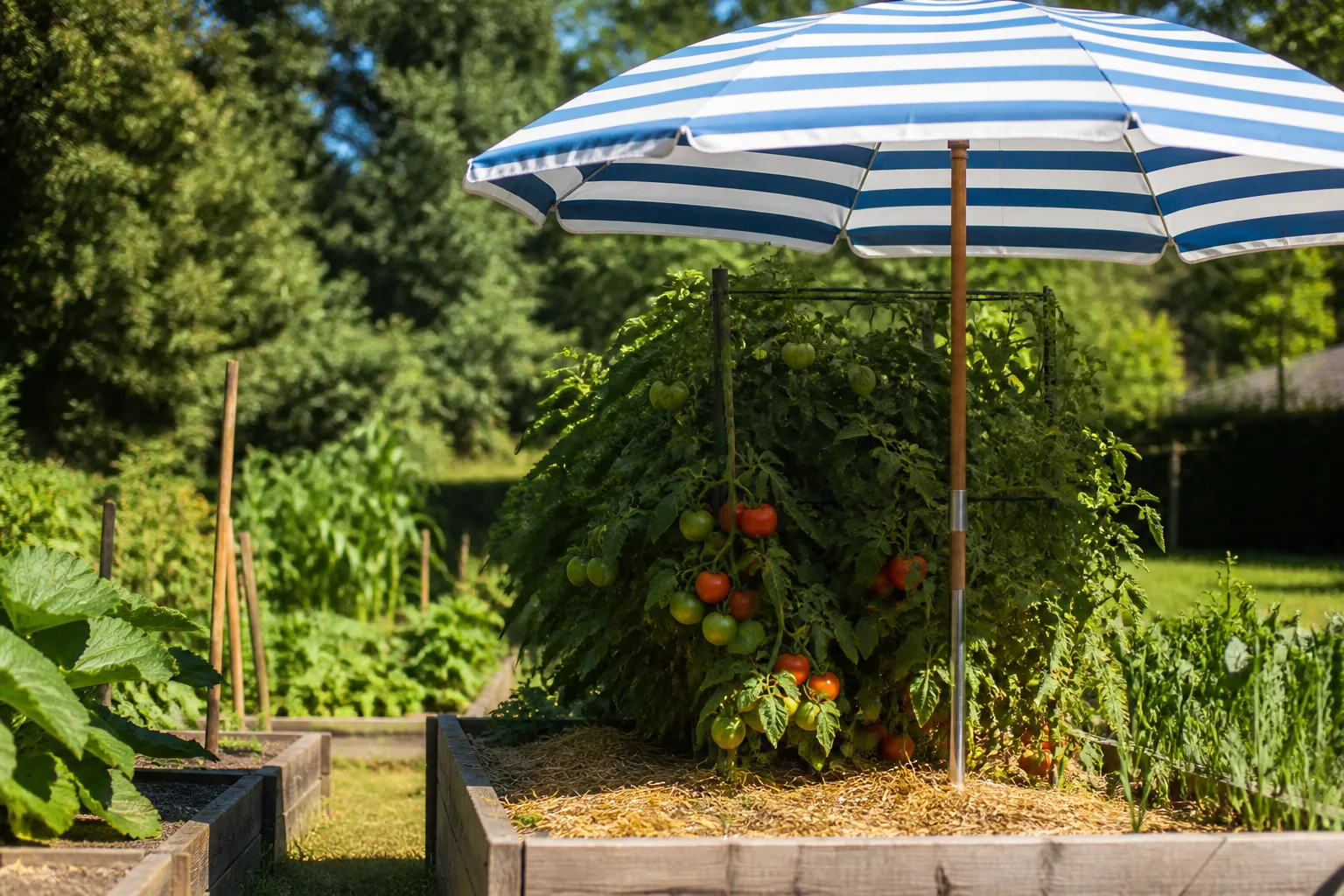
An outdoor space does not need to be covered from edge to edge to feel cooler. The best patio shade ideas put protection where people actually sit, block the sun at the hour it is most uncomfortable, and fit the way the yard handles wind and rain.
Start by watching the space instead of shopping. Note where the shadow falls at breakfast, lunch, and late afternoon; decide whether you need a dining table, a reading chair, or a whole outdoor room covered; then choose the lightest solution that can do that job safely. A renter may need a weighted umbrella or freestanding screen, while a permanent patio may justify an awning, pergola, or tree canopy.
Start with the sun, the space, and the job
“Shade” is not one condition. The RHS shade guide distinguishes light, partial, dappled, moderate, and deep shade, and that distinction matters even for a patio. A west-facing seat may need strong afternoon protection, while a north-facing corner may only need a little overhead cover to soften glare.
Measure the area you want to protect, including the chairs when they are pulled away from the table. Photograph the shadow line at several times of day for a week if you are unsure. This simple record prevents a common mistake: buying a cover for the patio’s shape rather than for the people and activities that need shade.
Use this order of decisions:
- Time: Which hours are too hot or glaring?
- Coverage: Do you need a single seat, a table, or a circulation path covered?
- Permanence: Should the shade move, retract, come down seasonally, or stay year-round?
- Weather: Will the site see gusts, heavy rain, snow, salt air, or only calm summer afternoons?
- Ground and structure: Can you anchor safely without damaging a roof, wall, fence, deck, or buried utility?
That list narrows 33 possibilities to two or three sensible candidates. It also keeps a beautiful but poorly sited structure from becoming a repair project.
Fast, movable patio shade ideas
Movable shade is the best first step when the sun moves across the yard, you rent, or you are still learning how you use the patio. These options are usually quicker to test and easier to store, but every lightweight canopy becomes a wind problem if it is left open in conditions it was not designed to handle.
1. Center a cantilever umbrella
A cantilever or offset umbrella shades a table or conversation area without placing a pole through the middle of the furniture. Choose a base sized for the canopy and the manufacturer’s instructions, then close and secure the umbrella whenever gusts are expected. The useful advantage is adjustment: you can rotate the canopy toward low afternoon sun instead of moving the whole table.
2. Use a wall-mounted or offset umbrella
If floor space is tight, a wall-mounted arm or narrow offset umbrella can shade a balcony-like patio edge while keeping a walkway clear. This is a good small-patio idea, but the wall must be sound and the fasteners must be appropriate for its construction. Do not attach a large sail or umbrella to siding, a weak fence panel, or a decorative trellis that was never designed to carry uplift.
3. Pair smaller umbrellas
Two compact umbrellas can outperform one huge canopy when the patio has separate dining and lounge zones. Open only the umbrella needed at the time, angle each one independently, and store them separately when storms arrive. This arrangement also avoids a single heavy base blocking the best path through a small yard.
4. Stretch a shade sail
A triangular or rectangular shade sail gives a clean overhead plane above a compact seating area. Gardening Know How describes sails as a flexible option that can attach to sturdy posts, walls, or poles; in practice, the anchor points are the project, not the fabric. Set three or four attachment heights so water can drain if the material is rated for rain, and use engineered posts or verified structural points rather than improvised fence boards.
Leave a little tension in the design without making the fabric drum-tight, inspect the hardware after the first windy weather, and take the sail down if the manufacturer calls for seasonal removal. A breathable shade cloth can feel cooler but will not keep a table dry; a waterproof fabric may collect more wind and need stronger support.
Structural shade that earns its footprint
Permanent or semi-permanent shade works well when the patio is a daily destination rather than an occasional place for a chair. It can define an outdoor room, protect furniture, and make the home-to-yard connection feel intentional, but it also affects drainage, sightlines, permits, and long-term maintenance.
5. Keep a pop-up canopy ready
A folding canopy is useful for a party, a temporary dining area, or a rental where permanent work is off the table. Treat it as temporary shelter: use all supplied legs and weights, keep the top taut, and remove it before severe weather rather than trusting a few stakes. It is inexpensive because it is portable, not because it is a substitute for a designed roof.
6. Mount a retractable awning
A wall-mounted awning is efficient when the patio sits directly outside the house. It can cover a door, grill, dining table, or narrow lounge area and retract when you want winter sun or a clear view. Before buying, check wall construction, the awning’s projection, the path of the fabric, and how rain will shed near doors, windows, and the foundation.
Manual versions keep the mechanism simple; motorized versions make daily adjustment easier. Either way, retract the awning for wind according to its instructions, and do not assume a larger projection is automatically better if the wall cannot carry the load.
7. Build a pergola with an adjustable cover
An open pergola gives partial shade and a strong sense of place, but open rafters alone will not block low-angle morning or afternoon sun. Add retractable fabric, slatted panels, a removable shade cloth, or adjustable louvers if you need more consistent coverage. The more solid the roof becomes, the more carefully you must handle water runoff and structural loads.
This is one of the most adaptable pergola shade ideas because the frame can start open and gain coverage later. Confirm post-footing details, attachment points, and local rules before building; a pergola attached to a house is a different risk and permitting question from a small freestanding garden frame.
8. Add curtains or a slat screen
Outdoor curtains do more for low-angle glare, privacy, and wind perception than for overhead midday sun. Hang them on the side where the sun or prevailing breeze actually arrives, use outdoor-rated hardware, and leave enough room for the fabric to move without catching on a grill or heater.
A fixed wood-slat or metal screen filters light while keeping an open view. It can make a pergola feel like an outdoor room, but a solid panel also catches wind. Space slats for the amount of privacy and airflow you want, and anchor the screen to a proper footing or structure rather than a loose planter.
Plant-based shade for a living backyard
Plants create shade that changes with the season and supports a softer, more natural patio. They are not instant substitutes for a roof, and a tree placed too close to paving can create root, leaf, branch, or drainage problems. Think of living shade as a long-term system that needs the right species, mature dimensions, water, and clearance.
9. Choose a solid-roof pavilion or angled roof
A freestanding pavilion creates reliable shade for an outdoor kitchen, table, or lounge set away from the house. An angled roof can help rain move toward a planned collection or drainage area instead of dropping at the center of the patio. A solid roof also gives the strongest visual and weather separation, so it usually needs the most careful review of foundations, snow or wind loads, gutters, and local codes.
For a lighter look, use a slatted roof that filters sun rather than blocking it completely. A roof with a western overhang can be especially useful for late-day glare, while a smaller southern overhang may keep the patio bright without turning the whole area dim.
10. Build around an existing mature tree
If a healthy tree already shades the best part of the yard, design the seating around it instead of cutting through its root zone to force the patio elsewhere. Keep grade changes, heavy paving, soil fill, and excavation away from the trunk and major roots; the cheapest shade is the shade you do not have to install.
An existing canopy can give dappled light rather than a uniformly dark ceiling. That is often comfortable for people and more forgiving for underplanting, but the area beneath a tree can also be dry because roots compete for moisture. The RHS notes that shade under trees commonly comes with reduced moisture, so choose plants for both light and soil conditions rather than buying a generic shade mix.
11. Plant a long-term shade tree
A new deciduous tree can eventually shade a patio while allowing more winter light through after leaf drop. Place it for its mature height and spread, not the size of the nursery container. Colorado State University Extension recommends accounting for available space, soil, irrigation lines, overhead utilities, water needs, and the storm-damage tendency of the species when selecting a tree; its large-tree guidance is a useful planning check.
Fast growth is not a free shortcut. The same extension guidance warns that fast-growing trees can be more brittle and vulnerable to wind or snow loads, which is a poor trade beside a roof, driveway, walkway, or seating area. In a small yard, a smaller ornamental tree with a known mature spread may give a better balance of shade, clearance, and pruning.
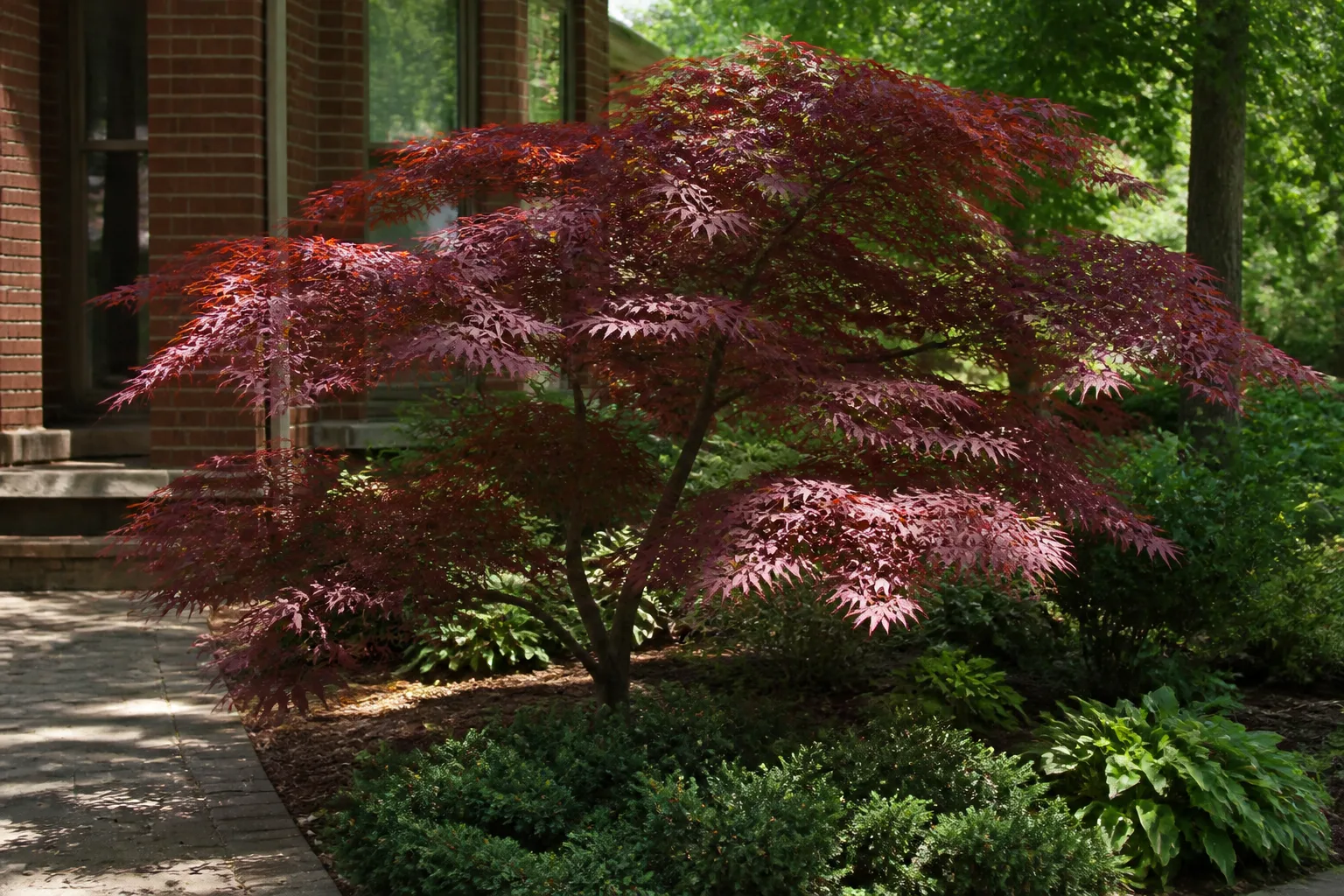
12. Train vines over a trellis
Vines can turn a pergola, arbor, or cattle-panel frame into a seasonal canopy with flowers, fragrance, or edible growth. Install the support before the vine becomes heavy, tie stems loosely as they climb, and select a plant suited to your climate and the amount of sun the foliage will receive. Gardening Know How recommends using trellis or wires that can carry the added weight of mature foliage rather than expecting a thin decorative frame to do the job.
Annual vines are useful when you want summer shade without a permanent woody trunk. Perennial vines provide more coverage over time, but they demand pruning and may become difficult to remove from gutters, siding, or roof edges. Avoid planting an aggressive climber simply because it grows fast; speed can turn a shade project into a structural and maintenance problem.
Turn one shade source into 21 usable design ideas
The most effective outdoor rooms layer a primary shade source with smaller changes that make the protected area more comfortable. The following ideas are not 21 reasons to buy more stuff; they are ways to aim one umbrella, awning, tree, or pergola at the actual experience you want.
13. Shade the dining table first. A table is easier to cover precisely than an entire patio, and meals are often the activity most disrupted by glare and heat. Center the canopy over seated heads, not just over the table’s edge.
14. Cover the high-use seat, not the empty paving. If the patio is large, start with the chair, bench, or lounger used every day. A smaller, well-placed cover usually feels more useful than a large roof over space nobody occupies.
15. Put an umbrella base on casters. A lockable rolling base lets you follow the shadow across a hard surface. Use it only when the umbrella is easy to close and the base cannot roll on a slope; mobility should not become instability.
16. Make two shade zones. A breakfast corner and an afternoon corner can be more comfortable than one oversized structure. This is especially useful in a long, narrow yard where the sun reaches different ends at different hours.
17. Add a west-side screen. Overhead coverage often misses low afternoon rays. A slatted panel, outdoor curtain, hedge, or trellis on the western edge can block glare while preserving airflow and the view through the yard.
18. Use curtains for adjustable privacy. Tie curtains open for a breeze and close the sun-facing side when the patio is in use. Choose fabric that dries readily and remove it before a storm if the hardware or structure is not rated for strong wind.
19. Extend a roof with a reed or slatted panel. A breathable roof layer can soften light over an existing pergola without making the patio feel fully enclosed. Check for sagging, trapped moisture, and added wind load after installation.
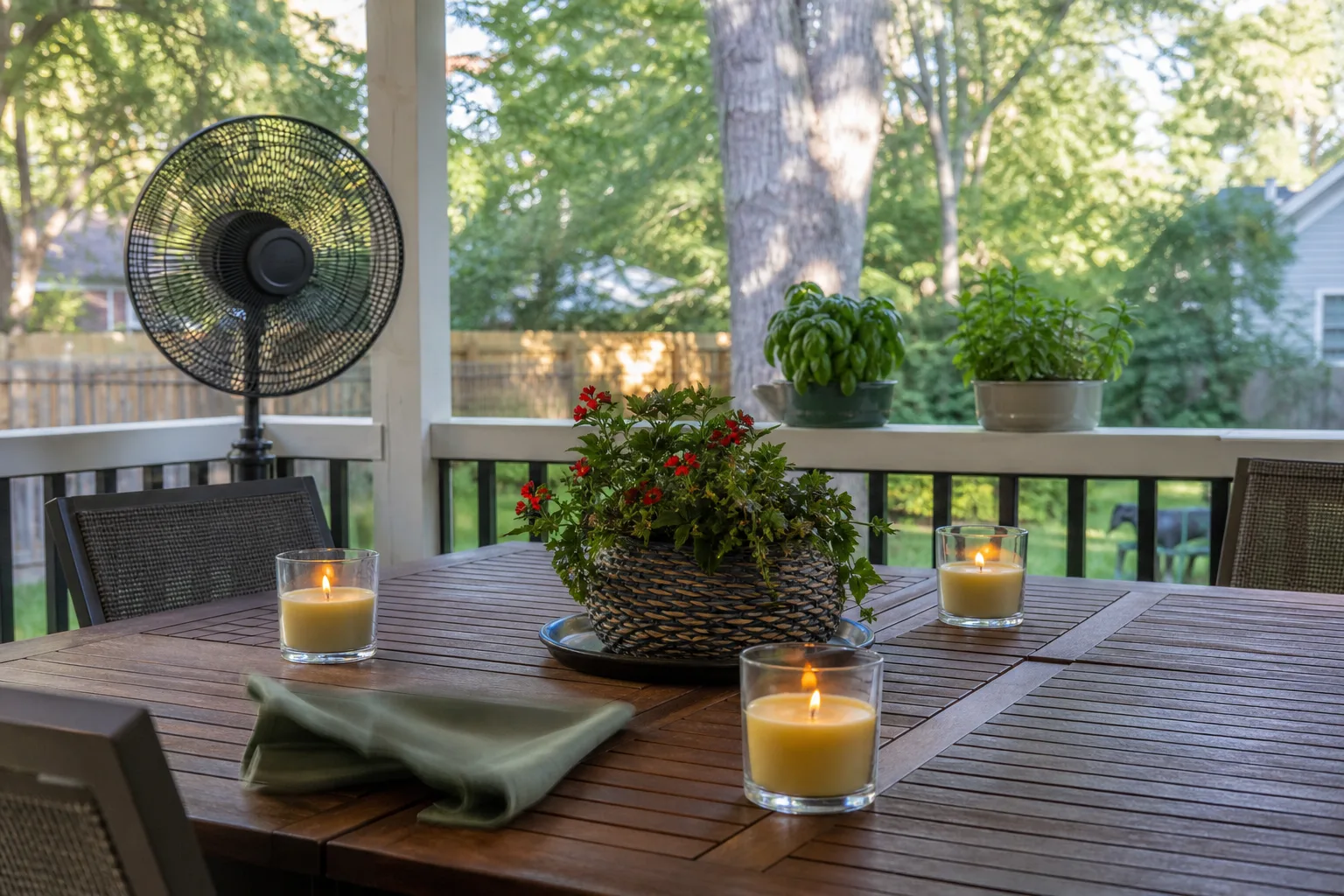
20. Put a fan under a covered patio. Moving air can make a shaded seat feel less still in hot weather, especially under a roof or screened structure. Keep electrical equipment, cords, and fixtures suitable for outdoor use and away from rain exposure that the product is not rated to handle.
21. Choose light-filtering fabric. A fabric canopy that admits some daylight can reduce glare without creating a cave-like room. If your main goal is rain protection, choose a weather-rated material and plan where runoff will go rather than assuming “water-resistant” means waterproof.
22. Add a portable privacy screen. A freestanding screen can shade one side of a small patio and move when the season or seating arrangement changes. Stabilize it with a broad base and do not place it where a tipped panel could strike a door, window, child, or pet.
23. Preserve a tree’s shade with a permeable path. If a canopy already works, use stepping stones, gravel, or another surface that limits excavation and lets water reach the root zone. Do not raise soil around the trunk to make a level patio without professional advice.
24. Plant a small tree at the edge of the seating view. A tree does not have to sit directly over furniture to improve the feeling of enclosure. Place it where its future canopy can shade the edge of the patio while its trunk and roots remain clear of the busiest paving.
25. Select by mature spread before flower color. A tree that looks perfect at the nursery may overwhelm a six-foot patio in ten years. Compare its mature width, branch habit, leaf drop, fruit, roots, and pruning needs before choosing the final position.
26. Use an annual vine for seasonal shade. Morning glories, hyacinth bean, cup-and-saucer vine, or another locally suitable annual can cover a temporary trellis quickly. Check local invasiveness guidance and give the frame a safe route for the weight to travel.
27. Train a vine on the sun-facing side. You do not always need to cover the entire roof. A dense vertical panel on the side receiving late sun can solve the glare problem while leaving the top open for stars and airflow.
28. Put a potted tree on a patio. A large container can add movable foliage to a rental or a hardscape where planting in the ground is not practical. Use a pot large enough for the plant, provide drainage, and remember that containers dry and heat faster than surrounding soil.
29. Layer tall containers behind seating. A row of grasses, shrubs, or foliage plants can filter light and create a green backdrop. Leave a clear path for people and water, and choose plants whose mature size will not swallow the chairs.
30. Make a shade-garden edge. Use a border of shade-tolerant plants outside the seating footprint to soften a pergola, tree, or screen. Match plants to dry shade beneath roots or damp shade near a downspout; light level alone is not enough.
31. Create a covered reading nook. A single lounge chair, side table, and small canopy can use an awkward corner better than a full dining set. Orient the chair away from the strongest glare and keep the floor dry and level.
32. Add lighting to the shaded structure. Shade structures often become evening destinations, so run outdoor-rated lighting along posts or beneath a roof without overloading the circuit. Use warm, low-glare fixtures that illuminate steps and table surfaces rather than shining into neighboring windows.
33. Make a rain-ready covered terrace. If you are adding a roof, pergola cover, or awning, decide where water will land before the first storm. Gutters, downspouts, a gravel strip, a planted rain garden, or a slight grade may be needed to keep runoff away from foundations and door thresholds.
The U.S. Geological Survey’s review of recent urban-tree research explains that trees cool through shade and evapotranspiration, but the effect varies with tree traits, canopy arrangement, climate, and water availability. That is a good reason to use trees as part of a layered plan, not a reason to promise that one newly planted sapling will cool a patio this summer. See the USGS review of urban trees and cooling for the evidence and its limitations.
Safety, drainage, and maintenance before you install
Before permanent work, check your local building department, property or HOA rules, and utility-clearance requirements. Permit thresholds vary by location and by whether a project is freestanding, attached, roofed, electrified, or built on a deck. If you are unsure about a footing, wall attachment, roof load, or tree near utilities, pause and ask a qualified local professional.
For any fabric or movable structure, identify the wind plan before you assemble it. Know whether the manufacturer requires the canopy to be closed, removed, or fully secured at a specific wind speed; do not leave a pop-up canopy or open umbrella to “see how it does” in a storm. Inspect poles, seams, carabiners, bolts, bases, and post connections after high winds and replace bent or cracked parts.
For trees, look beyond the trunk. Colorado State University Extension recommends planning around mature dimensions, overhead lines, irrigation lines, soil drainage, and species-specific water needs. It also warns against placing trees prone to storm damage beside buildings, walks, and driveways. A tree intended to provide shade should be planted where it can grow without severe pruning.
Water management deserves equal attention. A roof or waterproof sail can concentrate runoff, while a tree canopy can intercept and redirect rain. Keep water away from foundations and slippery walking routes, clear gutters and downspouts, and use a permeable edge or planted infiltration area only where the soil drains and local conditions make that appropriate.
Maintenance is the difference between a shade idea and a dependable outdoor room:
- Close umbrellas and retract awnings before strong wind.
- Remove seasonal fabrics when freezing weather or storms make them vulnerable.
- Wash and dry canopies according to the material’s care instructions; store them completely dry.
- Tighten hardware and inspect anchors at the start of the warm season.
- Prune trees and vines for clearance, but do not top trees to force a smaller canopy.
- Water newly planted trees consistently while roots establish, then adjust for rainfall and local soil.
- Keep grills, heaters, candles, and electrical equipment clear of fabric, vines, curtains, and low branches.
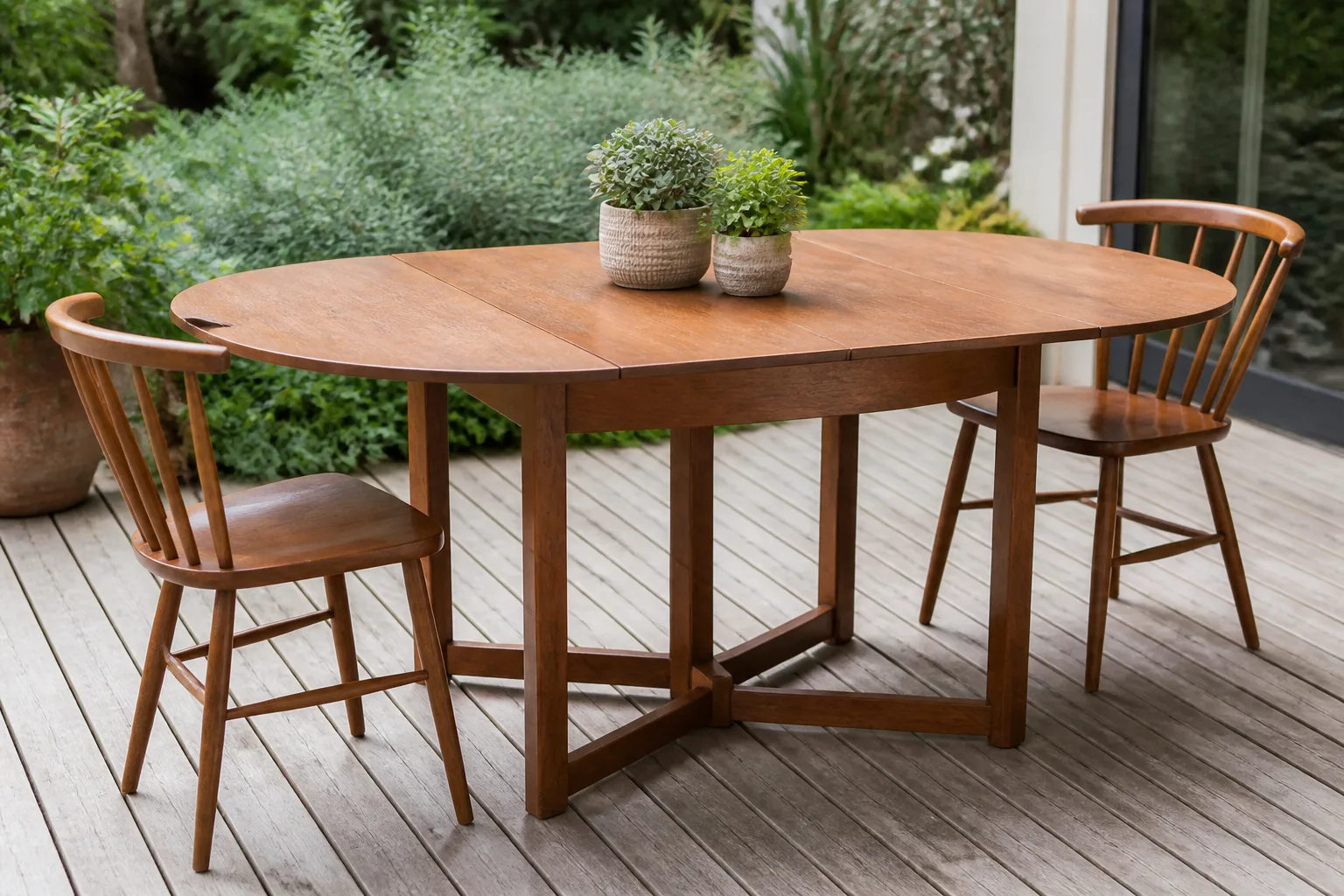
If the patio still feels hot after adding shade, look for reflected heat from pale walls, concrete, or neighboring glass, and for low-angle sun entering from the side. A second layer—such as a west screen, a curtain, a tree at the edge, or a change in seating direction—may solve the remaining problem more effectively than replacing the first shade structure.
Conclusion
The best backyard shade is usually a sequence, not a single purchase. Test the sun with a movable umbrella or temporary sail, shade the activity you use most, and add privacy, plants, airflow, or lighting only where they improve the way the space functions.
For immediate relief, start with a properly weighted umbrella, shade sail, or retractable awning. For a lasting landscape, combine a well-anchored structure with a carefully selected tree or vine, leaving room for mature growth, drainage, maintenance, and local safety requirements. A patio becomes genuinely cooler and more usable when the shade fits the weather, the site, and your real routine.