When to Prune Evergreens in Winter: A Pro Guide
Winter is a smart time to prune some evergreens—but a risky one for pines and spruce. Learn which types to cut now, what to wait on, and how to prune without brown patches.
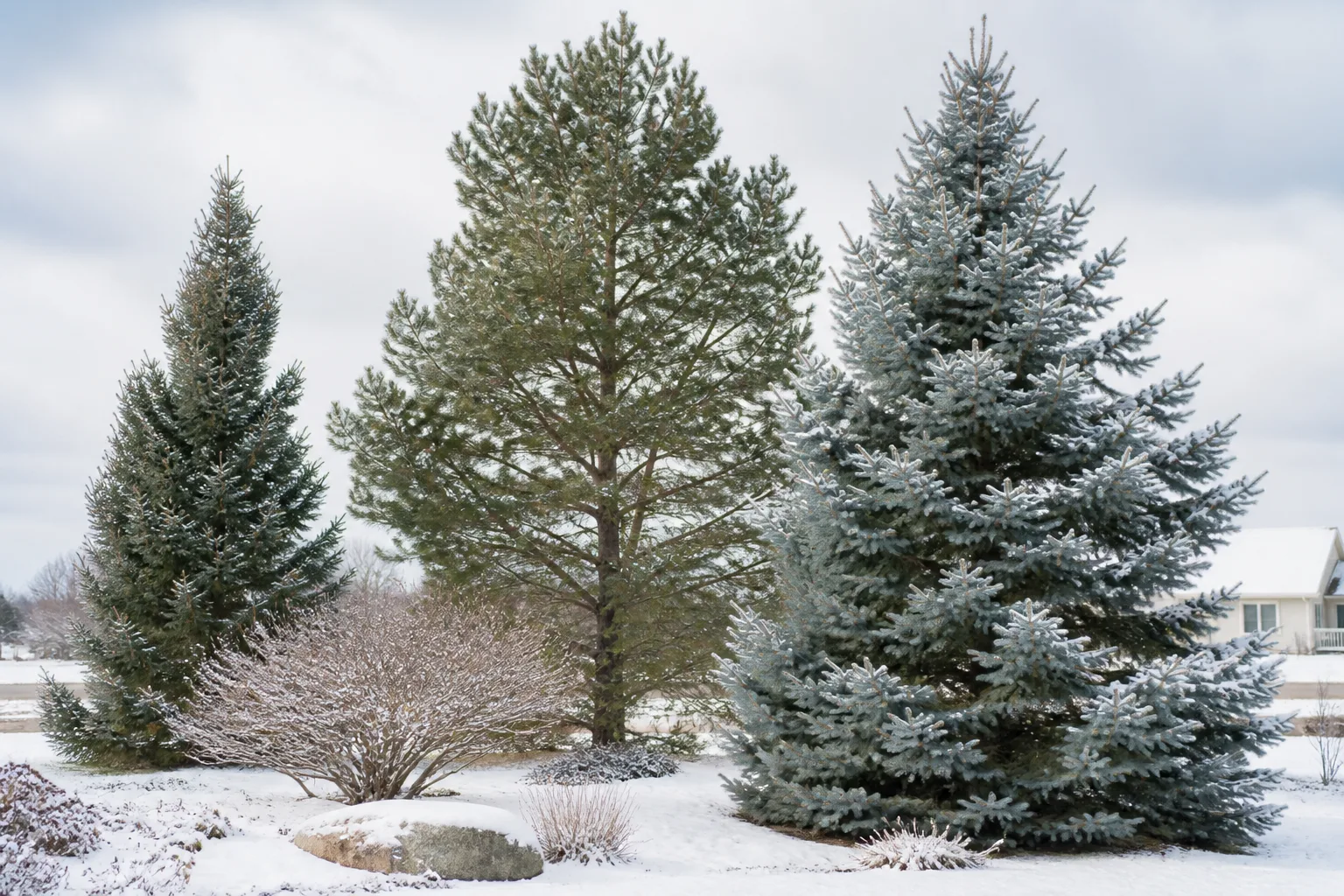
Yes—for some evergreens. No—for others. Winter is an excellent time to remove dead wood, open up a yew, or shape an arborvitae hedge while you can actually see the branch structure. It is a poor time to shear a pine, reduce a spruce, or cut junipers back into old bare stems. The word evergreen covers dozens of species with completely different bud habits, and treating them like one plant is how good intentions turn into brown patches that take years to hide.
If you are standing in the yard in January wondering whether to pick up the loppers, start with the plant in front of you—not the calendar. The sections below walk through which evergreens benefit from dormant-season cuts, which ones need you to wait until new growth appears, and how to prune without creating problems that no amount of mulch can fix.
The Short Answer: It Depends on the Plant
Winter pruning works well for evergreens that carry dormant buds along their stems—yews, arborvitae, hemlock, boxwood, and most broadleaf evergreens such as holly and rhododendron (for dead wood and light shaping only). Late winter through early spring, before buds swell, is the classic window for structural thinning, hedge reshaping, and removing branches that rub or block paths.
Winter is the wrong season for major cuts on pines, spruce, fir, and Douglas-fir if your goal is to control size or encourage dense new growth. Those conifers set next year’s buds at the tips of branches; cut them back hard in winter and you remove the only tissue that can sprout. Pines are pruned by shortening candles (the soft new shoots) in late spring after they elongate. Spruce and fir respond best to tip cuts in early summer when lateral buds are visible.
Dead, broken, or hazardous branches are the exception: remove them whenever you find them, including mid-winter, because safety and plant health do not wait for a better month.
Why Winter Pruning Gets Recommended for Some Evergreens
Arborists and extension educators often steer homeowners toward dormant-season work for good reasons—but those reasons apply most to bud-bearing evergreens, not to every conifer in the landscape.
Better visibility once needles settle
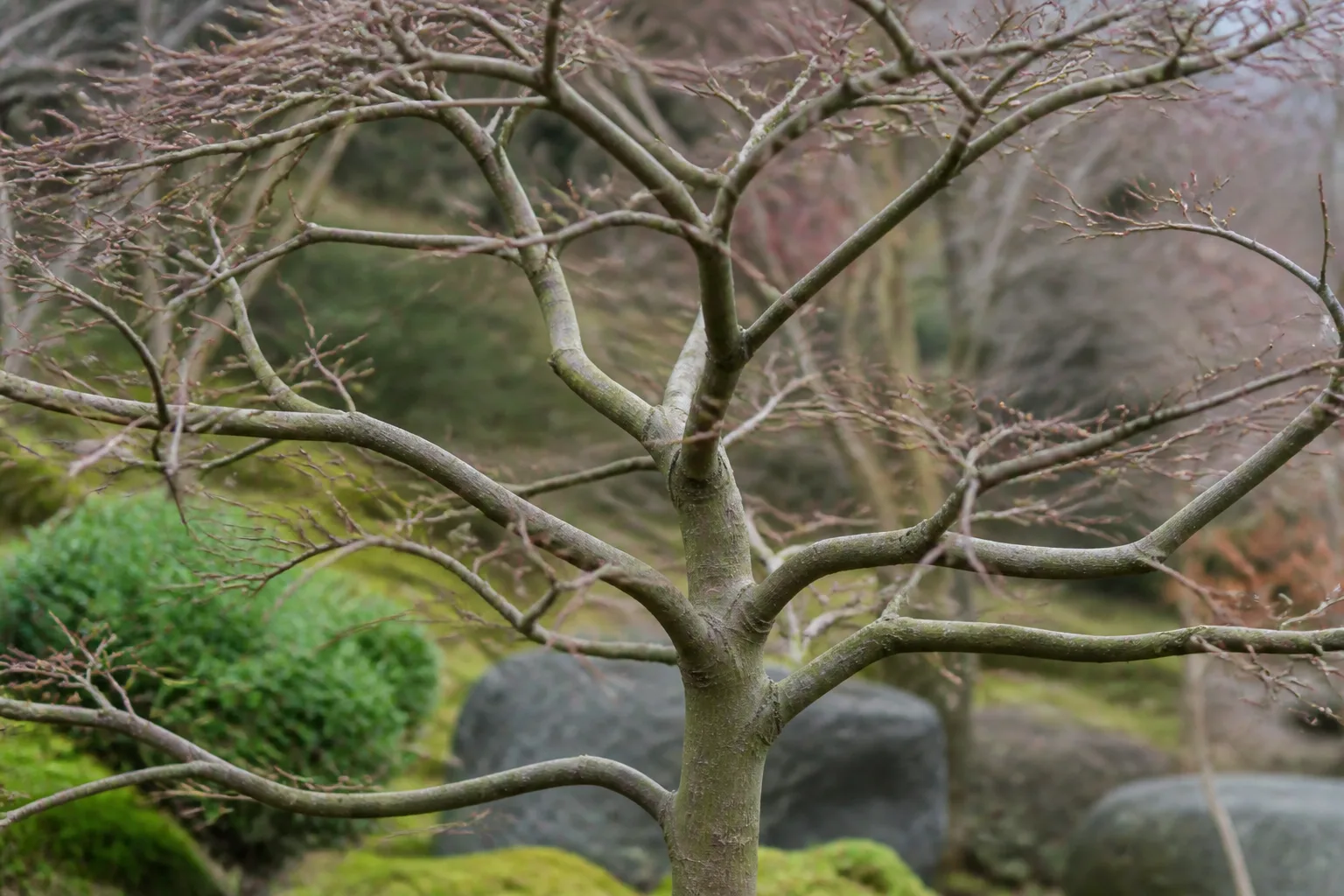
By late fall and winter, interior needle drop on pines and spruces has finished, and deciduous neighbors have lost their leaves. That opens the canopy so you can see crossing branches, double leaders, dead tips, and the overall silhouette. Structural decisions are easier when you are not guessing through a wall of foliage. For formal hedges and foundation yews, winter also means you are not fighting fresh spring flush while you try to hold a straight line.
Lower disease pressure on open wounds
Many fungal and bacterial pathogens that enter through pruning wounds are less active in cold, dry weather. Wisconsin Horticulture notes that thoughtful pruning maintains plant health by removing diseased and damaged tissue; making those cuts during dormancy gives wounds months to begin compartmentalizing before warm, wet spring weather returns. This does not make cuts sterile—sanitized tools and dry days still matter—but it is one reason winter beats autumn for living-wood thinning on yews and arborvitae.
Two Evergreen Groups—and Why Timing Differs
The single most useful thing you can learn about evergreen pruning is that plants fall into two bud-habit camps. Everything else—shears vs hand pruners, how hard you can cut, and whether winter is smart—flows from that split.
Needle evergreens: pines, spruce, fir, and Douglas-fir
Pines produce new shoots only from terminal buds at branch tips. Wisconsin Horticulture is explicit: do not cut branches back to older wood down the stem—pines will not sprout from bare interior branches. Size control happens by pinching or cutting candles in spring, removing roughly one-half to two-thirds of the elongated soft growth before needles fully expand.
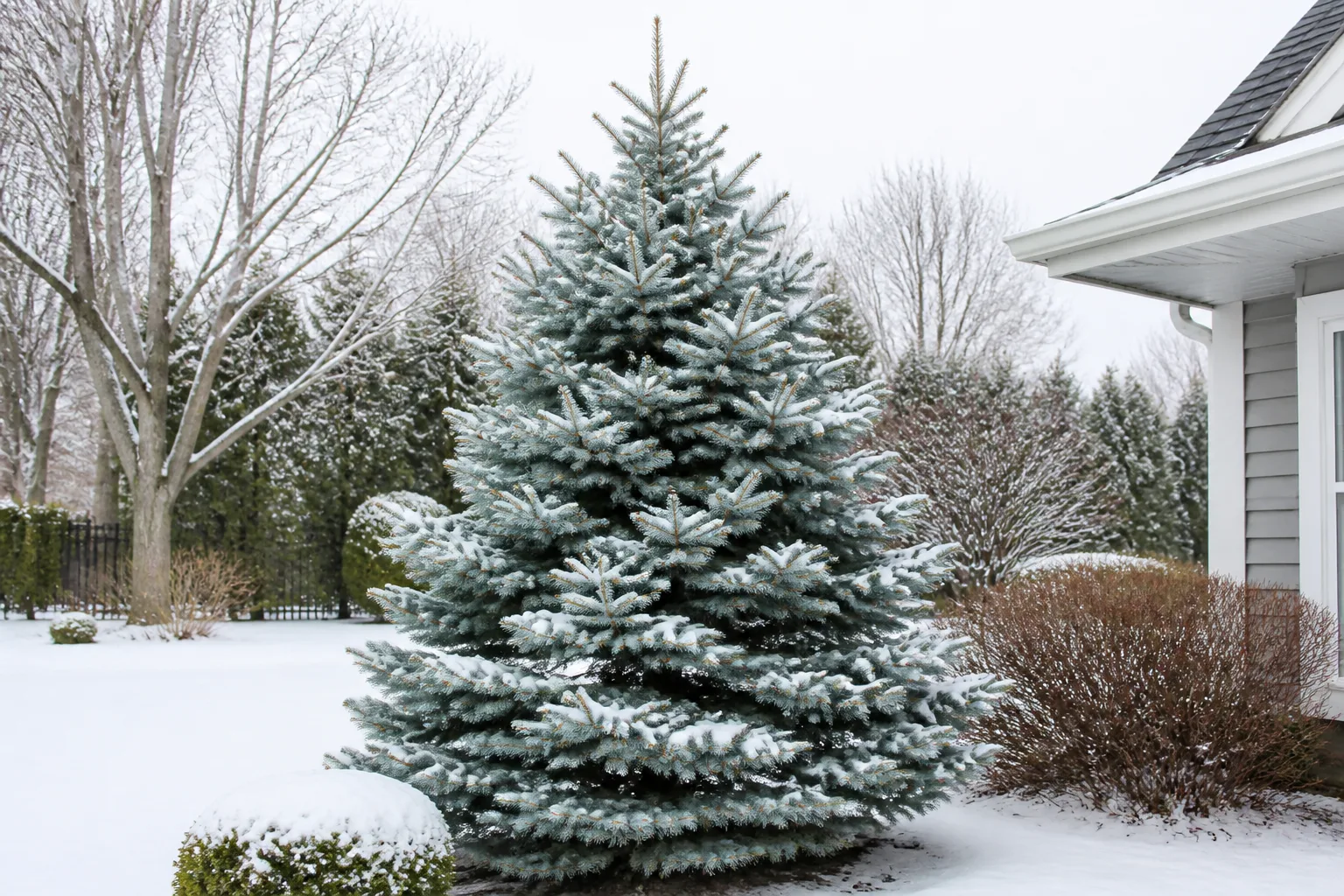
Spruce, fir, and Douglas-fir also grow from terminal buds once per year. You can shorten a branch tip back to a lateral bud in early summer to keep a natural pyramidal shape. These trees need little routine pruning; the goal is to preserve their form, remove dead or crossing wood, and avoid topping the central leader. Minter Country Garden summarizes the practical rule many northern gardeners follow: shear cedars and yews in mid-winter, but wait until after spring bud break for spruce, fir, and pine candle work.
Scale-leaf and broadleaf evergreens: yew, arborvitae, boxwood, holly
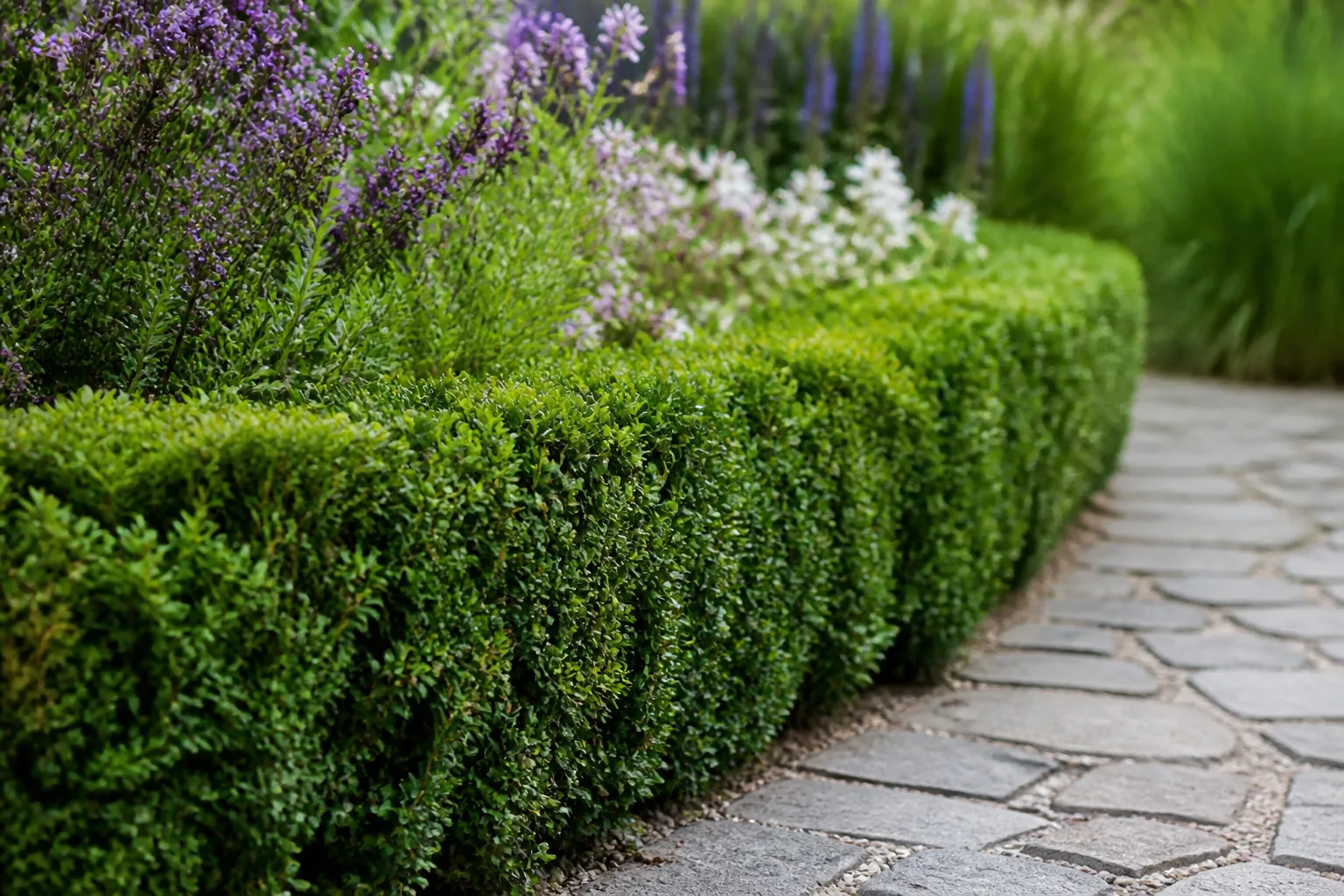
Yews, arborvitae, hemlocks, junipers (with caveats below), boxwood, holly, and rhododendron carry latent buds farther back on stems. That means careful cuts into older wood can still green up—within limits. Yews and arborvitae tolerate shearing in late winter or early summer; boxwood often gets a hard trim in late winter and a lighter shaping in early July to stay dense. Broadleaf evergreens such as holly and rhododendron should receive only light winter cleanup unless you are removing dead branches—major shaping is safer after the coldest weather passes but before spring growth begins.
Junipers straddle the line: they have buds along stems but must not be sheared into old, needleless interior wood. Wisconsin Horticulture warns that such cuts take years for new growth to conceal. Tip-prune junipers in summer, selectively cutting back to a side branch so the wound hides under foliage, and finish before August so new shoots harden off before winter.
What You Can Safely Prune in Winter
Dead, damaged, and diseased wood anytime
Brown, broken, ice-split, or clearly diseased branches should come out as soon as you notice them—winter included. Removing dead wood does not count toward the one-third live-wood rule (never remove more than about one-third of living branches in a single year on any tree or shrub you want to keep). Focus first on branches that threaten structures, walkways, or the plant’s central leader.
Structural thinning on bud-bearing evergreens
On yews, arborvitae, hemlock, and boxwood, winter is ideal for:
- Removing branches that cross or rub
- Thinning congested interiors to improve airflow
- Lowering or narrowing hedges if you stay in green, needle-bearing wood
- Correcting one-sided growth from shade or snow load
Use hand pruners or loppers and cut back to a lateral branch or bud rather than blindly shearing unless you are maintaining a formal hedge. For large limbs, use the three-cut method: an undercut partway through the branch, a top cut slightly farther out to remove most of the weight, then a final cut just outside the branch collar without leaving a stub.
What to Leave Alone Until Spring or Summer
Pine candle pruning belongs in late spring
If your pine is too tall or open, mark it for candle pruning when soft new shoots appear—typically late spring to early summer depending on your climate. Shorten each candle by half to two-thirds before needles expand fully. Doing this in winter removes dormant buds at the tips and guarantees bare stubs with no regrowth. Dwarf mugo pines follow the same rule; shape them into low domes during the candle window, not in January.
Spruce, fir, and most junipers need summer timing
Spruce and fir tips are shortened in early summer, cutting back to a visible lateral bud and avoiding branch stubs. Minter Country Garden recommends waiting until new growth has started so remaining tissue can develop buds for the following year’s pattern. Junipers receive selective summer tip pruning; stop by August so wood hardens before frost.
If the only pruning your spruce needs is removal of a few dead lower branches, winter is fine—but do not attempt major size reduction on a mature spruce in dormancy. You will either create permanent holes or trigger awkward water sprouts that ruin the tree’s natural pyramid.
Winter vs Other Seasons for Evergreen Pruning
Late winter and early spring
For yews, arborvitae, boxwood, and hemlock hedges, late winter through early spring (after the worst cold, before buds swell) is the prime structural season. Im Growing Home advises pruning on mild, dry days and avoiding rash cuts at the very start of winter when wounds may dry out during prolonged freezes. This window balances visibility with the coming flush of growth that helps hide thoughtful thinning cuts.
Summer tip and candle work
Summer is when needle evergreens accept size-control pruning: pine candles, spruce and fir tip reduction, and juniper tip thinning. Trees are actively growing but past the heavy sap-rise period that troubles some deciduous species in early spring. Late summer is also a semi-dormant phase for many conifers, making it a workable backup if you missed the optimal candle window—though earlier is better for pines.
Autumn cuts and fungal-spore risk
Autumn pruning is the season many arborists caution against for living wood. Spores of needle cast and canker fungi are abundant in fall leaf litter and humid air; fresh cuts made in September and October stay open into wet weather. If you must prune in fall, restrict work to dead wood and disinfect tools between plants. For living cuts on yews and similar plants, winter or late spring almost always beats autumn.
How to Make Cuts That Heal Cleanly
Good timing means little if the cut itself invites decay. For branches thicker than your thumb, use the three-cut method described in Wisconsin Horticulture’s pruning guidance: undercut, relieve weight, final collar cut. On smaller wood, cut just outside the slightly swollen branch collar—not flush with the trunk and not leaving a long stub.
Disinfect pruners with rubbing alcohol or a 10% bleach solution when moving between plants, especially if you suspect disease. Sharp bypass pruners make cleaner wounds than dull anvil tools that crush stem tissue. On hedges, keep the base slightly wider than the top so lower branches receive light; a tapered hedge prevents the bare, brown bottoms that show up two seasons after a flat-topped shear job.
Respect the one-third rule for live wood in a single year. Renovating an overgrown yew or arborvitae hedge may take two or three winters of staged reduction rather than one dramatic chop.
Winter Evergreen Care Beyond Pruning
Pruning is only one piece of winter survival. Neglecting the roots and needles while you obsess over branch angles is a common way to end up with brown plants in March regardless of how clean your cuts were.
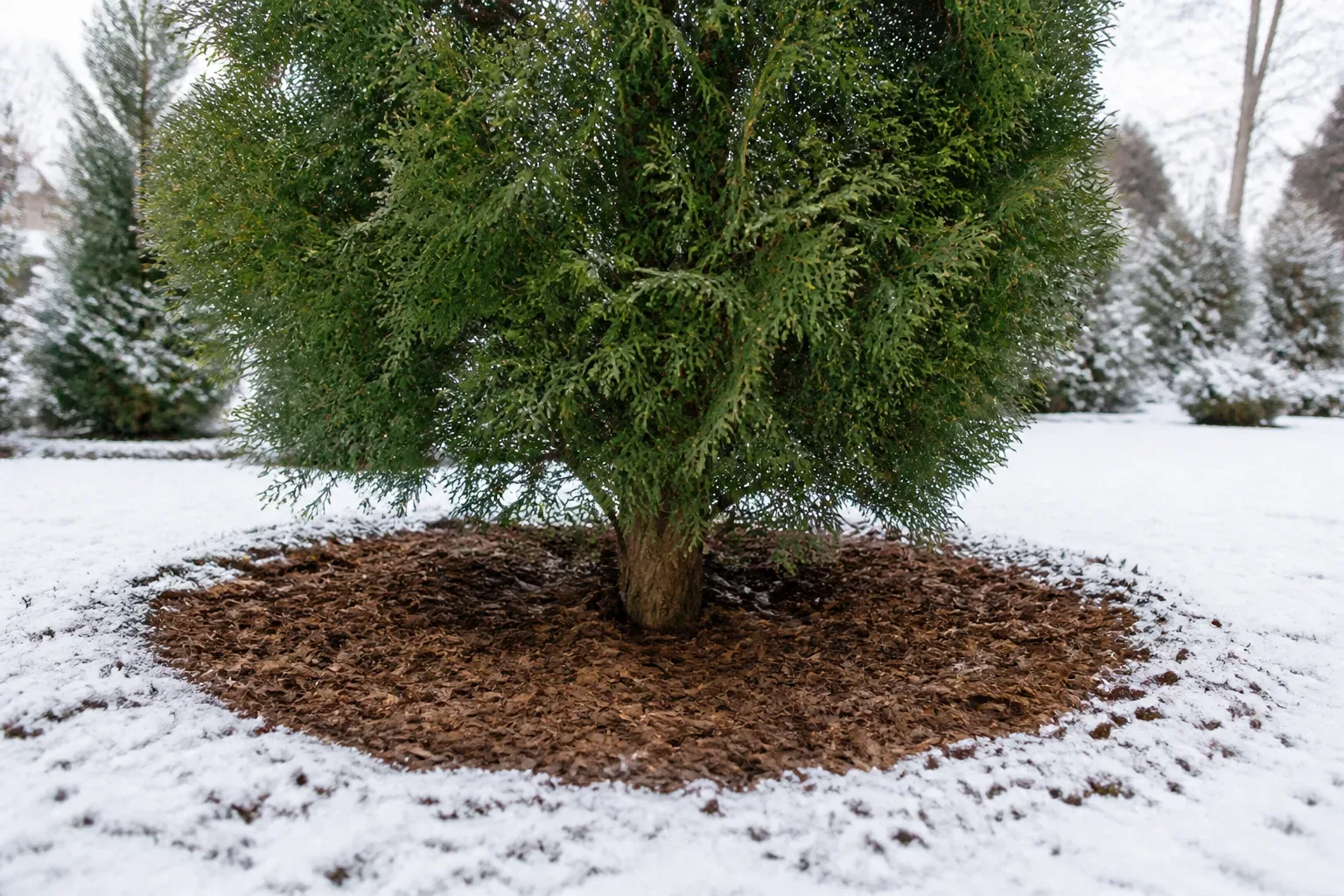
Mulch the root zone with two to four inches of shredded bark, pine needles, or compost—but keep mulch several inches away from the trunk. Piled mulch against bark invites rodent chewing and stem rot. Broadleaf evergreens such as boxwood, rhododendron, holly, and mountain laurel benefit most from insulated roots; so do shallow-rooted arborvitae hedges in exposed sites.
Water deeply during dry fall and winter thaws if the ground is not frozen, especially for plants installed within the last two years. Evergreens lose moisture through needles all winter; desiccation kills roots you cannot see long before branch dieback shows at the tips.
Wind protection matters for broadleaf evergreens on south- and west-facing walls where sun thaws foliage while frozen soil blocks water uptake. Loosely wrap vulnerable shrubs in burlap, leaving the top open for air movement—never seal plants in plastic. Anti-desiccant sprays (commercial products based on wax or pinene) can reduce moisture loss on boxwood, holly, and rhododendron leaves, but they wash off in rain and snow; treat them as a supplement, not a substitute for watering and siting.
Common Winter Pruning Mistakes
The fastest way to regret a winter afternoon in the yard is to apply one rule to every conifer on the property. Shearing a spruce or pine like a cedar hedge removes terminal buds and leaves permanent bare zones. Cutting junipers back into old wood produces the same ugly result. Topping any evergreen tree—removing the central leader—destroys natural form and creates weak, crowded regrowth.
Pruning frozen wood and during deep cold snaps
Im Growing Home recommends mild, dry days for winter pruning because frozen branches are brittle and tear instead of slicing cleanly. Extreme cold immediately after pruning can also dry out exposed cambium at the wound edge. If the forecast shows a hard freeze within a few days, postpone aesthetic cuts on living wood; deadwood removal is still worth doing.
Other frequent errors: pruning spring-flowering broadleaf shrubs (forsythia, lilac, bigleaf hydrangea) in winter and removing the flower buds; piling mulch against trunks; and assuming anti-desiccant eliminates the need to water new plantings before the soil freezes.
A Simple Decision Checklist Before You Cut
Work through these four questions before every pruning session:
- What species is it? If it is pine, spruce, fir, or Douglas-fir, limit winter work to deadwood unless you are an experienced practitioner doing minor corrective cuts.
- What is the goal? Safety and dead removal = any season. Size reduction on needle conifers = spring or summer candles and tips. Hedge shape on yew or arborvitae = late winter.
- Am I cutting into wood that can sprout? Follow a branch back until you see green needles or obvious buds. If the interior is bare on a juniper or pine, stop.
- What is the weather? Choose a dry day above roughly 20°F (–7°C) when branches are not ice-coated and no brutal cold snap follows immediately.
If you are unsure and the tree is large, consult a certified arborist for anything requiring a chainsaw off the ground. The cost of a professional structural prune is almost always less than replacing a mature evergreen you mis-timed by one season.
Conclusion
Winter pruning is a tool, not a universal rule for evergreens. Yews, arborvitae, hemlock, boxwood, and similar bud-bearing plants reward thoughtful dormant-season thinning with cleaner structure and healthier airflow. Pines, spruce, fir, and careless juniper cuts belong on a spring-and-summer calendar keyed to candles and lateral buds. Dead and dangerous wood comes off whenever you find it.
Match the month to the plant, stay inside green wood, take no more than one-third of live growth per year, and pair any pruning session with mulch, water, and wind protection where your site demands it. Get those pieces right and winter becomes one of the best seasons in the garden—not because every evergreen should be pruned then, but because the ones that can be are finally visible enough to prune well.



