Should You Prune Roses in Summer? Know What to Cut
Should you prune roses in summer? Learn when to deadhead, when to leave canes alone, and how repeat bloom, rose type, heat, and drought change the answer.
The short answer: deadhead lightly, time major cuts by rose type
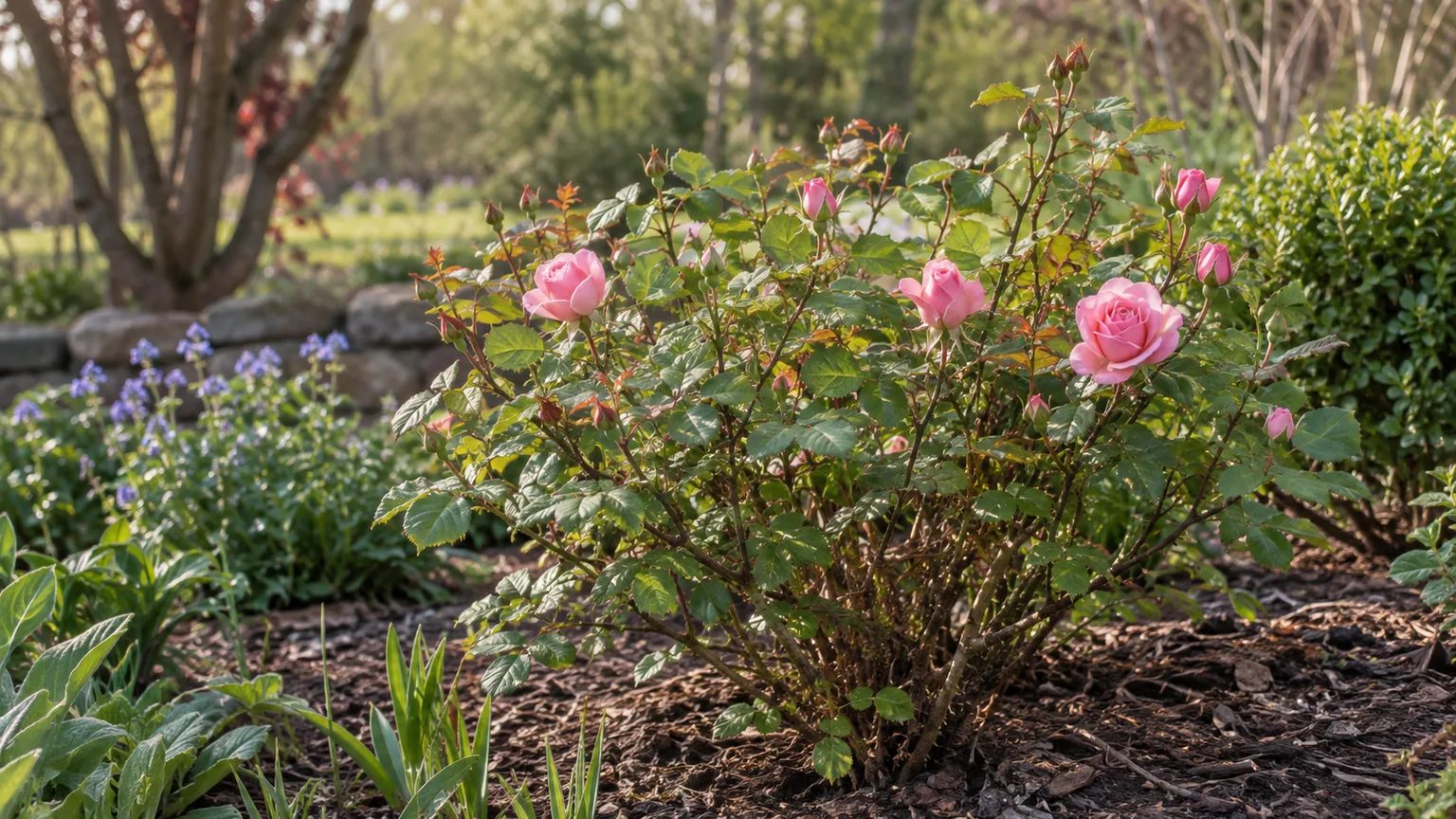
Yes, you can often tidy roses in summer, but the safe summer task is usually deadheading: removing a faded flower or finished cluster. That small cut is different from cutting back long canes or reshaping the entire shrub. Before using pruners, decide whether you want to remove a spent bloom, correct a genuine problem, or make a structural change.
For many repeat-blooming roses, remove spent flowers as they fade if you want a tidier plant or another flowering flush. Save major shaping for the season recommended for that rose type and your region. Many once-blooming roses, including many old garden roses and ramblers, bloom on older growth and are pruned after their flowering period; a late-season or dormant-season cut can remove next year’s flower-bearing wood.
Heat and drought change the decision. A healthy, well-watered rose may tolerate a few small deadheading cuts in summer, but a shrub that is wilting, newly planted, or struggling through prolonged heat should not be given an elective hard haircut. Stabilize its water supply first, and remove only wood that is dead, broken, or clearly diseased.
Deadheading and structural pruning are different jobs
Deadheading removes the flower that has finished, sometimes with a short length of stem down to a healthy leaf or side shoot. Its immediate purposes are to improve appearance, limit hip formation, and, for roses that repeat, give the plant an opportunity to make more flowers. It does not mean cutting the whole bush shorter.
Structural pruning changes the shrub’s framework. It can remove old canes, thin crowded growth, shorten long stems, and direct new shoots. That is a more consequential cut because the canes you remove may carry buds, support the plant, or hold next year’s flowers. The right date and amount depend on whether the rose flowers once or repeatedly, and on the type of rose.
The distinction helps explain why advice such as “cut roses back by one-third in summer” is not a safe universal rule. A light flower cut on a repeat-blooming hybrid tea is not equivalent to shortening an old shrub rose or a once-flowering rambler. Make the smallest cut that meets your goal, then stop and assess the plant before taking more.
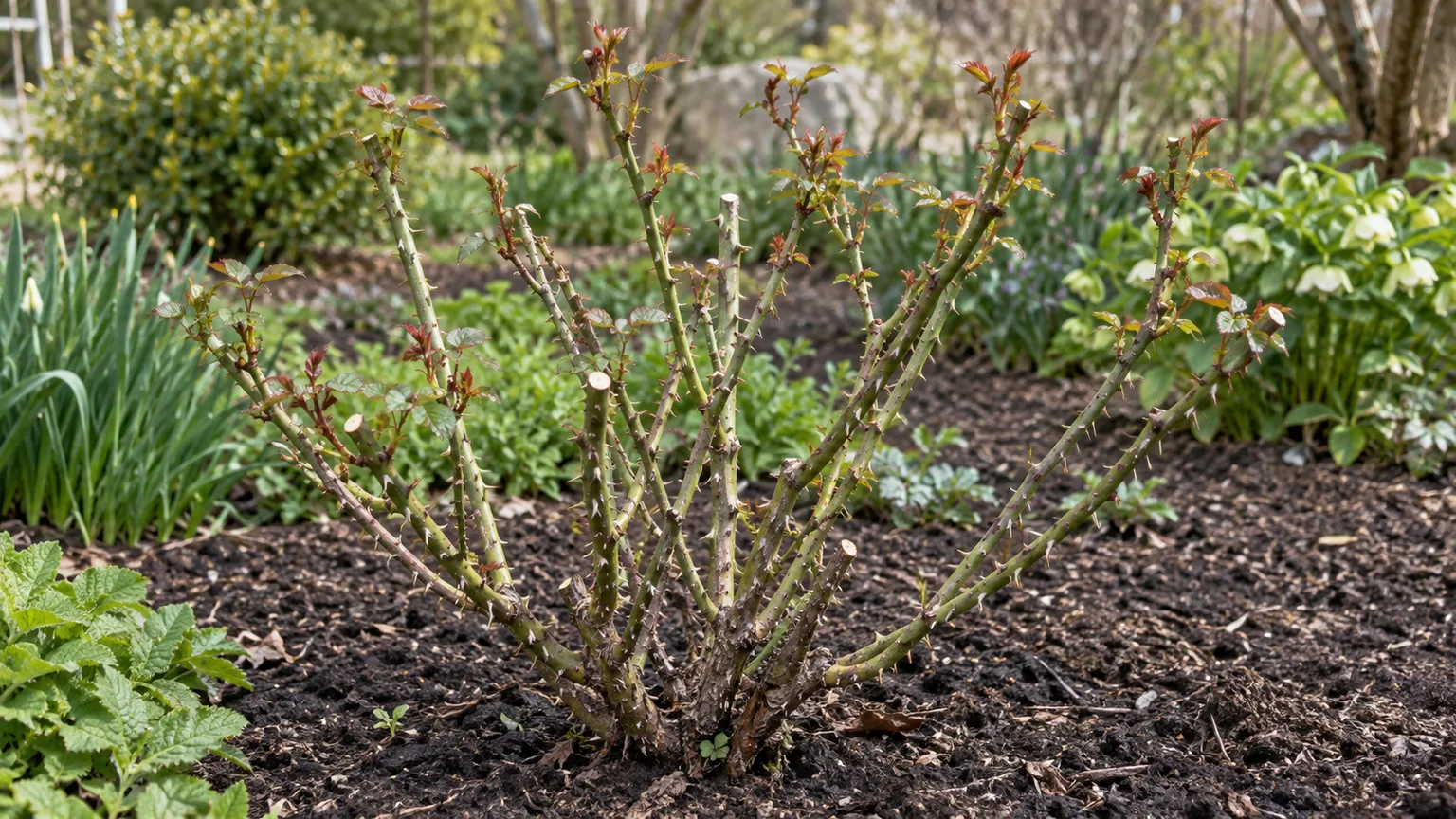
Identify the rose by how it flowers
The plant label is the best starting point. Look for terms such as hybrid tea, floribunda, modern shrub, old garden rose, climber, or rambler, then check the named cultivar’s pruning profile. Rose classes can overlap—some shrub roses climb, and some climbers have once-blooming ancestry—so the category alone does not always settle the question.
If the label is missing, watch a full growing season. A rose that produces successive waves or scattered flowers from summer into fall is likely a repeat bloomer. A rose that makes one concentrated display, then shifts toward hips and new cane growth, is likely once-blooming. The distinction matters because these plants carry flowers on different ages of wood.
North Carolina Cooperative Extension distinguishes once-blooming roses, which should generally be pruned after flowering, from repeat-blooming roses, whose structural pruning is generally done in winter. The RHS and Gardeners’ World give more specific rose-group instructions, which is why an exact cultivar profile is safer than trying to infer every rule from a flower’s appearance (North Carolina Cooperative Extension: When to Prune Roses; RHS: Rose Pruning—General Tips).
A summer rose-pruning decision table
Use the table to choose the smallest appropriate action. If you cannot identify the rose and the cut would remove healthy canes, wait until you can check the cultivar or ask a local extension service or rose society.
| What you see | Better summer choice | Why |
|---|---|---|
| A faded flower on a healthy repeat bloomer | Deadhead to a healthy leaf joint or side shoot | This is a light cleanup cut; it may support another flush without reshaping the plant. |
| One finished cluster with other buds still opening | Remove only the faded flowers first; cut the cluster stem when all flowers finish | You preserve unopened buds and avoid removing active bloom. |
| A healthy once-blooming rose after its display | Prune after flowering only if the variety’s profile calls for it | Its main bloom may come from older canes that should not be cut at the wrong time. |
| A long, woody cane with no obvious problem | Leave it until you confirm the rose type and pruning window | A cane can be part of the framework or hold next season’s flowers. |
| A wilted shrub during heat or drought | Pause elective cuts; water deeply when appropriate and mulch | Stress limits recovery and new growth may be vulnerable to weather. |
| A dead, snapped, or diseased cane | Remove the affected portion with clean tools when practical | Sanitation and safety can justify a targeted cut outside the main shaping season. |
This is a decision aid, not a promise that a summer cut will create more flowers. Some roses rebloom readily; others flower once regardless of how neatly you deadhead. The plant’s health, sunlight, water, disease pressure, and cultivar all affect the result.
How to deadhead repeat-blooming roses
Start by checking whether the flower is truly spent. A bloom is ready when its petals have faded, browned, or started to fall, and the stem has no unopened buds that you want to keep. On a multi-flowered spray, individual blossoms may fade at different times, so you do not need to remove the entire spray just because its first flower is past.
Follow the fading flower’s stem down to a healthy leaf joint or a side shoot that points in a useful direction. Make a clean cut just above that growth point, angled slightly away from the bud so water does not sit on it. The RHS advises keeping cuts close to a bud and directing the cut away from it; this principle applies to deadheading as well as larger pruning cuts (RHS: Rose Pruning—General Tips).
On roses grown for repeat flowers, the goal is to remove the spent bloom without stripping healthy foliage. Leaves power the plant’s growth, so do not cut down to bare wood unless a rose-specific instruction calls for it. A widely repeated “cut to the first five-leaflet leaf” shortcut can be a useful cue on some roses, but it is not a rule for every variety or every stem; use the nearest strong, healthy leaf joint that fits the plant’s shape.
After the cut, take a moment to check for new buds, rubbing branches, dry soil, and signs of stress. If the shrub is healthy and the weather is moderate, continue selective deadheading as flowers fade. If it is hot and dry, keep the cut minimal and focus on consistent root-zone moisture rather than trying to force a new flush.
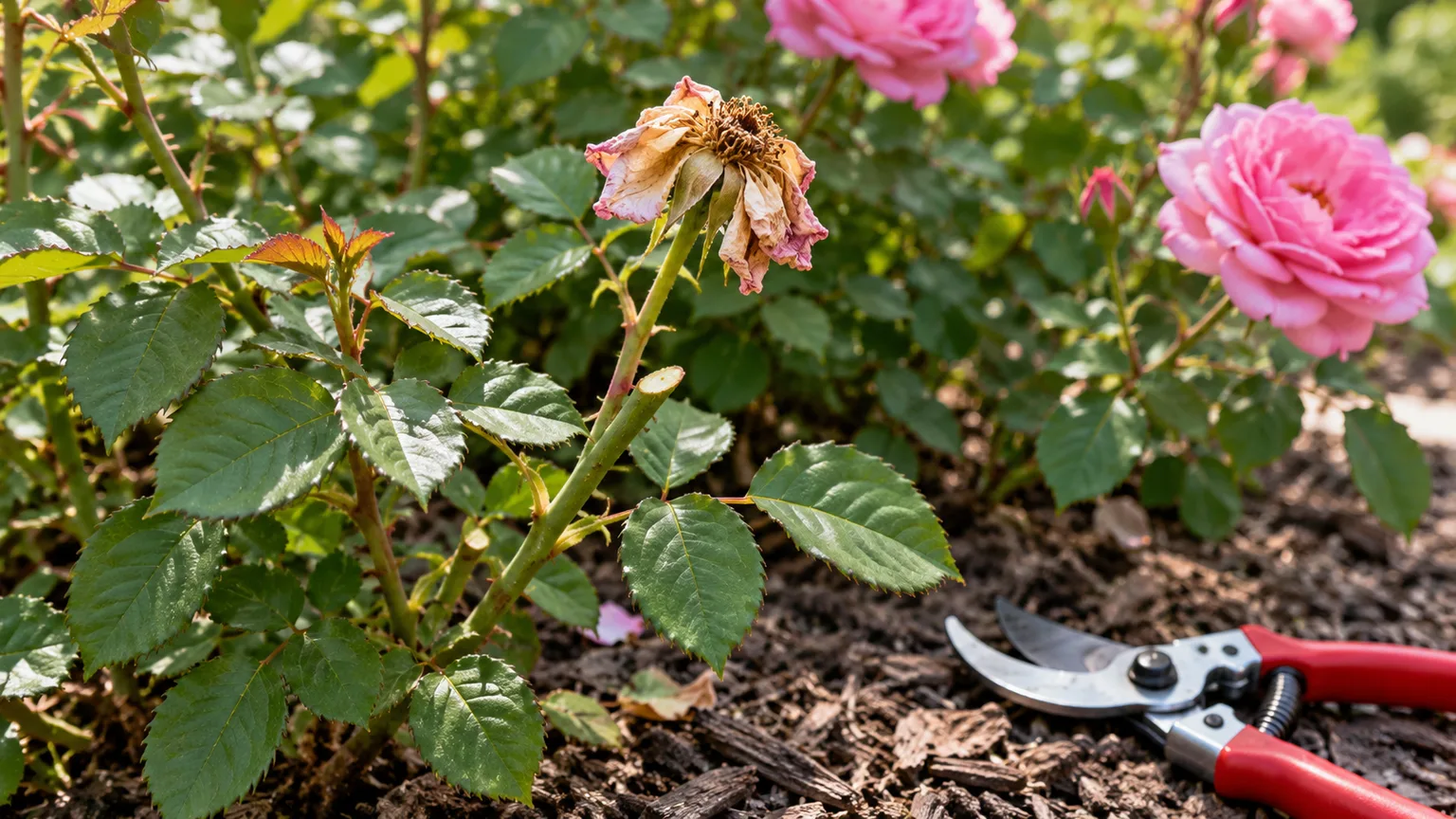
Adjust the cut for single flowers and clusters
Hybrid tea roses often carry one large flower on a stem, while floribundas tend to produce several flowers in a cluster. The difference affects how you handle the spent bloom. With a single flower, remove the flower head and enough stem to reach a healthy outward-facing leaf joint; avoid leaving a long bare stub that will die back or spoil the shape.
With a cluster, snip individual blooms as their petals fade if you want to keep the remaining buds on display. Once the whole cluster has finished, remove the spent cluster stem to a strong leaf or branching point. Gardeners’ World describes this staged approach for multi-flowered roses and recommends cutting a single spent flower back to a healthy leaf rather than removing an arbitrary amount of the bush (BBC Gardeners’ World: How to Deadhead Roses).
Do not remove green buds just to make the shrub look uniform. If a spray is still opening, wait; if some blossoms are brown and others are fresh, take only the faded ones. A few days of uneven flowers are usually less costly than cutting off the display you were hoping to keep.
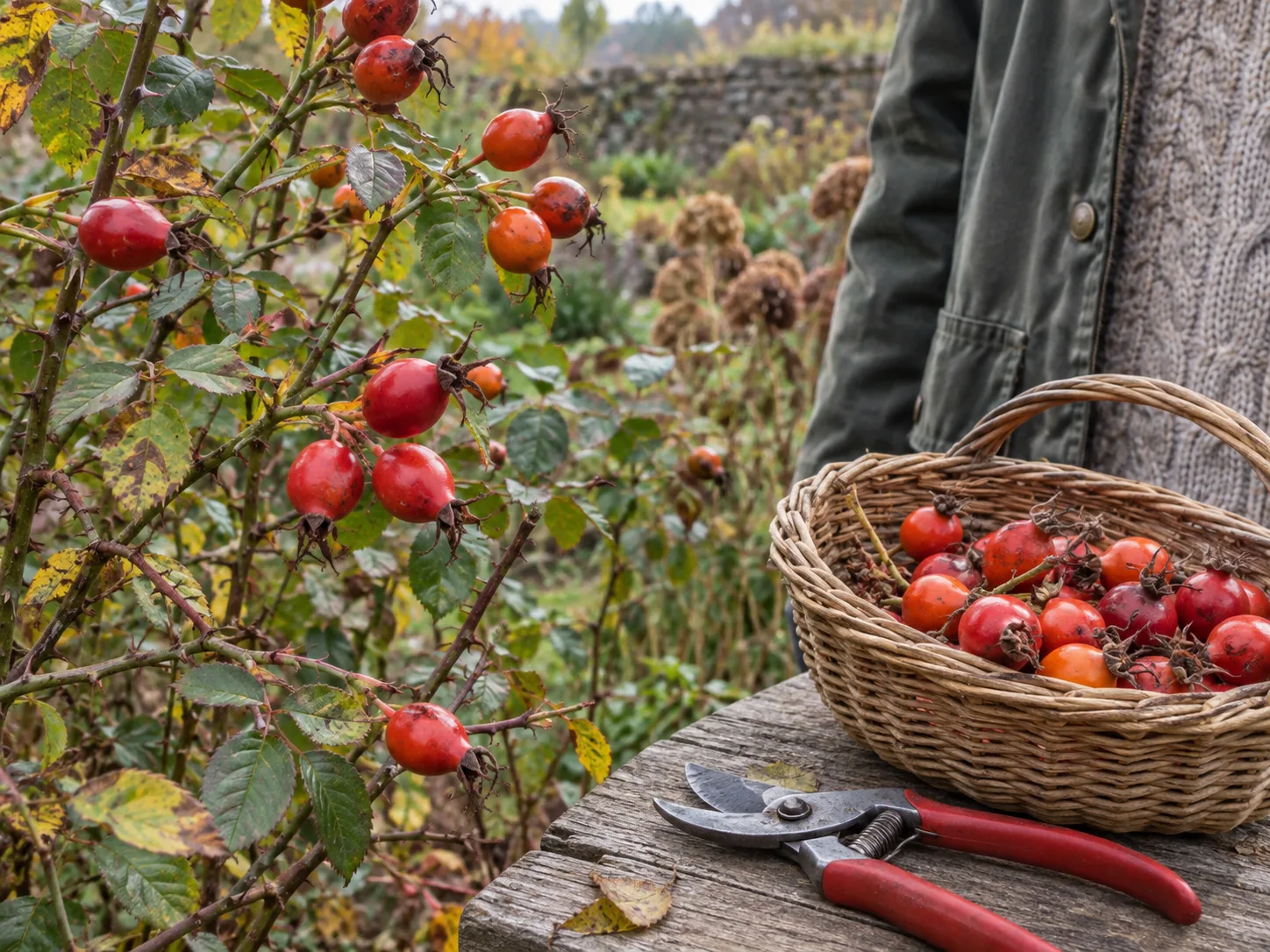
Deadheading is optional when your goal is hips or seed. Many roses form decorative rose hips after flowering, and wildlife may use them. Leaving the last flush to set hips can be a reasonable seasonal choice, especially on a rose that flowers once; it trades a tidier look or possible repeat bloom for the fruit and seed display.
When once-blooming roses should be pruned
Many once-blooming roses flower on canes made in a previous season. Pruning those canes before flowering can remove the buds you were waiting for. For many old garden and species roses, the useful structural window is shortly after the main bloom has finished, while there is still time for the plant to produce and mature replacement growth.
That does not mean every rose with one flush should be cut hard as soon as its petals drop. Some cultivars need little routine pruning, and some ramblers produce better from selective renewal than from shortening every stem. Remove a small number of the oldest, least productive canes at the base only when the plant’s profile supports that approach; preserve young, healthy canes that may carry future flowers.
If you only want the bush to look tidier, deadhead faded blossoms and leave the framework intact. If you want to reduce size, renew an overgrown shrub, or train a rambler, use the specific pruning instructions for that rose and finish after its flowering period. A summer cleanup cut and a renovation cut are not interchangeable.
Climbers, ramblers, and shrub roses need different timing
Climbing and rambling roses are easy to confuse because both send long canes along a support, but their flowering habits often differ. Many ramblers produce one abundant flush on growth from earlier seasons; many climbing roses repeat, flowering on side shoots along a permanent framework. Do not prune a rose simply because it is tall or attached to a fence.
For many repeat-flowering climbers, keep the main framework and shorten side shoots at the recommended dormant-season window. For many once-blooming ramblers, prune after flowering, when the old flowered stems can be selectively removed and new canes retained for the next display. The RHS keeps separate profiles for climbers and ramblers because a single “rose pruning” method would miss those differences (RHS: Rose Pruning—General Tips). Gardeners’ World also distinguishes winter shaping for repeat-flowering climbers from post-bloom pruning for many once-flowering ramblers (BBC Gardeners’ World: How to Prune Roses).
Modern shrub and English roses commonly repeat flower and usually benefit from shaping during the dormant or late-winter period rather than a hard summer cut. Hybrid teas and floribundas also repeat, but they are often pruned more firmly in late winter to manage their shape and encourage vigorous flowering stems. RHS guidance for hybrid teas and floribundas places the main prune in late winter to early spring, with local timing adjusted for the onset of growth (RHS: Floribunda and Hybrid Tea Rose Pruning).
If your rose’s exact class is unclear, do not turn this general comparison into a hard-cut prescription. Use summer to note its bloom pattern, remove finished flowers conservatively, and identify the cultivar before the main structural pruning window arrives.
Why heat and drought can make pruning a poor choice
Pruning stimulates a response: the rose may push new shoots from buds below the cut. During a mild, adequately watered stretch, that response may be useful. In extreme heat or prolonged drought, the same cut can ask a stressed plant to grow when it is already conserving water and protecting leaves from heat.
If the leaves droop in the afternoon but recover by morning, check the soil before assuming the shrub needs a cut. Water slowly at the root zone when the soil is dry, then recheck; a light surface sprinkle can wet the top while leaving deeper roots thirsty. Keep mulch a few inches from the crown and canes, and avoid adding more fertilizer as a reflex when the actual problem is dry soil or heat.
Wait on elective shaping if the rose is newly planted, wilting through the morning, dropping leaves, or growing in a container that dries rapidly. Remove a faded flower if it is easy to reach and the plant otherwise looks healthy, but leave strong canes and useful foliage alone. Resume more substantial work after the plant has recovered and the weather is less severe.
There are exceptions. A broken cane can be a hazard, and diseased or dead wood may need prompt removal to prevent further damage. Make that targeted cut back to healthy tissue with a clean tool, then stop; do not use a small necessary cleanup as a reason to reshape the whole shrub in a heat wave.
What a summer cut can—and cannot—do for next year
Deadheading can help a repeat-blooming rose look fresh and may support additional flowers during the current season. It cannot turn a once-blooming rose into a repeat bloomer, guarantee a stronger display next spring, or fix a shrub that lacks sunlight, has poor drainage, or is chronically stressed. It is one small part of rose care, not a shortcut around the plant’s natural flowering cycle.
The bigger influence on next year’s flowering is whether the rose enters dormancy healthy and retains the right framework and flower-bearing wood for its type. A late or overly severe cut can encourage tender growth at the wrong time in some climates or remove canes that would otherwise bloom. The exact risk depends on the rose and local winter pattern, so local extension or cultivar-specific advice should guide a major cut.
Think of the summer pass as housekeeping and observation. Removing a few spent blooms lets you see how the rose flowers, where new shoots emerge, whether old canes are unproductive, and whether water stress is developing. Record the cultivar and take a quick photo of the shrub before winter; that makes it easier to prune deliberately when the correct window arrives.
A safe summer rose-care routine
Use a short check rather than a full pruning session. First, look at the whole shrub from a few feet away and decide whether it is healthy enough for any elective cutting. A rose with green leaves, firm canes, and steady moisture can usually handle selective deadheading; one that is wilted or recently planted should receive basic care before more cuts.
Next, identify the flower you want to remove. On a repeat bloomer, cut a single spent flower or finished cluster to a healthy leaf joint. On a once-blooming rose, decide whether you want to leave hips; if not, remove the faded flower for appearance without taking long healthy canes. Keep unopened buds, young replacement shoots, and leaves.
Finally, step back after each few cuts. Look for balance and stop when the dead blooms are gone or the immediate problem is addressed. If the shrub needs height reduction or major renewal, mark the issue for the rose’s proper pruning season rather than continuing because the pruners are already out.
This routine is especially useful for gardeners with several rose types in one bed. Label each rose or keep a small map: one repeat-blooming hybrid tea, one climbing repeat bloomer, and one old once-bloomer can sit side by side but need different structural timing. The notes prevent the most common timing mistake—treating every rose as if it flowers on the same age of wood.
What to do with dead, damaged, or diseased canes
Deadheading is not the only reason to use pruners in summer. Remove a cane that is broken by wind, rubbing hard against another, or clearly dead. If a cane is diseased, cut back to healthy tissue and dispose of the infected material rather than leaving it under the bush; clean the blades before working on another rose.
Check whether a cane is truly dead before cutting it out. Scratch a very small spot on the bark with a clean fingernail or blade: green tissue beneath the surface suggests the cane is alive, while dry brown tissue may indicate dead wood. Do not use this test on multiple places or wound a healthy cane unnecessarily; if it is borderline, wait for new growth or consult a local rose group.
For dieback, make a cut below the visibly affected portion into sound tissue, then inspect the pith and remaining stem. If the discoloration continues down the cane, keep moving lower in small increments until the cut surface appears healthy. If the whole cane is affected, remove it at its origin without cutting into the crown or damaging neighboring canes.
Targeted sanitation is different from routine shaping because the goal is to remove a specific problem. A single dead cane can come out without shortening the remaining healthy framework. Finish that job, clear the debris, and postpone any optional size reduction until you know the rose’s type and the local pruning window.
Tools and cut placement that protect healthy growth
For flower stems and most small canes, use sharp bypass pruners that make a clean slicing cut. Dull blades crush tissue and can leave ragged ends that are harder to inspect. Wear thorn-resistant gloves, keep the other hand out of the cane’s path, and avoid grabbing a stem above the cut where a thorn can catch your wrist.
Place a cut close to a healthy bud or leaf joint without injuring it. A slight angle directs water away from the bud; a long, blunt stub can die back, while a cut that is too close can damage the bud. The RHS recommends a clean cut roughly a quarter inch above a bud for rose pruning, but the exact cut point depends on the stem and the kind of work being done.
If a cane is thicker than your pruners can cut cleanly, use an appropriately sized lopper or pruning saw. Do not twist or force the tool through a cane; that can split the remaining stem. Clean soil and plant debris from blades after use, and sanitize them when moving away from suspicious disease tissue.
Tool cleanliness matters most when you have seen a potential disease issue, not because every deadheading snip needs a lengthy sterilizing routine. A dry, clean blade and deliberate cuts are usually enough for ordinary grooming. If rose disease is recurring, combine sanitation with better spacing, removal of fallen leaves, and the disease-specific guidance from a local extension service.
Common rose-pruning mistakes to avoid
The first mistake is confusing “prune” with “deadhead.” Cutting every rose down in July because a few flowers have faded can remove healthy foliage, active buds, or the framework a rose needs. Decide the cut’s purpose before you start, and do not shorten an entire cane to solve a flower-only problem.
The second is pruning by month without checking the rose or your weather. Calendar advice written for one region may fall before growth begins in one garden and after buds have opened in another. Use the cultivar profile and local growth cues; for structural work, late winter often means the period just before active growth, not necessarily the same numbered month everywhere.
The third is removing every spent bloom even when hips are part of the plan. If you want rose hips, wildlife value, or a natural late-season look, leave some flowers to develop fruit. You can deadhead the front of the bush for appearance and leave the rest, so the choice does not need to be all or nothing.
Another common error is making a hard cut on a visibly stressed rose. Heat, drought, recent transplanting, and root disturbance all argue for conservative care. Water and stabilize first, then prune only what has a clear reason to go. Also avoid assuming that fertilizing will compensate for a poorly timed hard cut; it cannot restore buds or canes already removed.
What to do when you do not know the rose variety
Start with low-risk maintenance. Remove dead flowers selectively, clear broken or unmistakably dead wood, and leave healthy long canes in place. A few weeks of observation can reveal whether the rose repeats, flowers in one flush, or sends blooms on side shoots from a framework.
Search for a label, receipt, planting plan, or old photo that includes the variety name. If there is no record, compare the flower and growth habit with a local rose society or extension service rather than using a photo match alone; many cultivars look alike, and the correct pruning group is not always obvious from bloom color.
For an unknown shrub rose at the main pruning season, use only conservative general guidance: remove clearly dead, damaged, crossing, or very weak stems, then shorten the remaining growth lightly until you have seen how it responds. The RHS provides cautious advice for unknown roses, but even that guidance says to use specific profiles where possible (RHS: Rose Pruning—General Tips). If an old rose has a single major flush, assume that hard summer cuts could sacrifice future flowers until you confirm otherwise.
Use regional growth cues instead of one calendar date
Rose pruning calendars are often written for a particular country or climate. For example, UK guidance commonly places many bush roses in late winter to early spring, with the date shifting between southern and colder northern areas. That does not translate directly to every U.S. or Canadian garden, where winter severity, elevation, and spring growth can differ.
Watch for the rose’s dormant period ending and buds beginning to swell. In many climates, the main structural prune is made as the worst cold has passed but before strong new growth is underway. Your local extension service can adjust that window for regional frost risk and rose types; North Carolina Cooperative Extension’s guidance, for instance, is regional advice rather than a worldwide calendar.
For once-blooming roses, the post-flowering window is tied to when that particular rose blooms, so the same cultivar may flower at different dates in different climates. For repeat bloomers, deadhead while flowers fade through the growing season, then wait for the locally appropriate dormant-season structural prune. Separate those two timings in your garden notes.
If an unusually warm spell brings early growth, do not automatically perform a full prune simply because a calendar says it is “late winter.” Check the near-term forecast, the cultivar guidance, and whether the buds have started to push. When unsure, delay a hard cut rather than removing healthy canes without a clear reason.
Conclusion: make the small cut now and save shaping for its window
Summer rose care is usually about precision, not a big haircut. Deadhead faded flowers on healthy repeat bloomers if you want a cleaner shrub or a possible next flush, leave hips when they serve your garden, and avoid structural pruning until the rose’s type and local timing support it.
When heat, drought, or uncertainty enters the picture, choose the conservative cut. Protect healthy canes and leaves, remove only a specific problem, and use the coming weeks to identify the variety and learn its flowering habit. That gives you a better chance of keeping this season’s display while preserving the growth that will support next year’s flowers.