5 Shrubs You Shouldn't Prune in February
Learn which shrubs to leave alone in February, when each can be pruned safely, and how to remove dead, diseased, or storm-damaged wood without sacrificing flowers.
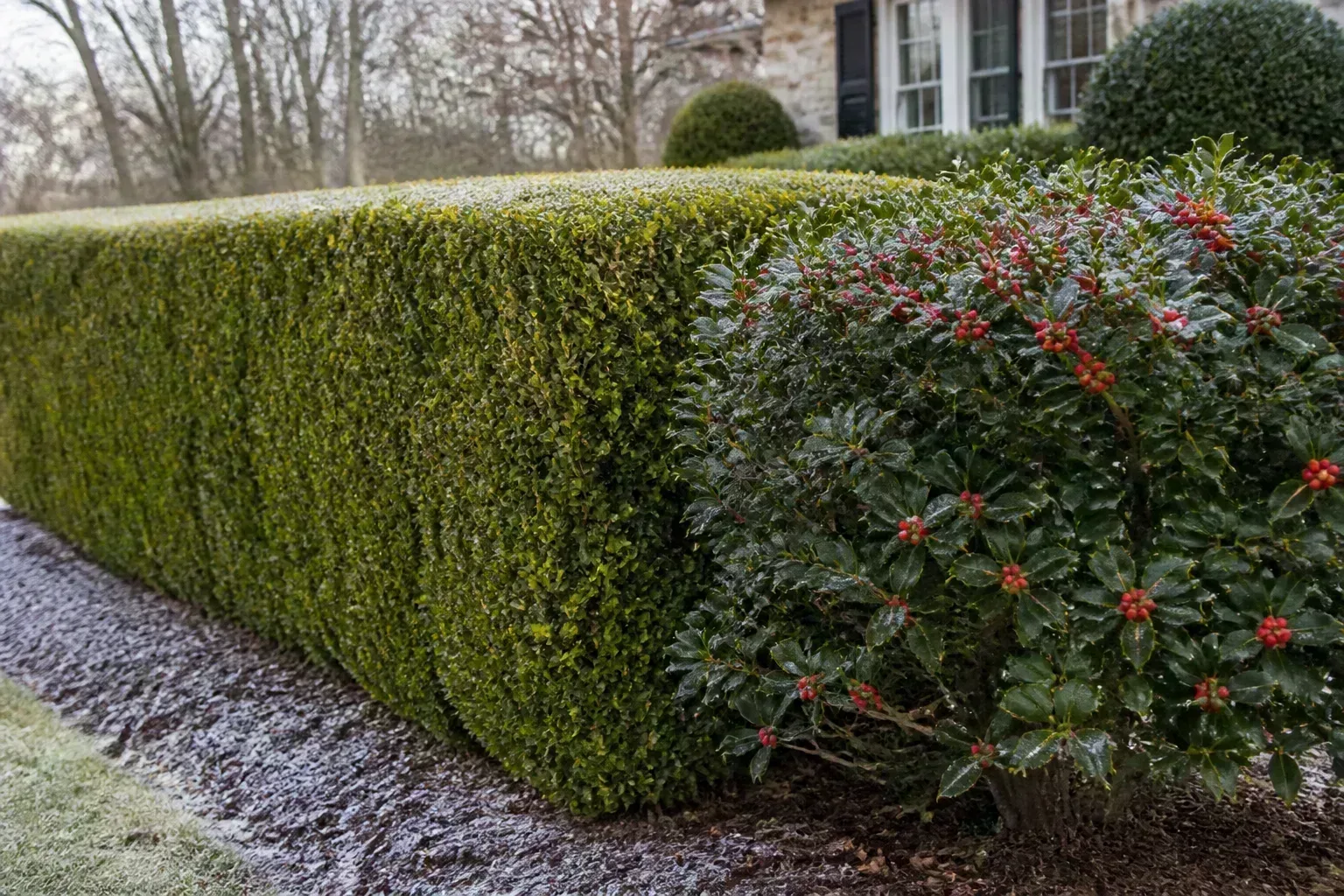
February is a tempting pruning month because many deciduous shrubs are bare and the garden finally feels manageable. But a bare branch can be carrying next season’s flowers, and an evergreen can hide its most important buds inside a dense green shell. Before you make a shaping cut, identify the shrub and ask where it makes its flower buds.
The safest default for the five groups below is simple: do not resize or shear a healthy plant in February unless you know it blooms on new wood and your local weather has passed the worst cold. You can still remove dead, diseased, broken, rubbing, or dangerous wood. That distinction protects flowers without leaving a storm-damaged shrub unsafe.
The short answer: postpone shaping, not every cut
Gardenias, bigleaf and oakleaf hydrangeas, loropetalum, spring-flowering broadleaf evergreens such as pieris, and unidentified evergreens are poor candidates for a routine February shape-up. Many have already formed buds on last season’s growth, so cutting live stems now can remove the flowers you were waiting for.
That does not make February a forbidden month for every shrub. Smooth and panicle hydrangeas bloom on new wood and can usually be pruned in late winter or early spring. A dead limb, a branch split by snow, or wood rubbing against a roof is a different job from cosmetic pruning and can justify immediate attention.
| Shrub or group | February decision | Safer routine window | Main reason to wait |
|---|---|---|---|
| Gardenia | Remove only clear damage | Just after the main bloom flush | Existing buds can be cut off, and cold protection matters |
| Bigleaf or oakleaf hydrangea | Leave live stems alone | Immediately after flowering | Next summer’s buds are on older wood |
| Loropetalum | Skip shaping | After the spring flowers fade | Spring buds formed on last season’s growth |
| Flowering evergreen, including pieris | Remove hazards only | After flowering or the species’ spring window | Flower buds may be opening soon |
| Unknown evergreen | Do not shear or reduce size | Identify the species first | Some tolerate early pruning; others do not |
The two questions to ask before you cut
First, what is the pruning goal? Removing a broken branch, stopping a branch from striking a window, and taking out a cankered stem are health or safety work. Making a shrub shorter, rounder, or less crowded is shaping and can wait on a bud-sensitive plant.
Second, when does this shrub flower, and on which wood? A spring-flowering shrub often carries its display on older stems. A summer shrub that flowers on new shoots may be a legitimate late-winter candidate. If you cannot answer those questions from the plant tag or a reliable species guide, limit yourself to obvious dead or damaged wood until the plant is identified.
Why February can cost you a season of flowers
Pruning is not automatically stressful because it happens in winter. Dormancy can be an excellent time to see a plant’s framework and prune some species before spring growth begins. The problem is using the dormant-season rule on a shrub that already has its flower buds in place.
The University of Georgia Cooperative Extension separates spring bloomers from summer bloomers: spring-flowering plants generally should be pruned after they bloom, while many summer-flowering plants can be pruned in late winter. Its guidance also makes an important exception for dead or diseased wood, which can be removed at any time. February is therefore a useful window for some shrubs, not a universal appointment for the whole yard.
The other risk is a false spring. A mild spell can wake buds or push tender shoots, followed by a freeze that damages the new growth. On an evergreen, a hard cut can also expose bare interior wood that will not refill quickly. Timing should follow the plant’s flowering habit and your weather, not the calendar alone.
Old wood, new wood, and the bud test
Old wood means stems that grew in the previous season or earlier. The plant formed the flower buds on those stems before winter, so a February cut removes potential flowers. Bigleaf hydrangeas, oakleaf hydrangeas, loropetalum, and pieris fit this pattern in ordinary garden conditions.
New wood means shoots produced during the current growing season. Shrubs in this group form flowers after spring growth begins, so late-winter pruning can be useful before the new shoots emerge. Panicle and smooth hydrangeas are familiar examples, but the cultivar and local climate still matter.
Use the bud test as a pause button, not as a complete identification method. Swollen, plump buds on a spring-flowering shrub are a strong reason to wait; tiny leaf buds on a new-wood shrub do not by themselves prove that pruning is safe. If you see a plant that is waking early, delay a major cut until you know what it is and whether another freeze is likely.
Gardenias: protect the buds already set
Gardenia (Gardenia jasminoides), also called cape jasmine, is an evergreen shrub that usually needs less pruning than gardeners give it. Its glossy leaves can make it look untidy when a few shoots run long, but a February haircut can remove flower buds that formed before winter.
The University of Arkansas Cooperative Extension gardenia guidance advises pruning soon after the shrub blooms because the buds for the next flowering period are already set. It also cautions that fall pruning can remove some winter protection in cold conditions. That is a better rule for most home gardenias than “prune whenever the weather is mild.”
If the plant is healthy, wait until the main bloom flush has finished, then make selective thinning cuts. Remove a whole overlong or badly placed branch at its origin rather than repeatedly clipping every shoot tip; the goal is to preserve the natural framework while opening a little space. If your gardenia flowers more than once, make the cut as light as possible and accept that heavy size reduction may cost a later flush.
Do not confuse winter browning with a dead branch before you cut. Scratch a small area on a questionable twig or wait for new growth to reveal what survived. Clear storm breakage, truly dead wood, or a branch pressing against a structure can be removed now, but do not use damage cleanup as an excuse to reshape the rest of the shrub.
Bigleaf and oakleaf hydrangeas: identify the type first
Bigleaf hydrangeas (Hydrangea macrophylla) include the familiar mophead and lacecap forms. Oakleaf hydrangea (Hydrangea quercifolia) has large, lobed leaves and cone-shaped flower clusters. Both can look like a bundle of bare sticks in winter, which is exactly why February is a dangerous time to prune them by appearance alone.
These hydrangeas set flower buds on older wood. The RHS hydrangea pruning guide recommends leaving established mophead and lacecap stems largely intact, removing only one or two of the oldest stems at the base when renewal is needed. The University of Arkansas guidance likewise places bigleaf and oakleaf hydrangea pruning immediately after flowering, when the plant has time to grow and set the next season’s buds.
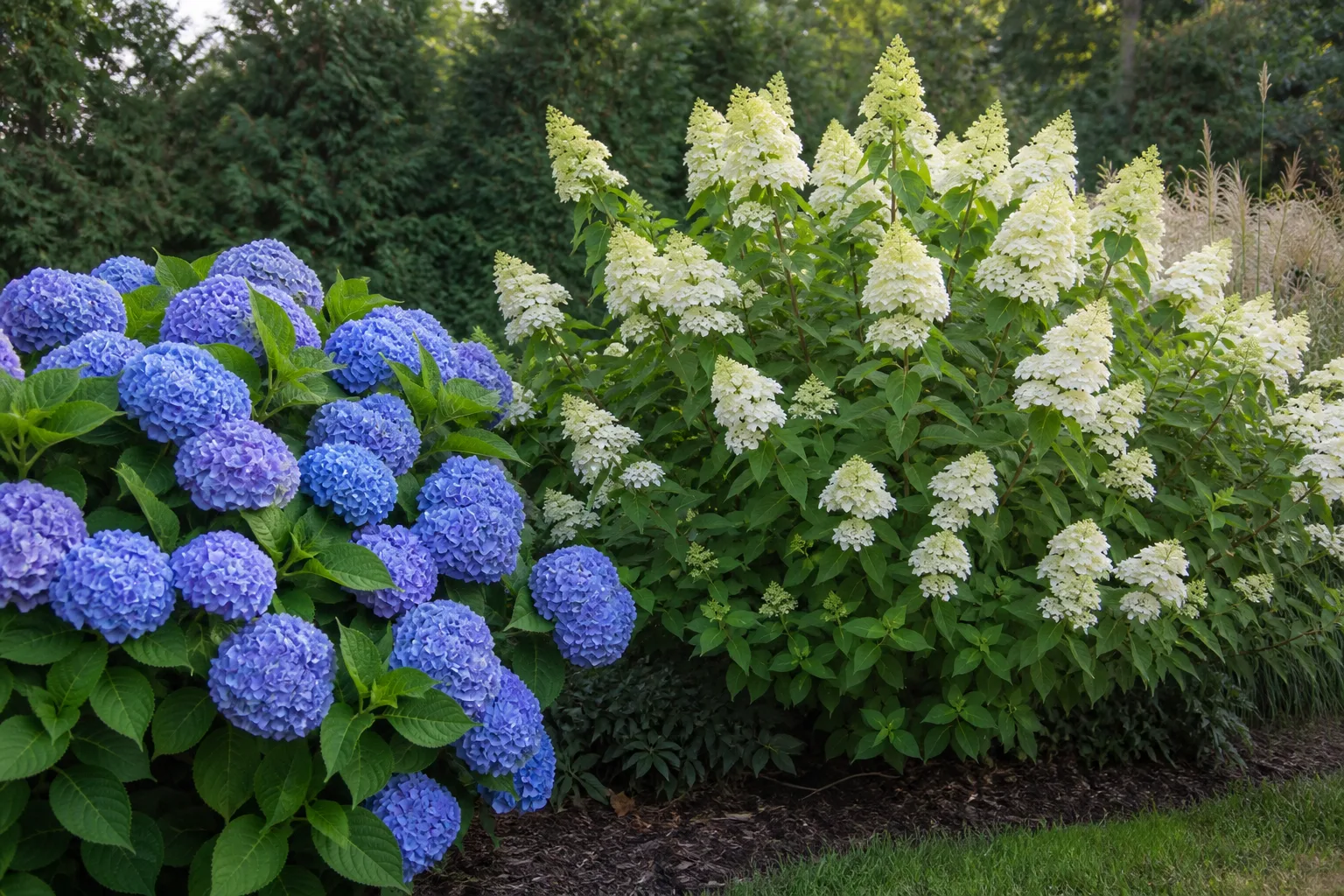
For a healthy plant in February, leave the woody stems and last year’s flower heads unless they are broken or creating a problem. In cold areas, old mophead flowerheads can provide a little protection to tender buds below them; the RHS recommends removing them in early spring by cutting to the first strong pair of buds. If you need to reduce size, take out a small number of older canes at ground level after flowering rather than cutting every cane at the same height.
The hydrangeas that are exceptions
Smooth hydrangea (Hydrangea arborescens) and panicle hydrangea (Hydrangea paniculata) bloom on new wood. They can generally be pruned in late winter or early spring before new growth begins, after the most damaging cold has passed. The RHS guide notes that both types can be cut back to a framework of healthy buds for stronger flowering, although heavy pruning changes the plant’s height and stem strength.
This is where plant labels matter. A “hydrangea” in a garden center is not a pruning instruction. Reblooming bigleaf cultivars may flower on both older and current-season growth, but treating them as completely interchangeable with panicle hydrangeas is still a good way to lose the first flush. If the label is missing, preserve the older stems and take only necessary damage out until the flowers or new growth help confirm the type.
For a deeper overview of the differences between hydrangea types, use the hydrangea care guide. For this February decision, remember the short version: bigleaf and oakleaf means protect old stems; smooth and panicle means late-winter pruning may be appropriate.
Loropetalum: wait for the spring flush
Loropetalum (Loropetalum chinense), or Chinese fringe flower, is an evergreen shrub with colorful foliage and ribbon-like flowers that often arrive in late winter or spring. Its natural shape is loose and arching, so it is easy to mistake normal growth for a plant that needs to be clipped into a mound.
February pruning is risky because the shrub’s spring display is carried on older growth. The practical advice from Southern Living Plants is to wait until spring after flowering; its horticulture writer Kim Toscano also recommends thinning cuts and limiting size reduction to roughly one-quarter to one-third at a time. Gardening Know How similarly places pruning after bloom and notes that autumn cuts can reduce the next season’s flowers.
When the flowers fade, begin with dead branches and broken tips. Then remove a few of the oldest or most awkward stems at their point of origin, stepping back after each cut to check the form. A compact cultivar may need no size pruning at all; if a standard loropetalum repeatedly outgrows its site, replacing it with a smaller cultivar is more sustainable than cutting it back hard every year.
If a loropetalum has suffered a storm break, remove the damaged section for safety and leave the rest of the flowering framework alone. A few missing branches are easier for the plant to hide than a whole shrub reduced to an even, leafless outline.
Broadleaf evergreens and conifers: don’t shear the shell
“Evergreen” describes what a shrub does with its leaves, not when it should be pruned. Boxwood, holly, yew, arborvitae, camellia, azalea, rhododendron, pieris, and conifers have different growth habits and different abilities to produce new shoots from older wood.
The RHS evergreen shrub guide says most established evergreen shrubs need little or no regular pruning and generally places routine work in mid- to late spring, or after flowering. It groups early-flowering evergreens such as pieris, camellia, azalea, and rhododendron with plants that should be left alone until after their flowers fade.
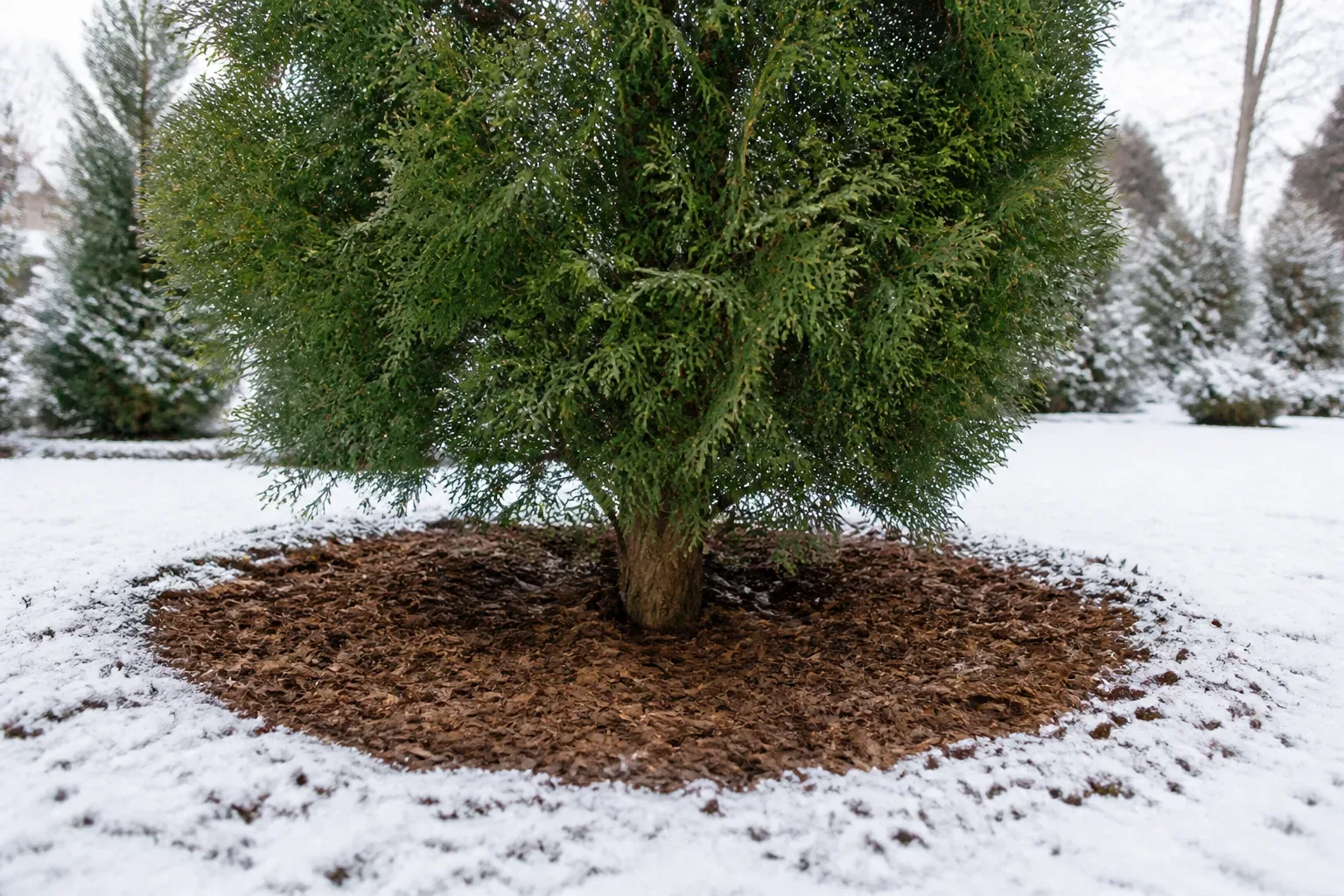
The reason to avoid a February shear is not just lost flowers. Repeatedly clipping the outside of a dense evergreen creates a green shell that shades the interior. If you then cut through that shell into bare wood, recovery may be slow or incomplete. A natural shrub is usually better maintained with a few thinning cuts than with a flat pass over the surface.
Boxwood, holly, yew, and arborvitae need different timing
A formal hedge can have a different pruning schedule from a specimen shrub of the same species. Boxwood, holly, and yew may tolerate shaping, but the ideal timing depends on the cultivar, climate, and whether you want a formal edge or natural form. Arborvitae and juniper produce new growth mainly at their tips, so a cut into leafless interior wood can leave a permanent bare patch.
This is one area where reputable guidance is intentionally not identical. The RHS generally favors mid- to late spring for evergreen shrubs, while Colorado State University Extension places juniper and arborvitae pruning in early spring before new growth, provided the weather is not subzero. The practical conclusion is not that one source is wrong; it is that “evergreen” is too broad a label for a universal February rule.
If you do not know the species, do not reduce its size in February. Remove only dead, broken, or hazardous wood, identify the plant, and choose a mild, frost-safe window that fits its growth habit. If you are maintaining a hedge, wait until the new growth has emerged enough to show where the plant is actively growing, then make light, even cuts rather than reaching into bare wood.
Pieris: prune after the bell-shaped flowers fade
Pieris (Pieris japonica), sometimes called Japanese pieris or lily-of-the-valley shrub, is an evergreen that can be carrying flower clusters while the rest of the garden still looks asleep. Its dangling white or pinkish flowers are a late-winter-to-spring feature, and its buds formed on last season’s growth.
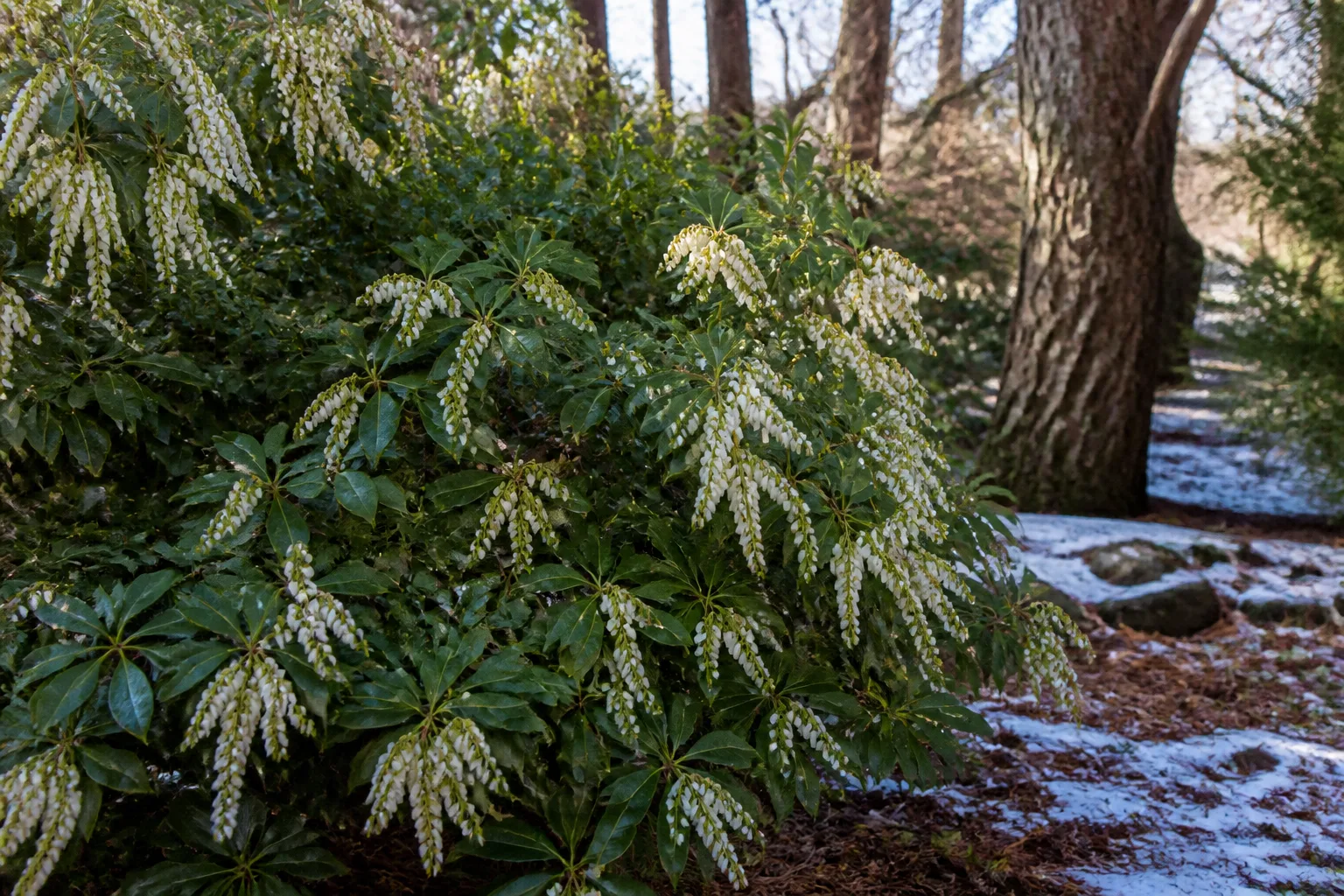
The University of Washington Elisabeth C. Miller Library gives the simplest rule: prune pieris in spring after it has finished flowering. It recommends removing dead, diseased, or awkward growth first and says that up to one-quarter of live foliage can be removed without endangering the plant. The RHS also places pieris among early-flowering evergreens that are pruned after flowering.
In February, look but do not shape. If the shrub is healthy, let the flower clusters open and fade. Afterward, thin crowded or badly placed stems from the inside outward, and keep the cuts modest; pieris usually looks better with its layered form preserved than with every branch shortened to the same line.
If a late freeze damages emerging flowers, wait until the extent of the damage is clear before cutting. Remove brown, broken, or collapsing tissue back to healthy wood, but avoid stripping live green growth simply because it looks less attractive for a few weeks.
What you can safely remove in February
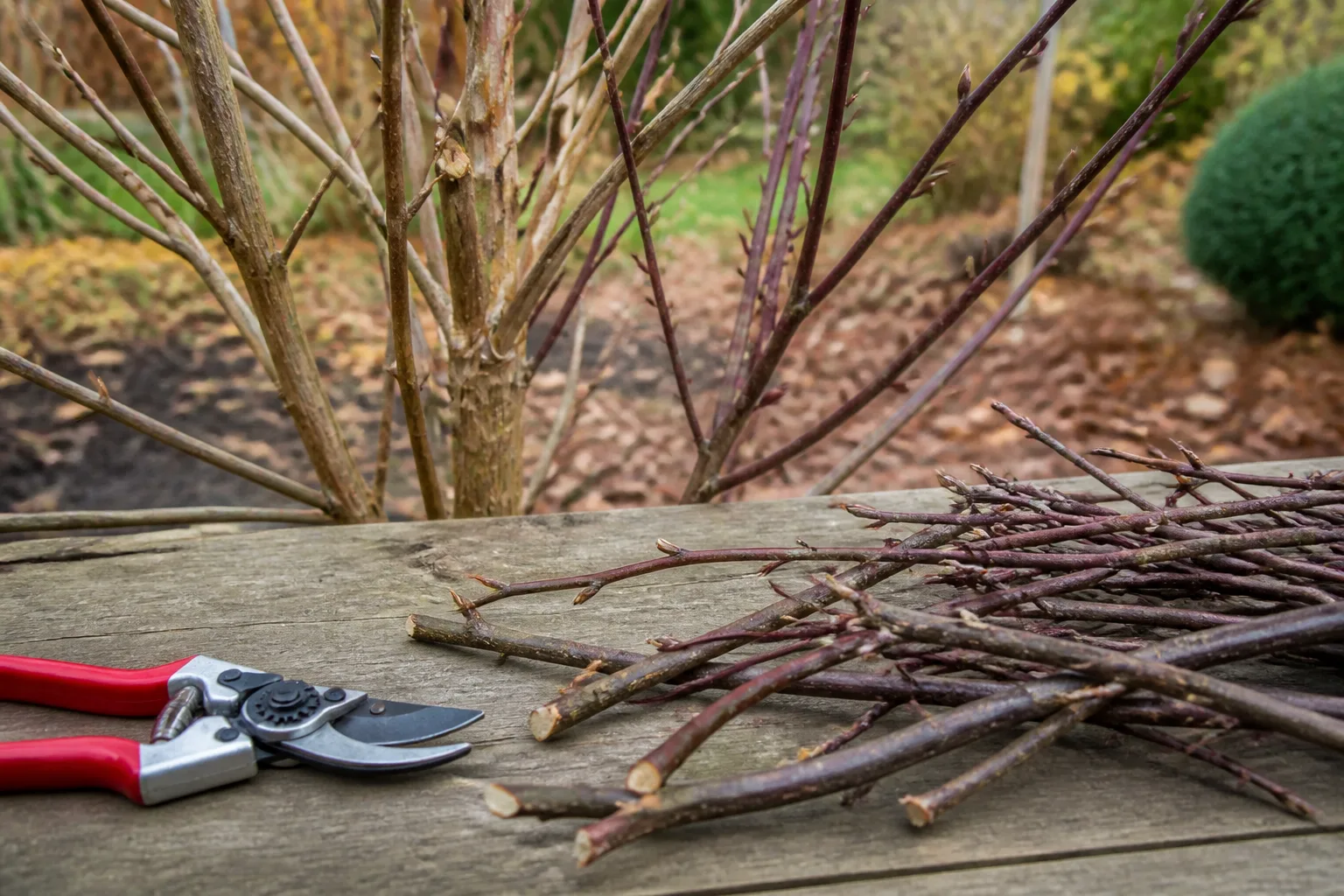
February is a good month for inspection even when it is not a good month for shaping. Walk around the shrub and remove material that is unquestionably dead, broken, diseased, rubbing, or dangerous. Follow a dead branch to its point of origin when possible instead of leaving a stub that can become a weak attachment.
On questionable wood, use restraint. A hydrangea cane that looks lifeless in winter may still contain viable buds, and a gardenia may show cold injury without being dead all the way back. If the cut is not necessary for health or safety, wait until new growth makes the boundary between living and dead tissue easier to see.
Use clean, sharp tools and keep diseased cuttings away from healthy plants. UGA recommends cleaning pruning tools and sanitizing them with 70 percent isopropyl alcohol between uses; it notes that repeated use of a 10 percent bleach solution can corrode tools. Plan the work for a mild, dry day rather than cutting wet or frozen wood.
Storm damage is a safety exception
Storm damage changes the decision because a split limb can keep tearing, fall on someone, scrape a structure, or become an entry point for decay. Remove a small broken branch as soon as conditions are safe, but do not make a second “balancing” pass over the shrub just because one side now looks uneven.
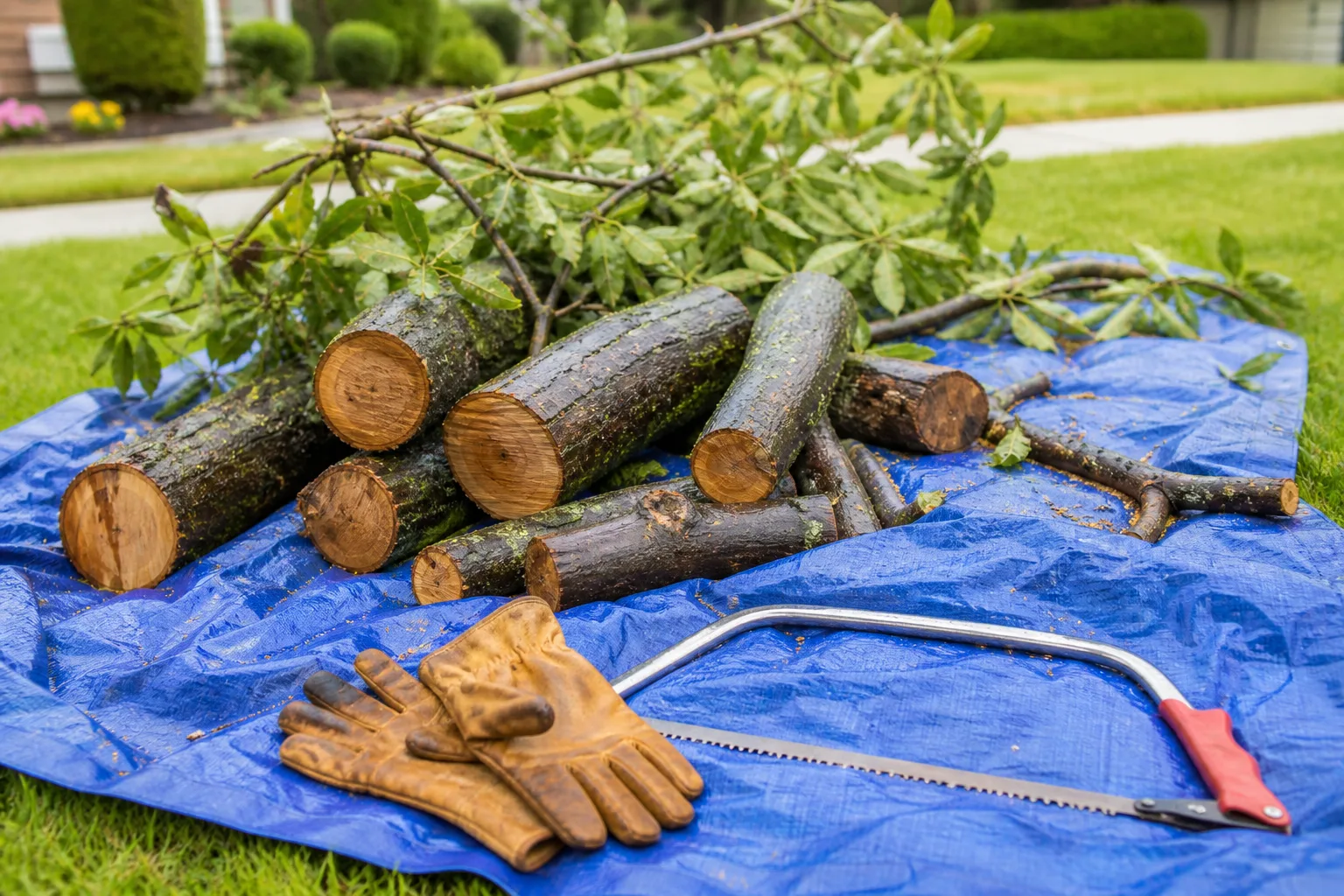
For a branch that is too heavy to cut in one step, use a three-cut sequence: make a small undercut, remove the branch weight with a second cut farther out, then make the final cut just outside the branch collar or branch bark ridge. Both UGA’s pruning explanation and CSU’s evergreen guidance stress protecting this swollen area and avoiding a flush cut against the trunk or main stem.
Stop and call a qualified arborist if the limb is large, under tension, near a power line, above a roof or walkway, or high enough to require a ladder. A flower bud is never worth a preventable injury. When a storm has torn a branch from a gardenia, hydrangea, loropetalum, evergreen, or pieris, safety and clean removal come first; cosmetic shaping can wait for the plant’s proper window.
How to make a clean cut without creating a bigger problem
For routine shrub pruning, learn the difference between a thinning cut and a heading cut. A thinning cut removes an entire branch back to its origin or to a larger side branch. It preserves a natural outline and is usually the better choice for gardenias, loropetalums, pieris, and flowering evergreens.
A heading cut shortens a branch and leaves buds or side shoots below the cut. It can create dense regrowth and is useful for some hedges or new-wood shrubs, but repeated heading on an informal evergreen produces a crowded outer shell. Do not use it as a shortcut for making a large old shrub instantly smaller.
Before each cut, find the branch collar or the raised bark ridge around the attachment. Leave that tissue intact, cut just outside it, and do not leave a long stub. If you are removing a thick limb, the three-cut method prevents the branch’s weight from tearing bark below the final cut.
The amount matters as much as the location. On a healthy, established shrub that truly needs shaping, make a few deliberate cuts, step back, and stop before the plant loses its framework. The one-third guideline is a useful ceiling for many routine size reductions, not a target; old-wood bloomers and slow-growing evergreens often deserve much less.
What to do instead while you wait
Use February to identify every shrub in the bed. Photograph the leaves, buds, bark, and last year’s flowers, then check the plant tag, cultivar name, or a local extension reference. “Hydrangea,” “evergreen,” and “fringe flower” are starting points, not enough information for a hard cut.
Mark the correct pruning window on a calendar based on an event rather than a fixed date: after the gardenia’s main bloom, after the hydrangea flowers fade, after loropetalum finishes its spring flush, and after pieris flowers finish. This calendar travels better across regions because bloom time shifts with climate.
You can also clean and sharpen tools, inspect supports, clear branches from paths, and remove leaves or debris that are visibly diseased. Check mulch depth without piling it against stems, and make sure winter protection is not trapping wet material against the crown. Those jobs improve the plant’s odds without forcing new growth at the wrong time.
If a shrub is too large for its space every year, solve the design problem instead of making progressively harder cuts. A smaller cultivar, a better planting location, or professional renovation over several seasons is usually kinder than repeated shearing into old wood.
A simple after-flowering pruning calendar
The dates below are deliberately event-based. A warm coastal garden, a cold inland garden, and a container-grown shrub can reach the same flowering stage weeks apart.
| Plant | Return to pruning when | First live-wood move |
|---|---|---|
| Gardenia | After the main bloom flush | Thin one overlong or badly placed branch at its origin |
| Bigleaf hydrangea | As flowers begin to fade | Remove one or two oldest canes at the base if size or renewal requires it |
| Oakleaf hydrangea | As white flowers fade toward tan | Thin older canes; avoid a blanket top cut |
| Loropetalum | After the spring flower display | Remove dead wood, then thin up to about one-quarter to one-third if needed |
| Pieris | After the bell-shaped flowers finish | Remove dead or awkward stems, then lightly thin crowded growth |
| Panicle or smooth hydrangea | Late winter or early spring before new growth | Cut last year’s shoots back to healthy buds, if the cultivar and climate suit it |
| Other evergreens | Species-specific spring or post-flowering window | Start with deadwood, then use light thinning rather than a blind shear |
Keep the shrubs-to-prune-in-fall guide nearby as a reminder that timing is plant-specific in every season. A calendar can tell you when to inspect; the shrub’s flowering habit tells you when to cut.
Common February pruning mistakes to avoid
Pruning every shrub because it is dormant. Dormancy makes the framework easier to see, but it does not erase flower buds already formed on older wood. Use the dormant-season advantage only on plants whose growth habit supports it.
Treating all hydrangeas alike. A panicle hydrangea can accept a late-winter cut while a bigleaf hydrangea may lose its summer flowers. Confirm the species or cultivar before choosing the pruner setting.
Cutting a flowering evergreen into bare wood. Boxwood, holly, yew, arborvitae, and other evergreens do not all refill old wood equally. If you cannot see green growing points behind the cut, do not assume the bare interior will recover.
Using the calendar instead of the weather. A February date does not make frozen wood safe to cut or tender regrowth safe from a late freeze. Choose a mild, dry working day and postpone major cuts when a hard freeze is approaching.
Removing everything that looks dead. Winter makes live buds and stems look unpromising. When a branch is not hazardous, wait for scratch-test evidence or spring growth before removing it.
Fixing storm damage by reshaping the whole shrub. Make the minimum clean cut needed to remove the hazard. An uneven outline can be corrected after flowering; a lost framework cannot be put back.
Conclusion: wait on shaping, act on damage
The five shrubs in this guide are not all equally fragile, and February is not equally wrong for every climate or cultivar. The reliable rule is to protect older stems on shrubs that flower from last season’s wood, identify new-wood exceptions before pruning, and reserve immediate cuts for dead, diseased, broken, rubbing, or dangerous branches.
Put the shears down, inspect the buds, and write the plant’s real pruning window on the calendar. When the flowers finish, return with clean tools and a thinning-first plan; you will keep more of the shrub’s natural shape and more of the bloom display you planted it for.