Hydrangea Care Tips: Water, Soil, Pruning
Learn hydrangea care tips for bigger blooms: identify your type, plant at the right time, water deeply, adjust soil pH safely, and prune without removing next year's flowers.
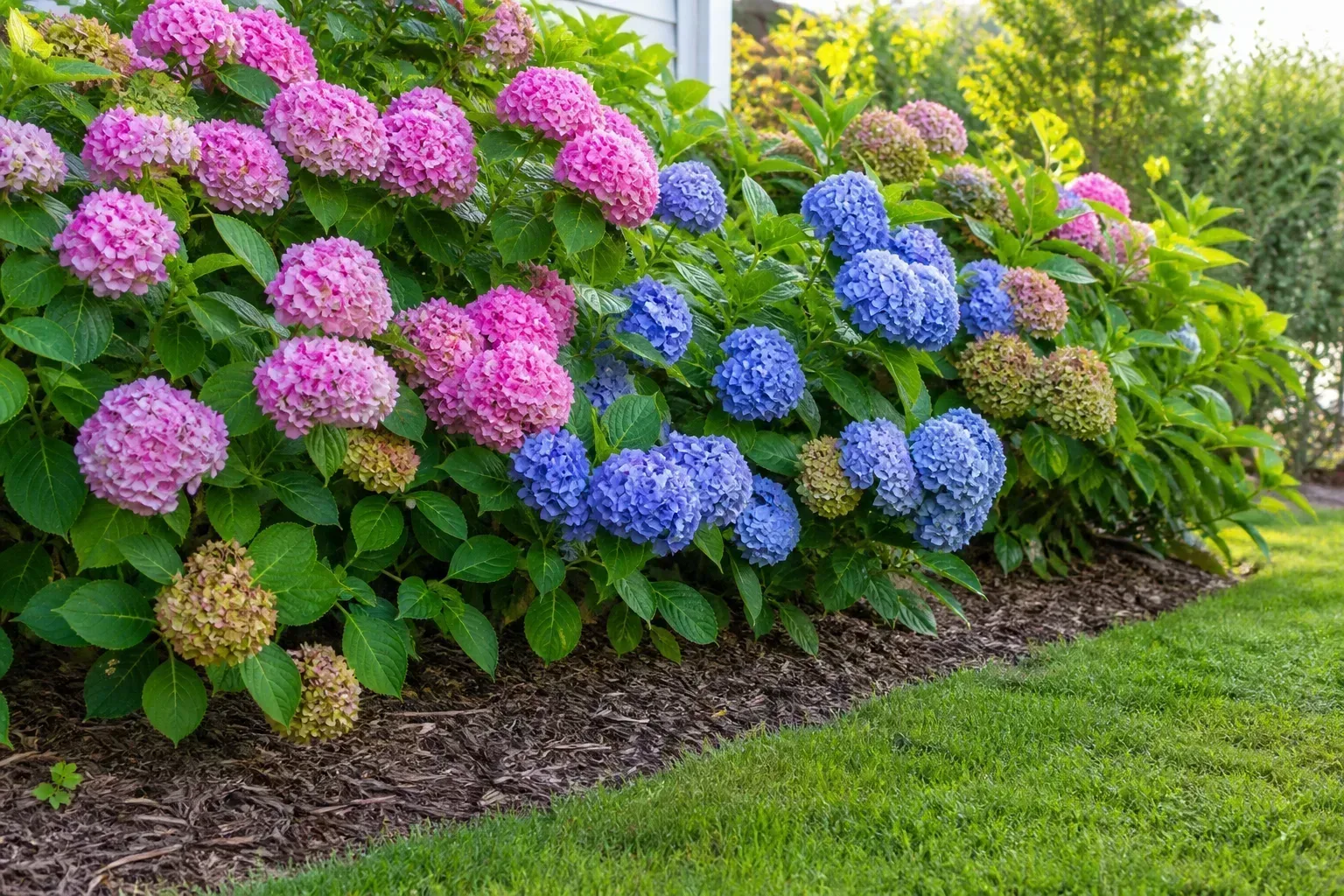
The fastest way to bigger, healthier hydrangeas is not a secret fertilizer or a louder watering schedule. It is matching care to the hydrangea you actually have. A panicle hydrangea in full sun and a bigleaf mophead in afternoon shade follow different rules for light, pruning, and bloom timing. Get the type wrong and even perfect soil will not save next summer’s flowers.
This guide pulls together hydrangea care tips extension services repeat year after year—planting windows, moisture, pH, feeding, and pruning—plus the decision rules generic articles skip. If your shrub wilts every afternoon, read our guide on keeping hydrangeas from going limp. If it leafs out but never flowers, see why hydrangeas stop reblooming.
Why Most Hydrangea Problems Start With a Name Mix-Up
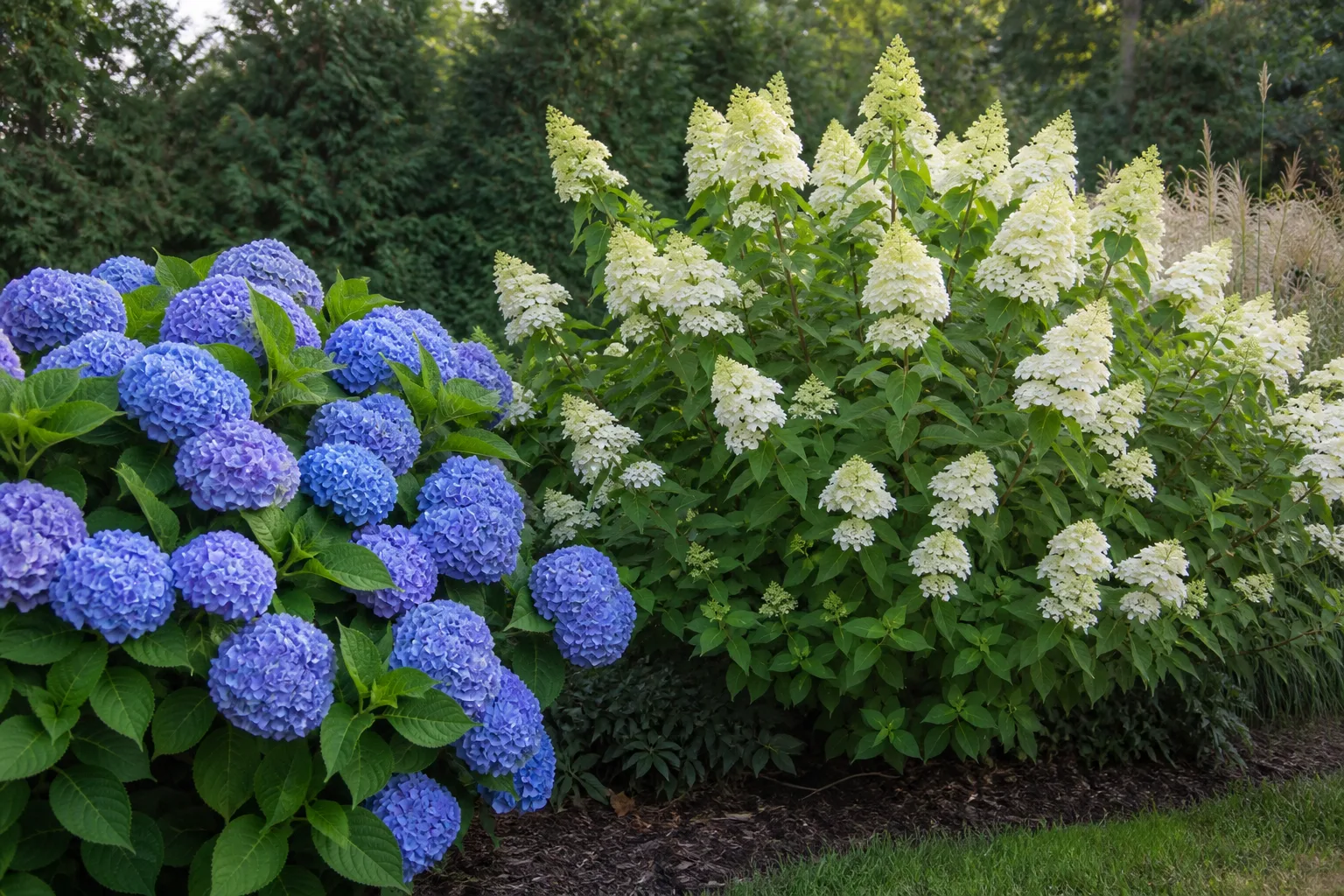
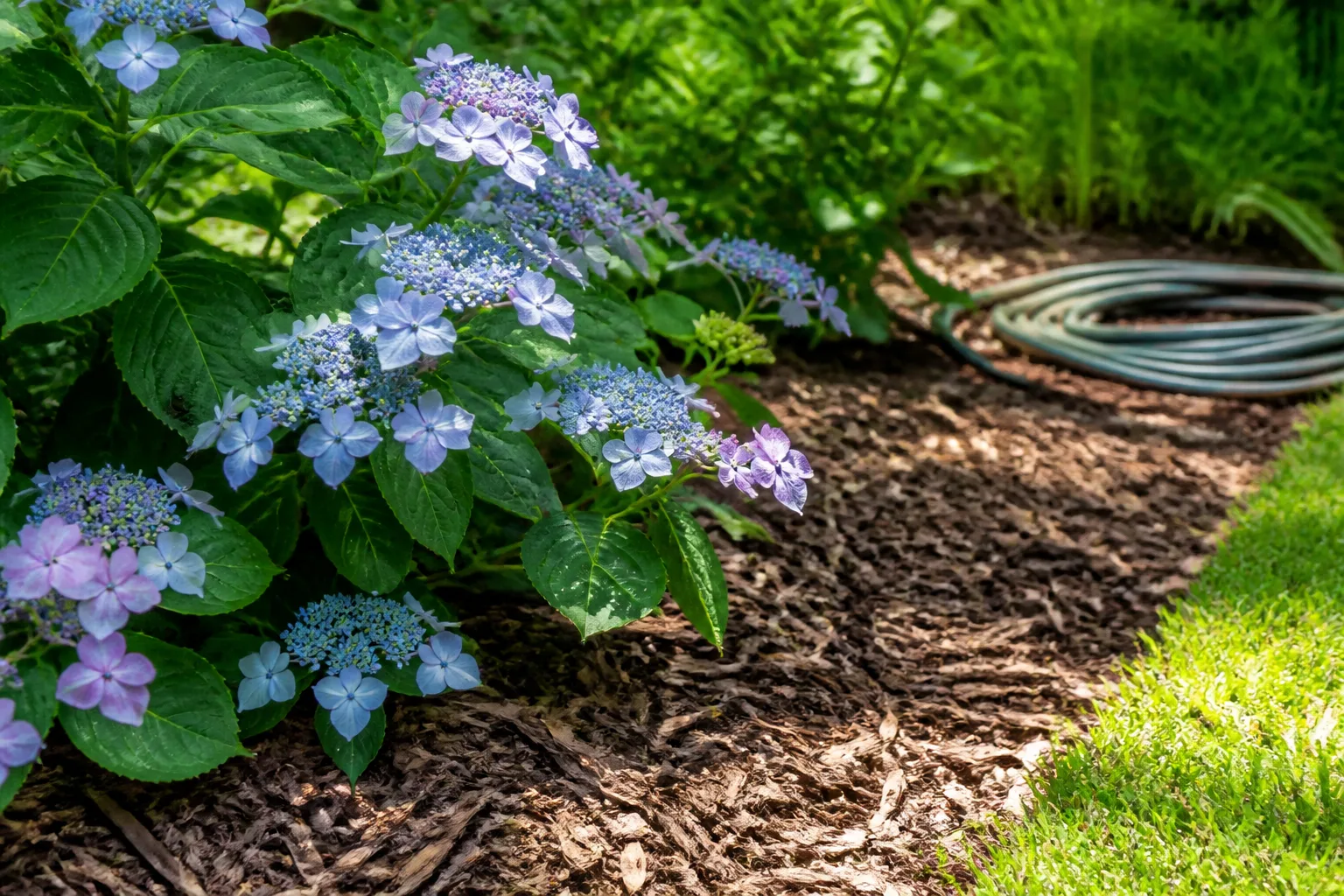
“Hydrangea” covers shrubs that look similar in a nursery bucket but behave very differently in the ground. Rounded blue or pink mopheads and flat lacecaps are usually bigleaf hydrangea (Hydrangea macrophylla). Cone-shaped white-to-pink panicles point to panicle hydrangea (H. paniculata). Large round white heads on flexible stems often mean smooth hydrangea (H. arborescens, including ‘Annabelle’). Oak-shaped leaves and pyramidal white blooms signal oakleaf hydrangea (H. quercifolia).
Before you change water, lime, or pruners, confirm the species from the label, flower shape, and leaf form. Cultivar names matter too: reblooming bigleaf types such as Endless Summer and Let’s Dance flower on both old and new wood, which changes when you can safely cut.
Old-Wood vs New-Wood Blooming
Old-wood hydrangeas set many flower buds on stems that grew the previous season. Bigleaf mopheads and lacecaps, oakleaf hydrangeas, and most mountain hydrangeas fall here. A hard prune in fall or spring can delete an entire year of blooms even when the plant looks healthy.
New-wood hydrangeas bloom on shoots made during the current growing season. Panicle and smooth hydrangeas belong in this group. They forgive late-winter shaping, though that still does not make random summer cuts harmless. The University of Connecticut hydrangea guide lays out a simple rule: if your shrub blooms on old wood, prune as flowers fade and stop by midsummer; if it blooms on new wood, prune in fall, winter, or early spring before buds swell.
The Best Time to Plant Hydrangeas in Your Climate
Cool, moist soil helps roots spread before heat or frost stress arrives. Early spring and fall are the two reliable planting windows for most of the U.S., but the better choice depends on your climate. In northern regions, spring planting gives roots a full growing season before winter. In hot southern summers, fall planting lets roots establish during mild weather ahead of the next year’s heat.
Dig a hole only as deep as the root ball and two to three times wider, keeping the top of the root ball level with the soil surface. Backfill with native soil amended with compost rather than a dense “planting mix” pocket that holds water against the roots. Water thoroughly at planting, then mulch 2 to 3 inches deep over the root zone while keeping mulch off the crown.
When to Avoid Summer Planting
Mid-summer planting is the riskiest window. New shrubs transpire heavily in heat and cannot yet reach deep moisture, so they wilt fast and may abort flower buds. If you must plant in summer, choose a cloudy week, water deeply at planting, shade the plant for several days, and expect to irrigate more often for the rest of the season. Container-grown gift hydrangeas sold for holidays are a separate case—they are often less winter-hardy than nursery stock and may need extra protection their first year outdoors.
Light and Location: Match the Shrub to the Site
Bigleaf hydrangea performs best with morning sun and afternoon shade, especially where summers run hot and dry. The North Carolina Extension bigleaf hydrangea profile notes that dappled shade or deep shade can work, but too much shade reduces flowering. Panicle hydrangea tolerates more sun, including full sun in many northern gardens, which is why it is often the better pick for open beds and driveways.
Match mature size to the spot before you dig. Panicle and smooth types can reach 8 to 10 feet unless you choose a compact cultivar and prune accordingly. Bigleaf hydrangea usually stays in the 3-to-6-foot range and fits foundation beds well. Climbing hydrangea (H. anomala subsp. petiolaris) needs sturdy support and years to settle in but can cover a north or east wall beautifully.
Soil Moisture, Drainage, and Fixing Heavy Clay
Hydrangeas want consistently moist, well-drained soil rich in organic matter—not soggy clay and not bone-dry sand. Heavy clay holds water around roots and encourages rot; pure sand dries out between rains. The fix is the same in both cases: work compost into a broad planting area rather than stuffing peat into a small hole.
Avoid planting in low spots where water pools after storms. If drainage is poor, raise the bed or route water away before you blame the shrub for yellow leaves. A 2-to-3-inch organic mulch layer slows evaporation and keeps soil temperature steadier, but mulch cannot replace deep watering or fix standing water.
How Much Water Hydrangeas Actually Need
The University of Connecticut hydrangea guide recommends about 1 inch of water per week under normal conditions and 2 inches during hot, dry weather, delivered in one or two slow soaks rather than daily sprinkles. Check the soil under the mulch with your finger: if the top inch is dry and the plant has not rained recently, it is time to water. The Gardening Know How watering guide suggests a similar rhythm—often every two to three days in summer—but the soil probe matters more than the calendar.
Use a soaker hose or drip line to wet the root zone without soaking foliage, which reduces leaf spot issues. Continue watering into fall until the ground freezes in cold climates so roots do not enter winter dehydrated. Chronic wilting stresses hydrangeas and can reduce flower bud formation for the following year.
Soil pH, Aluminum, and Bloom Color Changes
For many bigleaf hydrangeas, bloom color reflects soil pH through aluminum availability, not magic dye. The University of Georgia bigleaf hydrangea report explains that acidic soil (around pH 5.5 or lower) makes aluminum more available, which pushes flowers toward blue; neutral to alkaline soil (pH 7.0 and above) ties up aluminum and favors pink. UConn gives a practical target range: pH 4.0 to 5.0 for blue and 6.0 to 7.0 for pink on macrophylla types that respond to soil chemistry.
Test before you amend. Broadcast changes slowly: UGA suggests about ½ cup wettable sulfur per 10 square feet to shift toward blue, or about 1 cup dolomitic lime per 10 square feet to shift toward pink, watered in and repeated only after retesting. Color change can take a year. Quick seasonal drenches of aluminum sulfate or hydrated lime are possible but must follow label rates and stay off foliage to avoid burn.
When pH Adjustments Will Not Work
White-flowering cultivars, many panicle and smooth hydrangeas, and some bred macrophylla selections keep their color regardless of pH. If the tag says the bloom is fixed white or red, soil acidifier will not turn it blue. Over-acidifying can also lock up nutrients and cause iron chlorosis—yellowing between leaf veins on young leaves—which UConn treats with chelated iron and careful pH correction rather than more random sulfur.
Fertilizing for Fuller Growth Without Sacrificing Flowers
Feed established hydrangeas to support leaves and roots, not to force unnatural growth. UConn recommends a 5-10-10 slow-release fertilizer in late spring and mid-summer, stopping by August 15 so new soft growth can harden off before frost. The University of Georgia bigleaf hydrangea report suggests lighter, repeated applications of a balanced fertilizer in March, May, and July for bigleaf types in the Southeast. The RHS shrubby hydrangea growing guide also emphasizes modest feeding and mulching to retain moisture rather than heavy nitrogen that can reduce flowering.
Hold fertilizer for the first four to eight weeks after transplanting so roots settle first. Excess nitrogen—especially late in the season—produces lush foliage at the expense of buds. If your shrub is green, huge, and flowerless, cut back feeding before you add more.
Pruning Hydrangeas by Type
Pruning is where good intentions destroy next year’s show. Cut at the wrong season and you remove flower buds you cannot see yet. Match your timing to bloom habit, not to when the hedge trimmer is handy.
Panicle and Smooth Hydrangea Pruning
Panicle hydrangea (H. paniculata) and smooth hydrangea (H. arborescens) bloom on new wood. Prune in late winter or early spring to shape the plant or remove dead stems. Smooth types such as ‘Annabelle’ are sometimes cut nearly to the ground each year; UConn warns that stems cut too short may flop under heavy heads, so leaving 18 to 24 inches of older wood can improve support.
Panicle types can also be trained into a small tree form by keeping a single trunk and heading back top branches in dormancy. Popular panicle cultivars such as ‘Limelight’, ‘Quick Fire’, and ‘Bobo’ differ mainly in mature size and bloom color progression, but all follow the same new-wood pruning window. Summer pruning removes the current year’s flower buds and should be reserved for broken branches only.
Bigleaf and Oakleaf Hydrangea Pruning
Bigleaf and oakleaf hydrangeas bloom largely on old wood. Prune right after flowers fade through July, removing spent blooms and thinning weak or crossing stems. Stop by early August in most climates because next year’s buds form on those stems by late summer. Reblooming cultivars can take light spring cleanup of dead wood, but avoid wholesale cutting.
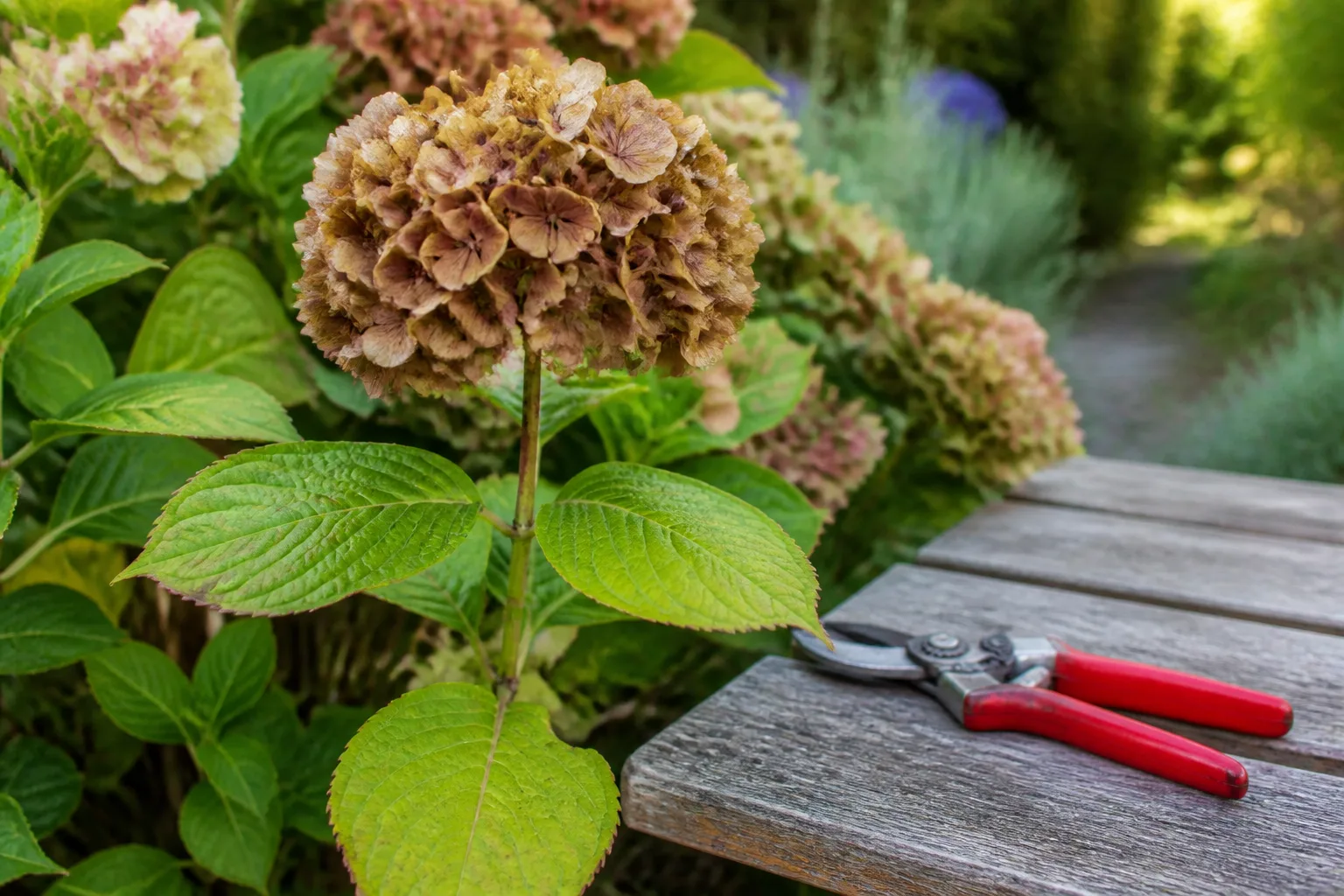
For more on summer bloom removal, see should you deadhead hydrangeas in summer. To stack next year’s size, pair correct pruning with the late-season tasks in tricks for bigger hydrangeas next year.
Choosing the Right Hydrangea for Your Space
Variety choice is a care decision. Pick the species that fits your sun, space, and patience for watering. For tight beds and containers, compact panicle cultivars such as ‘Bobo’ or smaller smooth hydrangea selections stay manageable without constant size control. For bold blue or pink mopheads in partial shade, bigleaf hydrangea still leads—just accept that cold winters may require bud protection in zone 5 and colder margins.
Use this quick matching guide when shopping:
| If you need… | Strong starting species | Why it fits |
|---|---|---|
| Blue or pink color you can shift with soil | Bigleaf (H. macrophylla) | Responds to pH on many cultivars; wants afternoon shade in hot climates |
| Full sun and a large statement shrub | Panicle (H. paniculata) | Tolerates more sun; blooms on new wood; forgiving prune timing |
| Reliable white balls on flexible stems | Smooth (H. arborescens) | Tough, adaptable, blooms on new wood; good for hedges |
| Fall leaf color plus shade tolerance | Oakleaf (H. quercifolia) | Blooms on old wood; drier shade once established |
| A north-facing wall or fence | Climbing (H. anomala) | Slow to start, long-lived once established |
Oakleaf hydrangea adds fall foliage color and tolerates drier shade once established. Climbing hydrangea suits walls and fences but needs years of patience. When comparing cultivars, read mature height and bloom type on the label rather than marketing names alone; branded series vary by breeder and do not always tell you bloom habit or hardiness zone.
First-Year Care That Sets Up Bigger Blooms Next Season
The first year after planting is about roots, not maximal flowers. Keep soil evenly moist, mulch well, and avoid heavy pruning except dead or damaged wood. Do not chase bloom color with repeated lime or sulfur doses until the plant is established and a soil test confirms need.
In cold zones, protect old-wood types the first winter or two. UConn describes a cylinder of wire mesh loosely filled with leaves or mulch around the plant, topped up as material settles and removed after hard frost danger passes. A loose burlap wrap can also reduce desiccating wind on exposed buds, but do not pack plastic against the stems—that traps moisture and invites bark rot.
Gift hydrangeas from florists may need extra insulation and realistic expectations about bud survival. UConn notes these greenhouse-grown bigleaf plants are often less winter-hardy than nursery stock; some growers cut them back around July 4 to force new growth with terminal buds, then insulate before temperatures drop below 25°F. Treat gift plants as a trial, not a guaranteed perennial display the first year.
Common Hydrangea Mistakes Worth Fixing Now
Pruning in fall or winter on old-wood types is the most common reason for “healthy shrub, no flowers.” Planting in full afternoon sun without extra water stresses bigleaf hydrangeas and invites daily wilt. Amending pH without testing can drift soil out of the range where any nutrients are available. Over-fertilizing pushes leaves over buds. Ignoring drainage turns “moist” advice into root rot.
If flowers brown early in a vase, that is a post-harvest issue; in the garden, look first at bud survival, shade, and last year’s pruning date. Fixing the right lever beats adding another product to the cart.
Conclusion
Bigger, healthier hydrangeas come from a short list of non-negotiables: know your type, plant in spring or fall, give appropriate light, keep soil moist but drained, fertilize modestly and on time, and prune on the correct calendar. Color tweaks belong after a soil test and only on cultivars that respond to pH. When something still fails—limp afternoons, missing rebloom, or frozen buds—use the linked guides above rather than guessing with more cuts or more nitrogen.
Treat hydrangeas as the water-aware, bloom-timing shrubs they are, and they repay you with months of flowers you can cut, dry, or leave standing for winter structure. That is the expert consensus, stripped of brand names and reduced to the work that actually moves the needle in your yard.