How to Use Hydrogen Peroxide Around the Garden
Five garden uses for 3% hydrogen peroxide—dilution chart, seed soaks, soil drenches, mildew sprays, and when experts say to skip it.
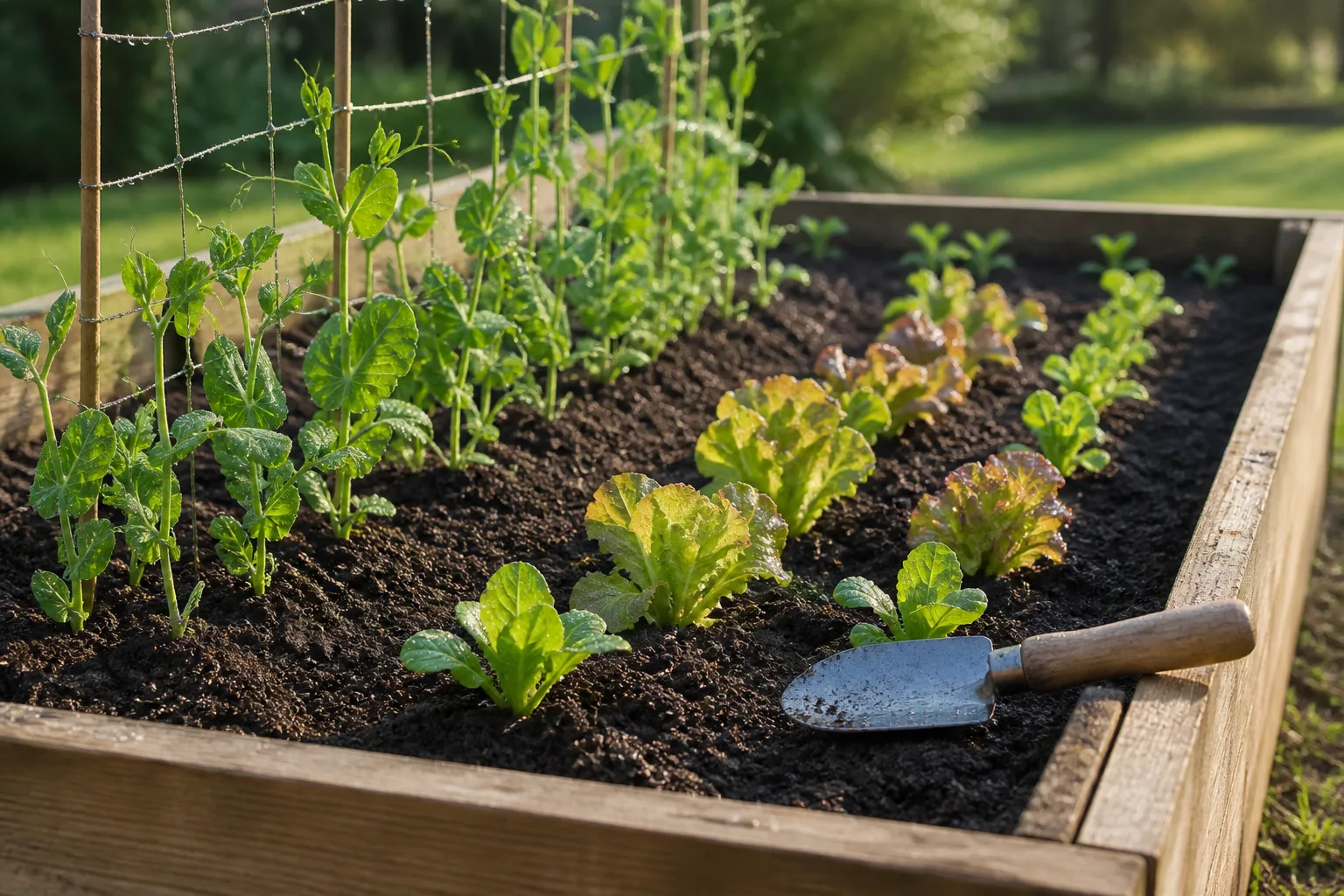
Hydrogen peroxide is a cheap oxidizer that releases extra oxygen when it breaks down in water—which is why gardeners reach for the brown pharmacy bottle when seed trays grow mold, spring beds stay soggy, or powdery mildew dots squash leaves. It is not plant food, not a substitute for fixing drainage in a raised bed, and not something you mist at full strength across a vegetable row on a hot afternoon. Used at the right dilution from standard 3% hydrogen peroxide, it can sanitize tools, give early root stress a one-time oxygen bump, knock back surface fungi, and oxidize soft-bodied pests on contact. Used too often or too strong, it stresses roots and kills beneficial soil life you actually want in a living garden bed.
This guide is built for in-ground rows, raised beds, greenhouses, and outdoor seed starting—not windowsill houseplant rescue. For container-specific dilution math and indoor root rot triage, see our companion guide on hydrogen peroxide for plants.
Quick Answer: Five Garden Uses That Earn the Brown Bottle
If you already own 3% hydrogen peroxide and a measuring spoon, these are the five outdoor jobs worth knowing: (1) disinfect pots, seed trays, and pruners between seasons or after disease work; (2) brief seed soaks on select crops to reduce surface pathogens before sowing; (3) a single well-diluted soil drench when mix is soggy—not rotting—to introduce oxygen at the root zone while you fix drainage; (4) occasional foliar sprays for early powdery mildew and surface mold after a 24-hour leaf test; (5) targeted contact sprays on soft-bodied pests and fungus gnat larvae in the top layer of seed starting mix. Everything below explains the ratios, timing limits, and stop signs that separate a useful oxidizer from garden hype.
What Hydrogen Peroxide Does in Garden Soil (and What It Cannot Fix)
Hydrogen peroxide (H₂O₂) is water with an extra oxygen atom. In moist soil or standing water, it decomposes into water plus free oxygen. That burst can briefly improve conditions in waterlogged, anaerobic mix where pathogens such as Pythium and Phytophthora thrive. Wisconsin Horticulture notes that root rots usually trace back to overwatering and poor drainage, not a missing chemical spray (Wisconsin Horticulture). Peroxide may buy time while you fix those cultural problems—it does not rewrite bad watering habits or open compacted clay by magic.
On contact, low concentrations also oxidize surface microbes. That helps tool sanitation and early fungal knockback, but it is indiscriminate: repeated drenches can reduce beneficial bacteria and mycorrhizae along with troublemakers. Horticulturist Robert Pavlis notes that peroxide reacts quickly with organic matter in soil, producing bubbles that look impressive but fade within minutes (Garden Myths). Think of H₂O₂ as a targeted oxidizer, not a weekly tonic for healthy beds.
Why a Brief Oxygen Burst Is Not Soil Aeration
Social posts claim pouring peroxide onto compacted garden soil “opens pores” and aerates like core cultivation. Pavlis is blunt: the oxygen releases, reacts with organic matter, and the soil returns to the same compaction—peroxide does not replace a broadfork, raised bed rebuild, or tile drainage. Clemson HGIC lists Phytophthora, Pythium, Rhizoctonia, and Fusarium as opportunists that infect roots under low oxygen (Clemson HGIC). A one-time dilute drench can disrupt anaerobic zones at the root surface while you let the bed dry and improve structure. It cannot substitute for fixing a high water table, collapsed potting mix in a raised bed, or a hose on autopilot every evening.
Is Hydrogen Peroxide Safe Around Vegetables, Seedlings, and Pollinators?
Yes—when diluted, applied occasionally, and timed away from hot midday sun on foliage. Standard 3% product from the first-aid aisle is what every ratio in this guide assumes. Mix fresh solutions right before use; light and contact with soil degrade peroxide quickly, so yesterday’s spray bottle may be mostly water today.
For vegetable beds, keep foliar sprays off harvest-day greens and rinse edible leaves if you treated within a few days of picking—oxidizers are not labeled food pesticides. For seedlings, a strong drench can burn tender cotyledons; wet the soil surface, not the leaves. For pollinators, avoid spraying open flowers; treat mildew on lower leaves in early morning or evening when bees are less active. Missouri Botanical Garden’s overwatering guidance applies outdoors too: fix the water regime before chasing symptoms with bottles (Missouri Botanical Garden).
When to Skip the Spray Entirely
Skip hydrogen peroxide when the bed is already healthy and draining well—routine “oxygen boosts” disrupt soil ecology for no gain. Skip it when root rot is advanced: mushy crown, sour smell, mostly dead roots. Skip it when you have not fixed drainage—no holes in containers, heavy clay without amendment, saucers holding water. Skip it when you need reliable insect control on mature aphid colonies; peroxide contacts soft bodies but does not replace insecticidal soap or neem oil on established infestations. And skip the compaction cure narrative entirely—reach for mulch, structure, and dry-down instead.
Garden Dilution Chart: Ratios From a 3% Brown Bottle
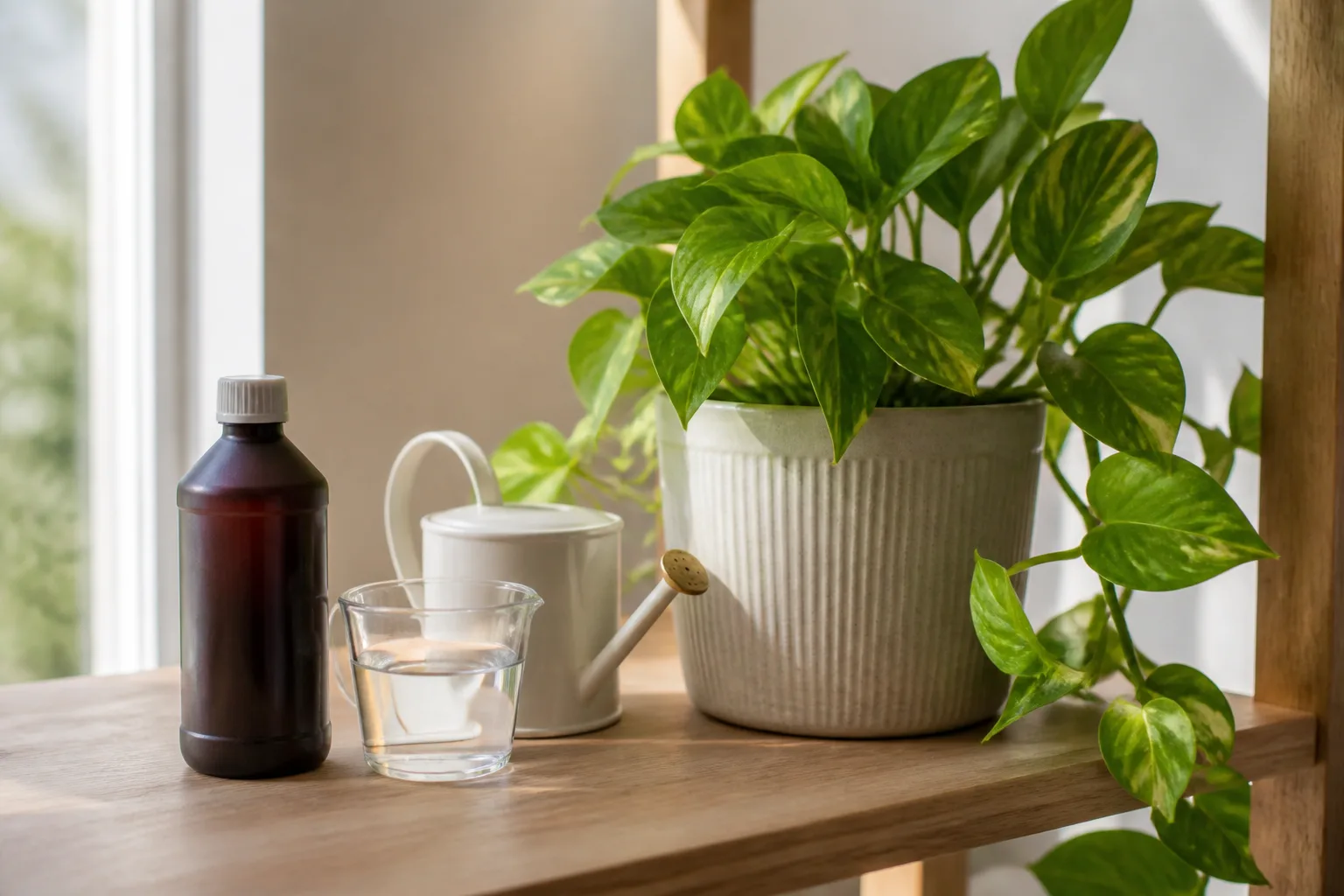
All mixes below start from 3% hydrogen peroxide in the brown pharmacy bottle. Label every spray bottle with the ratio and date. Never store diluted mix in clear bottles on a sunny potting bench.
| Garden job | Mix (3% product) | Approx. final strength | How to apply |
|---|---|---|---|
| Tool/tray soak | 1 part 3% + 1 part water | ~1.5% | Wash off soil first; soak 10–20 min; air dry |
| Seed surface dip | 1 part 3% + 4 parts water (~0.6%) | 10–20 min max; rinse; sow immediately | Spot-test one batch first |
| Soggy-bed oxygen drench | 2½ tsp 3% per gallon water | ~0.1% | Water until slight runoff; once, then fix drainage |
| Early root stress soak | 1 part 3% + 2 parts water | ~1% | Single pour through root zone at transplant/repot |
| Mildew/mold foliar | 1 tbsp 3% per quart water | ~0.75% | Mist tops and bottoms; 24-hr leaf test first |
| Fungus gnat larvae (tray top layer) | 1 part 3% + 4 parts water | Wet top ½ inch only; pair with dry-down | Once weekly max on affected trays |
| Soft-bodied pest contact | 1 part 3% + 3 parts water | Direct spray on pest; avoid sensitive ferns/orchids | Spot-test; not a blanket IPM plan |
Epic Gardening summarizes similar outdoor uses—sanitation, seed treatment, root oxygenation, and mildew knockback—while stressing dilution before any plant contact (Epic Gardening). If math makes you nervous, our houseplant dilution companion walks through the same 3% bottle logic for containers; the percentages transfer directly to raised beds.
How to Test If Your Bottle Is Still Active
Pour a teaspoon of 3% hydrogen peroxide onto a pinch of dry potting mix or into a small cup of water. Fresh product fizzes immediately as oxygen releases. Weak or expired bottles fizzle little or not at all—fine for cleaning hardscape, unreliable for seed trays or root rescue. Write the purchase date on the cap; replace opened 3% within about a year, sooner if stored warm or in sunlight.
Use 1: Disinfect Pots, Seed Trays, and Pruners Between Seasons
The most defensible garden use is sanitation—not foliar magic. After you cut out blighted tomato stems, divide diseased hostas, or finish a tray where damping off spread, pathogens cling to plastic, metal, and wooden handles. A 1:1 mix of 3% hydrogen peroxide and water (~1.5% final) works as a soak for washed trays and pots: scrub off visible soil first, soak 10–20 minutes, rinse, and air dry in sun.
For pruners and trowels, wipe blades with the same dilution between plants when moving from a diseased patch to a healthy one. Commercial greenhouses often use peroxide-based products combined with other acids for bench sanitation; home gardeners get reasonable knockdown with plain 3% when surfaces are clean before disinfecting—organic matter deactivates peroxide fast (Garden Myths). This does not sterilize in-ground soil across a whole bed; it protects the next season’s seedlings in your trays.
Use 2: Seed Soaks That Disinfect Without Killing Viability
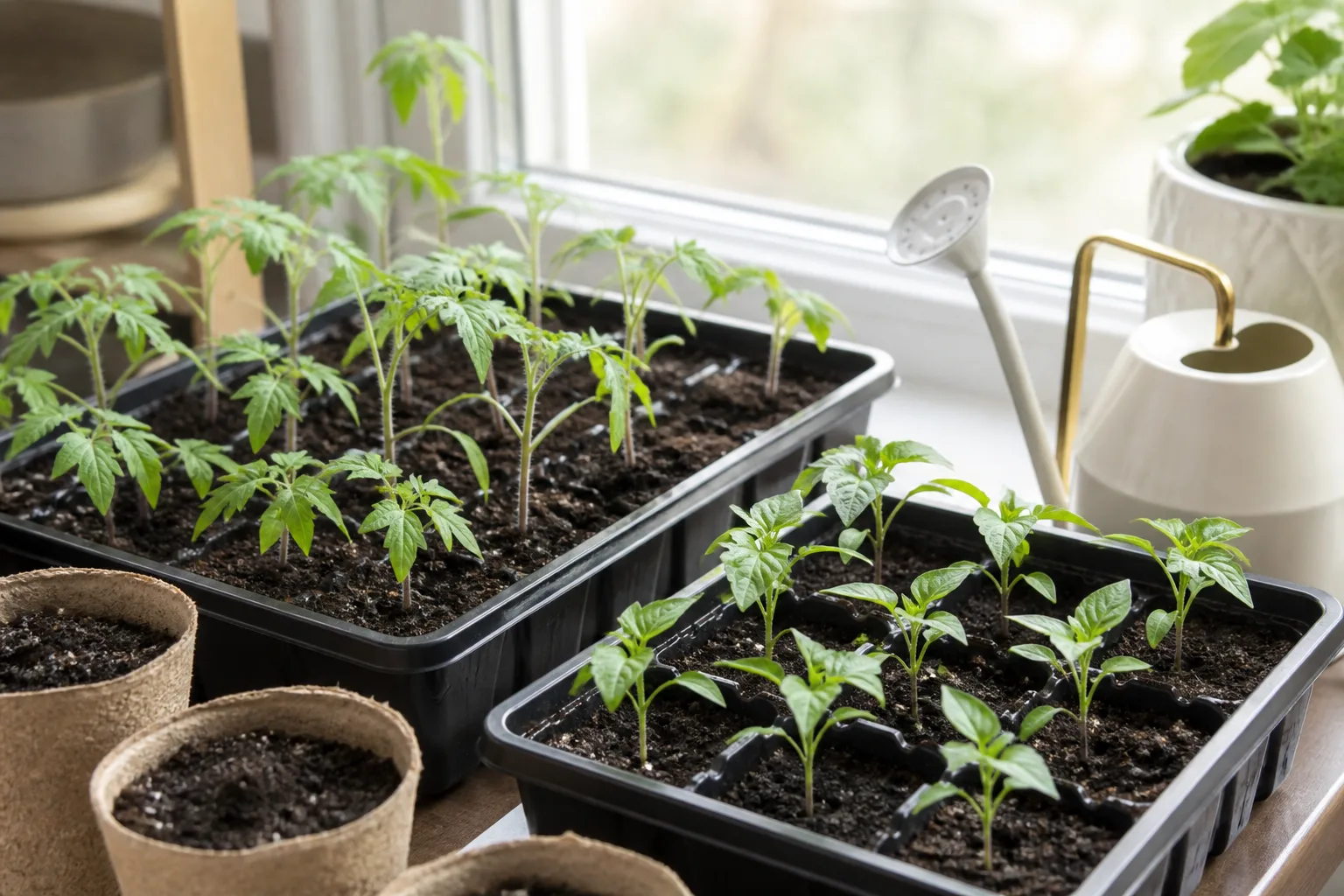
A short dip in dilute peroxide can reduce surface fungi on some seeds—but it is not a universal pre-plant ritual. Blanket advice to soak every seed 10–20 minutes in peroxide oversimplifies what seed scientists know: treatments that work for one species can lower germination in another.
Pavlis cites research where a four-hour 3% soak helped Ribes cereum germination but an eight-hour soak hurt it, while Kentucky bluegrass showed no improvement (Garden Myths). Lettuce seed exposed to concentrations above 1% germinated less, and even 0.1% shortened radicle length in lab tests. Atlantic white cedar benefited in one trial; your zucchini packet may not.
Practical rule for home gardeners: try 1 part 3% to 4 parts water (~0.6%) for 10–20 minutes on a small test batch of seeds you can afford to lose—especially thick-coated or slow-germinating species. Rinse under running water for a minute, sow immediately, and compare against an untreated control row. For microgreens and sprouts eaten raw, follow stricter heat-based protocols—UC Davis recommends preheated 3% at 140°F (60°C) for five minutes on the stovetop for food-safety seed treatment, not a casual countertop soak (UC Davis sprout safety PDF).
Which Seeds Tolerate a Peroxide Dip—and Which Do Not
Often worth a cautious test: large seeds with hard coats (peas, beans, some wildflower collections), slow-germinating tree/shrub seed where fungal loss is common in damp stratification, and leftover commercial seed stored in humid sheds. Usually skip the dip: fine seed you sow thickly (carrots, lettuce), pelleted seed, and anything with known sensitivity to oxidative stress. Never substitute peroxide for the best damping-off prevention: dryer surface mix, excellent airflow, and not overwatering—even sterilized seed rots in soggy trays (Garden Myths damping off).
Use 3: One-Time Soil Drenches for Soggy Beds and Early Root Stress
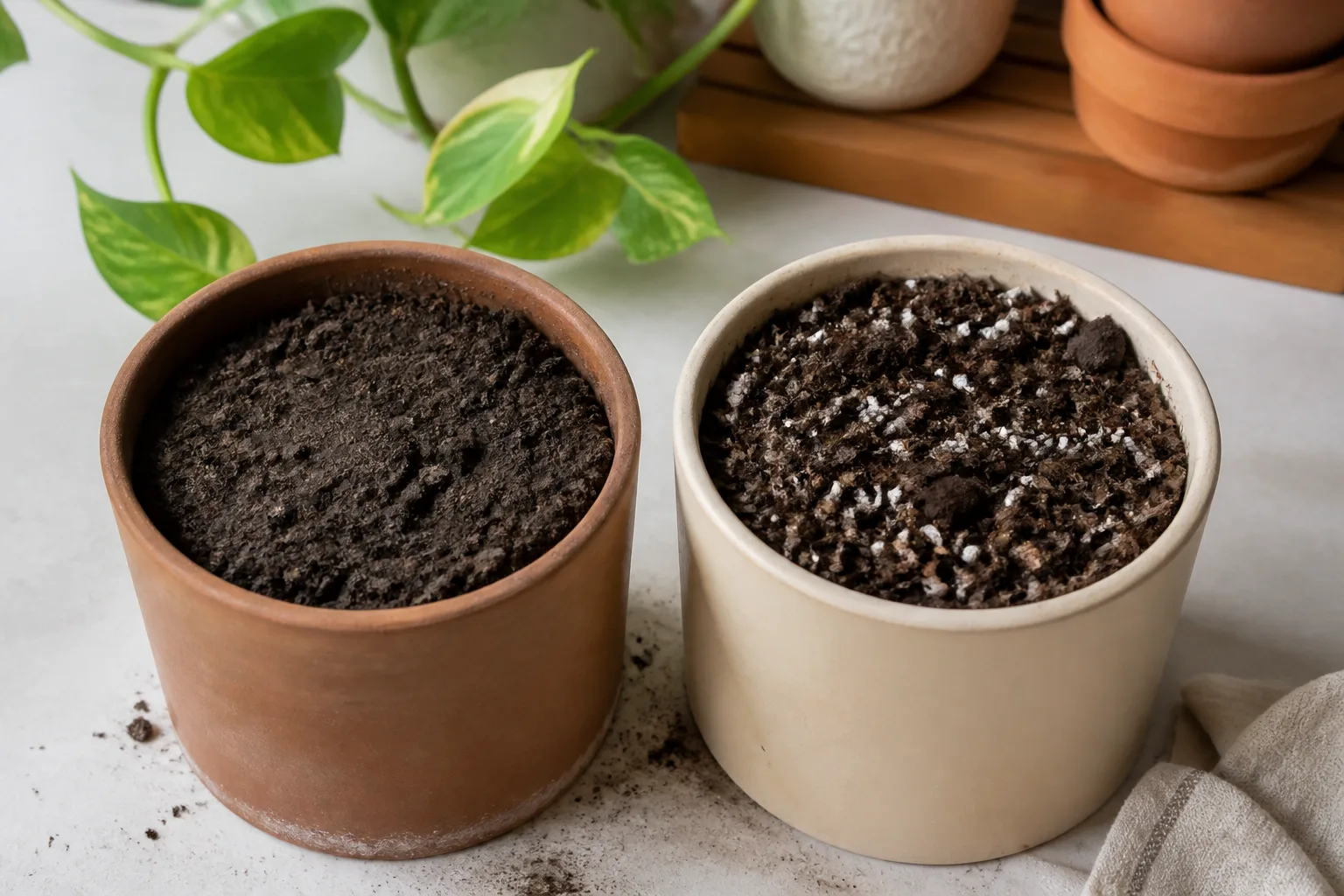
Root rot in the garden is a drainage and watering problem first. Clemson HGIC emphasizes drying soil and correcting conditions before pathogens reestablish (Clemson HGIC). When spring rains saturate a raised bed or you transplanted tomatoes into cold, wet mix and roots smell slightly off—but the stem is still firm—a single ~1% soak (1 part 3% to 2 parts water) poured through the root zone at transplant can oxidize surface pathogens while you stop watering until the top 2–3 inches dry.
For beds that are soggy but not yet rotting, a gentler 2½ teaspoons of 3% per gallon drench (~0.1%) introduces oxygen at the root surface once. Then mulch after the soil dries to the correct depth for your crop and fix the real issue: compaction, downspout overflow, or daily sprinkles that never reach depth. Pavlis’s critique stands: adding more water (even dilute peroxide water) to already waterlogged soil is only rational as a one-time rescue paired with immediate dry-down—not a weekly habit.
In in-ground beds, you cannot drench your way out of a high water table. Let the row dry, consider raised mounds for the next planting, and reserve peroxide for containerized transplants where you control the root volume.
Use 4: Foliar Sprays for Powdery Mildew and Surface Mold
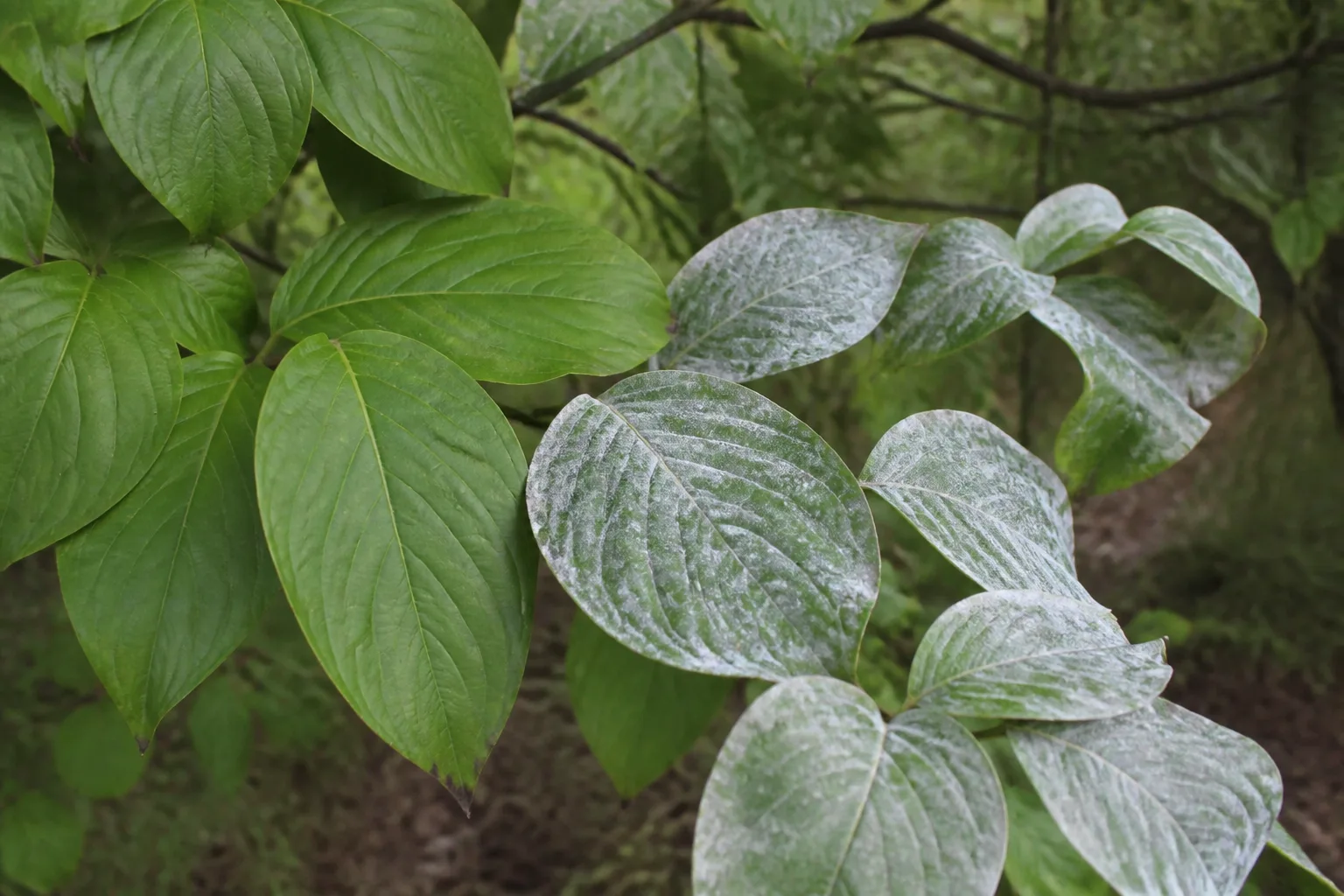
Powdery mildew on squash, cucumbers, and bee balm responds best to early prevention—not heroic cure sprays on heavily infected leaves. Research cited by Pavlis found dilute hydrogen peroxide sprays around 0.05–0.07% reduced powdery mildew on greenhouse cucumbers when applied before infection spread; stronger solutions damaged foliage (Garden Myths). Home mix 1 tablespoon of 3% per quart of water (~0.75%) sits slightly higher; treat it as an occasional knockback, not daily insurance.
Spray early morning or evening, never in hot midday sun—peroxide and water droplets magnify leaf burn. Coat tops and bottoms of affected leaves; repeat only after a 24-hour leaf test on one plant. For a fuller mildew IPM ladder—including when to remove infected leaves and rotate labeled fungicides—see our powdery mildew guide. Peroxide is a first-response tool, not a replacement for resistant varieties, spacing for airflow, and avoiding overhead irrigation on prone crops.
Use 5: Targeted Knockback for Soft-Bodied Pests and Fungus Gnat Larvae
Contact kills are real; “repellent” claims are shaky. Spraying 1 part 3% to 3 parts water directly onto exposed aphids, spider mite clusters, or slug eggs on a cool morning can oxidize soft tissue on contact. It does not persist as a repellent—Pavlis notes peroxide degrades within minutes on leaf surfaces (Garden Myths). Use it for spot treatment, then monitor with water sprays or labeled organic controls if populations rebound.
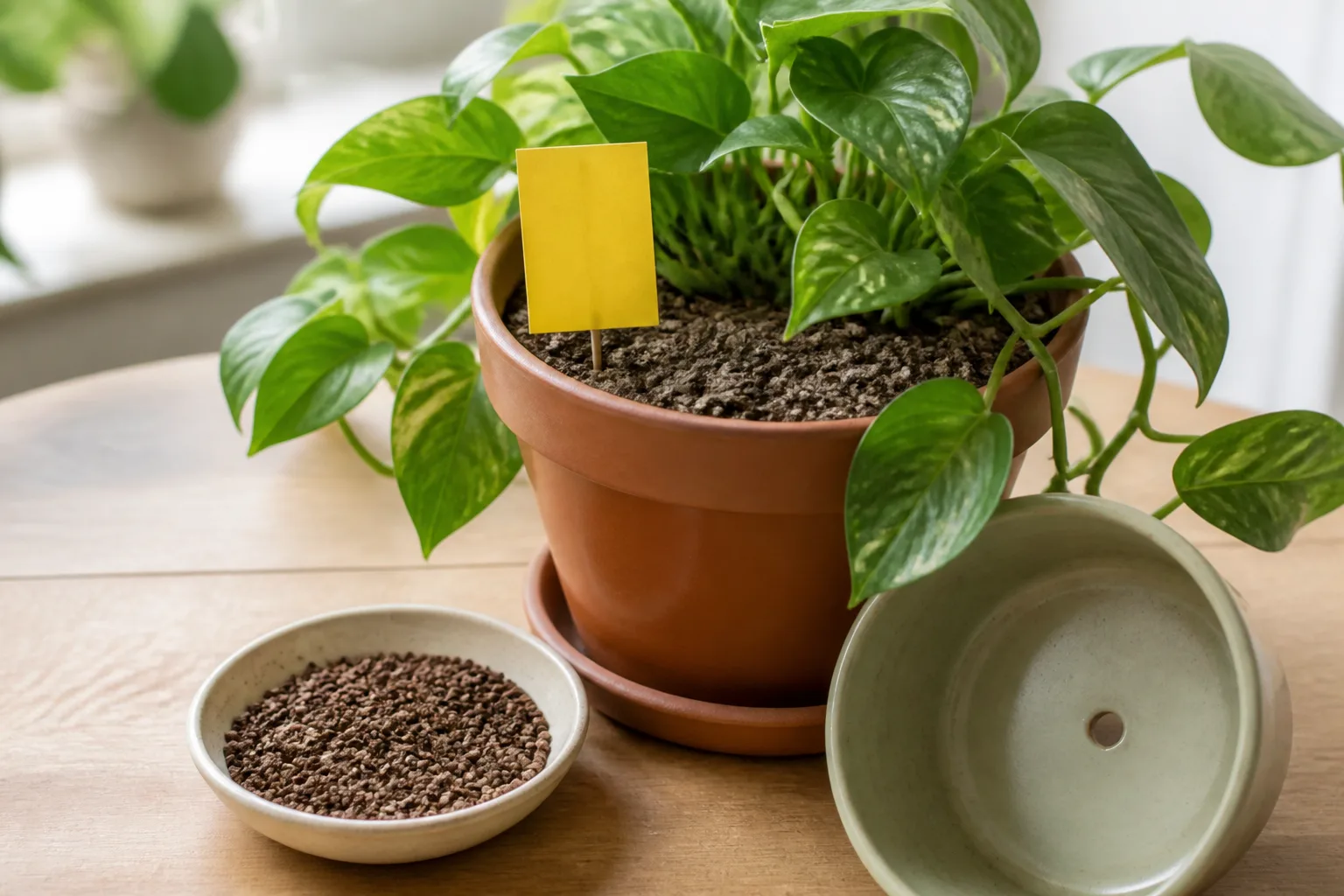
For fungus gnats in seed starting mix, Colorado State Extension identifies larvae in the top 2–3 inches of constantly moist media (Colorado State Extension). A 1:4 dilute drench wetting only the upper half-inch oxidizes larvae on contact while you let the surface dry between waterings and set yellow sticky traps for adults. Our fungus gnat guide covers the full dry-down protocol; peroxide is one knockback step, not the whole program.
Why Peroxide Is Not Your Main Outdoor IPM Strategy
Aphids colonize stems and buds where a quick mist misses them; beneficial insects share the same leaves; and repeated oxidizer sprays stress plants more than they control generations. Build your outdoor plan around monitoring, water sprays, row covers, beneficial habitat, and labeled products when thresholds demand—keep peroxide in the sanitation and early-symptom drawer, not the primary pest shelf.
Timing Rules: Morning, Evening, and Heat-of-Day Mistakes
Schedule peroxide like you schedule watering: early or late, never at peak sun on foliage. Midday sprays combine peroxide breakdown, water droplet lensing, and heat stress—exactly when tender squash and bean leaves scorch. Soil drenches are less timing-sensitive but still pair best with morning application so beds can dry through the day rather than sit wet overnight in cool weather.
Frequency caps: one sanitizing soak per tray season unless disease recurs; one root-zone rescue drench per transplant event; foliar mildew sprays no more than every 5–7 days on tested plants; fungus gnat drenches once weekly on affected trays only until dry-down holds. Healthy beds get zero routine peroxide—if you are mixing weekly without a diagnosis, step back and check moisture depth instead.
Five Garden Mistakes That Turn Helpful Peroxide Into Plant Stress
Mistake 1: Using peroxide as weekly “plant food.” It is not fertilizer—nitrogen, phosphorus, and potassium do not appear in that bottle. Mistake 2: Chasing compaction with pours instead of structure. Fork, amend, or rebuild the bed. Mistake 3: Soaking every seed type in 3% for long intervals. You will kill more seed than you save; test small batches at 0.6%. Mistake 4: Spraying in full sun on wilted leaves. Fix heat wilt with shade and deep morning water; do not oxidize stressed tissue at noon. Mistake 5: Replacing repotting and dry-down with repeated drenches. Peroxide on rotting roots in unchanged soggy mix is theater—scrape mold, repot into fresh mix, sanitize the pot, and dry the surface as our companion houseplant guide describes for containers (hydrogen peroxide for plants).
When to Dry Down, Repot, or Switch to a Labeled Treatment Instead
Pivot away from peroxide when symptoms outgrow first aid. Advanced root rot with a mushy stem base needs division of salvageable tissue, fresh mix, and corrected watering—not another gallon of dilute spray. Persistent powdery mildew covering most of a vine needs removal of infected leaves, resistant replacements next year, and possibly labeled fungicides per our powdery mildew ladder. Fungus gnats that return within days after every drench signal chronic overwatering or decomposed peaty mix—repot seedlings into fresher, better-drained media and run fans for airflow.
Hydrogen peroxide does not replace soil testing, lime for pH, compost for fertility, or hand weeding. It will not save plants dying from nitrogen deficiency, herbicide drift, or frost—oxidizing roots that are already dead wastes your afternoon. Know when the brown bottle helps you buy time and when it is time to change the culture instead.
Conclusion
Hydrogen peroxide earns a spot in the garden shed when you respect dilution, match the job to the problem, and stop before it replaces real fixes. Sanitize trays and pruners after disease work, test cautious seed dips on small batches, give soggy transplants a single oxygenating drench while beds dry out, knock back early mildew and gnats with targeted sprays, and keep the bottle off healthy rows that only need mulch and measured water. Buy 3%, mix fresh, spot-test leaves, and treat heat-of-day like an off-limits window.
When problems grow beyond these five uses, pivot to drainage, repotting, resistant varieties, and labeled IPM—the companion hydrogen peroxide for plants guide carries container-specific rescue detail. Used that way, peroxide is a sharp, cheap oxidizer—not garden magic, and not an excuse to keep overwatering.



