6 Signs It's Time to Stop Watering Your Lawn for Winter
Find out when to stop watering your lawn for winter using grass growth, soil moisture, turf type, frost, and freeze clues—not a calendar date or guess.
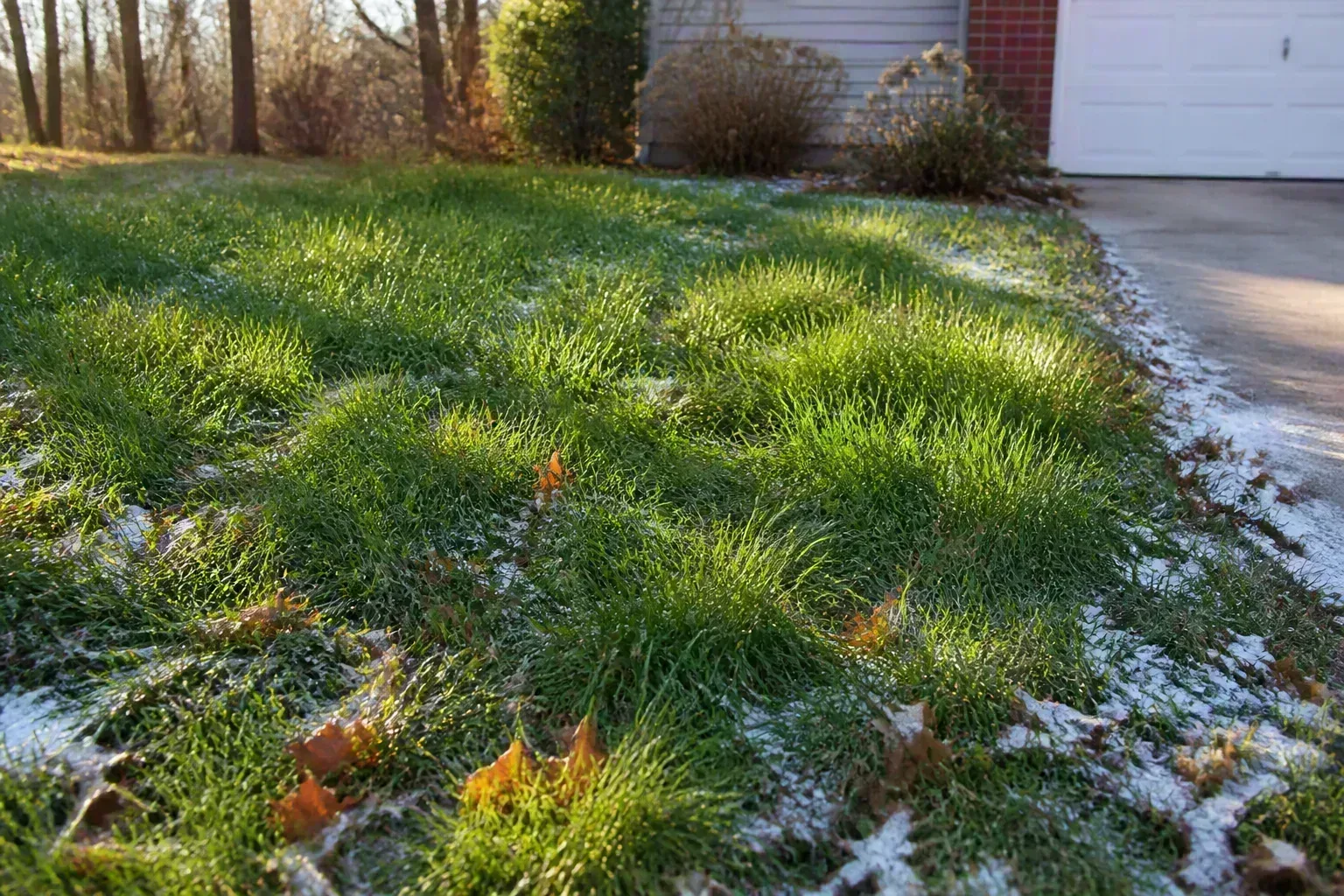
The Short Answer: Taper Routine Watering as Growth and Moisture Wind Down
Stop routine lawn watering when the grass is no longer actively growing, the root zone is already moist, and the ground is approaching a sustained freeze. That usually means reducing the summer schedule first, then shutting off automatic irrigation as your local weather and soil conditions make regular watering unnecessary. It is a decision based on the lawn in front of you, not a universal date on the calendar.
The important exception is a dry winter. Dormant grass does not need summer-level irrigation, but established turf can still become dehydrated during a long, snowless spell if the soil is thawed and able to absorb water. Newly seeded or sodded lawns are another exception because their shallow roots have less stored moisture and less protection from exposure. The goal is not to keep the lawn green at all costs; it is to send the turf into winter with enough moisture to avoid preventable stress while leaving the soil with enough air for healthy roots.
Why a Calendar Date Is a Poor Shutoff Rule
The same month can bring very different lawn conditions. A cool-season lawn in Minnesota may still be rooting during a mild October, while a warm-season lawn in Georgia may be moving into dormancy. A high-elevation yard can freeze while a low-elevation yard in the same state remains able to absorb water. Rainfall, snow cover, soil type, slope, wind, shade, and recent seeding all shift the correct timing.
The first frost is useful information, but it is not a complete watering rule. A first frost is not the same as frozen soil: a single chilly night can frost leaf blades while the soil several inches down remains unfrozen and the grass crown remains physiologically active. Frozen soil is a different milestone: water cannot infiltrate normally, so irrigation may sit at the surface, run off, or freeze in a way that offers little benefit to the root zone.
Colorado State University Extension recommends looking at turf growth, soil conditions, weather, and exposure together. Its turf guidance also notes that water needs fall sharply in cool or cloudy weather, and that even a dormant lawn can require occasional winter water during a prolonged dry period if the ground is thawed. That is why a fixed “stop in October” or “stop after three frosts” rule can be too early in one yard and too late in another.
Six Signs Your Lawn Is Ready for Winter Irrigation to Stop
Use these signs as a checklist rather than waiting for all six to arrive on the same day. If one signal conflicts with the others—for example, dormant-looking grass but dry soil in a wind-exposed yard—test the soil before deciding.
-
Grass growth has clearly slowed. You are mowing less often, clippings are shorter, and the lawn is no longer responding with a flush of new blades after watering. Slow growth means the turf is using less water than it did during summer, so the first move is to lengthen the interval between irrigation cycles.
-
The color change matches seasonal dormancy. Cool-season or warm-season turf may lose color as temperatures and day length change. Tan or straw-colored blades do not automatically mean the grass is dead or thirsty. Check the crown and soil before trying to force green color with more water; extra irrigation cannot reverse dormancy and can leave a cool, poorly aerated root zone wetter than it needs to be.
-
The soil stays moist below the surface. Surface color can be misleading after dew, frost, or a light shower. Push a screwdriver or soil probe into several representative spots, especially a sunny edge, a shaded area, a slope, and any patch that looks different. If the tool enters easily and the soil feels cool and slightly moist several inches down, another irrigation cycle is probably unnecessary.
-
Cold weather is persistent, not just a one-night frost. Repeated cold nights plus cool days reduce evaporation and slow turf growth. A brief frost followed by warm, dry weather is not the same as a sustained cold pattern. Let the lawn’s growth and soil moisture confirm the change instead of treating the first white morning as an automatic shutoff date.
-
The ground is beginning to freeze. When soil starts freezing, routine sprinkler watering should stop because infiltration becomes unreliable. Do not try to “beat the freeze” by saturating the lawn. If the soil is dry before the freeze arrives, give it a measured, slow watering on a suitable day; once the ground is frozen, wait for a thaw.
-
Rain or snow is meeting the lawn’s needs. Count natural precipitation before running irrigation. A cool-season lawn that receives regular rain may need no supplemental water even while it still has some green growth. Snow cover can also supply moisture over time, while a dry, windy site with no snow cover can lose moisture despite a brown appearance.
Cool-Season and Warm-Season Lawns Follow Different Timelines
Grass type changes what “winter” means. The visual signs overlap, but the temperature pattern that triggers dormancy and the chance of winter growth are not the same for northern and southern turf. If you inherited a lawn and do not know its mix, note whether it grows most vigorously in cool spring and fall weather or in the heat of summer, and consider a local extension office or seed label for confirmation.
Cool-season grasses: reduce gradually, then reassess
Kentucky bluegrass, perennial ryegrass, tall fescue, and fine fescue are common cool-season grasses. They may slow during summer heat, recover in fall, and continue root activity after mowing has become less frequent. That makes early fall a poor time to shut off water simply because the calendar says the season is ending.
For cool-season turf, taper from the summer schedule as evaporation and growth decline. Water when the root zone is actually drying, then lengthen the interval again when rain or cooler conditions keep the soil moist. Colorado State University Extension’s turf guidance says that during extended dry periods from late fall through spring, winter watering may be needed every four to six weeks if the ground is thawed and accepts water. That is an occasional rescue check, not a standing invitation to leave July irrigation settings active.
Warm-season grasses: dormancy changes the question
Bermudagrass, zoysiagrass, centipedegrass, and St. Augustinegrass generally enter winter dormancy as temperatures fall. Once warm-season turf is fully dormant, frequent irrigation is rarely useful, and watering simply to restore summer color can create wet, weak conditions without restarting growth.
Warm-season lawns still have local exceptions. A mild, dry region may keep some grass active longer, while an exposed lawn can suffer winter desiccation even when the blades look brown. Low-water grasses and lawns established in naturally dry landscapes may need less supplemental water than thirsty, heavily irrigated turf. Check soil and weather rather than assuming every brown warm-season lawn should receive a final deep soak.
How to Check Whether Your Lawn Actually Needs Water
Before you change an irrigation controller, inspect the root zone. A lawn can look pale because it is dormant, compacted, shaded, nutrient-stressed, or diseased; adding water is the wrong response to several of those problems. The simple checks below help distinguish seasonal slowdown from actual moisture stress.
Use a screwdriver or soil probe
Choose several spots that represent the whole lawn. Avoid testing only beside a downspout or directly under a sprinkler head, because those spots can be wetter than the rest of the yard. Also check a high, sunny edge and a shallow or sloped section, which often dry first.
Push a long screwdriver, soil probe, or narrow trowel into the soil. Moist, workable soil usually allows the tool to enter with steady pressure. Dry, compacted soil can resist the tool for two different reasons, so confirm by removing a small plug or scraping aside the surface and feeling the soil. If it is powdery and dry several inches down, the lawn may need water; if it is damp but hard, compaction may be the real issue.
Do not water just because the top quarter-inch is dry. The surface loses moisture first and can dry between useful rain events while the deeper root zone remains adequate. Conversely, do not assume a damp surface means the roots are supplied if the lawn sits on a slope, sandy fill, or compacted layer that prevents water from moving down.
Read the grass, footprints, and exposed spots together
Colorado State University Extension identifies persistent footprints as an early warning sign: blades stay pressed down instead of springing back after you walk across the lawn. A dull gray or bluish cast and visible wilting are stronger signs of moisture stress. Look for patterns rather than reacting to one brown patch, because a single patch can also indicate shade, runoff, pet traffic, a broken sprinkler, or a disease issue.
If only a few areas are dry, spot-water those areas rather than irrigating the entire lawn. This is especially useful in autumn, when one sunny slope can need attention while the rest of the yard is already moist. Recheck after watering; if the soil remains wet or the patch does not improve, stop adding water and investigate drainage, compaction, roots, or disease.
When Winter Watering Is Still Necessary
Stopping routine irrigation and never watering again are not the same thing. The following situations justify a closer look even after the automatic schedule is off.
Newly seeded or newly sodded turf
New grass has a smaller, less established root system than a mature lawn. Seed needs consistent surface moisture during germination, while new sod needs enough moisture for the root layer to knit into the soil below. Neither should be forced onto an established-lawn winter schedule immediately after installation.
As seedlings mature or sod roots in, transition gradually from frequent shallow moisture to deeper, less frequent watering when weather permits. If a freeze is approaching, avoid saturating the site, but do not let recently installed turf enter a long dry period by copying the shutoff date used for a mature neighboring lawn. A local seed label, sod grower, or extension recommendation should take priority because grass type and installation date matter.
Dry, thawed ground without snow cover
Winter drought is most likely where cold weather arrives with little precipitation, strong wind, bright sun, shallow soil, or a south- or west-facing exposure. Colorado State University Extension advises watering lawns during prolonged dry fall and winter periods when air and soil temperatures are above 40°F and the ground is not covered by snow. Fine Gardening’s regional guidance makes a similar point for dry western gardens: a warm winter day above roughly 50°F can be an opportunity for an occasional, thorough watering when there is no snow cover.
That guidance does not mean every dormant lawn needs monthly water. It means the lawn should not be ignored when the root zone is genuinely dry and thawed. Check the soil first, account for recent rain or snow, and consider the lawn’s exposure and age. Established turf in a sheltered, moist yard may need nothing; newly installed turf on an exposed slope may need help during the same weather pattern.
How to Water Safely During a Dry Winter
Choose a mild day when the air is above about 40°F, the soil is thawed, and no hard freeze is expected immediately afterward. Water around midday so the moisture has time to infiltrate before temperatures fall. Colorado State University Extension specifically recommends watering only when air and soil conditions allow absorption, and it cautions that persistent ice on a lawn can suffocate or mat the grass.
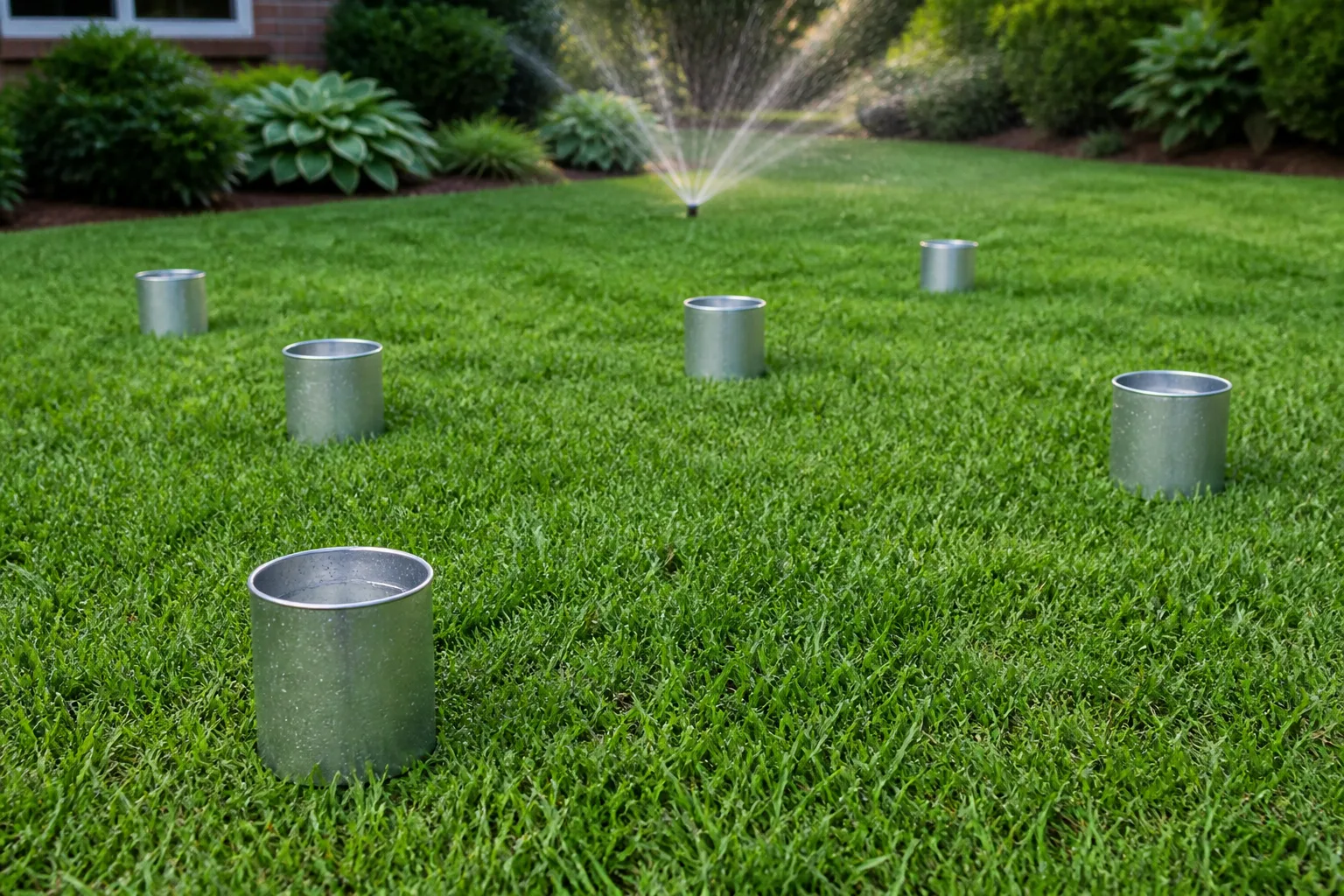
Apply water slowly enough that it enters the root zone instead of running down a slope or pooling in low spots. A hose-end sprinkler is often more practical than an automatic system after winterization. Place catch cups or straight-sided containers around the lawn to see whether the sprinkler is applying evenly; then move the sprinkler or use shorter soak cycles if water begins to puddle.
Do not water snow-covered or frozen ground, and do not spray the lawn late in the day when the surface will freeze immediately. Detach a hose from the outdoor spigot afterward in freezing climates. The purpose of winter watering is to relieve real root-zone dryness, not to wash dust from dormant blades or make brown turf look green.
Winterize Sprinklers Without Leaving New Turf Thirsty
In cold-winter regions, the irrigation system may need to be shut down and drained before the lawn’s last possible watering opportunity. Water trapped in exposed pipes, backflow devices, valves, or sprinkler heads can freeze and expand, causing expensive damage. That plumbing deadline is related to, but not identical to, the lawn’s biological need for moisture.
Plan the final automatic cycle before the system is winterized, using the soil test to decide whether the lawn needs it. If new turf or a dry exposed section still needs occasional attention after the system is off, use a hose-end sprinkler on a mild, thawed day rather than turning the entire automatic schedule back on. Label or photograph controller settings before changing them, and confirm that the system’s shutoff and drain procedure matches the equipment installed in your yard.
What to Do After Routine Watering Stops
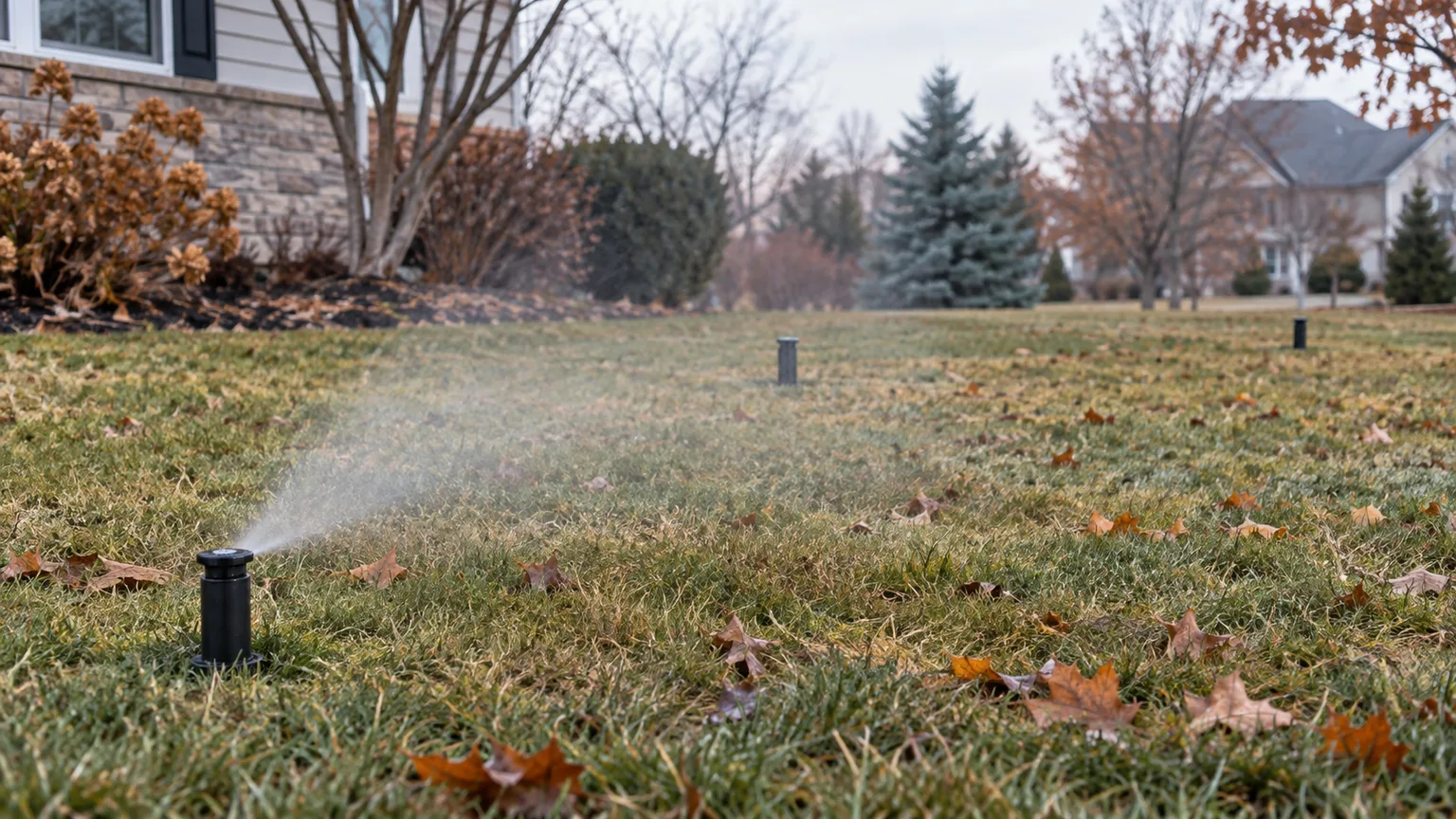
Walk the lawn occasionally after a dry spell, especially during a warm winter day. You do not need to patrol daily; a check every few weeks is enough for many established lawns, while new turf and exposed sites deserve closer attention. Look for persistent footprints, a dry soil plug, wind-exposed edges, and places where water normally fails to reach.
Keep leaves, sticks, and dense clippings from forming a wet blanket over the grass. Remove debris when conditions allow, but avoid raking aggressively across frozen or fragile turf. Limit traffic on frost-covered or frozen grass because brittle blades and crowns can be damaged when they are repeatedly bent.
If the lawn develops a patchy brown area, do not diagnose it from color alone. Compare soil moisture, drainage, exposure, traffic, and sprinkler coverage. Winter color is normal for many grasses; widespread thinning, circular lesions, a sour wet smell, or recurring spring bare spots call for a separate turf diagnosis rather than more winter irrigation.
Common Mistakes That Cause Winter Lawn Damage
Leaving the summer controller schedule running. Cooler air and slower growth lower water demand, so a July schedule can oversaturate the lawn in fall. Adjust frequency and duration as conditions change, and use a rain or soil-moisture input if your controller supports one.
Treating first frost as the same thing as frozen soil. A frost can be shallow and temporary. Check whether the ground can still absorb water and whether the grass is still growing before making a full seasonal shutoff.
Trying to green up dormant grass with water. Dormancy is a survival response, not automatically a watering failure. Water only when the soil is dry enough to threaten the root system, and do not use irrigation to chase summer color during cold conditions.
Watering saturated or compacted soil. If water runs across the surface, pools, or stays wet for days, more irrigation will not solve the underlying problem. Compaction, thatch, slope, and poor grading can all block infiltration and reduce root oxygen.
Forgetting new turf. A mature lawn next door is not a reliable model for recently seeded or sodded grass. New roots, installation timing, and soil contact change the risk calculation.
Winterizing the pipes without a backup plan. Once an automatic system is drained, occasional winter watering may require a hose-end sprinkler. Decide how you will reach a dry area before a freeze, then store the hose and disconnect it after use.
Conclusion
The best time to stop watering your lawn for winter is when several signals agree: growth has slowed, the root zone is moist, cold weather is persistent, and the ground is approaching a freeze. First frost, a brown color, or the arrival of a particular month can support that decision, but none is reliable by itself.
Taper irrigation instead of carrying a summer schedule into cold weather. Test the soil, account for grass type and recent precipitation, and treat newly seeded or sodded turf differently from established grass. Once routine watering stops, keep checking during prolonged dry periods; if the ground is thawed and genuinely dry, one slow midday watering may protect the lawn, while watering frozen or saturated soil can do more harm than good.