10 Shrubs You Should Not Prune This Winter
Before you prune shrubs in winter, check this plant-by-plant guide to old wood, new wood, hydrangea exceptions, and cold-sensitive growth.
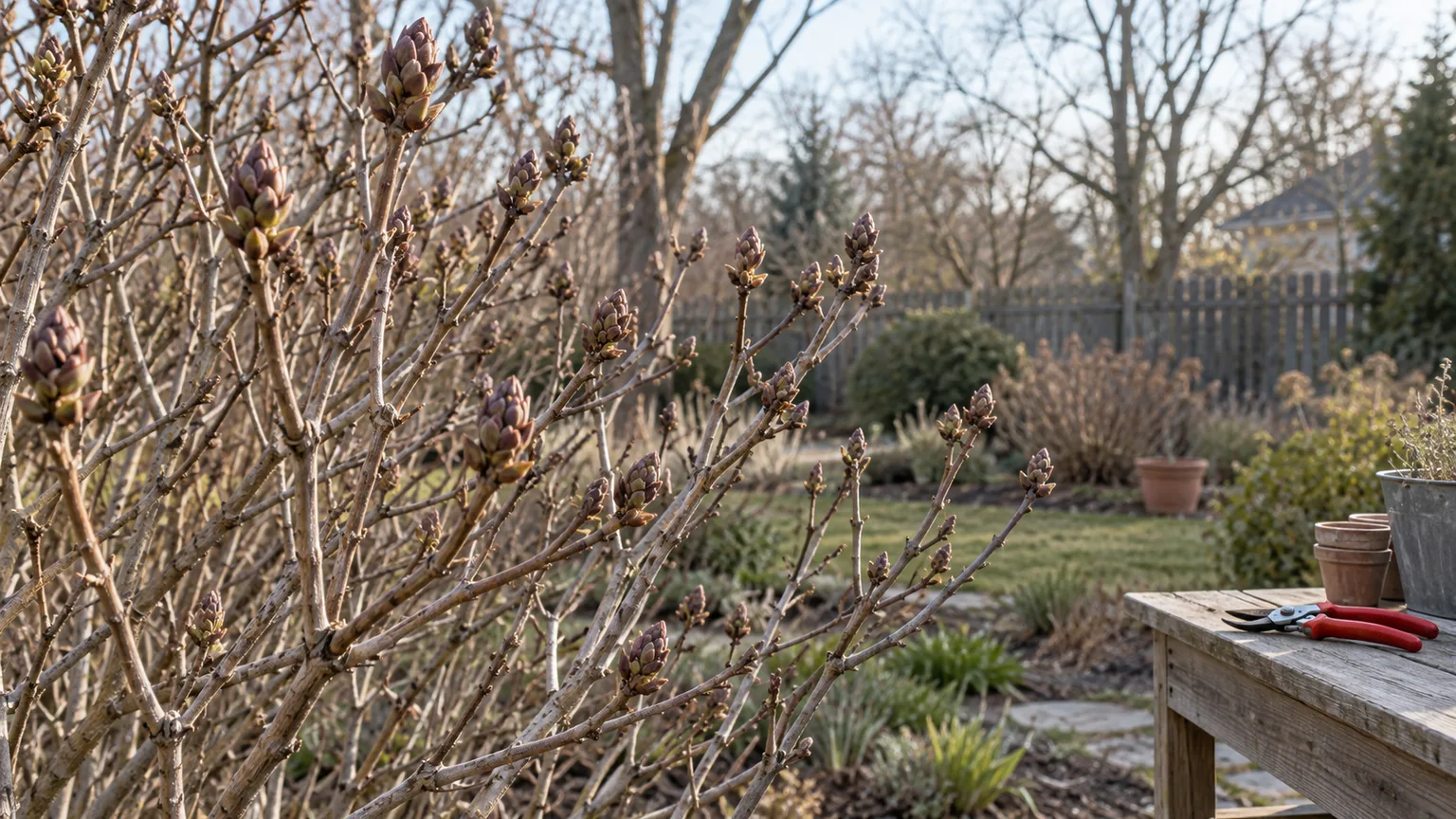
The short answer: protect buds before you reach for pruners
Winter is not automatically the wrong season for pruning shrubs. It is the wrong season for pruning shrubs whose flower buds are already sitting on last year’s stems, or whose exposed cuts and tender interiors are likely to be damaged by cold. If you cut those plants while they are dormant, you can remove the spring display before you ever see the buds open.
The safest first move is to identify the shrub and the reason for the cut. A dead, broken, diseased, or dangerous stem is a different problem from a shrub that looks untidy or has outgrown its space. For routine shaping, many of the plants below should wait until after flowering; for cold-sensitive lavender, rosemary, and Russian sage, wait for a more favorable spring window instead of making a hard winter cut.
The timing rule is grounded in flower-bud biology. The Morton Arboretum’s pruning guidance explains that many spring-flowering shrubs make the next season’s buds soon after they finish flowering, so those buds remain on the plant all winter. Winter pruning removes them.
Old wood versus new wood: the rule behind winter timing
“Old wood” means stems that grew during the previous season. A spring-flowering shrub often forms flower buds on those stems in early summer, carries them through fall and winter, and opens them the following spring. Pruning before bloom is therefore a direct trade: you may improve shape, but you are cutting away some of the flowers you were waiting for.
“New wood” means shoots produced during the current growing season. A shrub that flowers on new wood can usually be pruned during dormancy or in late winter before its new shoots and flower buds develop. This is why a panicle hydrangea can be treated very differently from a bigleaf hydrangea even though both are sold as hydrangeas.
Do not let “old” and “new” become a substitute for identifying the plant. Cultivar, climate, bloom time, and pruning goal all matter. A shrub that blooms unusually late may follow a different schedule from the classic example, and a plant stressed by drought, transplanting, or a severe winter may need lighter treatment than a healthy established specimen.
A quick timing table for the 10 shrubs
| Shrub | Why to leave it alone in winter | Better window | Safe winter action |
|---|---|---|---|
| Viburnum | Many spring types hold buds on old wood | Within two to three weeks after flowering | Remove only obvious dead or broken wood |
| Bigleaf, oakleaf, or climbing hydrangea | Flower buds may already be on last year’s stems | After flowering or selective early-spring cleanup, depending on type | Leave healthy bud-bearing stems and old flower heads |
| Heath and heather | Winter cuts expose low woody plants to cold and can remove flower growth | Lightly after flowering or in spring | Remove storm-broken pieces only |
| Lilac | Spring flowers form on previous-season growth | Immediately after flowering | Thin a damaged or hazardous stem if necessary |
| Lavender | Hard cuts expose tender woody growth | Light trim after flowering or spring shaping | Remove dead tips only if needed |
| Forsythia | Flower buds are carried on last year’s wood | Immediately after flowering | Wait and enjoy the early bloom |
| Aronia | Winter fruit can feed birds and old wood carries flowers | After flowering or a planned renewal cycle | Preserve fruiting stems |
| Russian sage | Woody crowns benefit from winter protection | Early spring after the worst freezes | Leave stems standing through cold weather |
| Rosemary | Cold-weather cuts increase exposure and dieback risk | After frost risk, during active growth | Harvest a few sprigs without reshaping |
| Rhododendron and azalea | Spring buds sit on old wood | Within about three weeks after flowering | Remove dead wood only, carefully |
This table is a starting point, not permission to prune an unidentified shrub. If you cannot tell whether the plant is an old-wood bloomer, postpone elective cuts and take a photograph to a local extension office, nursery, or experienced horticulturist.
1. Viburnums
Many viburnums that flower in spring should not receive routine winter pruning. Their buds are already set on older stems, so cutting branches in January or February can turn a full spring display into a sparse one. The rule is especially important for doublefile and other spring-flowering types; not every viburnum follows exactly the same calendar.
Prune after the flowers fade, ideally within two or three weeks. Start by removing a few of the oldest stems at ground level rather than shearing every branch tip. That renewal approach opens the center, encourages younger replacement growth, and preserves the shrub’s natural arching shape.
If a viburnum has a broken branch after a storm, remove the damaged section cleanly rather than leaving a split that can worsen. Otherwise, let winter berries remain. They add seasonal interest and can be useful forage, so a cosmetic cleanup is a poor reason to strip the shrub in the coldest months.
2. Old-wood hydrangeas
Hydrangeas are the list’s biggest identification trap. Bigleaf hydrangeas, including many mophead and lacecap types, can carry next summer’s flower buds through winter. Oakleaf and climbing hydrangeas are also generally treated as old-wood bloomers. A hard winter cut on any of these can remove most of the season’s flowers.
Leave healthy stems and dried flower heads in place until you can assess the shrub at the right time. The Ask Extension discussion of bigleaf hydrangea recommends leaving old dry flowers through winter because they add interest and help protect the buds below. In early spring, test questionable stems for life and remove only dead wood, then prune flowering stems back to strong buds after the shrub’s bloom cycle when needed.
The goal is not to make every hydrangea small. Selective thinning of weak, crossing, or truly dead stems is usually safer than cutting the whole shrub to a uniform height. If size is the real problem, renewal over several seasons is less punishing than a single dramatic cut.
Hydrangea exception: when winter pruning is appropriate
Panicle hydrangeas, such as ‘Limelight’ types, and smooth hydrangeas, such as ‘Annabelle’, flower on new wood. They can generally be pruned in late winter or early spring before strong growth begins. That does not mean they must be hacked to the ground: remove weak stems, shorten selected branches to a sturdy framework, and match the severity to the cultivar’s natural size.
Reblooming or “old and new wood” hydrangeas are a middle case. They can flower on more than one age of stem, but a hard cut may still reduce the early-season crop. If the label is missing, use the plant’s bloom timing and flower shape as clues, then make a conservative cleanup cut rather than betting the entire season on an uncertain identification.
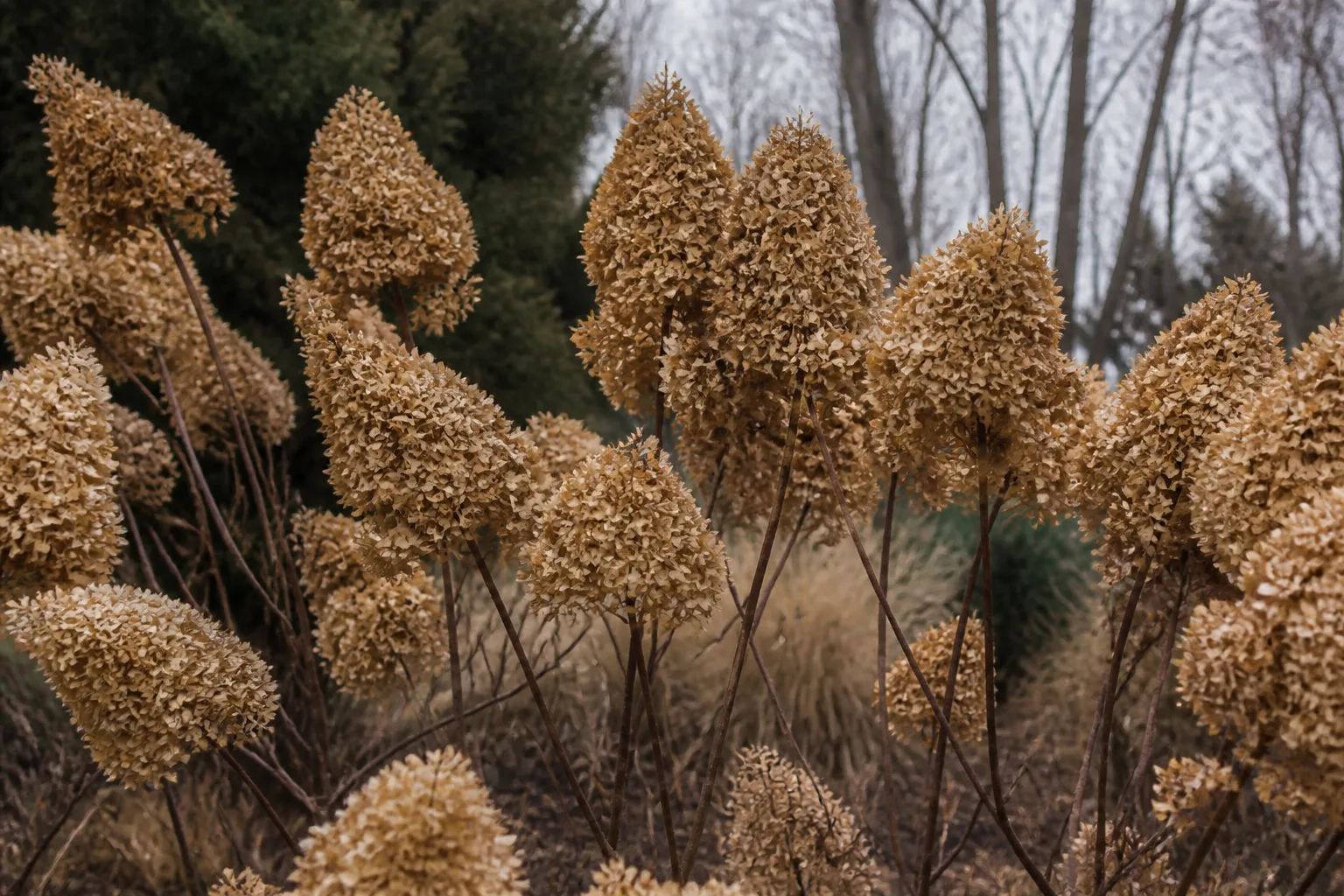
A dormant panicle hydrangea is a useful reminder that “hydrangea” is not one pruning category; identify the type before cutting.
3. Heaths and heathers
Heaths and heathers are low, woody members of the heath family, and they do not respond well to being treated like a hedge. A hard winter trim can expose the plant’s interior and crown to cold, remove developing flower growth, and leave bare wood that may not refill quickly.
Instead, give them a light trim after flowering or in a spring window suited to the variety. Cut just above healthy green growth and avoid cutting deep into old, leafless wood. The image below shows the distinction visually: the useful pruning target is the leafy outer growth, not a blunt cut through the woody base.
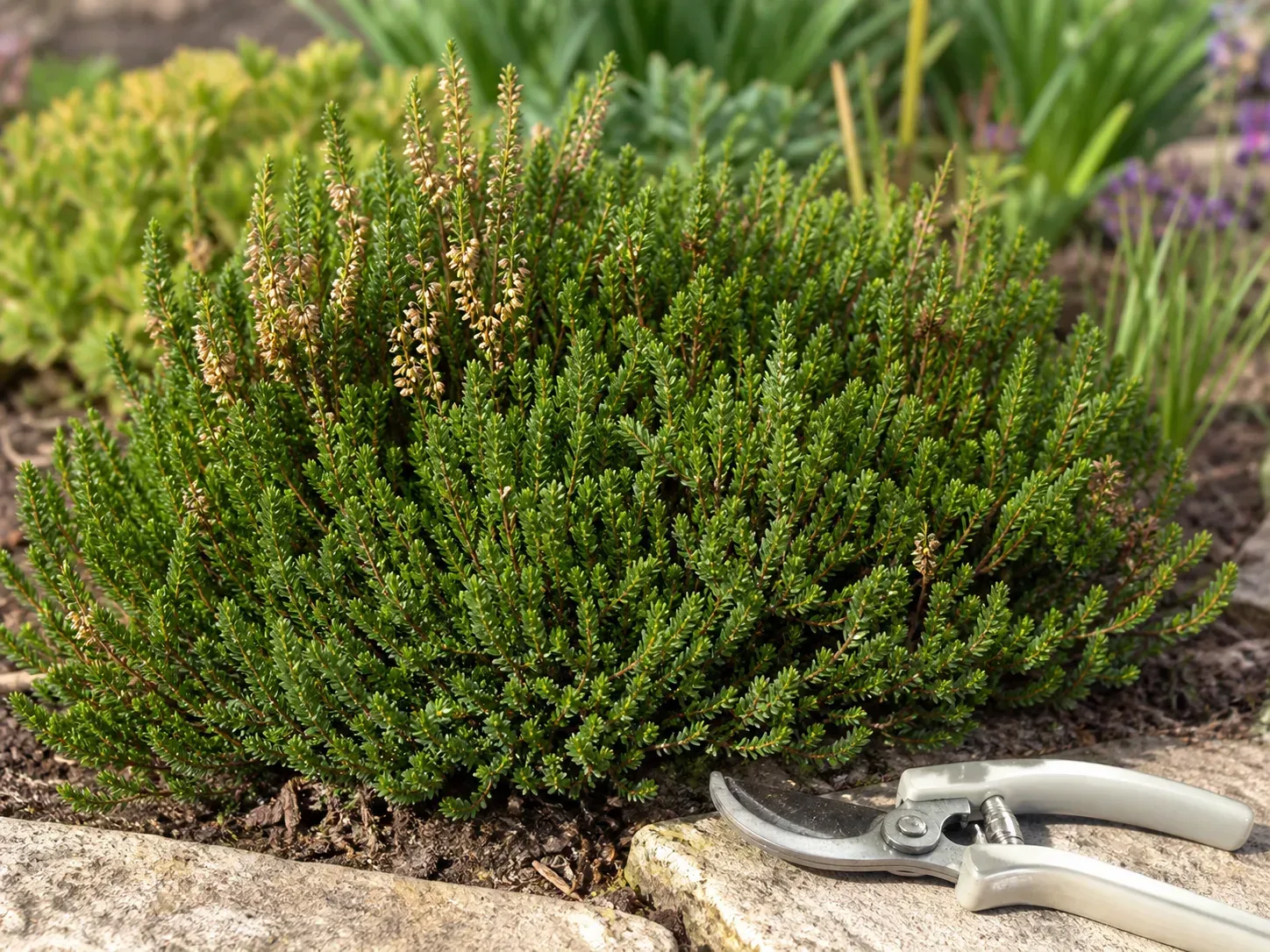
If snow or ice breaks a few stems, remove those pieces back to a healthy fork. Do not use winter tidying as an excuse to reshape the whole mound. Heaths and heathers often look better when their natural, slightly irregular habit is preserved.
4. Lilacs
Lilacs make their flower buds on the previous season’s growth, which is why winter pruning can cost you the fragrant spring clusters. The Purdue Landscape Report’s old-wood list includes lilac among the shrubs that should be pruned soon after flowers fade rather than in late winter.
After flowering, remove spent clusters if you want to limit seed production, then thin a few of the oldest or most crowded canes. A young lilac may need little more than deadwood removal. An old, congested shrub can be renewed gradually by removing roughly one-third of the oldest stems per year, giving the plant time to replace them without sacrificing every flowering stem at once.
Avoid shearing a lilac into a rounded ball. Random tip cuts create a dense outer shell while shading the interior, and they do not address the old canes that make an established shrub leggy. If the plant is dangerously overgrown, a planned renovation can be justified, but accept that a severe cut may mean a season with few or no flowers.
5. Lavender
Lavender is not a classic old-wood shrub, but it belongs on a winter “leave it alone” list for a different reason. Its woody base and tender outer growth can be damaged by cold, and hard late-fall or winter cuts expose more of the plant than the weather can safely support.
Give lavender a light shaping trim after flowering, while you can still see healthy green growth. Never cut blindly into the old, bare center and expect it to resprout. In colder climates, leave a little more structure through winter and wait until spring reveals which tips survived.
If faded flower stalks are bothering you, remove the stalks without turning the job into a hard renovation. An RHS horticultural adviser quoted by The Independent’s seasonal pruning coverage recommends a light trim and warns against cutting lavender too hard before a severe winter. That is a useful distinction: tidy the top when conditions are favorable, but protect the woody framework.
6. Forsythia
Forsythia’s yellow flowers appear on stems made the previous year, often before the leaves arrive. Winter pruning removes the very buds that create the plant’s early-spring show. If you want to see the flowers, leave the shrub alone until it finishes blooming.
Prune immediately afterward. Remove a few of the oldest, thickest canes at the base, then shorten overly long branches to a strong side shoot. Forsythia is one of the more forgiving shrubs for rejuvenation, but that does not make winter the right moment for a full cutback if flowers matter this year.
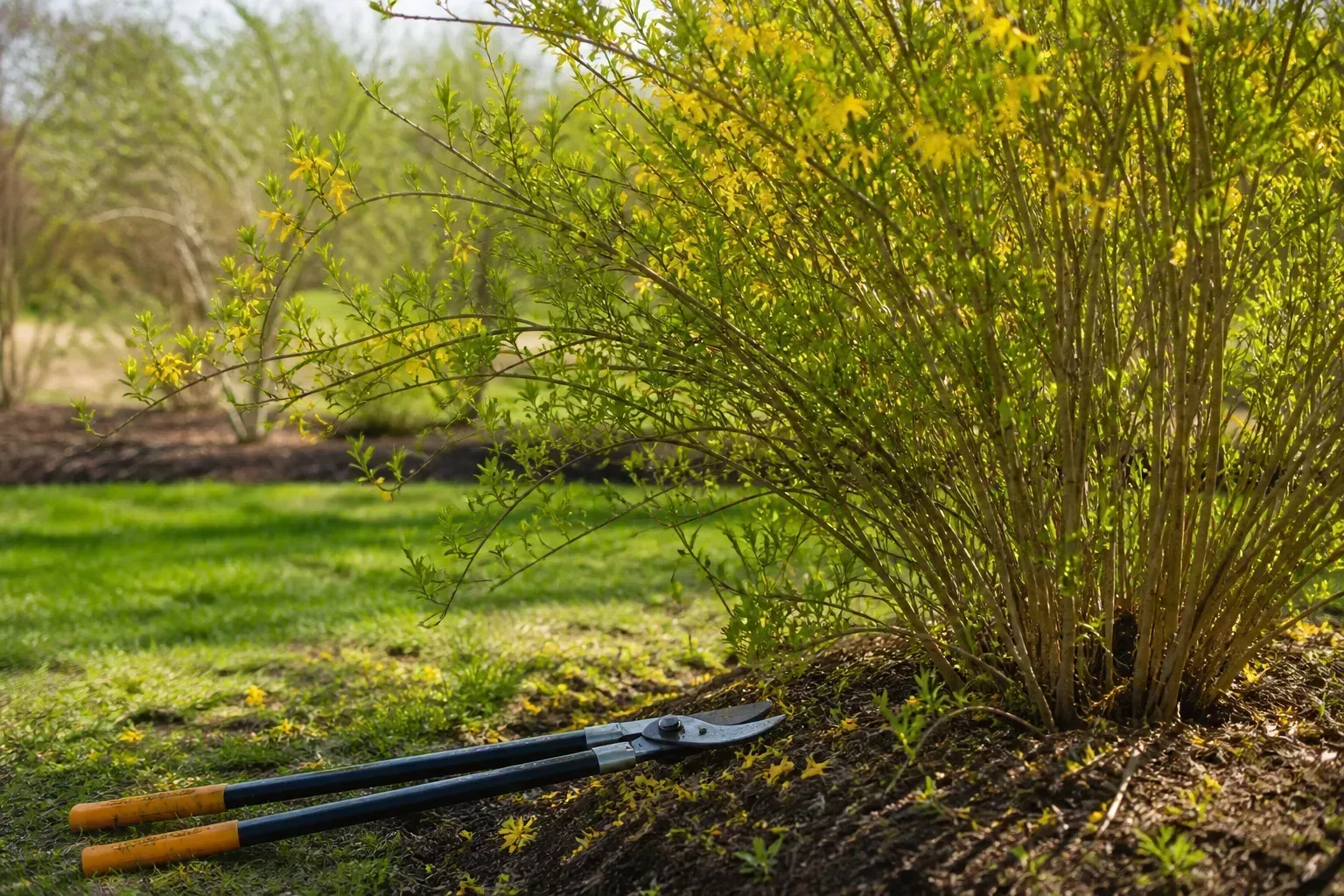
The best time to reduce an overgrown forsythia is after the yellow flowers fade, when you can remove old canes without sacrificing the coming display.
7. Aronia (chokeberry)
Aronia, commonly called chokeberry, is often grown for white flowers, glossy foliage, and red or dark fruit. Winter pruning can remove both the older wood that carries spring flowers and the fruit that gives birds a cold-season food source.
Most established plants need only occasional thinning. After flowering, remove a few of the oldest stems at ground level and eliminate branches that rub or crowd the center. If you want the fruit, avoid treating every berry-bearing branch as garden debris; the winter display is part of the shrub’s value.
A neglected aronia can be renewed over several years rather than flattened in one afternoon. That slower pace is especially useful when the shrub is part of a wildlife planting or when you are not sure how much space the replacement shoots will need.
8. Russian sage
Russian sage, now often sold under the botanical name Salvia yangii, has a woody base and airy stems that can look finished by winter. Cutting it hard in cold weather removes some of the structure that shelters the crown and leaves fresh wounds exposed to freezing conditions.
Leave the stems standing through winter, especially in colder or windier gardens. In early spring, cut back dead material once you can see where living shoots are emerging. A mild winter may leave more live growth; a harsher winter may require a lower cut. That is why a fixed date or fixed height is less reliable than inspecting the plant.
The same principle applies to many semi-woody perennials sold as shrubs: winter appearance is not a diagnosis. If stems are upright and intact, they can protect the base and add texture. If stems are broken or diseased, remove only those sections and wait for the spring growth signal before shaping the rest.
9. Rosemary
Rosemary is a perennial shrub only where winter temperatures allow it to remain perennial. In colder regions it may be grown as a container plant or treated as an annual, and a winter cut outdoors can expose living tissue that was already near its cold limit.
Do not reshape rosemary shortly before frost. Harvest small sprigs during the growing season, then wait until after the worst cold has passed to remove winter-killed tips. Make cuts into living green growth rather than into a bare woody section, because old wood may not produce replacement shoots.
If your rosemary is in a container, winter protection and light can matter more than pruning. Move it to a bright, cool location before severe freezes, and postpone size reduction until you see active growth. A plant that survived winter should not be punished with a hard cut before it has rebuilt its energy reserves.
10. Rhododendrons and azaleas
Rhododendrons and azaleas form flower buds on older wood, so late-winter pruning can remove the next flush of blooms. They are also slow to replace branches that have been cut too far back, which makes a quick size correction especially risky.
The better window is soon after flowering, usually no more than about three weeks later. Remove dead, diseased, or crossing branches first, then shorten only what needs directing. When deadheading, avoid snapping or cutting the new shoots that emerge beneath the spent flower trusses.
Rhododendrons and azaleas can sometimes tolerate renovation, but a severe cut should be a deliberate plan based on the plant, climate, and goal. If the shrub is too large for its location, transplanting or replacing it may be kinder than repeating drastic cuts that leave bare wood and delay flowering.
What you can safely prune in winter
“Do not prune” means do not do elective shaping, not “ignore every branch until spring.” You can usually remove a small stem that is clearly dead, broken, diseased, rubbing, or threatening a person or structure, provided you can make the cut safely from the ground. Winter is also a good time to inspect the branch framework and mark the work you will do after bloom.
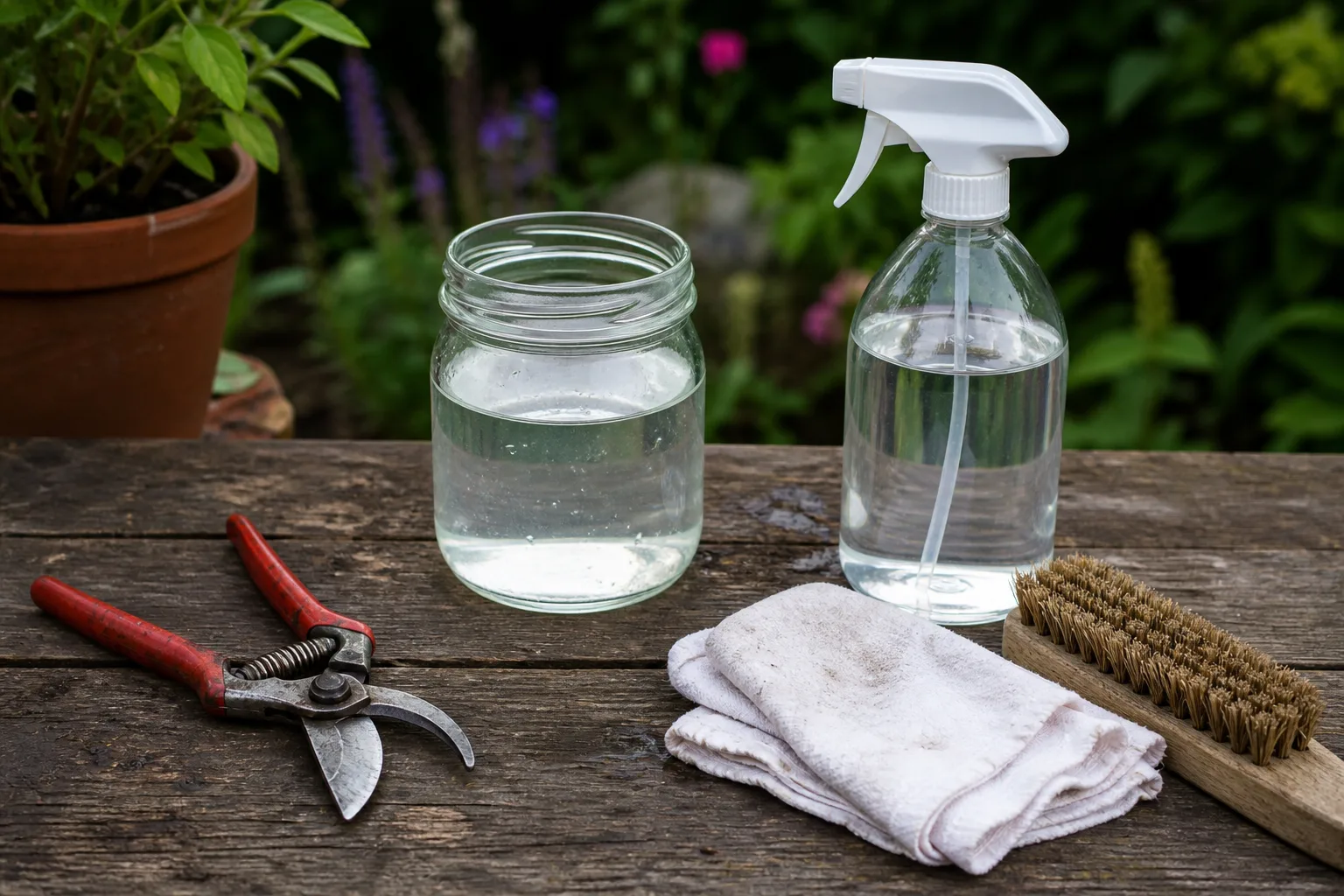
Clean, sharp tools help you make a controlled cut, but they do not turn an unsafe branch into a safe homeowner job.
Use bypass pruners for small stems, loppers for branches they can handle without crushing, and a pruning saw for larger reachable wood. Cut a small branch just above a healthy bud without leaving a long stub. For a larger branch, cut just outside the branch collar rather than flush against the trunk or parent stem. The Clemson Cooperative Extension pruning guide favors selective thinning over repeated shearing and explains why cutting every tip creates a dense, weakly lit outer shell.
Clean tools between plants when disease is suspected. Do not paint ordinary shrub cuts with sealant as a default; the Morton Arboretum advises that pruning paints and sealants are not generally recommended. If a branch is high, heavy, near a utility line, split in a major union, or attached to a large mature shrub you cannot control, stop and hire an arborist.
How to handle an overgrown shrub without losing a whole season
Overgrown does not always mean “cut it down now.” First decide whether you need a smaller plant, more light in the center, fewer crossing stems, or a safer clearance. Those are different pruning jobs, and each needs a different number of cuts.
For a lightly crowded shrub, thin selected branches at their origin. For a multi-stem shrub that needs renewal, remove about one-third of the oldest stems at ground level over a planned cycle. Purdue Extension describes a three-year renewal sequence in which the oldest stems are removed in stages, while the Morton Arboretum notes that renewal can improve light penetration, air circulation, and flowering.
Full rejuvenation—cutting a suitable multi-stem shrub close to the ground—can work for some forgiving species, including forsythia, certain spireas, and lilac. It removes the current flower display if done before bloom and is not appropriate for every evergreen or every old shrub. Use it as a species-specific renovation method, not as a universal rescue button.
If the shrub is too large because it was planted in the wrong place, repeated hard pruning will not change its mature size. Moving it while young, removing it, or accepting its natural shape may solve the problem more permanently than cutting the same plant back every winter.
A five-question winter pruning check
Before making a routine cut, ask:
- What is the exact plant? A common name such as hydrangea or sage can cover plants with different pruning needs.
- What is the goal? Name deadwood removal, post-bloom shaping, size reduction, renewal, or hazard control.
- When does it flower? Early spring bloom usually points to old wood; later bloom may indicate new wood, but confirm the cultivar.
- What will this cut remove? Look for fat flower buds, fruit, living green tissue, and stems that protect the crown.
- Can I do it safely and lightly? If the answer involves a ladder, chainsaw, utility line, unstable branch, or major mature shrub, call a professional.
If you are unsure, the best winter pruning decision is often to take a clear photograph, label the plant, and wait. A shrub can tolerate another month of looking imperfect; a removed flower bud cannot be put back.
Conclusion
The 10 shrubs on this list fall into two broad groups: old-wood bloomers that may lose spring flowers when pruned in winter, and cold-sensitive plants that benefit from keeping their woody protection until spring. Viburnum, old-wood hydrangeas, heath and heather, lilac, forsythia, aronia, and rhododendron or azalea usually deserve a post-bloom plan. Lavender, Russian sage, and rosemary usually deserve a light, climate-aware spring cleanup instead of a hard winter cut.
The exception is important: dead, diseased, broken, or dangerous wood may need prompt removal. Keep that job narrow, make clean cuts with the right tool, and leave major or unsafe work to a qualified professional. The most useful winter pruning habit is not cutting more confidently; it is identifying the plant, the bud habit, and the reason for the cut before the first snip.



