How to Identify Snake Holes in Your Yard Safely
Found a snake hole in your yard? Learn which clues matter, when not to fill it, how to reduce food and shelter, and when to call wildlife help.
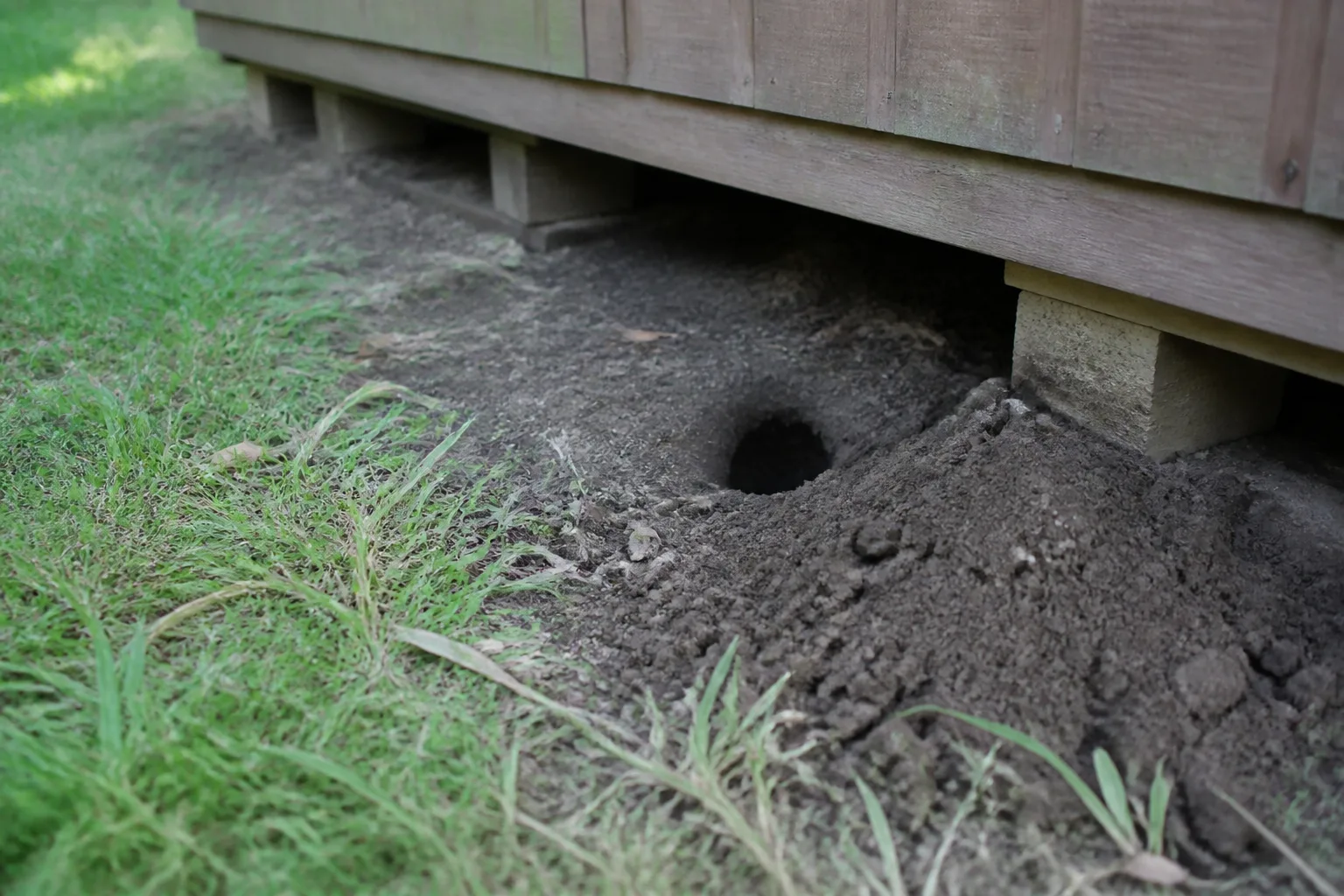
If you find a round opening in the lawn, beside a shed, or under a deck, do not assume a snake dug it or that one is inside right now. Most snake holes are reused openings made by rodents, other animals, erosion, or gaps around a structure, so the first task is to identify the conditions around the hole without reaching into it.
The safest response is simple: keep people and pets away, photograph the opening from a distance, look for fresh animal sign without disturbing the entrance, and postpone filling or sealing until you know the space is unused. A hole by itself is weak evidence; a hole paired with a shed skin, a confirmed sighting, or repeated trails deserves more caution.
The Short Answer: Treat the Hole as Unidentified at First
A possible snake hole is usually a burrow or gap that a snake may use, not a structure you can identify as snake-made. The size, shape, and cleanliness of an opening can narrow the possibilities, but they cannot tell you which animal is occupying it today or whether the animal is harmless.
Start with a low-risk decision rule. If you have only a hole, observe it from a clear path and leave it alone for now. If you also see a snake, shed skin, repeated movement, or a fresh trail leading into cover, increase the distance and contact a local wildlife agency, cooperative extension office, animal control department, or qualified nuisance-wildlife professional for location-specific guidance.
The Internet Center for Wildlife Damage Management’s ground-hole identification guide separates true burrow entrances from shallow divots and compares several animals that can produce small holes. That distinction is useful here: the opening tells you to investigate the site, not to label the animal.
Why Snakes Usually Use Holes Instead of Digging Them
Most snakes do not excavate a fresh tunnel like a rodent. They take advantage of existing burrows, rock crevices, gaps beneath slabs, spaces under porches or sheds, and other sheltered places that provide protection from weather and predators. Some species can move through loose soil or use underground dens, but a homeowner generally cannot identify the original maker from the entrance alone.
That is why “snake hole versus rodent hole” is often the wrong first question. The more useful question is: What made the opening, and is a snake using the shelter now? Fresh soil, gnawing, nest material, or repeated digging may point to an active rodent. A shed skin, a snake sighting, or a smooth trail near the same refuge adds evidence of snake use, but still does not prove that the animal is present at the moment you look.
Snakes also do not build bird-like nests. They select places for cover and temperature control, and the shelter may be temporary or seasonal. The snake biology guidance from the Internet Center for Wildlife Damage Management explains that underground dens can protect snakes from freezing and that habitat around homes often includes woodpiles, heavy mulch, long grass, rock, debris, and places where prey is available.
How to Inspect a Possible Snake Hole Without Disturbing It
You do not need to prove what is inside the hole to make a good first decision. Use this inspection sequence in daylight, from a place where you can see your footing:
- Keep back and clear the area. Bring children and pets indoors or to another part of the yard. Do not kneel beside the opening, block its exit, or ask a dog to investigate.
- Photograph before touching anything. Use your phone’s zoom from several feet away. Include the surrounding ground, any mound, and a nearby object for scale rather than placing a ruler or coin beside the entrance.
- Read the surface, not the tunnel. Look for fresh loose soil, paw or claw marks, gnawing, shredded nest material, webs, leaves, tracks, or a smooth path. Do not probe with a hand, stick, hose, camera, smoke, or chemical.
- Map the setting. Note whether the opening is in the open lawn, beside a foundation, under a shed, near a rock or woodpile, or next to dense plants or standing water.
- Record repeated evidence from a safe distance. A single visit cannot tell you whether a hole is active. If the area is safe to observe, photograph it again later without covering or baiting the entrance.
The CDC’s NIOSH snake-safety guidance gives a rule that applies especially well to burrows: do not put hands or feet where you cannot visually inspect them, and do not handle a snake. Wear closed shoes, long pants, and sturdy gloves when working around brush or debris, but treat protective clothing as a risk reducer—not permission to reach into an opening.
How to Interpret the Evidence Around an Opening
The strongest clues are direct signs that a snake has used the location. A hole alone is a habitat clue. The most reliable interpretation comes from the combination of the opening, its surroundings, and fresh animal sign, not from a single measurement.
Clues That a Rodent or Other Animal Is Still Active
Fresh loose soil pushed out of the entrance is more consistent with an animal that is excavating or maintaining the burrow than with a snake simply using it. Tiny paw prints, claw marks, gnawed edges, and shredded paper, fabric, plastic, plant material, or other nesting debris also point toward rodent activity. A clean, smooth entrance can still be a rodent hole; repeated traffic by any animal can wear an opening smooth.
Small openings can come from several animals. The wildlife-damage identification guide notes that chipmunk holes tend to be clean and roughly silver-dollar sized, vole openings can occur around plant roots, crayfish holes are associated with wet ground and may have a mud structure, and rat holes can be smooth from repeated use. These are useful alternatives, not a do-it-yourself species diagnosis.
If the hole is under a structure, an active rodent problem matters even when you never see a snake. Rodents can attract predators, damage insulation or stored materials, and make the space more difficult to exclude later. Solve the food and shelter conditions first, then use a qualified professional if the burrow connects to a building or foundation.
Clues That Raise Suspicion of Snake Use
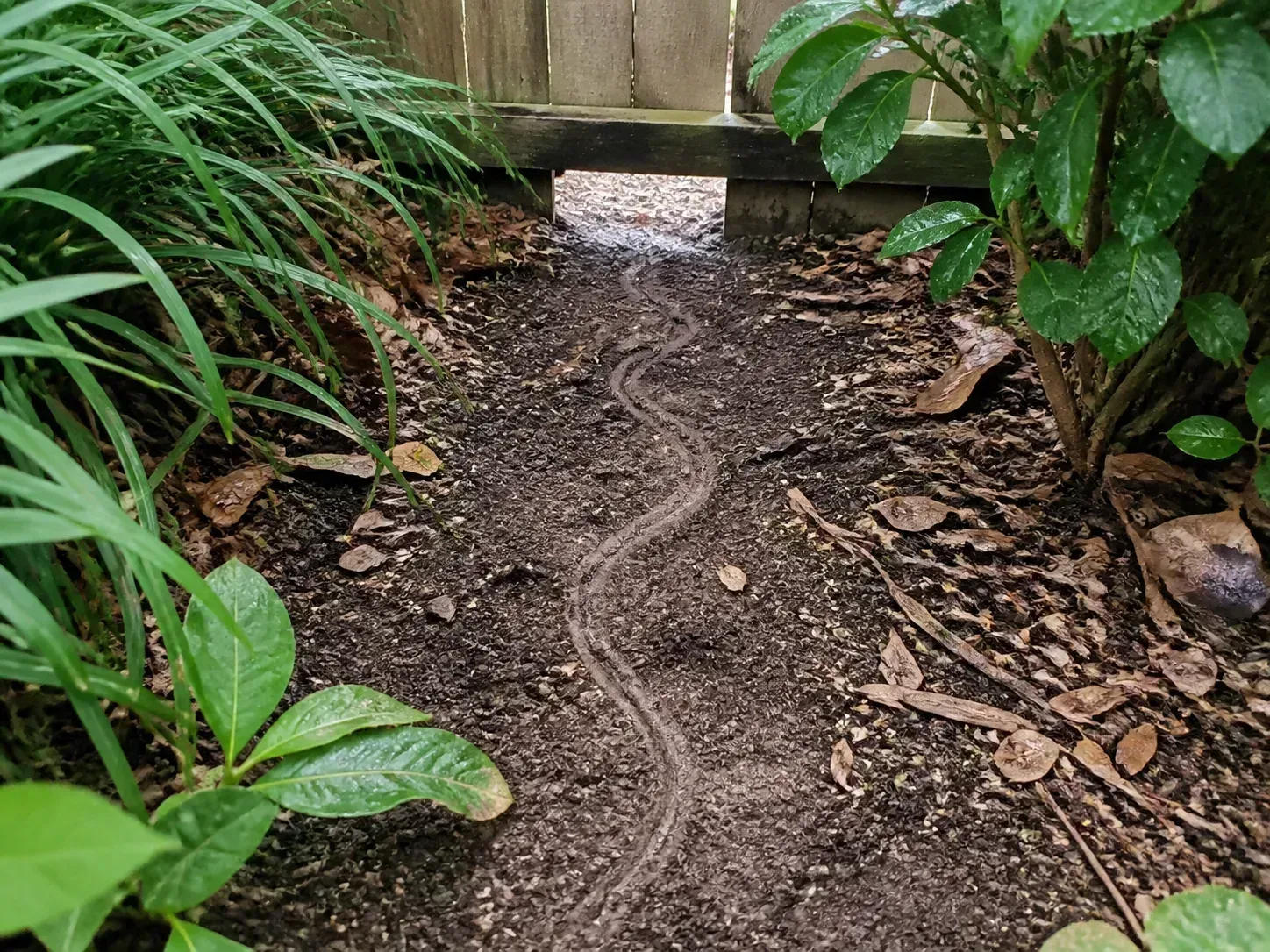
Look for a translucent shed with a repeating scale pattern, a confirmed snake sighting, or a smooth, winding disturbance through loose soil that connects one refuge to another. Snake droppings may contain a dark fecal portion and a pale, chalky urate portion, but lizards and other animals can leave similar-looking waste, so droppings alone are weak evidence.
The ICWDM snake-identification guidance describes subtle signs such as tracks in dust, drags through spider webs, and shed skins. Those signs can show that a snake passed through, but they cannot establish that a snake is still inside the hole or reveal whether it is venomous.
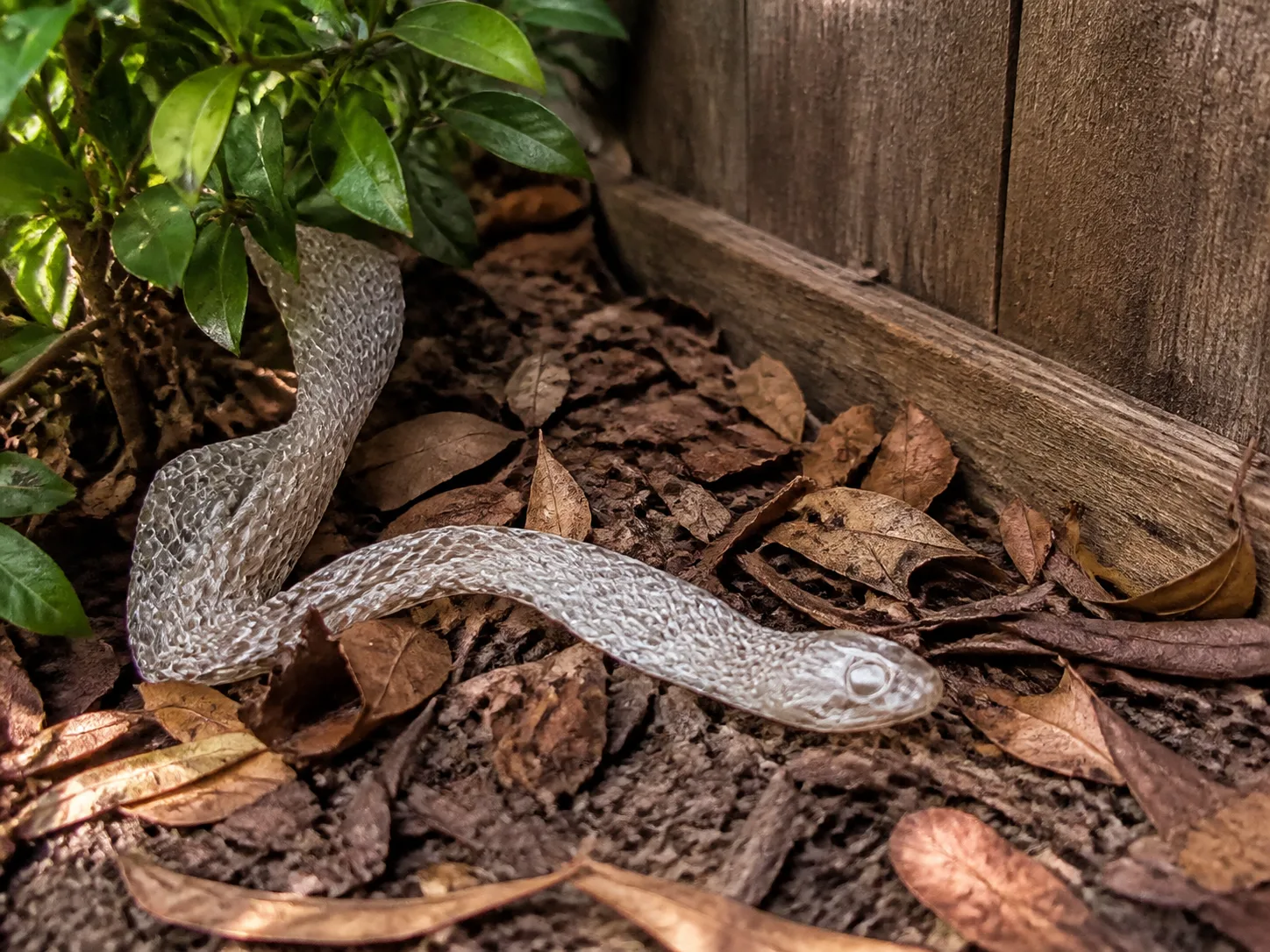
Treat a shed as evidence of past use, not a live-occupancy alarm. Weather, mowing, and foot traffic can leave a shed in place after the snake has moved on. A shed near a hole is more meaningful when you also see a fresh trail, repeated sightings, or protected cover around the same entrance.
Snake Hole vs. Rodent, Chipmunk, Vole, Turtle, and Insect Openings
No surface checklist can identify every hole in every region, but this comparison helps prevent overreaction:
| What you see | More likely interpretation | What it cannot prove |
|---|---|---|
| Fresh soil, claw marks, or gnawed edges | A digging mammal may be active | That a snake is absent; snakes can reuse the opening later |
| Shredded nesting material nearby | Rodent or other small mammal shelter | The exact species or whether the nest is occupied now |
| A clean opening with little fresh soil | An old or repeatedly used burrow | That a snake made or currently occupies it |
| A small hole beside a plant root | Vole or another small burrower is possible | That the hole is too small for a snake; some small snakes use narrow gaps |
| Mud, water, or a raised structure at the entrance | Crayfish or another moisture-associated animal is possible | That a snake is not visiting the area |
| A dome, excavated soil, or a sloping entrance | A larger burrow or reptile-associated site may be involved | Which animal is responsible without local expertise |
| A tiny opening that ends quickly | An insect opening or shallow cavity is possible | That a snake is not using a nearby gap |
The goal is not to identify an animal by hole size alone. The National Pesticide Information Center’s snake guidance recommends using local extension and wildlife resources when identification is uncertain, and it warns against handling snakes simply to get a closer look. If a photo is needed, take it from a distance and let a local expert interpret it.
Read the Yard Around the Hole: Food, Cover, and Moisture
Snakes are predators, so a hole becomes more interesting when the yard also provides prey and shelter. A damp, overgrown corner beside a shed can offer both a hiding place and a steady supply of frogs, slugs, insects, or rodents. A bare, frequently used path with no cover is less likely to be a long-term refuge, even if a snake crosses it.
Food Sources That Draw Prey—and Then Snakes
Birdseed scattered beneath a feeder, unsecured pet food, open animal feed, fallen fruit, accessible trash, and a rodent-friendly compost area can build the food chain that brings snakes into a yard. Irrigation and standing water can also increase worms, slugs, frogs, and insects in some landscapes. That does not mean every snake sighting indicates an infestation; it means removing the underlying attractant is more useful than trying to punish the predator.
Utah State University Extension’s yard-snake guidance recommends storing birdseed and pet food securely, cleaning up spills, avoiding overwatering, and keeping vegetation trimmed near the home. Gardening Know How makes the same practical point in its garden snake-control overview: habitat modification and food-source reduction are more dependable than chasing a snake from one corner to another.
Shelter and Temperature Clues
Look for the cover that makes a hole worth using: woodpiles, boards, scrap metal, rock borders, deep mulch, compost, dense groundcover, tall grass, leaf piles, crawl spaces, and gaps beneath decks or sheds. Snakes also use warm or cool protected places to regulate body temperature, so the same yard can be attractive at different times of day or year.
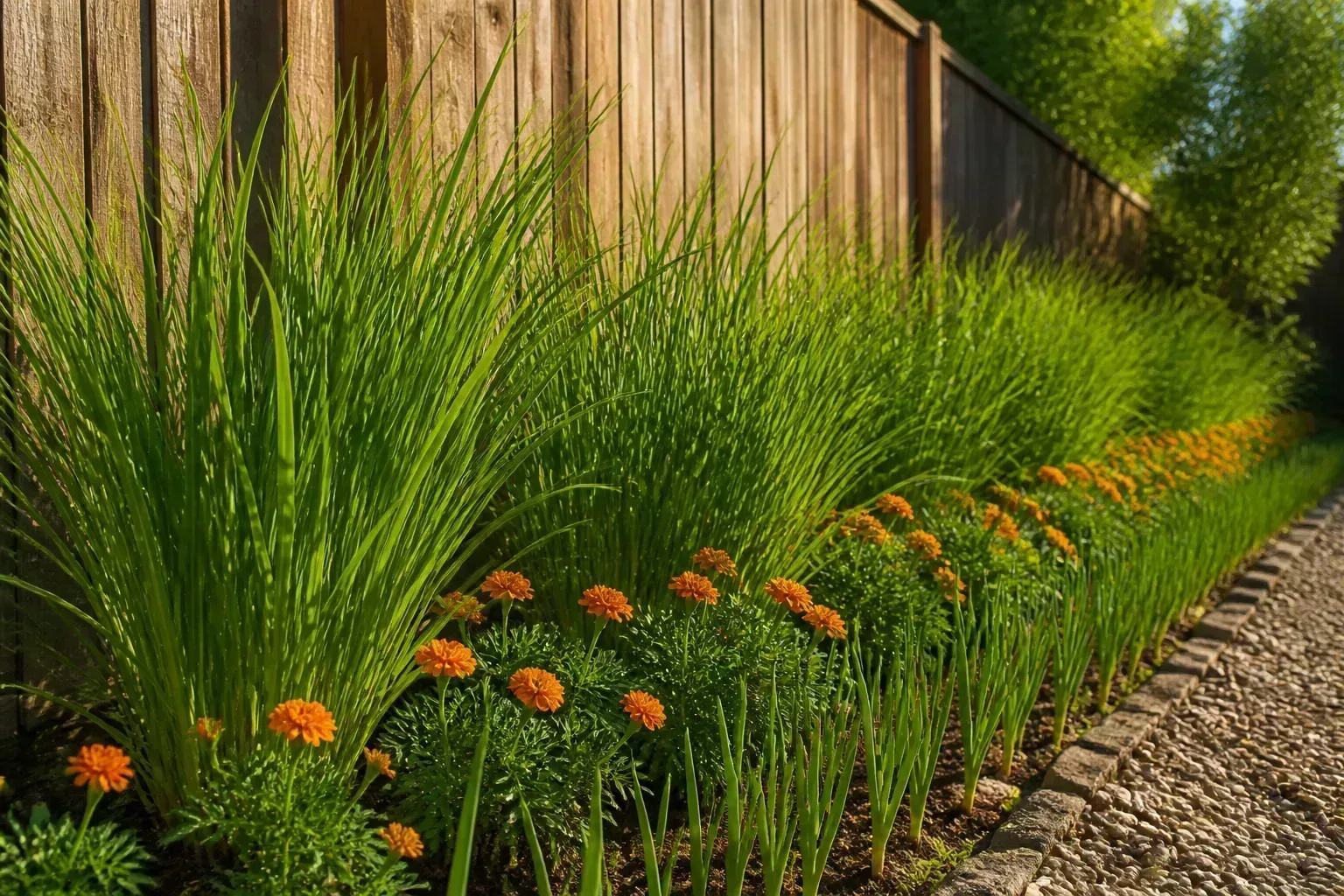
You do not have to remove every natural feature from the property. The RHS guide to wildlife in gardens describes gardens as a collection of microhabitats in which water, stone, compost, dead wood, and vegetation provide shelter and food for wildlife. If you want fewer surprise encounters, keep habitat farther from the house, children’s play areas, and main paths rather than trying to sterilize the entire yard.
What to Do Immediately After Finding a Possible Snake Hole
Do not fill the entrance, flood it, smoke it, pour chemicals into it, or set an improvised trap. Those actions can injure wildlife, drive an animal into a building, or leave you standing within striking distance of an animal you cannot identify. They also fail to address the food and shelter that may cause another animal to use the same space.
When Leaving the Opening Alone Is the Safest Choice
Leave the opening undisturbed when it is away from the house, the route you use, and children’s or pets’ play areas, and when you have no direct sign of an active hazard. Keep the location in your notes, improve visibility around it when you can do so without approaching the opening, and observe from a distance rather than trying to force the animal out.
If you later confirm that an open-yard hole is old and unused, it can be filled as part of repairing the underlying burrow problem. Use ordinary soil or the repair material appropriate for the site, and do not start that work while an animal may still be using the entrance. A professional can help determine whether an opening under a structure needs one-way exclusion, a repair, or simply monitoring.
When to Call a Wildlife Professional
Call local animal control, a state wildlife agency, a cooperative extension office, or a licensed nuisance-wildlife professional when:
- a snake may be venomous or you cannot identify it from a safe distance;
- the opening is under a house, deck, porch, shed, or other structure;
- a snake is near a doorway, children’s play area, pet area, or frequently used path;
- you find eggs, repeated sheds, or several sightings around one refuge;
- the animal is trapped, cannot retreat, or appears injured; or
- anyone may have been bitten.
Ask what training, licensing, and local wildlife rules apply before hiring someone. Relocation and removal laws vary, and moving an animal without a plan can create a new problem for the snake and the people at the release site. The ICWDM handling guidance cautions that translocation may be illegal in some states and recommends consulting a professional herpetologist for live-snake removal questions.
Make the Yard Less Inviting Without Chasing Every Snake Away
The practical objective is not a guarantee that no snake will ever cross the property. It is a lower-risk, more visible home perimeter in which food spills, rodent shelter, and hidden openings are controlled. The measures below are most useful near the foundation, doors, children’s play areas, pet routes, and work areas.
Reduce Rodent and Prey Attractants
Store birdseed, pet food, and animal feed in tightly closed containers. Clean up spilled seed and uneaten food, secure trash, harvest fallen fruit, and keep compost managed so it does not become a rodent refuge. If you have rodent signs, address them with an integrated pest-management plan suited to your local laws and household risks; removing a snake while leaving the prey source in place is a temporary fix.
Keep grass and weeds short enough to see the ground along the house and frequently used paths. Trim shrubs so branches and dense foliage do not create a hidden tunnel against the foundation, but preserve a separate wildlife area farther from the house if that supports your garden goals. Mow or move brush carefully in daylight, scan the area first, and do not put hands under debris that you have not visually checked.
Create a Visible Buffer and Exclude Buildings Carefully
Move firewood, boards, scrap metal, rock piles, and dense mulch away from the foundation. Repair gaps around doors, windows, vents, pipes, and crawl spaces, but inspect first: never seal an opening if an animal may be inside. Building exclusion should use durable materials appropriate for the structure and local wildlife, not a wad of debris that creates another hiding place.
Where venomous snakes are a recurring local concern, a properly designed snake-exclusion fence may be reasonable around a small, high-use zone such as a play area. The ICWDM prevention and control guidance describes mesh, burial, gate, and vegetation considerations, but whole-yard fencing can be expensive and species-specific. Treat it as a targeted safety project, not a universal do-it-yourself answer.
Snake Repellents and Hole-Filling: What Not to Do
Commercial snake repellents, sulfur, and strong-smelling home remedies are often sold as easy answers, but results in open yards are unreliable. The ICWDM notes that snake-repellent products lack extensive evidence of real-world effectiveness, while the National Pesticide Information Center warns that chemical products can create risks for people, pets, and the environment when misused.
Do not put mothballs into a yard, burrow, crawl space, or garden bed. They are pesticides intended for labeled uses, not a general outdoor snake treatment, and NPIC specifically explains that mothballs are not intended to repel snakes and may violate the product label when used outside. Do not use glue traps outdoors, where non-target wildlife can be caught, and do not pour fuel, bleach, ammonia, or other chemicals into a hole.
Filling a hole can be appropriate only after you have a reasonable basis to believe it is vacant and after you have addressed the animal that created it. If a hole connects to a building or a snake may be using it, sealing the entrance can trap wildlife inside or redirect it into your home. That is a professional-exclusion problem, not a shovel-first chore.
Snakebite Response and Household Safety
If you see a snake, stop and give it room to retreat. Do not corner, catch, pin, kill, or handle it, even if you believe it is harmless. The Savannah River Ecology Laboratory’s snake-safety guidance emphasizes watching where you step and reach, using a flashlight at night, keeping pets away, and leaving a snake alone rather than trying to nudge it.
If a bite occurs or may have occurred, move away from the snake and seek emergency medical help immediately. Keep the person calm and still, remove rings or watches before swelling increases, and follow emergency-dispatch instructions. If it can be done without approaching the animal, a photograph from a safe distance may help with identification, but never delay care or try to capture the snake.
Do not cut the wound, suck out venom, apply ice, use a tourniquet, immerse the bite, drink alcohol, or wait for symptoms. The CDC’s current outdoor-worker first-aid guidance lists these practices as actions to avoid and recommends prompt medical attention. Keep local emergency numbers and your regional poison-control contact available if snakes are common where you live.
Conclusion
A hole in the yard is not a snake identification. It is an opening that may have been made by a rodent or another animal and later reused as shelter. Read the entrance and its surroundings from a distance, look for fresh digging, shed skin, trails, or repeated sightings, and resist the urge to probe, poison, flood, or seal an uncertain refuge.
The most durable fix is usually environmental: secure food, reduce rodent shelter, keep the home perimeter visible, move clutter away from high-use areas, and repair building gaps only after confirming nothing is inside. Leave a low-risk open-yard refuge alone when possible, and bring in local wildlife expertise when the animal is near people, pets, structures, eggs, or suspected venomous-snake habitat.