Can You Remove a Neighbor's Plants From Your Yard?
Can you remove a neighbor's plants from your yard? Learn how to verify the line, handle tomatoes, vines, and trees, and avoid a costly dispute.
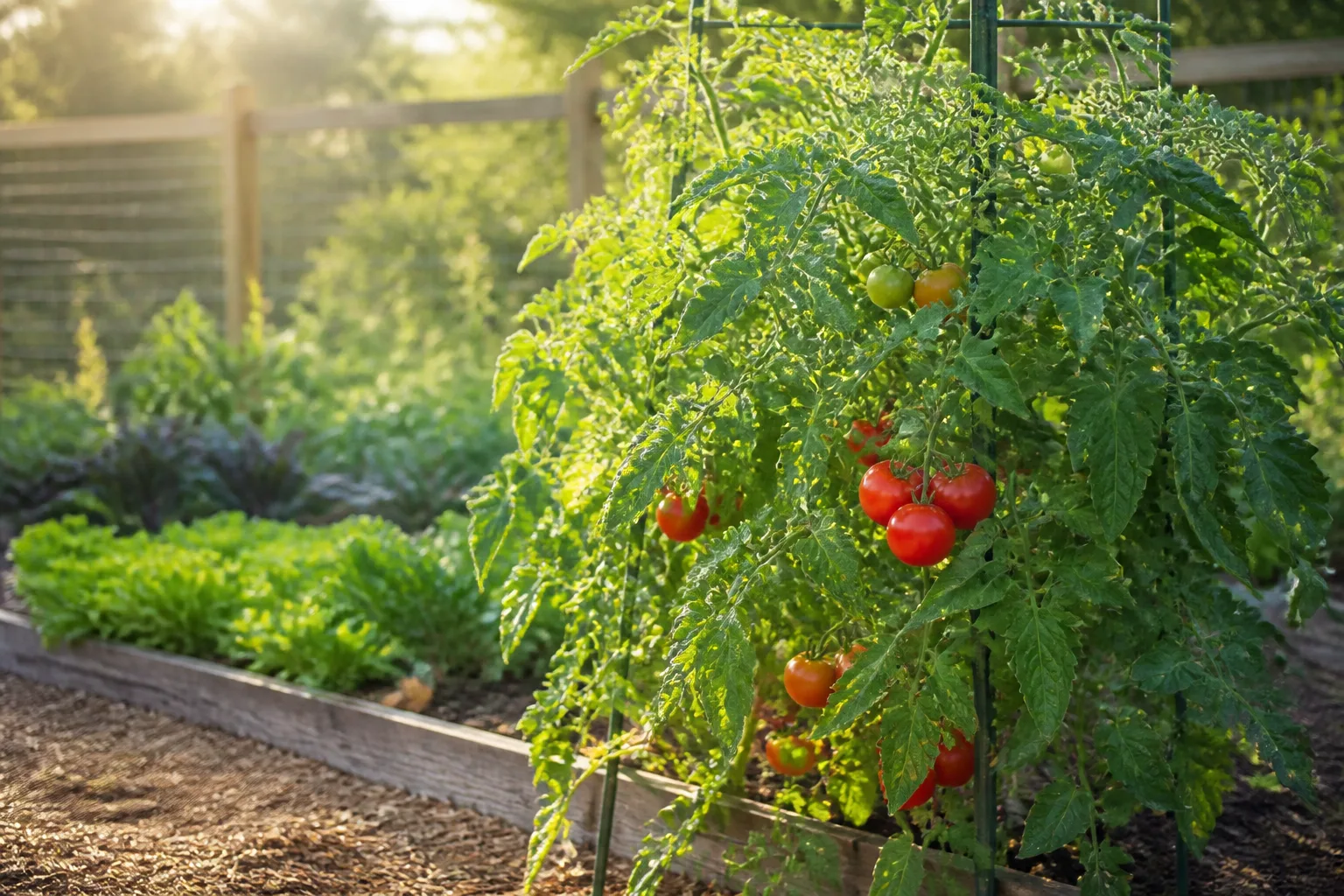
If a neighbor’s tomato, vine, shrub, or volunteer seedling is growing on your side of the boundary, the tempting answer is to pull it out and move on. The safer answer is to pause long enough to confirm where the line is, what part of the plant is actually on your land, and whether the plant falls into a category with different rules.
That distinction matters because an annual tomato planted in the wrong bed is not the same problem as a tree trunk on the boundary, a hedge growing through a fence, or a few branches hanging over the lawn. Property law varies by state, province, and country, so this is practical garden and communication guidance—not a legal opinion about your parcel.
The short answer: verify before you remove
You may have a reasonable basis to remove a plant that is genuinely rooted and growing entirely on your property, especially if you never agreed to let it stay. But “it is in my yard” is not always enough to justify immediate removal. A survey may show the bed is not where you thought it was, a prior owner may have made an agreement, an HOA or local rule may apply, or the plant may be a shared boundary tree rather than a simple annual.
The best first move is a four-part check:
- Photograph the plant and its surroundings before disturbing anything.
- Confirm the boundary using your deed, plat, survey, and visible markers rather than assuming the fence is exact.
- Classify the plant as an annual vegetable, woody plant, tree, vine, root, branch, or fruiting plant.
- Contact the neighbor with a calm request and a reasonable deadline unless there is an immediate safety issue.
This sequence is not just polite. It creates a record of what you saw, reduces the chance of removing the wrong plant, and gives both people a chance to solve a small garden problem before it becomes a property dispute.
First identify what is actually crossing the boundary
“The neighbor’s plants are in my yard” can describe several different situations. Look at the base of the plant at soil level, not just the leaves you can see from a window. A tomato stem in your bed, a shrub trunk beside the fence, and a vine climbing across the fence are different facts.
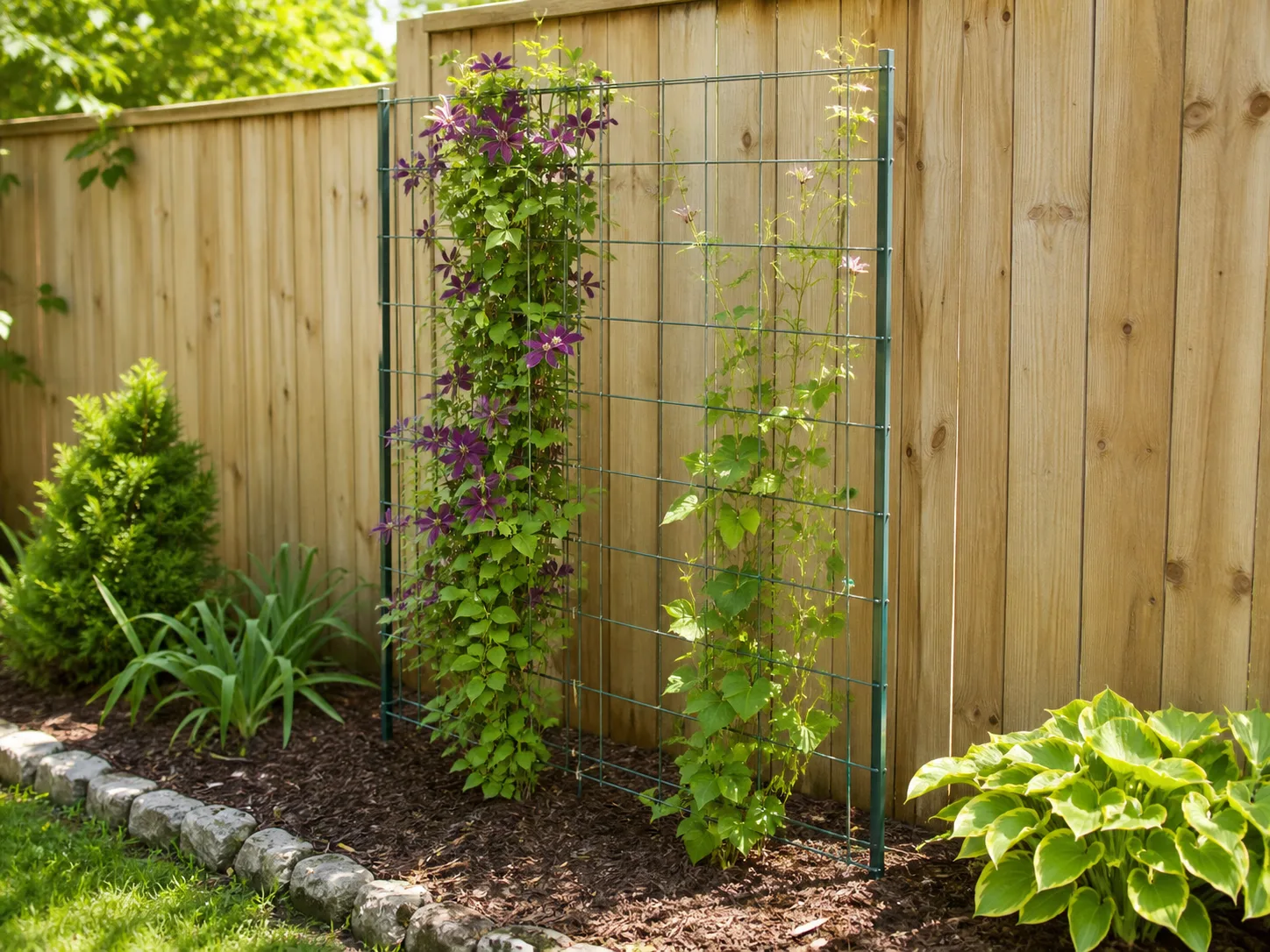
Annual vegetables are not the same as woody plants
Tomatoes, peppers, lettuce, beans, and many flowers are annual or seasonal crops. They are usually planted for one growing season, can be replaced with seedlings, and do not create the same long-term structural questions as a tree or established shrub. That does not make them worthless: a productive plant can represent weeks of watering, staking, pruning, pest control, and an expected harvest.
Trees and large shrubs deserve a higher pause threshold. The location of the trunk, the health of the plant, local tree rules, and the potential for damage all matter. UF/IFAS Extension explains that a tree whose trunk straddles a property line may be treated as a jointly owned boundary tree under Florida guidance, while a tree fully on one parcel can still send branches or roots across the line. That is a useful warning against applying an annual-tomato assumption to every plant.
Separate roots, stems, branches, vines, and fruit
Make a simple sketch or mark the facts in your photos:
| What you see | Why it changes the response | Safer first move |
|---|---|---|
| Stem or plant base in your bed | The plant may be physically planted on your parcel | Verify the line, then ask for removal or set a date |
| Trunk or woody base on the line | It may be a shared boundary plant or tree | Stop and get a survey or local advice before cutting |
| Branches, leaves, or vines over the line | The plant may be on your neighbor’s land while growth crosses over | Discuss pruning; never enter their land or cut beyond the line |
| Roots under your soil | Roots are hard to locate and cutting them may harm the parent plant | Get professional advice for a tree or large shrub |
| Fruit hanging or falling into your yard | Location of the fruit does not automatically settle ownership | Ask before harvesting or disposing of it |
The point is not to turn a tomato bed into a courtroom. It is to avoid making a permanent decision based on the most visible part of a plant. A few leaves over the fence are not proof that the neighbor planted in your yard, and a neat row of stakes is not proof that the row is on their side.
Confirm the property line before touching a root
A fence, retaining wall, hedge, or line of stepping stones can sit on the boundary, inside one lot, or partly on each side. It may also have been installed years ago without a survey. Treat it as a visual clue until your ownership documents or a professional survey establish something more precise.
Use documents and markers, not a fence alone
Start with the closing papers for your property, the recorded plat or deed description, and any survey you received when you bought the home. Look for iron pins, monuments, stakes, or other boundary evidence shown on the survey. Online parcel maps and tax maps can help you orient yourself, but they are not a substitute for a licensed survey when the exact line matters.
Do not measure from the house, sidewalk, or fence and assume the result is legally decisive. A small-looking gap can matter when a garden bed, mature shrub, or contractor is involved. Also check whether an easement, shared driveway, drainage area, utility corridor, lease, HOA covenant, or prior written agreement affects what can be planted or removed.
The legally reviewed overview from FindLaw on conflicts involving trees and neighbors makes the same practical point in a broader way: state and local rules control many property-line disputes, and documenting the issue and communicating before action are sensible starting steps. Use that as a framework, not as a substitute for advice tied to your location.
When to hire a licensed surveyor
A survey is worth considering before removal when:
- the fence and the deed or plat do not seem to agree;
- the plant is valuable, mature, or difficult to replace;
- the neighbor disputes your boundary or says you are trespassing;
- a tree trunk, hedge row, raised bed, or irrigation line sits near the assumed line;
- you are planning a new fence, wall, bed, or permanent planting;
- the proposed removal could affect a house, drain, retaining wall, utility, or shared access.
If the question is only whether to let a few annual tomatoes finish the season, a survey may be disproportionate. If the question is whether a landscaper should remove a mature tree or an entire planted border, guessing is false economy.
Use a three-part decision rule for removal
Once you know what is physically happening, choose the least destructive option that solves the problem. The goal is not to reward an unauthorized planting; it is to protect your property while avoiding damage you did not need to cause.
If the plant is entirely on your side
If the base of a seasonal plant is clearly inside your boundary and there is no agreement, lease, HOA rule, or local restriction giving the neighbor a right to use that space, you have a stronger practical case for asking that it be moved or removed. Give notice first when circumstances allow, set a clear date, and say what you will do if the date passes.
If you decide to remove it, tell your landscaper exactly what is included and what is not. Walk the area with the contractor, show the boundary evidence, mark the plants to preserve, and take a final photo. “Clear everything on that side” is an invitation to remove more than you intended—especially when weeds, vines, young trees, and food crops are mixed together.
For a small annual bed, the cleanest solution may be to let the crop finish if it is not blocking access, damaging anything, or creating a safety problem. That is a voluntary accommodation, not an admission that the neighbor owns your land. Put any temporary permission in writing with an end date if the boundary has already become contentious.
If the base or trunk straddles the line
Do not pull, cut, or instruct a contractor to remove the plant until the line is confirmed. When a tree trunk sits across the boundary, both UF/IFAS Extension’s Florida guidance and the Royal Horticultural Society’s England-focused guidance treat that as a potentially shared ownership situation. The legal details differ by jurisdiction, but the practical lesson is portable: a line plant deserves consent and professional advice before destructive work.
An annual tomato may not receive the same legal treatment as a boundary tree, and there is no universal rule that a row of vegetables is jointly owned. That uncertainty is exactly why you should not borrow a tree rule, a fence assumption, or a social-media answer and apply it to your situation. Get the boundary surveyed, identify who planted it, and ask a local professional if the neighbor will not agree.
If only growth extends into your yard
Branches, roots, leaves, fruit, and vines can cross a line even when the plant is rooted on the other parcel. Many jurisdictions recognize a limited right to address growth that physically enters your property, but the usual limits are important: stay on your side, stop at the boundary, avoid damaging the parent plant, and follow local rules for protected trees, wildlife, utilities, and contractor access.
The RHS guide to trees and the law is written primarily for England, so it is not a rulebook for a U.S. yard. It is still useful for showing the distinctions a careful gardener should make: a tree on the boundary, an overhanging branch, a root, a climber on a wall, and fallen fruit are not the same question. FindLaw’s overview likewise emphasizes that trimming rights generally end at the property line and that state and local laws vary.
For a vine, the least risky first move is often to ask the neighbor to redirect or cut it from their side. If you must prune growth on your side, use clean, appropriate cuts and avoid a large removal that could destabilize or kill a woody plant. Do not climb over a fence, set a ladder on the neighbor’s land, or reach through to do work that requires permission.
Talk first and document the request
A neighbor may not know that a bed crossed the line. They may have inherited it from a previous owner, relied on an old informal arrangement, or assumed the fence was the boundary. A calm message gives them a chance to fix the problem and gives you evidence that you tried a reasonable solution.
A message that is clear without being hostile
Keep the first contact factual. Avoid “you are trespassing” unless a lawyer has advised you to use that language and you understand its consequences. A message like this is more useful:
Hi, I noticed the tomato bed is on the side of the property that appears to be within my boundary. I am checking the survey and taking photos so we can be sure. Please move the plants by [date], or let me know by then if you would like to agree on a short, written end-of-season exception. I do not want a landscaper or either of us to remove the wrong plants.
If the plant is a tree or large shrub, replace “move the plants” with a request to inspect the boundary together and agree on a surveyor or arborist. If there is a safety issue—an unstable tree, blocked access, exposed irrigation, or a poisonous plant in a child or pet area—say exactly what the risk is and ask for a prompt response.
After the conversation, send a short written recap: what was observed, what each person agreed to do, the date, and who will pay for agreed work. Do not secretly record a conversation unless you know your local recording law. Photos, dates, and a neutral written summary are usually enough to make the facts clearer.
If the plants are already gone, repair what you can
If you or your landscaper already removed the plants, the next useful step is not to win an argument about who was technically right. Preserve the photos, identify what was removed, and acknowledge the impact without making a legal admission you do not understand.
You can say: “I believed the bed was on my side, but I should have confirmed the line and identified the plants before giving the instruction. I understand that the crop represented work and a harvest. Let’s discuss a reasonable way to address the loss and prevent this from happening again.”
If a contractor did the work, do not assume that saying “the landscaper did it” ends the conversation. The contractor acted on the instructions they received. Review the work order, photos, and any estimate, then decide whether the contractor’s mistake, your instruction, a boundary error, or the neighbor’s planting decision caused the problem. If there is a demand for significant money or a threat of a claim, stop negotiating the legal merits and speak with a local real-estate attorney or mediator.
Should you pay for replacement plants?
There is no universal “tomato replacement” price, and a request for compensation is not automatically an admission that you owe it. The fair response depends on facts such as whether the plant was clearly on your property, whether you had notice, whether there was an agreement, whether you acted carefully, whether the plant was annual or permanent, and what loss can actually be shown.

Think in terms of a practical remedy rather than a dramatic yes-or-no verdict. Possible options include buying comparable starts, reimbursing documented plant and support costs, paying for a new bed in the neighbor’s yard, allowing a short temporary replanting arrangement, or agreeing to let the neighbor harvest what remains. Any agreement should state what happens next season and where the new plants will go.
Why a mature tomato is not an equal swap
A garden-center tomato in a pot is not the same thing as a fruiting plant that has already been watered, trained, protected, and selected for a particular variety. A replacement may be smaller, a different cultivar, unavailable late in the season, or unable to produce the same harvest window. That does not mean the neighbor can name any price; it means the loss should be discussed honestly rather than reduced to the cost of one seedling.
There is also a horticultural reason to avoid casual “just replant it” advice. University of Minnesota Extension’s discussion of tomato transplants explains that wounds can create entry points for pathogens and that sanitation and careful scouting matter when handling transplants. A mature plant moved in hot weather can also suffer root disturbance, wilt, sun stress, and a lost harvest even if it survives.
The most balanced offer often addresses the actual season: a comparable healthy plant if one is available, the materials needed to re-establish the bed, or a reasonable contribution toward a replacement crop. Write down that the payment or replacement resolves this incident and does not create permission to plant on your property in the future.
Prevent the next boundary-garden conflict
The easiest dispute to solve is the one that never becomes invisible. When a boundary is close to a garden bed, make the line legible without pretending a decorative marker changes the legal boundary.
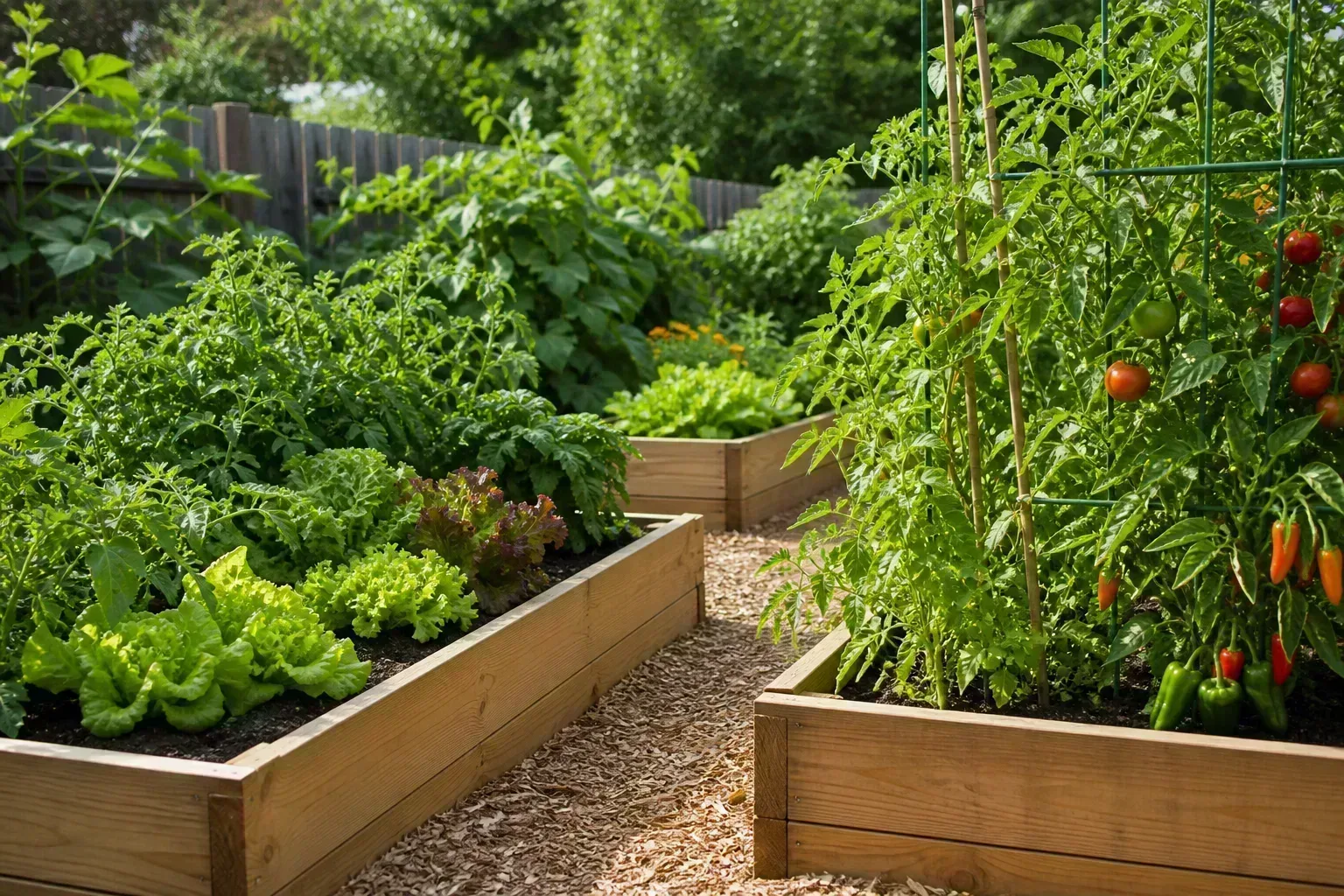
Use a measured buffer on the planting side, keep trellises and stakes facing inward, and choose containers or a raised bed when you want precise control over where roots and irrigation stay. A narrow strip of mulch, gravel, or mowing edge can make it obvious where one garden ends and the other begins. Savvy Gardening’s practical guide to landscape borders shows how edging can define a bed and keep materials and plants from creeping into adjacent spaces; use that as a design idea, not as proof of ownership.
For shared boundaries, write down the basics before planting: who owns the plants, who waters and prunes, who harvests, whether a trellis may touch a fence, how much clearance is required, and when a temporary permission ends. Revisit the agreement when the property changes hands. An informal “it should be fine” arrangement is easy to forget and hard to prove years later.
If you hire a landscaper, provide a marked plan rather than a verbal instruction. Ask the contractor to stop and call you when a plant, root, fence, or stake is within the uncertain zone. The cost of a short pause is small compared with replacing a mature tree, repairing a fence, or rebuilding trust with a neighbor.
Know when to call a surveyor, arborist, or attorney
Use the right professional for the actual uncertainty:
- Licensed land surveyor: the location of the boundary is disputed or a permanent fence, bed, wall, or tree is involved.
- Certified arborist: a tree or large shrub is at risk, roots must be cut, pruning could destabilize the plant, or a protected-tree rule may apply.
- Local planning or code office: permits, setbacks, invasive plants, drainage, public right-of-way, or tree-preservation rules may control the work.
- HOA or property manager: covenants or shared-land rules may limit planting, fences, or landscaping.
- Real-estate attorney or mediator: the neighbor disputes ownership, claims damage, cites an easement or agreement, demands substantial compensation, or threatens court action.
The RHS’s high-hedge guidance recommends negotiation before formal action in the type of hedge dispute it covers. Its legal framework is England-specific, but the escalation principle is broadly sensible: try a clear conversation, use written records, and seek the right local authority before turning a garden disagreement into a formal complaint.
Conclusion
Do not let a neighbor’s plants turn a boundary question into a permanent fight. Photograph the situation, verify the line, identify whether the issue is a rooted plant or merely overhanging growth, and give the neighbor a clear chance to move or redirect it. If the plant is a boundary tree, a valuable woody specimen, or part of a disputed agreement, pause and get local professional advice.
If removal has already happened, focus on a proportionate remedy: a comparable plant or crop contribution may be kind, but it should not silently grant ongoing use of your yard. Clear boundaries, inward-facing supports, written permissions, and precise contractor instructions protect both the garden and the relationship.