When to Plant Wildflower Seeds in Each USDA Zone
Learn when to plant wildflower seeds by USDA zone, from spring sowing to dormant seeding. Use local frost, soil, and seed needs to choose your window.
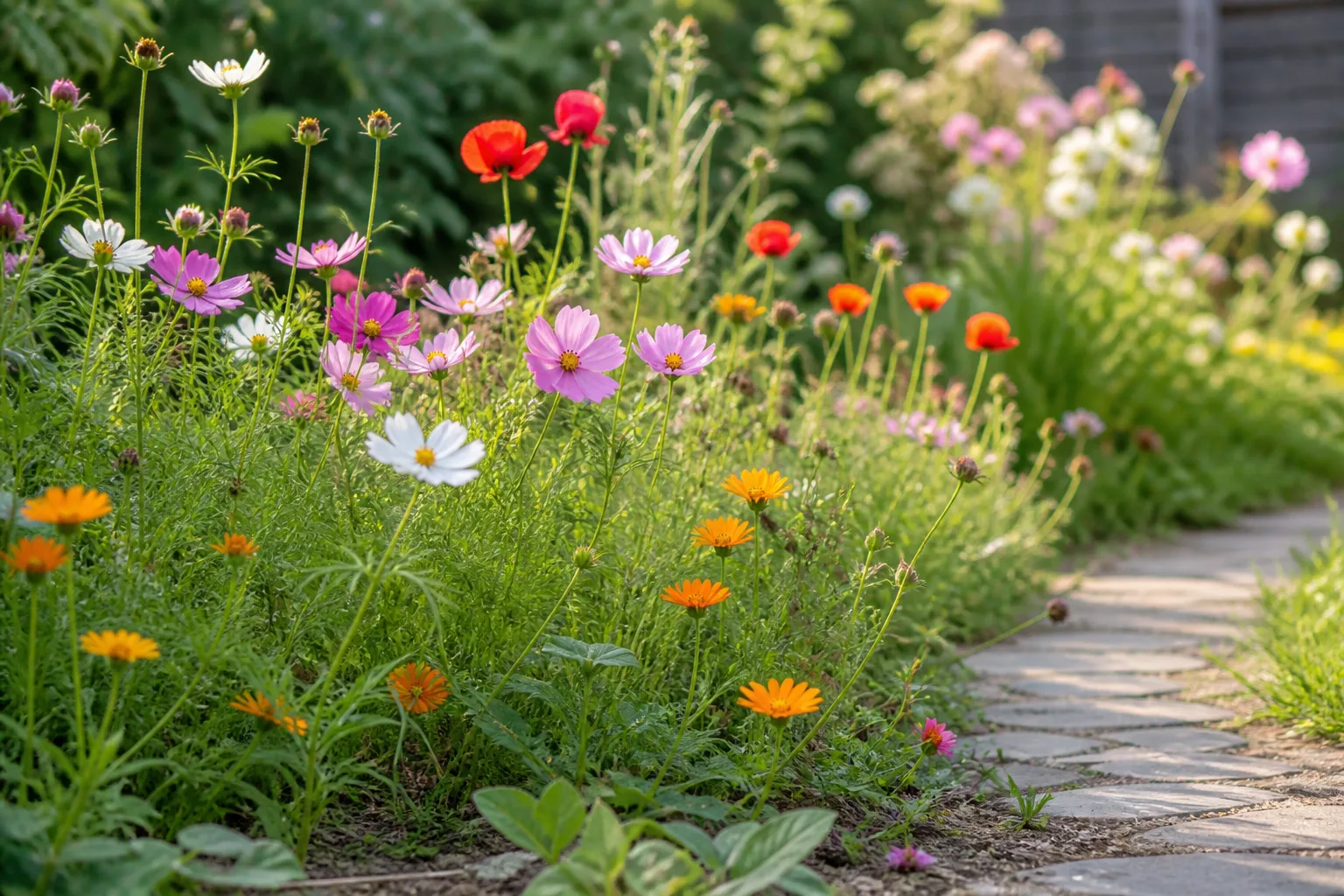
The best time to plant wildflower seeds depends on what the species need to germinate and what your local weather will do next. In much of the country, spring sowing after the soil is workable and fall sowing before winter are both options; cold-winter areas can also use dormant sowing, when seeds go into cold soil and wait until spring to sprout. There is no single month that works for every native mix.
Use your USDA hardiness zone as a starting point, not a planting date. Then check the seed packet or supplier’s species list, your frost pattern, soil drainage, and the next stretch of dependable moisture. Those details tell you whether to sow while seedlings still have time to grow, leave seeds dormant through winter, or wait for spring.
The short answer: sow with the season your seed needs
For many temperate U.S. gardens, spring and fall are both useful planting seasons. Spring favors seeds that should germinate as temperatures rise, and it gives you a long growing period to tend seedlings. Fall can give hardy species a natural cold-moist period, while a carefully timed dormant sowing keeps seed from germinating until spring.
The choice changes with climate. In snowy regions, sowing too early in fall can produce tender seedlings that are then killed by a hard freeze; sowing after sustained cold can avoid that. In a mild-winter or Mediterranean climate, planting near the start of the rainy season may be more useful than waiting for a frost that rarely comes. In a hot desert, the useful sowing window may begin when summer heat breaks and seasonal rain arrives.
If the packet specifies a season or a cold-stratification treatment, use that direction first. A generic “wildflower mix” can contain annuals and perennials with different germination cues, so its schedule may be a compromise rather than a perfect fit for every species.
What your USDA zone can—and cannot—tell you
The USDA Plant Hardiness Zone Map is based on the average annual extreme minimum winter temperature. It helps compare the cold tolerance of perennial plants; it does not tell you your average last spring frost, first fall frost, length of the growing season, soil temperature, summer heat, or rainfall pattern. The USDA map is useful context, but those missing details matter just as much when you are sowing seed.
Two gardens in the same zone can have different planting windows. A south-facing urban bed may warm weeks before a shaded rural plot; a high-elevation site may freeze earlier than a nearby valley; a coastal area may have cool, wet winters while an inland site in the same zone gets hot and dry. Zones can even vary across a single state, so state names are a poor substitute for local weather.
Think of a zone as one clue about winter survival. For sowing, pair it with frost dates from a nearby agricultural extension service or a local weather record, the seed’s germination instructions, and what the soil and forecast are doing now.
Use three local signals to choose your sowing window
Start with seed behavior. Some species germinate readily in warm soil; others need a cold, moist period or another treatment to break dormancy. The Oregon State University seed-dormancy overview explains why dormancy helps seeds avoid sprouting in conditions that could kill seedlings. Check the packet’s species list instead of assuming every seed in a mix needs the same chill.
Next, check the risk of a damaging freeze. If seeds are meant to germinate in fall, sow early enough for the seedlings to develop before winter, following the supplier’s timing for that mix. If your goal is dormant sowing, wait until cold conditions make early germination unlikely. A frost date is an estimate, not a guarantee; watch the actual forecast and local soil conditions.
Finally, consider moisture and soil. Spring seedlings need the surface to stay moist while they germinate, and a newly sown bed can dry quickly in wind or sun. Fall sowing works best when rainfall is becoming dependable and the bed drains well; waterlogged soil can rot seed or smother young growth. The RHS advises spring or early-autumn sowing for meadow mixes and recommends spring instead where heavy soil stays cold and wet over winter (RHS meadow guidance).
Wildflower seed planting time by USDA zone
This table gives broad starting points, not hard boundaries. A zone number cannot account for every local climate, and “wildflower” is not one germination type. Use the season below as a planning cue, then follow the directions for your actual species and the next month of weather.
| USDA zone band | A useful starting window | What to check before sowing |
|---|---|---|
| 1–4 | Spring after the site is workable, or dormant sowing after sustained cold | Short growing season, snowmelt, species’ cold requirement, and whether fall seed can stay dormant |
| 5–7 | Spring or dormant fall sowing; active fall sowing only with enough establishment time | First hard freeze, soil cooling, drainage, and seed-packet stratification instructions |
| 8–10 | Often fall as heat eases and moisture becomes reliable; spring for species suited to spring germination | Local rainfall season, winter warmth, summer drought, and whether a light frost is normal |
| 11–13 | A locally recommended cool or rainy season for native species | Tropical or frost-free cycles, elevation, wet-season intensity, and invasive-species risk |
Zones 1–4: protect seed from premature fall germination
In the coldest zones, seedlings that emerge just before winter may not have time to establish. Prepare the bed while the soil is still workable, then either sow in spring at the time listed for the species or use dormant sowing after the ground has cooled enough that seeds are unlikely to sprout. In very cold places, the practical window for outdoor work may close before the seeds’ ideal sowing day, so plan the bed in advance.
Cold stratification can be useful for some native perennials, but cold alone is not always enough: the seed may need a particular period of moisture, warmth first, scarification, or a different sequence. Alaska spans a wide range of hardiness zones and elevations, so its gardeners should use local native-plant or extension guidance rather than one statewide date.
Zones 5–7: choose spring or dormant fall sowing
These broad middle-zone bands include both continental and transitional climates. Spring is a straightforward choice when the seed does not need natural winter chilling, the bed is ready, and you can keep the surface moist. Sow as the species directions allow; “after the last frost” is a useful rule for frost-sensitive seedlings, but not a universal trigger for hardy native seed.
For seeds that benefit from winter conditions, dormant sowing can be more reliable than sowing early in a warm autumn. Wait until repeated cold weather has cooled the soil and the forecast no longer favors a spell of seedling-producing warmth. The American Meadows planting guide describes dormant sowing after killing frosts for cold-winter climates; treat its temperature thresholds as that supplier’s practical guidance, not a universal requirement for every species.
Zones 8–10: use cooling temperatures and reliable moisture
In many mild-winter locations, fall offers a better balance of cooler temperatures and moisture than summer. Sow when the worst heat has passed and there is enough time for species that should establish before winter to do so. If the seed mix is intended to lie dormant, wait until the soil is cool enough to prevent a premature flush of seedlings.
Spring can still work, especially for species that germinate with warming soil or where winter rainfall has passed. But in a dry region, spring seedlings may face heat and drying winds sooner than expected; have a watering plan before sowing. “Zone 8” in a rainy coastal garden and “zone 8” in an arid inland valley do not share the same moisture calendar.
Zones 11–13: follow local rainy-season and native-plant guidance
In frost-free or tropical areas, winter chilling and frost dates may not be the main cues. Rainfall rhythm, elevation, and the needs of locally native species become more important. Choose a mix explicitly suited to your island or tropical region, and check local conservation guidance before introducing nonnative flowers; a packet labeled “wildflower” is not automatically appropriate for a nearby natural area.
For Hawaii and other warm regions, avoid treating year-round warmth as permission to sow any seed at any time. Intense rain can wash seed away, while dry spells can prevent germination. Follow regional guidance on the start of dependable rains and avoid planting during the most erosive storms or the hottest dry period.
Desert, coastal, and high-elevation exceptions
Some of the clearest examples of why zones are not a calendar come from the Southwest. In low-desert Arizona, gardening writer Angela Judd describes sowing spring-blooming wildflowers from roughly September through December, with germination following cooler weather and seasonal rain (Growing in the Garden). That is a regional example, not a date range to copy into a different desert or elevation; use local native-species lists and the current rain pattern.
On Mediterranean coasts, the start of the rainy season can be a better cue than the first frost. Sow only when the seed mix and soil are suited to winter rain, and avoid placing tiny seeds on a slope where the first storm will carry them away. A sheltered, level patch or light surface covering can reduce erosion without burying seeds that need light.
At high elevations, cold nights and snow can arrive while nearby lower ground is still warm. Use local frost observations and the seed’s dormancy requirements, and do not assume a nearby city’s planting calendar fits your site. When in doubt, spring sowing after snowmelt may be safer for species that do not require winter chilling.
Fall, spring, or dormant sowing: which fits your seed?
Spring sowing is the simplest choice for many gardens: the seedbed is prepared, the soil is warming, and seedlings have the main growing season ahead. It is especially useful when the species does not need cold stratification or when you can provide that treatment indoors before sowing. Its main risk is a dry or unusually hot spring that dries the seedbed before roots are established.
Active fall sowing means planting while temperatures still allow seed to germinate and seedlings to grow. Use it only when the species and local climate leave enough time before hard freezes. Cooler weather and fall rain can help, but a warm spell after sowing can trigger emergence at the wrong time. The RHS describes early-autumn sowing as suitable for many meadow mixes, while also noting that wet, heavy soils may be better sown in spring.
Dormant sowing is different: you place seeds in cold soil when they are unlikely to germinate until conditions improve in spring. It can provide natural winter exposure for species that need it, but it does not guarantee germination, prevent seed loss, or replace other treatments specified for that species. Do not sow so early that a warm week produces fragile seedlings, and do not leave the bed until the ground is too frozen to make seed-to-soil contact.
In short: choose spring for a clear, controllable start; active fall for species that can establish before winter; and dormant sowing when the seed’s needs and reliably cold conditions make delayed spring germination the better bet.
Cold stratification: when winter is part of germination
Cold stratification is a period of cool, moist conditions that helps certain seeds end dormancy. It is not the same as simply exposing every seed to freezing air, and it is not needed by every wildflower. A species may need weeks or months of chilling, a warm period before chilling, or no special treatment at all, so use the packet or a regional propagation source for the exact process.
Outdoor dormant sowing can provide natural winter conditions when the climate and species are a good match. For small quantities, indoor cold stratification may be more controlled: follow the seed supplier’s method, keep the medium only as moist as instructed, label species and dates, and sow promptly after treatment. If a mix contains species with different requirements, separate them before chilling rather than treating the whole blend as one seed.
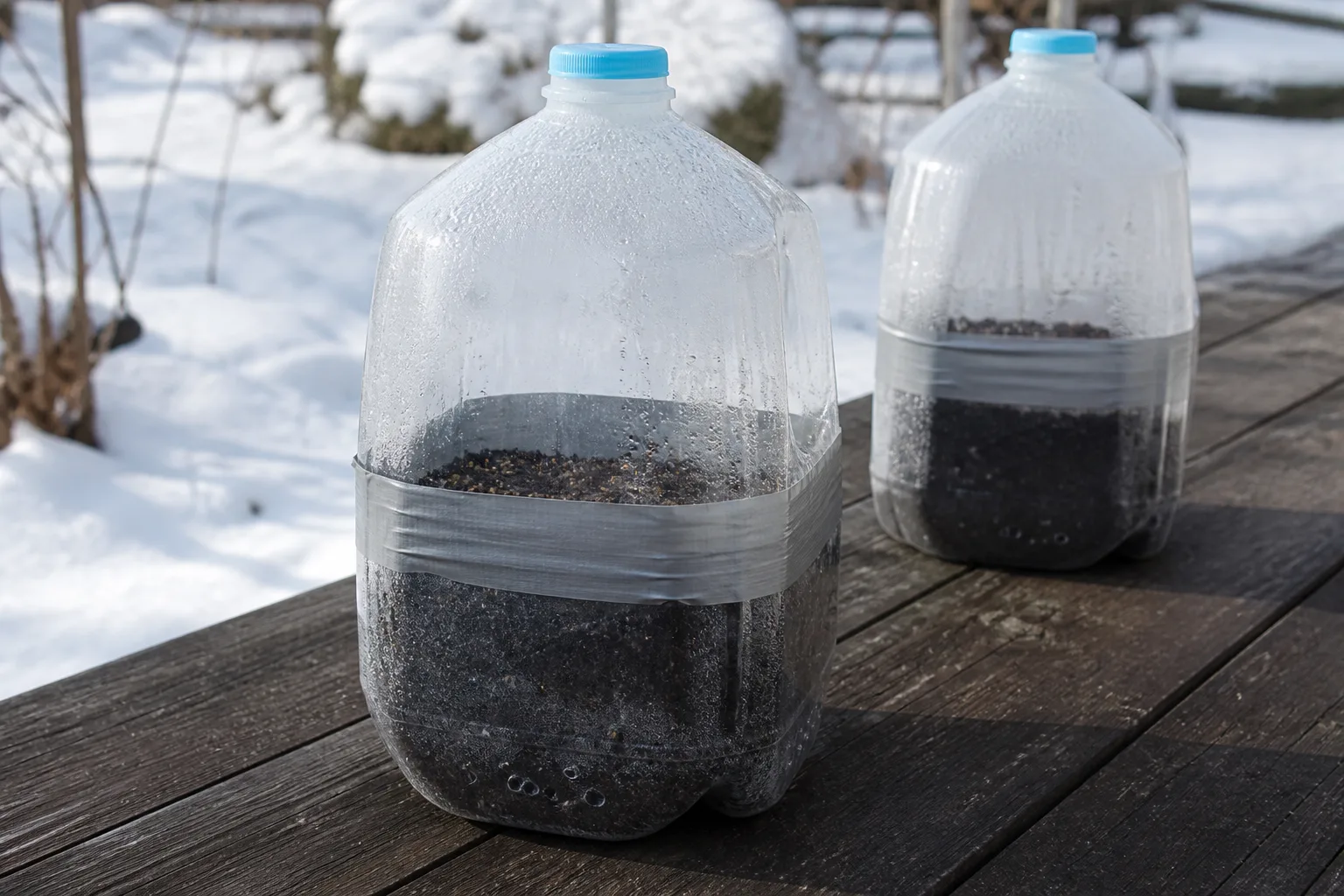
Winter sowing in ventilated containers is another option for gardeners who want to start seeds outdoors in a protected setup. It is not mandatory for most meadow projects; direct sowing avoids transplanting and lets roots establish in place. Containers make more sense for small batches, scarce seed, or species that benefit from a controlled start, and seedlings still need gradual acclimation before planting out.
Choose a seed mix for your place, not just your zone
Look for species native to your ecoregion or a nearby region with similar soils and climate, not merely a mix labeled for a broad USDA zone. The label should identify species and give planting instructions; if it lists only vague names such as “daisy mix,” ask the supplier what is actually included. Local native-plant societies, extension services, and conservation groups can help distinguish regional natives from attractive but potentially unsuitable introductions.
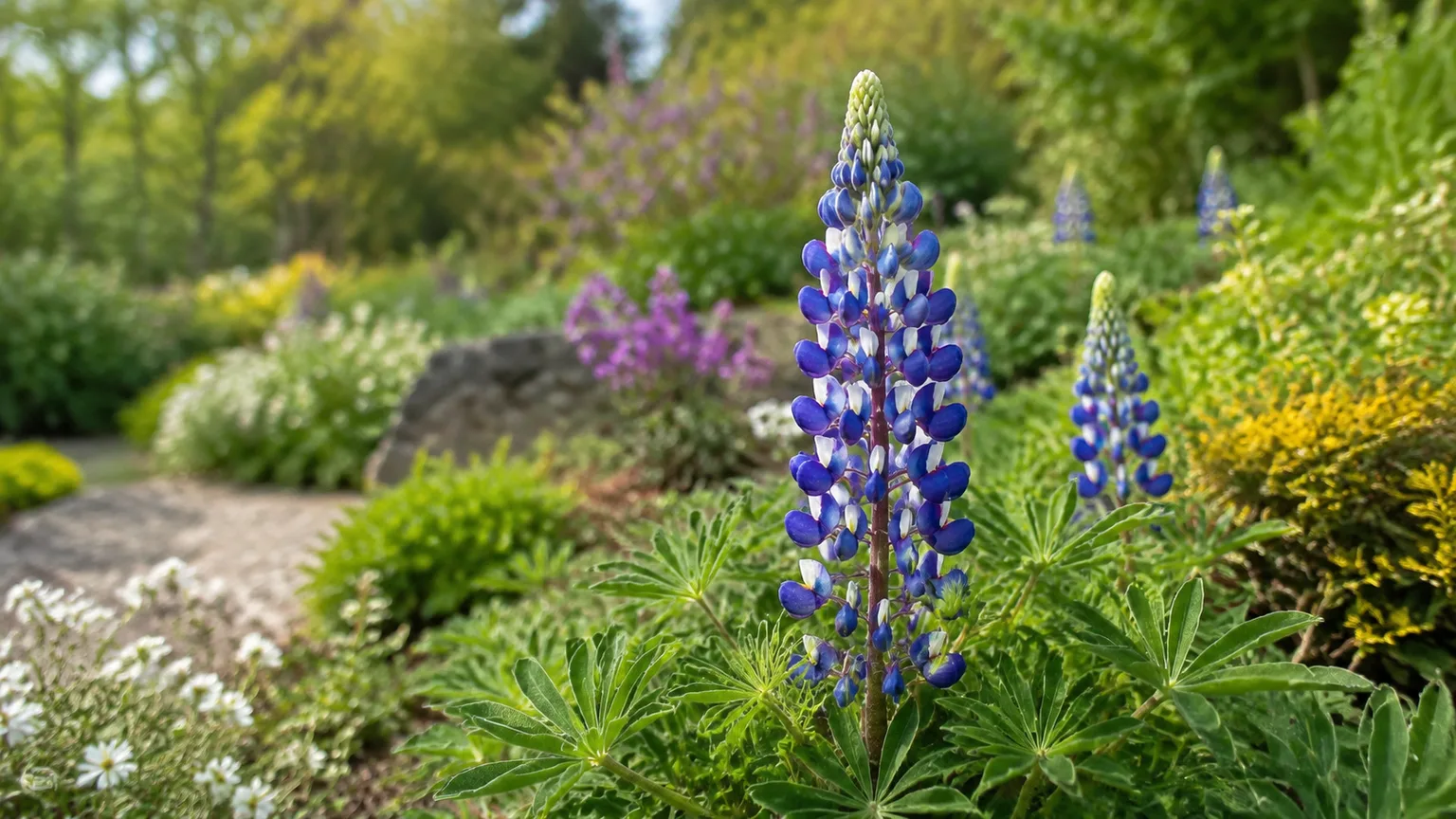
Match the mix to the site as well as the region. A sunny, dry bank, a damp low spot, and a partly shaded border need different plants even if they sit in the same yard. Many meadow species prefer sun and lean, well-drained soil, while shade, wetland, and coastal species require different mixes. The RHS similarly recommends choosing seed for soil type and location rather than amending the site to suit an unsuitable blend.
Separate annuals and perennials when setting expectations. Annual wildflowers can often flower the same season if spring-sown early enough and conditions are favorable; perennials commonly spend the first year building roots and may flower modestly or not at all. Some mixes contain both, which creates color sooner while slower perennials establish, but a first-year carpet is not guaranteed.
Plan backward from your local seasonal cue
Use this simple sequence instead of counting backward from a month on the calendar:
- Read the species list. Note whether each plant is an annual or perennial, whether it needs cold stratification, and whether it is intended for fall, spring, or dormant sowing.
- Check the local climate cue. For spring, look at soil workability, frost risk for the species, and the likely length of moist weather. For fall, note when heat eases, rainfall becomes dependable, and the first hard freeze usually arrives.
- Choose the right kind of fall sowing. If seedlings need time to establish, sow while there is still a safe growth window. If seeds should wait for spring, delay until cold weather makes early germination unlikely.
- Prepare before the window opens. Clear and settle the bed ahead of freeze or rain. If the window passes, do not force a poorly timed sowing; store seed as directed and use the next suitable season.
This approach works in a backyard patch as well as a larger meadow. The RHS meadow guidance likewise emphasizes matching seed to site conditions and preparing bare ground, not just selecting a date. For a large planting, preparing the ground may take longer than sowing itself, so start site work well ahead of the ideal seed window.
Prepare and sow the bed so timing can work
Good timing cannot compensate for a seedbed full of competing turf or weeds. Remove existing vegetation before planting and let the soil settle if you have disturbed it; turning over a weedy area right before sowing can bring buried weed seeds to the surface. For a small patch, clear a defined area and loosen only the top layer enough to expose soil. For a large meadow, plan weed control and site preparation in advance rather than relying on more seed to overwhelm grass.
Use the mix’s recommended rate. Wildflower seed often includes very small seeds; sowing extra can create dense competition, and too little leaves gaps. Mix tiny seed with a dry, inert carrier if that helps distribute it evenly, split the seed into two portions, and sow in perpendicular passes. Press or lightly rake as directed so seeds contact soil, but do not bury fine seed deeply unless its instructions say to.
After spring or active-fall sowing, water gently if rain is not keeping the surface evenly moist. A strong spray can move seed into clumps or wash it downhill. Dormant-sown seed usually waits for spring conditions, so avoid treating it like actively germinating seed; monitor the bed after snowmelt or the first warming rains instead.
What to expect after sowing and when flowers bloom
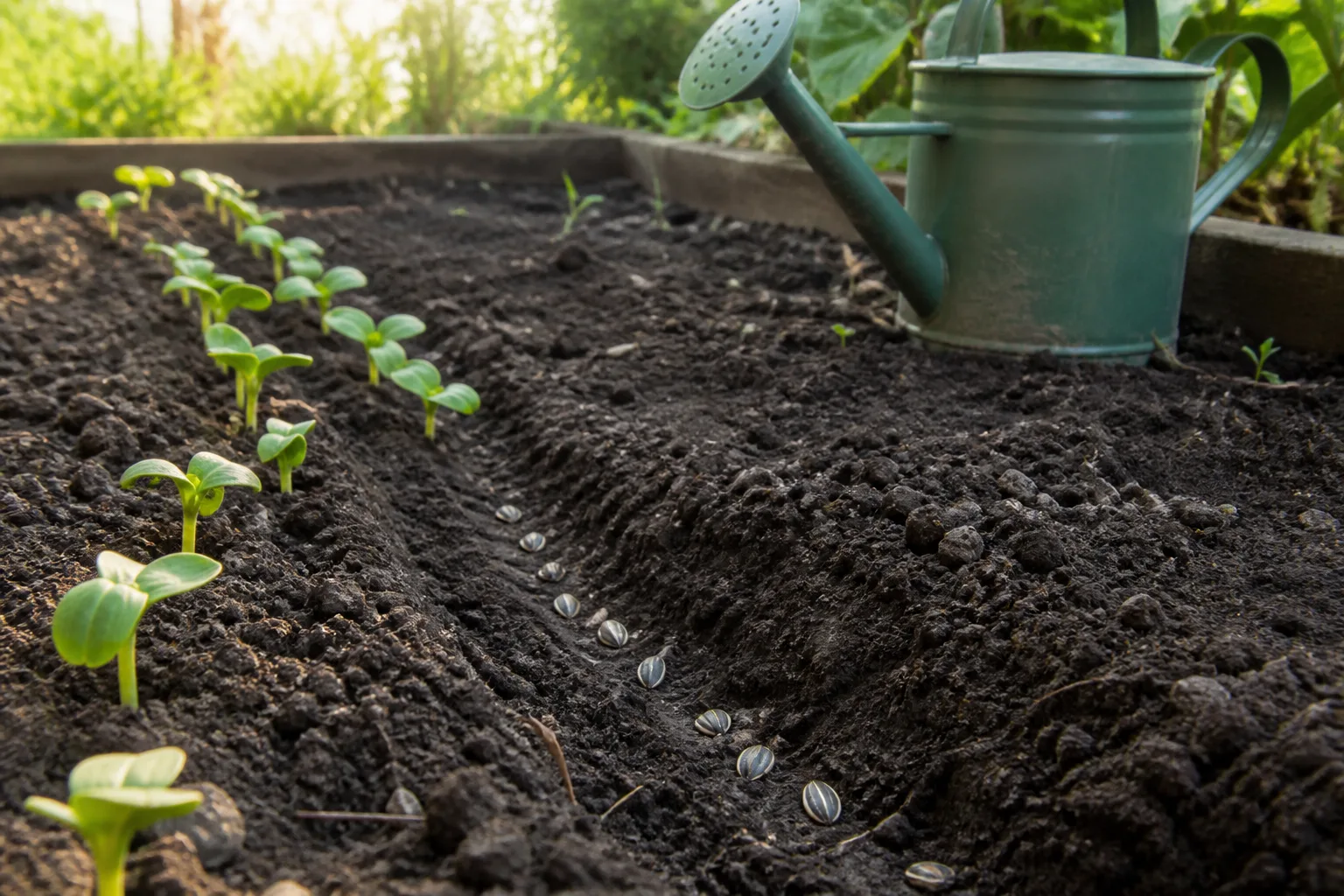
Germination is not always visible right away. Some seeds sprout within a few weeks under suitable warmth and moisture, while others wait for a seasonal cue or emerge unevenly. A bare patch in the first weeks does not prove failure; protect the area from disturbance and avoid reseeding immediately unless the packet’s expected germination period has passed.
The first growing season may look more leafy than flowery, especially in a perennial meadow. Allow plants time to build roots and identify seedlings before pulling them as weeds. A well-chosen mix may flower in waves, and annuals can reseed if they mature and drop seed, but natural reseeding depends on species, weather, competition, and how the site is managed.
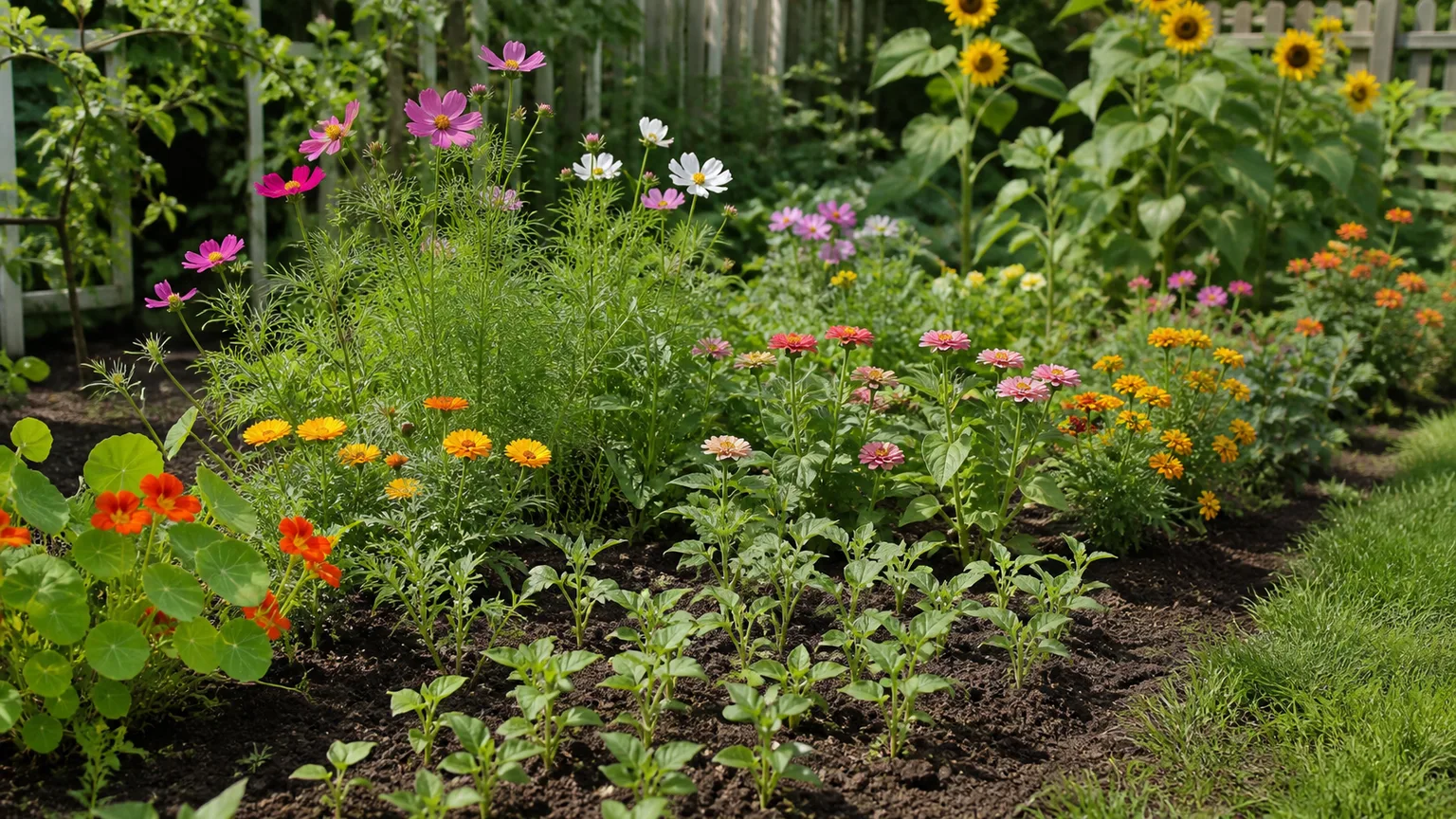
Keep the bed from drying during germination, then adjust care as plants establish and rainfall changes. If seedlings appear only in strips or patches, look for uneven seed distribution, poor soil contact, runoff, birds, or a surface that dried after sowing before assuming the timing was wrong. For perennial plantings, patience and weed management usually matter more than adding fertilizer.
Avoid these wildflower-seed timing mistakes
- Using the zone as a sowing calendar. Check frost, rain, elevation, and species directions; hardiness zones describe winter lows, not the whole growing season.
- Sowing too early in a warm fall. Seeds can germinate and produce seedlings too tender to survive winter. Wait for genuinely cold conditions if you intend dormant sowing.
- Assuming every native seed needs a chill. Dormancy varies by species; follow a named species’ instructions, including any warm treatment or scarification.
- Waiting until a cold-region bed is frozen solid. Prepare soil while it is workable so you can make seed-to-soil contact at the right time.
- Planting before heavy rain on a slope. Fine seed can wash away; choose a stable site or wait for a calmer weather window.
- Choosing a packet by color or zone number alone. Check the species and whether they fit your soil, sun, moisture, region, and ecological goals.
- Expecting all perennials to bloom the first summer. Many need a season or more to establish; a mixed annual-perennial patch may show color sooner but will still vary.
Conclusion
For most gardeners, the best time to plant wildflower seeds is the season that matches the species’ germination needs and the weather pattern at the actual planting site. Spring is a flexible option for many mixes; fall can work when seeds have time to establish or when winter dormancy is intended; and cold-season regions can use dormant sowing for suitable species. In warm or dry climates, reliable seasonal moisture may matter more than frost.
Use your USDA zone to frame winter hardiness, then choose a local cue—soil that is workable, heat that has eased, a dependable rainy season, or sustained cold that will keep dormant seed from sprouting. Pair that with a region-appropriate seed mix, a prepared weed-free bed, and species-specific packet directions. That combination is far more dependable than any universal planting date.