Gardening Review Boards: A Reader’s Guide
A gardening review board can add expertise, but a label is only a start. Check reviewer fit, sources, regional context, updates, and disclosures.
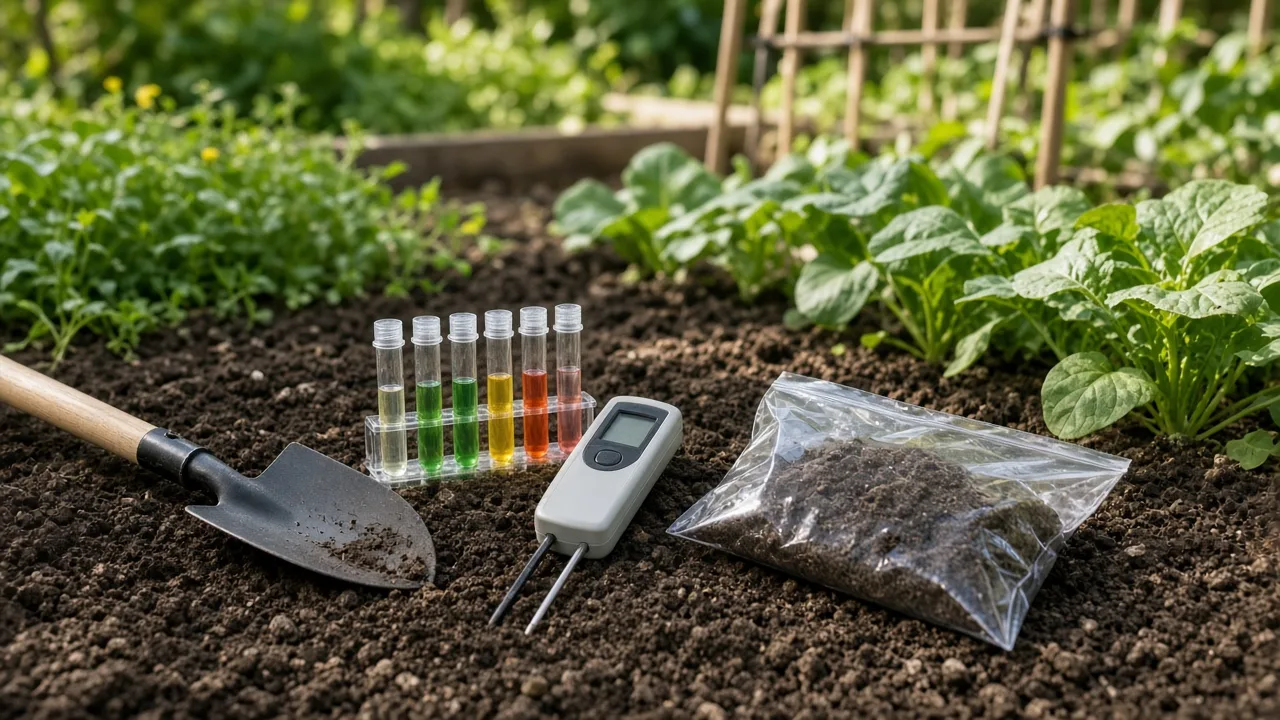
A review board can make gardening advice more dependable when its members have relevant knowledge and the publication explains what they actually checked. The phrase alone tells you little: it may refer to a subject specialist who reviewed one article, a group that sets standards, or a badge attached after a limited edit.
The useful question is not simply whether an article was “reviewed.” It is whether the right person checked the right claims, against evidence suited to your plant and region, and whether the page tells you enough to judge that work. Use the framework below to evaluate both a publisher’s review-board profile and the article you are about to follow.
What a review board does—and doesn’t do
A gardening review board is a group of people whose knowledge is meant to improve published horticulture information. Depending on the publication, reviewers may check plant identification, growing conditions, disease explanations, pruning instructions, pesticide advice, or the clarity of a how-to. The board may also help editors decide which expertise a topic requires.
That role is different from writing, copyediting, and reporting. A reviewer can flag an unsupported claim without having visited the reader’s garden, tested every product mentioned, or independently reproduced every experiment. A review does not necessarily mean every sentence was approved by every board member, and a board page does not establish that a particular article was reviewed unless the article identifies the reviewer or describes its review record.
Think of the board as one layer in a system. Strong gardening information still needs accurate identification, suitable sources, context, clear instructions, and a way to correct errors. A credentialed person cannot compensate for a vague page that omits the plant’s climate limits or the safety conditions around a treatment.
Match reviewer qualifications to the question
The best reviewer is not automatically the person with the longest biography or the most impressive title. Their experience should fit the article’s main risk and subject: an arborist for a tree-risk discussion, a plant pathologist for a disease diagnosis, an entomologist for insect identification, and a vegetable specialist for a crop-specific recommendation.
Broad topics may need more than one kind of knowledge. A guide about a fruit tree could involve cultivar identity, local chill requirements, pruning, disease, and food-safety questions; one generalist may be helpful, but no single credential proves equal depth in all of those areas. Look for a publication to say which part the reviewer checked, or to cite subject-appropriate references for claims outside that person’s specialty.
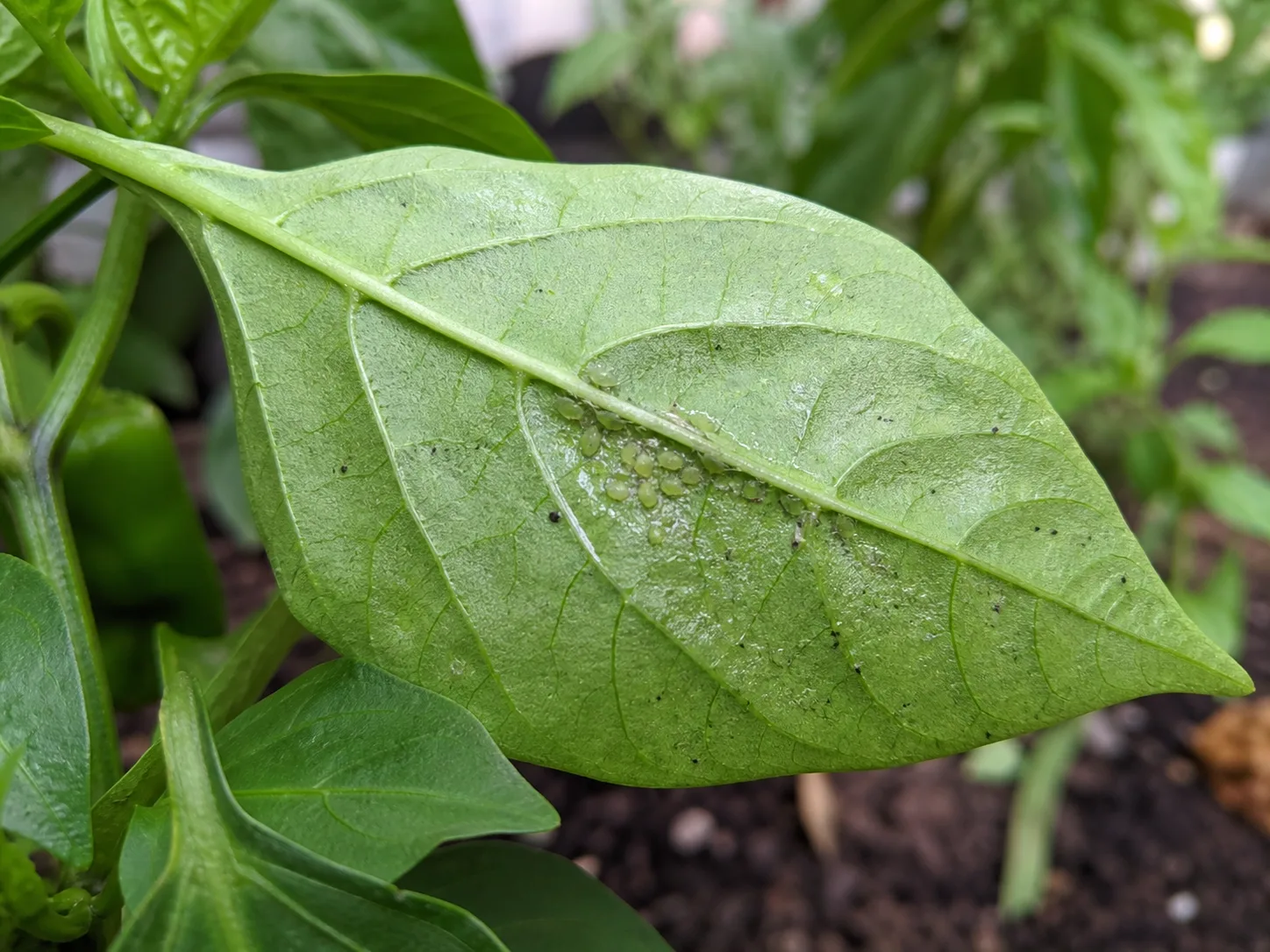
Credentials are clues, not all-purpose guarantees
Credentials give you a starting point for evaluating someone’s training, but their meaning depends on who awards them and what they require. “Master Gardener,” for example, usually refers to a local Cooperative Extension volunteer-education program, not a single nationwide professional license. Penn State describes its program as research-based public education and specifies training, exams, volunteer hours, and continuing requirements; the University of Minnesota’s course covers areas such as botany, soil, plant pathology, entomology, and diagnostics, with its own training and service expectations (Penn State Extension, University of Minnesota Extension). These examples show why a bio should name the issuing program and location instead of relying on a title alone.
A program credential can indicate structured learning and community service, but it does not mean the holder is a specialist in every horticultural field, a licensed diagnostician, or a substitute for university faculty. Ask whether the reviewer’s specific background matches the advice in question, whether the credential is current where applicable, and whether the article cites sources for technical claims.
For tree-care topics, check the exact credential and its scope. The International Society of Arboriculture’s current Find an Arborist directory lets readers search ISA-credentialed professionals, but a directory result is one verification tool, not a complete assessment of someone’s work. ISA notes that people manage their profiles and may remove them from public view, so an absent result should prompt a polite follow-up or a check with the credentialing organization rather than an automatic accusation (ISA directory FAQs).
Why local context and practical experience matter
Plant care is shaped by climate, soil, water, pest pressure, and the way a plant is being grown. A reviewer who understands a region’s freeze pattern may spot a timing problem that a general guide misses; a houseplant specialist may better assess indoor light and container drainage. Experience helps interpret what happens in practice, but it should sharpen—not replace—evidence.
Local Cooperative Extension services are particularly useful when an answer depends on regional conditions. A publication can explain a general principle, while a nearby Extension office can point to locally tested varieties, current pest alerts, soil-testing procedures, or recommendations adjusted for that state. A trustworthy board should make the limits of universal advice clear and direct readers toward local help when the region changes the answer.
Read the review disclosure like a method statement
A meaningful review disclosure should help you understand how the label was earned. At minimum, look for a reviewer’s name and relevant background, the article’s topic or scope, what the reviewer checked, when the review happened, and how readers can report an error. If the process includes source checks, testing, or field observation, the page should distinguish those actions instead of bundling them under the word “reviewed.”
A clear reviewer biography also makes accountability possible. Horticulture publishers such as Savvy Gardening and Gardeners’ World provide team and contributor background; that kind of context helps readers see who produces the material, though a team page by itself does not prove that a particular article received expert review. The key is a visible connection between the named person, the subject, and the individual page.
How work moves from draft to publication
A useful process separates several jobs that are often blurred together. The author develops the explanation and identifies sources; a subject reviewer checks claims in their area; an editor improves structure and readability; and a final page records authorship, review status, and update information. The same person can sometimes fill more than one role, but readers should not have to guess which role they performed.
Ask what “fact-checked” means in practice. Did the reviewer trace specific claims to primary or university sources, verify a plant’s scientific name, challenge a treatment recommendation, or simply read for clarity? For hands-on instructions, was the method actually tested, observed, or compared with a trusted reference? If the publication does not disclose those details, treat the label as evidence that some editorial step occurred—not proof of exhaustive verification.
Good process descriptions also account for uncertainty. Gardening instructions can vary by cultivar, season, growing zone, soil type, and whether a plant is in a container or in the ground. A reviewer may confirm that the advice is sound within stated conditions; they cannot make one set of directions universal when the underlying biology is variable.
What a badge or byline can—and cannot—prove
A badge can be a useful signal if it links to a plain-language explanation of its meaning and identifies the reviewer or review date. Without that context, it is mainly a publisher’s internal label. Even a well-documented badge cannot tell you whether the article has been revised since the review, whether the underlying evidence is strong, or whether the advice fits your garden.
A byline and biography answer “who”; citations and a process note help answer “how.” Neither guarantees “what”: the accuracy and usefulness of this specific page. Check whether the article itself contains named sources, addresses the important exceptions, and gives readers a way to report mistakes. A reviewed label should invite that inspection, not replace it.
Check the article’s evidence, not just its label
Start with the claims that could cost you time, money, or plant health. A recommendation to prune, fertilize, treat a pest, or alter soil should be supported by sources that can actually establish it. Prefer university Extension publications, botanical gardens, government agencies, professional credentialing bodies, and research where appropriate; practical horticulture publications can add useful observations, but repeating a claim across several blogs does not make it independently verified.
Virginia Tech’s source-evaluation guidance for horticulture asks readers to consider who produced a resource, whether the source can be contacted, and whether information is unbiased and research-based (Virginia Tech Extension). Apply the same questions to an article. A strong page links the important claims to sources and makes it possible to open those links, confirm they support the statement, and see when the evidence was published.
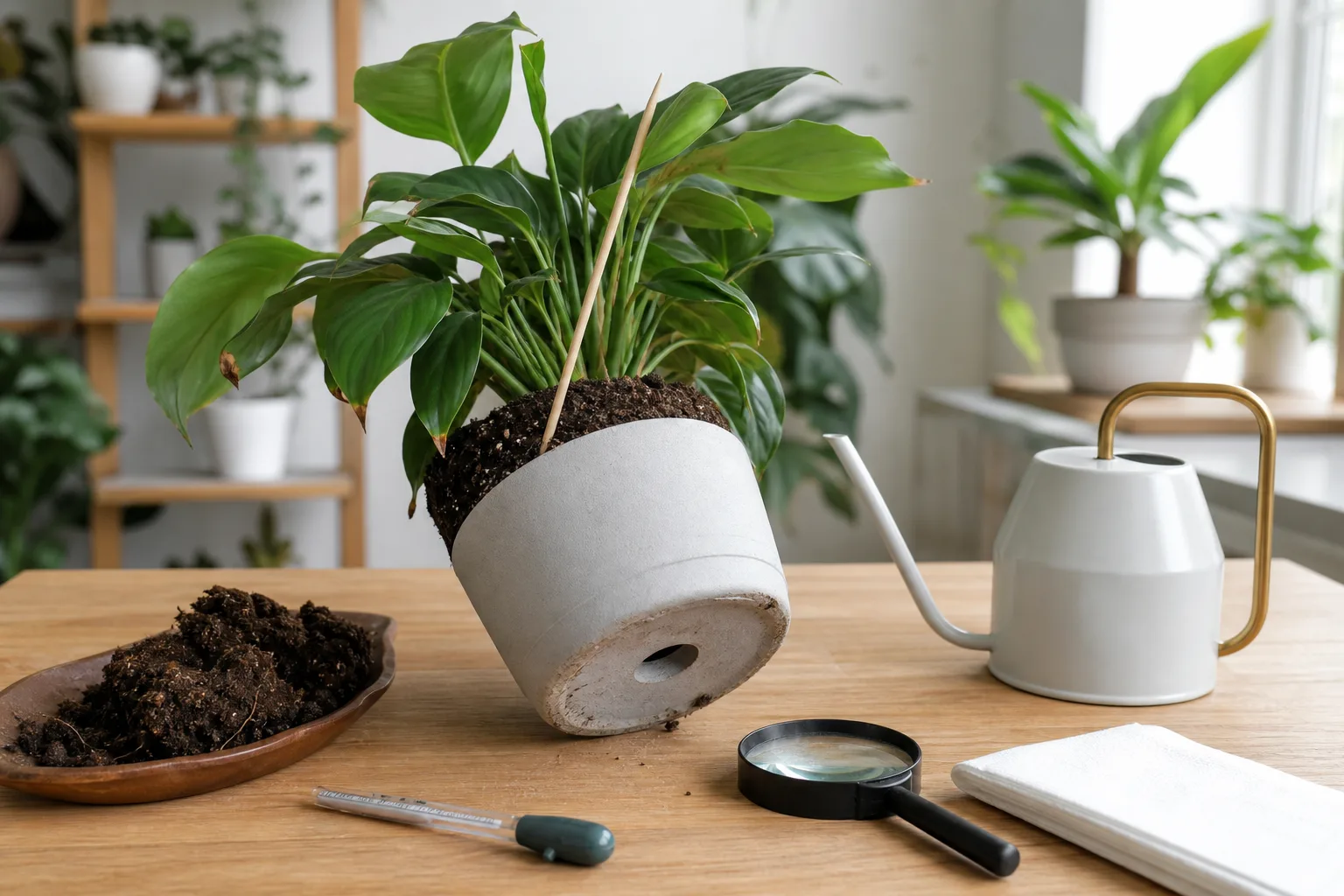
Trace claims back to useful sources
You do not have to verify every ordinary sentence. Trace high-impact claims and instructions: chemical use, toxicity, severe disease, irreversible pruning, large-tree work, and any advice that depends on local rules. Check whether the cited source is about the same plant, pest, product, climate, and method described in the article. A source can be reputable and still be a poor fit for a specific claim.
Notice how the article handles disagreement. If university guidance differs from an older gardening book or a personal experiment, the writer should explain the difference in conditions or evidence rather than present the most convenient answer as universal. A well-sourced page may say “usually,” specify a zone or season, or explain what observations would change the recommendation. That kind of precision is more useful than a confident-sounding rule with no boundaries.
Also inspect dates with care. The date matters most for information that changes: pesticide labels, invasive-pest alerts, recommended cultivars, local regulations, and links to current services. A recently updated timestamp is not proof that the content was rechecked; look for a note about what changed, updated sources, or a visible correction history.
Weigh limits and commercial influences
No review system can remove every error. A reviewer can miss a misidentified pest, a source can become outdated, and an otherwise accurate article can be applied to the wrong climate or plant. A board’s value is greater when it states its scope and correction process than when it promises perfect accuracy.
The same care applies to commercial relationships. A reviewer being employed by a publisher, receiving a fee for editorial work, or contributing to a product article are different relationships; none automatically proves bias. Readers need enough context to understand whether a recommendation is independent, sponsored, or connected to a product relationship that could affect how an endorsement is received.
What product relationships should be disclosed
When a page includes an endorsement in advertising, the Federal Trade Commission says a material connection between an endorser and a marketer may need to be disclosed clearly; the FTC’s guidance is specifically about endorsements and advertising, not a blanket rule that every editorial review relationship is an endorsement (FTC endorsement guidance). For gardening readers, the practical test is whether a product recommendation is tied to payment, free products, affiliate commissions, or another relationship that may matter to the audience—and whether the disclosure is easy to notice before acting on the recommendation.
A clear disclosure should identify the relationship in ordinary language and appear near the relevant recommendation. A generic site-wide note buried in a policy page may be hard for a reader to connect to a specific product claim. If a board reviewer also has a commercial role relevant to the topic, a publication can reduce ambiguity by disclosing that relationship and explaining how the review was handled.
Do not use disclosure as a shortcut for evaluating evidence. A disclosed relationship does not make a claim false, just as the absence of a visible relationship does not prove neutrality. Read the underlying sources, compare the advice with independent guidance, and pay attention to whether the article discusses drawbacks as well as benefits.
What to do when trusted sources disagree
First, check whether they are answering the same question. “When should I prune?” can mean removing dead wood, shaping a shrub, cutting back a flowering perennial, or managing a tree hazard; each has a different timing rule. Two sources may appear to conflict because one is discussing a different cultivar, region, season, or goal.
Next, rank sources by relevance, not just reputation. For a local disease outbreak, a state Extension alert may be more useful than a broad national overview. For a tree with a cracked limb over a roof, an online general guide is not a substitute for an on-site assessment by a qualified arborist. For pesticide application, read the current product label and applicable local rules rather than relying on a simplified summary.
If the disagreement remains, do not average the advice or choose the most dramatic solution. Look for the source with current, specific evidence; ask what conditions the recommendation assumes; and contact a local Extension service, botanical garden, plant clinic, or qualified professional when the consequences of guessing are substantial. A transparent reviewer should be willing to state when the available information cannot settle the question.
A five-minute trust check before following advice
Before you act, scan the byline and review note, then open the citations behind the most consequential recommendation. Check whether the writer and reviewer are identified, whether their experience fits the subject, what the review covered, when the source material was last checked, and whether the advice accounts for your region. If any one of those items is missing, the article may still be useful; the gap simply tells you what to verify elsewhere.
| Check | A stronger signal | A reason to pause |
|---|---|---|
| People | Named author and reviewer with relevant background | Anonymous authority claim or vague “expert approved” label |
| Process | Specific scope, evidence checks, and review date | No explanation of what “reviewed” means |
| Evidence | Links support the exact claim and fit the topic | Repeated unsourced tips or irrelevant citations |
| Context | Climate, season, plant, and exceptions are stated | Universal instructions for a variable situation |
| Accountability | Contact or correction route is visible | No way to flag a potentially harmful error |
Ask who wrote and reviewed it
Look for a real name, a profile with relevant experience, and an explicit relationship between the reviewer and the article. Check credentials with the issuing organization when the credential is central to the claim. If the profile uses broad labels such as “plant expert,” seek concrete context: training, a specific area of practice, publications, Extension work, field experience, or the type of problems the person handles.
Ask what was checked and when
A good review note names the work done, not just the outcome. “Reviewed for accuracy” leaves questions; “checked plant identification, pruning timing, and cited Extension recommendations” gives you a better picture of scope. Confirm that the sources are still current when labels, pests, seasonal timing, or regional recommendations could have changed.
Ask whether it fits your garden
Finally, compare the article’s assumptions with your setting: your climate, soil, light, plant variety, container or in-ground conditions, and the actual symptom you see. If the instructions skip a condition that could change the result, use the broad advice as a starting point and verify the missing detail with a local source before taking an irreversible or safety-sensitive step.
Conclusion
A gardening review board is most useful when it connects identifiable people to the subjects they know, explains what a review includes, and supports important claims with evidence readers can inspect. Credentials, badges, and confident wording can point you toward useful expertise, but none is a substitute for checking scope, sources, date, and local fit.
Treat the label as an invitation to verify the work. When the article is specific, sourced, transparent about its limits, and appropriate to your garden, you can use it with more confidence; when the stakes are high or the advice does not fit your conditions, seek a local expert who can assess the situation directly.



