10 Winter Lawn Mistakes That Invite Snow Mold
Your grass looks dormant, but winter foot traffic, salt, tall turf, and snow piles can invite snow mold. A clear guide to what not to do—and what to fix in fall.
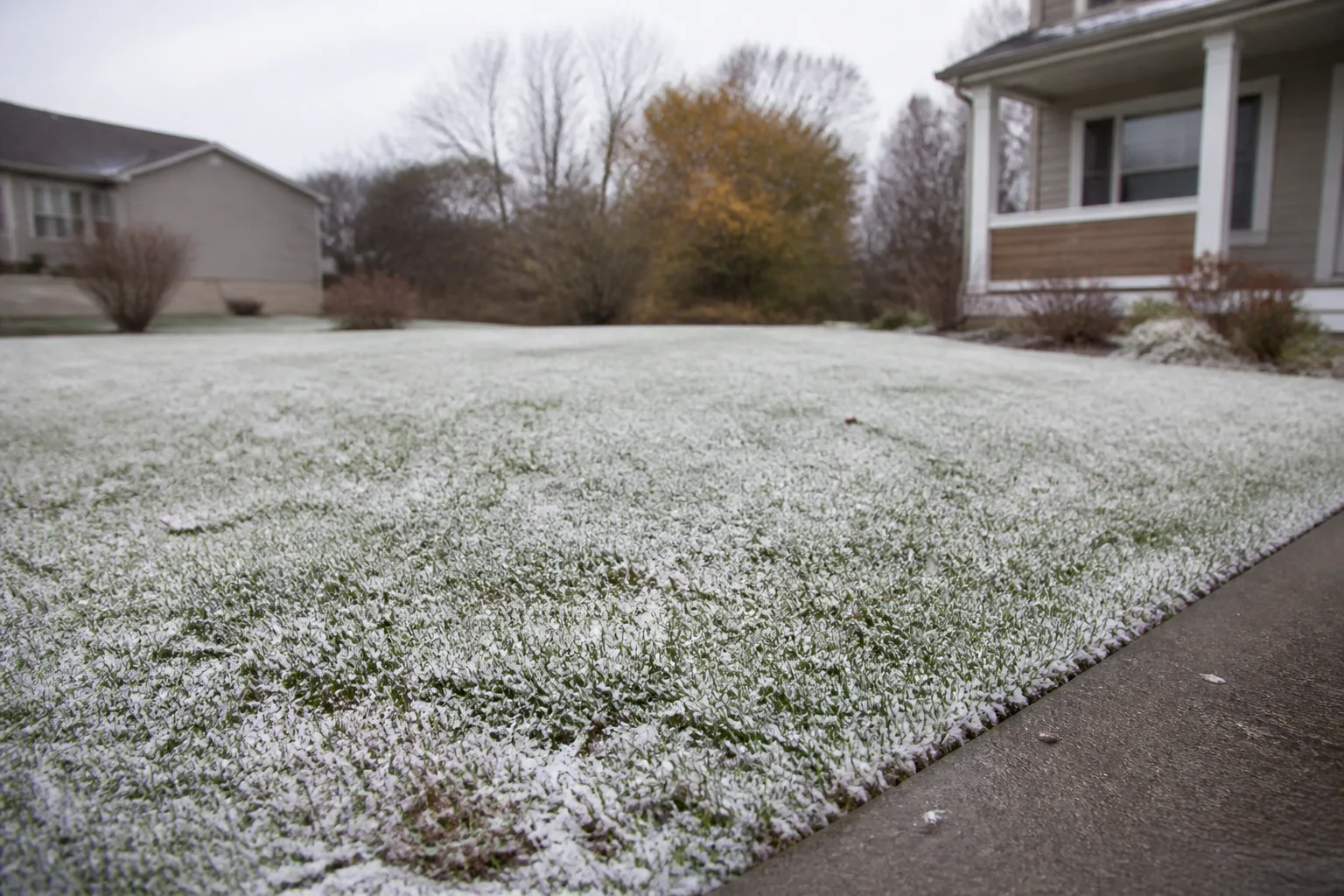
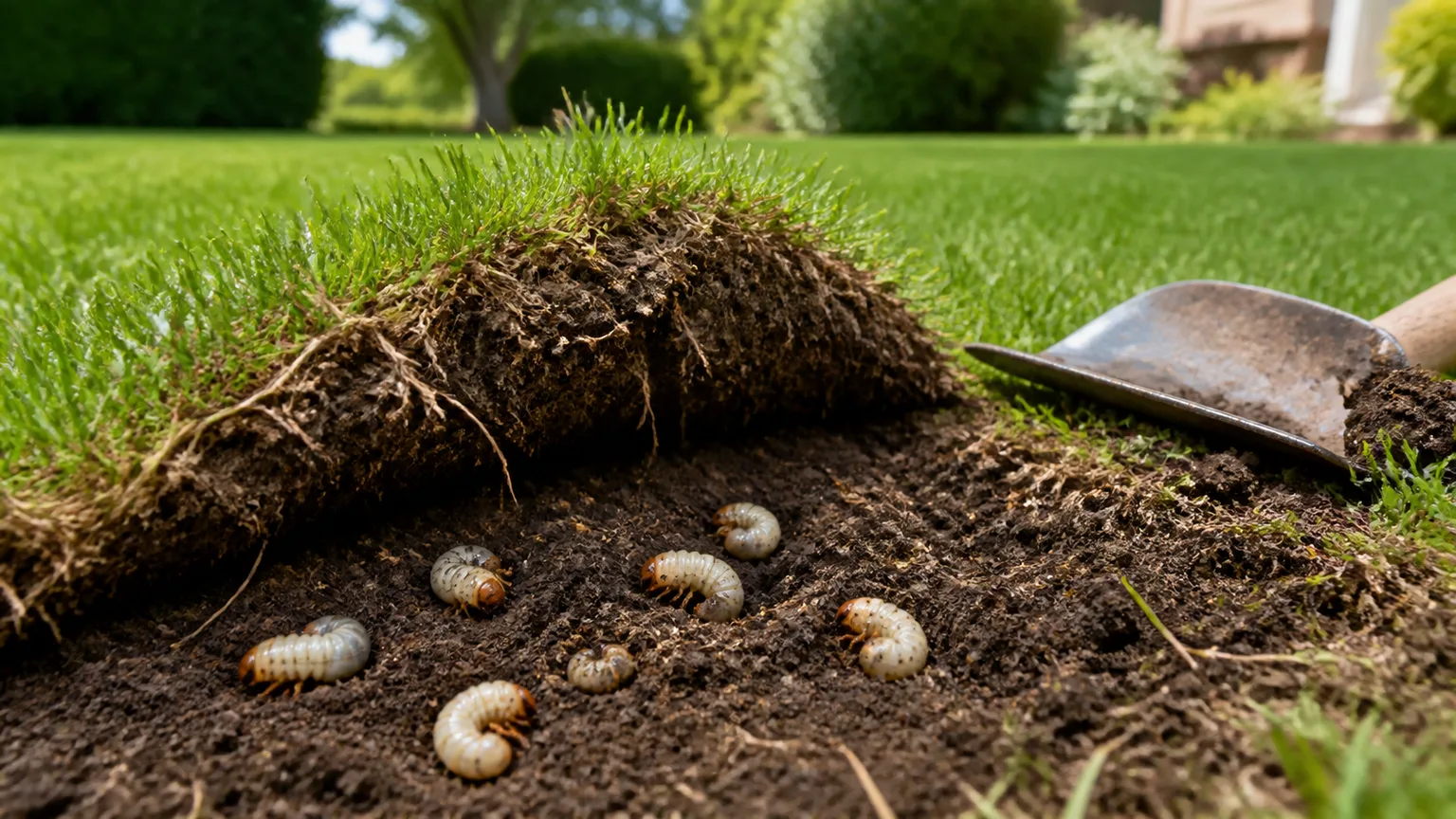
The first warm weekend after a long winter, you step onto the lawn and find matted gray-white circles where snow sat the longest. Straw-colored patches stripe the edge of the driveway. Your neighbor shrugs and says the grass will bounce back. Sometimes it does. Sometimes you are looking at snow mold—a cold-weather fungal disease that was set up months earlier by habits that seemed harmless when the turf was buried.
Winter lawn care is mostly about what you stop doing. Grass may look asleep, but crowns, roots, and soil biology are still in play. The mistakes below do not just annoy turf—they create the cold, wet, airless conditions snow mold fungi love. Fix them in fall and early winter, and you solve most of the problem before the first flake falls.
Quick Answer: Dormant Grass Is Still Vulnerable
Default rule: Treat your lawn like a living surface through winter even when it is not growing. Remove smothering debris, mow to the correct final height, keep foot traffic off frozen blades, distribute snow instead of piling it, protect edges from plows, skip sodium-based de-icers near turf, watch for voles, blow out irrigation before hard freeze, and stop watering once the ground is cold and frozen.
Snow mold is not random bad luck. It is a moisture-and-cover disease. Anything that traps water, blocks air, or holds snow on the same patch for weeks—leaves, tall matted grass, tarps, compacted snow, salt-burned thin turf—increases risk. Gray snow mold needs prolonged snow cover; pink snow mold is more aggressive and can appear in wet cool weather with or without deep snow.
The Moisture Trap That Feeds Snow Mold
Think of your lawn in winter as needing dry crowns and open airflow, not constant soaking. Snow itself is not the enemy—many healthy lawns survive under snow all season. The trouble starts when organic debris, excessive height, or piled snow keeps the turf surface wet and dark for too long. Fungal spores already live in thatch and soil; winter mistakes give them a greenhouse.
Cool-season grasses—tall fescue, Kentucky bluegrass, perennial ryegrass—are most commonly affected in the northern half of the country. Warm-season lawns go fully dormant and brown in frost zones, but the same smothering and salt rules still protect what emerges in spring. Wherever you are, the throughline is identical: do not let anything hold moisture against the crown longer than necessary.
What Snow Mold Is—and Why Fall Habits Matter More Than Spring Raking
Snow mold is a group of turf diseases caused by cold-tolerant fungi that thrive under snow or prolonged wet chill. UMass Extension Turf Program groups the main types homeowners see into gray and pink forms. You rarely notice infection until melt exposes matted, discolored patches—often where snow lingered longest, such as north-facing slopes, shade lines, and plow berms.
Prevention is almost entirely pre-snow. Once a thick, wet mat sits under snow for 60 days or more, fungal growth is largely out of your hands until spring. That is why this guide focuses on winter mistakes rather than miracle cures in March.
Gray Snow Mold vs. Pink Snow Mold
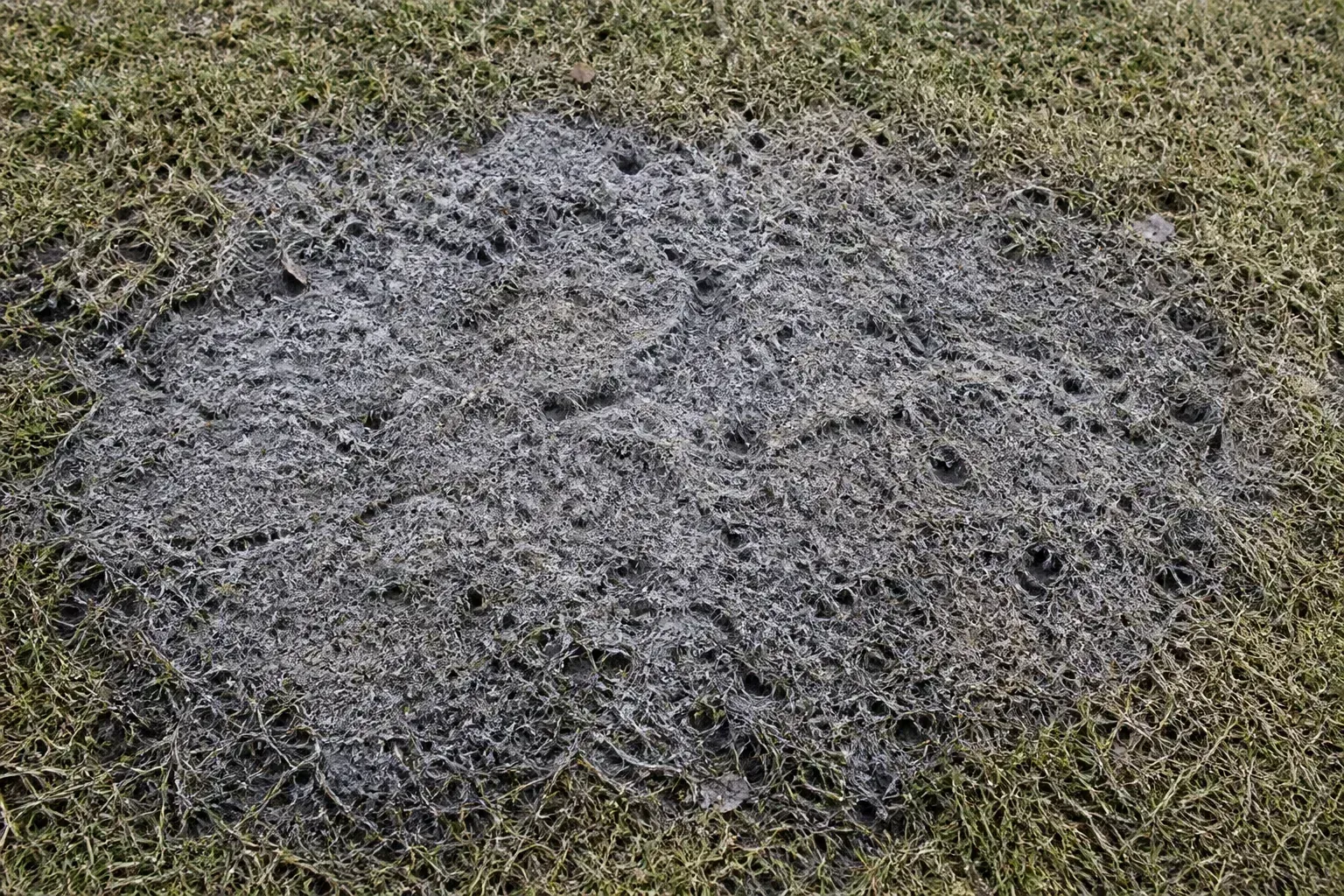
Gray snow mold (Typhula species) produces circular patches roughly one to three feet across with a grayish, webby mold on matted grass. It typically damages leaf blades while crowns often survive. Gentle spring raking and normal growth usually green the lawn back within weeks.
Pink snow mold (Microdochium nivale) is the more serious neighbor. UMass Extension notes it can develop in wet conditions from near-freezing into the 60s°F—not only under deep snow. Patches may show a salmon-pink margin at the edge. This form can reach crowns and roots, leaving true dead turf that needs reseeding. If you have repeated pink outbreaks on the same shady, slow-draining section, a fall preventative fungicide on high-value turf may be worth discussing with a local extension office—but cultural fixes (mowing, dethatching, drainage, snow distribution) come first.
Mistake 1: Leaving Matted Leaves on the Turf All Winter
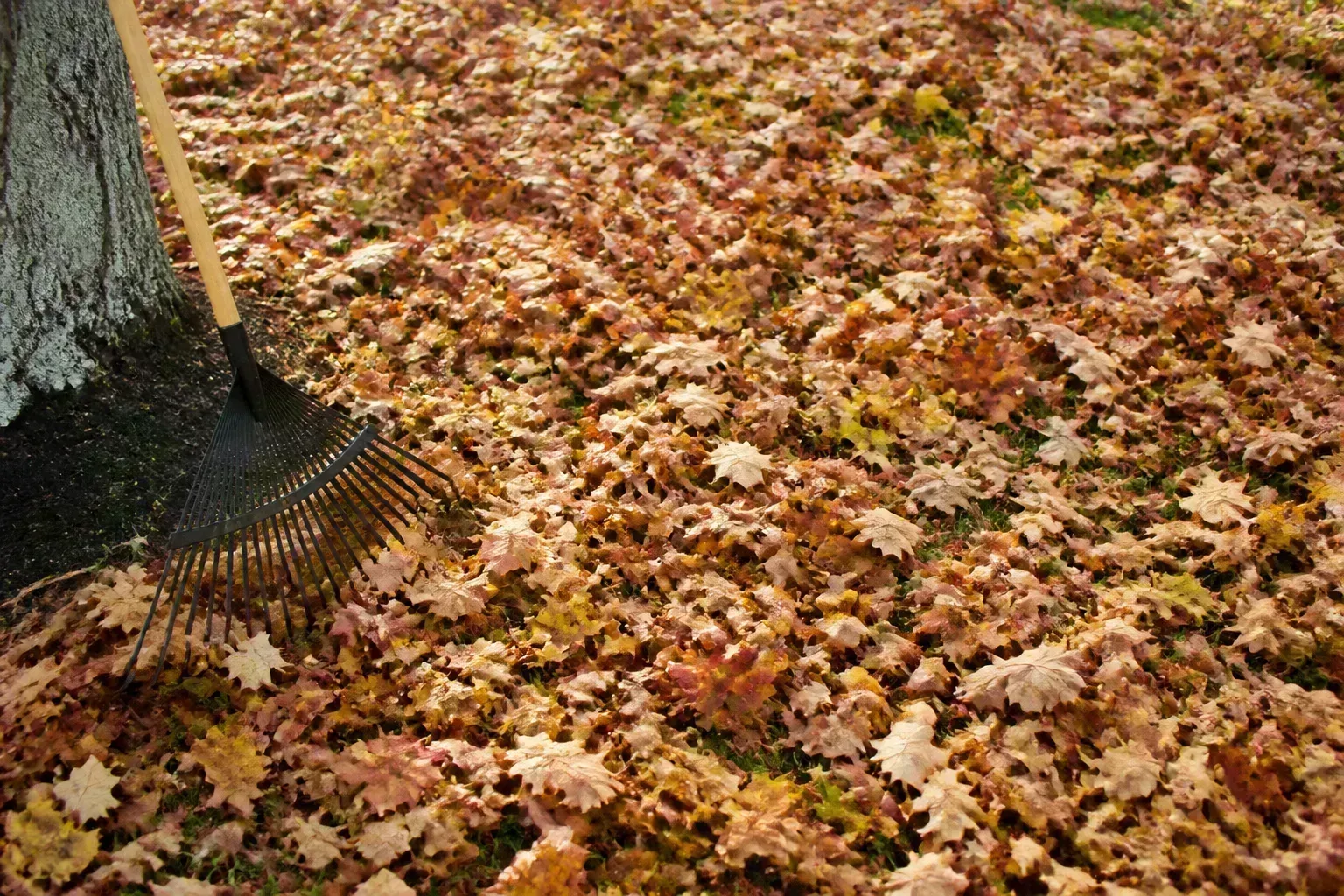
A carpet of autumn leaves looks harmless—natural mulch, right? On a lawn, it is a light-blocking, moisture-holding blanket that invites fungi. Al Turgeon, turf professor emeritus at Penn State College of Agricultural Sciences, explains that leaves damage turf primarily through light exclusion, shutting down photosynthesis when cool-season grass is still trying to store energy before full dormancy. Wet leaves also hold humidity against the crown.
If you missed fall cleanup, clear leaves in early winter whenever weather allows. Rake or blow when the lawn is dry enough to avoid tearing dormant plants. Alternatively, mulch leaves finely with a mower and leave thin shreds that filter down rather than mat. A thick, wet layer that never dries is the snow mold setup. Prioritize shaded areas and low spots where leaves pack tightest.
Mistake 2: Letting Grass Stay Too Tall Before the First Snow
Tall grass folds over under snow, trapping air pockets that stay cold and wet. It also gives voles and field mice cover to tunnel at the crown level. The last mow of the season is one of the highest-return jobs on this list.
Keep mowing until growth stops—timing varies by grass type and region, but often into late fall for cool-season lawns. Never remove more than one-third of the blade at once. For the final cut, go about half an inch shorter than your normal mowing height (without scalping to bare soil). For many tall fescue lawns, that means roughly 2 to 2.5 inches. The goal is an upright, tidy stand that does not mat.
Mowing wet dormant grass tears rather than cuts, opening wounds for disease. Wait for dry afternoons. Also alternate mowing patterns through fall; repeated wheel tracks in the same lines compact soil and create drainage lows where meltwater pools—another snow mold invitation.
Mistake 3: Leaving Tarps, Furniture, and Debris on the Lawn
It is easy to forget the tarp you used for leaf collection or the plywood sheet stacked near the shed. Anything flat on turf blocks gas exchange and creates a warm, humid microclimate under the first snow. The grass underneath often emerges yellow, thin, or dead in spring—classic snow mold territory even if you never saw mold webs.
Walk the yard before the first hard freeze. Pull furniture, lumber, hoses, and kid toys onto paved surfaces or gravel. If you must stage materials temporarily, move them every few days so the same blades are not smothered for weeks.
Mistake 4: Walking Repeatedly Across Snow-Covered or Frozen Turf
A beaten path across the front yard is convenient when the sidewalk is buried. It is also hard on grass. When turf freezes, ice crystals form inside cells. Foot traffic ruptures those cells, producing gray or black footprints that persist until spring. Compacted snow from repeated walking reduces airflow to the crown—the same mechanism that worsens snow mold under plow piles.
Limit crossings to emergencies. If you must cross regularly, install stepping stones or a mulch path in fall before the ground freezes. Pets can do the same damage; route dog traffic to one mulched or gravel area rather than the same arc of lawn.
Safer Routes That Keep Traffic Off the Crown
Mark intended walkways with stakes before snow arrives so family members default to the hardscape. Shovel a narrow path on the driveway or patio instead of cutting diagonally across turf. If you hire snow removal, specify that foot traffic to the door should stay on cleared pavement, not a shortcut across the lawn.
Mistake 5: Letting Big Snow Piles Sit on the Same Grass Patches
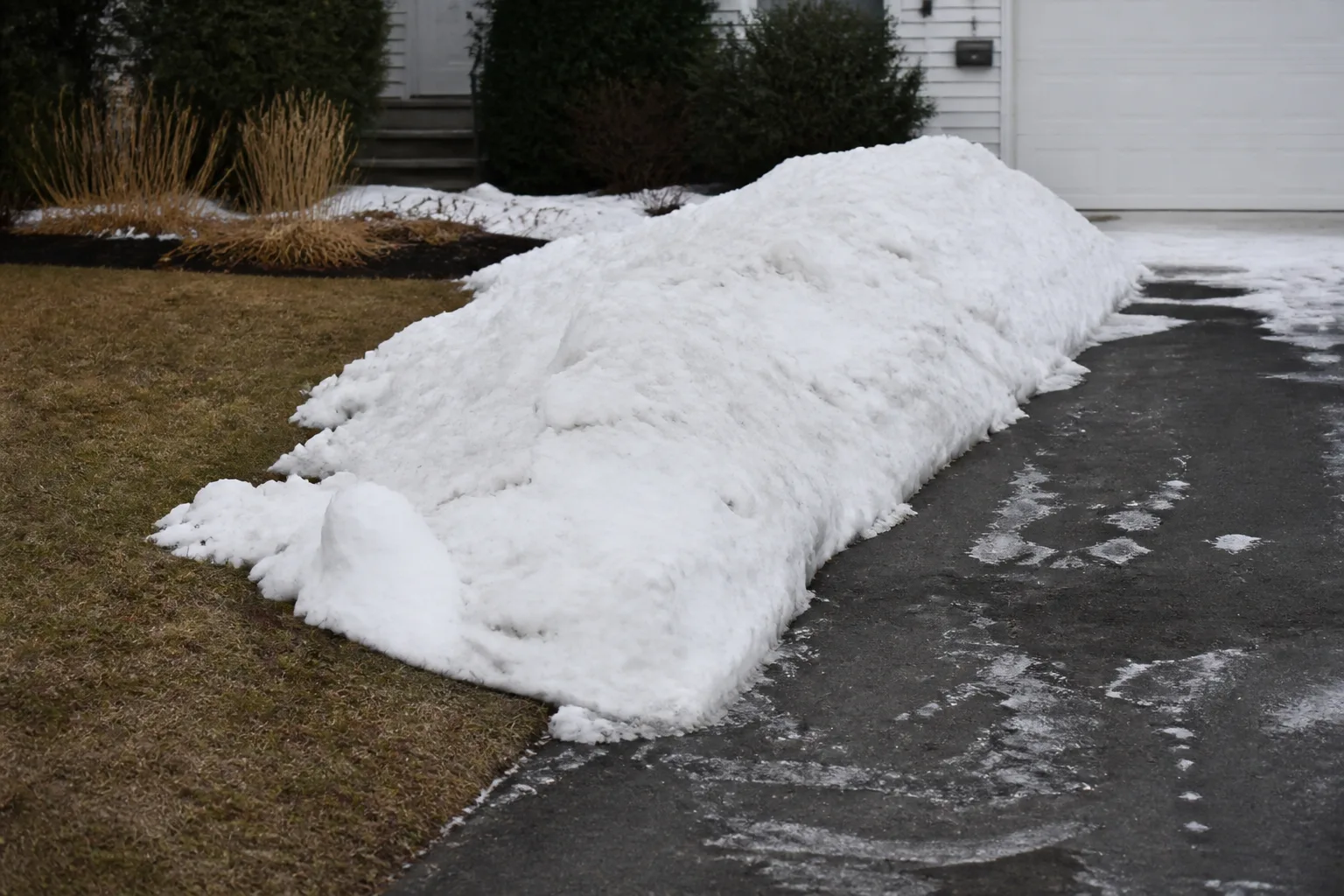
Driveway and walk clearing concentrates tons of snow on a narrow strip of grass. That berm melts slowly, stays saturated for weeks, and is the number-one gray snow mold hot spot on residential lots. The reduced air circulation under a deep, dense pile mimics prolonged snow cover even after the rest of the yard is bare.
When you shovel or blow snow, vary throw direction so no single band along the pavement receives every load. After plowing, redistribute excess with a shovel if piles are shoulder-high on turf. A snow fence upwind of problem areas can keep drifts off vulnerable lawn sections. Accept that the sacrifice strip along a heavily salted driveway may need spring overseeding—that is cheaper than fighting chronic pink snow mold every year.
Mistake 6: Letting Plow Operators Cut Into Turf Edges
A steel plow edge can peel sod like carpet, leaving bare soil that erodes and weeds before you notice. Ruts along the driveway also channel meltwater and salt directly into the root zone.
Install reflective stakes or fiberglass markers along both sides of the drive in late fall while soil still accepts them. Photograph the boundary and share it with contractors. Specify in writing that blades must stay on pavement. If you plow yourself, lift the blade at the grass line and take the first pass slowly. Repair torn edges in spring with soil, seed, and a light straw mulch—not heavy fertilizer while salt may still be present.
Mistake 7: Spreading Sodium Chloride Ice Melt Near Grass
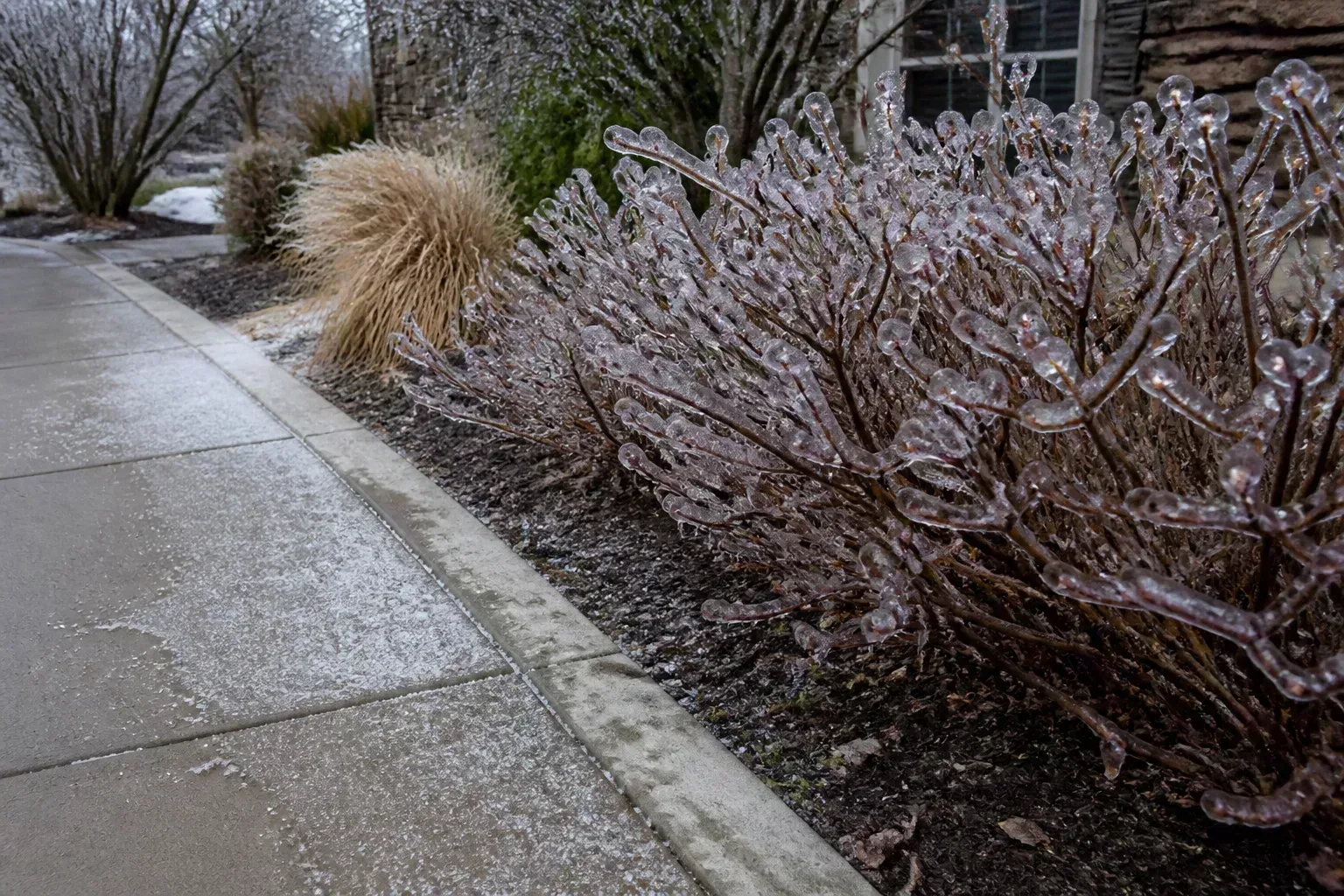
Rock salt (sodium chloride) is cheap and effective on pavement. It is brutal on turf. NC State Extension warns that sodium chloride can injure roots and foliage within roughly 30 feet of application as melt carries salt into soil. Missouri Botanical Garden notes that salt in soil causes marginal browning, stunting, and long-term vigor loss—damage that often does not show until late spring or summer stress.
Salt-thinned turf is weaker going into the next winter, which makes snow mold recovery harder. Never apply pure salt in heaps. Mix with sand or cinders, use the minimum effective amount, and keep product on hardscape.
Safer De-Icers and Buffer Zones Along Turf
Calcium chloride and potassium chloride products are somewhat less harsh on soil structure than sodium chloride, but Missouri Botanical Garden still recommends mixing them with abrasives and treating them as potentially injurious to plants. Calcium magnesium acetate is a lower-toxicity option for environmentally sensitive areas but costs more.
Along lawn edges, use sand for traction where possible. Plant salt-tolerant fine fescues in the first few feet adjacent to walks if salt use is unavoidable. Never pile salty slush from the driveway onto grass. If spray from passing cars hits evergreen borders, rinse foliage with plain water on above-freezing days when practical.
Mistake 8: Ignoring Vole Runways Under the Snow
Voles are mouse-sized rodents that tunnel at the soil surface under snow cover. You may not see them until melt reveals interlacing runways and chewed grass crowns. Damage can look like random dead paths—not fungal patches—but weakened turf in those strips is more susceptible to secondary disease.
Walk the lawn on mild winter days and look for pencil-width openings at the base of snow packs. Set snap traps baited with peanut butter or apple in active runways, checking daily. Remove tall grass and heavy mulch at bed edges in fall to reduce cover. Serious infestations may need coordinated trapping; poisons require extreme caution around pets and wildlife.
Mistake 9: Forgetting to Winterize Your Sprinkler System
Burst irrigation pipes do not cause snow mold, but they destroy soil structure, create ice lenses, and leave mud that compacts into dead zones—often next to the same shady strips where fungi already thrive. Winterization is non-negotiable in climates with hard freeze.
Shut off water to the system, drain lines via manual valves or compressed-air blowout, and insulate above-ground backflow assemblies. Do this before the first sustained freeze, typically when nighttime lows stay below 28°F for several days. Leave the controller off or in rain-delay mode so a warm spell does not refill lines before another freeze.
Mistake 10: Watering Dormant Grass During Winter
Cool-season grass still needs moisture in fall while it is actively storing carbohydrates. Stopping too early can cause crown desiccation—winter wind and intermittent thaw dry exposed crowns when roots cannot take up water from frozen soil. Turf specialist Keenan Amundsen at the University of Nebraska-Lincoln notes that going into winter thirsty weakens stands.
Once temperatures consistently fall below about 40°F and the ground begins to freeze, stop irrigating. Overwatering in late fall or during winter thaws keeps soil saturated, compacts pore space, and encourages fungal growth. Let natural precipitation and slow melt supply moisture until spring growth resumes. If you overseed late, one light watering before freeze may help—but routine winter sprinkling is a mistake.
If Snow Mold Already Appeared: Spring Recovery Without Making It Worse
Patience is the first tool. Wait until the lawn is dry enough to walk on without smearing soil—usually when daytime temperatures are regularly in the 40s°F and patches are no longer soggy. Gently rake matted areas with a leaf rake to break crust and expose crowns to air. Gray snow mold often greens up on its own within a few weeks.
Do not compost infected clippings; bag and discard them away from turf. Hold off on heavy nitrogen until you see new growth. Pink snow mold or crown-killed patches may need overseeding in late spring after you confirm what is truly dead—usually May, not the first March warm day. Avoid aggressive power raking on wet turf; you will spread spores and pull live plants.
If allergies or asthma are triggered by fungal spores, wear a mask while raking and mow only after patches dry. Extra irrigation early in spring can prolong pink snow mold; let the lawn dry between natural rain events.
Conclusion
Snow mold is the receipt for a winter of trapped moisture—leaves left to mat, grass too tall, snow piled high along the drive, salt weakening the edge strip, and traffic packing everything tighter. None of these habits feel dramatic when the yard is buried. That is exactly why they are so common.
The fix is equally unglamorous and highly effective: a clean final mow, a leaf-free surface, distributed snow, marked plow lines, restrained de-icers, dry crowns, and a blown-out irrigation system. Do that work in fall and early winter, and spring melt is far more likely to reveal green grass than gray webs. If patches do appear, gentle drying and raking beat panic reseeding. Your lawn was not sleeping through winter—it was waiting to see whether you gave it air or a wet blanket. Choose air.