How to Grow and Care for Diascia (Twinspur)
Learn how to grow diascia in pots or beds, manage summer heat, water without waterlogging, prune for repeat bloom, and decide whether to overwinter it.
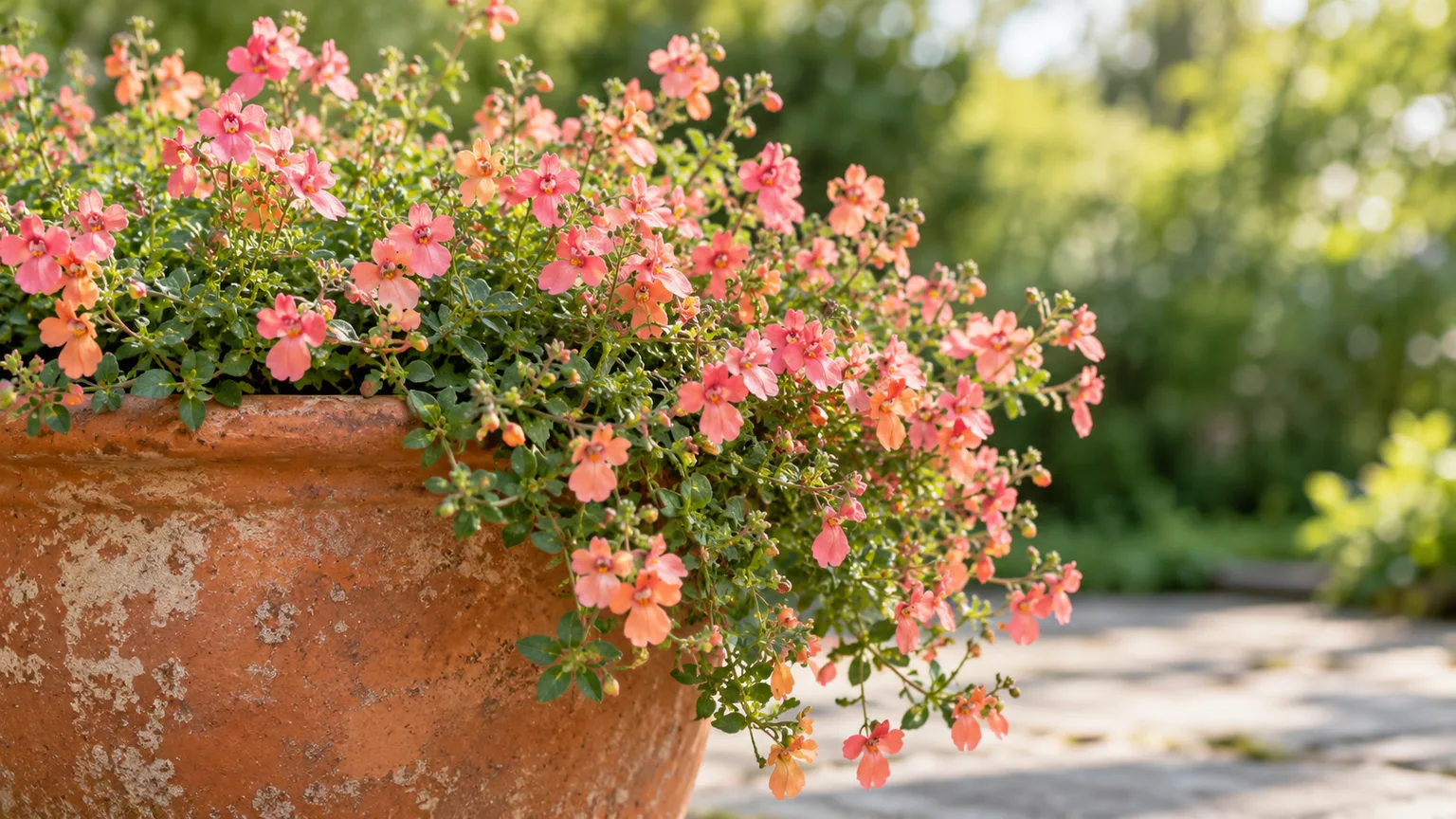
Diascia earns its place in a container when you want a low mound of small flowers to soften the rim or spill over the edge. It is commonly called twinspur, after the paired spur-like structures on many of its flowers. The plant is often sold as a spring bedding annual, but its growth habit, flower colors, and winter tolerance vary by species and cultivar, so the label on the specific plant matters more than a genus-wide rule.
The most dependable care formula is straightforward: plant twinspur in free-draining soil that stays lightly moist, give it sun while temperatures are mild, and offer afternoon shade when summers turn hot. It usually blooms most freely in cool weather, may pause during heat, and can flower again when conditions improve. That pause does not automatically mean the plant is dying or hungry. First check the root zone, drainage, and afternoon exposure; then trim only as much as the plant can replace.
What Diascia Is and Why It Is Called Twinspur
Diascia is a genus of annual and perennial flowering plants native to southern Africa. Many garden forms are compact, spreading, or trailing, but some species grow upright and considerably taller. Their little flowers have a distinctive lower lip and often carry two spurs at the back. The name twinspur is useful at the garden center, but it does not mean every species or cultivar has identical flower anatomy or size.
The paired spurs are more than decoration. In the plants’ native range, specialized Rediviva bees collect floral oil from diascia flowers. The Royal Horticultural Society noted in its 2024 annual bedding trial that few pollinators visited the trial plants at Wisley, while describing the relationship between twinspur and these oil-collecting bees in South Africa. That is a useful distinction for gardeners: diascia can be a colorful garden flower, but its presence does not guarantee the same pollinator activity everywhere. The RHS trial report records both observations.
The small flowers generally appear in pink, coral, apricot, orange, red, or white, depending on selection. The overall look can be airy and trailing rather than a dense upright mound, which makes twinspur useful at a container edge, along a path, or near the front of a border. The ABC’s Gardening Australia plant profile also describes diascia as a compact plant suited to rockeries, containers, and perennial borders, with different colors and growth forms across the genus. Gardening Australia’s diascia profile is a useful overview, though its older plant-finder entry should not be used to assume all modern hybrids behave identically.
Quick Diascia Growing Profile
| Growing factor | What twinspur generally prefers |
|---|---|
| Light | Full sun in cool weather; some afternoon shade in hot climates |
| Soil | Fertile or moderately fertile, free-draining soil that holds some moisture |
| Water | Even moisture while establishing; check pots often and never leave roots waterlogged |
| Bloom pattern | Often strongest in spring and fall; may slow during summer heat |
| Habit | Compact, mounding, spreading, or trailing, depending on cultivar |
| Main uses | Hanging baskets, container edges, window boxes, edging, rock gardens, and border fronts |
| Propagation | Softwood cuttings for a named cultivar; seed for variable or species plants |
| Winter behavior | Tender perennial in some conditions, but commonly grown as an annual where frost is severe |
Use this as a starting point, not a guarantee. Before buying, check the plant tag for mature height, spread, habit, and local hardiness guidance; the word “diascia” alone is not enough to predict whether a plant will trail 12 inches or stand upright several feet tall.
Choose a Site for Spring and Fall Bloom
Choose the site by pairing temperature with light. In a cool or mild summer, a sunny location encourages a fuller flowering display. In a hot-summer region, morning sun with light afternoon shade is often a better compromise: the plant still receives bright light, while its roots and flowers avoid the most intense heat of the day.
Diascia works especially well where you can see its form from the side: a hanging basket, a raised planter, a window box, a retaining wall, or the front edge of a mixed border. Trailing types have room to hang, and compact types can fill gaps without hiding every neighboring plant. Upright selections need a different role, so read the label before planning a spiller position.
Good drainage is more important than enriching the bed heavily. If water stands after rain, improve the site or plant in a raised bed rather than setting twinspur into a low pocket. In a container, use a pot with open drainage holes and a fresh, airy potting mix. A cachepot with standing water can turn a manageable watering routine into chronic root stress.
Light, Soil, and Temperature: The Cool-Weather Balance
Give diascia bright light, but be ready to adjust it with the season. The RHS lists full sun or partial shade for its Diascia ‘Pender’ profile and recommends moist but well-drained soil; its profile also advises watering in dry periods and protecting the plant from frost. Cultivar labels differ, but that combination—sun, drainage, and moisture—is a sound baseline. The RHS ‘Pender’ profile illustrates why care advice should be matched to the named selection.
Twinspur is not a desert plant, and it is not a bog plant. Aim for soil that remains evenly damp enough to prevent repeated wilting but lets excess water drain away. In garden beds, adding compost can improve structure in both sandy and heavier soil; avoid creating a rich, soggy planting hole that behaves differently from the surrounding bed. In pots, ordinary quality container mix usually provides more predictable drainage than garden soil.
Heat changes the bloom pattern. The RHS’s year-long perennial trial is separate from its annual bedding trial, and its 2024 bedding trial found that spring weather affected the start of flowering; heavy rain later caused some flower drop, followed by reflowering across the trial. In home gardens, a hot spell can also reduce flowering, even if the roots remain alive. The Old Farmer’s Almanac gives a practical response for heat-stressed plants—afternoon shade, a careful cutback, and continued watering—while cautioning that winter protection may be needed. Its diascia guide is best treated as general gardening guidance, not a substitute for cultivar-specific hardiness information.
When a plant wilts on a hot afternoon, feel the soil before you water. If it is dry, water thoroughly and allow excess to drain. If it is already wet, more water will not solve heat stress; move the container out of afternoon sun, improve airflow, and wait for cooler conditions before deciding whether to trim. A temporary midday droop can be less serious than a plant that stays wilted in cool morning conditions.
How to Plant Diascia in Beds and Containers
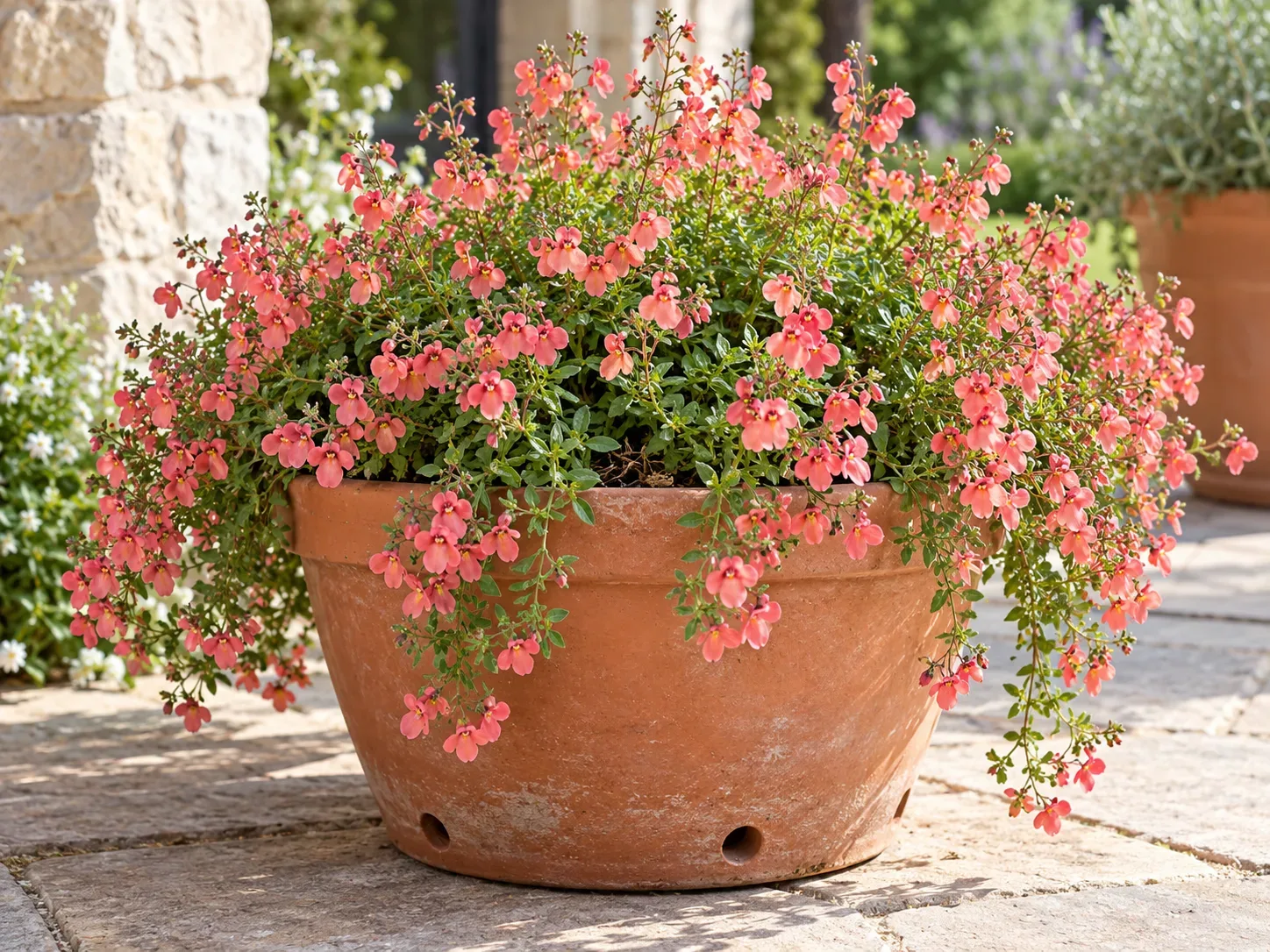
Plant nursery-grown twinspur after the risk of hard frost has passed in your area, unless you can protect it. Harden off greenhouse-grown plants for about a week: begin with a sheltered, bright outdoor spot for a few hours, then increase their exposure gradually. This reduces the shock of moving soft growth directly into wind, cool nights, or strong midday sun.
Set Nursery Plants at the Right Time
Water the nursery pot before planting so the root ball is evenly moist. Loosen circling roots gently if they have formed a tight mat, then set the plant at the same depth it was growing in the pot. Backfill with soil or potting mix, press just enough to remove large air gaps, and water the planting area to settle it. Do not bury the crown or pack wet soil hard around the stems.
The planting date is local, not universal. In a cold-winter climate, twinspur is usually a warm-season bedding plant put out when frost danger has passed. In a mild region, planting can be timed to the cooler part of the year. Keep newly planted diascia evenly moist until new growth shows that the roots are settling in; after that, use the soil condition rather than a fixed daily schedule.
Space Plants for Their Mature Habit
Spacing depends on the cultivar and the effect you want. For a bed, use the tag’s expected width as the main guide and leave enough room for air to move between plants. In a basket, a single plant may look small initially but can fill out with time. Several plants create an immediate full effect, but they also compete for water and may need frequent checks during warm, windy weather.
For a mixed container, position trailing twinspur near the edge and place taller, upright companions toward the center or back. Keep plants with similar moisture needs together. A thirsty spiller can force you to keep the whole pot wetter than a drought-tolerant neighbor can tolerate, so the best design is one that shares both light and water requirements—not just flower colors.
Water and Feed Without Soggy Roots
During establishment, check the top layer of the bed every day or two in dry weather. Water when the surface begins to dry, applying enough to moisten the root zone rather than sprinkling the leaves lightly. Once established in the ground, diascia can tolerate short dry intervals better than it can tolerate waterlogged roots, but prolonged drought may halt flowering and cause foliage to wilt or crisp.
Containers dry faster because they have less soil volume and more exposed sides. Check a basket by lifting it, feeling the mix several centimeters below the surface, or using the drainage holes as a clue. Water slowly until water runs from the base, then empty any saucer. In heat, wind, or small hanging baskets, daily checks may be necessary even when daily watering is not.
Feed lightly. A slow-release fertilizer mixed into the potting medium or a balanced liquid feed used at the product’s label rate can support a long display. If the plant is growing strongly but producing few flowers, do not automatically add more fertilizer: excess feeding can favor leafy, weak growth. First confirm the plant receives enough light, that roots are not waterlogged, and that it is not entering a heat-related lull.
Keep Diascia Compact With Pinching and Shearing
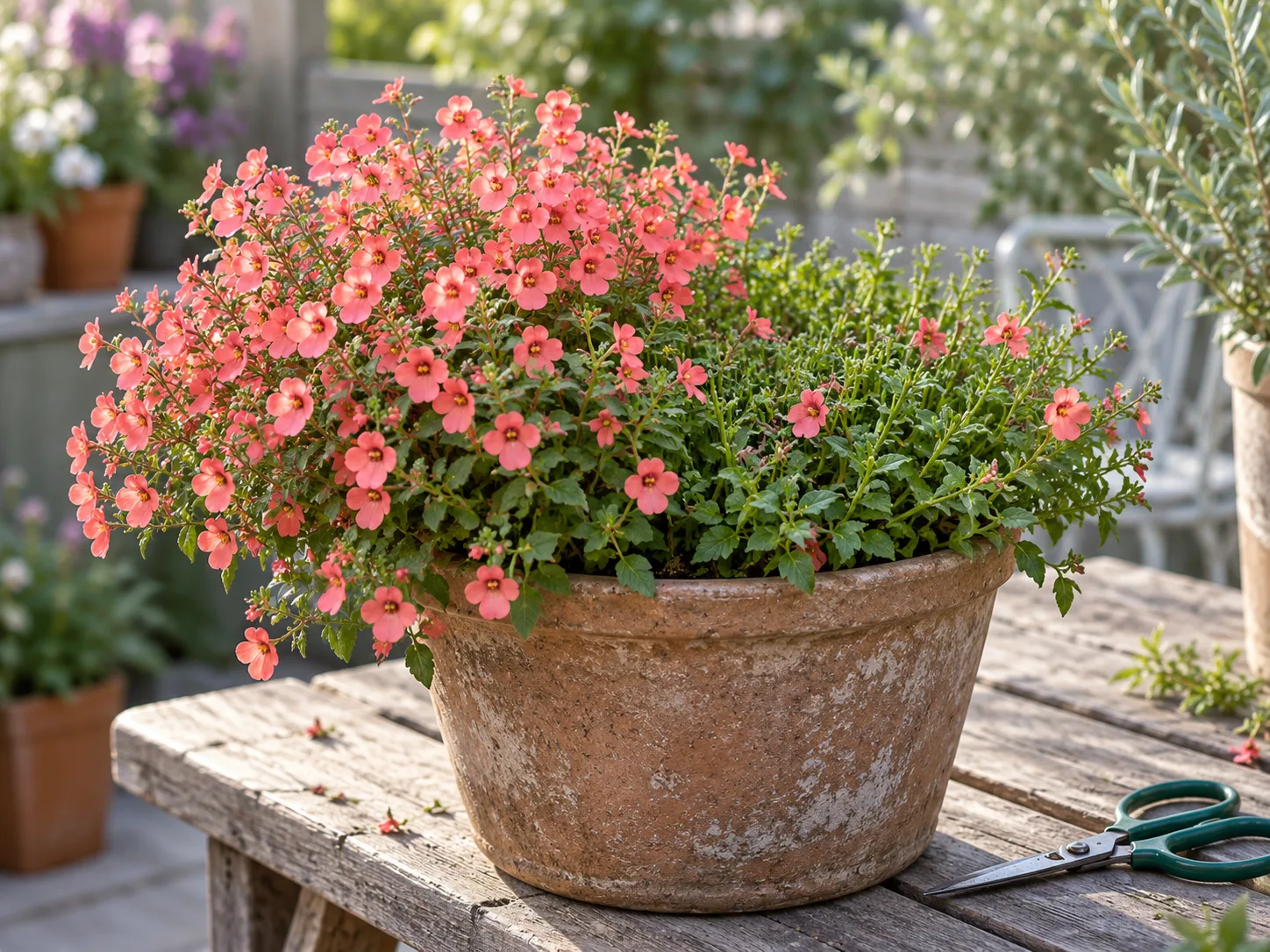
Pinching young plants encourages branching before they become long and sparse. When a young plant has put on enough growth to handle, pinch or snip the soft stem tips just above a leaf joint. This small early intervention creates more growing points and can produce a fuller plant, although naturally compact cultivars may need little shaping.
Deadheading is optional but useful when you want a tidy display and fewer seed heads. Snip off spent flower stems after the petals fade, rather than removing healthy foliage. The RHS’s 2024 trial deliberately did not deadhead its annual entries, allowing the team to observe flowering performance without that intervention; this supports a practical point: deadheading is a maintenance choice, not a condition for every diascia to flower.
If flowering slows after the first flush or the stems become leggy, shear the plant lightly by roughly one-third, keeping plenty of green growth. Water it well if the root zone is dry, then allow time for new growth. A severe cut during extreme heat or a cut that removes nearly all foliage can set the plant back. Gardeners’ Path recommends light shearing and regular deadheading for repeat display, while the RHS cultivar pages advise cutting old stems back in spring for certain perennial selections. Those are different jobs at different times of year: light seasonal shaping during growth, more substantial cleanup when a hardy perennial resumes growth. Gardeners’ Path’s twinspur guide offers practical maintenance details; use your cultivar’s growth habit to decide how much to remove.
Grow Twinspur From Seed
Seed is a reasonable route when you are growing a species or do not need every plant to match. Hybrid offspring may not keep the parent’s flower color, vigor, or habit, so a named cultivar is more reliably copied from a cutting. Seed packets are not as common as nursery plants, and germination details can vary by supplier, so follow the packet’s depth and temperature instructions.
For most gardeners, start seed indoors about six to eight weeks before outdoor planting or sow it outside once frost risk has passed and temperatures are suitable for the variety. Use a clean seed-starting mix, moisten it first, and place seed according to packet instructions; very small seed may need light or only a thin covering, but do not assume every variety has the same requirement. Keep the medium evenly moist, not waterlogged, and give seedlings bright light as soon as they emerge.
Thin or pot seedlings before they become crowded. If sowing into cells, transplant while plants are young enough to establish without a tangled root system. Harden seedlings off before planting outside. Direct sowing avoids transplant shock, while indoor sowing gives you more control over the seedbed; choose based on your season length and access to a protected germination space.
Propagate a Favorite Cultivar From Cuttings
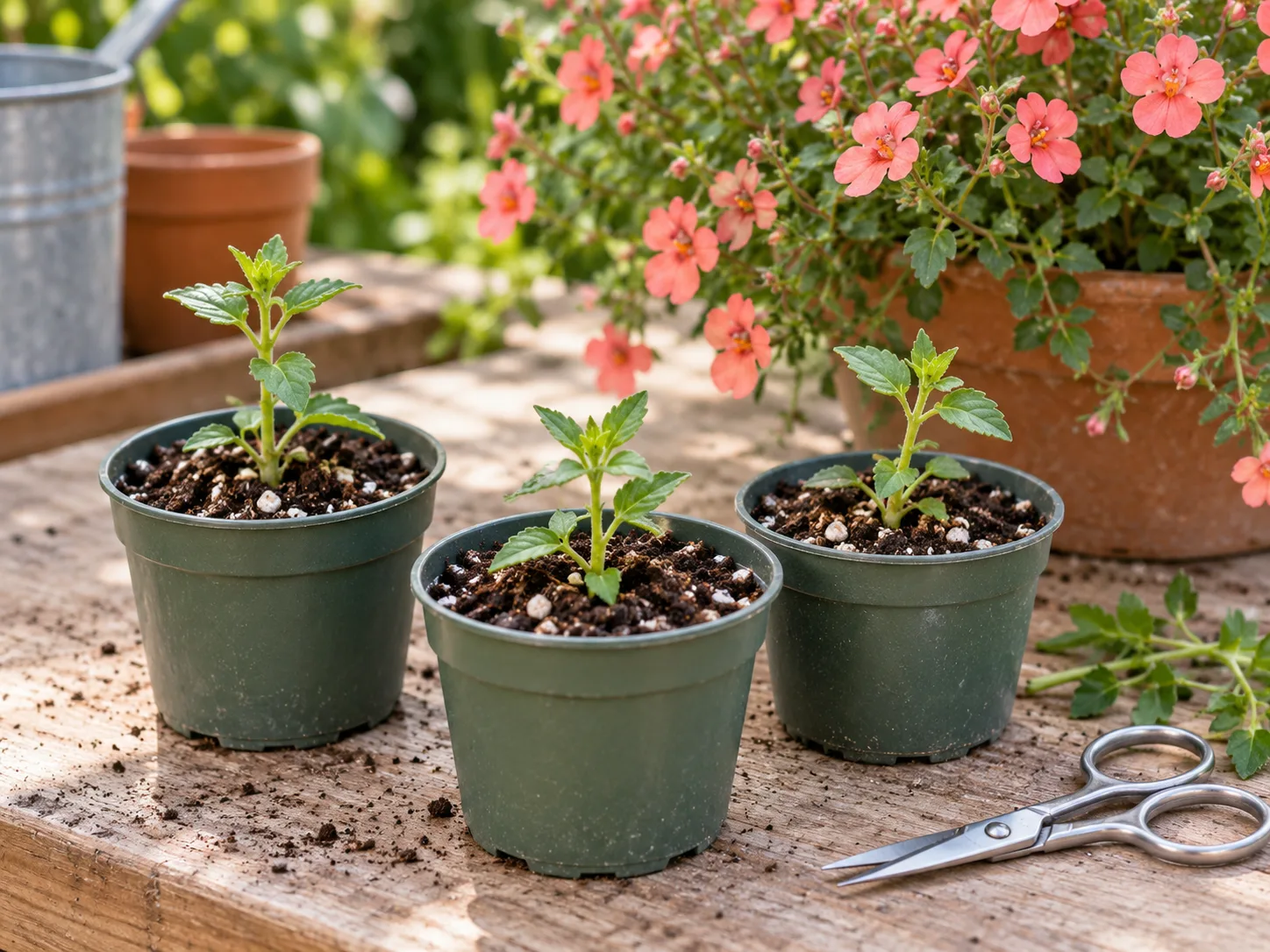
Softwood cuttings are a better way to reproduce a preferred named selection. The RHS lists spring softwood cuttings and summer semi-ripe cuttings for diascia; the correct stage depends on how firm the stems are and what the plant is doing. Take cuttings from healthy, nonflowering growth, not from stems that are already weak, diseased, or badly wilted.
Use clean scissors to take a short tip cutting with several nodes. Remove the lower leaves, keep a small cluster at the top, and insert the bare stem into a damp, free-draining propagation mix. Cover loosely with a clear bag or propagator to reduce moisture loss, but ventilate it and keep the leaves from pressing against wet plastic. Bright indirect light and a mild, stable temperature are preferable to hot direct sun.
Check for root development by looking for fresh growth and gentle resistance when you tug very lightly. Do not pull repeatedly; young roots are easy to damage. Once the cutting is rooted, gradually remove the cover, pot it on, and let it establish before exposing it to the full outdoor conditions. The RHS profile for ‘Pender’ specifies spring softwood or summer semi-ripe cuttings, while broader practical advice from The Old Farmer’s Almanac describes keeping the medium damp and the cutting shaded as it roots.
Overwintering: Annual or Perennial?
Diascia is a perennial by habit in some species and climates, but many garden-center hybrids are treated as annuals where winters are cold. Hardiness depends on the cultivar, drainage, winter moisture, and local conditions. A plant surviving one mild winter does not establish that every plant sold as diascia will overwinter in the same yard.
Check the named variety’s hardiness rather than relying on a general zone attached to the genus. The RHS profile for ‘Pender’ gives a UK H3 rating, which means tolerance in the range of mild UK winters rather than a direct conversion to a guaranteed U.S. USDA zone. Even a plant with some frost tolerance can fail in a wet, exposed pot. RHS’s cultivar-specific profile is more useful for that selection than a generic hardiness number.
If you want to try overwintering a container plant, move it to a sheltered, bright, frost-protected area before a hard freeze, and reduce watering as growth slows without letting the root ball dry completely. Remove dead or damaged stems, keep the pot draining, and watch for soft, blackened growth that may signal cold or excess moisture injury. In a severe-winter climate, taking a cutting in late summer or buying a new spring plant may be more reliable than trying to keep an unsuitable cultivar through winter.
Diascia Varieties for Baskets, Edging, and Height
Choose a cultivar by habit first and color second. Trailing forms are suited to basket rims and window boxes; mounding selections work at the front of borders; upright species can add height but may not spill over a pot. Check mature height and spread because a single genus includes much more variation than a short bedding label can suggest.
The RHS’s 2024 annual bedding trial evaluated 54 selections at Wisley and awarded or retained recommendations for several cultivars. Trial notes also recorded differences that matter at home: compactness, flower power, uniformity, late flowering, foliage quality, and color bleaching in some red or orange selections. This makes an Award of Garden Merit a helpful shortlist, not a promise of identical performance in a different climate or container. The full RHS trial results provide cultivar names and observations rather than a one-size ranking.
Examples include ‘Aurora’ selections in apricot and pink tones, ‘Darla’ forms, and compact ‘Little Dreamer’ (‘Pender’). Diascia integerrima ‘Coral Canyon’ is a perennial selection often grown for its more upright habit, while D. personata can become much taller than the familiar trailing bedding hybrids. The RHS profile of ‘Pender’ describes a compact mound that eventually trails; always confirm the tag for the plant actually sold to you.
Troubleshoot Poor Bloom, Leggy Growth, and Leaf Damage
When twinspur looks weak, start with the pattern rather than a product. One plant wilting in a container often points to a moisture or root problem; an entire row pausing in a heat wave suggests temperature; long bare stems usually point to shade, crowding, or missed pinching. Change one major factor at a time so you can see whether the plant responds.
| What you see | Likely cause | First useful response |
|---|---|---|
| Flowers stop during hot weather, but stems stay green | Heat-related pause | Give afternoon shade, check actual soil moisture, and wait for cooler conditions |
| Plant wilts and the mix is dry | Water stress | Water slowly until the root zone is moist and excess drains away |
| Plant wilts even though the mix is wet | Poor drainage or root stress | Stop adding water, clear blocked drainage, and assess roots if decline continues |
| Long stems with fewer blooms | Too much shade, crowding, or excess fertilizer | Improve light if temperatures allow; pinch or shear lightly after recovery |
| Ragged leaves or missing young shoots | Slugs or snails | Inspect at dusk and under the pot; reduce hiding places and protect tender growth |
| Flower color looks washed out after harsh sun or rain | Environmental bleaching or flower damage | Remove damaged flowers and judge the next flush before replacing the plant |
The RHS trial reported flower bleaching, most noticeably in some red and orange selections, and observed flower drop after heavy rain. That means a patchy flower is not automatically a disease. Remove spent or damaged stems, avoid keeping foliage persistently wet, and look for progressing spots, mushy bases, or spreading leaf damage before diagnosing a pathogen.
Slugs and snails are most likely to damage tender young growth and sheltered plants. Check beneath the foliage, basket rim, or pot; pick off pests where practical and reduce debris that stays damp around the crown. If the plant collapses at the base in wet soil, correct drainage first. A fungicide or extra fertilizer will not fix a plant whose roots are sitting in saturated mix.
Pair Twinspur With Suitable Container Companions
Diascia’s low, spreading form pairs well with plants that enjoy similar light and regular, moderate moisture. In a basket, place twinspur along the outer rim and use a compact upright plant in the center so neither habit is forced into the wrong position. In a border, it can soften a path edge or fill between taller plants, provided it still receives enough air and sunlight.
Think about summer behavior when combining plants. A pot with a thirsty, fast-growing companion may need frequent watering; that is workable if every plant in the pot tolerates the same moisture and drainage. Avoid mixing twinspur with a drought-adapted succulent that needs the container to dry sharply between waterings. The best companion is not simply another flower with a matching color but a plant that shares the container’s sun, water, and seasonal temperature pattern.
Although diascia’s flower structure is adapted to specialized pollinators in its native range, do not make the plant the sole basis of a pollinator plan. Combine it with a range of locally appropriate flowers that bloom at different times and have forms accessible to insects in your area. That gives a border more ecological value than relying on one ornamental annual, while diascia contributes color and a fine-textured spill.
Conclusion
Grow diascia for its distinctive twin-spurred flowers and trailing or mounding shape, but plan around its cool-weather preference. Give it light, free-draining soil, and consistent moisture; protect it from harsh afternoon heat when needed; and choose the cultivar by mature habit and local frost tolerance. In pots, drainage and frequent checks matter more than a rigid watering calendar.
A summer bloom pause is often a cue to adjust exposure and wait for cooler weather, not to flood the pot or feed heavily. Pinch young growth for branching, deadhead if you want a tidier display, and shear only enough to encourage fresh growth. Use seed when variation is acceptable, softwood cuttings when you want to preserve a named cultivar, and a fresh spring plant when winter conditions make overwintering unreliable. Those choices turn twinspur from a pretty impulse buy into a plant whose care fits your climate and container.



