9 Underrated Houseplants Worth Buying
These underrated houseplants are worth buying for their foliage, blooms, scent, or shape. Match each pick to your light, watering habits, and pets.
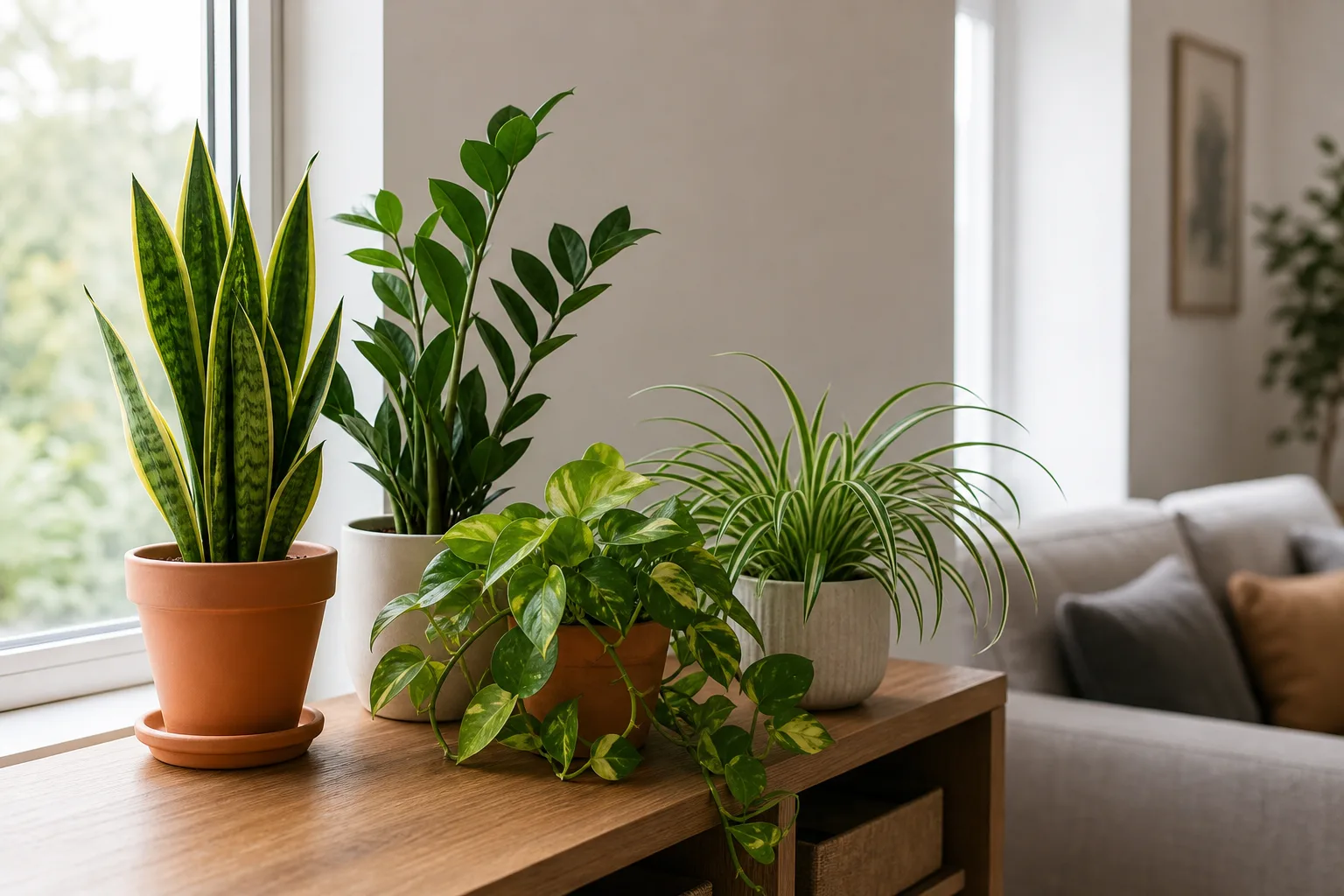
The most satisfying houseplant purchases are rarely the plants everyone is posting this month. They are the ones that solve a specific problem: a bare corner that needs height, a desk that needs a compact plant, a bright window that deserves fragrance, or a collector’s shelf that needs texture instead of another heart-shaped vine.
These nine underrated houseplants earn repeat purchases because they offer a clear payoff without all demanding the same routine. The important distinction is that “easy” can mean different things. A plant may tolerate low light but resent wet soil, or survive a missed watering but fail to flower without strong light. Use the care trade-offs below to choose the plant you can actually keep in the right place.
Choose by the room, not by the trend
Start with the room’s brightest useful light, not the plant’s photo on a shopping page. Bright indirect light usually means the plant is close enough to a bright window to cast a soft shadow, but protected from the harshest direct rays; a dim shelf several feet from a window is a different environment even if the room feels bright to you.
Then match the plant’s moisture preference to your habits. Thick, fleshy leaves often buy you a little time between waterings, while fine foliage, flowering vines, and orchids need closer observation. A pot with drainage holes is the shared safety net, but it cannot compensate for a mix that stays wet or a plant placed in a dark room.
A quick fit guide: light, water, and pet risk
For the lowest-maintenance shortlist, begin with Peperomia obtusifolia, Dracaena fragrans, or Dracaena marginata. They are better choices for people who want foliage and structure without checking a plant every day, although each still needs enough light to use the water it receives.
For flowers or fragrance, choose Hoya carnosa, Jasminum polyanthum, Begonia maculata, or an Oncidium hybrid. The catch is that bloom-oriented plants usually ask for more light, more seasonal attention, or more precise watering than a plain foliage plant.
If pets chew plants, place Philodendron squamiferum, both Dracaenas, and begonias where they cannot be reached, and verify the exact botanical name in the ASPCA’s plant safety database. The database says its list is not all-inclusive and warns that eating any plant material can cause gastrointestinal upset, so “non-toxic” should never be treated as permission to let a pet graze.
Hoya carnosa: the slow-burn bloomer
Hoya carnosa is easy to underestimate in a nursery because the young plant may look like a few stiff, waxy leaves on a short stem. Given time, it becomes a trailing or climbing plant with thick foliage and clusters of small, star-shaped flowers that can be fragrant. NC State Extension describes it as an epiphytic vine that prefers bright indirect light, fast drainage, and soil that dries between waterings. NC State’s Hoya carnosa profile is also a useful reminder that a Hoya may take two or three years to flower.
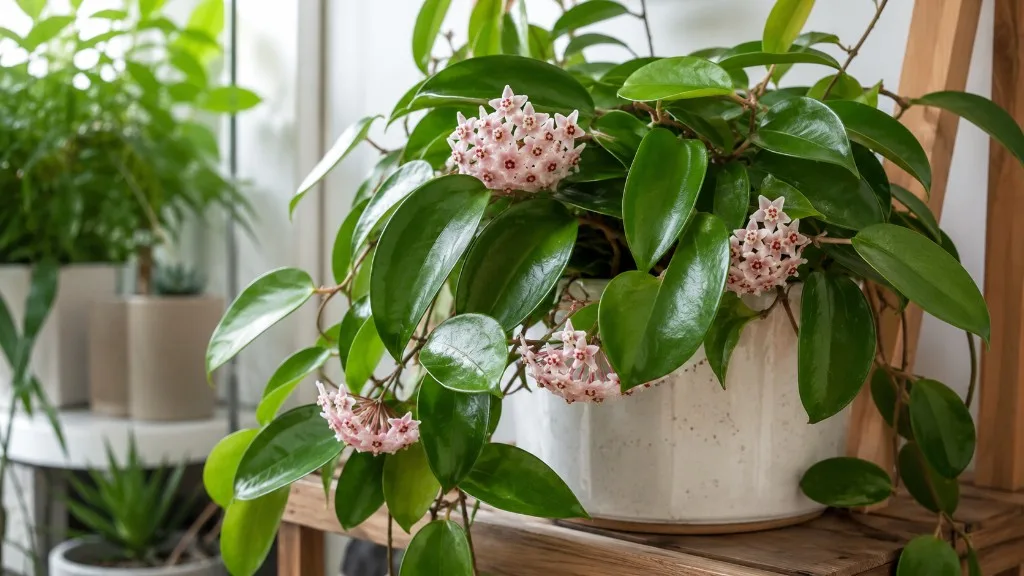
The buying decision is simple: choose a Hoya if you enjoy watching a plant mature rather than needing an instant floral display. Give it a small pot with a loose, airy mix, water thoroughly, and wait until the mix has dried substantially before watering again. A plant that stays constantly damp is more likely to attract fungus gnats or drop leaves than to reward you with flowers.
Do not cut off the short, knobby flower spurs after a bloom fades. Those peduncles can produce future flowers, and removing them trades a moment of tidiness for lost bloom potential. Train long stems around a small hoop or let them fall from a shelf, and move the plant indoors before cool nights if it spends summer outside.
Philodendron squamiferum: a climber with texture
Philodendron squamiferum is the choice for someone who wants a plant people will ask about. Its deeply lobed leaves are attractive, but the real signature is the fuzzy covering on its petioles—the leaf stalks that stand out more as the plant matures. It is a climbing philodendron, so a moss pole, trellis, or other support lets it develop a more intentional shape than a pot left to sprawl.
As a member of the Philodendron genus, it fits the broad cultural pattern described by NC State Extension: bright indirect light, warm temperatures, moist but well-drained organic soil, and protection from cold drafts. That is not the same as keeping the pot wet. Check the upper part of the mix and water when it is beginning to dry, then let excess water leave the pot.
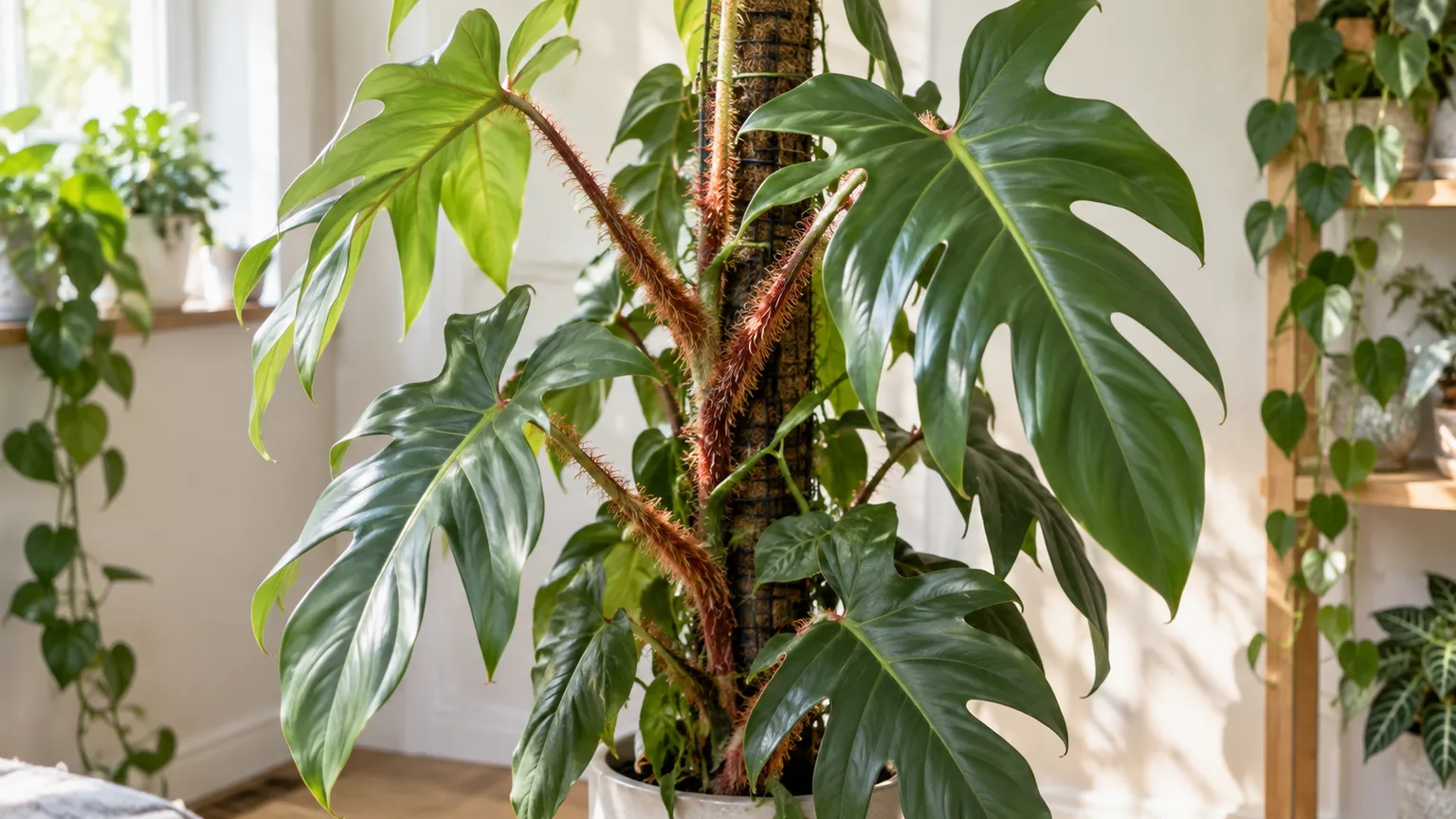
Buy this one for vertical interest, not for a dark corner. Low light can stretch the stems and reduce the dramatic leaf shape, while direct midday sun can scorch the foliage. If you want a fuller plant, attach new growth to the support early and prune only when you have decided which stems will form the framework.
The important limitation is pet safety. Philodendrons contain irritating compounds and are not a good choice for a household where a cat or dog can chew the leaves; use a high, stable location and remove fallen pieces from the floor.
Dracaena marginata: sculptural height with little fuss
Dracaena marginata, also called the Madagascar dragon tree, is underrated because it is familiar. Familiar does not mean boring: the narrow, arching leaves, gray stems, and red margins create a strong vertical silhouette that works in a quiet room where a broad-leaved plant would feel bulky.
The Missouri Botanical Garden Plant Finder recommends bright indirect light protected from direct sun and drafts, while noting that the plant tolerates lower light at the cost of foliage color. Let the soil dry between waterings without allowing the root ball to remain bone-dry for long stretches, and reduce watering as growth slows in fall and winter.
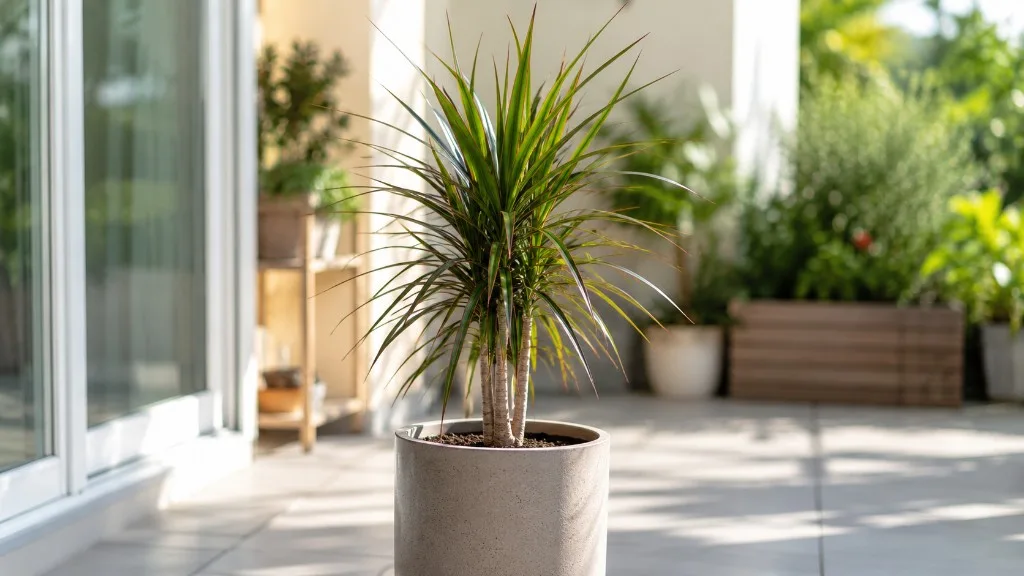
This is a good buy when you want height but do not want a fast-growing vine. It can eventually reach several feet indoors, yet pruning a cane can encourage new branches and help reset a plant that has become too tall. A bright spot also makes the red leaf margins more convincing than a dim room does.
Brown tips are not a diagnosis by themselves. Dry soil, water stress, excess salts, fluoride, low humidity, and root problems can all create browning, so check the moisture pattern and the roots before moving the plant or adding a humidifier. Dracaena is also toxic to cats and dogs; ASPCA listings for Dracaena are a reason to keep it away from nibbling pets.
Dracaena fragrans: broad leaves for dimmer rooms
Dracaena fragrans, or the corn plant, is the better Dracaena for a room that is bright enough to read in but not flooded with sun. Its broad strap-like leaves feel softer and more tropical than marginata’s narrow blades, and cultivars such as ‘Massangeana’, ‘Lemon Lime’, and ‘Janet Craig’ give you different color and scale without changing the basic care logic.
According to NC State Extension’s corn-plant profile, bright to moderate filtered light is ideal, direct sun can burn the foliage, and too little light can produce narrower leaves. Keep the mix moist during active growth but ease back in winter, and avoid cold conditions below about 50°F. The plant’s fragrant flowers are uncommon indoors, so buy it for its foliage and structure rather than a guaranteed bloom.
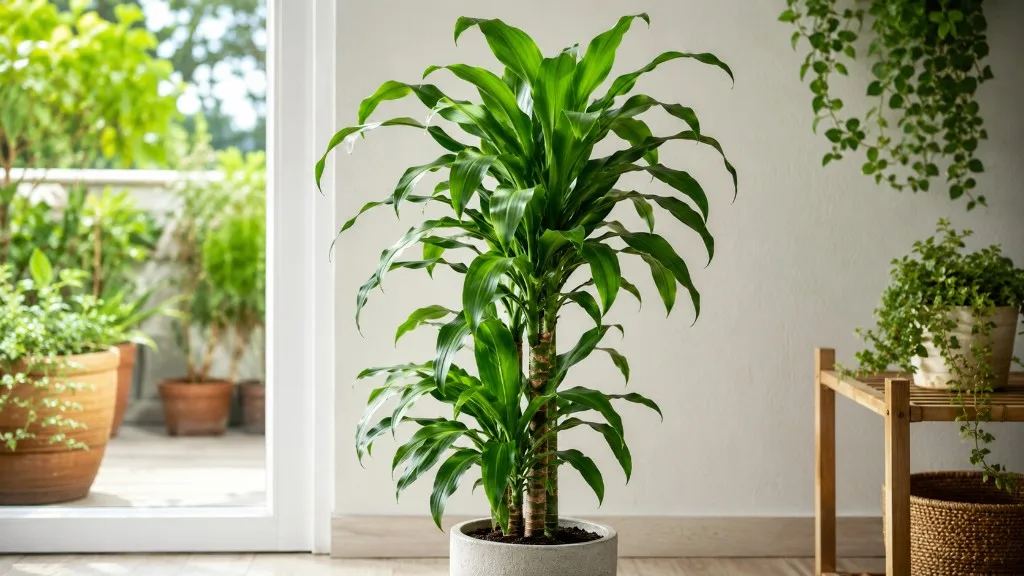
The most useful Dracaena fragrans habit is to water deeply and then wait for the mix to dry enough that the pot feels noticeably lighter. If brown tips keep appearing despite reasonable moisture, consider fluoride and salt buildup; NC State notes that this species is sensitive to both. Filtered, rain, or distilled water can be a sensible trial, but do not change five variables at once or you will not know what helped.
Choose fragrans over marginata when a lower-light room and broad foliage matter more than a sculptural, red-edged outline. Choose marginata when you have a brighter location and want a plant that reads like living architecture.
Peperomia obtusifolia: the compact, forgiving desktop plant
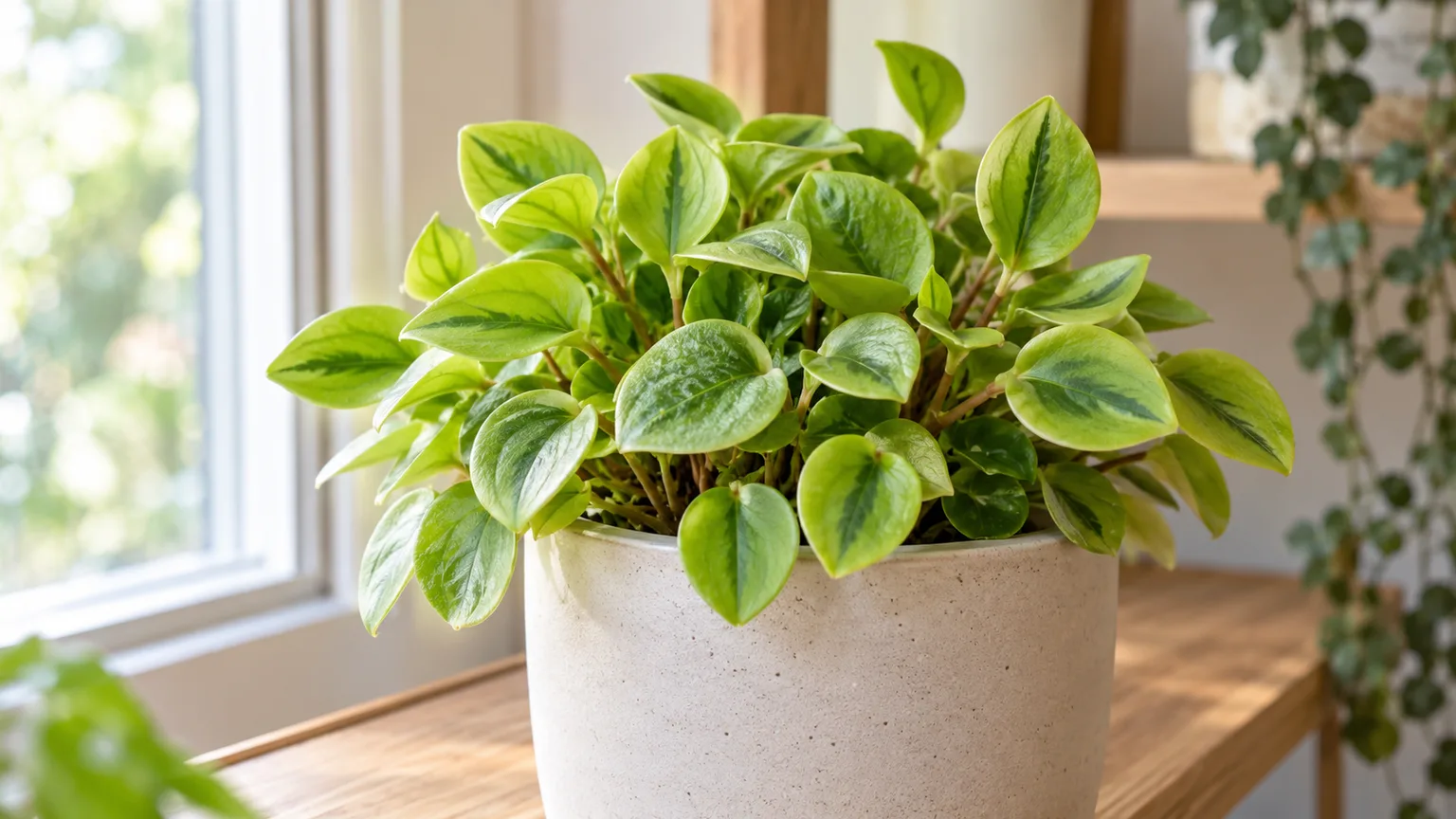
Peperomia obtusifolia, commonly called the baby rubber plant, is a small-space specialist with glossy, cupped leaves and sturdy stems. It gives a desk or narrow shelf a finished look without immediately demanding a trellis, a large pot, or a dedicated plant corner.
NC State Extension’s profile notes that it can tolerate low light for several months, especially in non-variegated forms, but prefers bright indirect light. Its real weakness is wet soil: overwatering can yellow the leaves and contribute to root rot, while strong direct sun can scorch them.
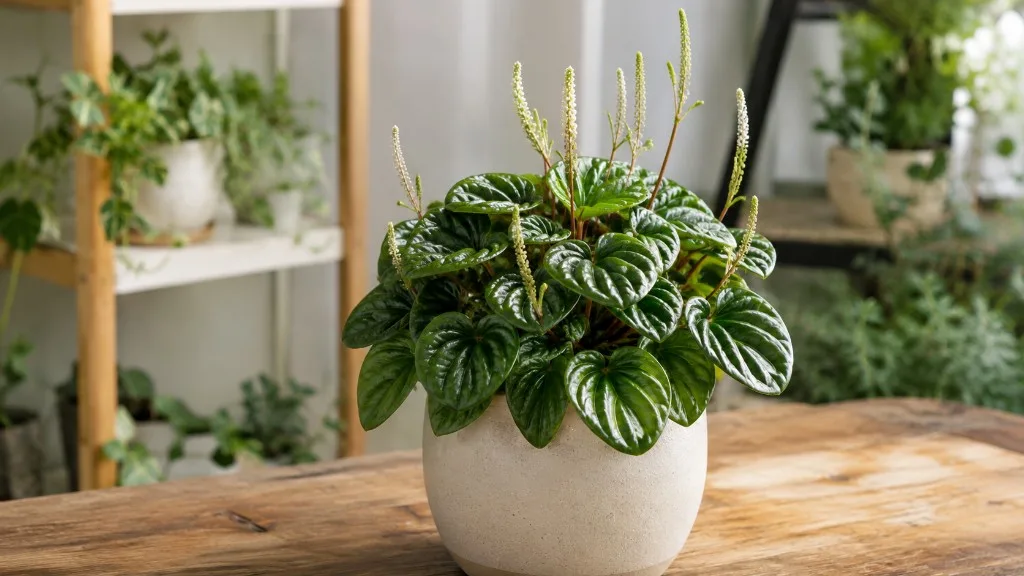
The plant’s thick leaves make it a useful “forgetful grower” choice, but do not turn that into a weekly watering rule. Feel the mix, lift the pot, and check whether it has dried far enough for air to return to the roots. In a large decorative container, the center of the soil may stay wet long after the surface looks dry, which is why a snug inner pot with drainage is safer than an oversized planter.
Buy a variegated form for brighter shelves and a plain green form for a little more flexibility. A compact plant can still become leggy if the light is too weak, so rotate it occasionally and prune above a node when stems lose their shape.
Air plants: soil-free, but not care-free
Air plants are not miniature decorations that happen to be alive. Tillandsia are epiphytes with specialized leaf scales that absorb water and nutrients; their holdfast roots mainly anchor the plant. NC State Extension explains that many growers fully submerge air plants or rinse them thoroughly, and that regular watering—at least weekly in ordinary indoor conditions—is necessary for strong growth.
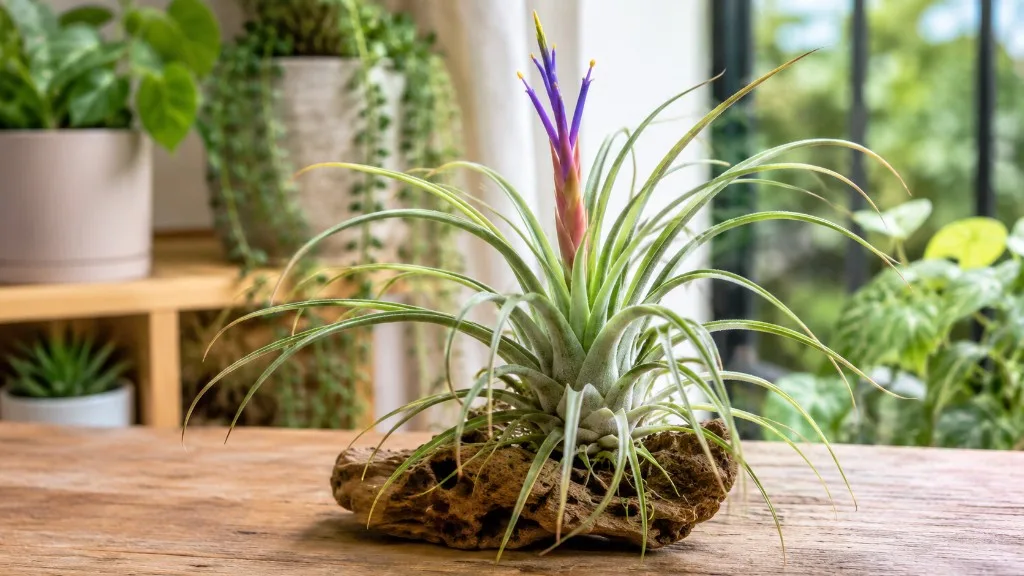
Bright light is the part that surprises most new owners. Many Tillandsia tolerate very bright conditions and need high light to flower, but the plant must also dry completely after watering. Soak or rinse it, shake out trapped water from the center, and place it where air can move around it; a wet crown in a stagnant container is a rot risk.
Buy air plants when you like hands-on care and visual display. They are excellent for a bright window, open shelf, or piece of untreated wood, but they are poor choices for a dark bathroom or a sealed glass ornament. A pup at the base is a better sign of a sustainable collection than a plant that looks perfect on day one.
Jasminum polyanthum: fragrance for a bright window
Jasminum polyanthum, often sold as Chinese or pink jasmine, is a compelling purchase for someone who wants scent rather than another foliage texture. It can fill a room with fragrance when its pink buds open into white flowers, and its vining growth can be trained around a small hoop or trellis.
The RHS jasmine growing guide distinguishes this tender houseplant from hardier outdoor jasmines and recommends a warm, bright indoor position. It should be moved back inside before nights fall below about 55–59°F, while White Flower Farm’s indoor jasmine guide advises bright light with little direct sun while it is in bloom and watering once the top half-inch of mix is dry.
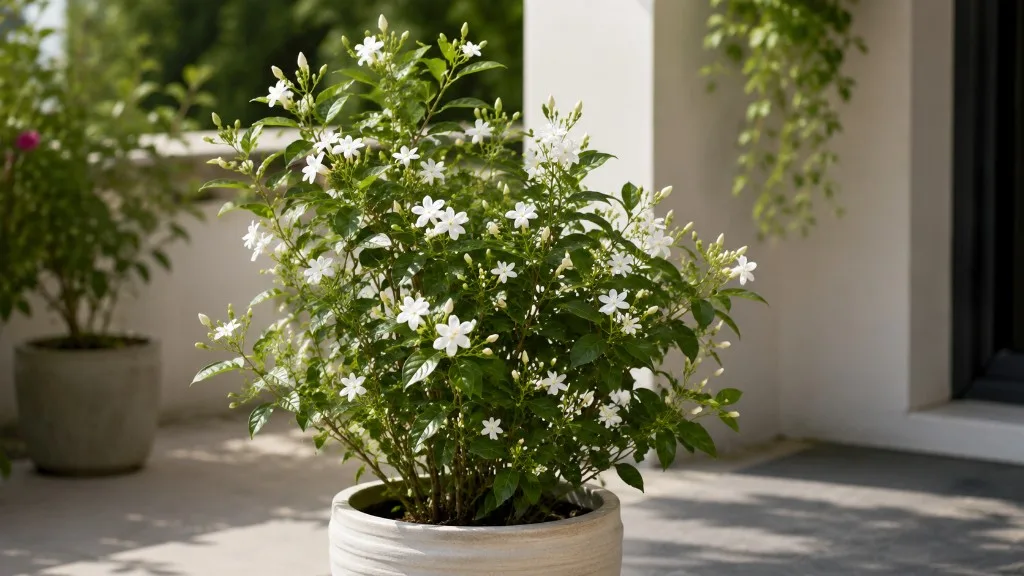
The unusual trade-off is that jasmine is not hard because it is exotic; it is hard because it is vigorous and bloom-sensitive. It needs enough light, regular moisture without soggy soil, support, pruning, and a seasonal shift to set buds. After flowering, give it more light and prune for shape, but stop pruning in late summer if you want to preserve developing flower buds.
Buy it for a cool, bright room where you will notice the perfume. Do not buy it for a dim shelf, a hot radiator ledge, or a household that cannot provide a support and a seasonal move.
Begonia maculata: spotted leaves and frequent flowers
Begonia maculata, the polka-dot begonia, earns its place through both foliage and flowers. Silver spots on wing-shaped leaves look decorative before the plant blooms, and the cane-like growth can become a substantial indoor specimen with the right light and air movement.
NC State Extension classifies B. maculata among cane begonias and explains that begonias generally prefer partial shade, humidity, and moist but well-drained soil; it also warns that overwatering contributes to root rot and that wet leaves can encourage disease. BHG’s begonia guide makes the useful practical distinction that begonias need consistent moisture but dislike soggy conditions, and that exact light preferences vary by type.
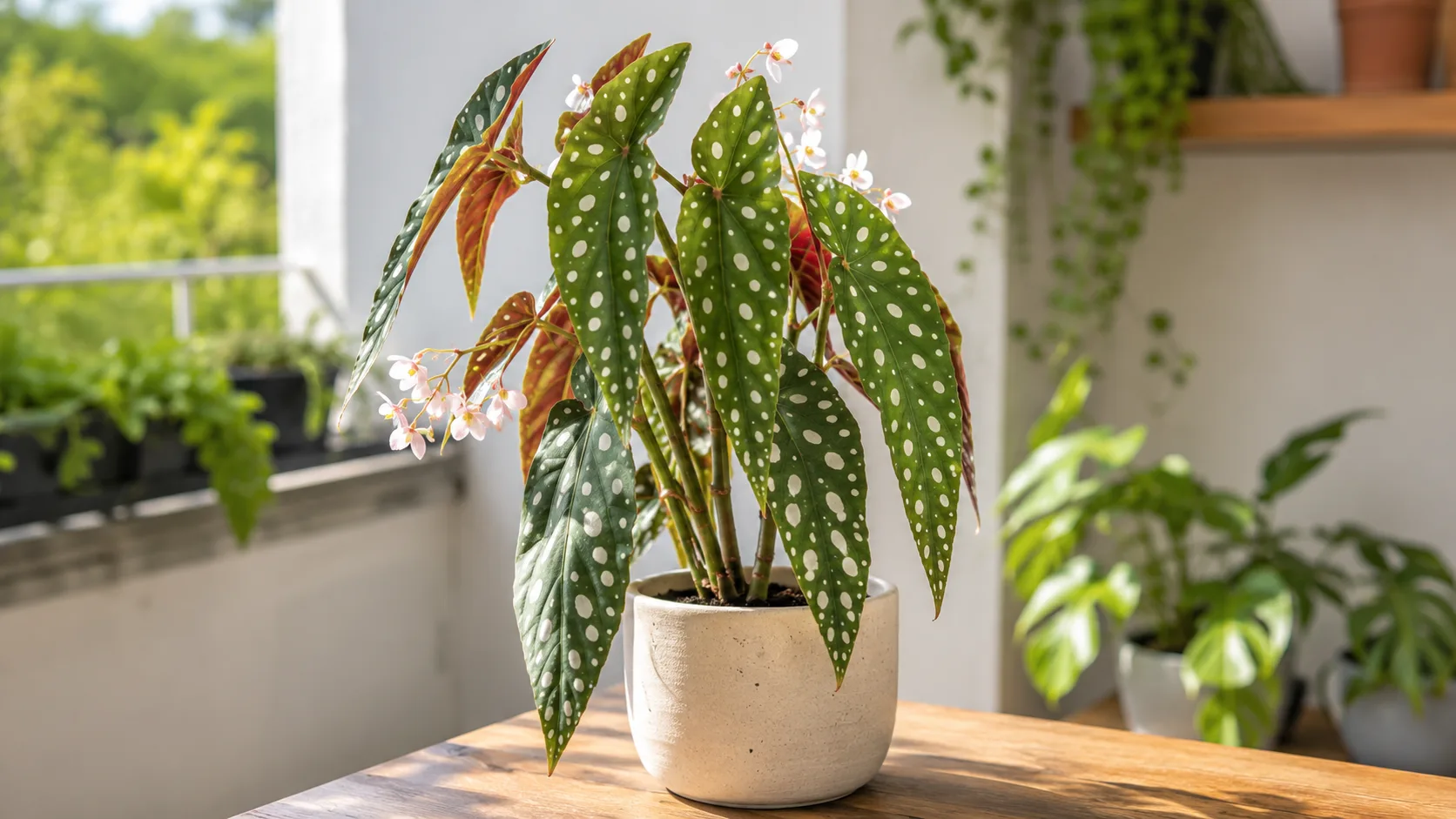
Place this begonia in bright indirect light, protect it from harsh afternoon sun, and water when the upper layer is beginning to dry rather than waiting until the plant collapses. Water at the base when possible, keep air moving gently, and avoid crowding leaves against a cold window. If stems become tall and sparse, prune above a healthy node to encourage branching instead of simply adding fertilizer.
This is a rewarding plant for someone who enjoys observing small changes, not for someone who wants a plant that can be ignored. Begonia species and hybrids vary widely, and exact pet-safety information should be checked by botanical name; ASPCA listings include begonias among plants that can be problematic for pets.
Oncidium ‘Raspberry Chocolate’: an orchid with personality
The “chocolate orchid” sold as Baby ‘Raspberry Chocolate’ is an Oncidium-type orchid, valued for its unusual fragrance and sprays of small flowers rather than for the large, flat blooms associated with supermarket Phalaenopsis orchids. It is an especially good choice for someone who wants an orchid that looks like a flowering cloud and is willing to learn what pseudobulbs are telling them.
The American Orchid Society’s Oncidium culture sheet says most Oncidiums do well with roughly one to five hours of sun, should dry at least partway through the pot before watering again, and prefer a breathable medium. Its guidance also notes that many types can flower more than once as new growth matures, but that is a possibility—not a schedule guaranteed by a cultivar name.
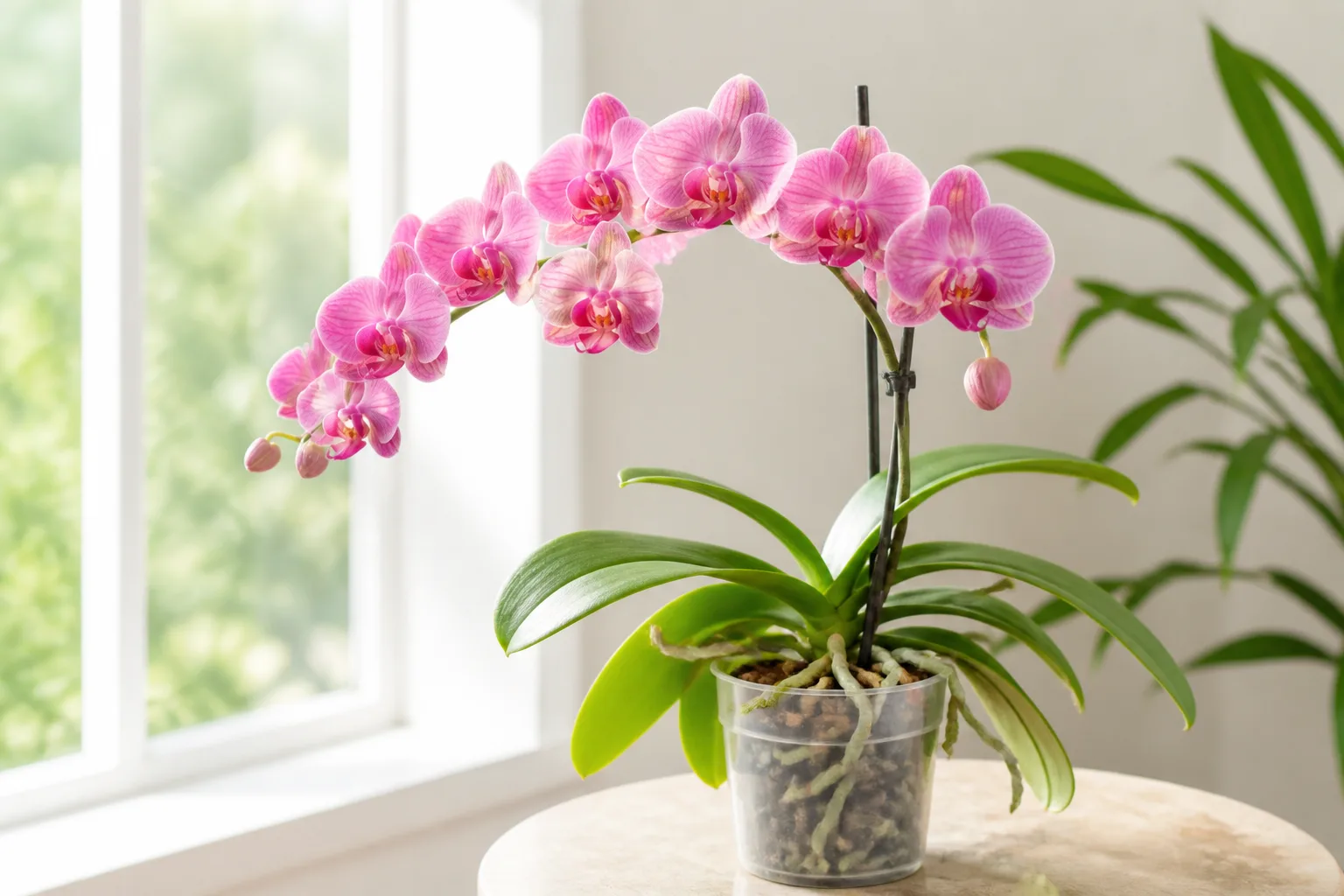
The RHS warm-growing Oncidium guide recommends bright light without intense summer sun, an airy bark-based medium, and a watering rhythm that allows the compost to become a little dry. Read the leaves and pseudobulbs: dark green leaves can indicate too little light, reddish-green leaves too much, and wrinkled pseudobulbs insufficient water. Black, soft roots point toward rot rather than thirst.
Buy this orchid if you enjoy a visible feedback loop. Give it a bright east- or west-facing window, keep water out of the crown, provide airflow, and repot after flowering when the medium breaks down. If you want a plant that flowers on demand with a weekly reminder, choose a foliage plant instead.
Match each plant to the care you actually enjoy
The most reliable way to buy an “underrated” plant is to choose the task you do not mind repeating. A plant that fits your attention pattern will outperform a supposedly easier plant placed in the wrong room.
The easiest picks for inconsistent watering
Choose Peperomia obtusifolia when you need a small plant with thick leaves and a little forgiveness. Choose Hoya carnosa when you have bright indirect light and are comfortable waiting for growth. Choose Dracaena marginata or Dracaena fragrans when a larger architectural plant matters more than rapid growth.
Air plants are only “easy” if you remember the soak, shake, and dry routine. Philodendron squamiferum is forgiving about ordinary household humidity but less forgiving of deep shade and persistently wet soil, while begonias and jasmine reward consistency rather than neglect.
The best choices for flowers or fragrance
For fragrance, Hoya carnosa offers a patient path to bloom, Jasminum polyanthum offers a stronger seasonal scent when its conditions line up, and the Raspberry Chocolate Oncidium offers a collector’s surprise. For visible flowers with showy foliage, Begonia maculata is the most immediate of the three, but it also shows stress quickly when light, moisture, or airflow is wrong.
Before buying a blooming plant, inspect the plant’s conditions rather than the open flowers. A plant in bloom can look excellent after a difficult transport or a sudden light change; look for firm stems, clean leaf undersides, healthy new growth, and a pot that drains freely.
The plants that need a pet-safety plan
Hoya carnosa and Peperomia obtusifolia are listed as non-toxic for cats and dogs in NC State Extension’s plant profiles, but pets can still vomit after eating plant material. Dracaenas, philodendrons, and many begonias require more caution, and exact species and cultivar names matter.
Use the common name only as a starting point. Photograph the plant tag, confirm the scientific name, check the ASPCA list, and call a veterinarian or poison-control service if a pet has eaten a plant and shows symptoms. Hanging a toxic plant is not a safety plan if a cat can reach the shelf or a dog can pull the pot down.
Mistakes that make underrated plants look difficult
The first mistake is buying for a label such as “low light” and then placing the plant in a windowless room. Low-light tolerance usually means slower survival, not vigorous growth, dense foliage, or flowers. Move plants closer to a bright window gradually, or supplement with a grow light when the room cannot supply enough light.
The second mistake is watering by the calendar. Seasonal light, pot size, soil texture, heating, air conditioning, and root health all change how quickly a pot dries. Check the soil and pot weight, water thoroughly, drain the saucer, and record what happened instead of repeating “once a week” regardless of conditions.
The third mistake is solving every brown tip with humidity. NC State notes that Dracaena fragrans can react to fluoride and salt buildup, while dry air, root stress, direct sun, and inconsistent watering can create similar symptoms. Diagnose the pattern before adding a pebble tray, and remember that a pebble tray must keep the pot above the waterline; it should never turn into a reservoir that wicks the potting mix wet.
The fourth mistake is repotting immediately after purchase. Give a new plant time to adjust unless the mix is waterlogged, roots are rotting, pests are spreading, or the container has no drainage. Many Hoyas and orchids prefer a snug pot, and an oversized container can keep the root zone wet long enough to cause the very problem repotting was meant to prevent.
Finally, inspect new plants before they join a collection. Check leaf undersides, stem joints, the soil surface, and the drainage holes for pests or standing water. Isolation for a short observation period is less exciting than styling a new plant, but it protects every plant already in the room.
Conclusion
The best underrated houseplant is the one whose care cue you will actually notice. Hoya carnosa and Oncidium reward patience and light; jasmine and begonia reward regular attention; Dracaenas provide height and foliage with a wider margin for imperfect routines; Peperomia gives small spaces a sturdy, polished plant; air plants offer a soil-free display when you can provide light, water, and drying time; and Philodendron squamiferum brings texture when you can provide a support.
Buy the plant for the room you have, not the room you hope to create. If you start with light, drainage, moisture cues, mature size, and pet placement, these overlooked plants become dependable long-term choices rather than impulse purchases that look difficult six weeks later.