How to Reuse Lemon Peels at Home and in the Garden
Turn lemon peels into compost, a limited citrus cleaner, microwave steam, or a simmer pot—with practical safety limits for pets, worm bins, and surfaces.
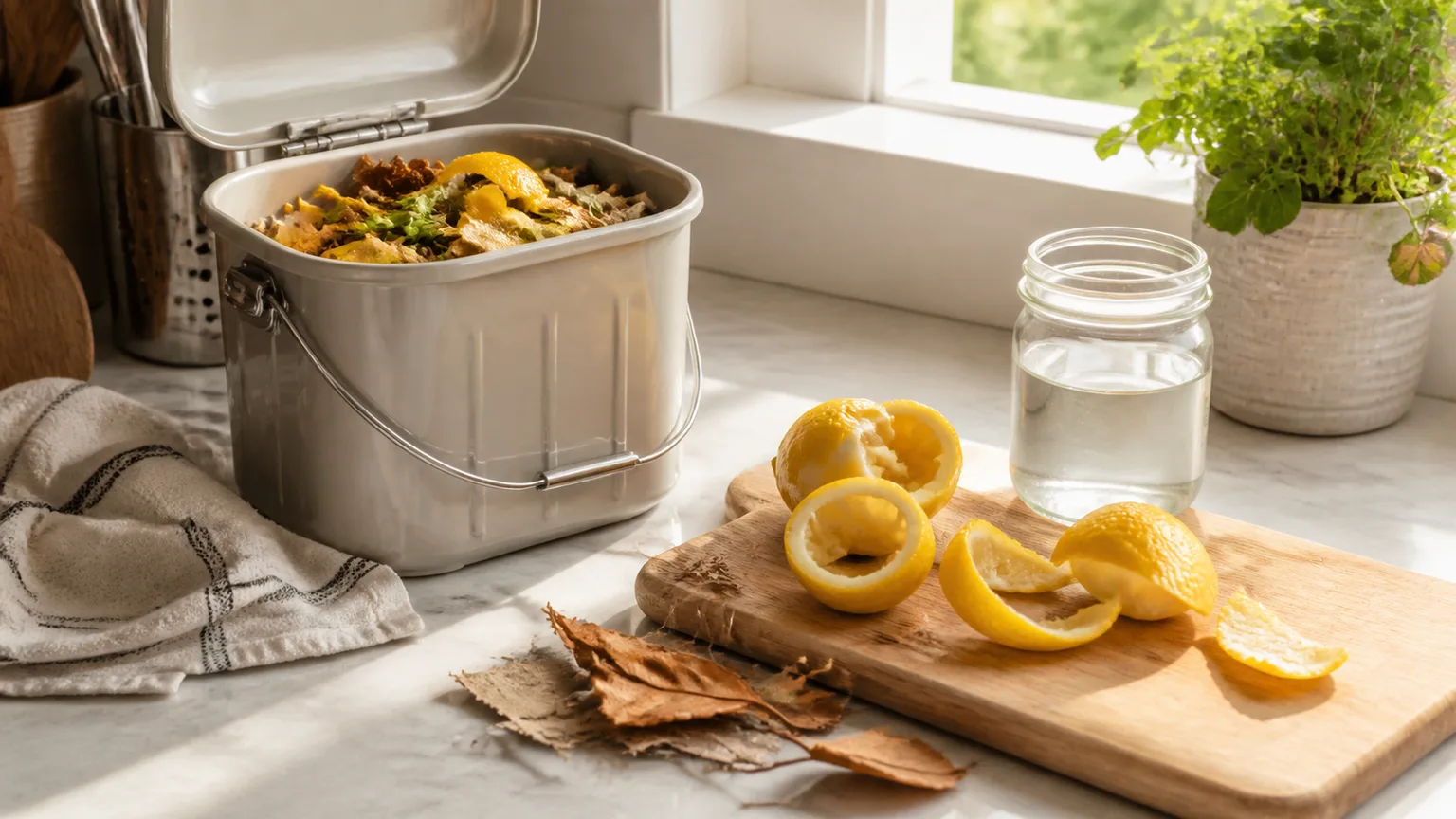
The most useful second life for a lemon peel is usually compost, not a dramatic garden hack. At home, clean peels can also help with a small citrus-vinegar cleaner, microwave steam, or a supervised scent pot. The trick is to give each peel one narrow job. Raw peel is not fertilizer, a reliable soil acidifier, or a guaranteed pest repellent, and a lemon-scented cleaner is not a disinfectant.
That distinction saves more waste than a long list of novelty uses. A regular compost bin can process lemon peels as part of a balanced mix; a worm bin needs a much lighter hand; and household methods need surface, chemical, and pet-safety limits. Start with the condition of the peel and the place you plan to use it.
Start with a quick safety sort
Use peels that are reasonably clean, not slimy, moldy, or coated in cooked food. If you plan to infuse them in vinegar or dry them indoors, rinse off visible residue, remove produce stickers, scrape away loose pulp, and pat them dry. For ordinary compost, a little fruit residue is fine, but a large wet mass of scraps is more likely to smell or turn anaerobic than to become useful compost.
Keep lemon peels and any peel-infused liquid away from pets. The ASPCA lists lemon as toxic to dogs, cats, and horses: the fruit is edible, but the skins and plant material can cause problems because of essential oils and psoralens. That does not mean a sealed compost bin is off limits; it does mean that loose peels, simmer-pot liquid, and a spray bottle should not be where an animal can lick, chew, or knock them over.
Fresh, dried, infused, and compost-bound peels have different jobs
Fresh peel is best for immediate aroma or a short microwave-steam session. Dried peel is less messy for a small fragrance jar because it adds less moisture. Infused peel belongs in a clearly labeled jar of vinegar for compatible hard-surface cleaning. Compost-bound peel is the right choice when you do not have a specific household job for it—or when the peel is too old, wet, or unattractive to bring back indoors.
Do not keep every rind waiting for inspiration. Refrigerate clean peels in a covered container for a day or two, freeze them flat if you are collecting enough for one compost contribution or vinegar jar, and compost or discard anything that develops fuzz, an off odor, pressure, or a slippery texture. Vinegar and heat do not rescue spoiled food scraps.
Compost lemon peels instead of scattering them around plants
Yes, lemon peels can go into a normal home compost bin or heap. The Royal Horticultural Society includes plant-based kitchen waste such as vegetable peelings in home composting, and its guidance on excess fruit explains why the method matters: kitchen and garden material becomes a soil conditioner only after it decomposes as part of a balanced pile. That finished compost can be used to improve soil structure and moisture handling; a fresh lemon rind placed beside a plant cannot do the same job.
For a few peels, the simplest route is to tear or chop them and bury them in the warm center of an active pile. Add a handful of dry carbon-rich material—shredded leaves, plain cardboard, or other suitable browns—at the same time. RHS advice on composting fruit recommends balancing wet fruit material with woody material and cutting it smaller to speed decomposition. That approach prevents a compact, soggy citrus layer from fermenting on top of the pile.
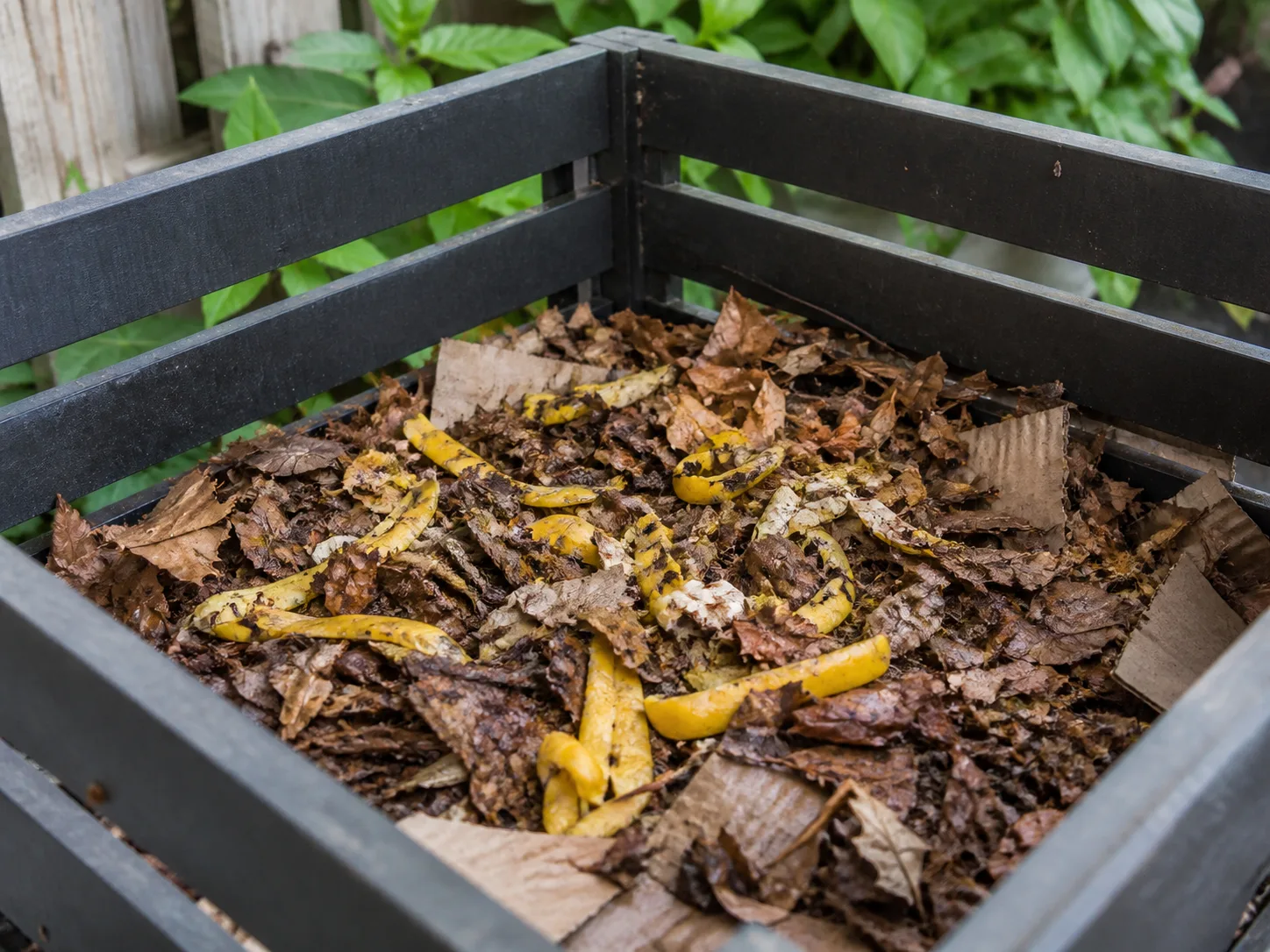
Balance and chop them in a conventional compost bin
Think in proportion, not in single-ingredient rules. One or two lemons after dinner are a modest green contribution; a restaurant-sized bag of rinds is a wet, acidic load that needs more browns and better mixing. Chop thick peel into strips or small pieces, mix it through the pile rather than laying it flat, and add dry material whenever the compost looks glossy, dense, or smells sour.
If your pile is cold, very small, or consistently soggy, freeze the peels until you have enough varied material to add them with leaves or cardboard. A closed municipal organics collection is also a sensible alternative where accepted. The goal is not to force every peel into a struggling backyard bin; it is to keep the compost process aerobic and balanced enough to make usable material.
Finished compost, not raw citrus peel, is what belongs around garden beds. BBC Gardeners’ World recommends well-rotted garden compost or manure for mulching beds. Let decomposition do its work before expecting a soil benefit.
If smell is the recurring problem, change the mix before adding another kitchen scrap. Add a layer of dry leaves, torn cardboard, or small woody material; loosen the top layer if it has compacted; and keep the lid or cover appropriate for the bin you use. A healthy pile may smell earthy, but a sharp fermented odor usually means wet materials are winning. That is a pile-management issue, not proof that lemon peels are forbidden. Reduce the next citrus addition, add browns, and give the existing material time to catch up.
Use fewer peels in a worm bin
A worm bin is not just a miniature compost heap. Composting worms need a hospitable, well-aerated environment and a feed rate they can keep up with. The RHS says wormeries work best with small amounts of waste added often, and specifically advises limiting citrus peel or cooking it before adding it; its guidance notes that worms prefer near-neutral conditions and do not tolerate extreme acidity well.
If you keep worms, offer only a small amount of finely chopped lemon peel, bury it in the bedding, and wait to see whether the previous food is being eaten before adding more. Do not use a worm bin as the destination for a week’s worth of rind. If the bin becomes sour-smelling, wet, or full of untouched scraps, stop feeding, add dry bedding, and switch lemon peels to a conventional compost system until conditions recover.
That is not a reason to fear citrus; it is a reason to match the disposal route to the system. The RHS worm-composting guide is clear that citrus should be a limited input, while ordinary composting can take a broader range of plant-based kitchen waste.
Make a lemon-peel vinegar cleaner for suitable surfaces
Lemon peel can make a vinegar cleaner smell brighter and may help with routine grime on acid-tolerant, washable hard surfaces. It is not a universal spray, and it is not a replacement for soap-and-water cleaning or an approved disinfectant. Use it when you want to wipe a compatible non-food surface, not when you need a validated antimicrobial treatment.
The University of Florida IFAS Extension publishes a citrus-peel-and-vinegar cleaner using orange peel. Its method is useful for lemon peels too as a practical citrus variation: keep the peel submerged, make a small batch, and treat the result as a household cleaner rather than a product with tested disinfection claims.
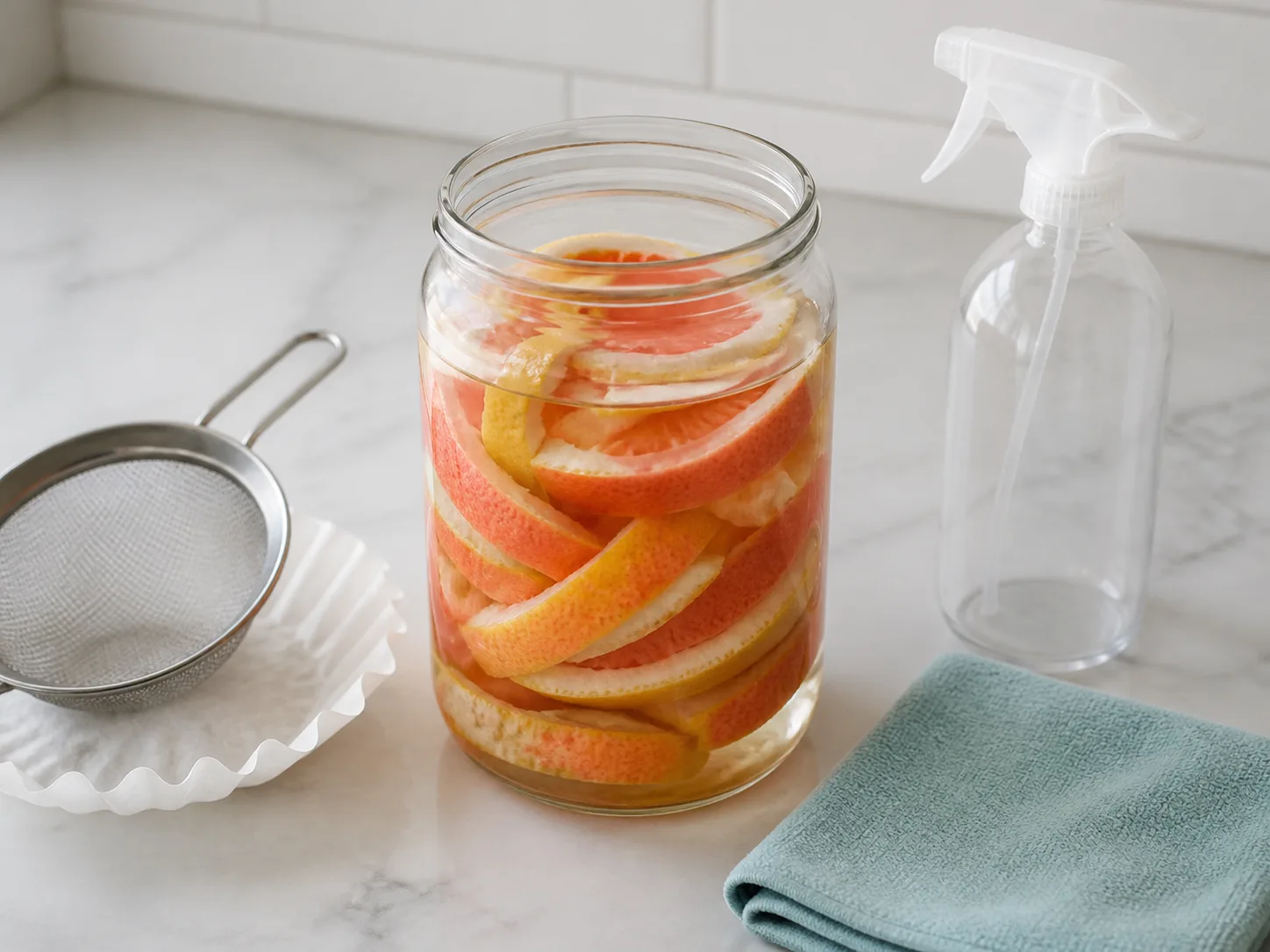
Steep, strain, dilute, and label it
Put clean lemon peel loosely in a glass jar until it is about half full, then cover it fully with plain white distilled vinegar. Use a nonreactive lid or put a barrier between a metal lid and the liquid. Let the jar sit in a cool, dark spot for about one week, checking that no peel floats above the vinegar. If you see mold, bubbling, a rotten smell, or a pressurized lid, discard the whole batch rather than trying to strain it clean.
Strain the liquid well, then dilute it one-to-one with water as a cautious starting point in a clean spray bottle. Label the bottle with its contents and date, and make only what you will use soon. UF/IFAS advises labeling homemade cleaners and never using food containers for them; that small habit matters when a citrus-smelling liquid can easily be mistaken for something drinkable.
Patch-test a hidden spot, let it dry, and look for dullness, streaking, swelling, color change, or a softened finish. Spray a cloth rather than soaking the surface. On a food-contact surface, use ordinary soap and water first and rinse with clean water afterward; do not rely on a homemade citrus cleaner for food-safety sanitation.
Keep acid away from vulnerable materials and bleach
Acidic cleaners are not appropriate for every finish. Skip lemon-vinegar spray on any surface whose care instructions prohibit acids, including many natural-stone, unfinished wood, waxed, painted, or delicate finishes. When you do not know what a counter, tile, appliance coating, or floor can tolerate, choose the manufacturer’s approved cleaner rather than testing the strongest homemade option first.
Never combine the citrus-vinegar cleaner with bleach, chlorine products, ammonia, or another household cleaner. The CDC warns never to mix bleach or disinfectants with other cleaners because dangerous vapors can result. Keep the bottle away from children and pets, and do not treat its pleasant scent as a sign that it is harmless or multipurpose.
The same CDC guidance explains that cleaning removes dirt and impurities, while disinfecting uses products designed to kill remaining germs. In most ordinary situations, soap and water removes most germs. A lemon-peel infusion can help with routine cleaning, but it has no tested contact time or label claim that makes it a disinfectant.
Steam microwave splatters with peel and water
For a microwave with ordinary dried food splatters, the helpful part of this method is steam. Put a few clean lemon-peel strips and about one cup of water in a microwave-safe glass bowl or measuring cup. Heat until the water is steaming, then leave the door closed for several minutes so the vapor can soften the residue.
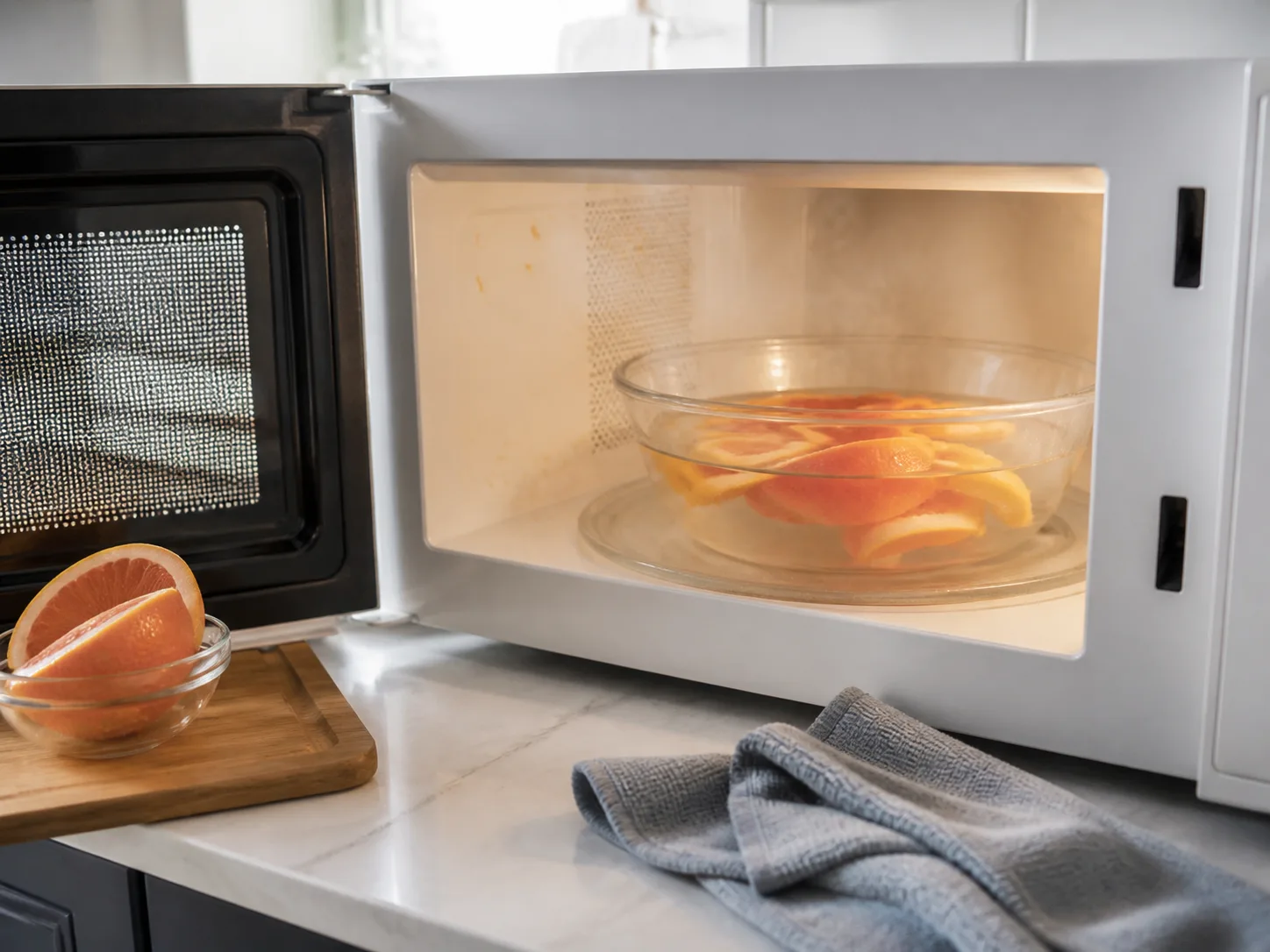
Open the door carefully, remove the hot bowl with oven mitts or a dry towel, and wipe the interior with a soft, damp cloth. Repeat once if necessary, or use a little dish soap for stubborn film. Do not heat dry peels, use a container with metallic trim, or keep running the microwave until the water boils away.
This is a cleaning shortcut, not an antimicrobial one. If someone in the household is ill or a surface requires disinfection, follow the relevant product instructions after cleaning. The CDC distinguishes everyday cleaning from disinfection, which keeps a nice-smelling microwave from becoming a false sense of sanitation.
For baked-on residue, repeat the short steam cycle rather than escalating to a harsher homemade mixture. Letting warm vapor sit against the splatters is gentler on a microwave interior than dry scraping, and it keeps the purpose of lemon peel in perspective: it adds aroma while water and wiping do the cleaning. If the appliance interior is chipped, burned, or has absorbed melted plastic, stop trying citrus solutions and follow the manufacturer’s cleaning or service guidance.
Freshen a compatible garbage disposal only if its manual permits it
Some disposals accept small citrus pieces; others have manufacturer limits, older plumbing, or septic-system considerations that make composting the better choice. Read your exact disposal manual before putting lemon peel into it. If it does not clearly permit the material, do not test the rule with a full handful of rinds.
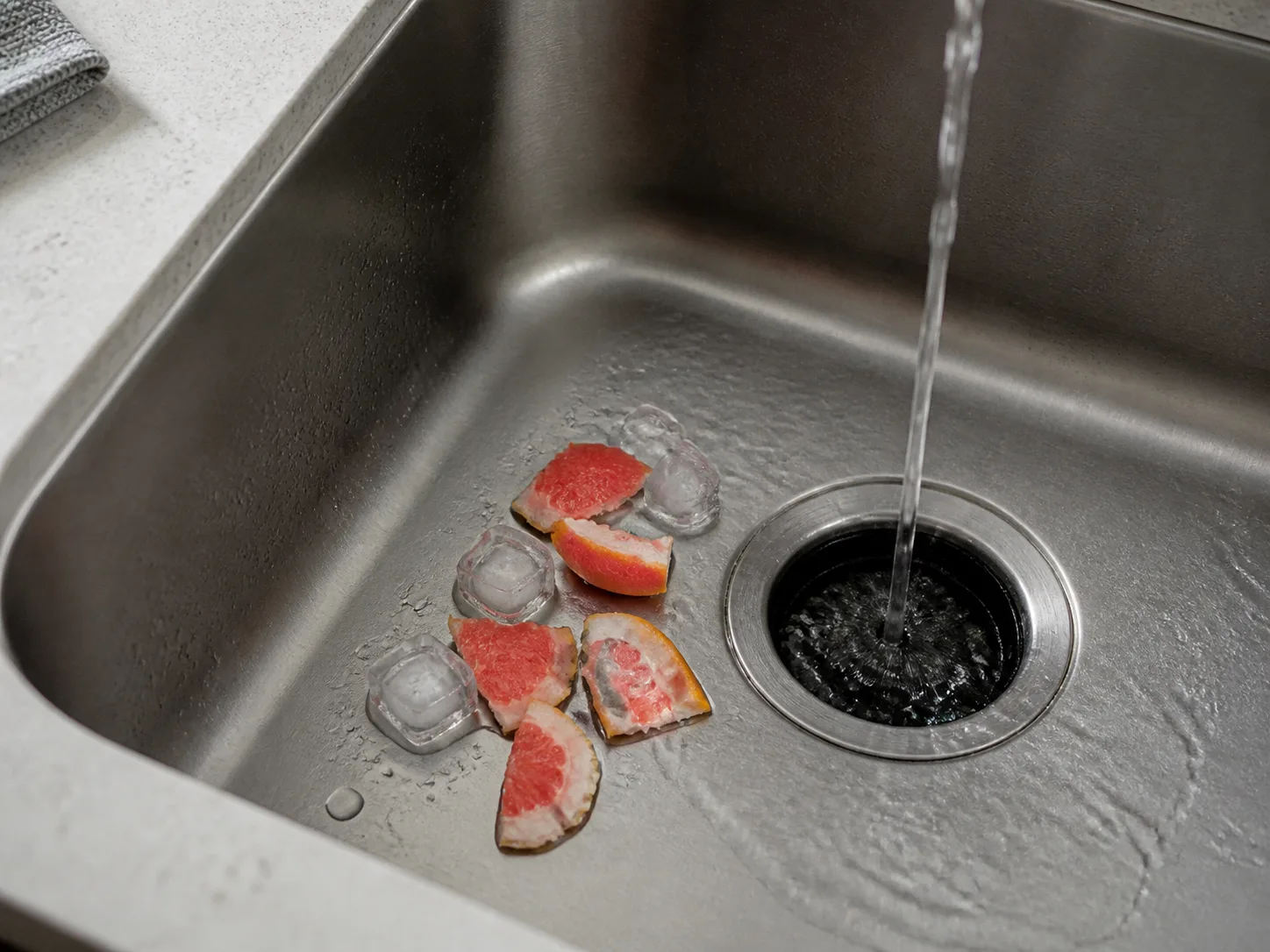
When the manual permits food scraps and citrus, use only a few small pieces at a time, run the water as directed by the manufacturer, and let the system flush fully. Stop if the unit hums, drains slowly, or needs repeated resetting. A lemon peel can add scent; it cannot diagnose a clog, clean a grease-packed drain, or repair a disposal.
Never push peels down an ordinary sink drain, and do not use a disposal as a substitute for composting an accumulated bag of rinds. If you are unsure, compost the peels, freeze them for the next compost addition, or use the municipal organics stream where available.
This is also a good place to separate scent from maintenance. A disposal that smells again the next day may have debris trapped around the splash guard, a drainage issue, or grease buildup farther down the line. Adding more lemon peel can mask the odor while leaving the cause in place. Clean accessible parts only as the manufacturer directs, and choose plumbing help over another disposal trick if the sink is slow or the unit repeatedly jams.
Dry peels for a low-mess fragrance jar
Drying is useful when you want a short-lived citrus fragrance without setting out a wet, mold-prone rind. Cut clean peels into thin strips, spread them in one layer on a rack or parchment-lined tray, and let them dry completely. A dehydrator or the lowest practical oven setting can speed the process, but check frequently so the peel dries rather than scorches.
Once the strips are crisp and cool, place a small amount in an open glass or ceramic dish in a pantry, entryway, or other spot where pets cannot reach it. This is fragrance, not odor removal: clean the spill, bin, or refrigerator source first. Replace the peels as soon as they soften, lose their scent, or show any mold.
Do not put drying peels where they can contact food or be mistaken for a snack. The same pet-safety boundary applies here: dried peel is still lemon plant material, not a pet-safe potpourri.
Use a supervised simmer pot for temporary fragrance
A simmer pot uses fresh lemon peel and water to scent a room for an afternoon. Add peels to a stable saucepan with plenty of water; rosemary, cinnamon, or a few spices are optional. Keep it at a gentle simmer, stay nearby, and top up the water before the pot gets low.
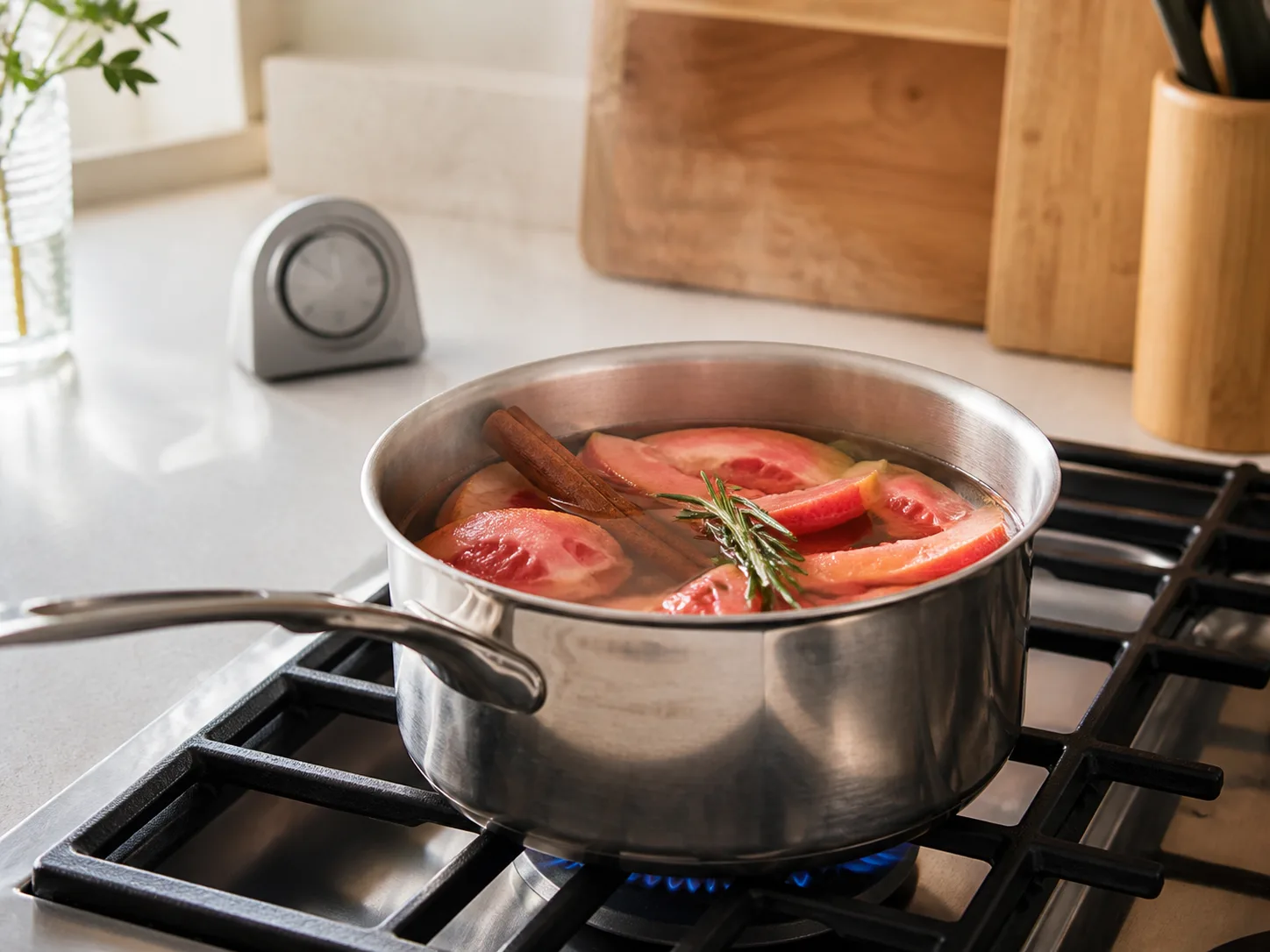
Treat the result as atmosphere, not air cleaning. It can make a kitchen smell pleasant after cooking, but it will not solve a garbage-bin spill, damp laundry, or a drain problem. Fix the source of the odor instead of trying to cover it with stronger citrus.
Keep the pot and cooled liquid out of reach of pets and children. Turn the burner off when you leave the kitchen, ventilate if the scent feels irritating, and compost the cooled peel afterward if it is not oily or mixed with unsuitable food.
Avoid garden uses that create problems rather than helping
Lemon peels attract confident claims because they smell sharp and look like a concentrated natural ingredient. In a garden, however, raw peels are best treated as compost feedstock. Their presence alone does not turn them into a measured fertilizer, an acidifying amendment, or dependable pest control.
The safer gardening habit is simple: use finished compost to enrich soil, use a soil test and suitable products to manage pH or fertility, and use an identified pest-management method for a real pest. That is slower than placing peel rings around seedlings, but it gives you a result you can observe and adjust.
Peels are not a fertilizer or a reliable soil acidifier
Lemon peel contains organic matter, but it is not a balanced fertilizer with a known nutrient analysis or application rate. Once decomposed in compost, it contributes to a broader organic material that can improve soil; raw strips beside a plant do not deliver a predictable feed. Do not use them to replace compost, a soil test, or a labeled fertilizer.
Likewise, a few lemon peels cannot reliably convert ordinary potting mix or garden soil into the acidic environment needed by acid-loving plants. BBC Gardeners’ World recommends purpose-made ericaceous compost for plants such as rhododendrons and camellias, which is a far more controllable approach than guessing from kitchen scraps. If soil pH matters, test it and make a measured change.
Do not use raw peels as mulch or pest-control rings
Raw peel spread around a pot or bed is a poor mulch: it stays visible, decomposes unevenly, may invite scavenging, and can create a wet patch directly against stems. Compost it first, then use finished compost as a light soil conditioner or mulch where appropriate. Keep all mulch a little away from plant crowns and trunks so the base can dry.
Skip claims that a lemon-peel ring will reliably repel ants, slugs, cats, or other garden visitors. Strong scent is not the same as a tested, durable pest-control method, and a food scrap in the soil can introduce a different attraction. Identify the pest, reduce its habitat or entry point, and choose a method that is suited to that species and setting.
The same rule applies to seedlings and houseplants. Their small root zones are the least forgiving place for a wet, decomposing food scrap. Use clean potting mix, consistent watering, and an appropriate mulch or soil amendment instead. A kitchen peel has value when it joins a managed compost process; it is not automatically improved by being placed closer to a plant.
Store scraps and know when to compost or discard them
Make the decision while the peel is still clean. Keep a small covered container in the refrigerator for peels you intend to use within a day or two, or freeze them in a flat bag for your next compost contribution. Separate scraps meant for compost from the peels you intend to dry or infuse, so a sticky cooking scrap does not end up in a countertop jar.
Use a simple stop rule: fresh for immediate household use, dry for fragrance, infuse only clean peel, compost ordinary leftovers, and discard anything spoiled or contaminated. A small, labeled vinegar batch is safer than an indefinite jar. A well-mixed compost pile is better than a decorative layer of rinds around a houseplant. When the safest option is to throw a questionable peel away, that is not wasteful—it avoids creating a larger problem.
Conclusion
Lemon peels are worth reusing when the job fits the material. In the garden, a normal compost bin is the best default: chop the peels, mix them with dry browns, and use the finished compost—not raw rind—around plants. In a worm bin, keep citrus to a small, occasional input. At home, a lemon-peel vinegar infusion, microwave steam, dried fragrance jar, or supervised simmer pot can be useful with clear limits.
The limits make these uses practical. Do not rely on peels to fertilize or acidify soil, repel garden pests, disinfect surfaces, or fix a clogged disposal. Keep them from pets, never mix a vinegar cleaner with bleach, follow material and appliance instructions, and compost what does not have a specific safe use. That is how a kitchen scrap becomes helpful without becoming another mess.



