Herbaceous Plants: Definition, Types, and Examples
Understand herbaceous plants, compare annuals, biennials and perennials, and learn how crowns, roots, bulbs, corms, tubers and rhizomes help them return.
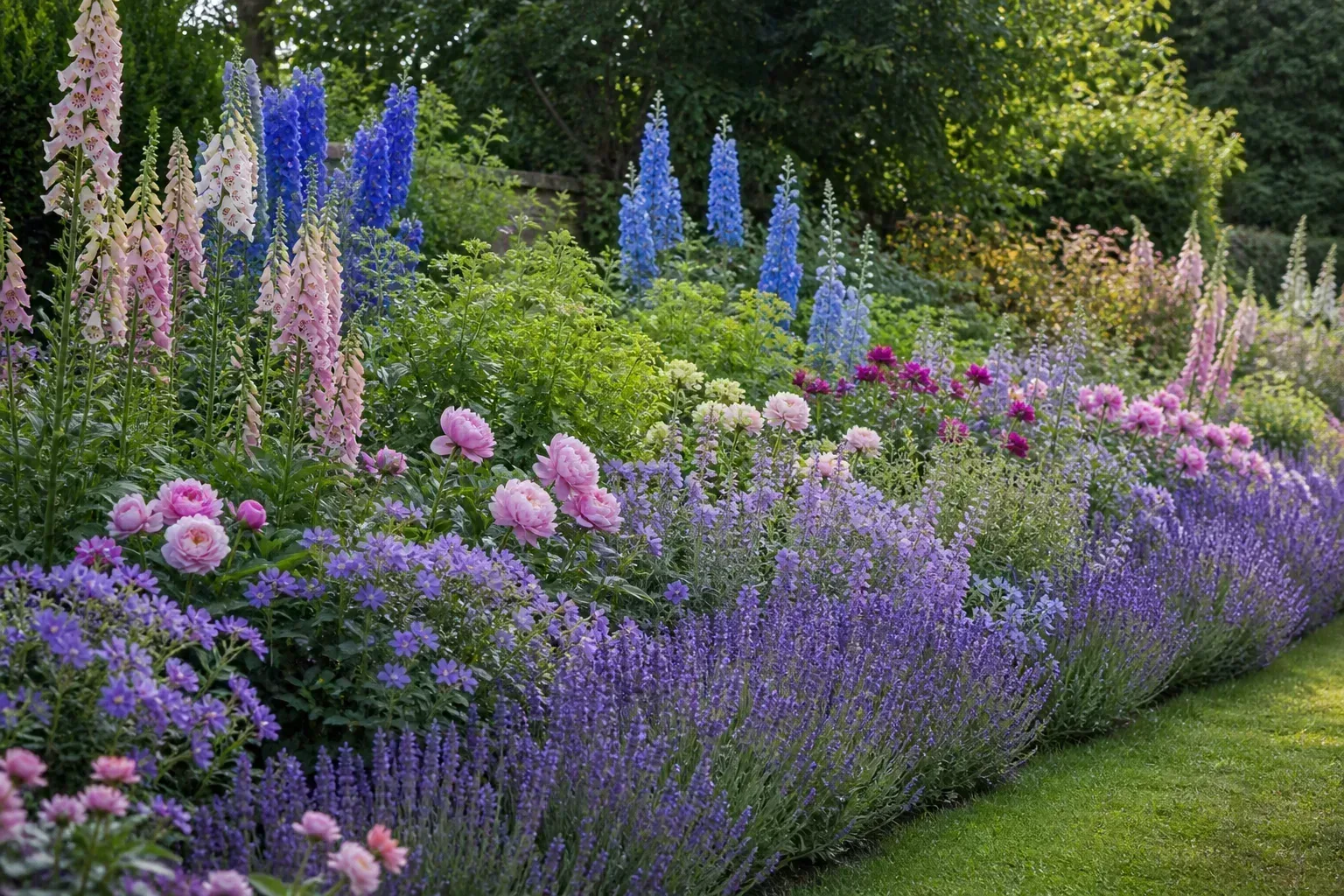
A peony that disappears after frost and a basil plant pulled at the end of summer look different from a tree, but they do not belong to the same life-cycle category. Both are herbaceous: the word describes the plant’s stem structure, while terms such as annual, biennial, and perennial describe how long it lives.
The quick definition
Herbaceous plants are vascular plants without persistent woody stems above ground. Their living shoots are generally soft or flexible rather than built from wood that remains year after year. Many temperate herbaceous plants lose their top growth in winter, but dieback is a common seasonal pattern, not the only test for whether a plant is herbaceous. Virginia Cooperative Extension’s handbook on herbaceous landscape plants uses a definition centered on non-woody structure, while Illinois Extension’s plant-structure guide describes the soft, green stems common in garden examples.
The definition includes flowering and non-flowering plants, short-lived annuals and long-lived perennials, and plants with very different shapes. A carrot, a fern, an ornamental grass, and a hosta can all be herbaceous even though they do not look alike. The unifying clue is what happens to their stems and how the plant renews growth, not whether it has showy flowers or dies back on a particular calendar date.
Botanical writing may use “herbaceous” narrowly for soft, non-woody stems or more broadly for plants whose shoots die back seasonally, including some plants with a short woody base. In a garden center, the word often signals that the plant will not retain a tree-like framework above ground. If a plant sits between the categories, terms such as semi-woody or subshrub are more informative than forcing a simple yes-or-no label.
Plant structure and plant lifespan are different labels
Use two questions when identifying a plant: Does it keep woody stems above ground from year to year? and How many growing seasons does an individual plant live? The first separates herbaceous from woody plants; the second separates annuals, biennials, and perennials. One plant can therefore be described with a structure word and a lifespan word at the same time, as in “herbaceous perennial.”
A useful comparison is a peony and a rose. Both are perennials because the individual plant can live for years, but the peony is herbaceous because its stems die back while its crown and roots persist; the rose is woody because permanent canes remain even when it drops leaves. Illinois Extension’s plant-life-cycle overview explicitly separates structure from lifespan, and BBC Gardeners’ World Magazine’s perennial guide also notes that perennial plants can be herbaceous, evergreen, woody, hardy, or tender.
That distinction matters when you interpret a plant tag. “Perennial” tells you to expect a plant to live through multiple growing seasons under suitable conditions; it does not promise winter survival in every location or explain whether stems will remain. “Herbaceous perennial” conveys both ideas: the plant has non-persistent woody growth and is expected to return from living parts year after year. A plant can also be perennial in one climate and treated as an annual in another because cold kills it before it can resume growth.
Annuals
An annual completes its life cycle in one growing season: it germinates, grows, flowers or produces a crop, sets seed if conditions allow, and then dies. Because there is no permanent woody stem left for the next year, garden annuals are herbaceous. Marigolds, many petunias, tomatoes, lettuce, dill, and cilantro are familiar examples when grown as annual crops or bedding plants.
The useful clock is the plant’s growing season, not January through December. A seed sown in late summer might finish its annual cycle after winter if it grows during a mild season, while a plant started indoors in late winter can flower and set seed within the same year. “Annual” describes the sequence from germination to seed production and death, not a fixed set of months that applies in every climate.
“Annual” can describe how a plant behaves in a particular garden rather than its full botanical capacity. Basil, for example, may live longer in a frost-free climate, while a tropical plant sold as summer bedding may be a perennial in its native region but be killed by cold where you garden. Before assuming a plant is naturally short-lived, check whether it is truly an annual or simply unable to overwinter outdoors locally.
Biennials
A biennial usually spends its first growing season producing roots and a low rosette of leaves, rests through winter, then sends up a flowering stalk, sets seed, and dies in its second season. Foxglove, parsley, and carrots are common examples, although some garden varieties and climates alter the timing. The plant’s leaves can remain alive close to the soil during winter, so “herbaceous” does not mean that every green part must disappear in fall.
Biennials are easy to mistake for perennials when they self-sow. The original foxglove plant may die after flowering, but seedlings started nearby can replace it, giving the impression that one plant returned. To tell the difference, look for a new seedling rosette rather than assuming that the same crown has survived.
The two-year description is a typical cycle, not a guarantee that every seedling will flower at exactly the same time. A plant may bolt early after stress, remain in its leafy stage longer, or fail to survive a severe winter. If you are growing a crop for leaves, such as parsley, flowering is a signal that the plant is moving into its reproductive stage and leaf quality or quantity may change; succession sowing keeps a fresh plant coming along.
Herbaceous perennials
A perennial lives for more than two growing seasons. In a herbaceous perennial, the above-ground stems may die back while a living crown, roots, or specialized underground structure sends out new shoots later. Peonies, hostas, daylilies, coneflowers, garden phlox, many salvias, and hardy ornamental grasses are examples.
Not every perennial is herbaceous. Trees and shrubs are perennials too, but they retain woody trunks, branches, or canes; lavender and some salvias develop woody bases and are often described as woody perennials or subshrubs. Conversely, a herbaceous perennial may keep leaves through a mild winter. The Royal Horticultural Society’s profile of perennial plants distinguishes deciduous perennials, which die down to roots, from evergreen types that retain leaves.
Why the top can die while the plant survives
A plant’s foliage and stems are only one part of it. In many temperate perennials, cold or shorter days trigger dormancy: leaves age and die, stems stop growing, and the crown or underground parts remain alive at a slower rate. When growing conditions return, dormant buds produce fresh shoots. The dead-looking top is not the whole plant, just the portion that carried out the season’s growth.
The reverse is also possible: winter damage can kill a plant that is usually perennial if its roots or buds are not hardy enough for the site. Some dahlias, cannas, and elephant ears may be grown as perennials in warm regions but lifted or overwintered indoors in colder areas. The Virginia Cooperative Extension handbook discusses this climate dependence for tropical landscape plants; the plant label’s hardiness information and your local winter conditions matter more than the generic word “perennial.”
Some herbaceous plants keep a basal rosette or evergreen leaves through winter, and tropical herbaceous plants may have no cold season that forces a dieback. “Herbaceous” is a structural category, so it remains useful across climates even when a North American gardener’s idea of winter disappearance does not apply. The RHS planting guide for perennials likewise emphasizes matching plants to site conditions and notes that the planting needs of herbaceous perennials vary with type and setting.
What happens below ground
A plant that loses its shoots needs living tissue and buds from which to regrow, but the storage arrangement differs by species. Some plants rely on a crown and ordinary roots; others have swollen or modified organs that store carbohydrates and carry buds. These adaptations are often grouped under geophytes, plants that survive unfavorable seasons through underground storage structures.
The everyday word “bulb” is often used loosely for anything dug up and replanted, but a bulb, corm, tuber, tuberous root, and rhizome are not botanically identical. The Virginia Cooperative Extension handbook separates those forms because the distinctions explain how plants grow, divide, and return. The structure is a useful clue for gardeners, but it does not by itself tell you whether a plant is hardy where you live.
Crowns and roots
The crown is the low growing point where stems meet roots; buds there can survive even after seasonal stems collapse. Many clumping perennials, including peonies and hostas, regrow from a crown. Roots anchor the plant and absorb water and nutrients, and some roots also store reserves, but not every plant has a dramatic, fleshy root that you can see when you dig it up.
Protect the crown from damage and avoid burying it much deeper than the plant’s directions recommend. A garden bed can look empty when stems disappear, so mark the location before digging or transplanting in early spring. This simple step prevents gardeners from cutting through a dormant crown or mistaking a slow-to-emerge perennial for a dead plant.
Bulbs, corms, tubers, and rhizomes
These structures store energy and carry buds, but their differences matter when you divide or store them. A true bulb, such as a tulip or onion, is made mainly of fleshy modified leaves attached to a short stem; a corm, such as a crocus or gladiolus, is a solid, swollen stem base. A stem tuber, such as a potato, has buds or “eyes,” while a dahlia’s swollen storage parts are tuberous roots attached to a crown.
A rhizome is a horizontal stem that grows at or just below the soil surface. Iris and ginger are familiar rhizomatous plants. Since these organs have different buds, growth points, and planting depths, do not use a generic bulb-planting instruction for every one of them. The Virginia Cooperative Extension handbook’s guide to herbaceous landscape plants describes these structures and examples in detail.
For a gardener, the practical question is where the next shoot originates. A dahlia division needs a piece of the crown with a bud; a bare piece of tuberous root without a bud will not sprout. A rhizome division needs a viable section with a growth point, while bulbs are planted with their growing point facing up. If you are unsure, identify the organ before cutting or storing it: treating every enlarged underground part the same way can mean removing the very tissue the plant needs to regrow.

Herbaceous plant examples by group
Thinking in groups is more useful than memorizing an undifferentiated plant list. The examples below show that herbaceous plants include ornamentals, food crops, foliage plants, and plants that never make flowers at all.
Flowers and foliage plants
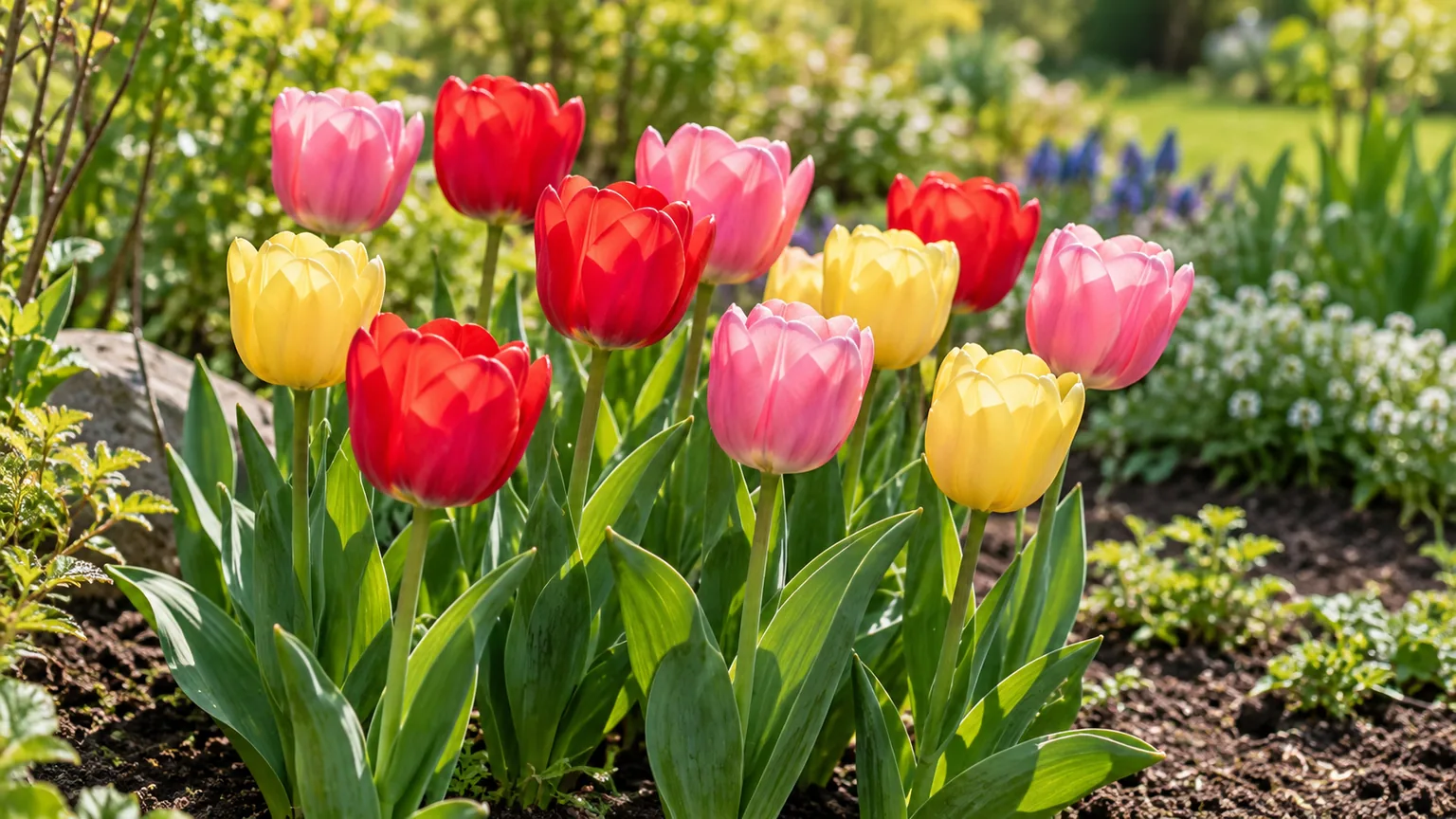
Many familiar border flowers are herbaceous perennials: peonies, daylilies, coneflowers, yarrow, astilbe, hostas, and hardy mums. Some grow from crowns and fibrous roots; others grow from bulbs, corms, or rhizomes. Their forms range from low creeping groundcovers to tall flower spikes, so “herbaceous” does not mean small or delicate.
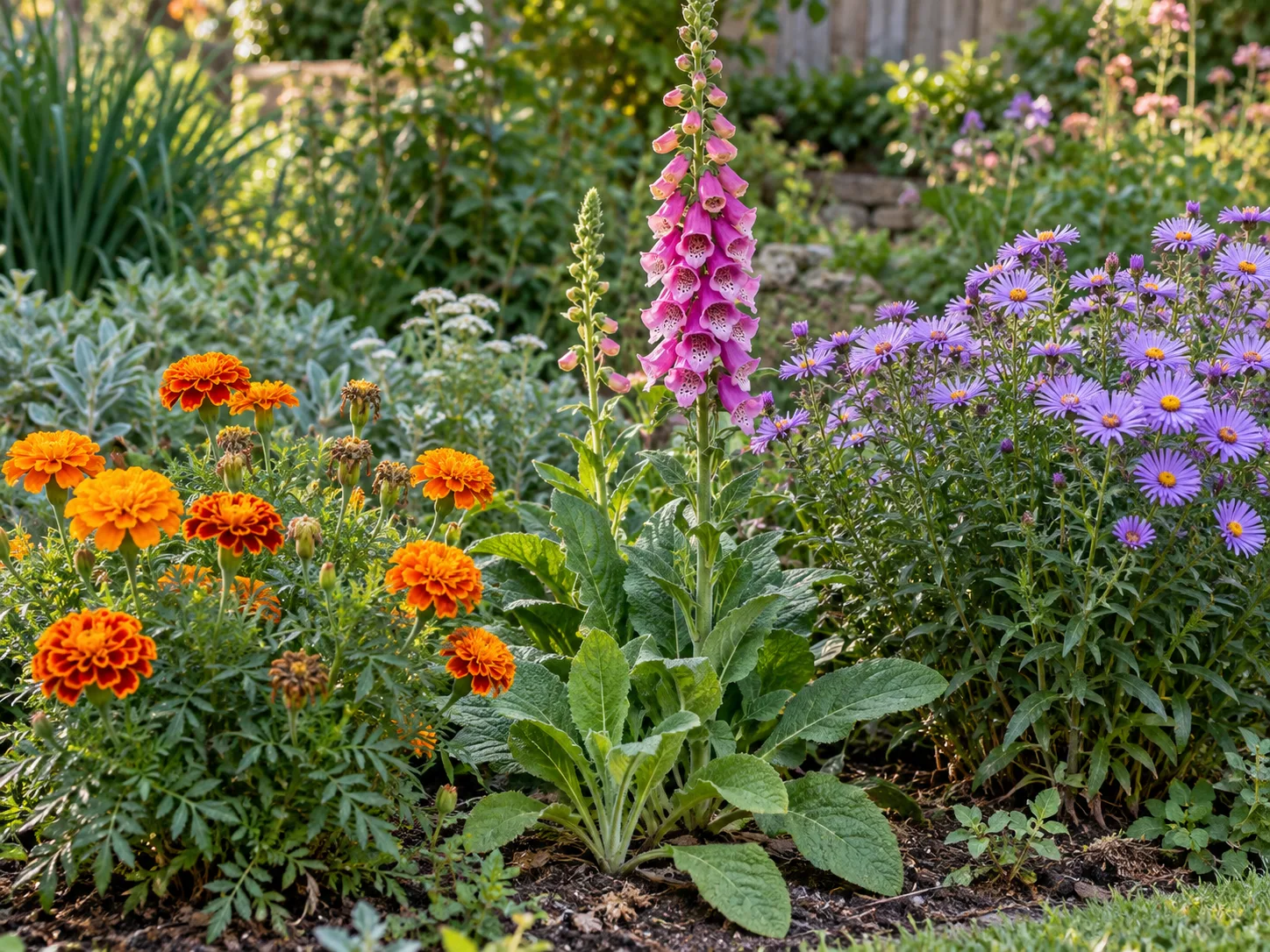
Annual flowers such as marigolds and zinnias also belong in the herbaceous group, as do biennial foxgloves and hollyhocks. The plant label’s life-cycle description tells you whether the same individual is expected to return, while the structural description tells you whether it will retain woody stems. BBC Gardeners’ World Magazine’s perennial examples include herbaceous and woody perennials as separate types, a useful reminder not to use “perennial” as a synonym for “herbaceous.”
Culinary herbs and vegetables
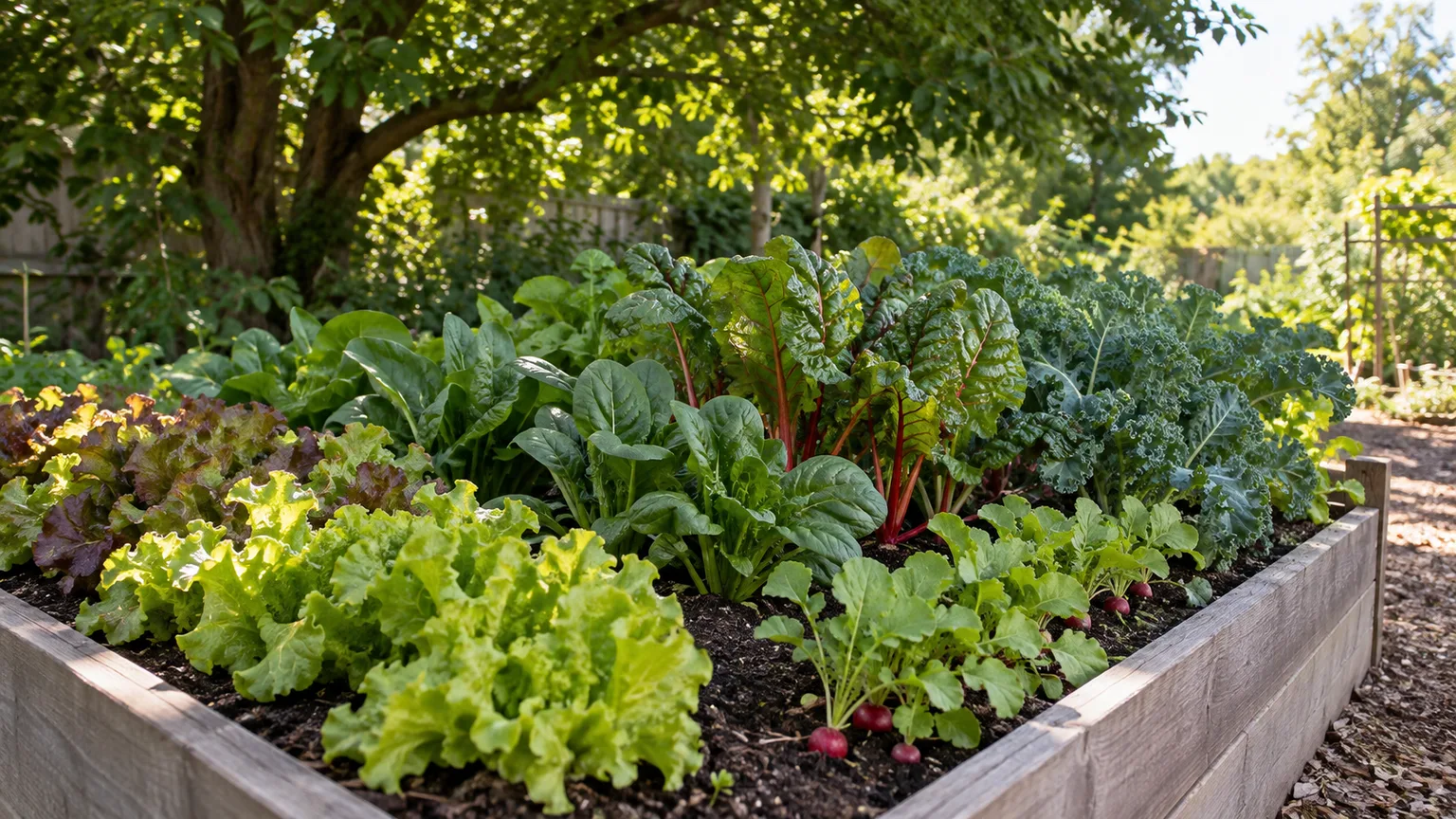
Many kitchen-garden crops are herbaceous. Lettuce, spinach, beans, tomatoes, and basil grow through soft green stems and are commonly managed as annual crops; parsley and carrots can be biennial. Rhubarb is a herbaceous perennial grown for its edible leaf stalks, returning from a substantial crown rather than a woody trunk.
The common word “herb” is not the same as “herbaceous.” A culinary herb is a plant used for flavor, fragrance, or other purposes; it may be annual, herbaceous perennial, or woody. Basil is soft-stemmed and usually grown as an annual in cool climates, while rosemary is a woody shrub in many climates. The name of the plant’s use does not reliably describe its stem structure.
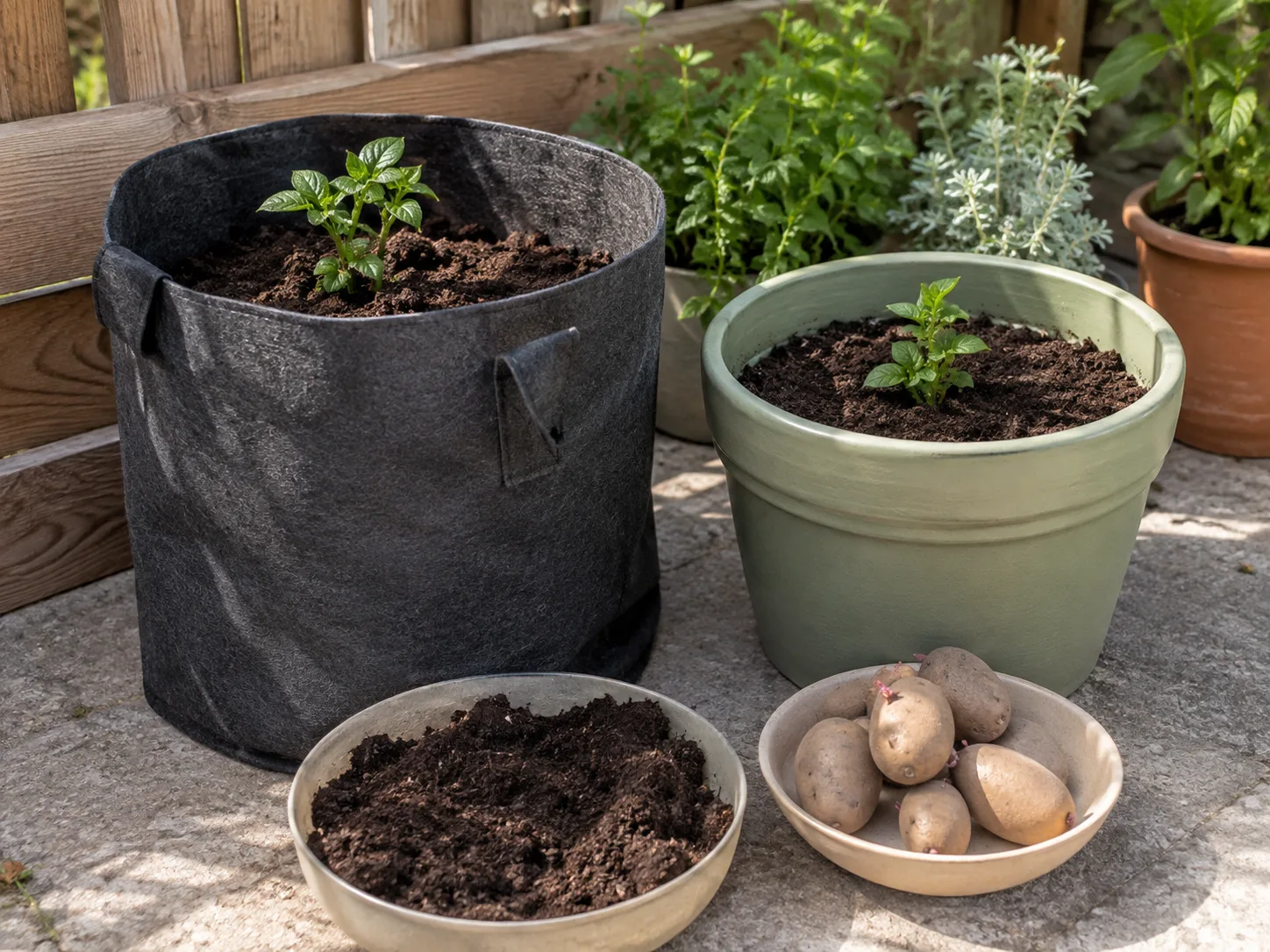
Vegetables also show why the two systems are worth keeping apart. Carrots, beetroot, and potatoes are grown mainly for edible storage organs, yet those crop parts do not make every vegetable a root or make all vegetables herbaceous perennials. Tomatoes and beans can be herbaceous annuals; asparagus is a perennial crop whose foliage dies back seasonally; and some leafy crops flower and finish after a brief cool-season harvest. Check the crop’s life cycle and edible part separately when planning a bed or rotation.
Grasses, ferns, and other nonflowering groups
Ornamental grasses are herbaceous plants, as are many rushes and sedges. They contribute leaf texture and seed heads as well as flowers or inflorescences that may be subtle; some keep attractive structure through winter. The Virginia Cooperative Extension handbook notes that “grass-like” garden plants are not all true grasses: sedges and rushes are separate botanical groups with different stem shapes and growing preferences.
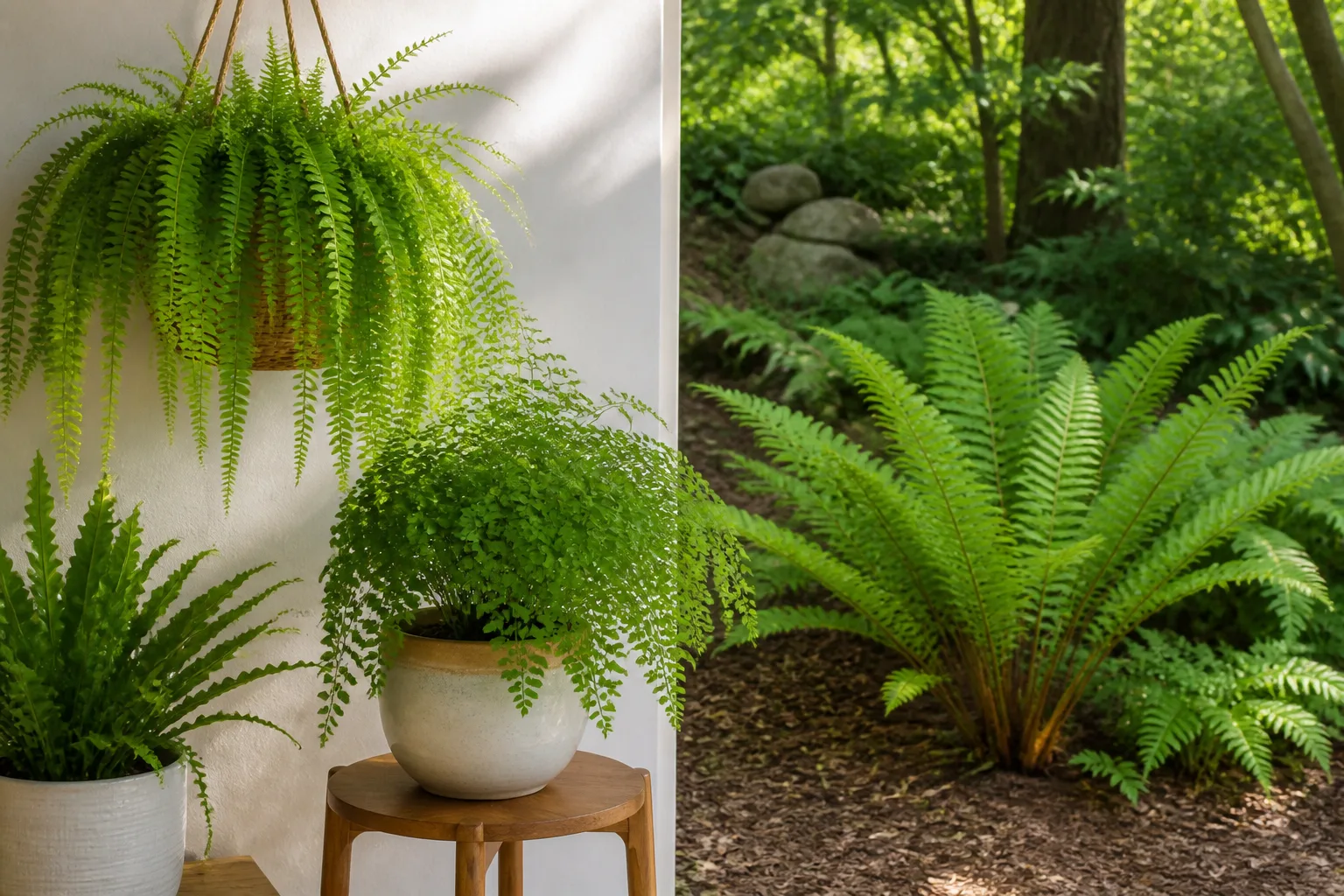
Ferns are herbaceous, non-flowering vascular plants that reproduce by spores rather than seeds. Their fronds can die back seasonally or remain evergreen depending on the species and climate. Mosses are also non-woody, but they are nonvascular plants and are usually treated as a separate group rather than included in the horticultural category of herbaceous vascular plants.
Bananas show how misleading size can be: a plant can grow taller than a person and still be herbaceous. The “tree” comparison describes its appearance, not a persistent woody trunk. Cacti and other succulents need more care in classification: some are herbaceous, while others develop woody stems, so the group name “succulent” does not answer the structure question on its own.
The boundary can also depend on the purpose of a plant list. A landscape guide may group perennials, grasses, ferns, bulbs, and seasonal bedding plants together as “herbaceous plants” because they have non-woody shoots or return from below-ground growth. A botany text may separate vascular plants from mosses, algae, or fungi before discussing herbaceous forms. Use the definition that fits the context, and do not assume that every plant called herbaceous will share the same care requirements.
Herbaceous or woody? A practical identification test
Start by looking at a mature plant at the end of its growing season, not just at a young shoot in spring. If stems remain above ground and harden into persistent branches or canes that produce new growth in later years, the plant is woody. If seasonal stems die back and new growth comes from a crown or below-ground buds, it is usually herbaceous; check a reliable plant profile if the stem base is partly woody or the behavior depends on climate.
Then ask how long the individual plant lives. If it completes its life cycle in one season, it is annual; if it usually flowers in its second season and then dies, it is biennial; if the same crown or woody framework survives for more than two growing seasons, it is perennial. Combining those answers gives a more exact description: annual herbaceous marigold, biennial herbaceous foxglove, herbaceous perennial peony, or woody perennial rose.
This is a practical garden test, not a substitute for botanical identification. Young shrubs can have green flexible stems, while old herbaceous stems can feel dry and stiff after winter. Color and softness alone are not reliable; persistence of woody structure and the plant’s growth pattern over time are better evidence.
If you cannot observe a full year, use several clues rather than guessing from one stem. Look for a woody base, bark, old branches, and buds on permanent stems; then compare these with the plant’s normal mature form in a trustworthy profile. If the plant is seasonal or dormant when purchased, keep the label and note where it was planted so you can see whether shoots return from the same crown, emerge from a nearby seedling, or grow from a separate stored organ.
What herbaceous plants contribute to a garden
Herbaceous plants bring flowers, foliage, seedheads, and seasonal movement into borders, containers, vegetable beds, and wetland edges. A bed with early bulbs, summer-flowering perennials, late-season asters, and grasses can change through the year without relying on one short bloom window. Their lower-growing forms can fill spaces beneath shrubs, and their varied heights let a gardener layer a planting from front edge to background.
Many flowering herbaceous plants provide nectar or pollen to insects, while seedheads and dense foliage may offer food or shelter for wildlife. The benefit depends on the species, flower form, bloom timing, and whether pollinators can reach the nectar; a label saying “herbaceous” alone is not a pollinator guarantee. Virginia Cooperative Extension’s handbook includes pollinator value in its perennial examples, and the RHS recommends combining different flowering periods when selecting plants for borders.
The trade-off is that some beds lose height and coverage when plants go dormant. Use evergreen shrubs, persistent grasses, seedheads, leaf litter, or hardscape for winter structure, and check a plant’s mature size and spread before planting. The RHS advises choosing plants for the conditions in the intended border and considering spacing; the right herbaceous plant in the wrong soil or light can still struggle.
Herbaceous planting can also help a gardener work with small or changing spaces. Annuals give quick seasonal color while slower perennials establish, and foliage plants can cover bare soil even when they are not in bloom. In a mixed border, groups of similar plants make a more readable display than a single example of every species; repeat a few forms, stagger flowering times, and leave room for mature spread. The RHS and BBC Gardeners’ World both describe perennials as versatile across borders and containers, but the best choices still depend on the specific site.
Common mistakes when using the term
The first mistake is treating herbaceous and perennial as interchangeable. Annuals and biennials are herbaceous too, and a rose, shrub, or tree can be perennial without being herbaceous. The second is assuming that every herbaceous plant vanishes in winter: biennial rosettes may stay green, evergreen perennials keep foliage, and tropical climates may not cause the seasonal dieback seen in cold regions.
Another mistake is calling every underground storage organ a root or bulb. A rhizome and corm are modified stems, a true bulb is largely modified leaves, and a dahlia stores energy in tuberous roots. Finally, do not judge a plant by the English name alone: “banana tree” is not a botanical guarantee of a woody trunk, “herb” does not mean herbaceous, and “grass-like” does not always mean a true grass.
Before buying or moving a plant, read the label for its expected mature size, hardiness, life cycle, light, and moisture needs. When a label says “annual,” determine whether that means it naturally completes its life cycle in a year or simply will not survive your local winter. This small check makes “herbaceous” a useful starting point instead of an incomplete care instruction.
Conclusion
Herbaceous describes a plant’s non-woody growth, while annual, biennial, and perennial describe its lifespan. Many herbaceous perennials die back above ground and return from a living crown, roots, or specialized storage organs, but evergreen leaves, overwintering rosettes, and mild climates create exceptions.
To identify a plant, observe which stems persist through the year, then check how its life cycle and survival structures work. That distinction explains why a short-lived marigold, a returning peony, a fern, a clump of ornamental grass, and a large banana plant can all be herbaceous—and why a long-lived rose is not.