25 Winter-Hardy Vegetables for Fall and Winter
Choose 25 winter-hardy vegetables by harvest speed, frost tolerance, and climate. Use first-frost timing and simple covers to plan a practical fall garden.
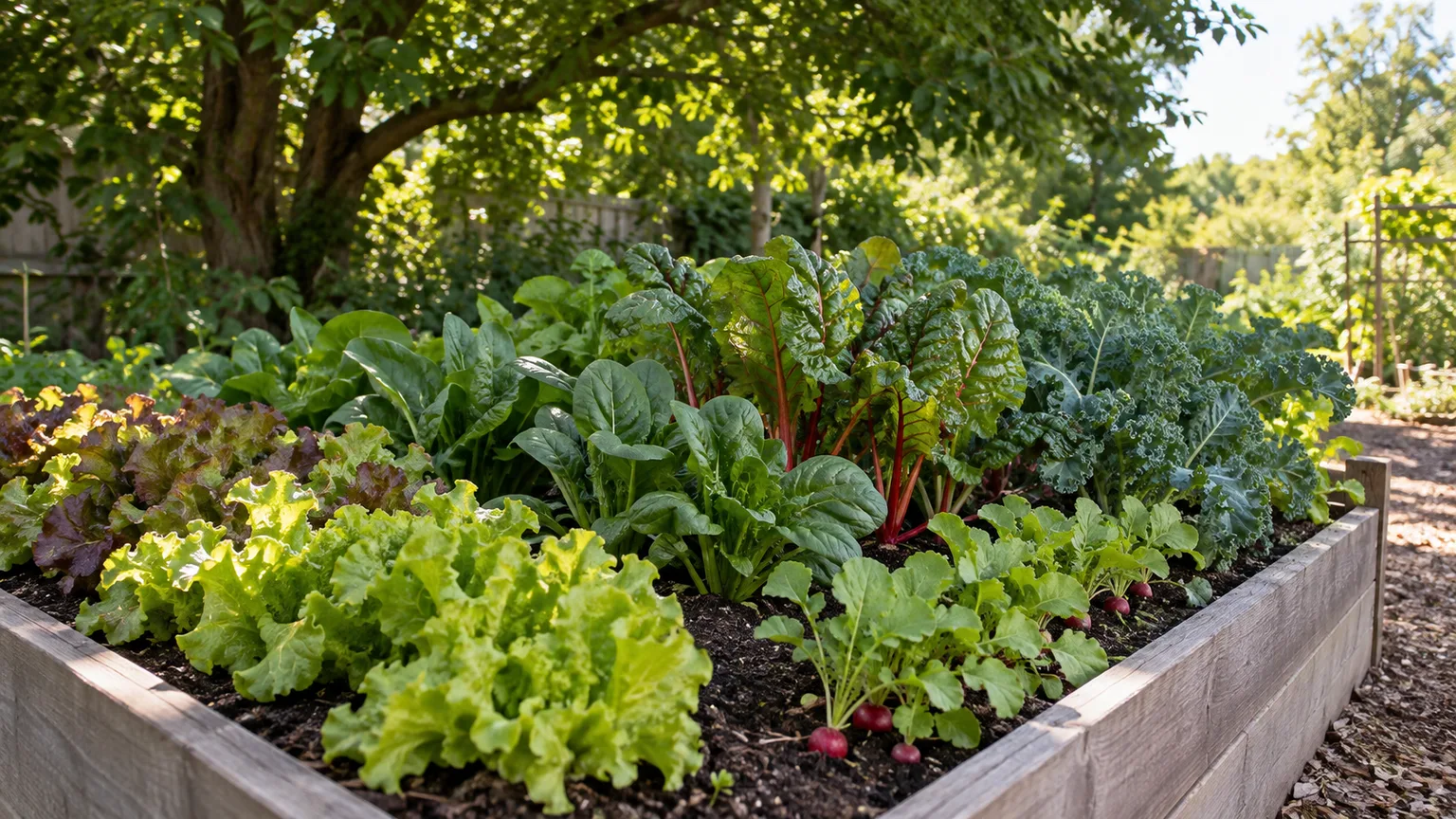
A winter vegetable garden is planned before winter arrives. Some crops tolerate a light frost, others can sit in cold soil under mulch, and a smaller group can keep producing under a low tunnel or cold frame. None of those traits means every vegetable can be sown on the same date or left exposed through a hard freeze.
The useful question is not just “Which vegetables are cold hardy?” It is whether a crop can mature before growth slows, how much frost its leaves or roots can handle, and whether you want a fall harvest, midwinter harvest, or an early spring rebound. The 25 picks below cover each goal, with the exceptions called out so a cool-season crop does not get mistaken for a freeze-proof one.
Winter-hardy does not mean freeze-proof
“Cool-season” describes the temperatures in which a crop generally grows well. “Frost-tolerant” means established plants can often withstand a brief dip below 32°F, while “winter-hardy” usually implies that a suitable variety can survive colder conditions, especially when protected. A tender seedling, an open flower, a mature root, and a leafy crown can react very differently to the same night.
There is also a difference between surviving and growing. When days shorten and the soil cools, many vegetables slow nearly to a stop; plants established before that slowdown may hold for harvest, but seed sown in midwinter may not size up until light and temperatures return. A crop that survives a freeze can still have damaged leaves, split roots, or a shortened harvest window.
Plan from frost dates, not zone labels alone
The USDA Plant Hardiness Zone Map describes average annual extreme minimum temperatures, which helps gardeners assess perennial-plant survival. It does not give a vegetable sowing calendar or predict the first autumn frost for a particular yard. Use your local extension service’s frost-date guidance, then adjust for elevation, nearby buildings, slopes, wind exposure, and the year’s actual forecast. The USDA map is a useful climate reference, but it is only one part of a vegetable schedule.
Regional calendars show why a single national planting date fails. For example, University of Georgia Extension’s winter-garden guidance gives Northeast Georgia gardeners different sowing windows for long-season brassicas than for faster lettuce or spinach. In a much shorter season, University of Alaska Fairbanks Cooperative Extension stresses planting early enough for roots and leaves to establish before cold slows growth. Treat those as regional examples, not dates to copy into another climate.
25 winter-hardy vegetables, grouped by harvest
The list includes crops for three different outcomes: edible leaves before and after light frosts, roots that can be mulched in place, and plants that overwinter for a later harvest. Check the seed packet for the named cultivar and whether its maturity count begins at sowing or transplanting; a “days to maturity” number is a planning estimate, not a promise of winter growth.
Leafy greens for cool, short-day weather
Leafy crops are often the quickest route to an autumn harvest, but they still need time to make useful growth before dark, cold weather. Many can be harvested a little at a time, which lets a healthy crown keep producing; a row cover can protect tender leaves without turning the garden into a heated greenhouse.
1. Bok choy is a fast-growing Asian green that prefers cool weather but can bolt after seedlings experience a cold spell followed by warming. Sow it for a fall harvest while there is time for the heads to size up, or choose baby bok choy and harvest it young; row cover helps with light frost, but do not count on an unprotected head through repeated freezes.
2. Collard greens make broad leaves that can be picked from the outside while the growing point remains intact. Established plants are more resilient than young transplants, and the crop often holds longer in mild climates than a tender salad green. Start it early enough to develop a substantial plant before the coldest weeks.
3. Escarole is a chicory-family green for autumn salads and cooked dishes. It tolerates cool weather and a light frost, but its broad leaves are more exposed than a protected root, so use a tunnel or harvest ahead of a hard freeze in colder regions. Do not expect rapid growth during the darkest part of winter.
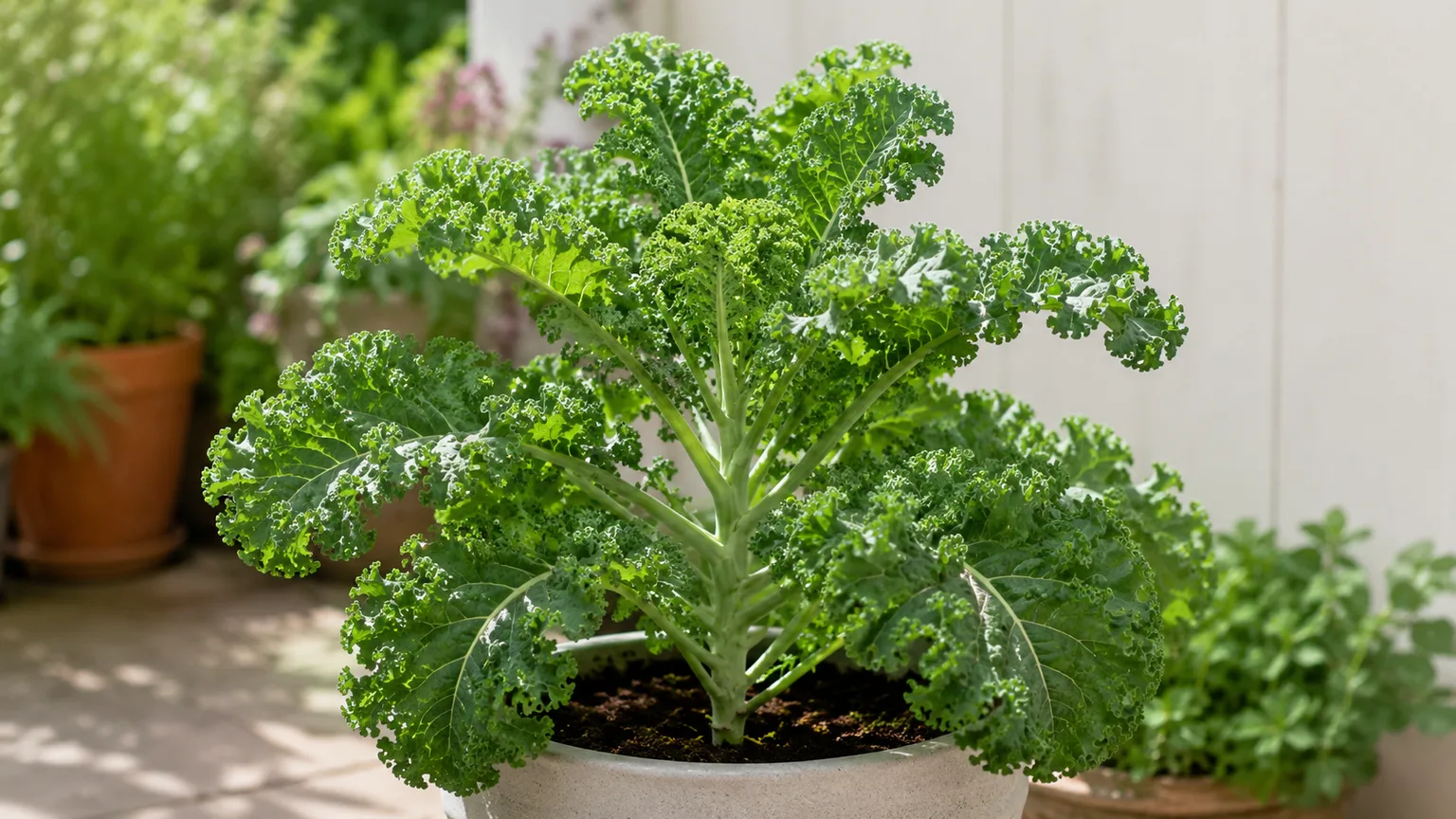
4. Kale is one of the more dependable leafy choices for frost-prone gardens, especially when you grow a cold-adapted variety and give it time to establish. Harvest outer leaves instead of stripping the crown, and use a cover to reduce wind damage and keep snow from burying the plant. Mild frost can improve flavor in some varieties, but severe cold can still injure leaves.
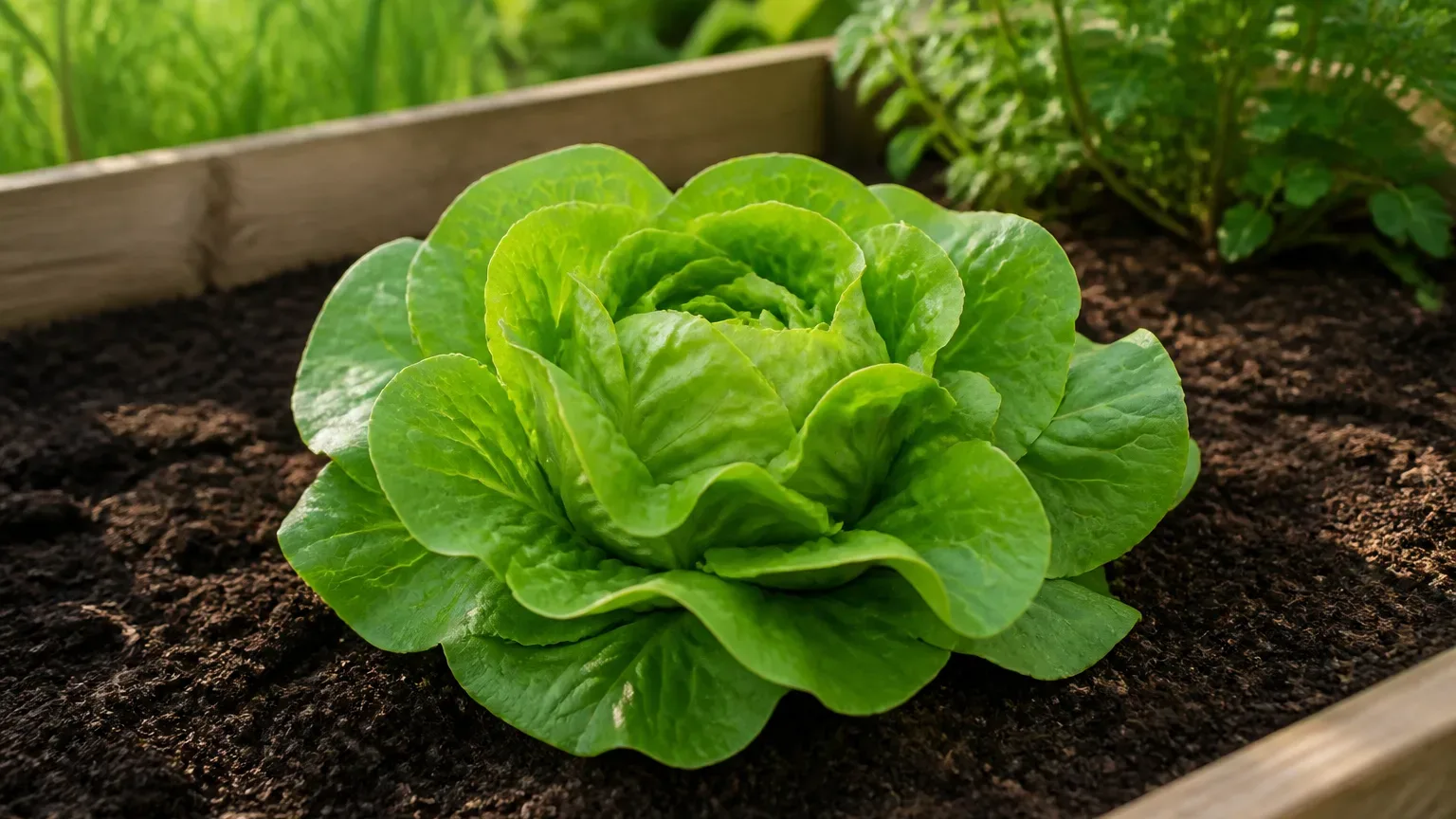
5. Lettuce gives quick baby leaves and heads in cool weather, with winter types generally holding better than heat-loving summer cultivars. Sow successions for autumn salads; for later picking, protect the plants and choose a cold-tolerant variety. Lettuce leaves are easily bruised when frozen, so wait until they have thawed before harvest.
6. Mustard greens grow quickly and bring a peppery flavor to salads or cooked meals. Their short maturity window makes them useful when a longer crop no longer fits the calendar, though young plants and leaves still need protection from hard freezes. Mizuna is a milder, finely cut mustard relative that can be harvested as baby greens.
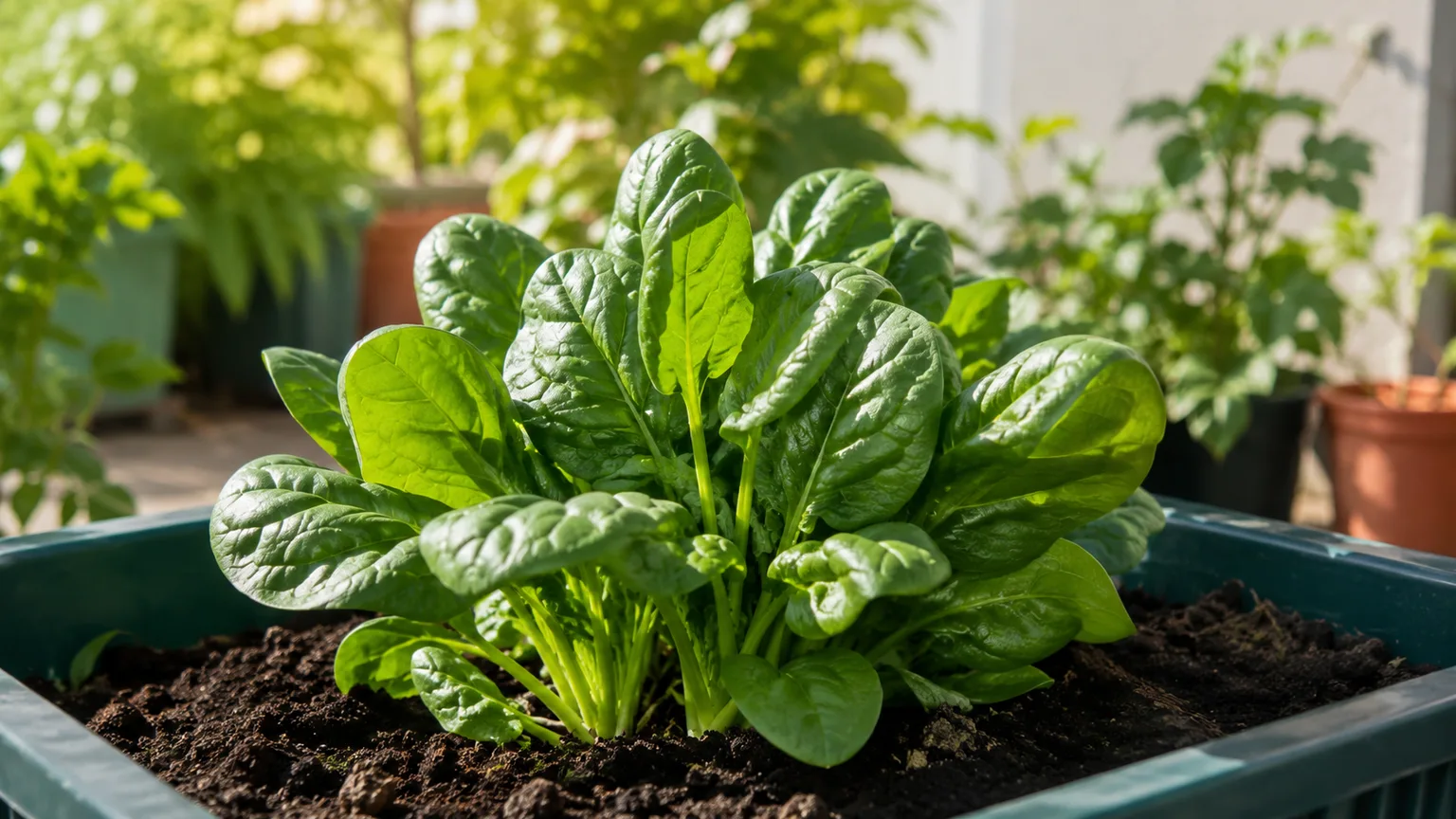
7. Spinach is a strong candidate for fall sowing because mature plants can hold through cold weather and resume growth as days lengthen. A winter-adapted, savoy-leaf variety and a low tunnel improve the odds in colder areas. For a continuous supply, pick a few outer leaves at a time and leave the central growing point intact.
8. Swiss chard produces harvestable leaves over a long season and handles cool weather, but it is less reliable through prolonged freezing than the hardiest kale or spinach. Use it as an autumn crop or give it protection when a hard freeze is forecast. In cold climates, assume the top may be damaged even if the plant later reshoots.
Root crops that hold in the soil
Root vegetables can be more forgiving than exposed leaves because soil buffers brief temperature swings. The important limits are whether the roots have sized up and whether the ground will remain workable; mulch slows freezing, but a frozen bed is not easy to harvest from.
9. Beets offer both edible roots and greens, which makes them useful in a compact fall bed. Their shoulders may sit above the soil and freeze before the buried portion, so pull soil or mulch around exposed roots as temperatures fall. Sow early enough for roots to reach harvest size; very late seedings may yield only leaves.
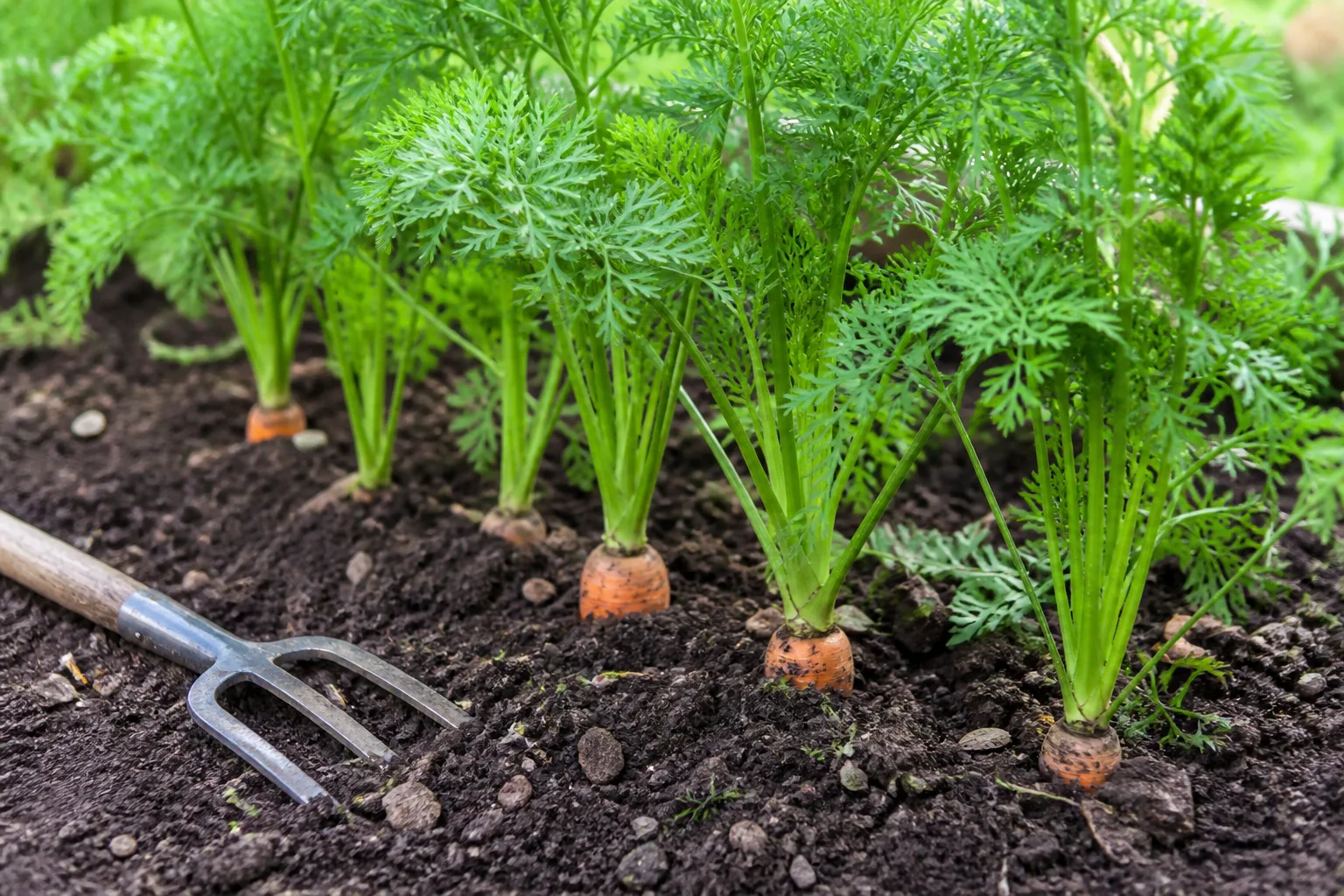
10. Carrots are well suited to cool weather and can be harvested after light frost, when some cultivars taste sweeter. They need loose soil, steady moisture during germination, and time to reach usable size before cold stalls growth. In a freeze-prone climate, mulch the row and lift roots before the ground locks up if you cannot reach them easily.
11. Kohlrabi develops a swollen stem above ground, so the edible part is less buffered than a carrot. It matures relatively quickly in cool weather, but hot conditions can make it tough and late freezes can damage exposed stems. Harvest while the bulbs are still tender rather than waiting for unusually large ones.
12. Parsnips are slow to germinate and need a long growing window, so sow them early rather than treating them as a last-minute fall crop. Once mature, they can be left in the ground for cold-weather harvest where the soil remains accessible. In very cold regions, mulch the bed and harvest before prolonged deep freezing makes digging difficult.
13. Radishes are among the fastest crops on this list, but the type matters: small spring radishes mature quickly, while larger daikon needs more time and room. Sow a fall succession while soil is still warm enough for germination, then harvest before roots become pithy or the ground freezes. A cover can protect the greens during light frosts.
14. Rutabaga takes longer than a turnip but stores well and suits a cool, extended autumn. It needs an early start to size up before serious cold; established roots tolerate frost better than exposed leaves. Use mulch to delay soil freezing and lift the roots when the bed is still workable.
15. Turnips provide edible roots and greens, with many varieties reaching harvest size in a relatively short window. Salad turnips are especially tender and should be protected or harvested before hard freezes, while larger storage types can handle more cold. The tops are exposed, so leaf damage does not always mean the root is lost.
Brassicas that need an early start
Broccoli, cabbage, Brussels sprouts, and cauliflower prefer cool growing weather, but most are not “plant them when winter starts” crops. They need a head start in late summer or a well-grown transplant because shorter days and cold soil slow the final stages of growth.
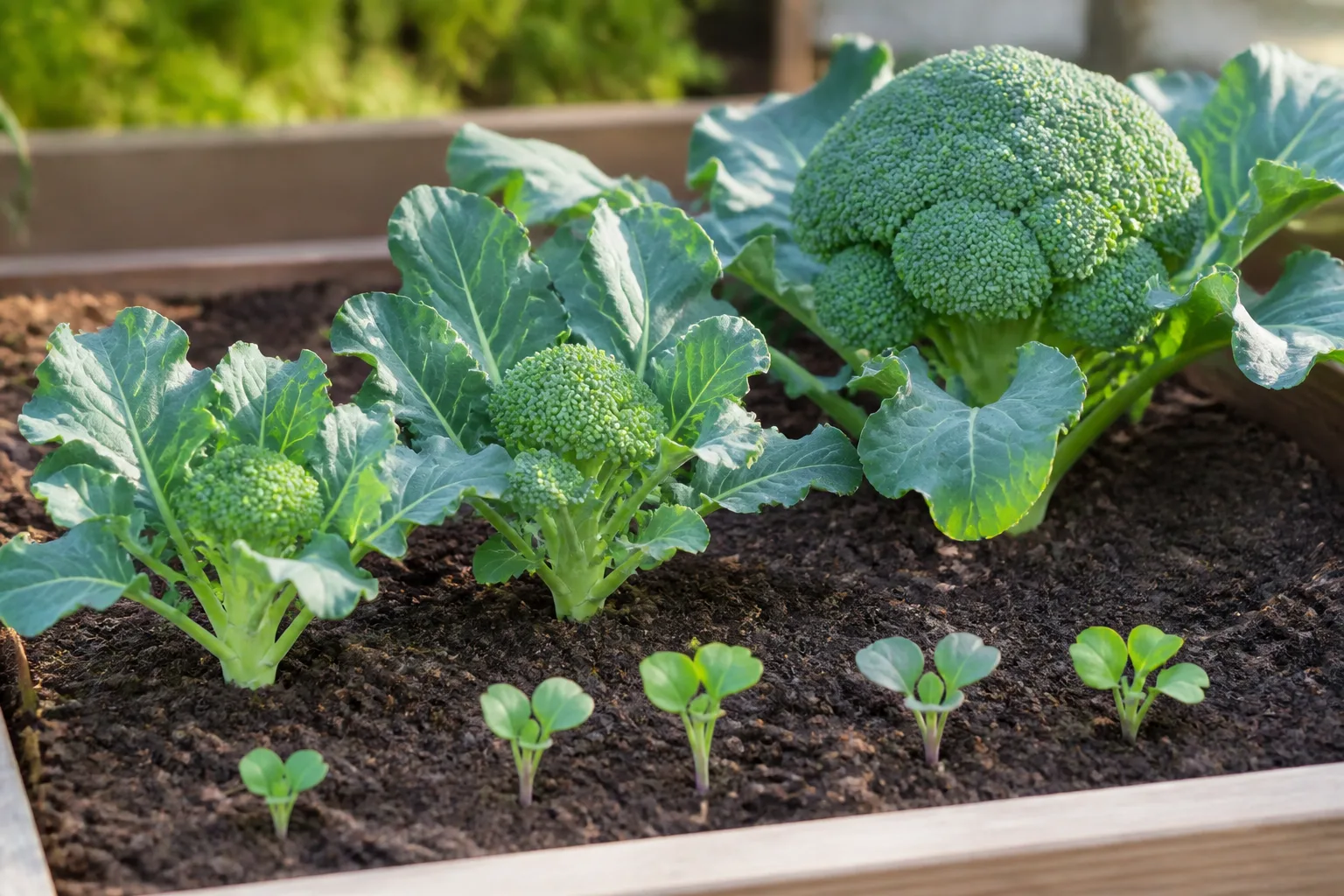
16. Broccoli is best planted for a fall crop using transplants in many regions, which saves time compared with waiting for direct-sown seedlings. Harvest the main head before a hard freeze and leave the plant if conditions remain mild; side shoots can extend the harvest. A row cover protects young plants and can reduce insect access earlier in the season.
17. Brussels sprouts need the longest runway of the brassicas here, often several months from sowing to a useful stalk. Start them in summer, not in autumn, and choose a variety suited to your local season. Cool weather can improve the flavor of mature sprouts, but a plant that never sized up before winter will not catch up quickly in low light.
18. Cabbage can tolerate cool weather and light frost once established, though tolerance varies among storage, savoy, and early cultivars. For a fall head, plant a transplant early enough to close the head before severe cold; row cover helps against wind and brief frost. If the head is mature and a damaging freeze is coming, harvest it rather than gambling on the forecast.
19. Cauliflower is less forgiving of temperature swings than kale or cabbage, and stress can spoil head development. Use a transplant and a dependable fall window, then cover plants when frost is expected. In colder regions, treat it as a late-autumn harvest crop rather than an unprotected midwinter vegetable.
Alliums and peas with a different winter calendar
These crops are often called winter vegetables because they are planted or grown through winter, but some are planted in autumn for harvest months later. That distinction matters: garlic and many shallots are not a source of fresh bulbs in January.
20. Garlic is commonly planted in autumn so cloves can root before winter and form bulbs for harvest the following summer. It is a winter-planted crop, not usually a winter-harvest crop. Planting month, mulch, and hardneck versus softneck performance vary by region, so follow a local garlic calendar rather than burying cloves on a universal “one month before frost” rule.
21. Leeks need a long growing season, so start them early or use established transplants. Their roots and stems can hold in the ground through cold weather in many climates, but deeply frozen soil makes lifting difficult. Hill soil around the lower stem during growth for a longer, blanched section, then mulch as winter approaches.
22. Onions depend on day length to form bulbs, which makes variety choice as important as cold tolerance. Some short-day types are planted in autumn in suitable regions, while many storage onions are grown from spring starts; a generic fall sowing may give you leaves without a proper bulb. Use a local extension or seed-company schedule for your latitude.
23. Scallions are grown for their green leaves and slender stems rather than a large storage bulb. Bunching onion varieties can tolerate cool weather and provide a useful fall harvest, but hardiness is cultivar-dependent. Sow successions or transplant small starts early enough to establish before the soil turns cold.
24. Shallots may be fall-planted in regions where local guidance recommends overwintering sets, then harvested the following summer. In areas with long, severe freezes, spring planting is often a safer choice. Their ability to survive outdoors does not mean they will produce a winter bulb crop.
25. Peas prefer cool weather and can mature quickly enough for a fall crop when sown early, but flowers and pods are more vulnerable to freezing than established leaves. Give vines support, keep moisture steady, and expect the harvest to end when hard freezes arrive. In cold-summer regions, an early spring sowing may be more dependable than trying to push a late fall crop.
Compare maturity and frost needs at a glance
These ranges are broad estimates for common garden types, not guarantees. Seed packets may count maturity from sowing or from transplanting, and cultivars can differ by weeks; use the packet’s definition when you calculate dates. “Light frost” below is not a claim of survival through an extended freeze.
| Vegetable | Approximate days to maturity | Typical cold-weather use |
|---|---|---|
| Bok choy | 30–60 | Fall heads or baby leaves; protect from hard freezes |
| Collards | 55–80 | Established plants for repeated leaf harvest |
| Escarole | 45–85 | Fall leaves; cover for colder nights |
| Kale | 50–75 | Fall leaves and protected winter holding |
| Lettuce | 30–70 | Fast baby leaves; cold-tolerant cultivars need cover |
| Mustard greens | 30–50 | Quick fall greens; harvest before a severe freeze |
| Spinach | 35–60 | Baby leaves or mature plants held under cover |
| Swiss chard | 50–60 | Extended autumn harvest; protect for freezes |
| Beets | 50–70 | Roots and tops; mulch exposed shoulders |
| Carrots | 55–80 | Fall roots; mulch for delayed in-ground harvest |
| Kohlrabi | 45–60 | Quick cool-season stem crop |
| Parsnips | 100–120 | Long-season roots for late fall or spring lifting |
| Radishes | 25–60 | Quick roots; daikon takes longer than salad types |
| Rutabaga | 80–100 | Storage roots; sow well before cold weather |
| Turnips | 35–60 | Roots and greens; protect tender salad types |
| Broccoli | 60–100 from seed; often less from transplant | Fall heads; transplanting saves time |
| Brussels sprouts | 90–120 | Long-season crop started in summer |
| Cabbage | 65–100 | Fall heads; cultivar and transplant age matter |
| Cauliflower | 60–100 | Fall heads; cover against temperature swings |
| Garlic | About 8–9 months to bulbs | Fall-planted for a summer bulb harvest |
| Leeks | 90–150 | Start early; mature plants can hold in the bed |
| Onions | About 90–150 | Start type and day length determine bulb formation |
| Scallions | 50–70 | Green stems for fall; bunching types may overwinter |
| Shallots | About 90–150 | Fall sets in suitable regions; summer harvest |
| Peas | 50–70 | Spring or early fall pods before hard freezes |
Calculate a realistic last sowing date
Start with the harvest date you want, not the day you hope to plant. Find the local average first frost date as a planning reference, read the crop packet’s maturity estimate, and add a buffer because shortening days and cool soil slow growth. If a crop will be harvested after frost, the buffer can be smaller for a truly cold-adapted cultivar and larger for a less hardy one; your local extension calendar is the best guide.
For example, if your target frost date is October 15 and a crop lists 60 days to maturity, add about two weeks for slower late-season growth and count back 74 days. That gives an approximate sowing date of August 2. It is a starting point, not a universal answer: if “60 days” begins at transplanting, start seeds earlier; if your area has a much earlier hard freeze, shift the crop or use a transplant and protection.
For crops that must overwinter, work back from the point when growth usually stalls and establish the plant before then. The practical winter-growing method described by Savvy Gardening also separates fall harvests from overwintering: the goal is to bring a sturdy, established plant into the cold months, not to expect new seedlings to race through winter.
Choose crops for your winter climate
Short-season and freeze-prone gardens
If the first hard freeze comes early and the ground freezes for long stretches, favor fast greens, radishes, turnips, and transplants of kale or cabbage that already have several true leaves. Start long-season crops such as Brussels sprouts, leeks, parsnips, and winter carrots earlier in summer; late autumn is often too late for them to mature. Plan to harvest roots before the bed freezes solid or mulch them and keep a storage backup.
Use a low tunnel or cold frame to extend harvest, but choose the crop and protection together. Spinach, kale, and some roots may hold under cover where exposed lettuce would fail, while garlic planted for the next summer’s bulbs has a different purpose. If your winter brings prolonged subzero cold, high winds, or deep snow, grow for a fall harvest and store the crop instead of assuming a backyard cover will create a mild winter.
Mild-winter gardens
Where the soil stays workable and hard freezes are infrequent, a wider mix can remain in the garden: lettuce, spinach, collards, mustard, carrots, beets, peas, and some brassicas. Use local sowing calendars because warm autumn soil can still delay germination or trigger bolting in crops such as bok choy. In warm regions, afternoon shade and consistent moisture during establishment may matter more than extra frost cloth.
Do not equate a mild winter with a long summer. Cool-season crops often perform best after heat eases, but they need an early enough sowing to make roots before day length and temperature reduce growth. Extension planting tables for your county or state can help you choose between fall planting, winter holding, and a spring harvest.
Protect crops without overheating them
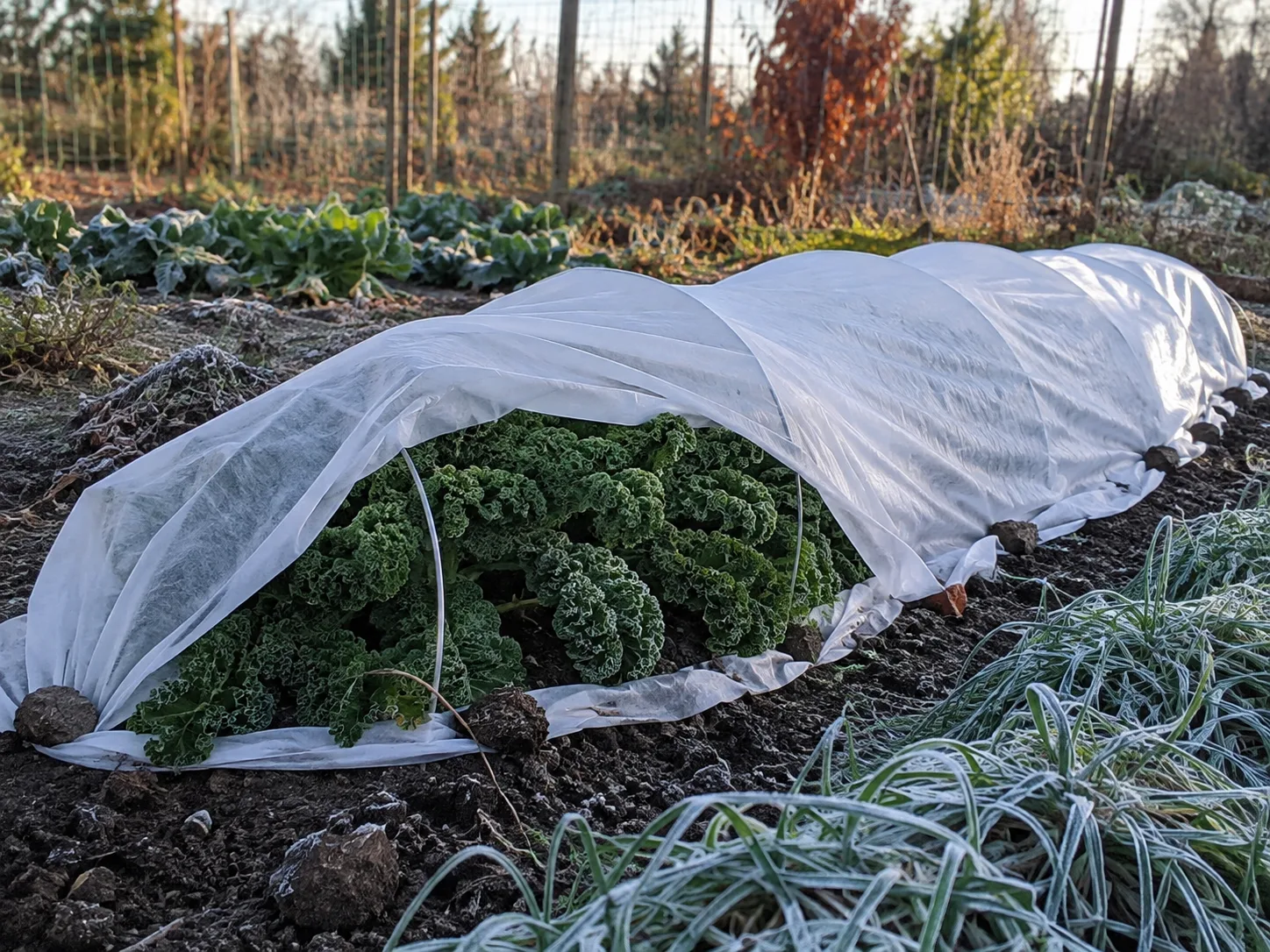
Row cover traps some warmth from the soil and reduces wind exposure; the protection depends on fabric weight, how securely the edges are anchored, and the temperature drop. UAF Extension’s season-extension guidance notes that heavy frost cloth can protect plants to around 24°F under suitable conditions. That is not a guarantee in wind, a prolonged freeze, or a colder pocket of the garden, so follow the product’s rating and keep a backup harvest plan.
Hoops keep fabric from abrading tender leaves and make it easier to lift the cover for harvesting. A cold frame adds a rigid lid that captures solar heat, but it can heat up on a bright winter day; vent it when temperatures rise and close it before evening. Mulch helps stabilize root-zone temperature, especially for carrots, parsnips, beets, and leeks, but put it in place before the soil freezes and keep the crown from staying wet and airless. A practical winter-garden guide also treats mulch as a way to delay soil freezing and extend access to roots, not as a guarantee against severe cold.
Protection is not a substitute for timing. Covers may extend a crop’s harvest by weeks, but they cannot restore growth during the darkest, coldest period or compensate for seedlings planted too late. Use a thermometer at crop height if you are learning how your bed behaves, and check the garden on sunny days as well as freezing nights.
Harvest and store crops safely through winter
Harvest leafy greens once the foliage has thawed. Frozen tissue bruises easily, and picking it while rigid can leave damaged leaves that deteriorate quickly; cut outer leaves and keep the growing point intact when you want the plant to continue. Remove any leaves that are mushy or diseased rather than letting them sit under a cover.
Root crops are easiest to pull before the bed freezes solid. If you leave mature carrots or parsnips in place, loosen the soil and mulch before a freeze, then uncover only the section you need to harvest. In regions with deep winter, lift roots and store them in cool, humid conditions appropriate for the crop rather than relying on frozen ground to remain accessible.
Garlic, onions, and shallots need a separate calendar: autumn planting may help them root or establish, but bulbs are usually lifted later, after their growing season. Label beds with the crop and expected harvest season so winter planting does not get confused with winter eating.
Avoid the timing mistakes that waste a season
The first mistake is planting by zone number alone. A hardiness zone does not account for a first-frost date, a warm fall, coastal influence, elevation, or the length of winter daylight. Use your zone to understand broad cold exposure, then use local frost information and cultivar guidance to schedule the crop.
The second is waiting until the first frost is forecast to sow “winter vegetables.” Most need a mature or well-rooted plant before growth slows, and long-season crops need to be started in midsummer in many climates. If the window has passed, switch to a quicker crop, use a transplant where practical, or aim for an early spring harvest.
The third is treating all varieties in a crop as equally hardy. A winter lettuce, a storage cabbage, or an overwintering onion may behave differently from a summer type of the same vegetable. The fourth is assuming row cover makes a crop frost-proof; check the fabric rating, anchor edges, vent sunny structures, and harvest vulnerable crops before the severe freeze arrives.
Conclusion
Choose winter crops by the harvest you want and the time your climate leaves for them to establish. Fast greens and radishes suit a short remaining window; carrots, parsnips, and Brussels sprouts need earlier sowing; garlic and many shallots are planted for the next year rather than for a winter meal. Frost tolerance belongs to a crop and cultivar at a particular stage, not to a universal planting date.
Find your local first-frost range, count backward from the days-to-maturity estimate on the seed packet, and add time for slow autumn growth. Then match the crop to its protection needs and decide what you will harvest before the ground freezes. That simple sequence makes a winter bed more reliable than planting every “cold-hardy” vegetable at once.