What Are Weeds? Definition, Types, and Examples
What are weeds? Learn why a plant earns that label, how to distinguish annuals from perennials, and when to remove, tolerate, or monitor common garden plants.
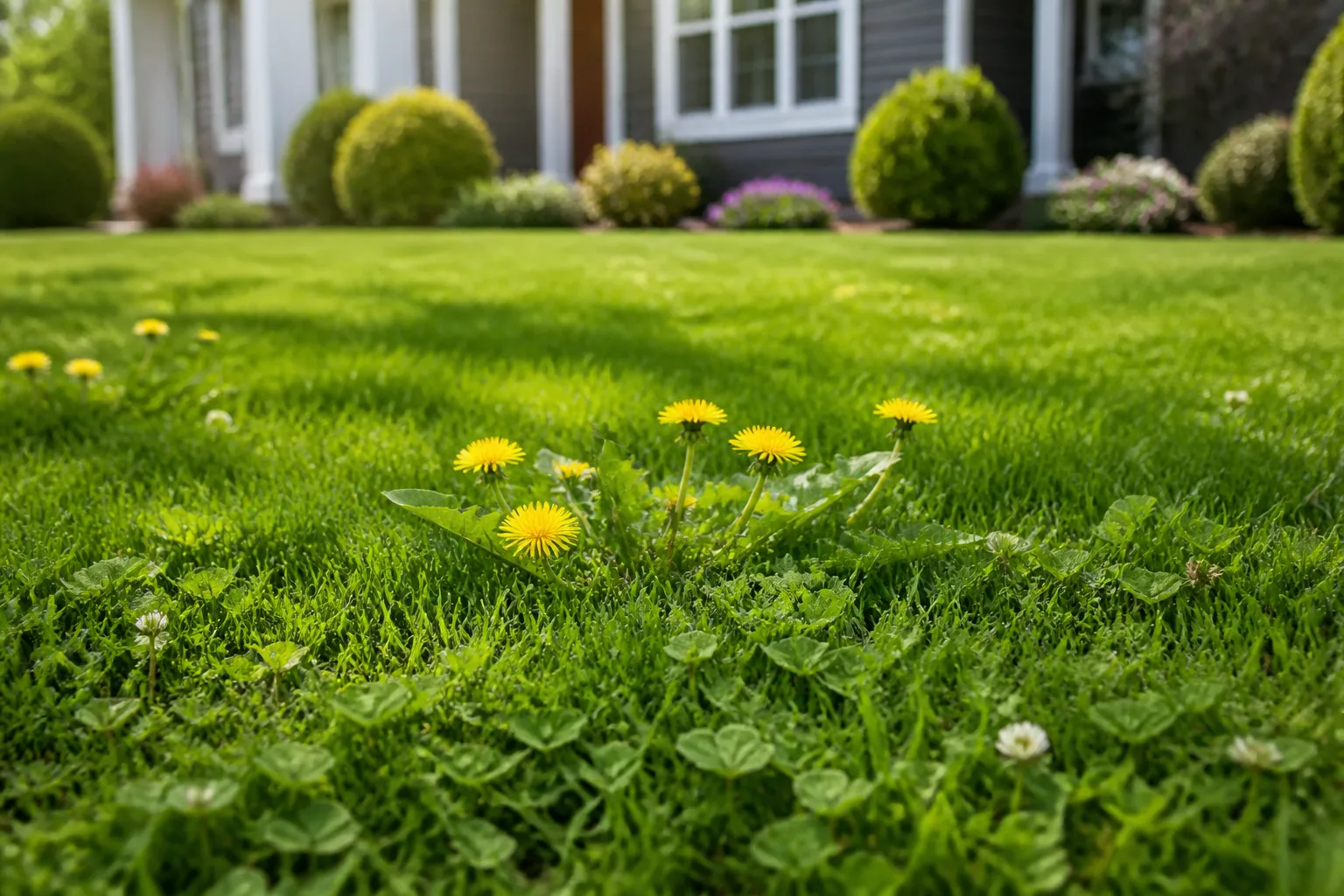
A weed is a plant growing where it conflicts with a person’s or community’s goals for that place. The word describes a relationship between a plant and its setting, not a botanical family: a dandelion can be a welcome flower in a low-mow lawn and an unwanted competitor in a row of carrots. That distinction matters because the right response depends on what the plant is, where it is growing, how it spreads, and what you want the space to do.
“Weed” does not automatically mean invasive, poisonous, or harmful to every garden. Some weeds compete aggressively with crops; others are native wildflowers that a gardener chooses to keep out of a particular bed. A practical definition helps you avoid two common mistakes: pulling a plant before you know what it is, and treating every unfamiliar plant as an emergency.
What Is a Weed?
In everyday gardening, a weed is a plant that is unwanted in a specific location or interferes with an intended use of the land. A plant may be called a weed because it crowds vegetables, spoils a fine-textured lawn, blocks a path, spreads into a natural area, or poses a safety concern. The same species can be useful in one setting and troublesome in another, so the label is partly a judgment about purpose.
That does not make the term meaningless. Gardeners often use it for plants that establish readily without being planted, compete for light, moisture, nutrients, or space, and persist despite efforts to remove them.
Penn State Extension’s weed identification and control guidance uses the familiar “plant growing where you don’t want it” definition and notes that weeds compete with other plants. The important next question is what makes this particular plant a problem here.
Consider two examples. A patch of white clover in an ornamental border might be unwanted because it is spreading through a carefully designed planting; in a family lawn, a homeowner may accept it as a low-growing flowering plant.
Common milkweed might be deliberately planted in a habitat garden, while seedlings that appear in a vegetable bed still may need to be moved or removed. Location, function, and management goals change the decision without changing the plants’ identities.
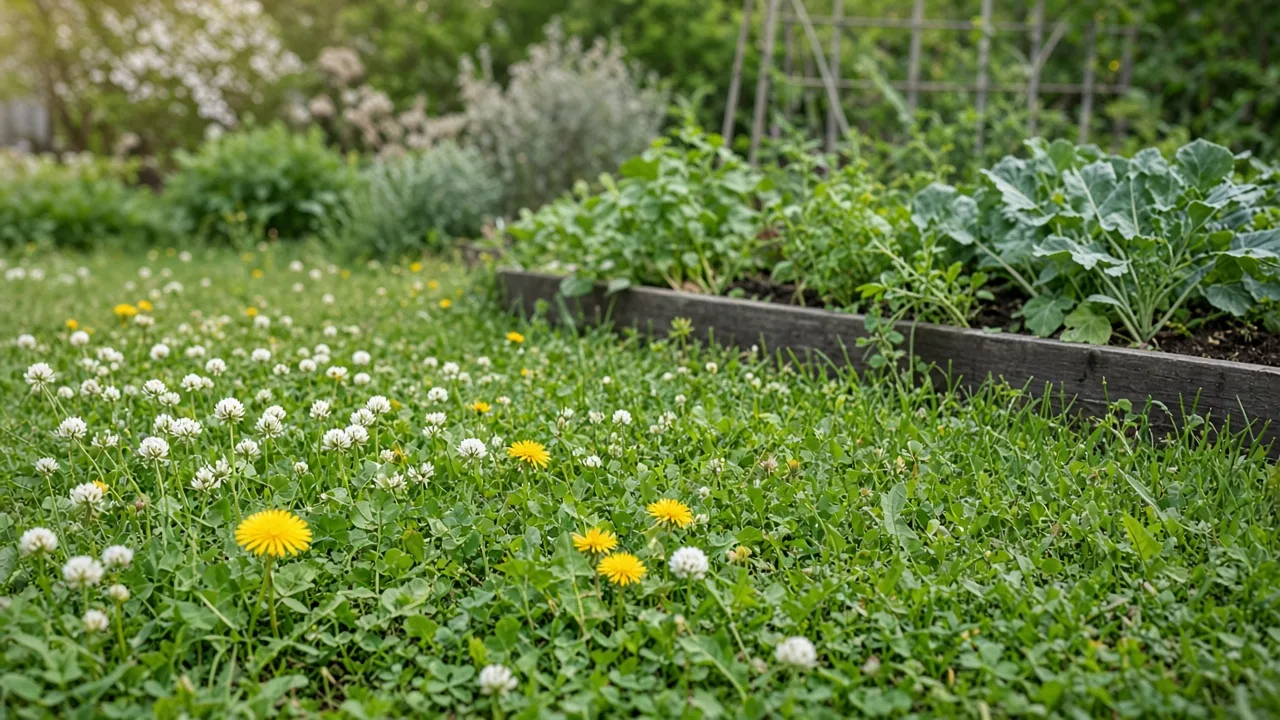
A useful shorthand is: a weed is a plant you have a reason to manage in a particular place. The reason could be competition, safety, regulation, spread, or appearance. Naming the reason makes your next step clearer than simply asking whether the plant is “good” or “bad.”
Weed, Invasive Plant, and Noxious Weed Are Different Terms
These labels overlap, but they answer different questions. “Weed” asks whether a plant is unwanted in a setting; “invasive” asks about a nonnative species’ effects; “noxious weed” points to a legal or regulatory status. A plant can fit more than one label, but none of the labels automatically means the same thing.
| Term | What it tells you | What to do next |
|---|---|---|
| Weed | Someone considers the plant unwanted or harmful in this particular place. | Decide whether it actually conflicts with the site’s purpose. |
| Invasive species | In U.S. federal usage, the plant is nonnative and causes harm to the environment, economy, or human, animal, or plant health. | Check its local status and follow region-specific management advice. |
| Noxious weed | A government has designated a plant under a particular law or regulation. | Check current federal, state, and local rules before moving or disposing of it. |
Invasive describes a nonnative species that causes harm
A nonnative plant is not automatically invasive. The National Park Service explains that nonnative species are organisms living outside the areas where they naturally occur, while its definition of an invasive species requires harm as well as nonnative status. That difference is important: many familiar garden crops and ornamentals are nonnative but do not meet the invasive definition simply because they are grown outside their original range.
A native plant can also spread quickly or crowd a small garden, yet still not be “invasive” under the federal definition. You might still manage it because it is outcompeting a vegetable crop or crossing a property boundary. Conversely, a nonnative plant that behaves politely in one bed may pose a serious ecological problem in a nearby park or wetland.
The impact depends on the species and the ecosystem, not just how fast a stem grows. The National Park Service’s definitions are useful for keeping native, nonnative, and invasive terms separate.
Noxious is a legal or regulatory designation
“Noxious weed” is not a synonym for any plant you dislike. At the federal level, the U.S. Department of Agriculture’s regulations designate listed plants to prevent their introduction into the country or their spread within it. States and local governments may have additional rules and lists, so the status of a species can depend on where you live.
If a plant looks like a regulated species, do not assume that ordinary mowing, composting, or hauling it away is allowed or effective. Confirm the identification and check the current guidance from your state agriculture department, county Extension office, or land-management agency. In federal regulations, 7 CFR § 360.200 lists the plants designated as federal noxious weeds; it is a legal list, not a catalog of every plant gardeners might call a weed.
Why Some Weeds Persist in Gardens
Weeds are not a single biological group, so they do not all spread or respond to control in the same way. Some complete their growth quickly and leave many seeds behind; some survive year after year through roots or underground stems; others use both strategies. If a weed seems to “come back,” the reason may be new seedlings, a surviving root system, or both.
Annual, biennial, and perennial life cycles
An annual germinates, grows, flowers, sets seed, and dies within one growing season. Winter annuals often start in fall and reproduce in spring; summer annuals emerge in warmer weather and set seed later in the season. The individual plant does not live for years, but a patch can recur because seeds remain in the soil or arrive from outside the garden.
A biennial typically spends its first growing season forming leaves and a low rosette, then flowers and sets seed during its second season before dying. Bull thistle is one example. If you recognize a biennial rosette early, removing it before the tall flowering stalk and seed heads develop can prevent the next generation without disturbing mature plants later.
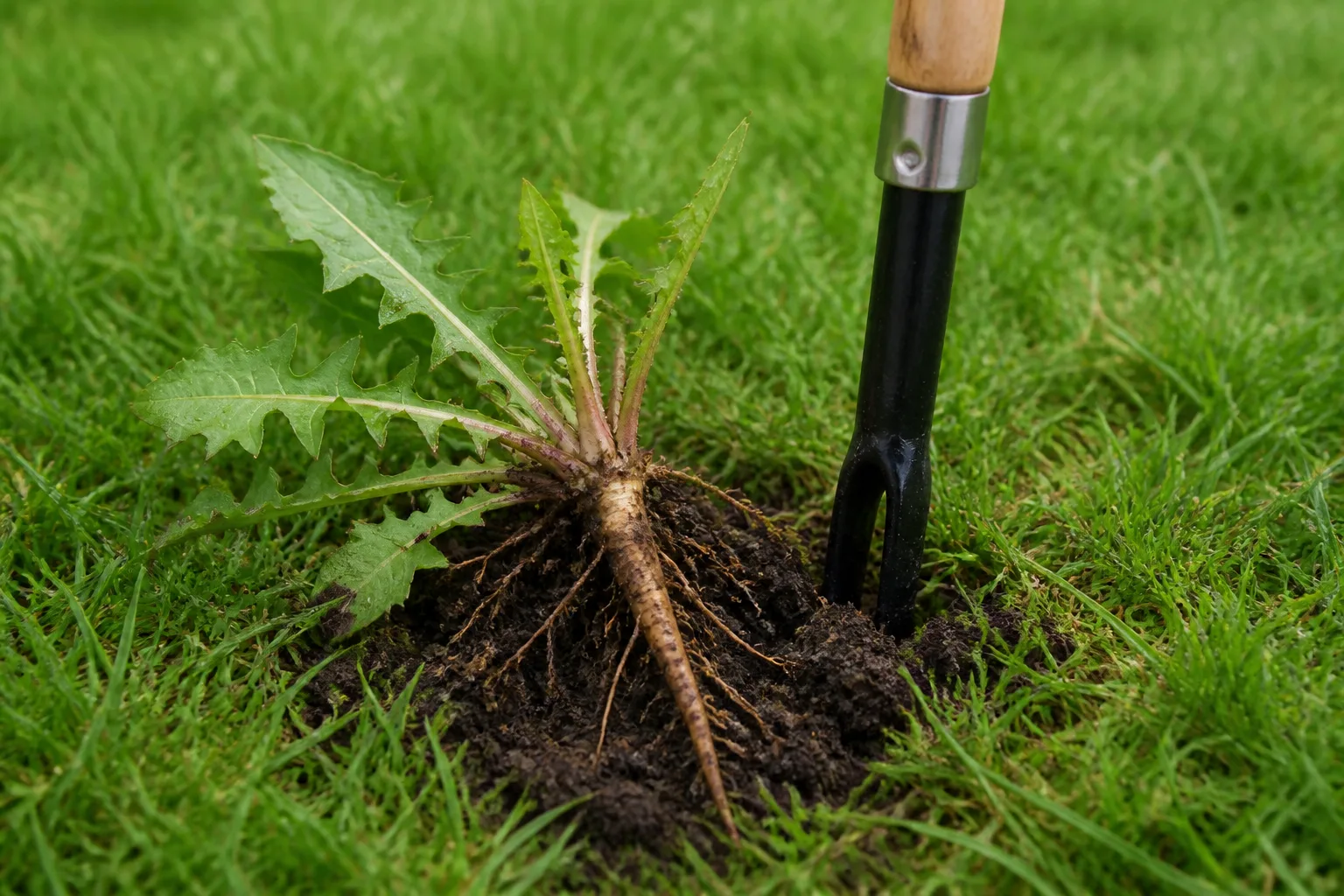
A perennial lives for more than two years. A practical overview of weed life cycles distinguishes annuals, biennials, and perennials, though regional calendars and species vary. Dandelions survive through a crown and deep taproot; other perennials spread through creeping roots, rhizomes, stolons, bulbs, or tubers.
A perennial may also produce seed. When its top growth is cut off but the crown or spreading structure remains alive, it can send up new shoots, which is why one quick pull or mow may not finish the job.
The life cycle gives you a timing clue, not a complete identification. A seedling that is too small to name should not be assigned to a control method just because it appeared in spring. Once identified, a local Extension guide can tell you whether its vulnerable stage is a rosette, a young seedling, or a flowering plant.
Seeds and underground growth solve different problems
Seed production helps a plant colonize open ground. Some species shed seeds gradually, while others release them in a short burst or attach them to clothing and animal fur.
Seeds also differ in when they germinate: light, soil temperature, moisture, and disturbance can affect which ones sprout. Penn State Extension’s 2025 profile of pigweeds describes annual plants that produce thousands of seeds and spread emergence over time, illustrating why a single round of pulling can reduce a patch without erasing it.
Underground structures make a different kind of persistence. A taproot anchors one plant; a crown can regenerate shoots; rhizomes and stolons can produce new plants along their length.
Digging or tilling a spreading perennial without knowing its biology may leave living fragments behind or move them into clean soil. If you see connected underground runners or a large patch of an unfamiliar perennial, pause and identify it before breaking up the soil.
Common Weeds Show Different Growth Strategies
Examples help with recognition, but common names are not reliable identification by themselves. Local species and look-alikes vary across the United States, and a plant’s age can change its appearance. Use these examples as clues, then confirm a plant with a regional field guide or Extension resource before attempting species-specific control.
Lawn plants: dandelion, plantain, clover, and crabgrass
Dandelions form a basal rosette of deeply lobed leaves and a yellow flower on a mostly leafless stalk. Their taproots help them persist in lawns, while their wind-dispersed seeds can establish in bare spots. They may be unwelcome in a uniform turf but tolerable in a less formal lawn; the practical decision is whether you want to maintain grass alone or allow flowering plants to share the space.
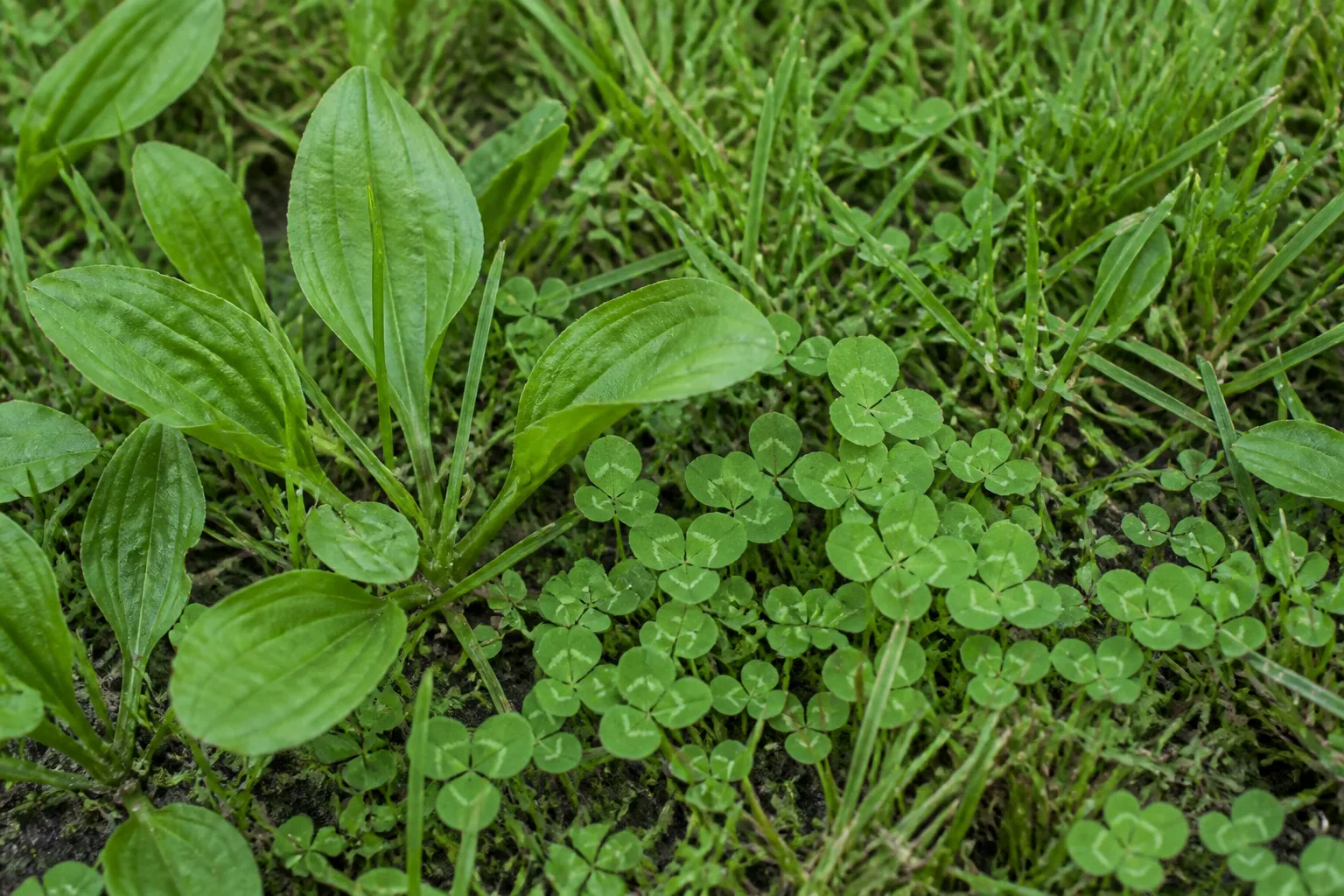
Broadleaf plantain grows as a low rosette with broad leaves and conspicuous parallel veins, then sends up narrow flower spikes. It often tolerates repeated foot traffic and compacted ground. If plantain repeatedly occupies thin lawn, pulling individual plants can help, but improving turf coverage and relieving the underlying site stress can make that patch less inviting to seedlings.
White clover spreads along the soil surface and has rounded leaflets, often with pale markings. Its small flowers attract insects, and it belongs to the legume family. That does not mean every lawn should keep it: decide whether the flowers and mixed texture suit the use of the lawn, and manage it if it crowds a planting or conflicts with a chosen turf standard.
Crabgrass is a warm-season annual grass that commonly takes advantage of thin turf and bare, sunny soil. Its growth can look sprawling, with stems radiating out from a central area.
Because the plant is a grass, a broadleaf weed treatment may not affect it; this is one reason identification should come before product selection. In all cases, herbicide labels specify the sites and target plants for which a product may be used.
Garden plants: purslane, pigweed, bindweed, and knotweed
Purslane is a low-growing plant with succulent leaves and fleshy reddish stems. In a dry, hot bed it can spread along the soil surface and root where stems contact moist soil. Gardeners sometimes discuss it as an edible plant, but a common name or resemblance is not enough to make a plant safe to eat: identification must be certain, the site must be free of unsafe treatments or contamination, and local food-safety advice should be followed.
Pigweeds are warm-season annuals in the genus Amaranthus. Penn State Extension notes that several species are difficult to distinguish when young and that mature plants can produce thousands of seeds. The practical takeaway is to remove a correctly identified pigweed before seed is mature, especially in vegetable beds where a small seedling is easy to pull and a mature plant can replenish the soil seed bank.
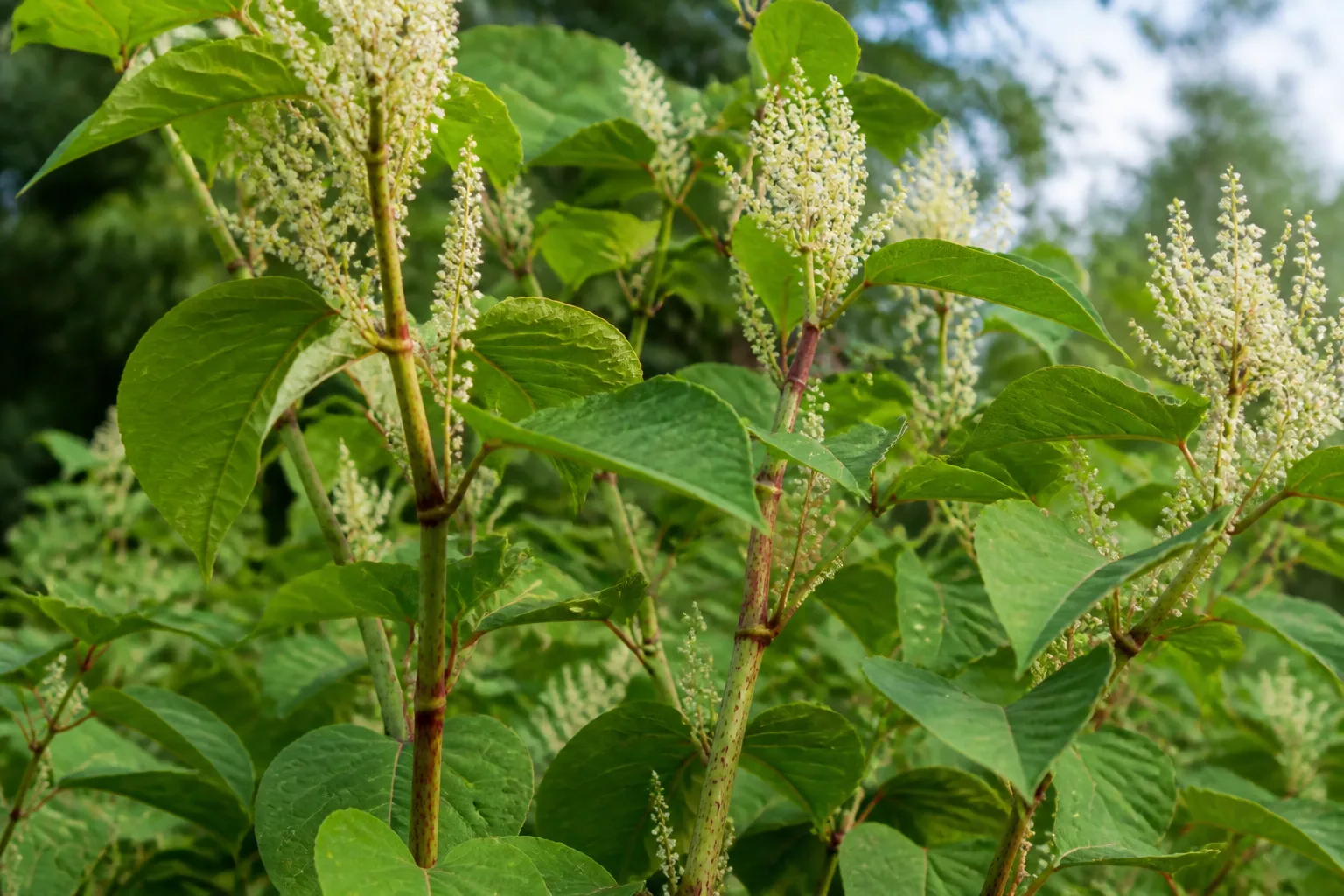
Bindweed is a twining perennial vine that can climb through neighboring plants; underground roots help it return after stems are removed. Japanese knotweed is a tall perennial with bamboo-like stems and broad leaves, but similar-looking plants exist, and its status and management guidance vary by region.
Do not treat either name as a diagnosis from one photograph. If a spreading vine or large colony is difficult to distinguish, photograph stems, leaves, flowers, and the whole growth pattern, then ask a local Extension office or invasive-species program before disturbing it.
How to Identify an Unfamiliar Plant Before Acting
A confident weed identification uses more than a flower color or a single leaf. Record the setting and the whole plant, including its growth habit, stem, leaf arrangement, flower or seedhead, and—only when safe and practical—root or spreading structures. If the plant is a hazard or may be regulated, keep your distance and seek local advice instead of digging it up for a closer look.
Record its setting, season, and growth pattern
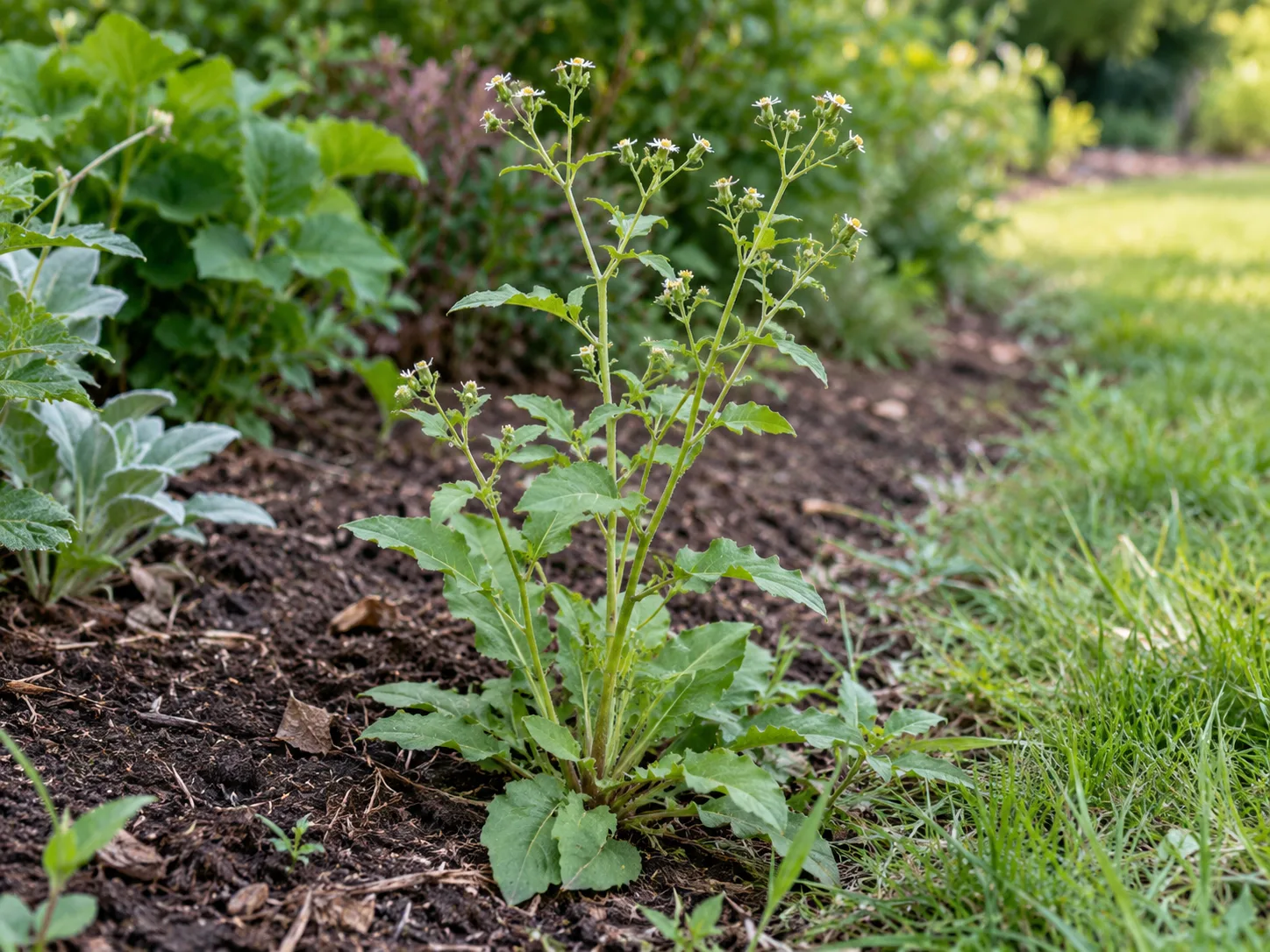
Write down where the plant grows: lawn, cultivated bed, gravel path, pond edge, fence line, or an undisturbed meadow. Note whether the spot is sunny or shaded, wet or dry, compacted or loose, and whether the plant appeared after soil was turned or after a neighboring area was cleared. These observations do not prove what a plant is, but they narrow down which species are plausible and may show why the plant is thriving there.
Notice whether it appears as one isolated plant, a low mat, a rosette, a clump, a vine, or a spreading colony. Mark when it emerges and whether the same spot produces it in later seasons.
A seedling flush after cultivation suggests a different pattern from shoots that emerge from a persistent patch of underground stems. Photos taken at more than one stage—young growth, flowering, and seed—are more useful than a close crop without scale.
Inspect the whole plant and confirm with a local guide
Check the leaf shape and arrangement on the stem, the stem’s texture or cross-section if safe, the flower and seedhead, and the plant’s overall height and branching. Look for the base of the plant: a single taproot, fibrous roots, a crown, or a creeping runner can affect both identification and later control.
Avoid tasting plants or handling unfamiliar species with bare skin. Poison ivy, stinging nettles, thorny plants, and toxic look-alikes can make casual investigation a poor trade.
Use a regional weed guide from a land-grant university or county Extension office to compare multiple features. A plant-identification app can suggest possibilities, but treat its result as a lead rather than confirmation, especially when the plant could be poisonous or subject to reporting rules. Share clear, unfiltered photos with a local Extension office, native plant society, or invasive-species coordinator when identification matters for safety or management.
When to Leave, Monitor, or Remove a Weed
Start with the consequences of leaving it. Manage a plant promptly when it is a verified regulated species, a known local invasive that threatens a nearby natural area, a health or livestock hazard, or a serious competitor in a food crop or young planting.
A plant that is simply unfamiliar, small, and isolated in an area where it is not crowding anything can often be monitored while you confirm its identity. Waiting a few days to identify a plant can be safer than pulling the wrong one; waiting until a high-spread plant has mature seeds can make control harder.
Next, consider what you want the space to do. A smooth lawn, a productive vegetable bed, a native pollinator garden, and a wildlife edge have different tolerances.
The Royal Horticultural Society’s weed guidance notes that many plants treated as weeds in British gardens are native wildflowers and that some may be useful to garden wildlife; that is a UK context, not a shortcut for deciding whether a species is native or beneficial in a North American yard. Blue Thumb’s pollinator-garden advice, from a Minnesota watershed program, similarly explains that a plant can be a weed in one place and tolerable or useful in another, while emphasizing that aggressive species can still undermine a planting’s purpose.
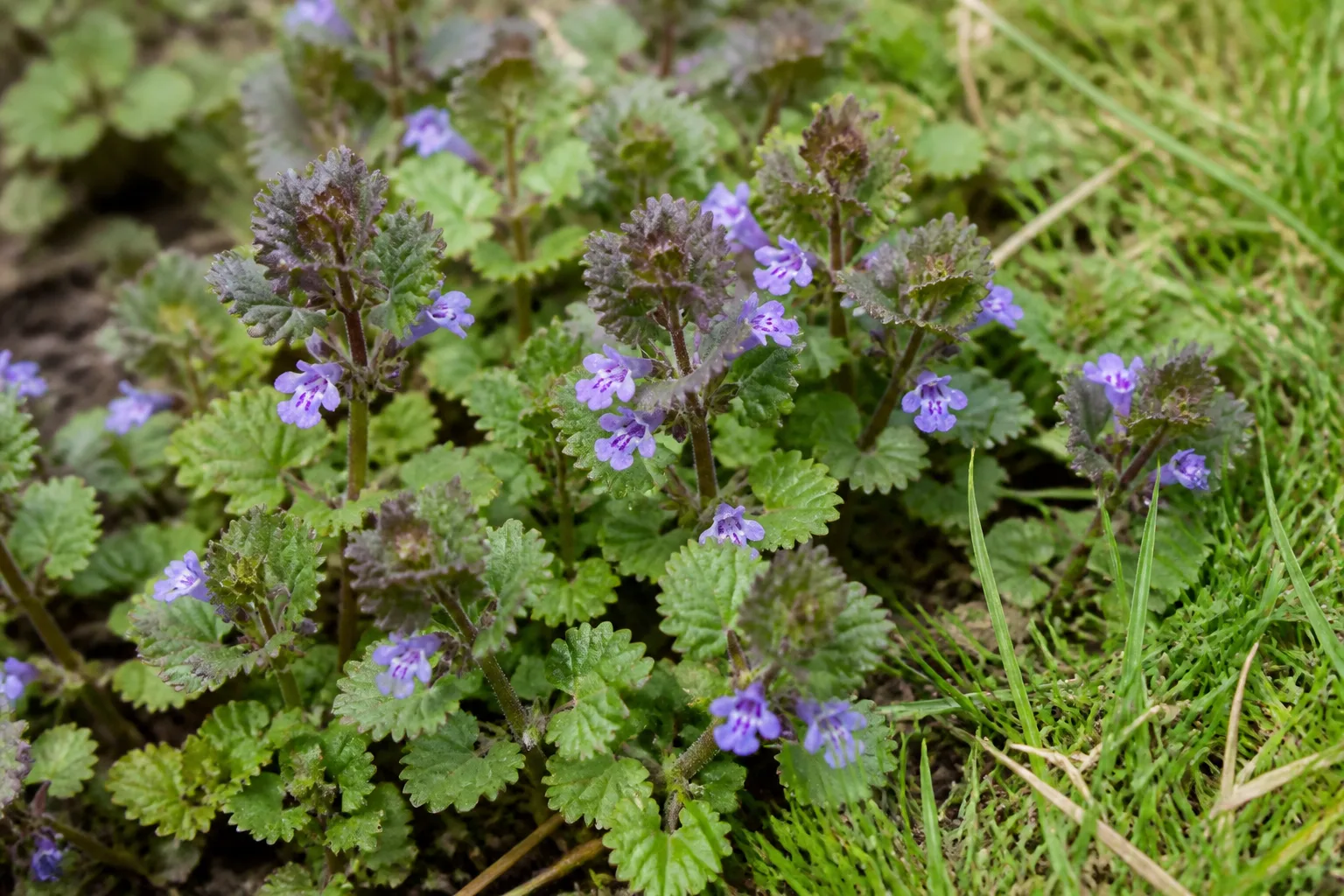
A simple decision sequence keeps the choice grounded: identify it; check safety and local status; assess the actual competition or spread; then decide whether to remove, contain, or tolerate it. If you choose to leave a low-impact flowering plant, keep it from moving into a crop bed or neighboring natural area by mowing, edging, or removing its seed heads at the appropriate stage. Do not assume an edible or medicinal use makes an unknown plant safe, and do not assume a plant is ecologically helpful just because it has flowers.
How to Manage a Weed Without Making the Problem Worse
There is no universal weed-killing method because the plant, site, and growth stage all matter. In a small bed, hand pulling or careful digging may be enough; in a lawn, restoring dense, suitable turf may address the opening that allowed weeds to establish; in an invasive-species situation, follow the local agency’s plan. Management is often a repeated process because seeds can arrive from elsewhere and perennial roots can survive the first attempt.
Match the method to the life cycle and site
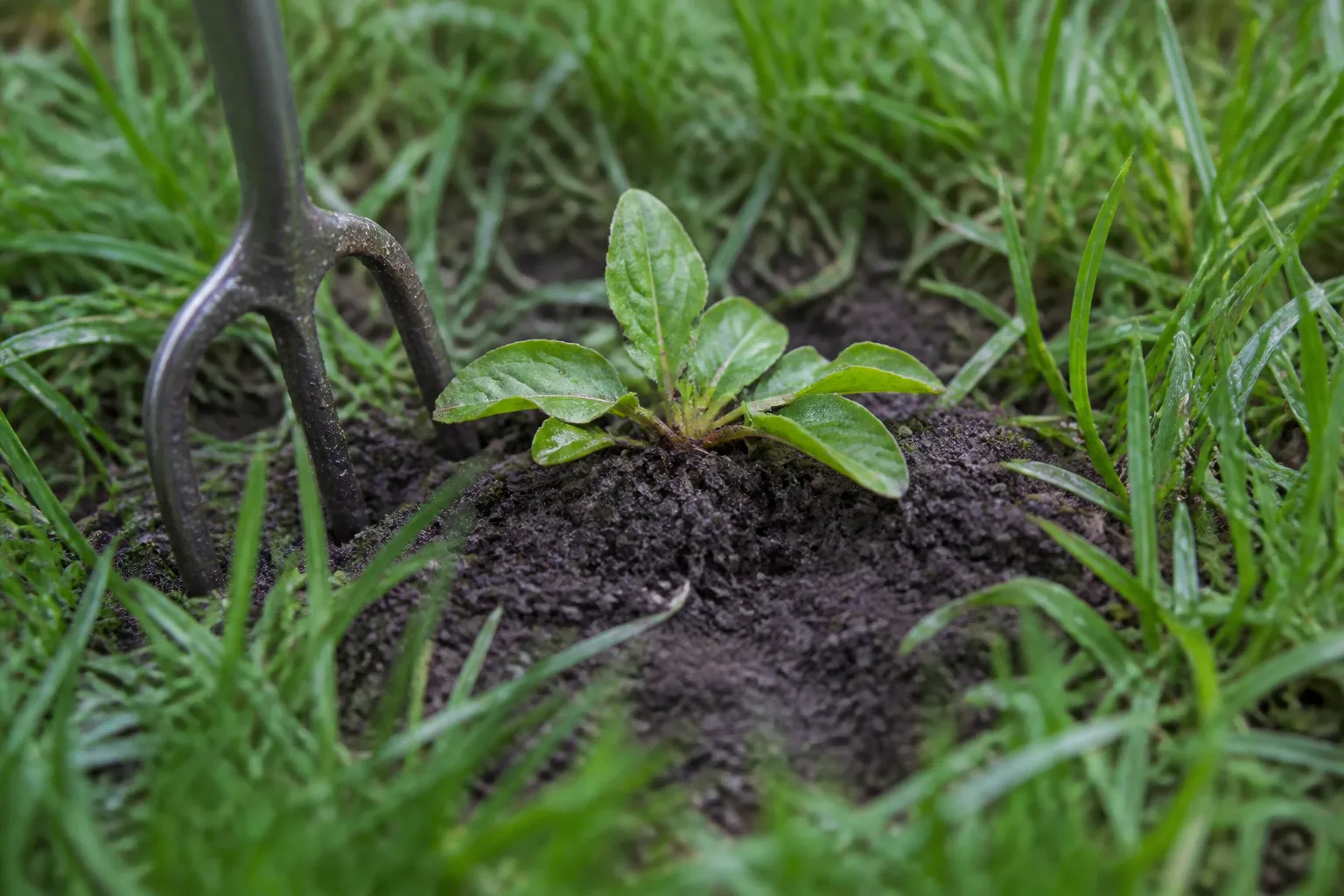
For annual weeds, focus on preventing seed production. Pull or hoe young plants while they are small, then remove mature seed heads before they disperse.
Penn State’s recent pigweed guidance describes hand removal of seedlings and cutting mature plants before seed formation as ways to limit new seed, while also warning that species-level identification can be challenging. If a plant has already set seed, bagging or disposal may be safer than putting it in a cool home compost pile; check local yard-waste rules because composting systems differ.
For perennial weeds, identify whether the plant depends on a taproot, crown, rhizome, tuber, or runner. Digging works best when you can remove or exhaust the regenerative structure without damaging valued plants.
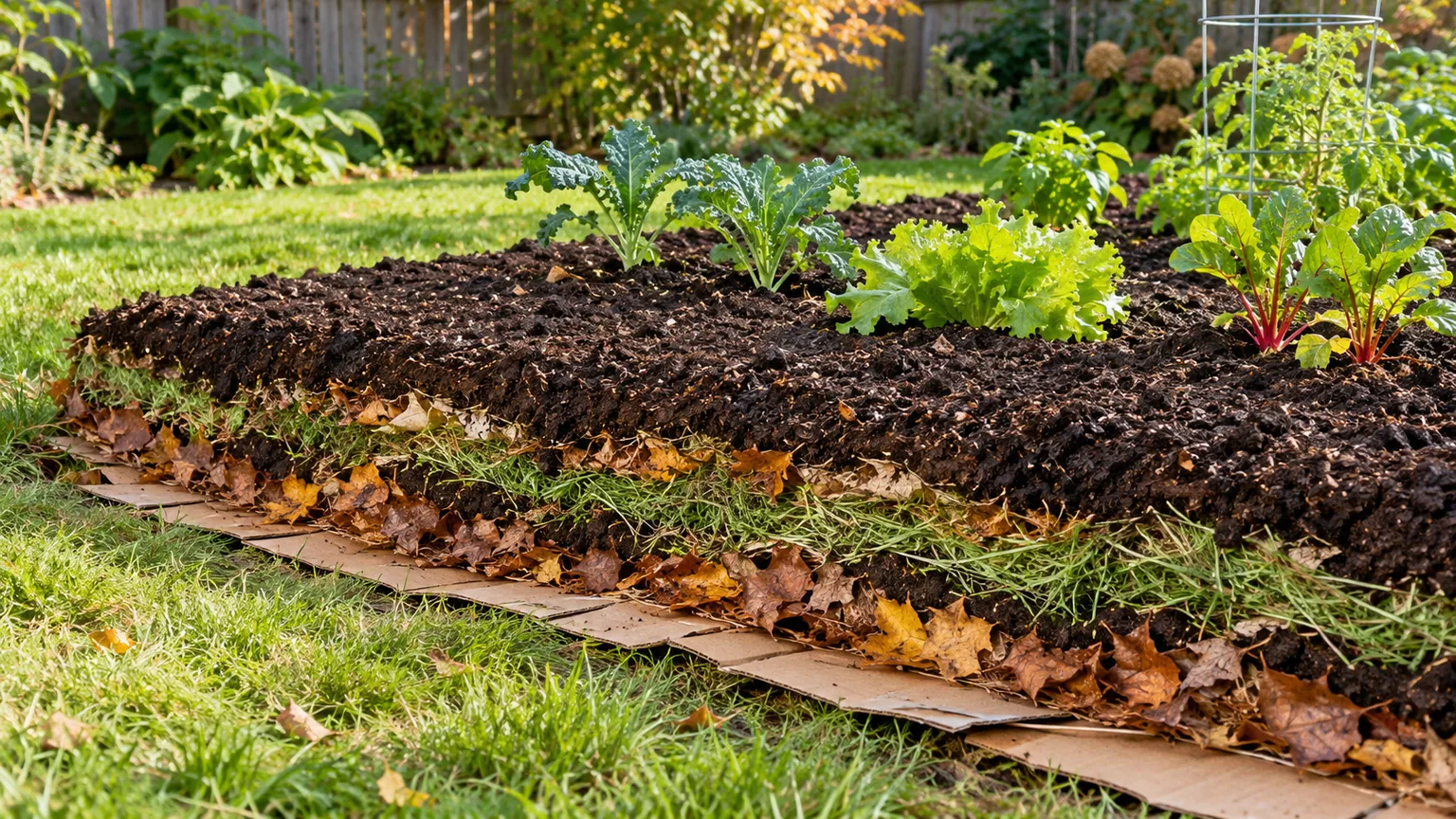
Repeated cutting or mowing may weaken some species but does not guarantee eradication; a rhizomatous patch can recover from fragments, so avoid indiscriminate rototilling. Mulch can suppress some seedlings by blocking light, but it will not stop every perennial that pushes through or grows in the mulch itself.
Prevention reduces the number of open sites weeds can occupy. Keep beds planted or mulched where appropriate, avoid repeatedly exposing bare soil, clean soil from tools after working in a spreading patch, and improve lawn conditions that favor the grass you intend to grow. In a new pollinator garden, a temporary flush of weeds does not mean the planting has failed; Blue Thumb recommends repeated early-season attention while desired plants establish, then notes that a mature, densely planted garden can suppress many newcomers.
If you choose an herbicide, first confirm that the product is labeled for the plant and site. Follow the complete label for application rate, protective equipment, weather limits, nearby plants, re-entry, and disposal; a product appropriate for a driveway crack may be unsafe around a vegetable bed or desirable broadleaf planting.
Avoid household salt, vinegar, or boiling-water “recipes” as blanket solutions: they can injure wanted plants, affect soil or nearby organisms, or create burn and drift hazards without solving a perennial root problem. For a difficult, regulated, or large infestation, ask a local Extension office or land manager for a species-specific plan.
Conclusion
A weed is a plant that conflicts with the purpose of a particular place, not a botanical category that automatically means danger. Identify it before you act, separate ordinary unwanted growth from invasive or regulated species, and choose whether to remove, contain, monitor, or welcome it based on its life cycle, risks, and role in your garden.