How to Support Native Toads in California Gardens
Build a shaded, no-water refuge for California toads, choose plants from county lists, and manage mosquito risks without promising pest control.
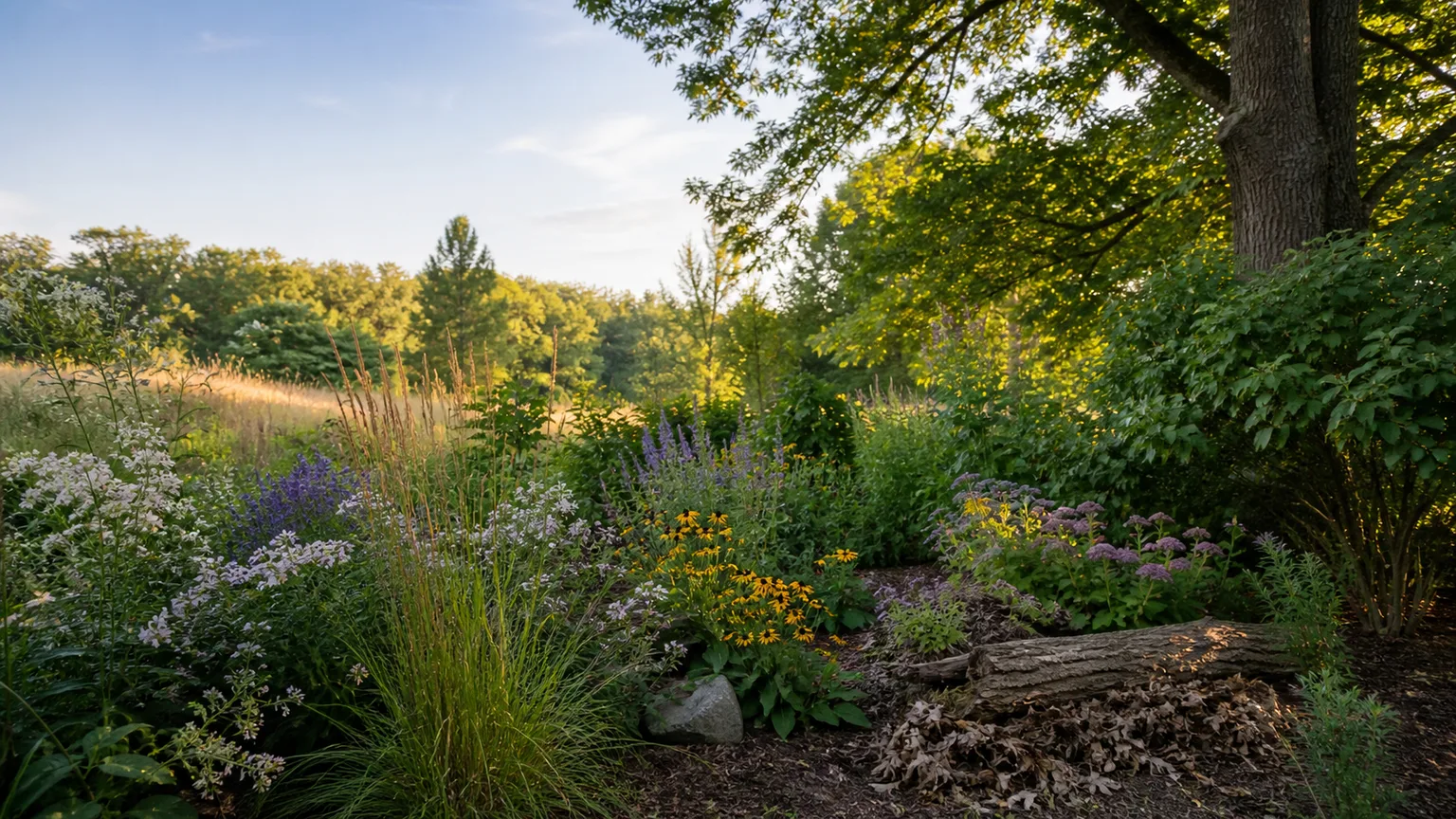
A California yard can be more usable by native toads when it offers shade at ground level, protected places to rest, and cover that routine maintenance does not erase. Start with a quiet, naturally draining corner. It can offer cover to wildlife already nearby, but it cannot replace the aquatic habitat toads need to breed or make them dependable pest control.
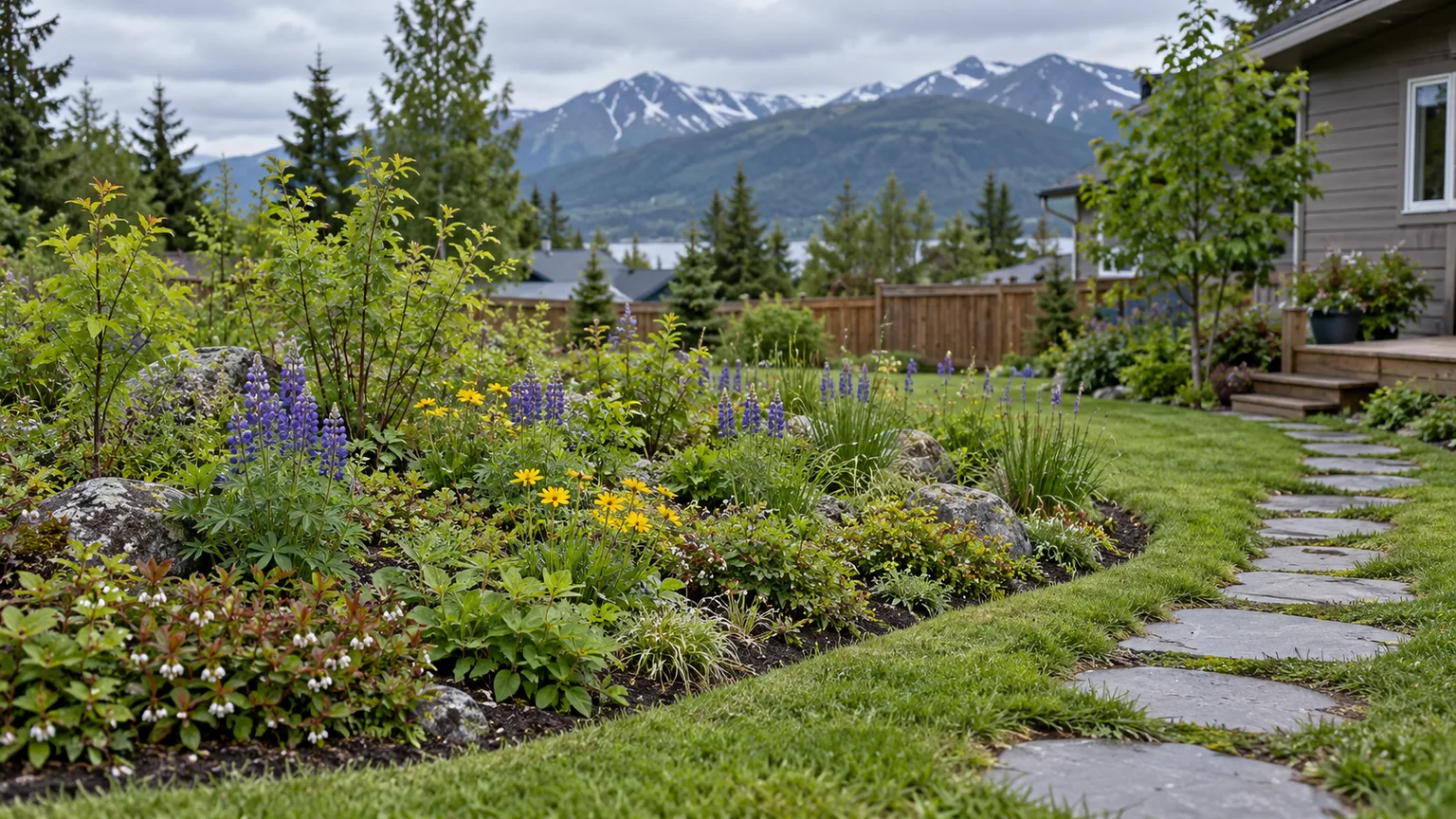
The lead garden image is illustrative: it does not show a toad or document a particular California site. The cross-section below is the guide’s toad-specific refuge diagram.
What a toad-friendly garden can—and cannot—do
A wildlife-friendly garden can give a toad cover from heat, a place to hide, and access to the small invertebrates it eats. The National Park Service describes Western toads using a wide range of California habitats, feeding on invertebrates, and taking refuge in rodent holes, rock chambers, and root hollows (NPS Western Toad profile). A yard with layered plants and undisturbed shelter may be usable habitat if toads already occur nearby.
A garden cannot create a local toad population by itself or turn toads into a dependable pest-control method. They eat invertebrates, but their diet and movement are not under a gardener’s control; manage mosquitoes and plant damage with direct, appropriate maintenance.
Keep the goal modest: make a safe corner that works for wildlife and still fits how you use the yard. A tidy path, clear drains, and a shaded refuge can coexist; a whole garden does not need to become wet or overgrown.
Which California toads might use a yard?
“California toad” can refer to a particular subspecies, while other native toads have different ranges and life histories. The National Park Service identifies the California toad as Anaxyrus boreas halophilus and notes its association with ponds, streams, springs, and marshes in the Presidio region (NPS California Toad profile). The Western toad is broader in range and occupies a variety of habitats across much of California (NPS Western Toad profile).
Do not assume that a photo, a common name, or a sighting in another part of the state tells you what lives in your yard. Elevation, rainfall, nearby streams or wetlands, and county all matter. If you want to choose plants or report a concern, identify the local species through a California wildlife agency or a qualified naturalist rather than relying on a generic “toad-friendly” list.
California toads and Western toads
The National Park Service records California toads as breeding in standing water, and its Santa Monica Mountains account describes adults hunting on land for much of the year before moving toward ponds or pools to breed (NPS California Toad profile; NPS breeding account). Western toads also use moist terrestrial refuges outside the breeding period, then move to still or barely moving water for eggs and tadpoles (NPS Western Toad profile).
California has other native toads, including several spadefoot species. The California Department of Fish and Wildlife lists Couch’s, Western, and Great Basin spadefoots in the state, underscoring why a single statewide recipe cannot cover every animal called a toad (CDFW spadefoot toad overview). Do not move a toad, eggs, tadpoles, or water between properties to “help” a population.
If you see an unfamiliar amphibian, photograph it from a distance and record the general location and date. The California Department of Fish and Wildlife’s amphibian information page links to life histories and range maps; a local wildlife agency, nature center, or university extension office can help with a site-specific identification.
Where native toads spend most of the year
Toads need aquatic sites for reproduction, but adults are not confined to a pond. The NPS Western Toad profile describes individuals using moist terrestrial habitat for much of the year and refuges such as root hollows and rock chambers to avoid heat and cold (NPS Western Toad profile). It also describes spring movement from land toward wetland breeding areas in the Santa Monica Mountains.
That life pattern makes a shaded ground-level refuge a more practical garden feature than an ornamental water dish. Look for a quiet edge where soil is cooler than open paving and an animal can move under cover without crossing a frequently used path.
If no native toads live within dispersal distance, adding a shelter will not bring them to the yard. A garden feature cannot replace wetlands, safe movement routes, or regional habitat.
Build terrestrial shelter that stays cool
Start with shade and a stable hiding place. A short log, a broad flat stone, or a rooty bed edge can create a protected space at soil level. Place it where the garden already drains freely, with enough room around it to avoid trapping an animal beneath a loose stack.
The scene should stay cool through natural cover, not by keeping a wet patch constantly irrigated. A little moisture in the soil after rain is different from a saucer or low spot that holds water. If the location remains soggy after watering, move the refuge to higher ground or correct the drainage.
Use logs, stones, and leaf litter carefully
A modest log pile can provide gaps for amphibians and shelter for the invertebrates they may eat; BBC Gardeners’ World describes logs, long grass, shrubs, and compost as features that can support wildlife, including amphibians (BBC Gardeners’ World wildlife garden guidance). Fine Gardening’s garden feature also shows how mixed planting and refuges can make a garden more welcoming to toads and other wildlife (Fine Gardening wildlife feature).
Use untreated, naturally weathering wood and stable stones. Keep the pile away from foundations, outdoor electrical equipment, children’s play areas, and places where pets may disturb wildlife or the shelter could block access. Do not seal a toad into a pot, pipe, or box; any shelter should have a clear opening and an uncomplicated route out.
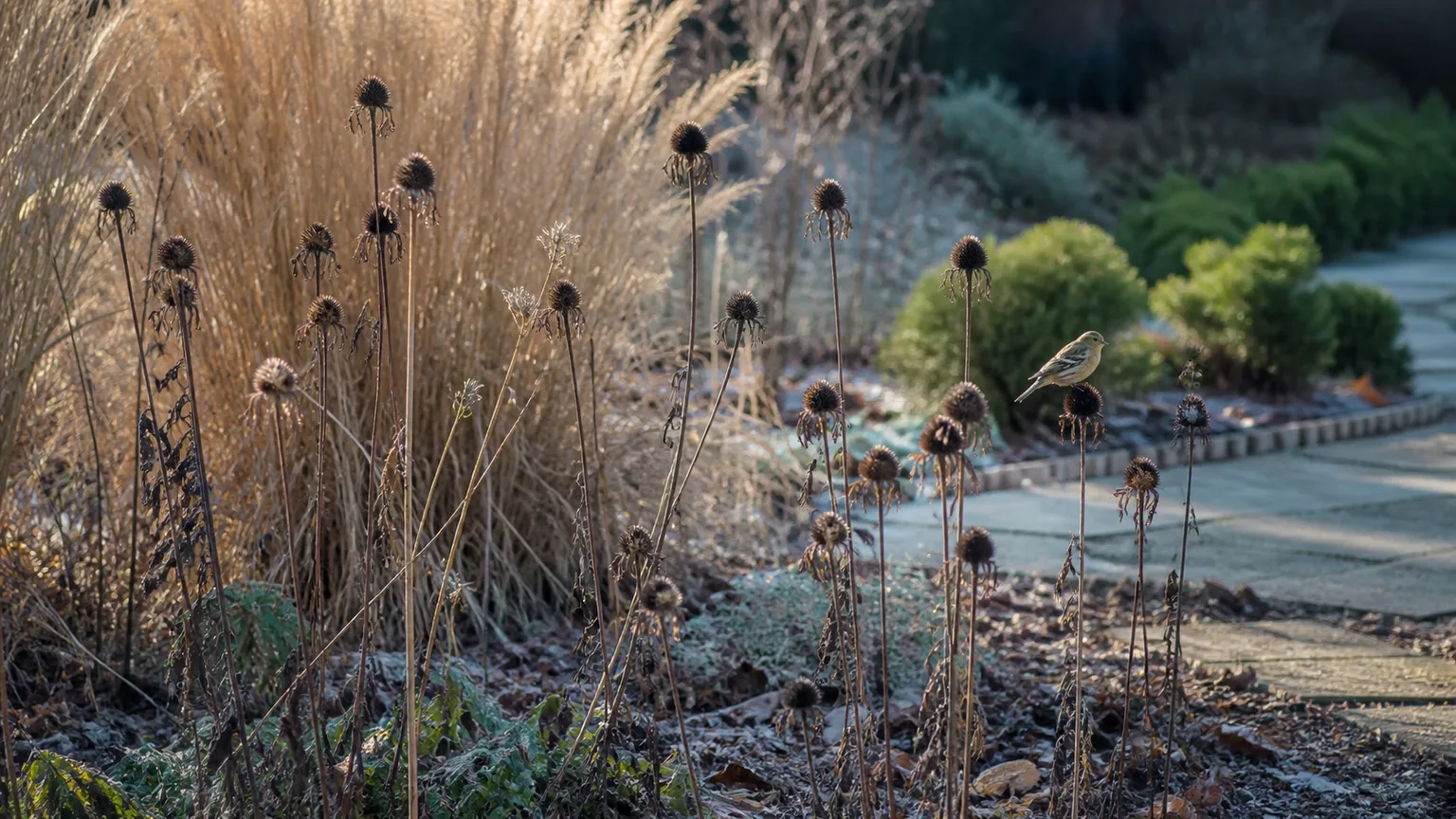
Leaf litter can be left in a small, intentional patch under shrubs instead of being spread over every bed. Keep it thin enough to inspect, pull it back from plant crowns and drains, and remove material that becomes persistently waterlogged or diseased. For a broader approach to leaving habitat in the garden through seasonal cleanup, see our guide to plants and stems to leave for birds.
Make a no-water refuge
Choose a spot under an existing shrub or beside a fence where the ground gets shade during the hottest part of the day. Set one short, stable log partly against the soil, or place a broad stone so there is a shallow sheltered gap beneath it. Leave both sides open so wildlife has a clear route in and out; do not balance loose rocks or use a pot that could trap an animal.
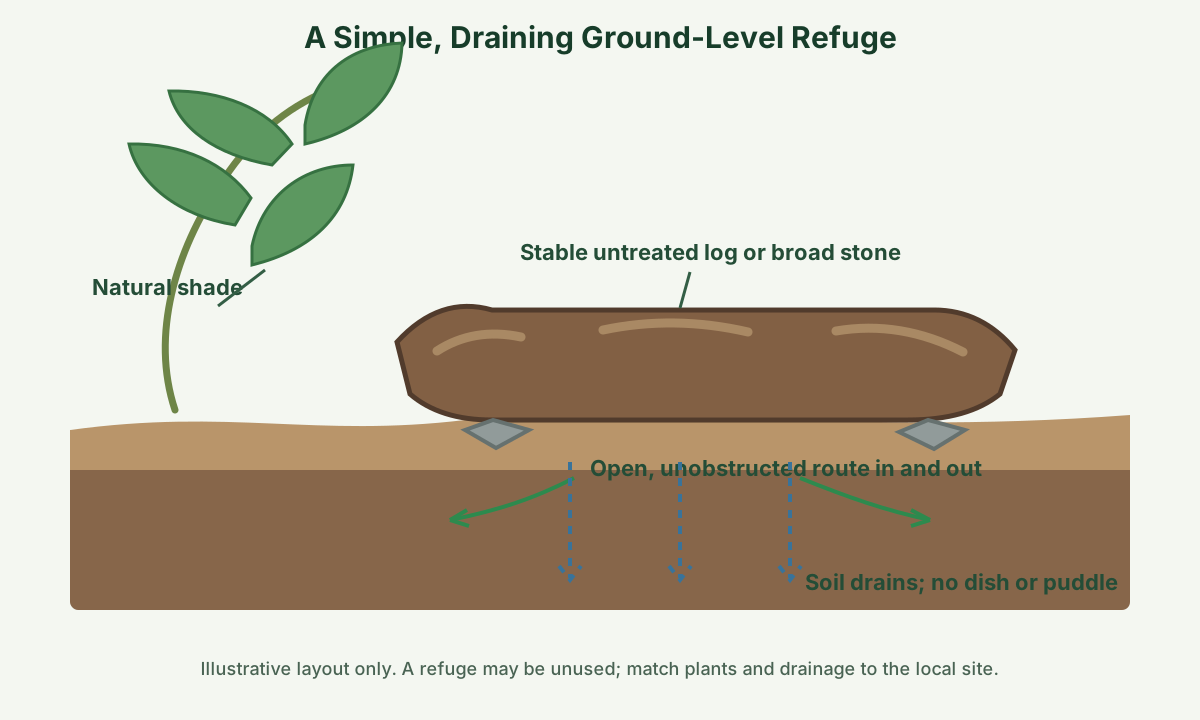
Do not add a water dish or mist the refuge on a calendar schedule to keep it “toad-ready.” If the site stays soggy, move the shelter or correct the drainage rather than watering it more. Check from the outside during ordinary yard work; if it is flooded or unstable, wait until you can safely adjust it without disturbing an animal.
Choose plants for ground cover and cool soil
Plants help when they shade ground at resting height, but California conditions shift between coastal fog, hot inland valleys, deserts, and mountain elevations. There is no statewide toad-plant mix: choose plants that are locally native and fit your county’s soil, sun, rainfall, and water budget.
Use a county list for one real plant choice
In Sonoma County, the Milo Baker Chapter of the California Native Plant Society maintains separate resources for shade-tolerant plants, plants suitable under oaks, and stream-side plants. Its shade list marks sword fern (Polystichum munitum) as tolerant of heavy shade. That makes it a site-matching candidate where the plant suits local soil and water conditions; the list does not establish a toad preference. These CNPS resources are regional examples, not a statewide recipe; elsewhere, check a nearby chapter or county UC Cooperative Extension list. Our guide to native perennials offers a general planning framework, and why native plants are popular explains how regional plants fit local growing conditions.
Keep irrigation aimed at plant roots and adjust it to the actual soil. Overwatering can create puddles while leaving a different area dry, and a dense canopy is not a reason to keep the bed saturated. Mulch can soften exposed soil, but keep it off stems and drains and avoid building a damp bridge against the house.
Manage garden water without creating mosquito habitat
The safest default is not to add open standing water for toads. UC IPM explains that mosquitoes can use ponds, birdbaths, saucers, and other objects that hold water; some eggs hatch within a couple of days, and in summer a complete egg-to-adult cycle can take a week or less depending on temperature (UC IPM mosquito guidance). A shallow dish or a promise to refresh it later is not a guarantee against breeding.
This risk is easy to underestimate because some eggs can be laid on damp surfaces above the waterline and survive dry periods until they are flooded. Repeated wetting of the same saucer can therefore restart hatching even after it appears dry. The more reliable garden strategy is to remove unneeded water-holding objects and fix the source of persistent pooling.
If your yard already has a managed pond or water garden, treat it as a separate project with its own wildlife and mosquito trade-offs. Do not stock fish, add chemicals, or build a pond solely to support a toad in a garden bed. If a pond is part of broader plans, review our garden pond design and maintenance guide and ask the local mosquito and vector control district about site-specific management.
Remove small water-holding objects
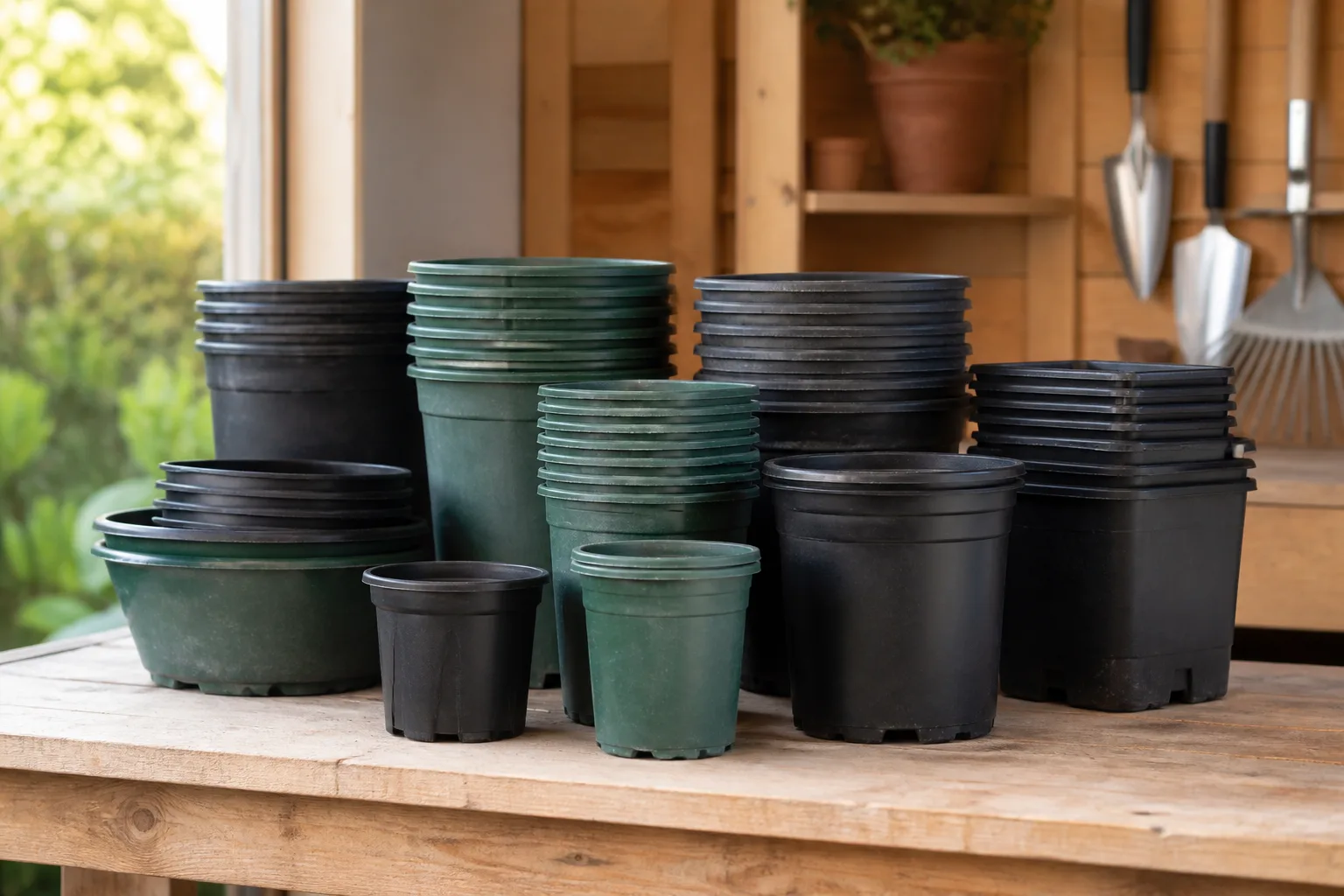
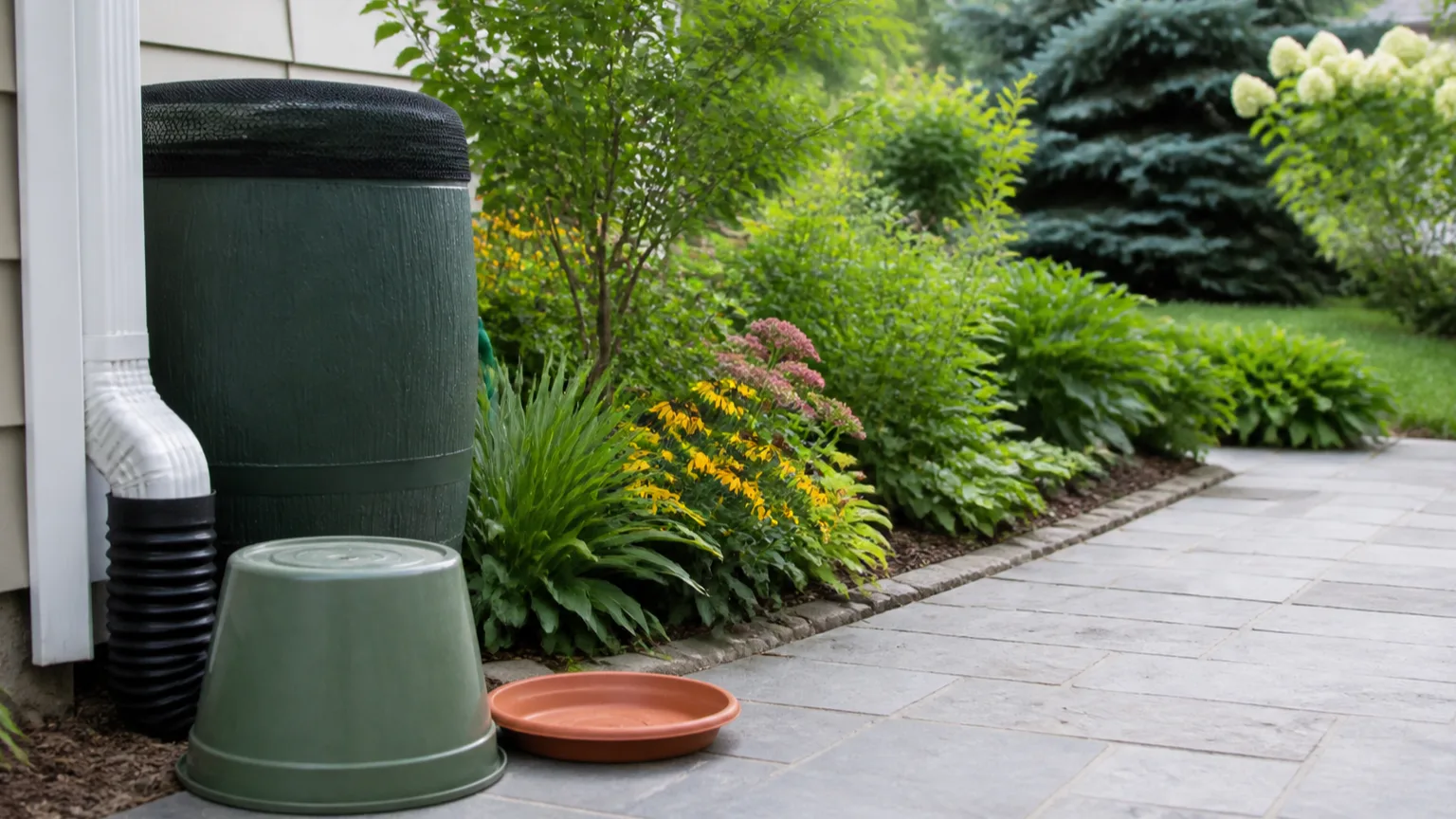
After watering or a rainstorm, check the everyday items that quietly collect water: plant saucers, buckets, wheelbarrows, toys, tarps, clogged gutters, drains, and unused containers. Empty them, store them upside down, cover them, or remove them if they are not needed. Do not rely on a container’s small size; UC IPM notes that even small amounts of standing water can support mosquito development (UC IPM mosquito guidance).
Look closely at the place where a pot rests. Water may remain in the saucer beneath it or in a folded liner nearby even when the surface of the garden bed looks dry. For more mosquito-specific source-reduction steps, see our guides to mosquito-attracting patio mistakes and outdoor mosquito management.
If water is needed for birds or another purpose, follow local vector-control guidance and maintain that feature for its actual use. Keep it separate from the terrestrial refuge.
Inspect irrigation, drainage, and rainfall
Check for leaks at hose connections, emitters, valves, and low spots after irrigation. A slow drip can keep soil soggy around a foundation or create a small basin that is easy to overlook under foliage. Repair leaks and adjust a sprinkler that repeatedly wets a paved edge or sends water into a blocked drain.
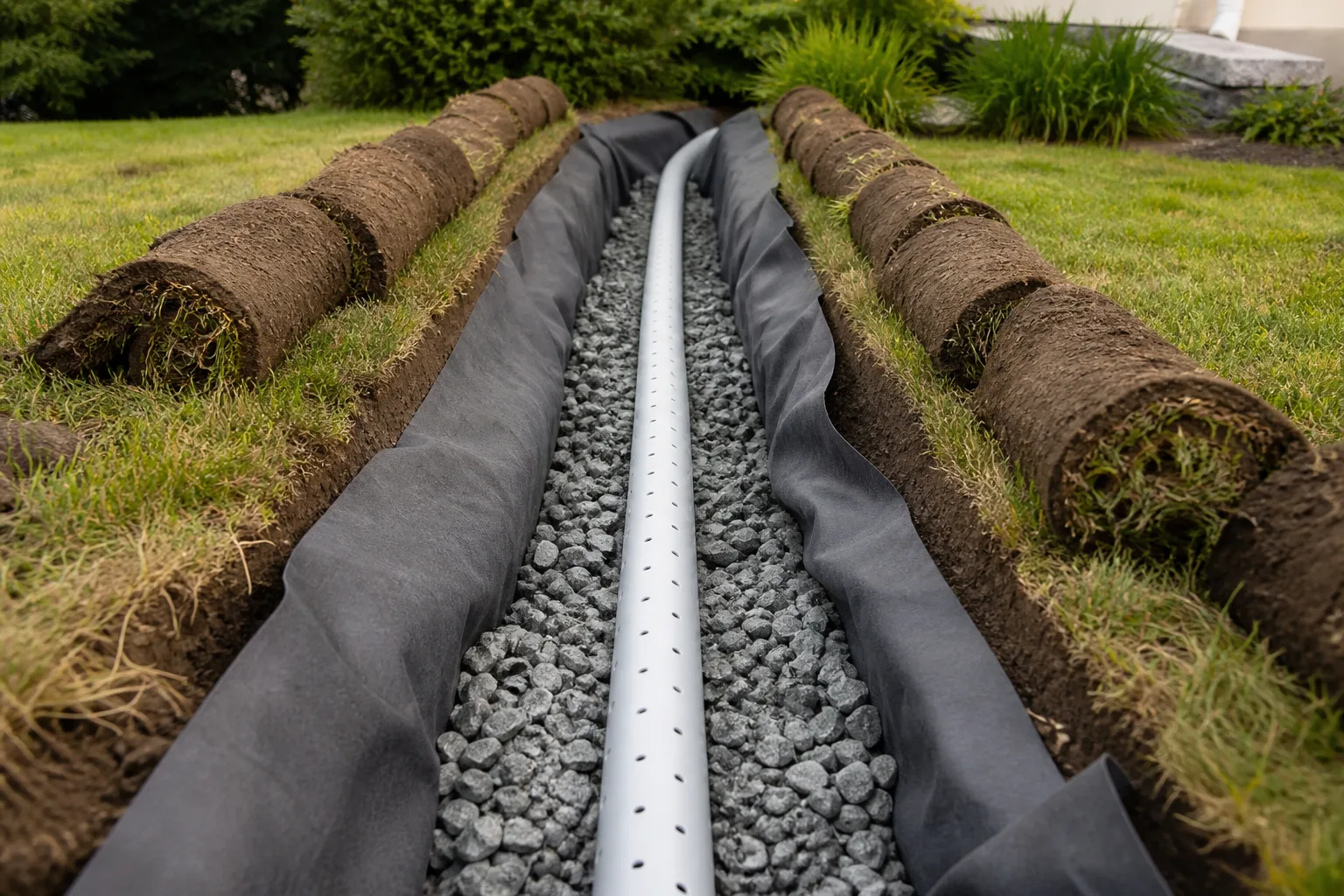
After heavy rain, walk the route water takes through the yard. Clear debris from drains, correct a small depression if it is not part of a designed rain garden, and redirect downspout discharge only where it will not flood a neighbor’s property or a building. A garden intended to capture stormwater needs deliberate design and local maintenance; it should not be improvised as a toad feature.
Treat each recurring puddle as a drainage question first. If it is near a foundation, retaining wall, septic component, or slope, get qualified advice before digging or changing the grade. For an ordinary bed, the simple fix is often to change the irrigation schedule or clear a blocked outlet rather than adding more water.
Understand breeding habitat and its limits
Adult shelter is terrestrial, but toad reproduction is not. NPS reports that California toads use ponds or pools for breeding, and eggs and tadpoles develop in water; during a California drought, researchers observed that suitable pools became scarce and breeding was delayed (NPS breeding account; NPS drought observations). It is a landscape-scale need, not a small garden feature’s job to solve.
Do not collect eggs or tadpoles from a pond, move adults between properties, or release aquarium animals. The National Park Service describes hygiene measures used to reduce the risk of carrying disease between amphibian habitats (NPS amphibian disease guidance). If a known breeding pool on your property is at risk from construction, pesticide application, or sudden drainage changes, ask a qualified wildlife professional before intervening.
A homeowner who wants to support breeding habitat should first learn whether the property has an existing wetland, seasonal pool, or drainage feature and whether any local permits or wildlife guidance apply. Building a backyard pond is a different project, with water quality, access, mosquito management, child safety, and ongoing maintenance to plan. A shaded log refuge remains the simpler option for a small yard.
Reduce pesticide exposure without promising pest control
Avoid routine broad-spectrum spraying in the refuge area. In a laboratory study of two recently metamorphosed treefrog species, researchers measured pesticide uptake through skin after exposure to treated soil and direct overspray; body burdens were higher after overspray in that experiment (pesticide uptake study). The study did not test California toads or every garden formulation, so it supports limiting avoidable contact rather than predicting a particular product’s effect.
Start with identification and thresholds before treating a garden pest. Hand-pick a small number of visible pests, protect seedlings with a barrier, or change a plant’s watering and spacing when that addresses the actual problem. If a pesticide is necessary, use only a product labeled for the pest and site, follow the label exactly, and avoid drift or runoff toward the refuge, water, or wet soil.
Do not substitute a homemade spray, slug bait, or “natural” product on the assumption that it is wildlife-safe. Products can still affect non-target organisms. The purpose of a toad-friendly corner is to preserve some habitat and prey, not to create a pesticide-free guarantee for the whole property or depend on a toad to remove a pest.
Make yard work safer for toads
Before moving a log, stone, pot, tarp, or pile of leaves, look and listen for wildlife. Lift objects slowly from one edge rather than dropping them, and set them back only if the spot remains stable. Avoid using a leaf blower, mower, or string trimmer directly against a shelter without first checking underneath.
Keep the refuge away from places where a toad must cross a driveway, road, or frequently used path to reach another hiding place. The NPS notes that Western toads can move between terrestrial refuges and breeding waters, and may be exposed to traffic during breeding movement (NPS Western Toad profile). A home garden cannot solve roadway hazards, but it can avoid adding avoidable barriers such as loose mesh, sticky traps, or uncovered pits.
If a toad is already in the work area, pause and give it a clear route to cover. If it appears injured, trapped, or at immediate risk, contact a local wildlife rehabilitator or California wildlife agency for instructions.
Adjust the habitat to California’s wet and dry seasons
California gardens do not share one rainfall calendar. Coastal yards, inland valleys, deserts, and mountain communities have different dry periods, winter storms, and temperature swings. NPS accounts of Western toads in Southern California describe breeding after rains and unusual breeding observations during a prolonged drought, a reminder that timing can shift with weather and elevation (NPS drought observations).
In the dry season, focus on lasting shade, protected soil, and a stable refuge rather than keeping an entire bed damp. In the rainy season, inspect low spots, saucers, gutters, and downspouts because temporary water can collect in objects that were dry all summer. Let the refuge follow seasonal moisture; it need not stay suitable year-round.
Maintain the garden in zones. Keep paths, drains, vegetable beds, and building edges functional, then leave a smaller corner with cover and less frequent disturbance. Selective cleanup gives you control over fire risk, plant disease, and access while retaining some structure for wildlife.
Know when to call a local expert
Ask for help when you cannot identify an amphibian, find eggs or tadpoles in an area scheduled for work, or have a persistent mosquito problem that remains after obvious containers and leaks are addressed. Your county mosquito and vector control district can inspect or advise on local breeding sources; UC IPM also recommends contacting the local agency for mosquito-management information (UC IPM mosquito guidance).
For a species or habitat question, contact the California Department of Fish and Wildlife, a local land manager, or a qualified wildlife professional. Do not use internet advice about species from another region to make decisions about a protected site, a wetland, or a breeding pool.
A simple plan for a small garden
You can start with one shaded corner and four checks:
- Pick the refuge. Choose an area that stays shaded for part of the day and is not next to a road, drain, foundation, or frequently used path.
- Add stable cover. Leave one untreated log or a broad stone on naturally draining soil, with a clear opening and route out.
- Plant for the site. Use regional plants with ground-level cover, matching sun and water needs instead of keeping the soil constantly wet.
- Check for mosquito water. After rain and irrigation, empty or cover objects that hold water and repair drips or blocked drainage.
Then leave the corner undisturbed and observe from a distance. A toad may use it, another animal may benefit, or nothing may arrive; all three are normal outcomes. A habitat feature is a small contribution, not a guarantee of wildlife occupancy.
Author and method: This guide was written by Sai Ananth, LeafyPixels’ lead content writer. His profile documents a B.Pharmacy degree, pharmacognosy coursework, and indoor-gardening experience; it does not claim wildlife or herpetology credentials. This is a desk-based synthesis, not a property survey, direct toad observation, or pesticide test. Species and habitat details were checked against National Park Service and California Department of Fish and Wildlife accounts, mosquito guidance against UC IPM, planting options against regional CNPS lists, and the pesticide discussion against a laboratory study of two other frog species. The reviewer field identifies the LeafyPixels Review Board, but this page does not name a wildlife specialist or document a page-specific field review. The assigned Positive Bloom article (competitor context only; not factual evidence) informed topic coverage only and did not verify factual claims.
Conclusion
Start with one shaded refuge on naturally draining soil, then choose plants from a county list such as the Milo Baker CNPS shade list. Leave species, breeding-site, and pesticide questions to local wildlife or vector-control professionals.