Native Perennials by USDA Zone: 3 Picks to Grow for Years
Use your USDA zone, ecoregion, sun, and soil to choose native perennials that support pollinators and return year after year.
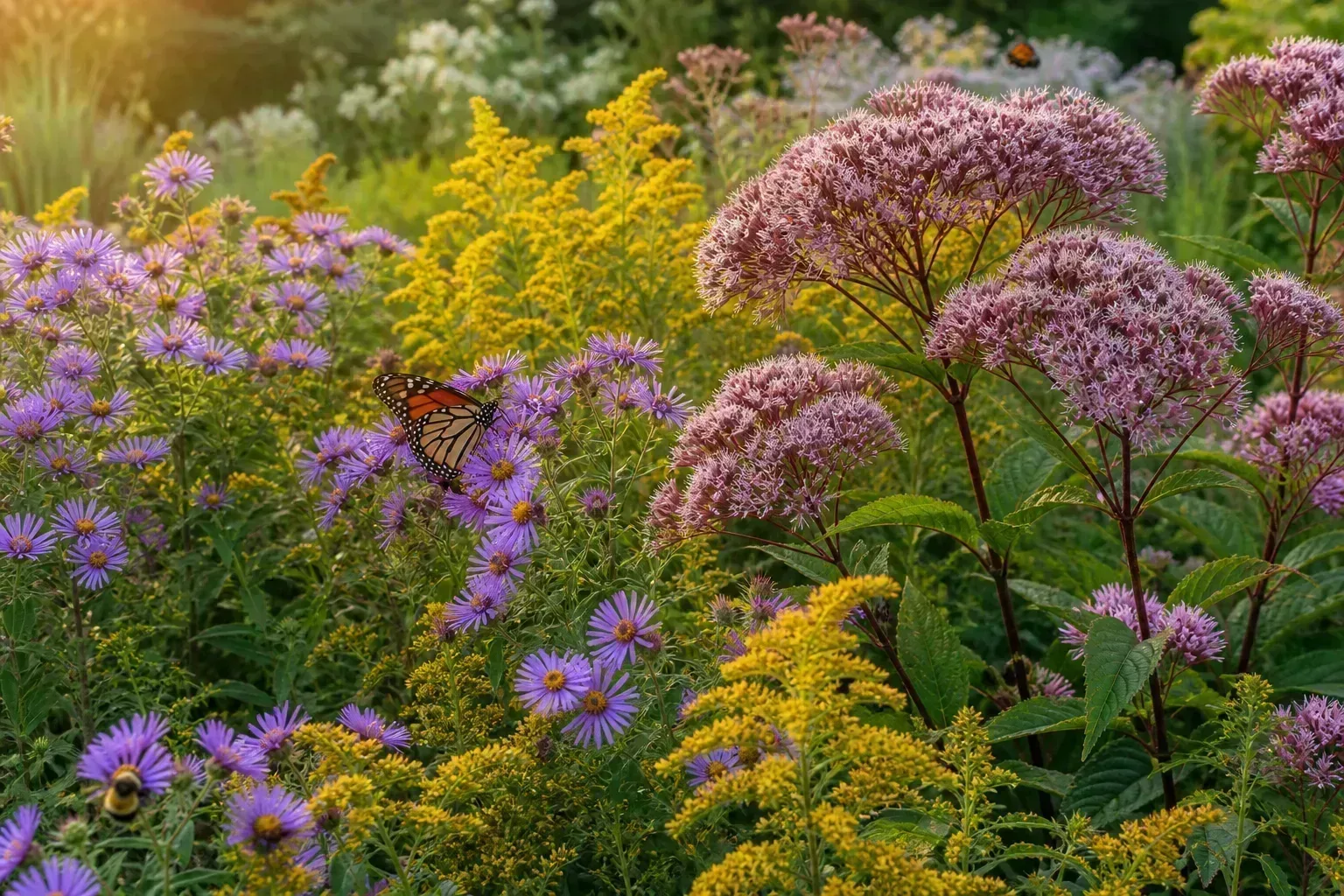
The best native perennial for your yard is not chosen by a zone number alone. USDA hardiness tells you whether a plant is likely to survive your average coldest winter, while native status tells you whether the plant belongs to your local ecological story. You need both pieces of information—and then you still need to match the plant to sun, soil, moisture, and mature size.
That distinction matters because a USDA zone can stretch across several states, elevations, and ecosystems. A plant that is native in one part of Zone 6 may be non-native, poorly adapted, or invasive in another. Use the choices below as a researched shortlist, then confirm each species with a local native-plant nursery, conservation district, botanical garden, or extension service.
Why Zone Is Only Half the Planting Decision
The USDA Plant Hardiness Zone Map is based on the average annual extreme minimum winter temperature. It is a useful first filter for perennial survival, but it does not tell you about summer heat, humidity, rainfall, soil drainage, salt exposure, wind, elevation, or whether a plant evolved where you live. The USDA map is best treated as a cold-survival screen, not a native-plant directory.
Zones also describe averages rather than guarantees. A rare cold snap can kill a plant that usually survives in your zone, while a sheltered courtyard can protect a marginal plant. The High Country Gardens explanation of hardiness zones makes the practical point clearly: elevation, light, soil, moisture, and rainfall still matter after you know your zone.
Native plants earn their reputation for resilience because they are adapted to regional conditions, but “native” should be narrowed as far as you reasonably can. A plant native to the eastern United States is not automatically the best ecological choice in the Great Basin, coastal California, Hawaii, or Puerto Rico. For pollinators, local relationships can matter too: the National Park Service explains that some pollinators depend on particular plant species or groups of plants.
How to Choose a Truly Native Perennial
Before buying, run every candidate through six quick checks:
- Native range: Is the species native to your state, ecoregion, or a nearby habitat—not merely to North America?
- Hardiness: Does the species, not just a look-alike cultivar, survive your zone’s winter lows?
- Site fit: Does it want full sun, filtered shade, wet soil, dry gravel, or something in between?
- Mature behavior: Will it stay in its allotted space, or will it spread by runners, seed, or suckers?
- Wildlife role: Does it provide nectar, pollen, seeds, shelter, or caterpillar food at a useful time of year?
- Provenance: Can you buy a locally propagated plant or seed-grown regional ecotype?
The last check is often overlooked. A nursery label that says “native” may refer to a species with a very wide range, a named cultivar selected for flower color, or a plant grown far from your region. That does not make the plant useless, but it is a reason to ask better questions and prioritize local sources when the ecological goal is important.
Zone 1: Choose Plants Built for Deep Cold
Zone 1 gardens have fewer conventional perennial choices, and that is a reason to rethink the category rather than force a southern flower into a northern climate. In interior Alaska and similarly cold sites, evergreen subshrubs, low groundcovers, and native species from boreal or arctic habitats may be more dependable than large, moisture-hungry border plants. The University of Alaska Fairbanks landscape-plant database is a useful local starting point because it is designed around plants that perform in Alaska landscapes.
Labrador tea (Rhododendron groenlandicum) is an aromatic evergreen shrub with small white flowers and a compact form. Give it acidic, well-drained soil and protection from drying winter wind; it is a better fit for a cool, naturally acidic site than for a limed garden bed.
Fireweed (Chamerion angustifolium) is a tall herbaceous perennial with vivid pink flower spikes and a strong association with northern open ground. It suits a naturalized patch more than a tightly controlled border because it can spread by seed and underground growth when conditions are favorable.
Bearberry (Arctostaphylos uva-ursi) adds evergreen groundcover, small urn-shaped flowers, and red fruit. It wants sharp drainage and lean soil, so avoid planting it in a rich, wet bed; in a cold climate, that site match is more important than extra fertilizer.
Zone 2: Favor Northern Shrubs and Groundcovers
Zone 2 allows a wider selection, but the most reliable long-term plants are still those that tolerate deep cold without a long warm season. Northern currants and shrubby cinquefoil can provide flowers and fruit while staying useful after the main bloom period ends.
American black currant (Ribes americanum) produces modest yellow flowers followed by dark fruit and is a better native choice than assuming every “black currant” sold in a nursery has the same origin. Provide sun to part shade and consistent moisture, especially while the plant is establishing.
Northern red currant (Ribes triste) is a cold-region shrub with spring flowers and translucent red fruit. It works well at the edge of a woodland or in a cool, moist planting, but check local availability because currant species and their native ranges vary significantly by region.
Shrubby cinquefoil (Dasiphora fruticosa) offers a long season of yellow flowers on a compact deciduous shrub. It handles cold, sun, and leaner soil better than many showier perennials, but it still needs drainage; winter wet can be more damaging than winter cold.
Zone 3: Build a Resilient Meadow Layer
Zone 3 is a good place to layer plants instead of planting three isolated specimens. A flowering herb, a vertical perennial, and a fruiting shrub can give pollinators and birds more value than three plants with the same bloom window.
Common yarrow (Achillea millefolium) is a durable, drought-tolerant perennial with flat flower clusters that are easy for many small insects to use. Choose a locally native form where possible, and place it where spreading is welcome because yarrow can naturalize quickly in open soil.
Wild bergamot (Monarda fistulosa) has lavender flowers, fragrant foliage, and a loose habit that suits a meadow or sunny border. Good air movement and moderate drainage help reduce foliar disease; crowded, poorly ventilated plantings are a common reason gardeners blame bee balm for failing.
Black elderberry (Sambucus canadensis) is a large, long-lived shrub with white flower clusters and dark berries that can feed wildlife. It prefers more moisture than yarrow, so use it to anchor a lower or rain-fed part of the garden rather than putting all three recommendations in the driest bed.
Zone 4: Add Native Spires and Architectural Flowers
Zone 4 opens the door to many classic North American perennials, but local range still matters. The North Carolina Native Plant Society’s recommended-species directory is a helpful example of how a serious plant list should pair species with light and soil-moisture information instead of listing names alone.
Wild columbine (Aquilegia canadensis) brings nodding red-and-yellow flowers in spring and handles part shade better than many prairie plants. Let some seed fall if you want a colony, but thin seedlings around small plants so the bed does not become crowded.
Blazing star (Liatris spicata) sends up upright purple spikes in summer and works especially well in a sunny, moderately drained border. Its corms dislike a winter-wet planting hole, so amend the site by improving drainage rather than by adding fertilizer.
Rattlesnake master (Eryngium yuccifolium) supplies architectural flower heads, stiff foliage, and unusual texture that remains useful after bloom. It is a strong choice for a hot, open bed, but its taproot makes it much less forgiving of repeated transplanting.
Zone 5: Combine Fruit, Moisture, and Spring Color
Zone 5 gardeners can create a garden with more than flowers. Pairing a serviceberry with a moisture-loving perennial and a spring-flowering legume gives the space food, structure, and a longer season of interest.
Serviceberry (Amelanchier arborea or a locally native Amelanchier species) is a small tree or multi-stemmed shrub with white spring flowers and edible summer fruit. It needs room to mature, and its native species changes by region, so use the local species rather than choosing solely by the common name.
Swamp milkweed (Asclepias incarnata) is a summer perennial for moist soil, not a universal replacement for every milkweed. It supports monarch caterpillars and offers nectar to many adult pollinators; in a dry bed it will often look stressed even when the zone is technically suitable.
Blue false indigo (Baptisia australis) forms a substantial clump with blue-purple flowers and decorative seed pods. It develops a deep root system and may take a few seasons to look established, so plant it where it can stay for the long term.
Zone 6: Use Bee Balm, Bells, and Beardtongue
Zone 6 spans humid woodland edges, prairie, mountain valleys, and parts of the Pacific Northwest. That is too broad for one universal list, but these three forms cover different garden jobs when the species is native to your region.
Bee balm (Monarda didyma or a locally native Monarda species) brings tubular red or pink flowers that hummingbirds and insects can reach. NC State Extension describes bee balm as a North American herbaceous perennial and notes its use in native and pollinator gardens; give it sun, moisture, and airflow, and do not assume every ornamental cultivar has the same regional value. See the NC State Plant Toolbox profile for species-level comparisons.
American alumroot (Heuchera americana) is a useful part-shade perennial with attractive foliage and airy flower stalks. It is a better choice for a woodland edge or dry shade than for a hot, exposed prairie bed, where the foliage may scorch.
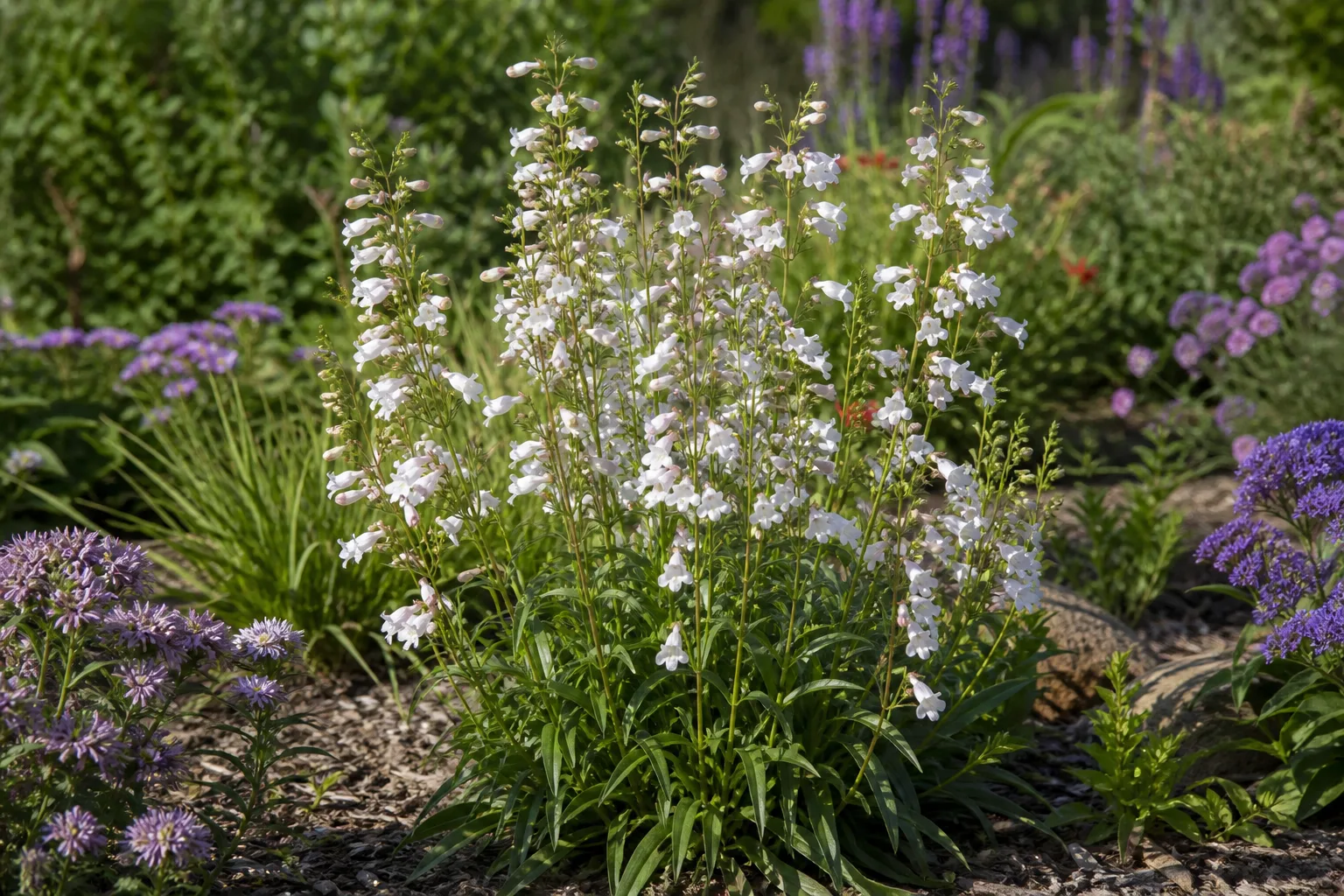
Foxglove beardtongue (Penstemon digitalis) offers upright white flowers and a strong vertical accent in sun to light shade. It prefers drainage and moderate moisture, and the flower stalks can be left standing after bloom for winter structure and seed-eating birds.
Zone 7: Balance Heat, Sun, and Summer Nectar
Zone 7 is warm enough for many long-season perennials, but summer heat and wet winters can be equally important. Select a plant for the site you actually have, not for the zone printed on a tag.
Butterfly weed (Asclepias tuberosa) is one of the most useful dry-site choices in this range. The University of Wisconsin Horticulture profile describes it as a long-lived native perennial hardy from Zones 3a to 9b, with orange flowers, a deep taproot, and strong drought tolerance once established. Plant it in full sun and well-drained soil, and do not move it repeatedly after that taproot is established.
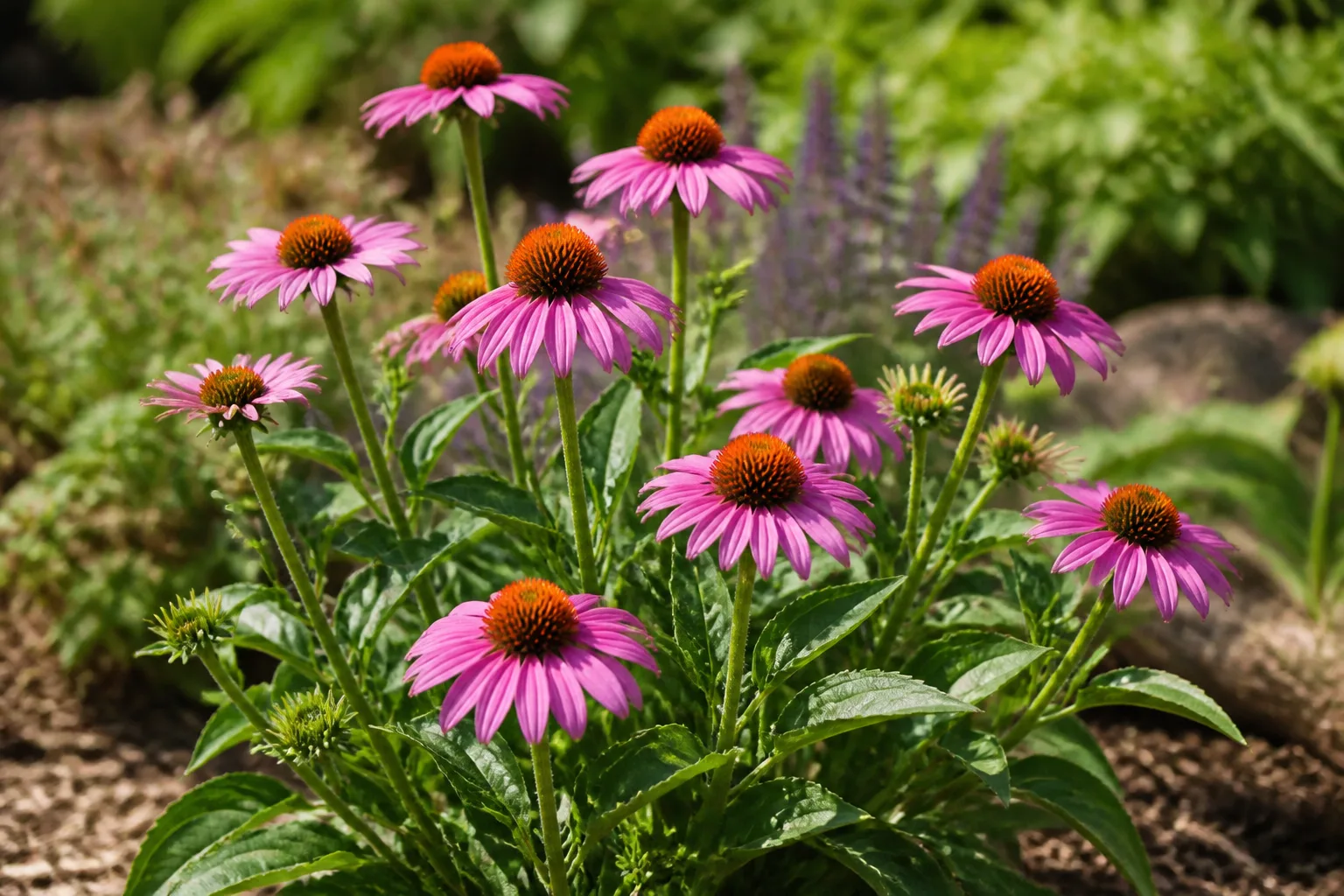
Purple coneflower (Echinacea purpurea) gives you a long summer display, sturdy stems, and seed heads that remain useful after the petals fade. Avoid highly doubled forms if wildlife value is a priority; open flower structures are generally easier for pollinators to access.
Cardinal flower (Lobelia cardinalis) is the contrasting wet-site choice, with intense red flowers that draw hummingbirds. It can struggle in dry, exposed beds, so reserve it for consistently moist soil or a rain-garden edge.
Zone 8: Mix Vines, Groundcovers, and Shade Plants
Zone 8 includes humid Southern gardens, dry Southwest sites, and mild coastal climates. The three choices below are intentionally different, because the most useful zone-based advice should help you match a plant to a microhabitat.
Maypop (Passiflora incarnata) is a vigorous native passionflower vine with intricate flowers and edible fruit in suitable climates. Give it a trellis or a place where spreading is acceptable; a small bed beside a walkway is usually the wrong location.
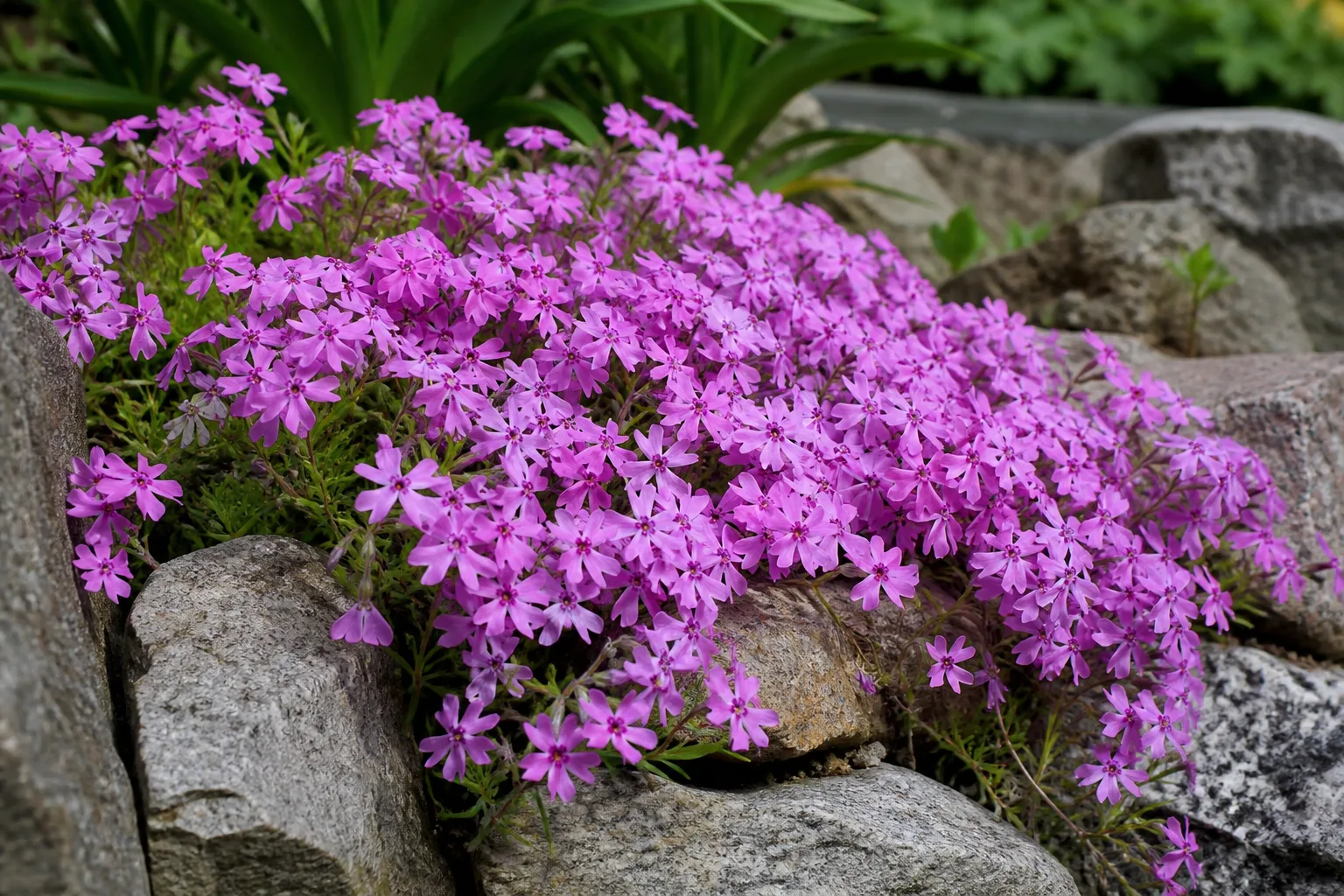
Creeping phlox (Phlox subulata) creates a low carpet of spring flowers in full sun and sharply drained soil. It is especially useful for rock gardens, slopes, and bed edges, but it will thin in heavy shade or constantly wet soil.
Foamflower (Tiarella cordifolia) supplies a shade-tolerant ground layer with textured leaves and spring flower spikes. It needs more consistent moisture than creeping phlox, which makes the two good examples of why “Zone 8” alone is not a planting instruction.
Zone 9: Choose Heat-Tolerant Native Color
In Zone 9, heat, drought, and humidity can shorten a flower’s performance even when winter survival is easy. Look for plants with a native range that overlaps your state and a site preference that matches your soil.
Blanket flower (Gaillardia pulchella) is a colorful, sun-loving perennial or short-lived perennial in warm regions, with flowers that tolerate heat and lean soil. Good drainage and occasional deep watering during establishment matter more than rich soil, which can produce floppy growth.
American beautyberry (Callicarpa americana) is a woody perennial shrub with small pink flowers and bright purple berries. It is valuable for structure and wildlife, but leave room for its mature spread and confirm that it is native to your local southeastern or Gulf Coast region.
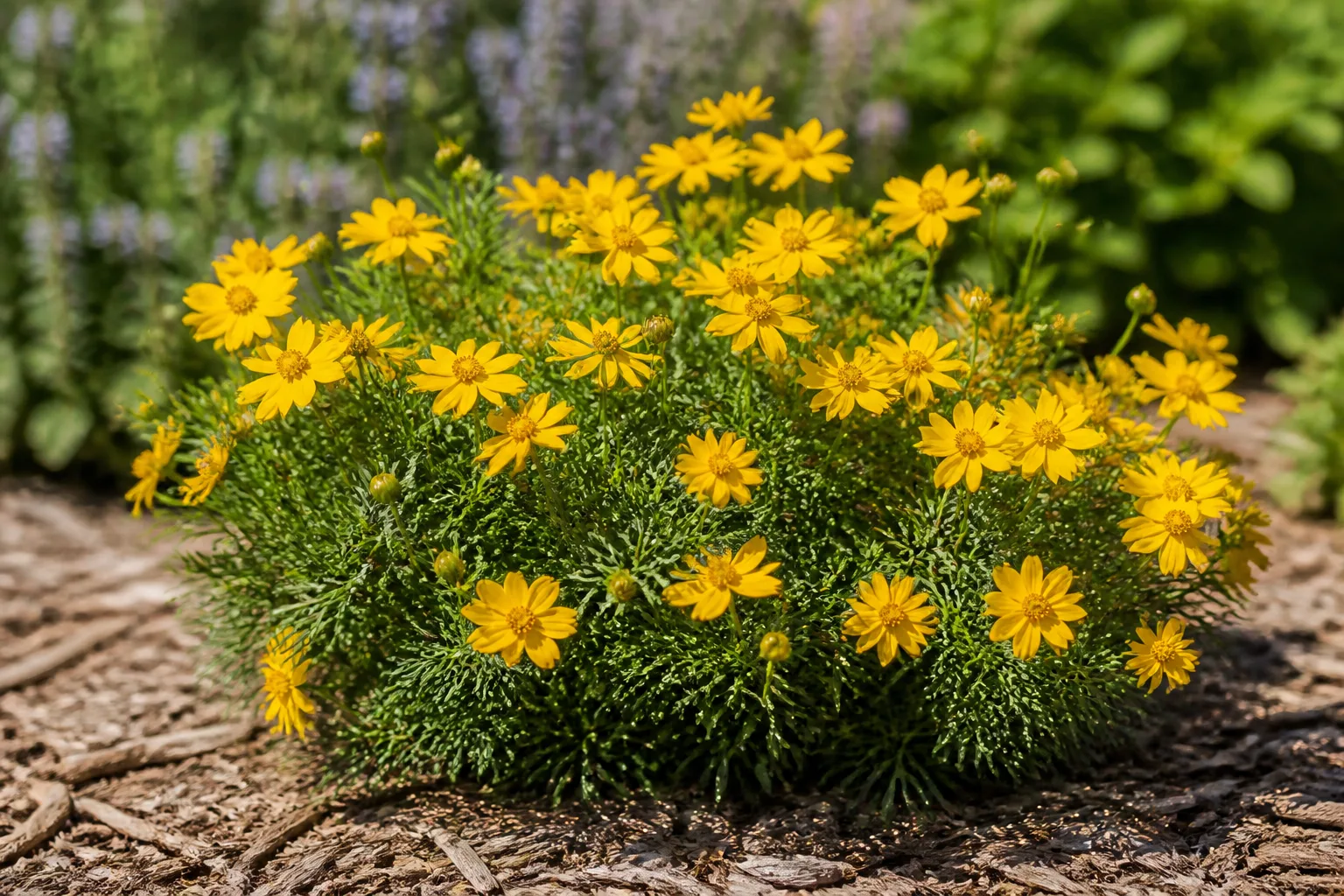
Coreopsis (Coreopsis species) is a broad group, so choose a species native to your area rather than treating all tickseed as interchangeable. UF/IFAS notes that coreopsis is a native perennial, attracts butterflies and bees, tolerates drought once established, and often reseeds; those traits make it especially useful in a sunny, lightly managed garden.
Zone 10: Think Coastal, Dry, and Subtropical
Zone 10 is not one climate. A coastal garden, a desert-edge garden, and a South Florida garden may share a zone number while needing entirely different plants. For this warm band, treat the following as regional examples rather than a national shopping list.
Beach sunflower (Helianthus debilis) is a spreading coastal plant for sun, heat, and sandy conditions. It can be useful as a groundcover where native, but its tolerance of drought does not mean it wants compacted clay or regular overwatering.
Toyon (Heteromeles arbutifolia) is a California native shrub with white flowers, red fruit, and year-round structure. It is a better long-term choice for a dry California landscape than a moisture-loving perennial, but it needs room and local confirmation because its value depends on regional fit.
Texas mountain laurel (Dermatophyllum secundiflorum) is a slow-growing evergreen shrub with fragrant purple flowers, suited to warm, dry parts of Texas and the Southwest. Provide sharp drainage and do not place it in a lawn irrigation pattern; persistent wet soil is a more serious threat than summer heat.
Zones 11–13: Use Island-Specific Native Lists
Zones 11–13 are concentrated in Hawaii, Puerto Rico, and other tropical or subtropical locations where local flora is highly distinct. A mainland plant list is especially unreliable here, and some suitable “perennials” will be woody shrubs, trees, or succulents rather than herbaceous border plants.
‘Ilima (Sida fallax) is a Hawaiian native with yellow flowers that can bloom year-round. The Missouri Botanical Garden profile lists it for Zones 10–11 and notes its preference for full sun, gritty to well-drained soil, and low to moderate moisture.
Roble cimarrón (Tabebuia haemantha) is a Puerto Rican native evergreen tree with pink to deep-red flowers. USDA Agricultural Research Service coverage places this rare ornamental at roughly Zones 9b–11, which is a reminder that a tropical-zone example may be a long-lived woody plant rather than a flower-bed perennial; read the ARS account before treating it as a casual garden plant.
Big Pine Key prickly pear (Opuntia triacantha) is a regional Caribbean cactus example for very warm, dry conditions. Use it only where local conservation or nursery guidance confirms it belongs, and keep it away from paths because the spines and spreading pads create a real design and maintenance constraint.
Make Three Plants Cover More of the Season
Three plants do more work when they are chosen for different bloom windows and different garden layers. Try one early-season plant such as wild columbine or serviceberry, one summer anchor such as bee balm, milkweed, or coneflower, and one late-season source such as yarrow, coreopsis, or a locally native aster.
The National Park Service recommends planting native flowers that bloom at different times, grouping flowers so pollinators can find them, and providing water and shelter. A small clump of one species is often easier for insects to locate and easier for you to maintain than a scattering of single plants.
Think beyond flowers, too. Seed heads feed birds, hollow stems shelter insects, and a patch of bare ground may provide nesting space for ground-nesting bees. Savvy Gardening’s pollinator guidance also emphasizes seasonal succession and leaving healthy perennial stems standing through winter; that is often a better wildlife decision than making every bed look freshly cut in November.
Planting and Aftercare That Extend Perennial Life
Plant in the season when your local nursery can supply healthy, regionally appropriate stock and the soil is workable. Water new plants slowly and deeply, keep competing weeds down during the first season, and use a thin layer of mulch that does not touch the crown. Native does not mean “no water ever”: most perennials need supplemental irrigation while roots establish.
Match the plant to the soil instead of trying to force the soil to match the plant. If a species wants sharp drainage, a raised or gravelly position is more useful than repeated watering; if it wants wet soil, place it where rain naturally collects rather than relying on a hose.
Do not fertilize by default. Excess nitrogen can produce soft, leafy growth, reduce flower quality, and encourage a plant to outgrow its space. Prune only for a clear reason—disease removal, safety, or shape—and wait until late winter or early spring to cut healthy hollow stems when they provide habitat.
Pesticides deserve special caution in a flowering native garden. The National Park Service advises considering alternatives, avoiding applications when pollinators are active, and following the label if a product is genuinely necessary. Never spray an open bloom simply because you see an insect; many of the insects in a native garden are the reason the garden is working.
Common Zone-Based Mistakes to Avoid
Mistake 1: Treating the zone number as proof of nativity. A plant can be hardy in your yard and still be ecologically out of place. Check the native range and prefer species documented for your ecoregion.
Mistake 2: Buying a cultivar without checking the species. A named form may be useful, but double flowers, unusual colors, sterile seed heads, or altered growth can change its wildlife value and behavior. If pollinators are the goal, start with an open-flowered species or a cultivar known to preserve access to nectar and pollen.
Mistake 3: Ignoring moisture. “Drought tolerant” describes a plant after establishment under suitable conditions; it does not mean a newly planted root ball can go dry for weeks. Conversely, a wetland perennial will not become drought tolerant because its tag lists your zone.
Mistake 4: Cleaning everything up in fall. Remove diseased foliage and invasive seed heads when needed, but leave healthy stems, seed heads, and leaf litter where they provide winter shelter. Cut back gradually in spring when new growth makes it easier to see what is alive.
Mistake 5: Planting a regional native outside its region. This is most common with broad online lists. A plant that is native in Florida, California, Alaska, or the Great Plains may be a poor ecological choice elsewhere even if a nursery says it can survive the winter.
Conclusion
The most dependable way to choose native perennials by USDA zone is to use the zone as a filter, not a verdict. Start with three candidates that can survive your winter, then verify their local native range, site preferences, mature behavior, and wildlife value before you buy.
For a small, durable planting, choose one plant for an early bloom, one for the middle of the season, and one for late color or winter habitat. Source regionally, water during establishment, skip unnecessary fertilizer, and let the garden keep some of its stems and leaves. That combination will do more for long-term beauty and local wildlife than a longer list of plants chosen by zone number alone.



