Wild Gardening in Alaska: What Your Yard Needs
Try wild gardening in an Alaska backyard with regional plant choices, snowmelt and soil checks, local seed timing, first-year care, and a simple test-bed plan.
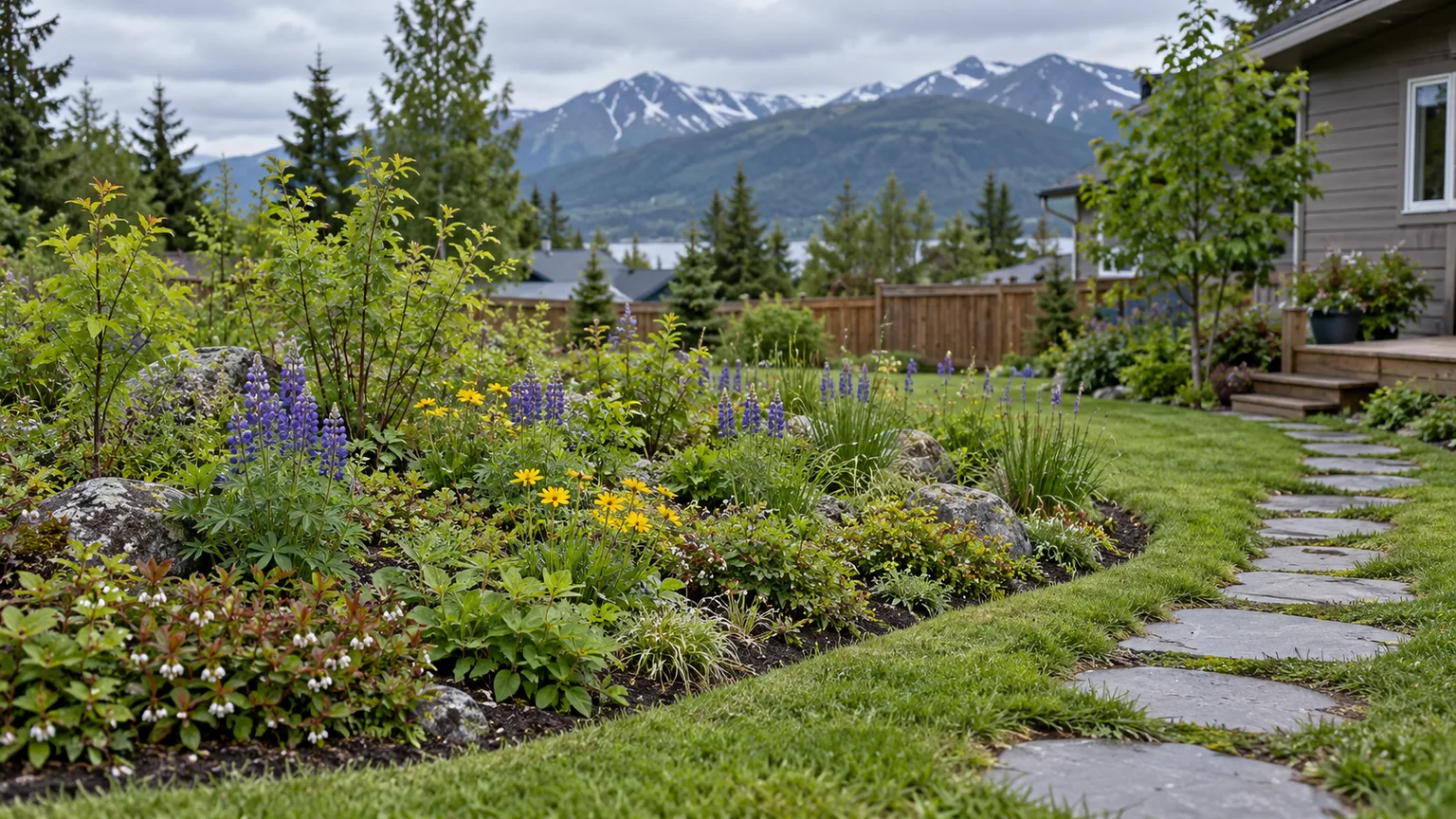
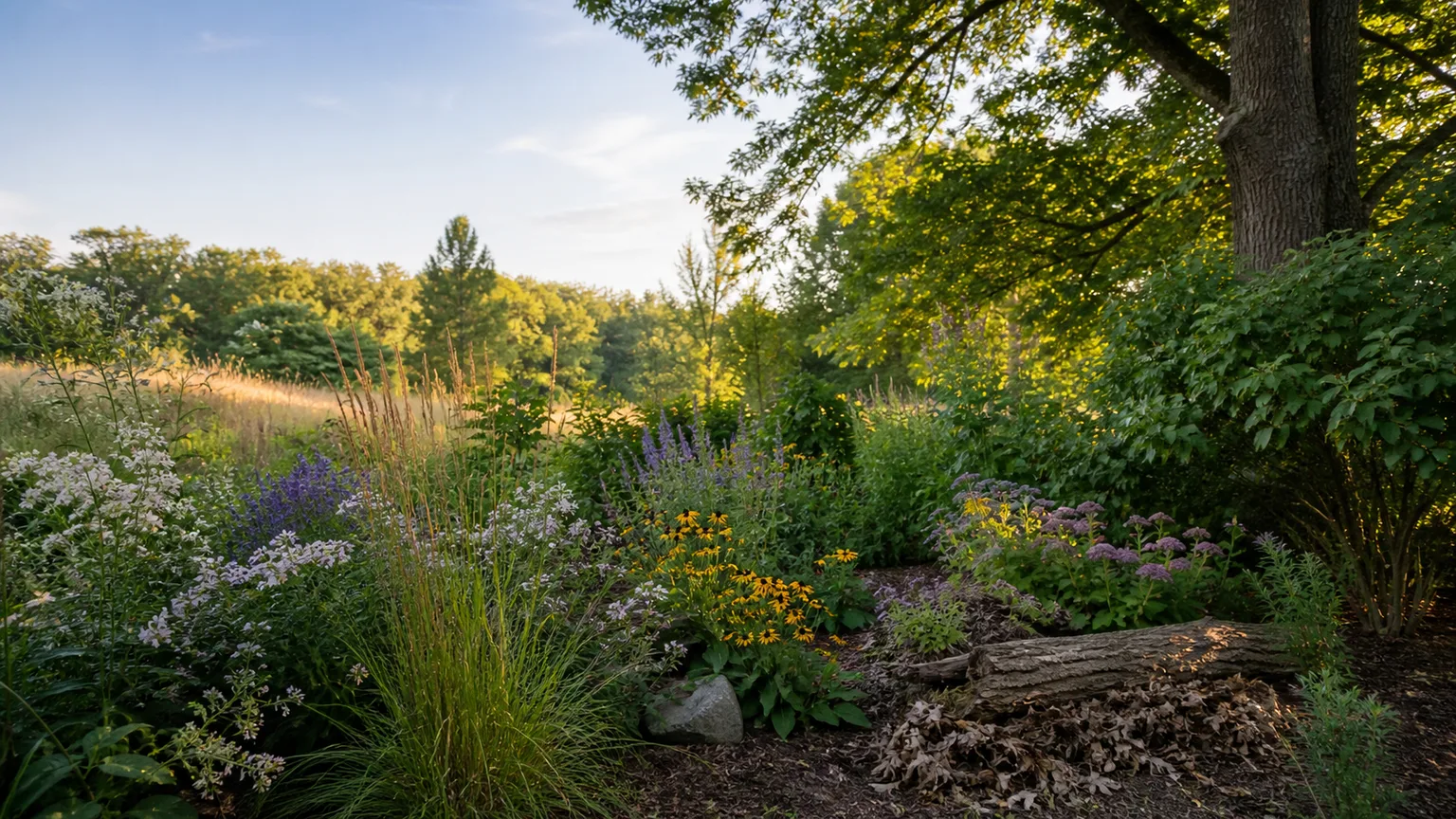
Wild gardening can mean letting a corner of the yard grow with less mowing, planting Alaska-native flowers and groundcovers, or building a small meadow-like bed among lawn and paths. The most reliable starting point is not a packet labeled “wildflowers.” It is a specific patch of ground, your Alaska region, and a short list of plants whose recorded range and growing needs fit that site.
Alaska is too varied for one planting calendar or statewide mix to answer every backyard question. A yard in Southeast Alaska, an Interior community, and a coastal neighborhood can differ in winter exposure, summer moisture, snow cover, and growing season. Begin with what happens in your own yard after snowmelt, then use local plant references to narrow choices. A small test bed lets you learn how seed and plugs respond before you convert a large lawn area.
Decide What “Wild Gardening” Means in Alaska
A wild garden is intentionally designed to look more natural and need fewer repeated interventions than a formal border. It can still have a clear path, a clipped edge, and plants grouped for height, texture, bloom, and wildlife value. “Wild” does not mean digging up plants from a roadside or leaving an entire lawn unmanaged. For a home garden, it usually means selecting suitable plants and accepting a less uniform appearance during parts of the year.
Choose the goal before choosing seed. A small pollinator patch, a low groundcover strip, and a broad meadow need different plants and maintenance. A first-time gardener may get a better result from a four-by-six-foot bed than from scattering seed across a whole lawn. A small area is easier to weed, water, observe, and protect from snow storage or foot traffic.
This guide focuses on locally appropriate plants and practical yard decisions. For a general design overview, the site’s wildflower garden guide and wildflower garden ideas cover broader layouts; the Alaska-specific steps here add regional plant records, snowmelt observations, and a local-season approach.
Start With Your Alaska Region, Not a Statewide Plant List
Plant lists for Alaska often organize distribution into broad regions such as Northern, Western, Southwestern, Southcoastal, Central, and Southeastern. Those labels are useful for narrowing a search, but they do not mean every plant listed will thrive on every property in that region. Elevation, exposure, soil, drainage, and nearby vegetation still matter. Use a regional list as a shortlist, then check that a local nursery, Extension office, or native-plant group can confirm the plant and its source.
The Alaska Department of Fish and Game table shows why regional matching matters: Arctic lupine is listed across Northern, Western, and Central Alaska, while Nootka lupine is listed for Southwestern, Southcoastal, and Southeastern Alaska. The same table lists mountain cranberry across most of its six regions, with dry-to-moist soil and high shade tolerance. These are useful starting points, not guarantees for a particular backyard. Check the ADF&G regional plant table before treating a familiar common name as a statewide recommendation.
The UAF Cooperative Extension plant database is another starting point for trees, shrubs, and vines known to grow in Alaska landscapes. UAF notes that this database was under review for accuracy as of January 2025, so verify current advice with local Extension staff or a knowledgeable Alaska native-plant supplier before making a large order. If you are comparing plant hardiness zones, use them as one clue alongside a USDA zone map guide, not as a replacement for local moisture and exposure information.
Read a Yard Through Snow, Sun, Wind, and Water
In Alaska, a yard’s snow pattern is part of its planting map. During spring thaw, note where snow disappears first, where drifts remain, and where meltwater collects or runs off. A long-lasting drift can delay soil access and shorten the time a plant has to establish. A roof edge or plowed snow pile can create a wet area, a late snowbank, or a spot where salt or grit accumulates. Do not assume that a low, wet spring patch stays wet all summer; check it again after the ground has thawed.
Also track sun and wind. Observe the same patch in morning and afternoon, and notice whether a fence, building, or spruce shelter blocks light or creates a wind tunnel. A sun-exposed bed beside pavement may dry quickly, while a shaded north side may thaw later and stay cooler. These small differences help explain why two neighboring gardens can need different plants and sowing methods.
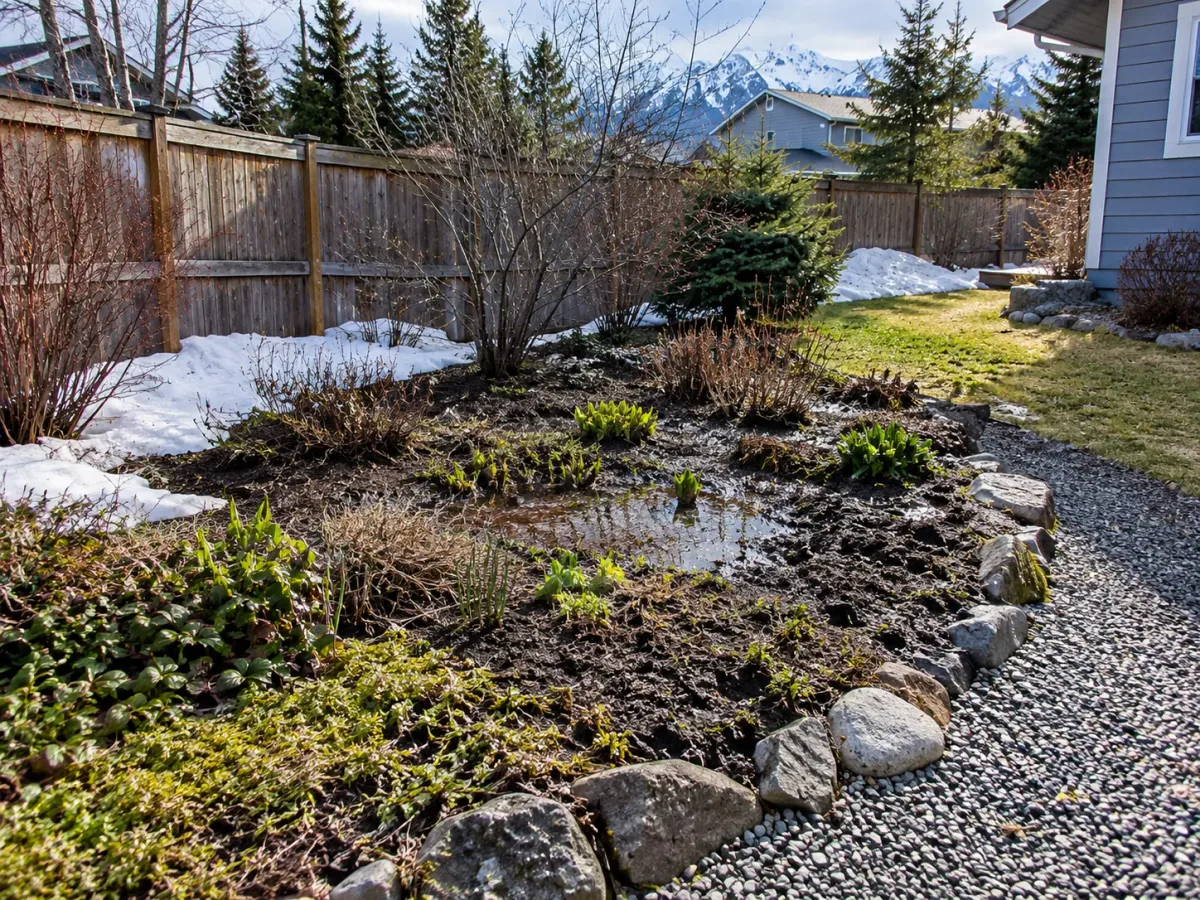
Keep a simple yard map: mark the last snow, puddles, dry edges, and the areas you use to shovel or walk. Repeat the observations for one spring if timing allows. If not, ask a neighbor who has gardened locally or your Cooperative Extension office how snow and drainage typically behave on similar sites.
Choose a Site That Is Practical to Reach
The best starter site is not necessarily the most scenic corner. Choose a patch you can reach with a hose or watering can during establishment, inspect for seedlings, and keep clear of routine snow storage. A bed beside a path or near the house may be easier to maintain than a far corner that receives no attention. Keep doorways, steps, utility access, sightlines, and places where children or pets play in mind before removing turf.
A sunny open lawn may be a good candidate for some low-growing, sun-tolerant plants. A shaded strip beneath existing trees may suit a different plant community, but avoid disturbing tree roots or compacting soil with equipment. If runoff from a roof, driveway, or slope crosses the area, decide whether that flow is safe to manage before planting. A garden that is easy to water and observe is more likely to be cared for during its first season.
Start with one manageable section rather than an all-or-nothing yard conversion. You can extend the planting after you see how the first bed handles thaw, rain, summer dry spells, and winter snow. This staged approach also helps keep a wild garden legible to neighbors: a clear edge and path show that the planting is intentional.
Check Soil and Drainage Before Amending
Look at the soil after thaw and after a substantial rain. Does water disappear within a reasonable time, or does it remain pooled? Is the surface gritty, compacted, or covered with a thick layer of roots? A quick hand check at several spots can reveal differences that a single “garden soil” label would hide. Alaska yards can include imported topsoil, gravelly fill, peat-rich areas, and compacted construction ground in close proximity.
Avoid adding fertilizer, lime, or a large quantity of compost simply because a wildflower mix is struggling. ADF&G’s table includes different soil-moisture and acid-tolerance notes, and its planting guidance warns against applying lime near plants with low or moderate acid tolerance. First identify the plants and the problem. If a soil test or local expert indicates a specific amendment is needed, apply it only to the plants and area that benefit.
A meadow-style bed often works best when plants match the soil already present rather than when the gardener tries to turn every spot into rich, loose garden loam. Extra nutrients may favor vigorous grasses and weeds over smaller flowers (BBC meadow guide). If the site is badly compacted or full of construction debris, correct that problem in a small area first and observe the result before expanding.
Choose Native Plants by Region and Growing Conditions
Use three filters together: regional distribution, the actual light and moisture in your yard, and the plant’s mature height or spread. In ADF&G’s table, bearberry (kinnikinnik) is described as a dry-soil, low-shade-tolerance groundcover and is listed in portions of Northern and Southeastern Alaska and most of Southwestern and Central Alaska. Dwarf dogwood is listed with high shade tolerance and dry-to-moist soil, with regional coverage that includes much of Southcentral and Southeast. Those different profiles make them candidates for different conditions, not interchangeable plants.
Mountain cranberry appears in most of the listed regions and is described as dry-to-moist with high shade tolerance. ADF&G lists goldenrod and Aster sibiricus broadly, both as low-shade-tolerance plants for dry soil. Even for a widely listed plant, confirm the species name and local availability; common names can cover multiple species, and a garden center’s “wildflower mix” may include plants from outside Alaska.
Treat distribution tables as a first screen. They do not necessarily describe nursery stock, seed provenance, local performance in a built yard, or compatibility with every neighborhood. Cross-check the species with a local source, and ask which Alaska region the seed or starts came from. The native perennial guide can help explain broad native-plant concepts, but Alaska gardeners still need to confirm the species and source for their location.
Build Plant Groups for Dry, Moist, and Shady Sites
Instead of mixing every seed into one patch, group plants by conditions. A dry sunny edge may suit low, sun-tolerant groundcovers or flowers; a consistently moist area may need species that tolerate wetter soil; a shady strip calls for plants that handle reduced light. Keep a simple sketch showing which group goes where. If one plant fails, you can learn whether the problem is the species, the location, or how it was established.
Use a low layer at the front or along a path, medium plants in the center, and taller stems where they will not block access or sightlines. Repeating a few species in small drifts usually looks more deliberate than scattering one seed of every kind. The BBC natural planting guide describes layering and grouping as general design tools, but its British plant list and growing calendar do not transfer to Alaska; choose local species and follow local plant data.
Think about bloom timing, foliage, berries, and seed heads as well as flower color. A garden can offer useful structure when few flowers are open. Before planting shrubs or vigorous grasses, check mature size and possible spread. If you want a low border that will not lean over a path, select plants for height and growth habit rather than judging them only from a small nursery pot.
Buy Local Seed and Starts Instead of Moving Wild Plants
Look first for seed, plugs, and nursery plants sold for Alaska conditions. The Alaska Native Plant Society links to field guides, propagation resources, and an annual native-seed distribution program; its resource page also points to a Southcentral Alaska plant-material source list and guidance for growing Alaska natives from seed. Check the AKNPS native-plant resources for current availability and instructions directly with the organization or local supplier, because a source list may change and not every item will be available each year.
Ask sellers for the scientific name, source region, whether the seed is cleaned or stratified, and whether the species is suitable for your site. A packet with a broad “Alaska wildflowers” label is not enough information to judge provenance. Start with a few plants whose names and needs you can verify. For a seed-by-seed primer, see the site’s wildflower seed guide, then compare those general steps with the Alaska supplier’s directions.
Do not lift plants from roadsides or natural areas for a backyard project. Besides the risk of taking a rare or misidentified species, moved plants may fail when their roots are damaged or their source conditions differ. ACCS tracks plants of conservation concern and maintains rare-plant resources; use that information to identify questions and choose a nursery source, not as permission to collect. Before taking any plant material from public land, check the relevant land manager’s current rules.
Plan for Alaska’s Growing Season and Each Species’ Seed Needs
There is no single Alaska sowing month that fits every region, species, and yard. The USDA Alaska Garden Helper shows growing-season start, length, and end for different temperature thresholds, including light and heavy frost. Use that location-based tool to understand the local window, then combine it with the seed packet’s germination directions and the conditions in your own bed. A calendar date alone cannot tell you whether the soil is workable or whether a particular seed needs cold exposure.
Some wildflower species require cold stratification; others may be ready for spring sowing or arrive pretreated. Read the packet and ask the supplier what treatment has already been done. If a species needs winter cold, follow its instructions for outdoor sowing or refrigeration rather than assuming a midwinter scatter will work. The USDA Alaska Garden Helper is useful for local season context, while The Spruce’s general seed guide explains seed-mix planning and stratification in broad terms. Its continental planting suggestions are not a substitute for Alaska-specific timing.
For broader context, the site’s guide to the best time to plant wildflower seeds compares common sowing windows. Use the listed timing as a starting concept, not a fixed Alaska schedule. A local supplier, Extension office, or experienced gardener can help interpret whether the season and seed treatment match your part of the state.
Decide Between Seed, Plugs, and a Small Test Bed
Seed costs less per square foot and can fill a larger area, but it needs a prepared surface, species-appropriate conditions, and patience. Tiny seedlings can be difficult to distinguish from weeds, and some perennial flowers may spend their first season establishing roots rather than producing a showy display. A seed mix is only useful if every included species suits the region and site.
Plugs cost more but give you visible plants that are easier to identify and place. They can be useful for a small bed, a patch of lawn where full soil removal is impractical, or a site where you want more predictable spacing. A combination works too: set plugs as anchors and sow compatible species into prepared gaps. Confirm each plug is locally appropriate; “native” on a label may mean native to somewhere in North America, not native to your Alaska region.
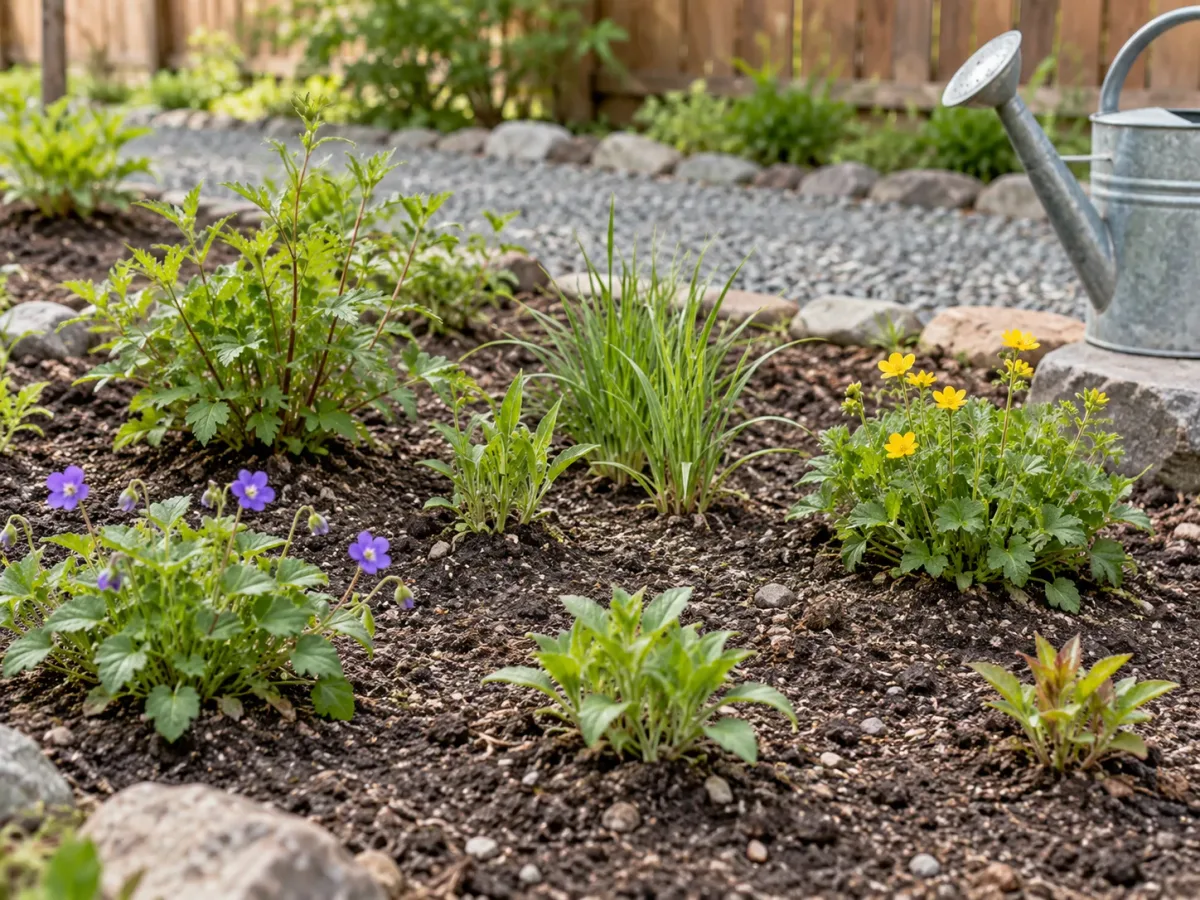
A test bed gives you a low-risk way to compare methods. Prepare one patch for seed and one for plugs, label the species in a garden notebook, and record watering, survival, and weeds. Keep seed packages until germination is clear. The BBC meadow guide discusses groups and plug planting as general design options, while its British species and calendar are not suitable instructions for Alaska.
Remove Lawn Carefully and Prepare a Firm Seedbed
Wildflower seed scattered over dense lawn usually has to compete with established grass (The Spruce seed guide). If you want a meadow-like patch, make a clear plan for removing or suppressing turf. For a small area, lift the sod in manageable pieces and remove as much of the root mat as practical. On a larger patch, cover the lawn well before the intended planting window and check the result before sowing. Choose the method that fits your time and avoid turning a simple bed into a season-long soil disturbance project.
Once the turf is out, rake the surface level and remove weeds, stones, and thick roots that would interfere with seed contact. A firm, fine seedbed lets small seed stay near the surface rather than disappearing into loose soil. Follow the packet for sowing depth; many small wildflower seeds should not be buried deeply. Mix seed with a dry carrier such as clean sand only if the supplier recommends it and the method helps you spread a very small quantity evenly.
Do not rototill a lawn and assume the grass is gone. Chopped roots can resprout, and turning soil may expose buried weed seed. Prepare a small section, check it for regrowth, and correct the problem before sowing the entire bed. If you are planting plugs, remove turf from each pocket and loosen only the area needed for roots.
Plant With First-Year Establishment in Mind
Water is most important while seed is germinating and young roots are shallow. After sowing, water gently enough to avoid washing seed into low spots. Check the surface during dry or windy periods and follow the plant supplier’s care notes; a new bed may need more frequent attention than an established planting. Once plants are rooted, reduce supplemental watering according to rainfall and species needs rather than following a rigid weekly rule.
For plugs, water the root ball before planting, set each plant at the depth it was growing in its pot, firm the surrounding soil, and water the bed after installation. Space plants for their eventual size instead of packing the bed for instant fullness. A thin layer of mulch may help suppress weeds around plugs, but keep it away from crowns and do not smother tiny seed. Ask the supplier whether mulch is compatible with the species and germination method.
Expect a first-year garden to look open. Perennials may focus on roots before flowering (The Spruce seed guide), and a seed mix can germinate unevenly. Keep an eye out for seedlings without pulling them too quickly; take a photo or compare them with a trusted plant guide if identification is uncertain. Give the bed enough care to establish, then let its performance guide next year’s adjustments.
Create Habitat Without Making the Yard Hard to Use
A wild garden can support insects, birds, and other wildlife through flowering plants, seed heads, berries, shelter, and varied vegetation. ADF&G’s landscaping table pairs Alaska plants with wildlife use and regional growing conditions (ADF&G plant table); choose species and features appropriate for your neighborhood and household. A small bed that provides bloom and cover can fit into a maintained yard without turning every area into habitat.
Keep access and safety in the design. Maintain a clear route to the house, shed, water spigot, and play area. Avoid planting tall stems where they obscure a driveway or street view. If berries or seed heads attract wildlife, consider where they are relative to doors, pets, and routine movement. Do not add a bird feeder or food source if it would create an animal conflict in your neighborhood.
Leave some stems or seed heads standing where they do not obstruct snow clearing or sightlines, and remove diseased or invasive material as needed. The goal is a yard that works for both people and wildlife. If you want to support pollinators, choose flowers that bloom at different times when appropriate local species are available, but do not introduce a plant solely because a generic pollinator list recommends it.
Keep the Garden Interesting Through Winter
Alaska’s garden is visible for more than its flowering weeks. Evergreen groundcovers, berries, woody stems, seed heads, grasses, and the shape of a path can give a bed form after frost. Before cutting everything down, decide which stems are attractive, which may hold snow in a useful way, and which could bend across a walkway. A mix of low cover and upright stems can make a small planting feel intentional even when the flowers are gone.
Winter planning also means thinking about the snow that people move. Keep the bed away from the main shoveled path or mark a practical route along it. Avoid directing roof snow onto delicate plugs or stacking plowed snow on plants that cannot tolerate compaction. A branch or low marker can help make an edge visible, but it should be durable, removable, and safe around children and equipment.
Do not leave all dead material if it creates a fire or pest concern beside a building, or if local practice requires cleanup. Cut back selectively when the site is dry and safe to work, and leave the rest until spring if it does not create a problem. Observe where snow settles over winter; that information can help explain spring survival and guide next year’s planting.
Design Clear Edges, Paths, and Views
A mown strip, low edging, stepping stones, or a clean boundary against a walkway can make a natural planting look deliberate. Edges are especially helpful during the first year, when the plants are still sparse and weeds may appear. Choose a line you can mow or trim without reaching into the bed. Keep plants from leaning across the route, and allow enough room for snow shovels, a wheelbarrow, or garden tools.
Arrange plants so the view changes gradually from low to tall. Place shorter plants at the front and taller species toward the back or in isolated drifts, but let the site’s sun and moisture decide where each plant goes. Grouping the same plant in several pockets can make the patch read as a design rather than a random collection. For larger layout inspiration, the wildflower garden ideas guide offers general patterns that you can adapt to Alaska plant choices.
Think about the garden from the rooms and paths you use most. If the bed will look sparse in spring, add a path or repeated low groundcover to give it a clear shape. If the planting fronts a street, use a border and a neat mow line to communicate that it is maintained. A simple boundary often matters more to the overall appearance than adding another dozen species.
Manage Weeds and Mowing Without Overmaintaining
Wild gardens need selective care, especially while the desired plants are small. Learn which weeds are common on your property, remove the most aggressive ones before they seed, and avoid pulling every unfamiliar seedling until you have checked its identity. Keep a small photo record of the plants you sowed or installed. If a plant spreads beyond the bed or is identified as invasive, remove it according to local guidance.
Mowing depends on what you planted and what you want the patch to do. Do not apply a generic meadow schedule from another climate without checking the seed or species instructions. If you want plants to reseed, wait until the desired seed has matured before cutting. A broad first cut at the wrong time could remove flowers before seed set; cutting too late may make cleanup difficult. Keep the path edge trimmed while allowing the interior to complete its growth cycle.
Use hand weeding and spot control around young plants rather than frequent close mowing. When a cut is needed, check for wildlife and make the cut on a dry, manageable day. Rake clippings if they would smother small plants or add unwanted fertility. The BBC meadow guide illustrates the general idea of cutting after seed has formed, but its exact British timing should not be copied into an Alaska calendar.
Work Through a First Alaska Growing Season
Before planting, mark the bed and remove turf in a manageable area. Confirm the names and source region of the plants, then write down the sowing or planting instructions for each one. Check the Alaska Garden Helper for local frost-threshold and growing-season context, and use recent yard observations to decide whether the ground is ready. Keep the seed tags, receipts, and a simple map together so you can identify what is growing later.
After planting, focus on moisture and identification. Water newly sown or installed plants as needed while they establish, but do not leave the bed waterlogged. Walk it weekly at first to spot weeds, seed washout, dry patches, animal disturbance, or seedlings that need protection. Take pictures from the same location every few weeks; this makes slow growth easier to judge and helps you compare the next spring.
At the end of the season, note what survived, what flowered, which areas stayed wet, and where snow is likely to pile. Leave desirable seed heads where practical. Remove confirmed weeds before they spread, then make only a few changes the following year. This record-based approach is more useful than replacing the entire planting after one uneven season.
Avoid Common Alaska Wild-Garden Mistakes
The first mistake is using a generic national seed mix without checking the contents. It may contain species that are not native to your part of Alaska, or that do not fit your soil and light. Ask for botanical names and provenance, and compare them with state and local references before sowing. A colorful label is not a substitute for a species list.
Another mistake is copying a date or planting depth from a warmer or colder region. Use the USDA tool for local season context, but follow species-specific germination instructions. Do not treat hardiness zone as a forecast of soil thaw, snowmelt, frost dates, or summer moisture. Those are related but different questions.
Avoid adding rich soil, fertilizer, or lime before identifying a problem; several native species are adapted to particular nutrient and acidity conditions. Do not plant directly in a snow-storage area or ignore drainage after spring thaw. Do not collect plants or seed from natural areas without confirming permission and species status. Finally, do not judge a perennial bed only by first-year flowers. Let the garden establish, document results, and expand gradually if the plants fit the site.
Conclusion
To try wild gardening in an Alaska backyard, choose one reachable patch, watch how it handles snowmelt and summer moisture, and select plants from a source that names their species and region. Use Alaska distribution records to narrow options, then match them to light, drainage, and the growing-season information available for your community. Start with a modest seed or plug planting, protect seedlings from competition, and keep paths and edges clear.
A wild garden is a process of learning the conditions of your own yard. Record what survives the first winter, ask local experts about uncertain plants, and adjust one section at a time. That approach makes the garden more useful to people and wildlife while avoiding a costly, generic planting that does not belong in its place.