22 Drought-Tolerant Plants for a Water-Wise Garden
Compare 22 drought-tolerant plants by climate, soil, and garden job, with first-year watering advice that helps new plants survive their first dry season.
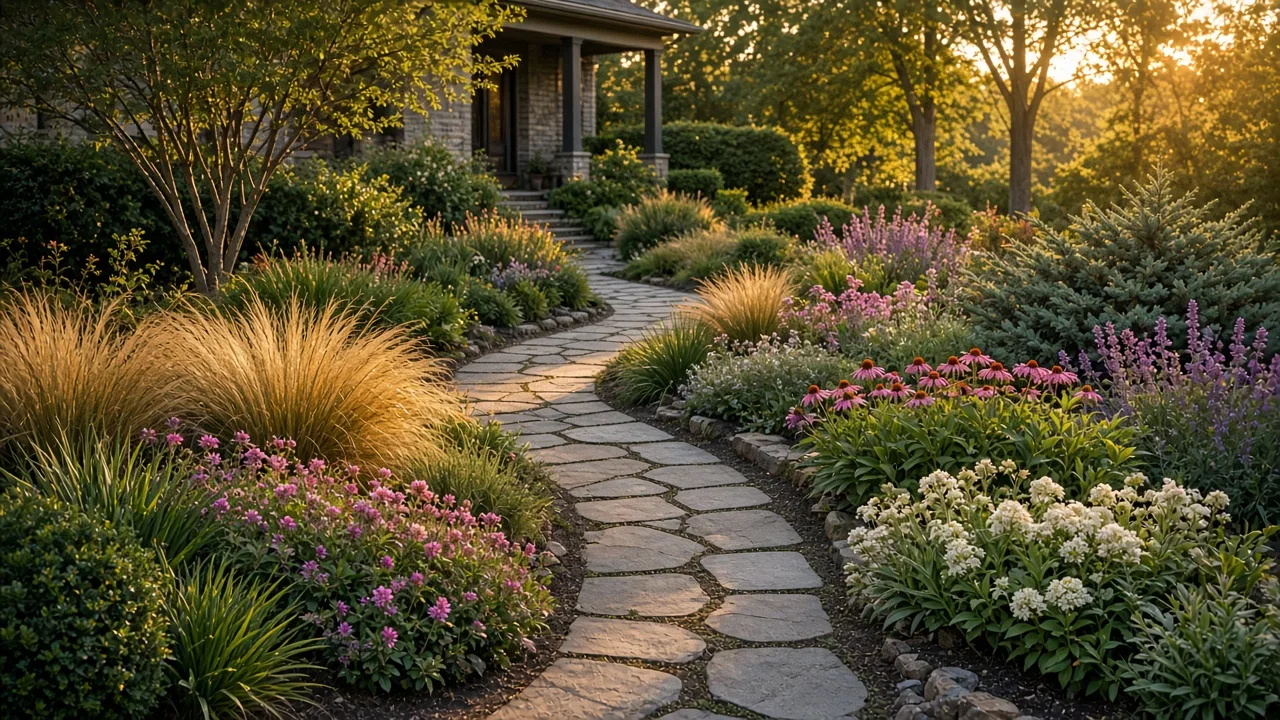
A drought-tolerant garden can still have flowers, fragrance, shade, and seasonal color. The key is to choose plants for the dry spells your yard actually gets, rather than treating “low water” as a single plant trait that works the same in every region.
The 22 choices below cover sunny borders, edible herbs, grasses, woody structure, and very dry climates. Each has a narrower best fit than a label such as “drought-proof” suggests. Pair the plant with suitable light, soil, winter temperatures, and establishment care, and it can need less supplemental irrigation later.
What “drought-tolerant” means in a real garden
Drought tolerance describes a plant’s ability to withstand dry conditions once its roots are established. It does not mean the plant needs no water when newly planted, will keep flowering through every heat wave, or can survive in any soil. Colorado State University Extension notes in its water-wise landscape guidance that even xeric plants need rainfall or irrigation during establishment, and that low-irrigation landscapes respond more visibly to wet and dry years than routinely watered gardens do.
A plant can also tolerate drought yet dislike a wet winter, humid summer, heavy soil, or deep shade. A lavender that thrives in a dry-summer garden may struggle in a warm, rainy climate with slow-draining soil; a prairie perennial that tolerates summer dry spells may still need regular water while its roots fill a new bed. Think of drought tolerance as one useful filter, not a substitute for matching the whole site.
The name on the nursery tag matters, too. A genus such as Penstemon, Aloe, or Yucca contains species with different cold limits and moisture preferences. The NC State Extension Plant Toolbox, for example, describes purple coneflower as drought-tolerant after establishment in its Echinacea purpurea profile, while its profile for the regional Penstemon australis specifies dry, sandy, low-nutrient habitat. Those are useful clues, but local species and cultivar recommendations still matter more than a broad national label.
Match plants to the site before choosing
Build a quick site profile
Before buying, observe the bed for a day and after a rain. Record how many hours of direct sun it gets, where reflected heat from pavement or walls lands, whether wind dries it, and where water pools or runs off. Check the soil a few inches down: sandy soil drains quickly, while compacted or clay-heavy soil may stay wet after rain even when the surface looks dry.
Also note the coldest winter exposure, the mature space available, and the job you want a plant to do: groundcover, a pollinator border, screening, shade, or a focal point. A hardiness zone helps screen for winter survival; it does not tell you whether a plant will tolerate your summer humidity, soil drainage, or drought. Colorado State University Extension’s water-wise design steps put site analysis—including soil, slope, drainage, microclimate, and precipitation—before plant selection.
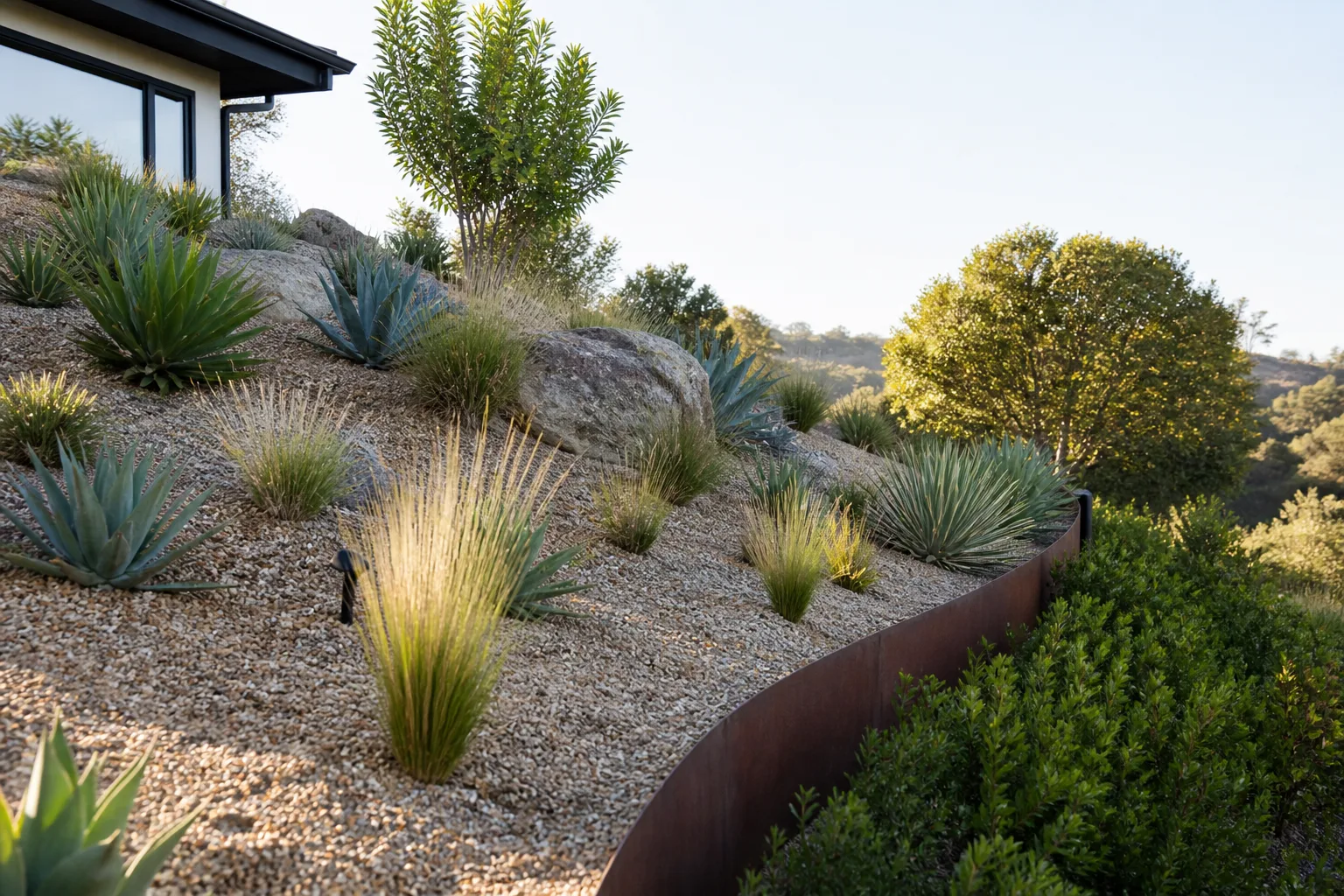
A south-facing wall or a paved strip can create a hotter, drier microclimate than the rest of the yard. Reserve those sites for plants that tolerate that specific exposure instead of assuming that a species marked “full sun” can take reflected afternoon heat everywhere.
Group plants by water needs
Put plants that want similar irrigation in the same bed or valve zone. A dry-soil shrub should not share a sprinkler schedule designed for thirsty vegetables or a new tree, because the shrub may stay too wet while the vegetable bed still dries out. Colorado State Extension calls these groupings hydrozones in its landscape design guidance: they make it easier to water each planting according to its needs.
Native plants are often strong choices when they are native to your region and fit the site, but “native” is not a national guarantee of low water. A plant from a damp woodland is not automatically right for an exposed gravel slope. Conversely, an adapted nonnative herb can be useful in a dry bed if it is not invasive locally and its water needs fit its neighbors. The National Garden Bureau’s water-wise gardening guide also recommends grouping plants with similar water needs rather than watering an entire landscape on one schedule.
A quick shortlist can help you start:
- For a cold-winter pollinator border, compare coneflower, regional beardtongues, yarrow, and little bluestem.
- For a sunny, sharply drained herb bed, look at lavender, thyme, oregano, or rosemary—then check winter hardiness.
- For a dry-summer western yard, investigate locally recommended ceanothus and manzanita.
- For a warm desert landscape, consider Texas sage, palo verde, desert willow, yucca, or outdoor aloe where winters are mild.
22 drought-tolerant plants for different garden jobs
These are not interchangeable, and several are region-specific. “Best” means a good match for a particular climate or landscape job, not a plant that belongs in every yard. Use the limitation attached to each choice as part of the selection, not as fine print.
Flowering perennials for sunny borders
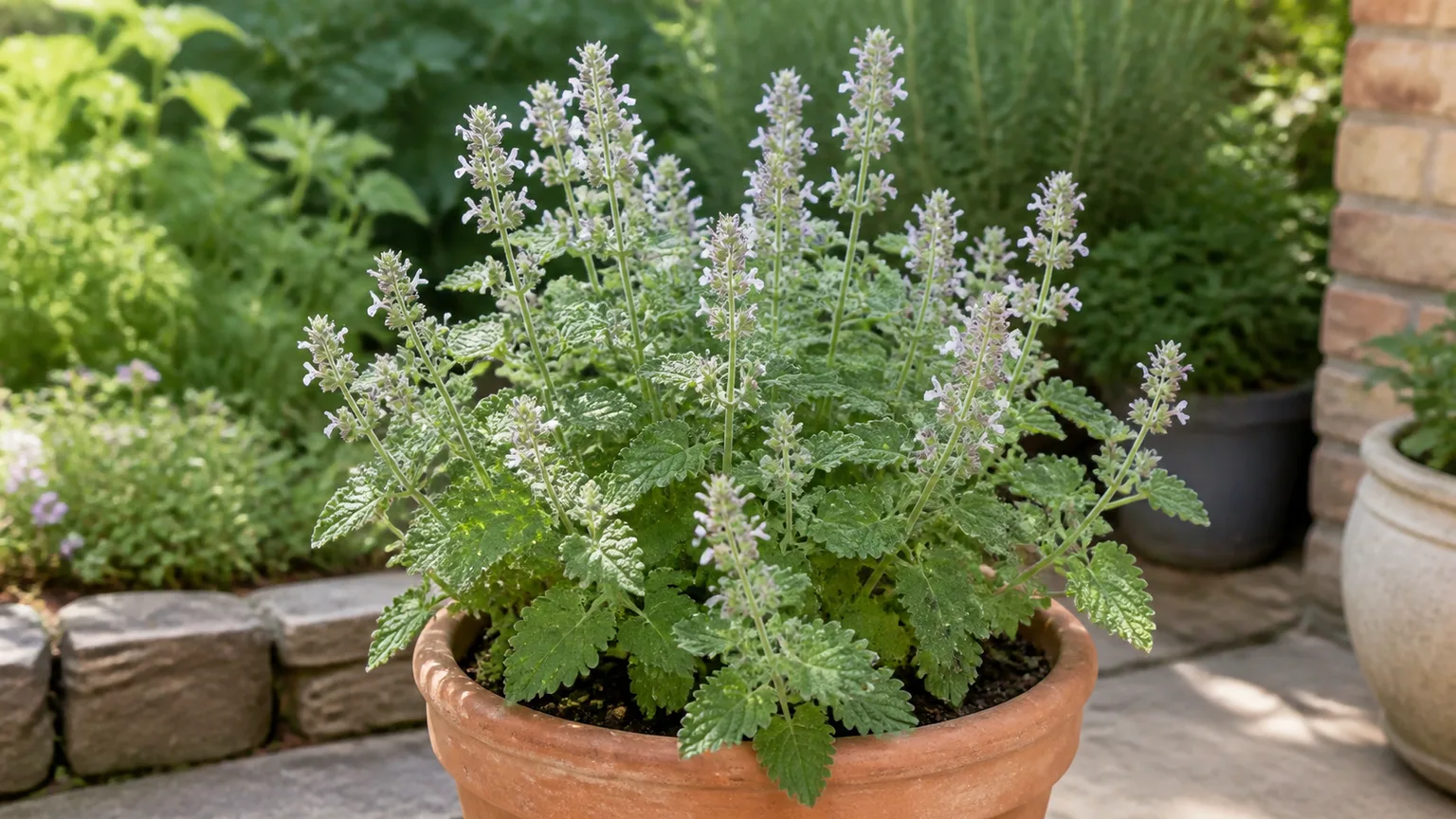
1. Catmint (Nepeta spp.) — Garden catmints make a soft-edged border plant for full sun and free-draining soil, with aromatic foliage and long-lasting flower spikes. Choose a named garden catmint suited to your region rather than assuming every Nepeta behaves alike; in hot, humid summers, plants can look tired after the first flush, so shear lightly after flowering and give them airflow.
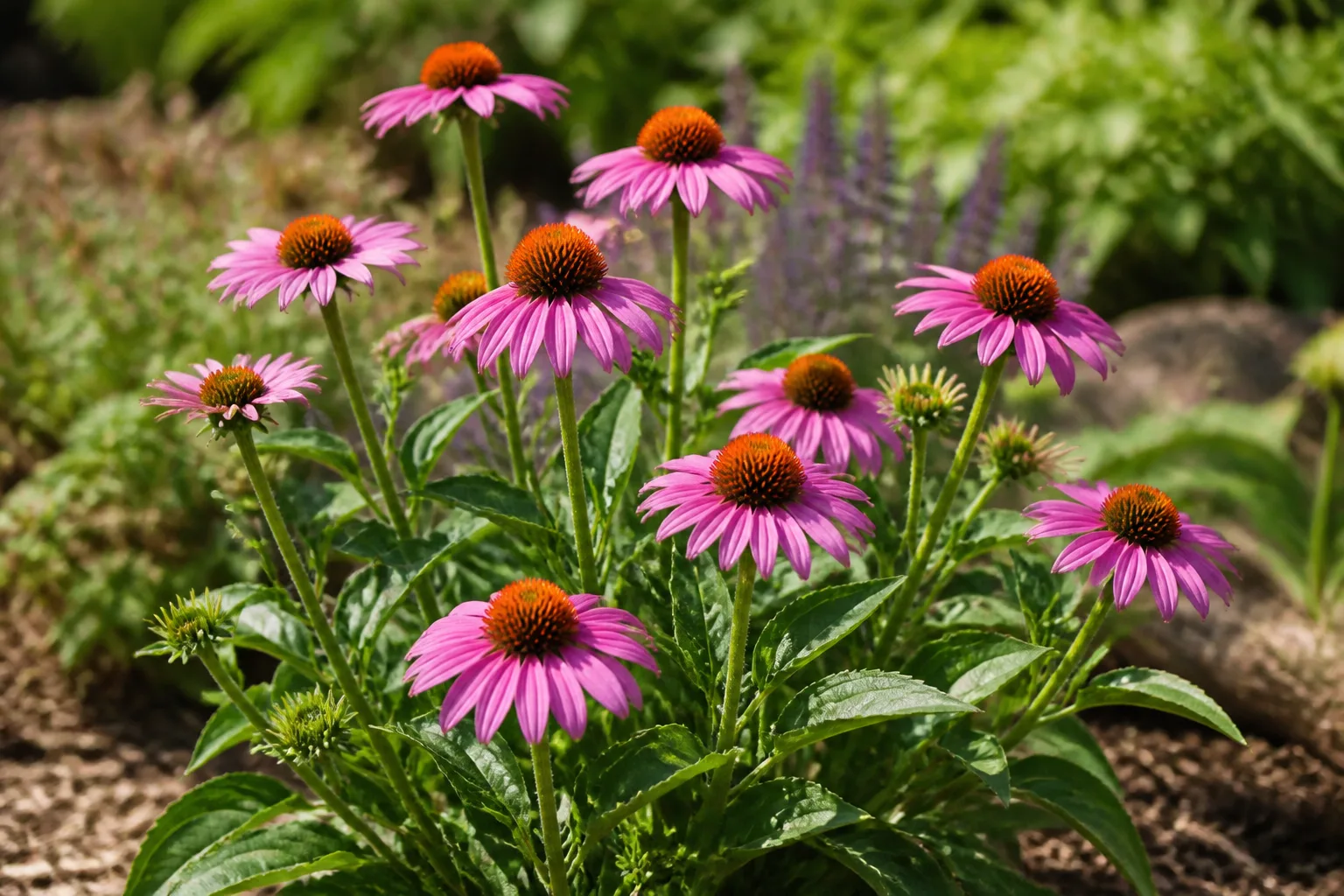
2. Purple coneflower (Echinacea purpurea) — This central and eastern North American perennial brings large summer flowers and seed heads that can remain for birds. NC State Extension lists it as drought-tolerant once established and adaptable to several soil textures in its plant profile, but it still benefits from establishment watering; leave some healthy seed heads standing if you want natural reseeding and winter structure.
3. Anise hyssop (Agastache foeniculum) — Use this fragrant, pollinator-friendly perennial in a sunny, well-drained border in regions where it is winter-hardy. It is a better choice for a dry spell after rooting in than for a scorching desert bed that gets no water; give new plants a consistent start, then let soil moisture guide supplemental irrigation rather than watering by a fixed calendar.
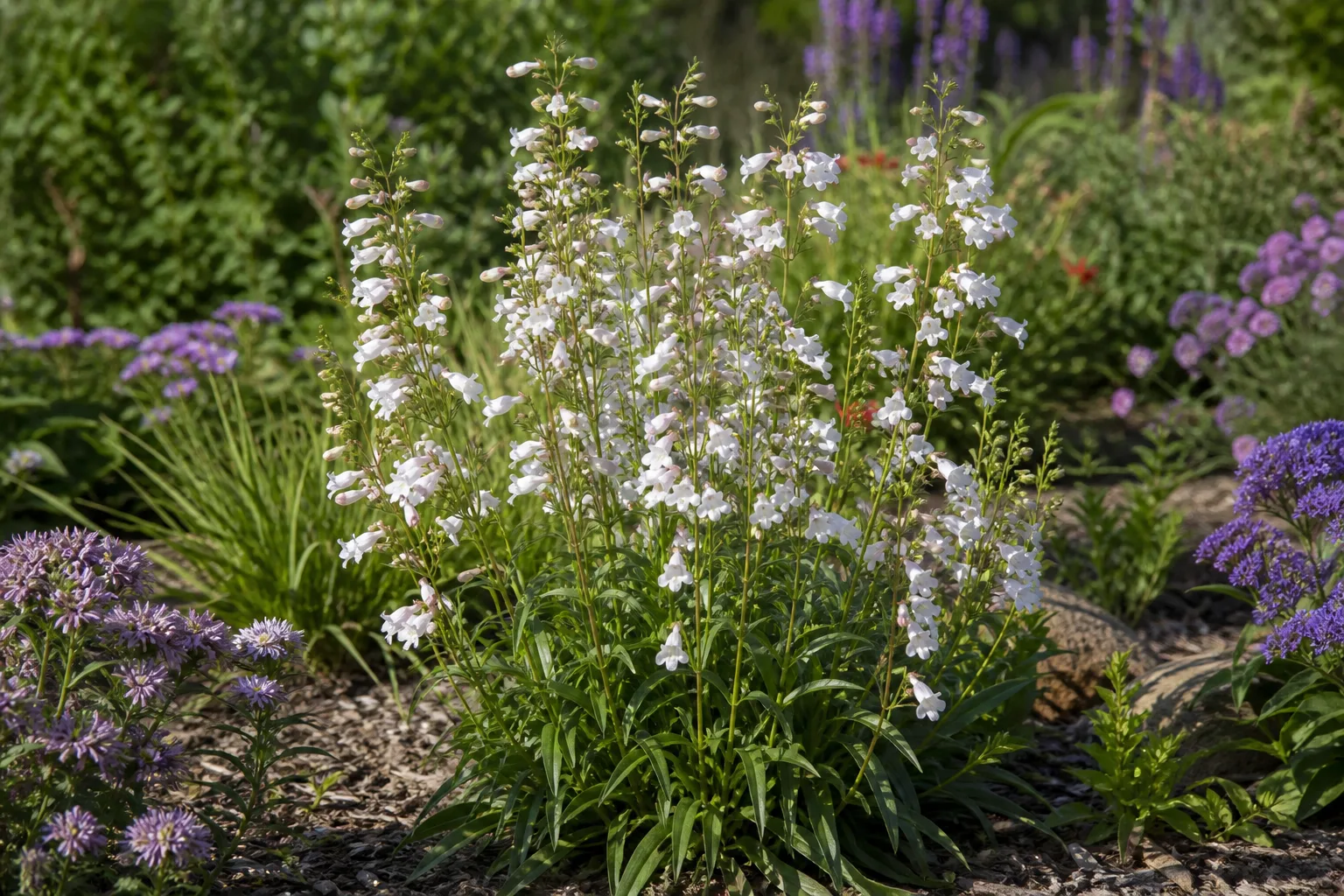
4. Beardtongue (Penstemon spp.) — Beardtongues are a diverse group, so pick a species native or adapted to your state instead of buying a random “penstemon” for every climate. NC State’s profile of P. australis describes a southeastern native for sandy, low-nutrient, well-drained soil and notes heat and drought resistance; western species have their own site needs, but fast drainage is a common advantage.
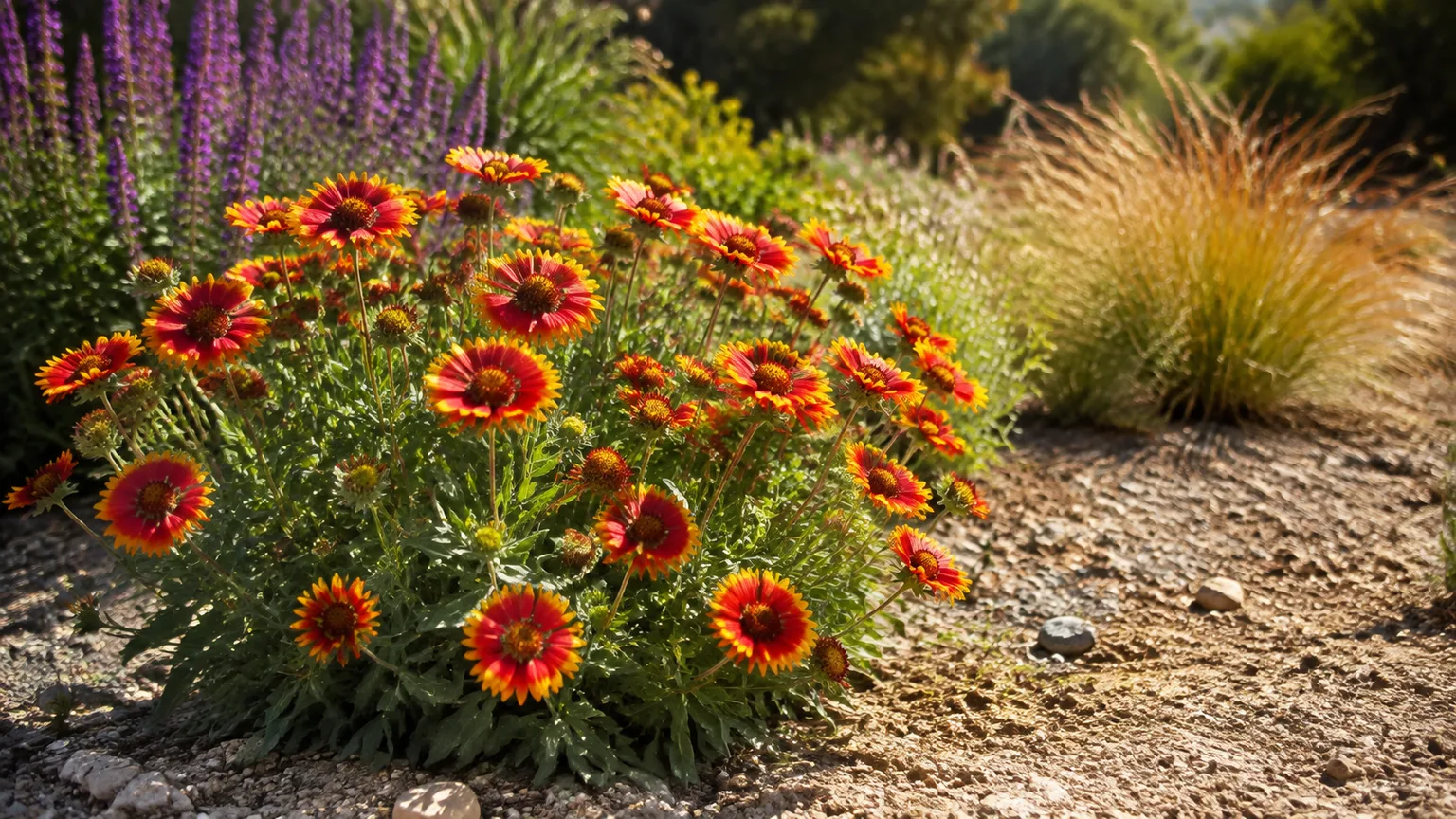
5. Blanket flower (Gaillardia spp.) — Blanket flowers offer bright, daisy-like blooms in sunny, lean, fast-draining beds where richer soil may produce floppy growth. They suit hot, dry summers after establishment, but many are short-lived; allow some seed to mature if you want seedlings to replace older plants, or deadhead to limit reseeding.
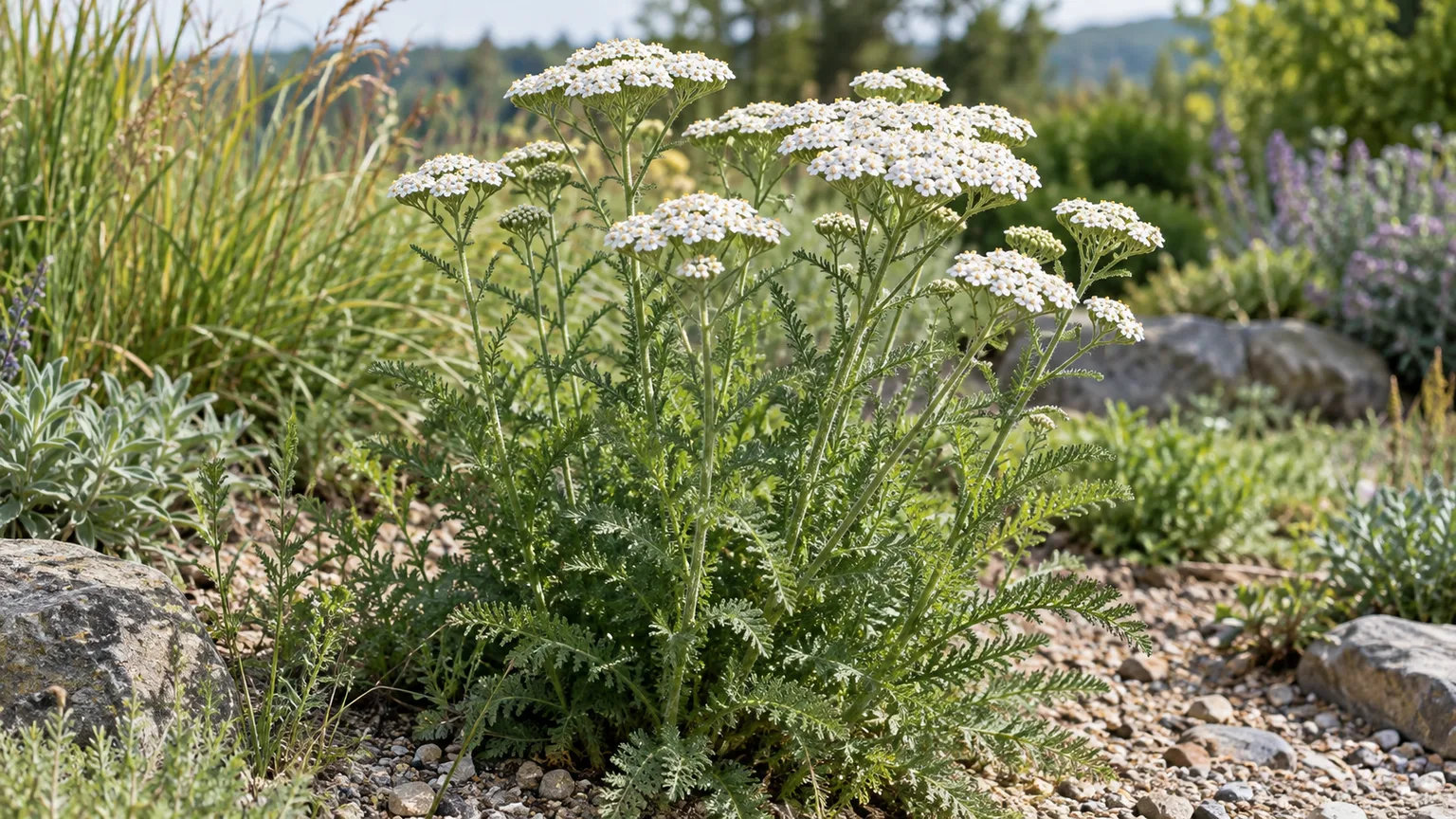
6. Yarrow (Achillea spp.) — Yarrow supplies flat flower clusters and ferny foliage for a sunny meadow-style planting, including sites where soil dries between rains. Its rhizomes and seedlings can spread beyond a tidy border, so give it room or choose a less vigorous cultivar; divide crowded clumps if flowering declines.
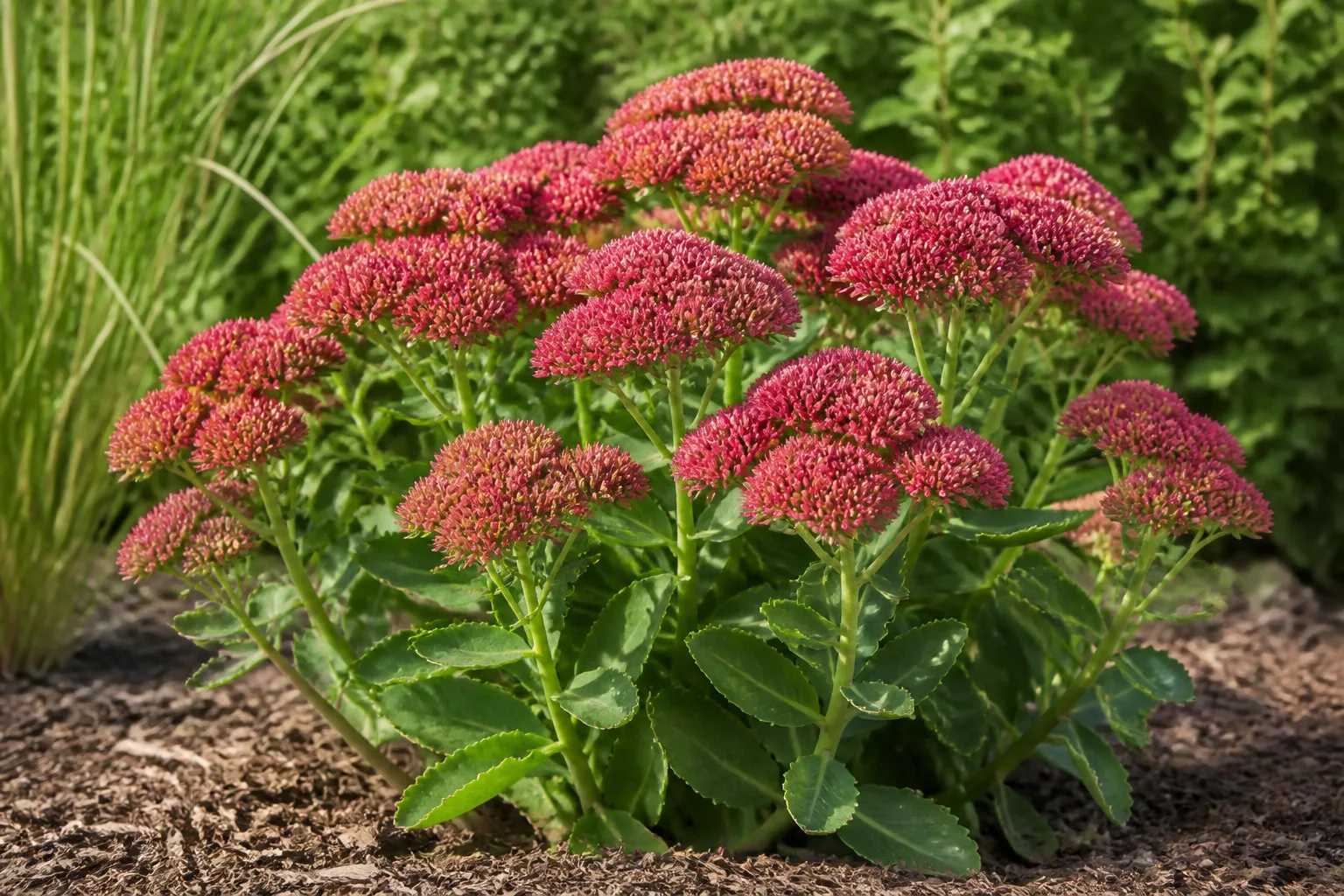
7. Stonecrop (Hylotelephium spp. and other sedums) — Fleshy leaves store water, making many stonecrops useful for rock gardens, dry edging, and containers with drainage holes. The genus includes low mats and upright autumn-blooming types, so check mature size and winter hardiness; even a succulent rots in persistently wet soil.
Fragrant plants and herbs for lean, sunny soil
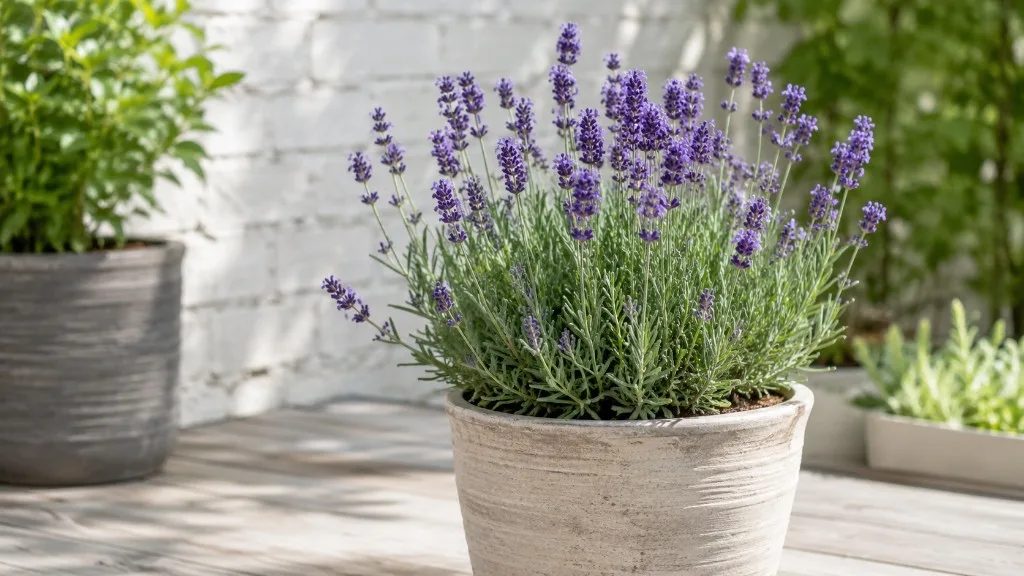
8. Lavender (Lavandula spp.) — Lavender is a strong match for full sun and soil that drains quickly, especially in dry-summer climates. The first winter can be harder than summer drought in colder regions, while humid regions can make wet crowns and poor airflow the bigger problem; choose a locally hardy species, space it generously, and avoid constantly damp mulch against the crown.
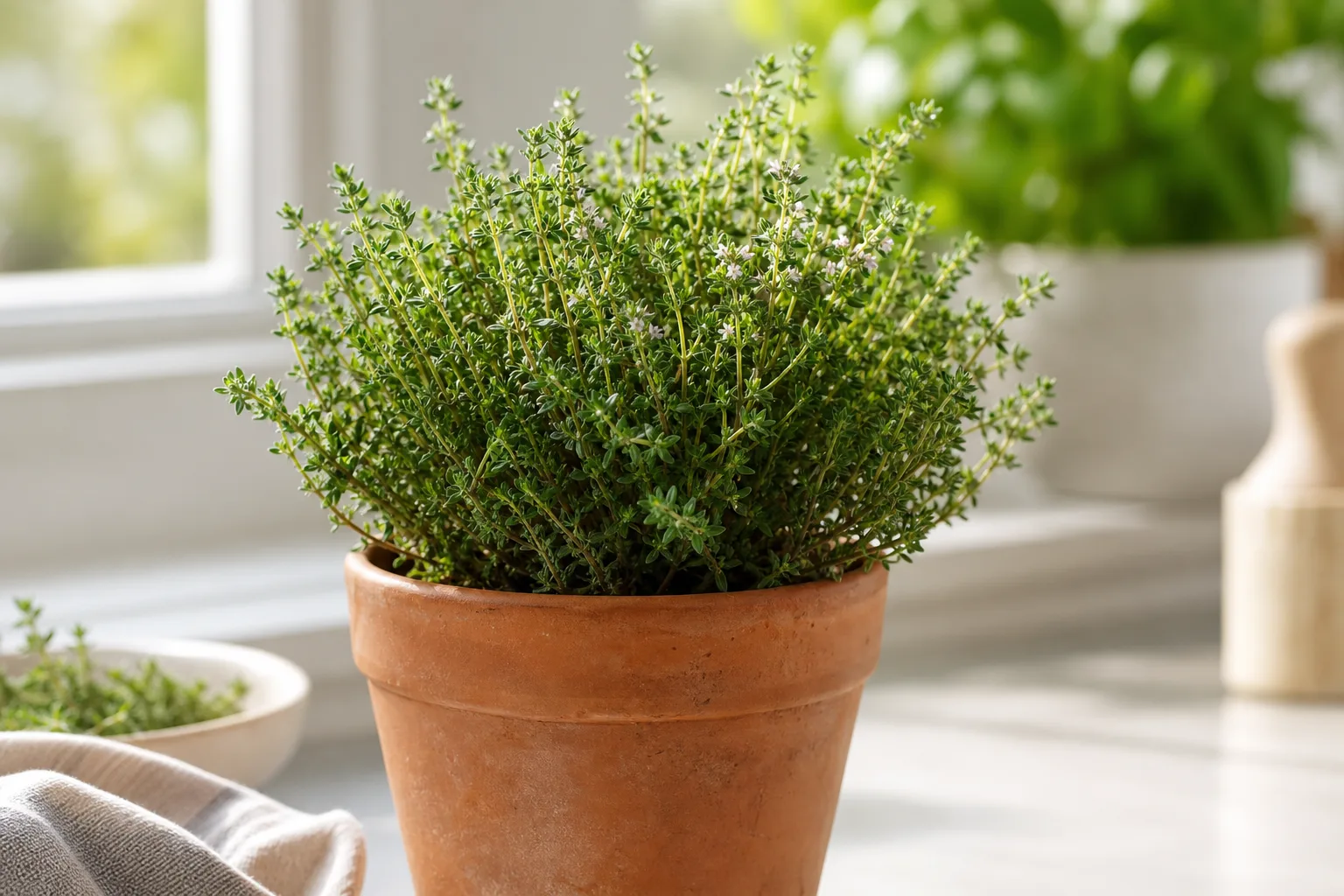
9. Thyme (Thymus vulgaris and creeping types) — Culinary thyme works as a low edging plant in sunny, sharply drained soil, and creeping thymes can fill gaps between stepping stones. Neither is a lawn replacement for regular foot traffic, and a soggy bed is a worse fit than a dry one; trim after flowering to keep plants compact without cutting into bare old wood.
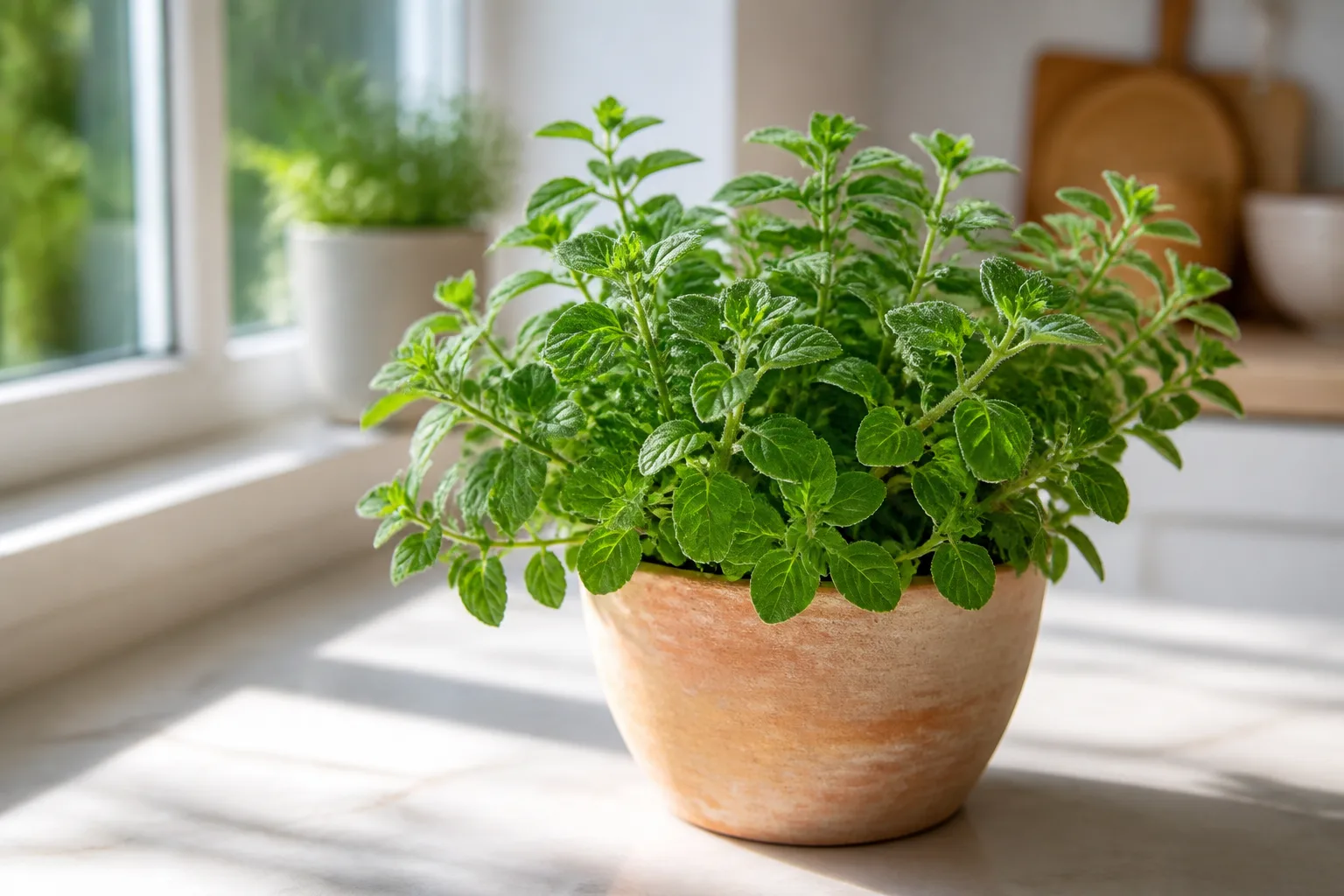
10. Oregano (Origanum vulgare) — Oregano is a practical edible perennial for a sunny, lean bed, where its flavor stays concentrated and the plant needs less frequent watering once rooted. It can spread by stems and seed, so keep it in a contained herb bed if you want a crisp border; harvest by cutting stems rather than stripping every leaf from the plant.
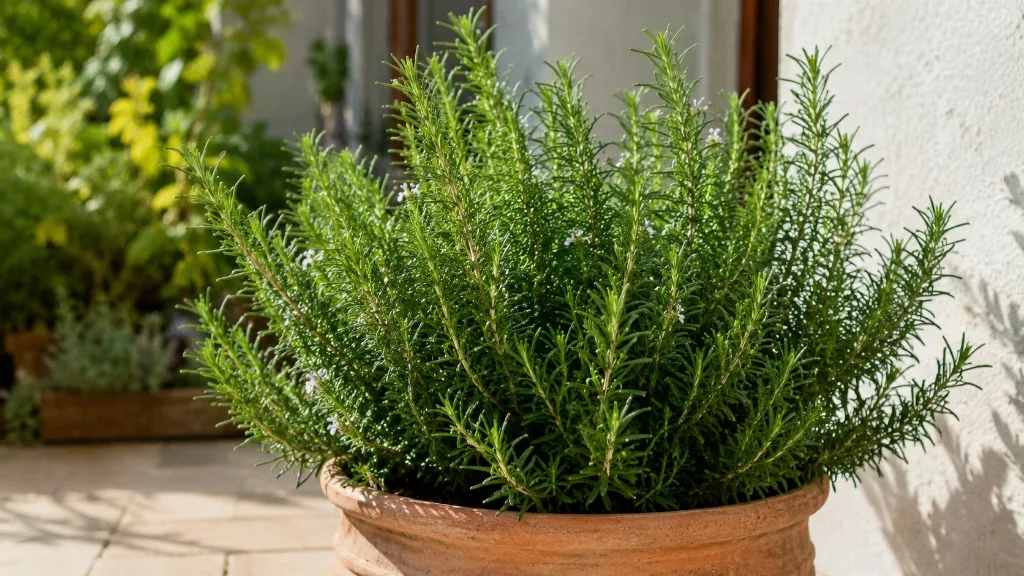
11. Rosemary (Salvia rosmarinus) — Rosemary handles dry summers well in mild-winter regions when it has full sun and fast drainage. Cold tolerance varies by cultivar, and winter wet can be more damaging than summer dryness; in colder zones, grow a hardy selection in a sheltered microclimate or use a container that can be protected indoors.
The National Garden Bureau includes lavender and rosemary in its drought-tolerant garden guide, while the Farmers’ Almanac’s regional drought-tolerant plant list also emphasizes herbs and perennials such as yarrow, sedum, and coneflower. Those lists are starting points; local winter temperatures and summer humidity decide which choices will actually be low-care for you.
Ornamental grasses for structure and movement
12. Little bluestem (Schizachyrium scoparium) — This North American prairie grass gives a narrow upright shape, summer color, and russet fall foliage in sunny, well-drained ground. It suits a naturalistic border or meadow planting better than a clipped lawn; spacing multiple clumps lets each keep its form and reduces the temptation to overwater the entire bed.
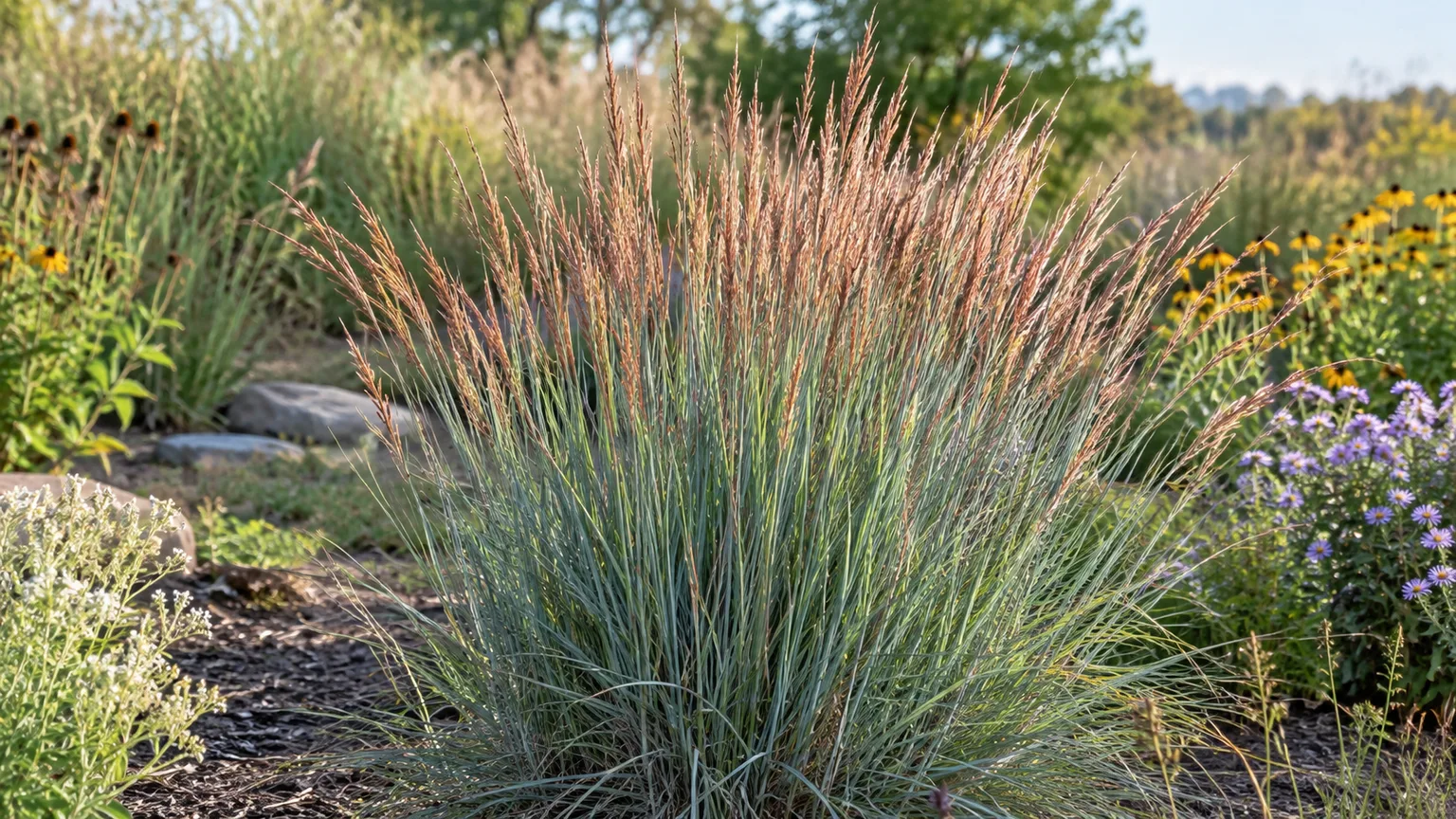
13. Blue grama (Bouteloua gracilis) — Blue grama is a short, fine-textured prairie grass for dry, sunny sites in the Great Plains and adjoining regions. Its distinctive seed heads add close-up interest, but it is not a shortcut to a lush, mowed lawn; choose it where a lower, more natural look and slower growth are acceptable.
14. Switchgrass (Panicum virgatum) — Switchgrass provides height, movement, and winter seed heads, with native cultivars available for many regions. Its drought performance depends on the species and cultivar: upland selections are the safer direction for a drier site, while lowland forms are adapted to wetter ground. Confirm the selection with a local extension or native-plant nursery before planting.
15. Deer grass (Muhlenbergia rigens) — Deer grass is a useful structural clump for warm, dry-summer landscapes of the Southwest and California, where it can be paired with shrubs and flowering perennials. It is not a national pick for cold, wet winters; match it to local plant lists, leave enough room for its mature arching leaves, and water new plantings while roots establish.
Regional shrubs and small trees
16. California lilac (Ceanothus spp.) — Many ceanothus shrubs are adapted to western dry-summer climates and bring evergreen foliage and spring flowers to a sunny, well-drained site. Species vary in cold tolerance and mature size; avoid planting a coastal selection in an unsuitable inland winter, and do not place a dry-summer specialist in a bed that receives routine summer irrigation.
17. Manzanita (Arctostaphylos spp.) — Manzanitas range from groundcovers to large shrubs and can provide evergreen form, smooth sculptural branches, and flowers in western gardens. They are not a universal shrub for heavy, poorly drained soil; choose a species listed for your local conditions and resist the urge to improve its site with frequent water or fertilizer.
18. Texas sage (Leucophyllum frutescens) — In hot, dry parts of the Southwest and southern Plains, Texas sage offers silvery leaves and flowers that often appear after humidity or rain. It needs heat, sun, and drainage, and it is not suited to hard-freezing climates; use it where its eventual size can remain informal instead of shearing it into a tight hedge.
19. Palo verde (Parkinsonia spp.) — Palo verde is a small tree for warm desert gardens, valued for green bark, airy shade, and yellow flowers. Its open canopy lets some light reach plants beneath it, but the dry-adapted roots still need establishment care after planting; give it room from paths and confirm which species or cultivar is appropriate for your region.
20. Desert willow (Chilopsis linearis) — Despite its name, desert willow is a flowering small tree rather than a true willow, and it suits sunny, hot, dry landscapes with good drainage. It is deciduous, so plan for seasonal leaf drop, and do not mistake its mature drought tolerance for permission to leave a newly planted tree dry through its first summer.
Fine Gardening’s regional shrub reports are useful because they divide choices by region instead of assuming a single list applies to every climate. For a longer shrub comparison, see this guide to drought-tolerant shrubs; for larger canopy options, use the more focused list of drought-tolerant trees.
Succulents for hot, dry sites
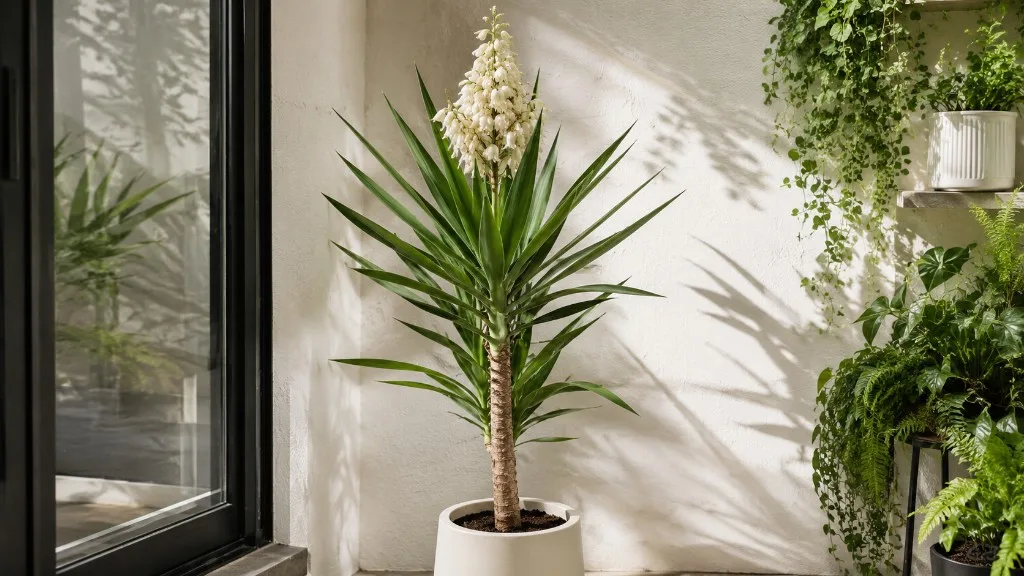
21. Yucca (Yucca spp.) — Yuccas bring bold, architectural leaves to hot, dry beds and include species with very different cold tolerance. Match the species to your winters and give spiny leaf tips clearance from paths, play areas, and narrow entries; a plant that needs little irrigation can still be the wrong choice beside a doorway.
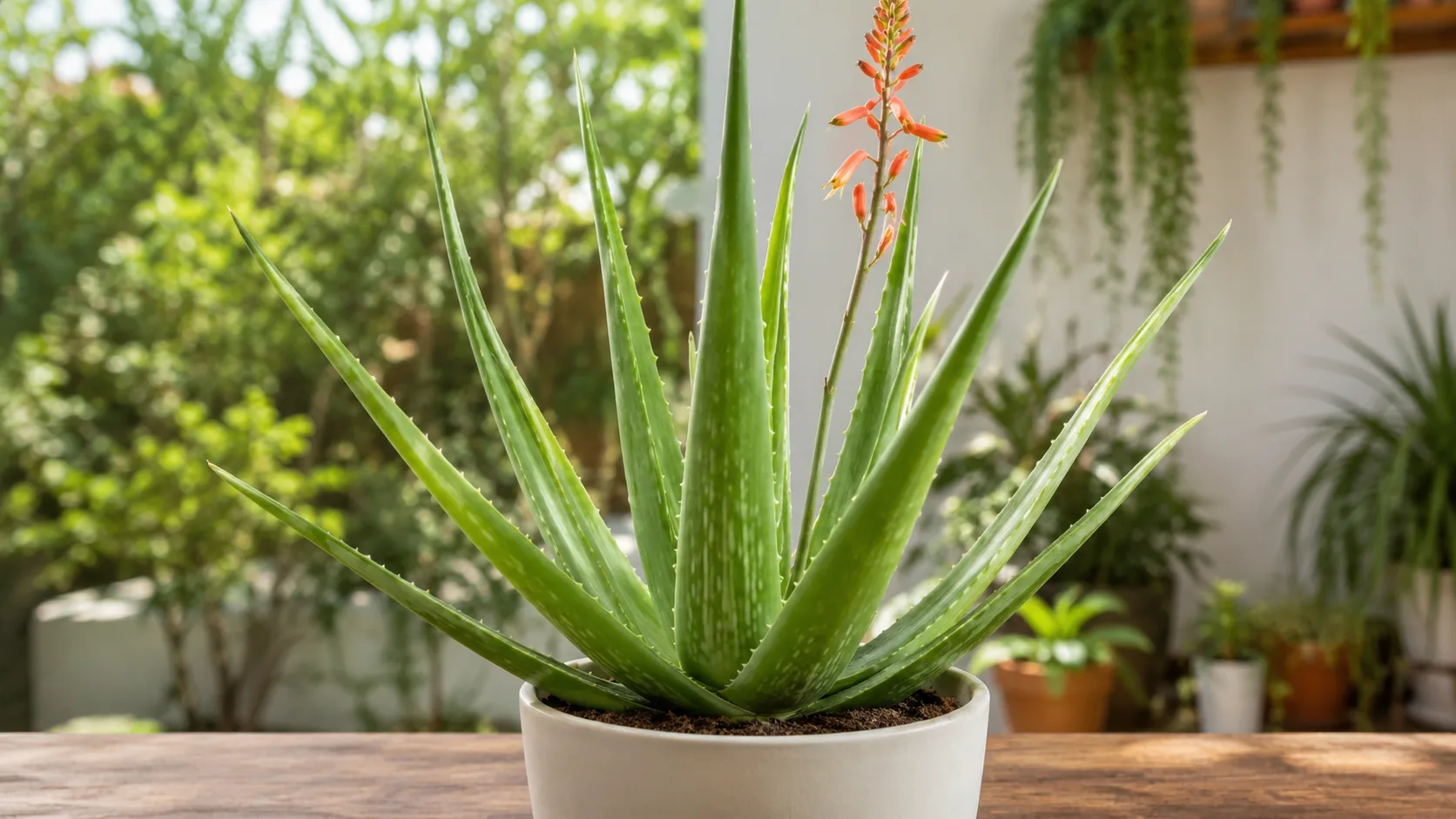
22. Aloe (Aloe spp.) — Outdoor aloe is best for frost-free or very mild-winter landscapes, while colder-climate gardeners can grow it in a movable container. Most prefer full sun to light shade and gritty, fast-draining soil; protect plants from cold rain and freezing temperatures, and do not keep the root zone wet just because the leaves look plump.
Planting and establishment: what drought-tolerant plants need first
Choose a planting window and protect the root ball
Plant when roots can grow before the next major stress. In cold-winter areas, spring may give a new perennial or shrub a full growing season before winter; in hot, dry-summer regions, fall or the cooler part of the planting season can reduce heat stress. The right window varies by species and region, so use your cooperative extension’s calendar rather than applying “fall planting is always best” across the country.
Set the root ball at the same depth it grew in its pot and loosen circling roots gently. Water the planting hole and root ball thoroughly after planting so the original nursery mix and surrounding soil make contact. A small new root system cannot reach deep reserves yet, even when the mature plant is known for drought tolerance; protect it from competition and check it more often than established plants.
Water to root depth, then taper by observation
There is no reliable weekly schedule for all 22 plants. Soil texture, pot size, rainfall, wind, temperature, planting season, and root-ball size all change how fast a plant dries. During establishment, check below the surface near the root ball: water when that zone is drying, then apply enough to moisten it rather than sprinkling only the leaves or top layer.
As new growth appears and roots extend beyond the original root ball, lengthen the interval between watering. If the plant wilts during a hot afternoon but recovers by morning, check soil before adding water; if the root zone is already wet, more irrigation can make matters worse. Once established, many selections can live with less frequent supplemental water, but a prolonged drought or exceptional heat can still justify a deep soak. The National Garden Bureau notes in its drought-tolerant gardening guidance that new plants need regular watering during their first year and much less attention once established.
Soil, mulch, and irrigation that make the choices work
Do not amend an entire bed just to make every plant fit. Start with a soil test if pH, salts, or nutrient problems are likely, and fix drainage or compaction only where needed. Lavender, penstemon, rosemary, and many succulents need reliable drainage; purple coneflower and some grasses tolerate a wider range of soil. A blanket amendment can improve the wrong thing—for example, adding moisture-retaining compost to a plant that needs a dry crown.
Keep soil covered, but choose the cover for the site. A thin layer of organic mulch can reduce bare-soil evaporation in mixed perennial beds, kept back from crowns and trunks. Gravel or decomposed granite may suit a desert planting and its drainage, but covering every yard in stone can increase reflected heat and leave little living groundcover. The National Garden Bureau’s water-wise gardening article warns that a rock-only landscape can heat its surroundings; the aim is a planted, shaded soil surface, not a blanket of hot rock.
Put drip or soaker irrigation where it can wet root zones without routinely soaking foliage or hardscape. Inspect emitters and observe the soil after a cycle: a system can run while a clogged emitter leaves one plant dry, or overspray pavement while missing the bed. If you are replacing a lawn patch by patch, separate the new dry bed from remaining turf so their schedules do not conflict. For practical triage during an active dry spell, see how to maintain a garden during drought.
Mistakes that make a water-wise planting fail
- Treating the label as a care plan. A drought-tolerant plant still needs water while its roots establish and may need help during an extreme dry spell.
- Mixing plants with opposite soil needs. A lavender and a moisture-loving plant may look good together in a catalog but fight over irrigation in the same bed.
- Ignoring drainage. Dry-climate species can decline in heavy, wet soil; increasing irrigation in that situation makes the original problem worse.
- Assuming one species name covers a whole genus. Check the exact botanical name, local hardiness, mature size, and native or invasive status before purchase.
- Planting too densely. Mature plants need room for airflow and full size; crowding can raise maintenance and water demand.
- Confusing drought survival with peak performance. A plant may survive a dry summer by going dormant, dropping leaves, or flowering less. If you expect continuous lush growth during severe drought, plan on supplemental water or choose a different goal.
A strong water-wise bed is not necessarily a no-irrigation bed. It is a bed where plant choice, spacing, soil, mulch, and watering all work together, so the plants that can thrive on less water are not forced into a site or schedule that keeps them stressed.
Conclusion
The best drought-tolerant plants are the ones that match your region, soil, sun, and intended use—not simply the ones on a national list. Start with a site profile, check local species and winter limits, then group plants with similar water needs so the irrigation fits the planting rather than the other way around.
Water new plants while roots establish, watch the root zone instead of relying on a calendar, and reduce supplemental water only as growth shows the plants can manage. That approach lets a garden use less water without asking young plants to survive on a mature plant’s reputation.



