How to Maintain a Garden During Drought: 9 Tips
Learn how to maintain a garden during drought with smarter watering, mulch, shade, hydrozones, rain capture, and plant-priority decisions.
A drought plan is not simply “water more.” It is a way to put limited water where it has the highest payoff, keep it in the soil longer, and stop practices that make plants work harder for every drop. Start by protecting new transplants, food crops, containers, and young trees; established, well-adapted ornamentals can usually wait longer.
The most useful rule is to manage moisture at root depth, not moisture on the soil surface. A short sprinkle can make a bed look refreshed while leaving most roots dry, whereas a slower soak followed by mulch and a pause can carry plants through several hot days. The right interval depends on soil texture, plant size, wind, sun, and local restrictions, so the steps below are a framework to adapt rather than a universal timer.
Tip 1: Triage the garden before you turn on the hose
Walk the garden once before watering and sort plants into three groups: must-save, worth-supporting, and can-wait. Must-save usually includes seedlings, newly planted trees and shrubs, actively producing vegetables, shallow-rooted container plants, and anything showing early stress that could become permanent. Mature native or drought-adapted plants with firm leaves and cool, slightly moist soil can often move down the list.
This sounds unsentimental, but triage prevents the common drought mistake of giving every square foot the same amount of water. A young fruit tree, a tomato carrying fruit, and an established lavender plant do not have the same water budget or the same consequences if they miss a soak. Prioritize by age, root depth, crop value, replacement cost, and recoverability—not by which plant looks most dramatic at 4 p.m.
Also check whether the problem is actually lack of water. A broken hose connection, clogged emitter, compacted surface, root damage, or waterlogged pocket can all produce wilt. Colorado State University Extension recommends watering permanent landscapes deeply and infrequently while checking irrigation equipment for leaks and poor adjustment, a useful reminder that diagnosis comes before increasing the run time. (Colorado State University Extension)
Tip 2: Read soil moisture instead of watering by calendar
Do not decide that a garden needs water because it is Tuesday, because the top inch looks pale, or because a plant droops during the hottest part of the afternoon. Push a finger, trowel, or screwdriver into the soil several inches from the stem. If the tool enters easily and the soil feels cool or forms a loose ball, wait. If it stops at a dry crust and the deeper sample is dusty, it is time to soak.
The test depth should match the plant. Check roughly 2 to 4 inches for seedlings and shallow-rooted greens, 6 to 8 inches for most vegetable beds and perennials, and deeper in the outer root zone of shrubs and trees. Never make the hole right against a trunk or crown; that can damage roots and gives you a misleading reading in a small pocket that receives water from the stem.
University of Minnesota Extension notes that sandy, fast-draining soil may need water more often than heavier clay or loam rich in organic matter, and that mulch changes how quickly a bed dries. The practical takeaway is to measure the soil once after watering, then again the next day and several days later. You are learning how long that particular bed holds usable moisture, not memorizing someone else’s schedule. (University of Minnesota Extension)
The quick root-zone test
Use a clean trowel to lift a narrow slice of soil between plants. Moist soil is darker, cooler, and slightly cohesive; bone-dry soil may crumble or pull away from the bed edge. In clay, a surface crack does not always mean the whole root zone is dry, while in sandy soil the surface can look fine after the lower zone has already drained.
Record what you find for a week. If the bed is dry at root depth every afternoon, improve coverage or increase the volume per soak; if it remains wet for days, shorten the run time or improve drainage. The observation is more valuable than a rule such as “water every day,” which can create shallow roots and waste water.
Tip 3: Deep-water the plants you keep
Apply water slowly enough that it infiltrates the root zone instead of running down a path, pooling at the bed edge, or blowing away as mist. For a hand-held hose, use a gentle stream at soil level and move methodically. For sprinklers, use a catch cup or straight-sided container to see how much water is landing and whether one area is getting twice as much as another.
Water until the intended depth is moist, then stop. Deep watering does not mean flooding a bed until water flows into the street. It means replenishing the part of the soil that roots can use and letting air return to the pores afterward. Roots need oxygen as well as water, so a constantly saturated root zone can be as damaging as a dry one, particularly in compacted or poorly drained soil.
Fine Gardening’s drought guidance describes a useful contrast: frequent shallow watering keeps roots near the surface, where heat and evaporation are strongest; a deeper soak followed by a longer pause encourages roots to explore better-insulated lower soil. That does not mean every plant should be pushed through severe wilt. Tender crops and new plantings still need more frequent attention than established, deep-rooted beds. (Fine Gardening)
The pause-and-recheck watering rule
When water beads on the surface or begins to run off, pause for 10 to 20 minutes. The first application may soften a crust or hydrate dry organic matter; the pause allows channels to open and water to move sideways and down. Return to the same area for a second, slower pass, then check depth with a trowel.
If runoff starts immediately, do not solve the problem by turning the water up. Reduce the flow, break up only the top crust with a hand tool when appropriate, and use mulch after the soil has been thoroughly wetted. On a slope, place watering devices across the contour or use drip emitters that release water slowly enough to infiltrate before gravity carries it away.
Tip 4: Cover the soil to slow evaporation
Bare soil is a drought liability. Sun and wind pull moisture from the surface, weeds compete for what remains, and a hard crust can turn the next watering into runoff. Apply a loose layer of organic material such as shredded leaves, clean straw, fine arborist chips, or finished compost around plants to shade the soil and moderate temperature.
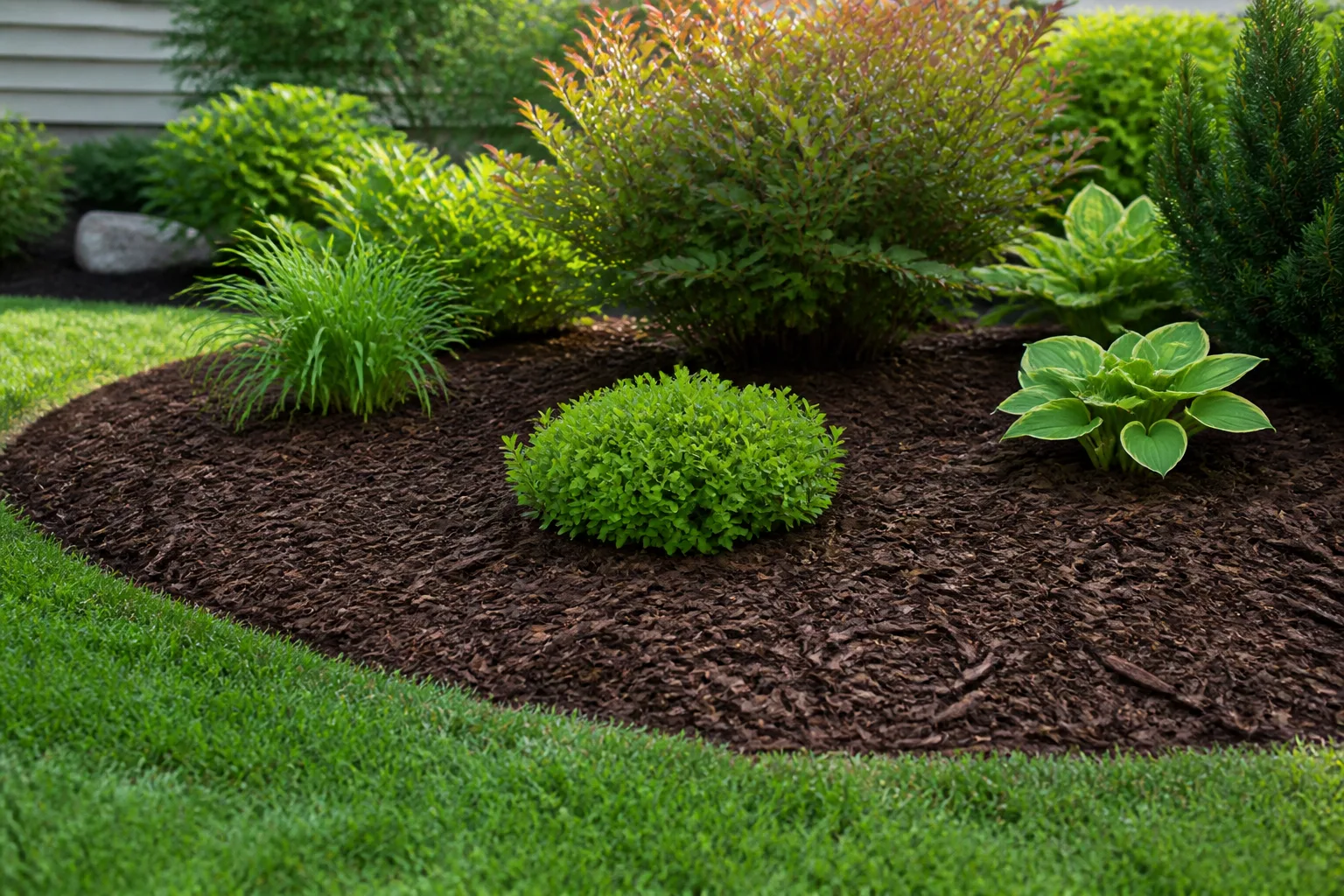
For most beds, use roughly 2 to 4 inches of mulch, choosing the depth and texture that fit the material. Leave a small gap around stems, crowns, and trunks; mulch piled against living tissue stays damp and can encourage rot, pests, or rodent damage. Keep the layer thinner around tiny seedlings so it does not bury them or block germination.
Mulch reduces evaporation, suppresses weeds, moderates soil temperature, and gradually contributes organic matter. Those benefits are why both University of Minnesota Extension and Southern Living treat mulch as a core soil-health and heat-management practice, not just a decorative finish. Avoid dyed or unknown material that may contain contaminants, and do not use fresh, nitrogen-hungry wood chips as a thick layer mixed into the root zone of annual vegetables. (University of Minnesota Extension; Southern Living)
Match mulch to the bed
Use clean straw or shredded leaves where you want a light, easy-to-move layer around vegetables. Wood chips or bark last longer around shrubs and paths but can hide irrigation leaks and make reseeding harder. Gravel can work in very dry, hot landscapes, but it stores heat and is less forgiving if the site is not already suited to it.
Whatever you choose, water the soil first during a drought and mulch afterward. A dry layer placed on dry soil can slow the first soak from reaching roots. Recheck depth after wind, heavy rain, or cultivation and top up rather than repeatedly stripping the bed bare.
Tip 5: Improve infiltration without disturbing dry soil
Healthy soil is a reservoir only when water can enter and remain available to roots. Add finished compost or other locally appropriate organic matter during the cool season or before planting, when you can mix it through the bed without shredding living roots. In an active drought, avoid deep tilling or turning a bed simply because the surface looks hard; exposing moist lower soil can increase evaporation and damage soil structure.
If a surface crust is blocking water, use a hand fork or narrow cultivator to loosen only the upper inch or two between plants. Do not stab repeatedly through the root ball of a tree or perennial. A better long-term fix may be adding a thin top-dressing of compost, keeping soil covered, and correcting the source of compaction such as foot traffic or a mower wheel.
Soil texture changes the strategy. Sandy beds accept water quickly but lose it quickly, so organic matter, close planting, and a dependable mulch layer matter. Clay beds can hold water yet shed it from a sealed surface, which calls for slower applications and pauses. The goal is not to make every soil behave identically; it is to create a workable balance of infiltration, air, and water for the plants already there.
Fine Gardening’s water-wise course describes soil management, mulching, rain capture, plant establishment, and maintenance as connected parts of drought-resilient design. That systems view is more useful than chasing a single amendment or moisture additive. (Fine Gardening)
Tip 6: Add shade and reduce hot, drying wind
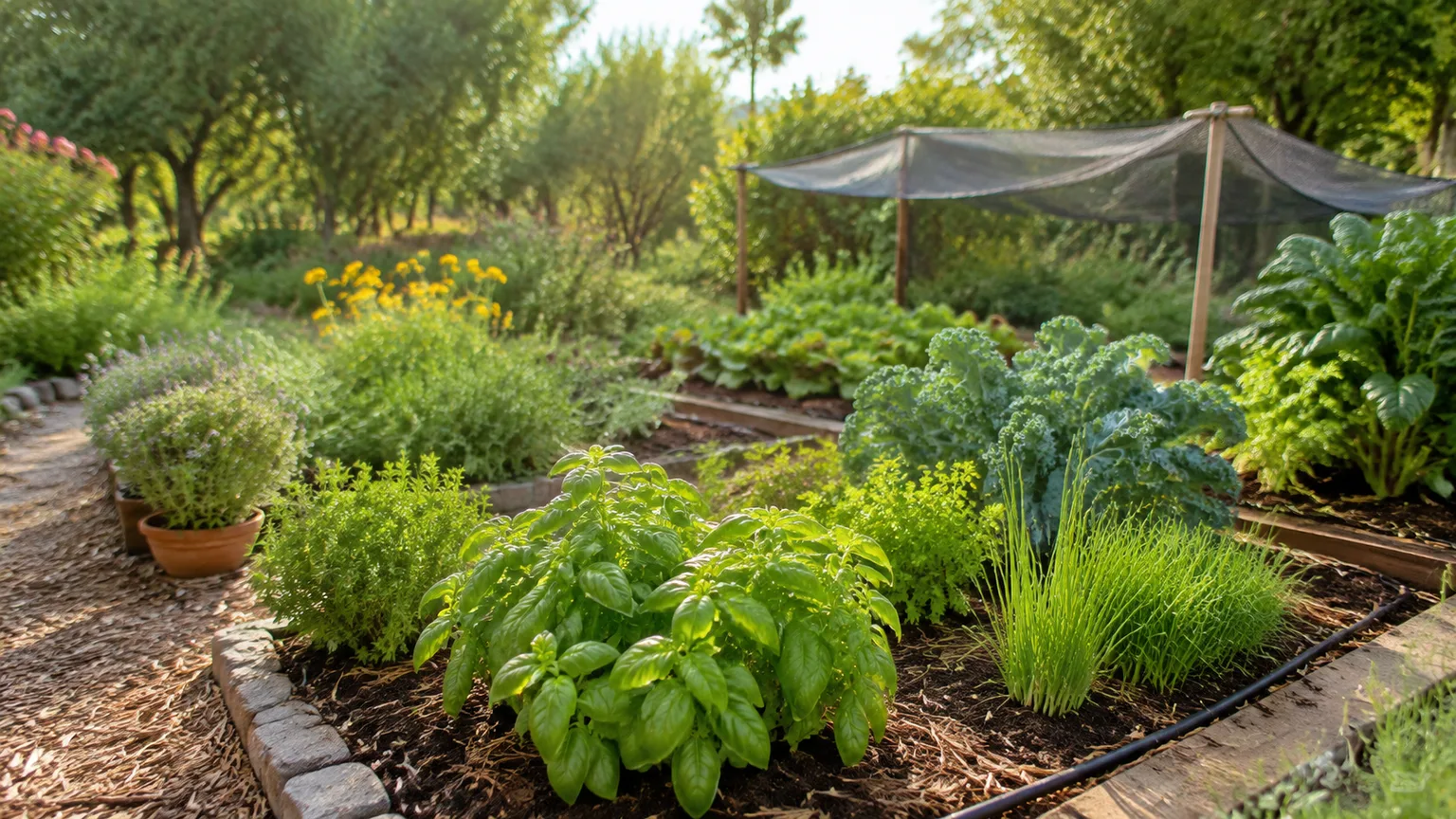
Temporary shade can buy a stressed plant time, especially when heat arrives with dry wind. Use a 30% to 50% shade cloth over tender greens, seedlings, and newly transplanted crops during the hottest part of the day, leaving enough airflow for leaves to dry and for pollinators to reach flowers. Anchor the cloth securely so it does not rub foliage or become a hazard in a gust.
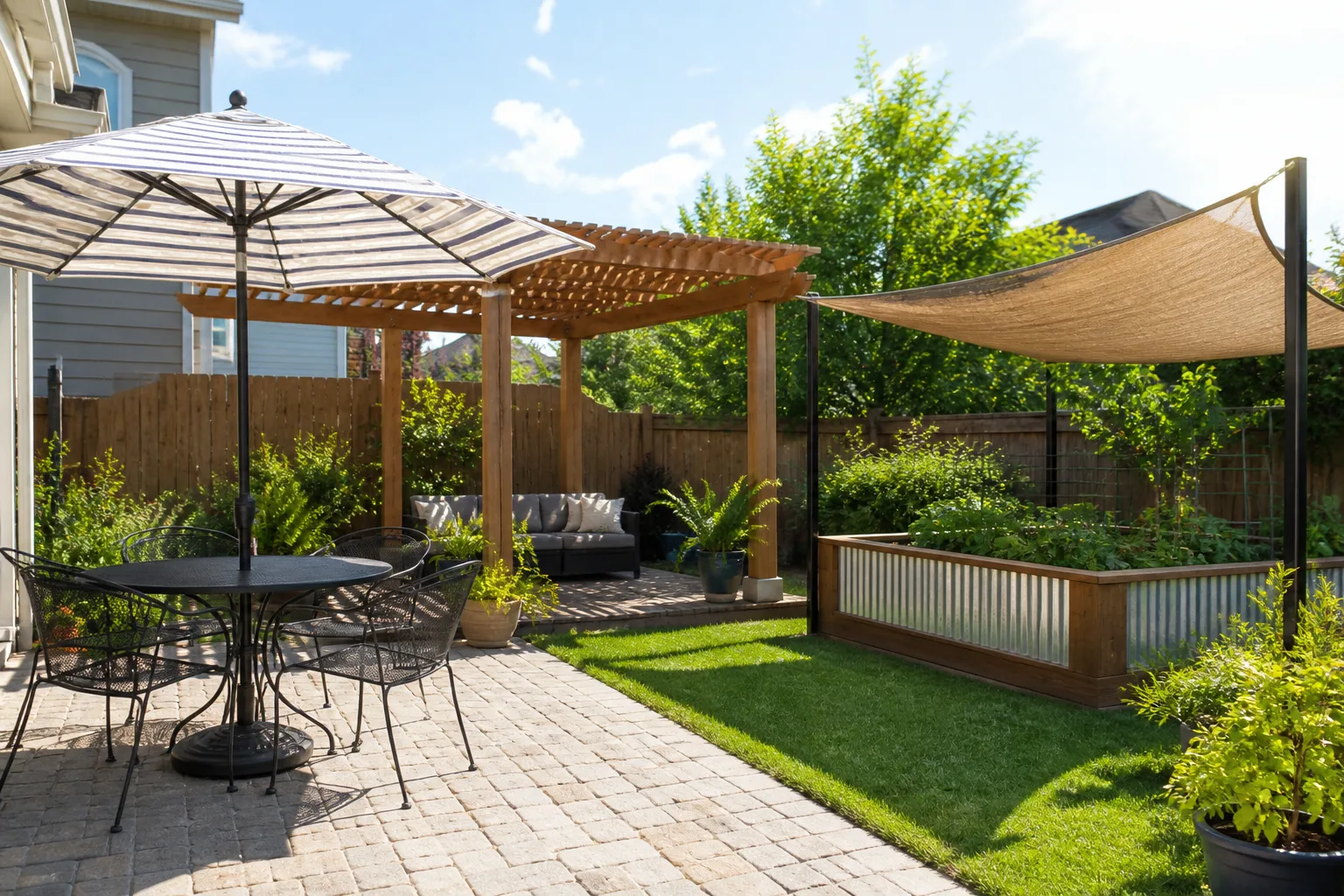
You can also use the garden’s structure: a fence, trellis, hedge, or taller crop may protect a lower-growing plant from afternoon sun. Place heat-sensitive crops where they receive gentle morning light and some afternoon relief, but do not create a damp, stagnant pocket. Shade reduces the energy driving evaporation; it does not replace root-zone watering.
Southern Living recommends combining shade with mulch, deep watering, and reduced soil disturbance when extreme heat and drought overlap. Its useful distinction is that shade is a tool for cooling the soil and moderating plant demand, not an excuse to put sun-loving crops in permanent darkness. Remove or reposition temporary cloth as weather changes so plants still receive the light they need. (Southern Living)
Wind deserves equal attention. A porous screen or living hedge slows wind without creating the turbulence of a solid wall. Protect containers from a hot reflective wall, and group pots by water need so you can move the most vulnerable ones to a cooler, sheltered position rather than watering the entire patio more often.
Tip 7: Group plants by water need and audit irrigation
Create hydrozones: keep thirsty vegetables and new plants together, moderate-water perennials in another area, and drought-adapted herbs or ornamentals in a limited-irrigation zone. A single irrigation schedule for all three forces you to overwater the low-water group or under-water the high-water group. Colorado State University Extension defines hydrozoning as grouping plants with similar water needs and adjusting irrigation to actual need instead of leaving a clock to water the whole yard evenly. (Colorado State University Extension)
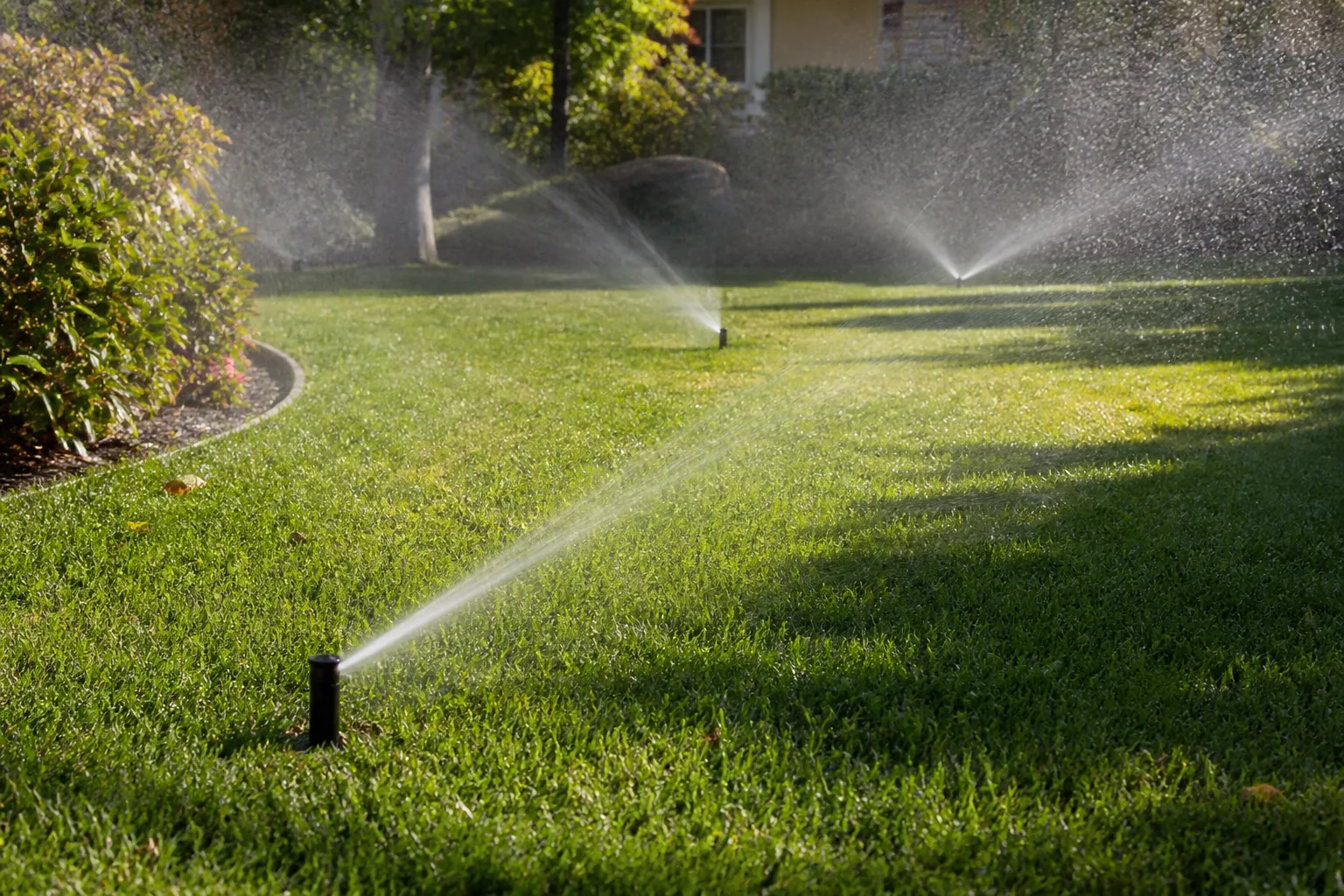
Audit the system before changing it. Run each zone briefly and look for leaks, blocked emitters, misting sprinkler heads, overspray on pavement, and dry shadows behind shrubs. Check whether a new raised bed or tree has interrupted the original spray pattern. A rain gauge or straight-sided can helps translate minutes into a volume; “two days per week” tells you almost nothing without knowing how many gallons or inches are applied.
If water is restricted, turn off ornamental zones first and preserve the zones that support food production, newly planted woody plants, and irreplaceable specimens. Follow local rules, because drought restrictions may specify allowed days, hours, or irrigation methods. A water-saving system still wastes water if it runs too long, leaks underground, or distributes it unevenly.
Make drip and soaker hoses work harder
Drip irrigation is a strong choice for vegetable beds, containers, and orderly rows because it applies water close to the soil rather than throwing it into the air. CSU Extension reports that well-designed drip systems can exceed 90% efficiency, while also warning that clogged or poorly placed emitters restrict the wetted root area and require regular maintenance. (Colorado State University Extension)
Use a filter and pressure regulator where the system requires them, flush lines, and confirm that water is reaching the far end. Move emitters outward as trees and shrubs grow; a line left at the trunk can miss the active root zone. Soaker hoses are inexpensive and portable, but they still need a low, even flow and should be checked for dry sections. Cover lines lightly with mulch to reduce evaporation and trip risk, while keeping connections visible enough to inspect.
Tip 8: Capture rain and reuse water with boundaries
Rainwater is most useful when you capture it before it becomes runoff and direct it to a place where the soil can absorb it. Clean rain barrels, screened openings, and a stable overflow path can supply later hand-watering. Redirecting a downspout toward a planted bed can also help, but do not send water toward a foundation, across a walkway, or onto a neighbor’s property.
The timing matters. A short storm may wet only the surface, while a slow, soaking event can recharge deeper soil. After rain, check the root zone rather than assuming every plant received enough. Fine Gardening’s practical drought advice pairs rain capture with soil coverage and efficient irrigation, because stored water disappears quickly if the bed remains bare and exposed. (Fine Gardening)
Graywater is not a free-for-all
Household graywater can be useful in some places, but rules and treatment systems differ. Only use water that is allowed by local regulations and does not contain bleach, disinfectant, borax, fabric softener, harsh cleaners, or concentrated salts. Avoid storing untreated household water for long periods, and do not use questionable water on edible leaves or root crops.
The safest casual reuse is often simple: collect clean water while a shower or tap warms, or reuse cooled, unsalted water from rinsing vegetables. Apply it to soil, not foliage, and rotate with clean water if mineral buildup appears. If you have a dedicated graywater system, follow its designer’s guidance and your utility or public-health requirements. Water conservation should not trade a dry garden for contaminated soil, clogged irrigation, or a sanitation problem.
Tip 9: Protect seedlings, containers, and new transplants
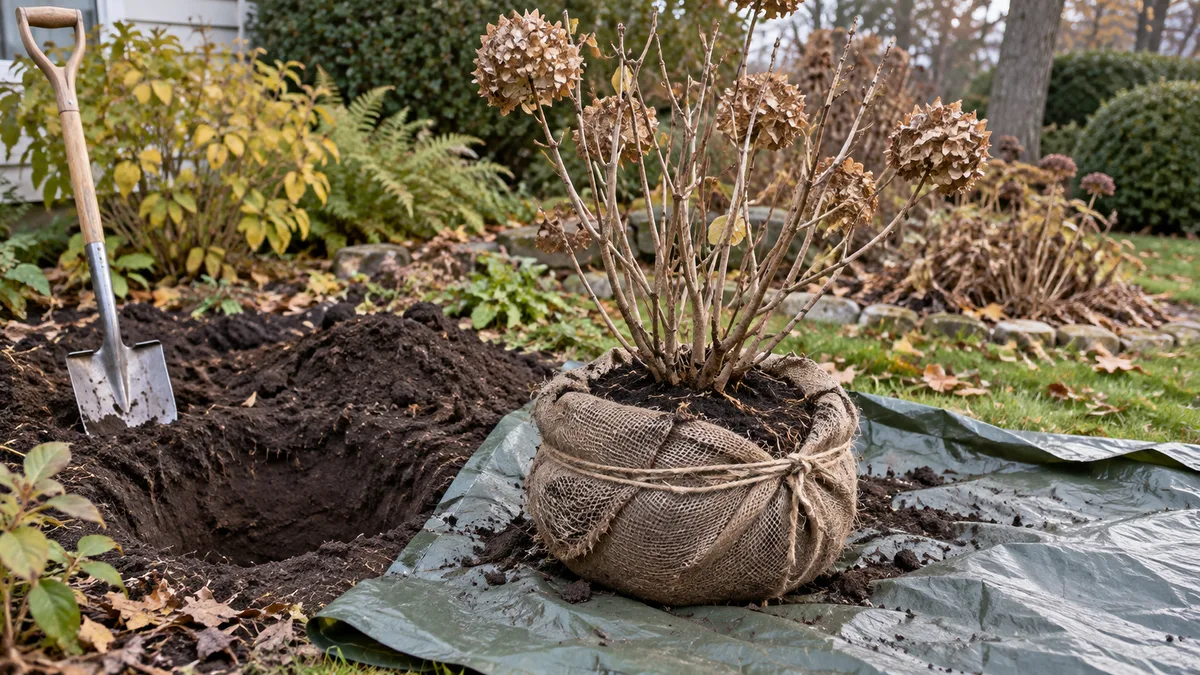
Small root systems dry first and recover last. Newly planted trees and shrubs also need consistent establishment watering even if they are advertised as drought tolerant; drought tolerance is a mature-plant trait, not a permission slip to let a fresh root ball dry out. Soak the planting area before digging when the soil is severely dry, plant into a hydrated hole, water again after planting, and mulch the surrounding soil without touching the stem.
Containers need their own plan because potting mix has limited volume and exposed sides. Move them out of hot reflected light, group them by need, and check moisture at the root ball rather than judging by the surface. A container may need water more frequently than an in-ground bed, but it still needs drainage; repeated top-ups into a waterlogged pot can suffocate roots.
Vegetable seedlings benefit from a temporary windbreak, shade cloth, and gentle soil-level watering. If a crop is past its productive window and water is scarce, harvesting what is ready and removing it may conserve water for plants that can still yield. That is a better decision than keeping every struggling plant alive out of habit while a young tree or newly planted perennial fails.
Give small root systems special treatment
Make a shallow basin just outside a new plant’s root ball so water spreads across the soil instead of flowing away. Water slowly, let it infiltrate, and check the depth the next day. As roots expand, widen the wetted area; do not keep the irrigation concentrated in the original nursery container shape.
Tie up or temporarily shelter tall transplants if wind is increasing leaf loss. Avoid heavy pruning to compensate for drought unless a branch is broken or hazardous. Leaves are the plant’s energy-making surface, and removing healthy foliage during stress can reduce its ability to rebuild roots when conditions improve.
Choose heat- and drought-tolerant plants for the next season
Plant selection is a long-term water decision, but labels are not enough. Choose species adapted to your region, then match them to the actual microclimate: full sun beside a south-facing wall is different from morning sun in a sheltered bed. Native and locally proven plants are often good candidates, but a native plant in the wrong soil, exposure, or irrigation zone can still fail.
For edible gardens, favor crops that fit your season and water budget. Herbs such as rosemary, thyme, oregano, and some peppers may handle heat once established, while leafy greens and young cucumbers can demand more frequent moisture. Seed crops, fruiting crops, and transplants may need reliable water at flowering and fruit set, so plan their placement near the most dependable irrigation rather than scattering them through a low-water border.
Think in communities, not isolated specimens. Group plants with similar water needs, close enough to shade some soil without crowding air circulation, and leave the lawn or high-water patch out of the same zone. The Old Farmer’s Almanac’s water-saving and xeriscape guidance emphasizes plant choice, timing, soil coverage, and design together; that combination is more durable than buying a “drought-proof” plant and keeping the rest of the landscape on a high-water schedule. (The Old Farmer’s Almanac; The Old Farmer’s Almanac)
Avoid fertilizer and pruning mistakes during severe stress
Fertilizer does not replace water. Applying fast-acting fertilizer to bone-dry soil can increase salt stress around roots, and pushing tender new growth during a heat wave can increase the plant’s water demand. If a plant is severely wilted, stabilize moisture first; resume feeding only when it is actively growing and the soil is consistently hydrated, using the product label and the plant’s normal schedule.
Do not respond to a dry-looking garden by turning every sprinkler on at midday. Fine Gardening notes that early morning, evening, or overnight watering usually reduces evaporation, while the middle of a hot, sunny day is the least efficient window. The exception is a plant in immediate danger that cannot wait; saving a plant matters more than achieving a perfect schedule. (Fine Gardening)
Likewise, do not scalp a heat-stressed plant or strip off every leaf that has curled. Remove dead, broken, or diseased material, but postpone major shaping until cooler conditions return. A damaged leaf may still contribute energy, and a sudden canopy reduction can expose stems and soil to even more heat.
Diagnose wilt before adding more water
Wilting is a symptom, not a diagnosis. Underwatering usually comes with dry soil at root depth, crisp edges, curling, or a pot that feels much lighter. Overwatering can look surprisingly similar because damaged roots cannot move water well; the mix stays wet, leaves may yellow, and the plant can droop despite frequent irrigation.
Check three things in order: soil moisture, drainage, and delivery. If the soil is dry, water deeply and recheck. If it is wet, stop adding water and investigate drainage, compacted soil, or root damage. If one plant in an otherwise healthy bed is wilted, inspect its emitter, root zone, stem, and nearby competition before increasing the whole zone.
Heat can also cause temporary afternoon wilt even when soil moisture is adequate. If leaves recover in the evening and the root zone is moist, add shade or wind protection and monitor rather than repeatedly soaking the bed. Conversely, persistent morning wilt, scorched margins, leaf drop, or poor growth means the plant is not recovering overnight and needs a closer look at roots, pests, salt, disease, and irrigation uniformity.
Conclusion: Build a garden that can bend
When water is scarce, start with the plants that are young, productive, valuable, or least able to recover. Check moisture at root depth, apply a slow soak, pause when runoff begins, and cover the soil so the work lasts. Then audit the system, split mixed plantings into hydrozones, protect seedlings and containers, and use shade where it reduces heat without blocking necessary light.
The garden may not look exactly the same through a drought. Some plants will pause, a lawn may go dormant, and a crop may be worth harvesting early rather than forcing it through stress. That is not failure; it is water-wise management. The goal is a garden with healthier soil, better-matched plants, and enough flexibility that the next dry spell becomes a manageable adjustment instead of an emergency.