Perennials vs. Annuals: A Clear, Practical Gardening Guide
Learn how annuals, biennials, and perennials differ, why plants may not return, and how to choose flowers for your climate, budget, bloom schedule, and garden.
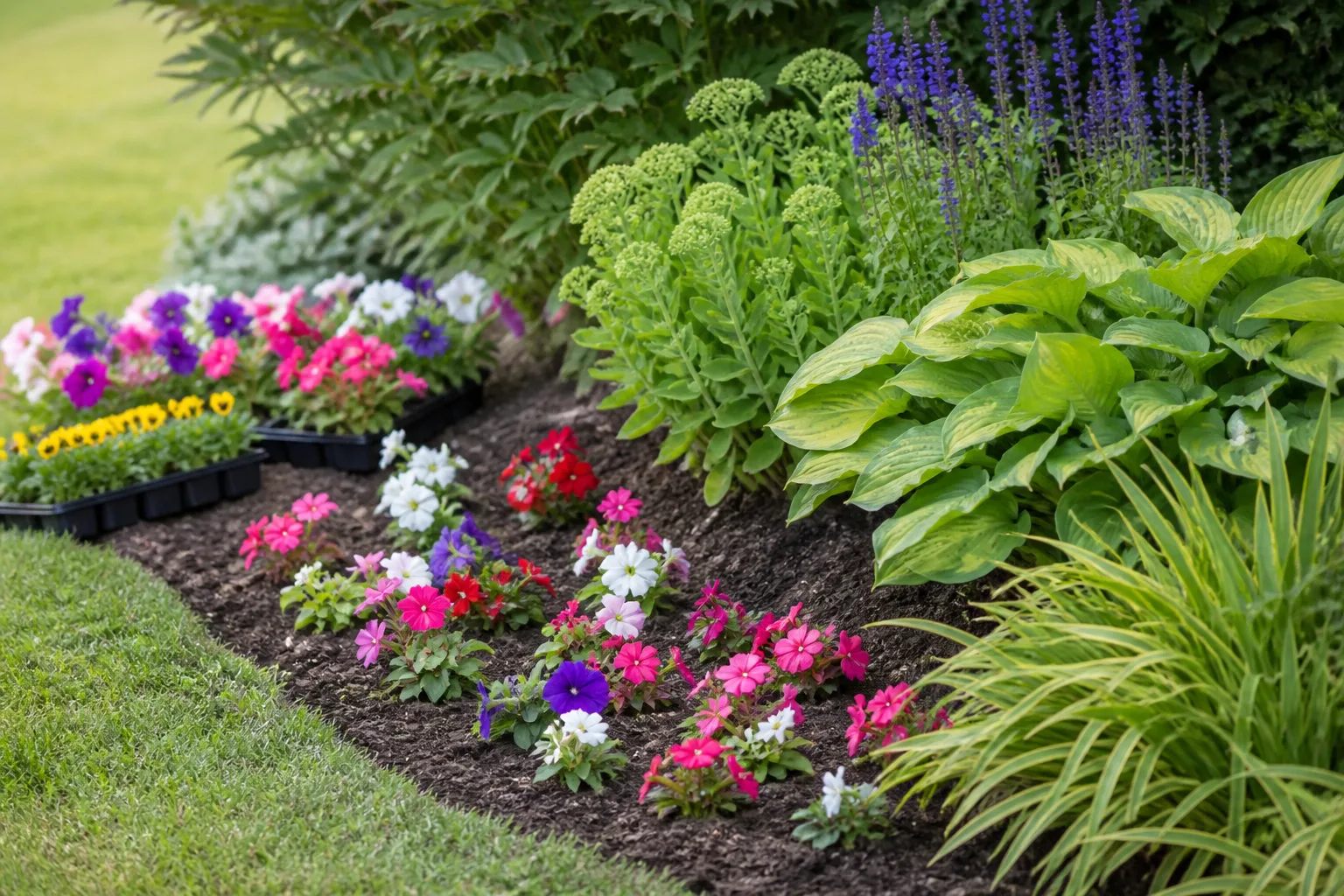
An annual completes its life cycle in one growing season; a perennial survives for more than two growing seasons; and a biennial usually needs two seasons to flower and set seed. That describes the lifespan of an individual plant, not how long its flowers last or whether it stays green through winter.
For a garden, the practical choice is about more than “comes back” versus “replant.” Annuals usually give quick, changeable color. Perennials build a planting that can persist, but they need the right site and may take time to establish. A plant labeled “annual” in a cold climate may even be a tender perennial in a warmer one. The distinctions below help you read tags accurately and choose a mix that fits your conditions and the amount of work you want to do.
Annual, biennial, perennial: three different lifespans
The simplest way to sort plants is to follow one plant from germination to its natural end. Annuals run through that cycle in one growing season: they sprout, grow, flower, form seed, and die. A calendar year is not the measure; a winter annual can germinate in fall, overwinter as a small plant, and flower the next spring while still completing its cycle in one favorable season.
A biennial typically spends its first growing season building roots and leaves, then flowers and sets seed during its second before dying. Foxgloves and hollyhocks are familiar examples, although exact behavior can vary with species and variety. A perennial lives beyond two growing seasons. Some perennials are herbaceous: their aboveground stems die back while the plant survives in a crown, roots, rhizomes, or buds. Others, such as shrubs and trees, keep woody stems. Penn State Extension notes that some herbaceous perennials last only a few years, while others persist for decades, so “perennial” does not mean permanent (Penn State Extension’s perennial-care guide).
The University of Minnesota Extension’s plant directory illustrates the breadth of the labels: it groups asters, peonies, hostas, and coneflowers as perennials, while listing marigolds, petunias, and zinnias among annuals (University of Minnesota Extension’s annual and perennial directory). These examples are useful, but plant names on nursery tags matter. A common name can refer to different species, and cultivars may behave differently from the familiar type.
Perennials vs. annuals at a glance
| What you are comparing | Annuals | Perennials |
|---|---|---|
| Life span of one plant | One growing season or life-cycle period | More than two growing seasons |
| What usually survives | Seed, if it matures; sometimes nothing in the bed | Living roots, crown, rhizomes, bulbs, buds, or woody stems |
| Typical garden use | Fast seasonal color, flexible containers, quick gap filling | Long-term borders, repeat structure, established groundcover |
| Flower display | Often a long or repeated display, but not every annual blooms continuously | Often a shorter seasonal flush; timing differs by species and variety |
| Work that repeats | Sow or replace plants each season; water and feed as needed | Establish once, then maintain; some need division, staking, or cleanup |
| Common examples | Zinnia, marigold, cosmos, petunia | Coneflower, peony, hosta, many asters |
This is a planning comparison, not a guarantee about every cultivar. Some annuals have a single flush; some perennials rebloom or flower over a long period. Penn State Extension describes many perennial flowering plants as having a shorter bloom window than annuals, while noting that deadheading can extend flowering for plants that respond to it (Penn State Extension’s guidance on herbaceous plants). Always check the mature size, bloom period, and care notes for the particular plant you are buying.
What happens after flowering
The flower display can make the categories look obvious, but the decisive difference is what happens to the plant after it flowers. An annual uses its one season to reproduce. A perennial keeps a living structure that can grow again after an unfavorable season, provided that structure survives the local conditions.
This difference helps explain why a bed can look unchanged year after year even when the same plant is not returning. Seeds can sprout in nearby soil, and vigorous perennials can spread from roots or rhizomes. Look at where the new growth is emerging and whether it has the same root crown before assuming the original plant lived through winter.
Why some annuals appear again next year
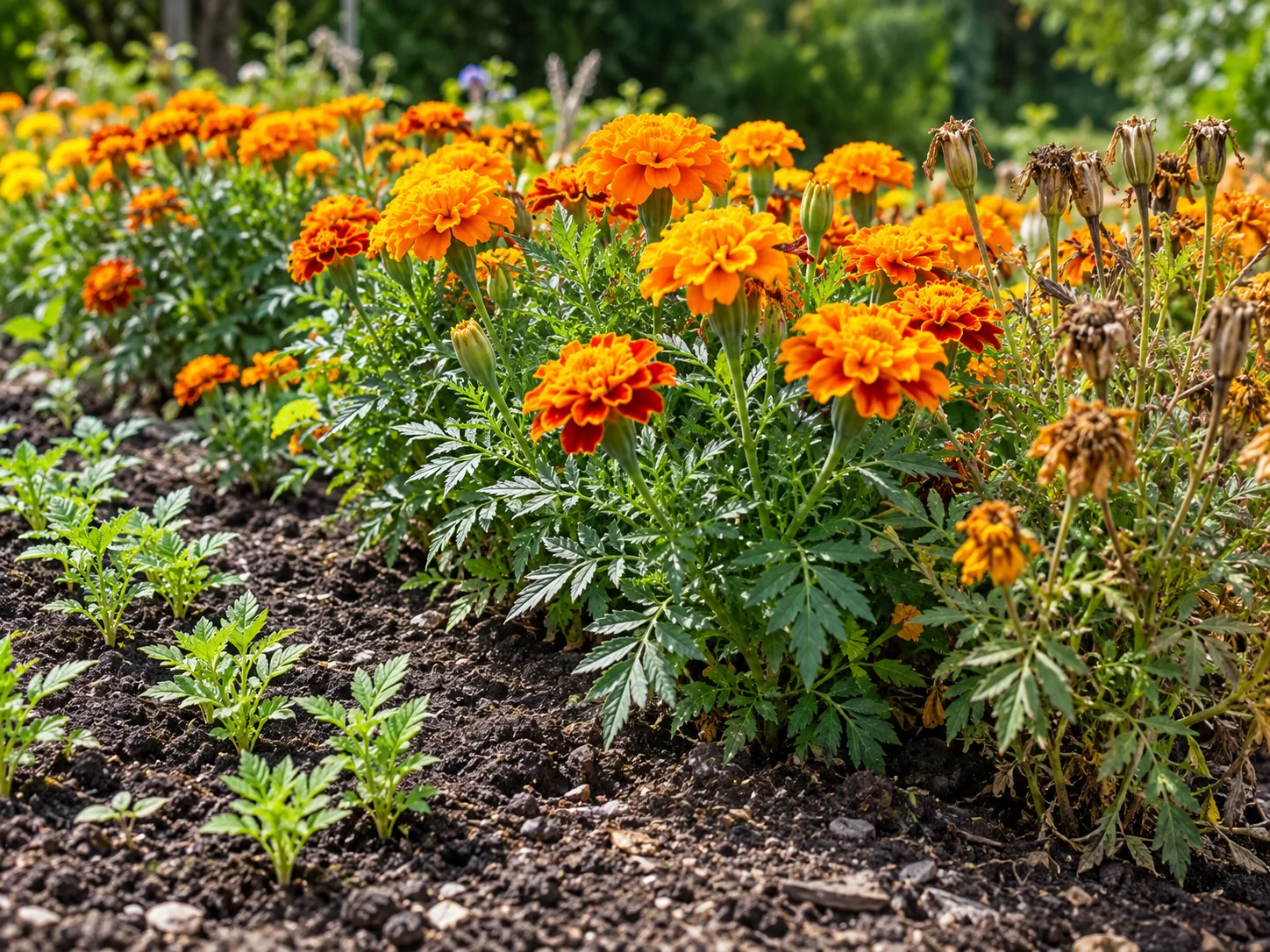
An annual may drop viable seeds before frost or be allowed to self-sow. The new seedlings can appear close to the old plant and recreate the same patch of color, but they are a new generation, not the original plant growing back. A volunteer plant may also land somewhere inconvenient, so leave seed heads only when you welcome that possibility and can recognize the seedlings.
Self-seeding is not guaranteed. Deadheading, sterile cultivars, mulch, drought, birds, and winter conditions can all prevent seeds from producing seedlings. The description “self-seeds” means a plant can do it under suitable conditions; it is not a promise that the garden will fill itself. Gardeners sometimes sow annuals deliberately because they want control over placement and spacing rather than a surprise distribution. Birds & Blooms describes volunteer plants as those that sprout without deliberate planting, a useful distinction when an annual seems to return (Birds & Blooms’ gardening glossary).
How perennial dormancy works
A deciduous herbaceous perennial may lose all visible stems and leaves after frost, yet remain alive below the soil line. Its crown, roots, rhizomes, or resting buds hold the growth needed for the next season. Mark the location of dormant plants before spring digging; otherwise a slow-emerging perennial can be mistaken for an empty patch.
Not all perennials die back. Some keep foliage in mild winters, and woody perennials retain stems. Others need a rest period or tolerate cold only when their roots are not sitting in water. If a perennial fails to return, consider the species’ hardiness, drainage, planting depth, winter moisture, and whether new growth could simply be late. A dead-looking top is not enough to diagnose a dead plant: wait for its normal emergence period, then inspect carefully near the crown rather than digging it up repeatedly.
The real trade-offs: display, cost, and effort
Annuals and perennials are not a ranking from “easy” to “difficult.” They distribute work differently. With annuals, much of the work happens at the start of a season: choose, sow or buy, plant, and repeat. With perennials, you invest in siting and establishment first, then continue with species-specific maintenance. A mature perennial bed can reduce annual replanting, but it still needs water, weeding, and occasional care.
The cost question depends on what you count. A packet of seed can be inexpensive, but starting plants indoors requires supplies, light, and time. Buying annual bedding plants every year adds recurring costs. A perennial may cost more as a larger nursery plant, and some need several seasons to reach the fullness you expect. Over several years, it can be economical if it survives and fits the site; replacement after a poor site choice erases that advantage.
What annuals do well
Annuals are strong choices when you want a vivid display soon, want to experiment with color, or have a container or rental garden whose layout may change next year. Many flower freely through much of the warm season, so they can fill a border while slower plants establish. They are also useful for covering a bare spot before a young perennial grows to its mature size.
The cost of flexibility is recurring setup. You need to sow or transplant again, and the bed may look bare between seasons unless you plan for winter structure or leave other plants in place. Some annuals need regular watering and feeding, particularly in small pots that dry quickly. Some also benefit from deadheading, while self-cleaning cultivars may need very little. Do not assume “annual” means “low maintenance”; evaluate the plant’s needs and your site.
What perennials do well
Perennials provide continuity. Once established, they can return from year to year, anchor a border, and create a stable framework around which you can change smaller seasonal plantings. Their foliage, seed heads, and height can contribute to the garden even when they are not in bloom. A sequence of different perennial species can extend interest across spring, summer, and fall.
The trade-off is patience and correct placement. A newly planted perennial may spend its first season building roots rather than making a large flowering display. Perennials do not all live for decades; some are naturally short-lived, and others decline when crowded or poorly suited to the soil. Certain types need dividing, staking, pruning, or winter protection. Penn State Extension recommends matching plants to site conditions and notes that division needs differ: many benefit from it, while some dislike being disturbed. Treat perennial as a lifespan category, not a promise of maintenance-free gardening.
When to choose annuals
Choose annuals when the planting should change often, needs color immediately, or is temporary. They work well in seasonal pots, window boxes, event displays, vegetable beds where flowers share space with crops, and small gaps in a young border. If a plant is going into a container that you refresh each spring, the annual routine may be convenient rather than wasteful.
Annuals are also practical when you are testing a site. If you are unsure whether a corner gets enough sun or whether a color combination works, a temporary planting lets you learn without committing to a long-lived plant. That does not remove the need to read the plant tag: a sun-loving annual in deep shade will still perform poorly. Select plants for the actual light and drainage, and use annuals as a trial only when their water and temperature requirements fit.
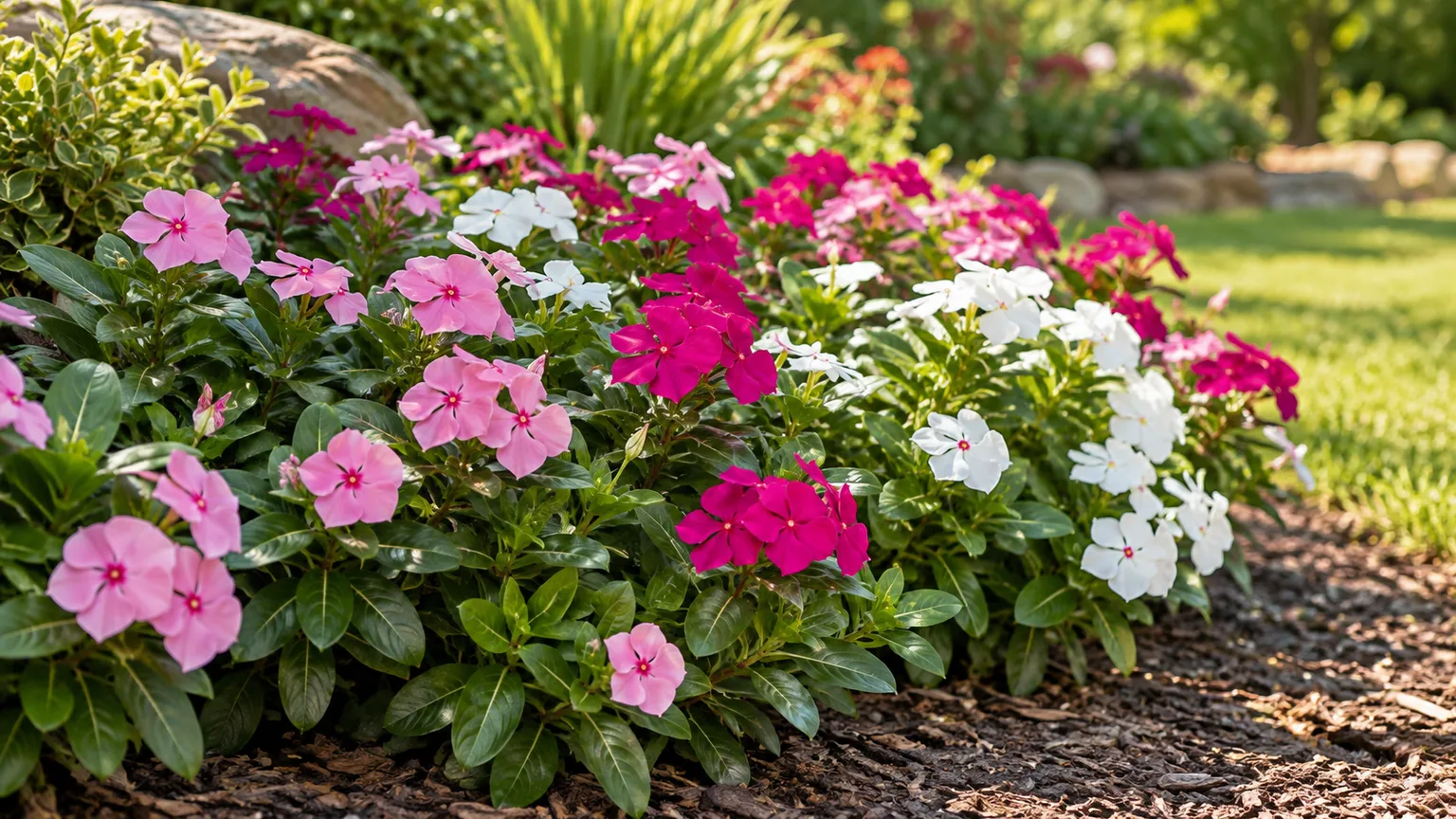
In regions with frost, warm-season annuals such as zinnias are typically planted after cold weather has passed. Cool-season annuals such as pansies may be better in spring or autumn, depending on heat. A warm-climate plant sold as an annual can also be useful as a seasonal container accent. The selection is broad, but the calendar and workload should be part of the decision.
When to choose perennials
Choose perennials when you want a planting to stay in place and can give it room to reach mature size. They suit foundation borders, pollinator beds, woodland edges, perennial groundcover areas, and other places where a durable structure matters. The strongest candidate is not simply a plant that returns in your neighbor’s yard; it is one that matches your sun, soil moisture, drainage, and winter conditions.
Before buying, check the plant’s mature height and spread, bloom season, and whether it spreads by seed, runners, or rhizomes. A compact clump may be easier to place beside a path than an aggressive spreader. A shade perennial will not solve a hot, exposed border, and a plant adapted to dry soil can struggle in a low, wet bed. The Pennsylvania State Extension guidance to study light, temperature, soil, slope, drainage, and air circulation is a sound checklist for choosing a location before you plant.
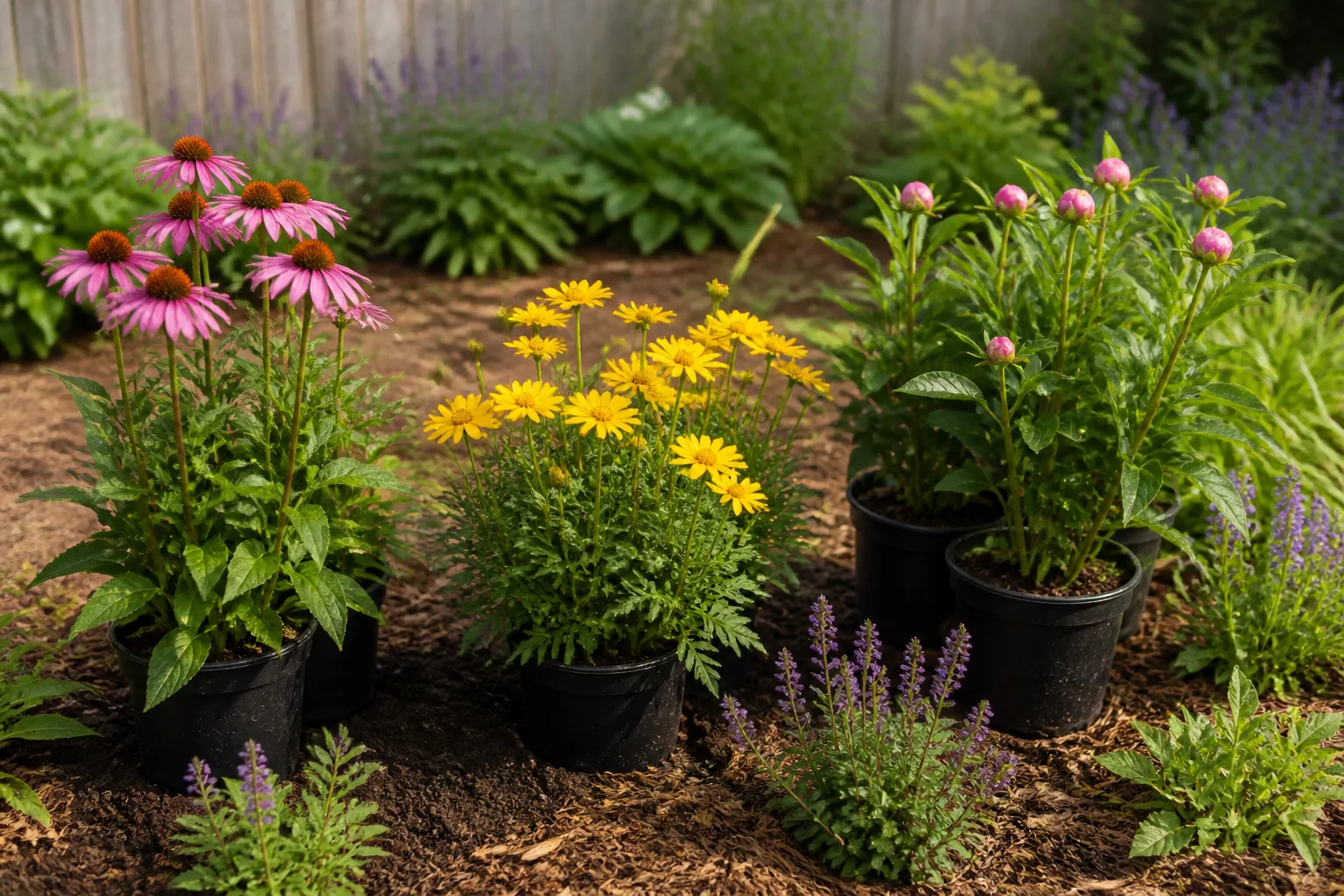
Budget for establishment rather than judging a perennial by its first-month appearance. Water it through its first growing season as it develops roots, keep weeds from competing with it, and avoid crowding it to create instant fullness. If you need full color immediately, use a few annuals between the young plants and reduce them as the perennials spread. This combination prevents a common mistake: planting perennials too close together because the new bed looks empty.
Why mixed gardens often work best
A garden does not have to be all annual or all perennial. The two lifespans solve different design problems: perennials give the bed a repeatable structure, and annuals let you fill a gap or change the palette without moving the established plants. A practical border might use peonies, coneflowers, or asters as long-term anchors, then add zinnias or marigolds in an open area for a strong first-season display.
A mixed planting also smooths out the uneven rhythm of bloom. Perennials often flower in distinct periods, and the foliage can still matter when the flowers fade. Annuals can bridge a gap between spring bulbs and summer perennials, or carry color into late summer. Leave enough room for mature perennial growth and use annuals where they can be removed without disturbing the roots of established neighbors.
Build a continuous bloom calendar
Start by listing the months when you want flowers, then note each plant’s likely bloom window for your region. One early perennial, one midsummer flower, and one late-season bloomer may create more useful continuity than planting many cultivars that all peak in the same month. Add annuals only to the periods where the bed would otherwise be quiet or where you want a temporary burst of color.
Think beyond flowers. Evergreen foliage, ornamental grasses, seed heads, and sturdy stems can keep a bed legible after blooms fade. If you remove every spent stem in autumn, you may also remove winter texture or food for wildlife; decide based on the plant, disease issues, safety, and your garden goals rather than doing a blanket cutback. Penn State’s practical pruning guidance notes that flowering and cleanup needs vary by plant, so routine tasks should follow the species rather than a single rule for all perennials.
Climate changes the label you see
The botanical life cycle belongs to a species, but climate determines whether a plant can complete that cycle outdoors where you live. A plant that is a tender perennial in a warm region may be planted as an annual in a colder garden because winter kills it before the following season. A gardener can also lift, pot, or protect a tender plant to carry it through winter, but that added work changes the practical decision.
A “tender perennial” is still perennial in its natural or suitable climate. Conversely, an annual that tolerates cool weather does not become a perennial simply because it survives a light frost. Get Busy Gardening explains how hardy annuals can continue through cool conditions yet still complete a one-season life cycle, while tender perennials may be sold as annuals where they cannot survive winter (Get Busy Gardening’s annual and perennial comparison).
Check hardiness zone and local winter
Use the USDA Plant Hardiness Zone Map as a first filter for winter cold, not as a complete forecast of garden success. Its zones are based on average annual extreme minimum winter temperature; they do not describe summer heat, soil drainage, wind exposure, snow cover, or abrupt freeze-thaw cycles. Check the plant’s listed hardiness range, then compare it with your local zone and the conditions of the exact planting spot (USDA Plant Hardiness Zone Map).
A sheltered wall may be warmer than an open bed, while a low spot can collect cold air or water. Heavy, wet soil can damage a plant that would otherwise tolerate the same winter temperature in well-drained ground. A snow-free, windy border may expose roots more than a protected area. In warm climates, summer heat, humidity, and lack of a needed cool rest can be as limiting as winter cold is elsewhere. Ask a local extension service or experienced nursery for region-specific guidance when a plant lies near the edge of its range.
Care differences after planting
Annuals and perennials both need conditions suited to their roots, but their calendars differ. Annuals are often planted as small seedlings and asked to make a fast seasonal display. Perennials may take longer to establish, after which their maintenance is shaped by the species and bed. Neither label tells you precisely how often to water or fertilize; soil, weather, pot size, and root development matter.
For either type, prepare the site before planting. Clear perennial weeds, correct drainage problems across the bed rather than only inside a planting hole, and follow label spacing. Water the root ball and surrounding soil after planting. In containers, check moisture more often because pots hold less soil and heat up or dry out faster than a garden bed.
The first season is establishment time
A new perennial can look unimpressive in its first season without being unhealthy. Its roots are adjusting to the site, and top growth may be modest. Water when the root zone needs it rather than relying on a fixed schedule; keep the plant from drying out while it establishes, but do not leave roots saturated. Penn State Extension emphasizes regular checks after planting and deeper, less frequent watering for established plants, with drought tolerance applying after roots have settled.
Annuals need to establish too, but their display window is shorter. A transplant that is stressed by cold soil, heat, or drying can lose a significant share of its season. Harden off seedlings raised indoors before exposing them to outdoor sun and wind. Plant warm-season flowers after the threat of frost has passed in your area, and water newly planted annuals more attentively until roots move into the surrounding soil.
Deadheading, division, and seasonal cleanup
Deadheading—removing spent flowers—can keep some annuals producing blooms and prevent some plants from setting seed. It does not make every perennial rebloom. Some gardeners leave seed heads for winter structure, wildlife, or self-sowing; others remove them to limit seedlings or keep a tidy border. Choose the task according to what you want the plant to do next.
Division is a perennial-specific task for plants that benefit from being split, often because a clump has become crowded or lost vigor. It is not a routine requirement for every species, and dividing at the wrong time can set a plant back. Look up the plant’s recommended season and method first. Similarly, leaving herbaceous stems until spring can protect crowns and add winter interest, while diseased foliage or material that mats and rots may need removal. Follow the plant’s actual needs instead of assuming that “perennial” means the same pruning schedule for all.
A quick way to choose for your space
Use this order when you are comparing two plants. First, check whether each can tolerate the bed’s winter and summer conditions. Second, compare its light, drainage, moisture, and mature size with the site. Third, decide whether you want a one-season display or a plant that holds a place for years. Only then weigh price, flower color, and maintenance.
For a bed that needs reliable structure, start with a small number of well-suited perennials and space them for their mature width. Fill early gaps with annuals only if you want immediate color and can replant them. For a patio container you like to redesign each year, annuals may be the simpler choice; a perennial in a pot needs enough root space and protection suitable to the climate. If you garden on a tight budget, compare seed, plugs, mature plants, and the cost of replacing losses—not just the price tag on planting day.
Read tags for the botanical name as well as the common name, hardiness range, mature size, and bloom timing. If the tag says “grown as an annual,” ask whether the plant is truly annual or simply tender in your climate. That question often prevents the wrong expectation. And if you value pollinators or local habitat, judge the plant by its species, native status, nectar and pollen value, and bloom timing—not by whether it is annual or perennial alone.
Conclusion
Annuals complete their life cycle in one growing season; perennials can live through multiple growing seasons; and biennials usually need two. Annuals are useful for quick, flexible color, while perennials build a longer-term framework, but climate, site conditions, bloom timing, and maintenance determine whether either one is a good fit.
Before you buy, look beyond the label: confirm what survives winter in your region, how large the plant becomes, how long it flowers, and what it needs after planting. A thoughtful mix often gives the best result—perennials for structure and annuals for seasonal gaps—without expecting any plant to be permanent or effortless.



