What Temperature Is Too Cold for Potted Plants?
Learn when potted plants are too cold, how thresholds differ by plant type, and what to do before frost, during a cold snap, and after damage.
The short answer: use 50°F as a cautious houseplant cutoff
For most tropical houseplants, 50°F (10°C) is the point at which you should stop treating an outdoor night as harmless. Move them inside or into a protected space before the forecast reaches that temperature, especially if the plant is stressed, recently purchased, freshly repotted, or exposed to wind. A brief dip into the upper 40s may not kill a healthy plant, but it can still trigger chilling injury, leaf drop, or a slow decline that only becomes obvious later.
There is no single temperature that protects every potted plant. A warm-season annual, a tropical foliage plant, a pansy, and a dormant woody shrub do not have the same cold tolerance. The useful rule is to combine the forecast low with the plant’s preferred temperature, the number of cold hours, and the fact that a pot gives roots much less insulation than garden soil.
If you need one quick decision, use this ladder: bring tropical houseplants in below 50°F; protect warm-season annuals and seedlings when nights approach 45–50°F, and move them before any frost; treat 32°F as an emergency for tender plants; and follow the plant label for cool-season or hardy plants rather than assuming a general number. Those are action thresholds, not guarantees of survival.
| Plant situation | Start protecting or moving | Why the margin matters |
|---|---|---|
| Tropical houseplant | Before 50°F | Chilling injury can happen well above freezing, especially after a sudden move outdoors. |
| Warm-season annual, vegetable, or seedling | Around 45–50°F at night | Cool nights slow growth; frost can damage tender leaves before the forecast reaches a hard freeze. |
| Cool-season annual or established hardy plant | Use the plant tag; protect during prolonged freezing | The foliage may tolerate frost while the exposed root ball does not. |
| Any small, dry, newly repotted, or wind-exposed pot | Use the earlier end of the range | Stress, low moisture, and rapid heat loss reduce the plant’s reserve. |
Think of the table as a move-or-protect trigger, not a promised survival temperature. If the plant is valuable, difficult to replace, or already struggling, acting one forecast update early is usually cheaper than testing its lower limit.
Temperature guide by plant type
Tropical houseplants and warm-season plants
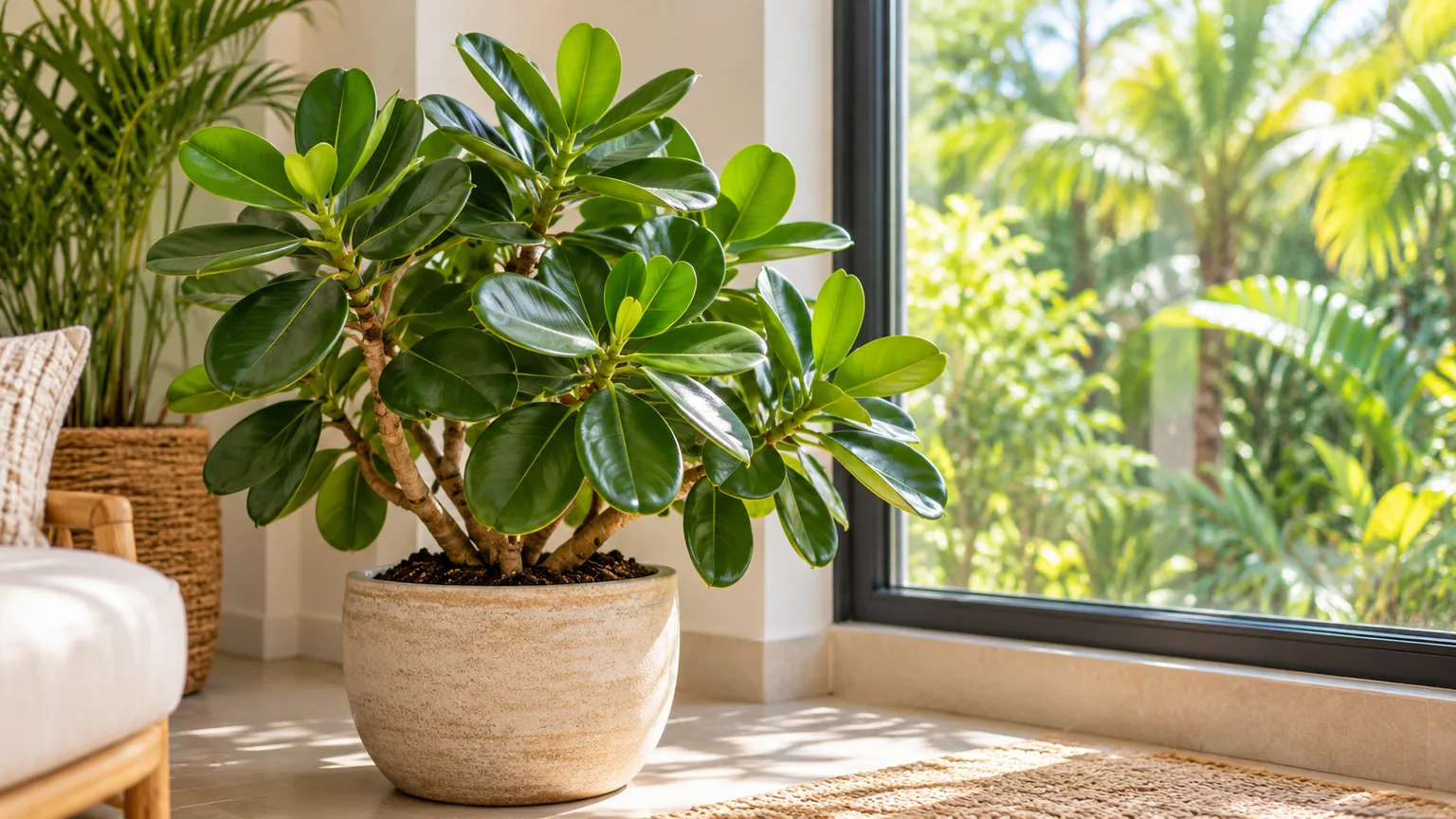
Monstera, pothos, philodendron, calathea, ficus, palms, orchids, and similar tropical plants are the least forgiving group. Most are adapted to warm, stable conditions, so a cool porch can be damaging even when the air is still several degrees above freezing. Texas A&M AgriLife Extension specifically cautions that tropical plants may be injured before the temperature reaches 32°F, which is why a 50°F indoor-houseplant cutoff is safer than waiting for frost.
Warm-season annuals and vegetables—petunias, geraniums, basil, tomatoes, peppers, cucumbers, and seedlings—also need warm nights for active growth. They may survive a single cool night in the 40s if they are healthy and sheltered, but growth slows and tender foliage becomes more vulnerable as cold exposure lengthens. If you want reliable growth rather than mere survival, wait until nighttime temperatures are consistently closer to the plant’s recommended range.
Cool-season annuals, seedlings, and hardy plants
Pansies, violas, ornamental kale, some herbs, and other cool-season plants can tolerate temperatures that would damage a tropical houseplant. Even so, “frost tolerant” does not mean “safe in every container during a prolonged freeze.” A shallow pot, a small seedling, a newly transplanted root ball, or a windy balcony can be much colder than a sheltered garden bed.
Perennials and woody plants should be judged by species hardiness and by whether they are actively growing. A dormant hardy shrub may overwinter outside while a tropical shrub in the next pot must move indoors. The same species can also have different outcomes in different pots: a large container beside a wall is better buffered than a small dark pot sitting on an exposed concrete slab.
When the plant tag gives a minimum temperature, use it as the starting point. Then add a margin for containers, wind, recent transplanting, and repeated cold nights. A published hardiness rating usually describes an established plant in the ground, not a young plant with a small root ball above frozen pavement.
Why potted plants are more vulnerable than plants in the ground
Garden soil has a large mass that changes temperature slowly. A container has a much smaller volume of potting mix surrounded by cold air, so its root zone can approach the outdoor temperature far faster. Texas A&M AgriLife Extension notes that container soil can get nearly as cold as the air while surrounding ground stays warmer; Rutgers NJAES also identifies root viability as a central winter concern for container-grown ornamentals.
Roots and foliage can fail at different times
Leaves may look fine after a cold night while the roots have already been injured. That is especially likely when the pot is exposed on all sides, the mix is dry, or sub-freezing temperatures persist. Root damage can reduce water and nutrient uptake, so the plant may appear to recover and then collapse when brighter, warmer weather increases demand.
The reverse can happen too: a tropical plant’s leaves can show translucent patches, black edges, or sudden drooping while the root ball remains viable. Do not diagnose the outcome from one leaf the morning after exposure. Keep the plant stable, avoid a second stress event, and watch new growth and moisture use over the next several weeks.
Pot material and size matter. Thick, large containers buffer temperature changes better than small nursery pots, while terracotta can lose heat quickly and can crack if wet soil freezes and expands. Drainage matters in winter as well: a pot that sits in a saucer of cold water or against a blocked drain can stay saturated, then suffer both oxygen-starved roots and freeze injury.
The forecast matters more than one temperature number
A forecast low is a useful trigger, but it is not a complete description of the cold event. Compare the predicted low with the number of hours below 50°F or 32°F, wind exposure, cloud cover, and whether the next day warms quickly. A two-hour dip to 39°F beside a house is a different problem from ten hours at 39°F on an open, windy deck.
Duration, wind, frost, and freeze change the risk
Frost is frozen moisture on plant surfaces; it can happen during a clear, calm night even when a nearby weather station’s official low does not look dramatic. A freeze means air temperatures reach the freezing point or below. For tender potted plants, both are reasons to act because the plant may be harmed before the weather becomes a deep winter freeze.
Wind increases water loss from leaves and can strip warmth from exposed pots. Clear skies encourage rapid heat loss after sunset, while a wall, hedge, porch roof, or group of containers can create a warmer pocket. Do not let a sunny afternoon trick you into leaving tropical plants out: the overnight low and the plant’s exposure after sunset are what matter.
Repeated cold nights are harder on a container than one isolated event. If the forecast shows several nights in the 40s, move tender plants before the first night and leave hardy pots in the most protected microclimate. If the forecast shows a hard freeze or long sub-freezing period, do not rely on a cover alone for a tropical plant; move it to a garage, greenhouse, or indoor room.
When to move potted plants outdoors in spring
Moving a houseplant outdoors is a temperature decision and a light decision. Even when nights are warm enough, indoor leaves can scorch in direct sun and stems can break in wind. The safest time is after the local frost risk has eased and nighttime temperatures fit the plant, with a weather forecast that does not show a sudden reversal.
Start with a sheltered spot for a few hours on a mild day. Keep the plant in bright shade or filtered light, then bring it inside before evening. Over the next 7–14 days, increase outdoor time and morning light gradually; only move a sun-loving plant into stronger afternoon light after it has adjusted. Tropical plants need the warmest, most stable nights, while cool-season plants can often transition earlier.
Acclimate light, wind, and temperature in stages
Acclimation is not only about temperature. Indoors, a leaf may receive bright light through glass but almost no wind or rain; outdoors, the same leaf has to manage stronger ultraviolet light, moving air, and faster evaporation. Put the pot where it gets gentle morning light on the first outings, then add an hour or two at a time. If leaves droop by midday or show pale, bleached patches, move back to shade and slow the transition rather than trying to compensate with extra water.
The same sequence works in reverse in fall. A plant coming inside from full sun can drop leaves when its light falls sharply, even though the room is warmer. Move it to a bright, sheltered intermediate spot when possible, check for insects, and then place it near the brightest suitable window indoors. Texas A&M AgriLife Extension notes that outdoor plants often receive less light once moved inside, so winter care is usually about maintaining the plant rather than forcing active summer growth.
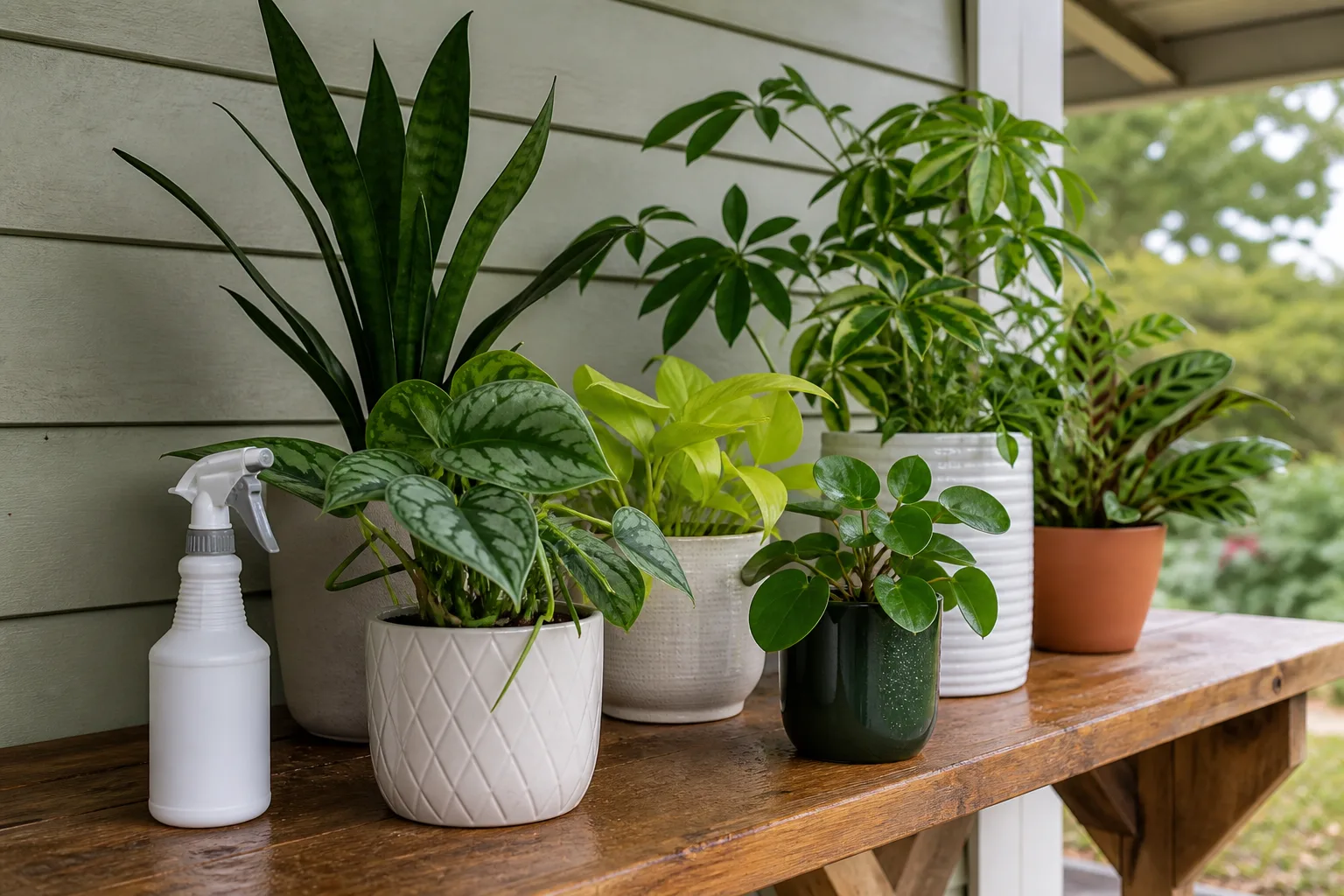
Check the pot before the move. It needs a drainage hole, a stable saucer or stand, and a place where rain cannot leave it waterlogged. Inspect stems and the underside of leaves for pests before bringing a plant back inside, and avoid placing it immediately beside a heating vent or a cold, drafty window.
How to protect potted plants during a cold snap
Move, cluster, and shelter the containers
Moving a pot is the most dependable protection. A frost-free garage, enclosed porch, greenhouse, or cool indoor room buys you far more safety than trying to make a tropical plant tolerate an exposed freeze. If the plant is too large to carry, move it against a building, under an eave, or into a sheltered corner on the side that receives afternoon sun.
Cluster outdoor containers tightly together, with the most tender plants in the center. Place the group on pot feet, bricks, or a raised stand so drainage holes do not freeze against the ground. The cluster reduces exposed surface area, while a nearby wall can radiate stored heat; neither method makes a tender plant winter-hardy, so use them for borderline cold and short events.
Cover foliage and insulate the pot safely
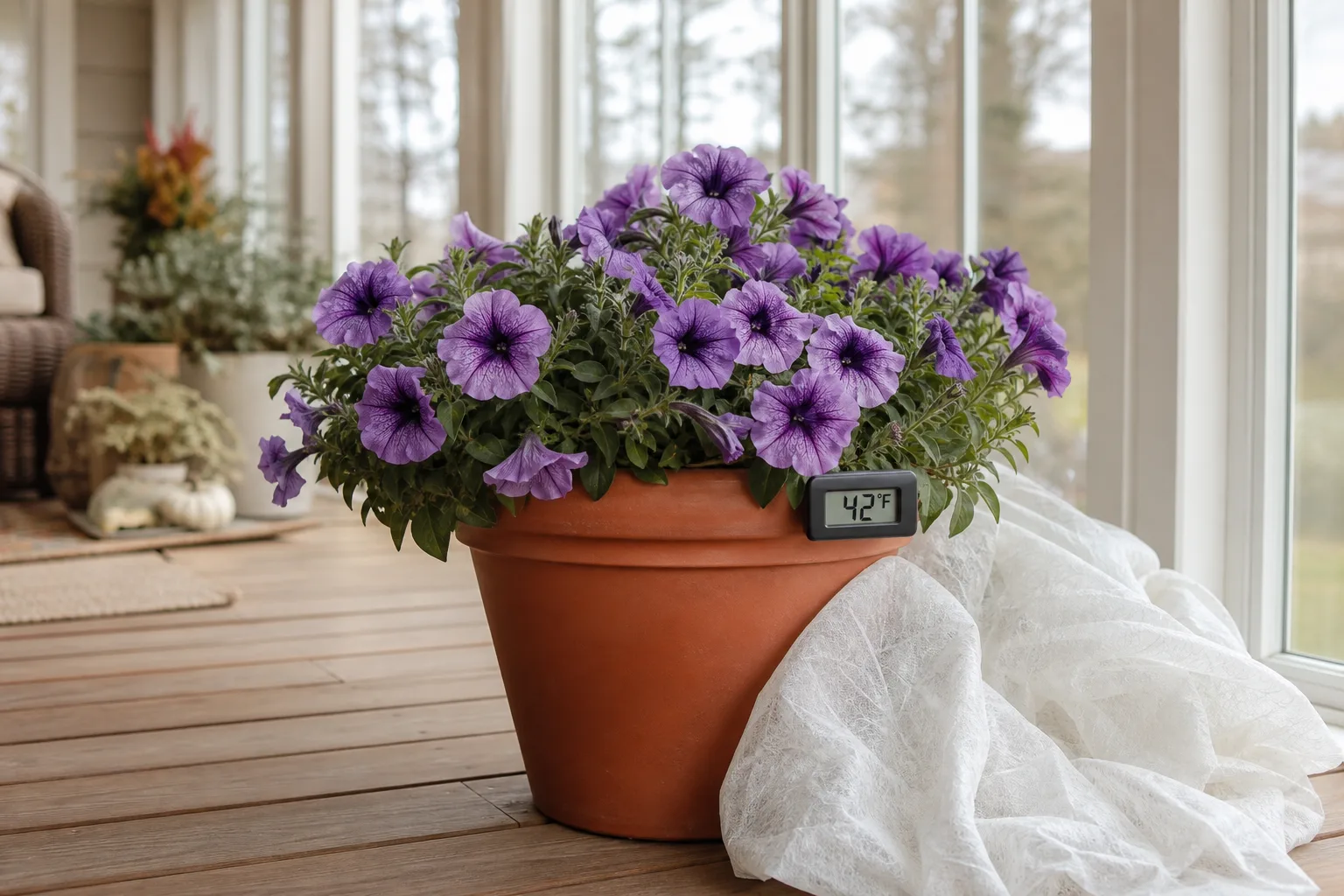
For a pot that must remain outdoors overnight, cover the foliage with frost cloth, a sheet, or another breathable material held above the leaves. Extend the cover to the ground or the deck around the pot and anchor it so wind cannot lift the warm air away. Texas A&M’s frost guidance emphasizes covering from the ground up because the goal is to trap heat near the soil, not simply wrap the top of the plant.
Do not press plastic directly against leaves. It can transfer cold to the foliage and trap condensation that freezes against the plant. If plastic is your only outer layer, put it over a frame or over fabric, keep it off the leaves, and remove it in the morning when temperatures rise. Never use candles, indoor heating appliances, or improvised electrical heat around a covered plant.
Insulate the outside of the pot, not the drainage surface. Burlap, a blanket, cardboard, bubble wrap, or a purpose-made pot wrap can reduce rapid root-zone temperature swings. Leave the soil surface and drainage holes open, keep rain from pooling around the base, and remove insulation when the weather warms. Gardeningetc recommends insulating the pot while keeping the compost surface uncovered so the root zone does not stay wet and rot-prone. Homes & Gardens likewise treats container gardens as a separate frost-protection problem and recommends shelter or insulation for vulnerable pots.
Water only if the mix is dry and the pot drains freely. Moist—not saturated—potting mix changes temperature more slowly than dry mix, but a waterlogged root ball has less oxygen and can suffer more damage. Texas A&M’s extension guidance recommends keeping plants hydrated before a cold event while warning against conditions that remain soggy.
What to do after a potted plant gets too cold
Move the plant to a stable, protected location and let it thaw gradually. Do not put a frozen plant beside a radiator, blast it with hot water, or move it repeatedly between a cold porch and a hot room. Give it bright, indirect light until you know the leaves and stems are stable, and let excess water drain completely.
Cold injury can look like water-soaked or translucent patches at first, followed by black, brown, limp, or crispy tissue. Remove only tissue that is clearly dead and mushy; wait to make major pruning cuts until the cold danger has passed and you can see where new growth resumes. A damaged leaf will not repair itself, but the roots or growing points may still be alive.
Reduce watering to match the plant’s lower winter demand, and do not fertilize a plant that is not actively growing. Check the root ball for a sour smell or persistent saturation, but avoid repotting solely because a few leaves were damaged. If the plant still wilts after the mix is appropriately moist, loses stems over several days, or fails to produce new growth when conditions improve, inspect the roots and consult a local extension service or experienced nursery professional.
Cold-weather mistakes that cause more damage
- Waiting for 32°F: Tropical plants can be injured well above freezing, so use the plant’s preferred temperature rather than frost as the first warning.
- Treating a hardiness zone as a pot guarantee: A plant that survives in the ground may lose its exposed container root system during the same weather.
- Moving straight from a window to full sun: Acclimate outdoor light and wind gradually over a week or two.
- Wrapping only the leaves: Protect the root zone and seal the cover near the ground; a loose canopy does little on a windy night.
- Letting plastic touch foliage: Use a frame and breathable inner layer instead.
- Leaving pots in standing water: Cold, saturated mix can damage roots even when the foliage looks fine.
- Pruning or fertilizing immediately: Wait until the plant has thawed, the weather stabilizes, and active growth shows what survived.
- Assuming a sunny morning means the danger is over: Repeated cold nights and delayed root injury can continue after the first visible frost.
Conclusion: protect the roots first, then the leaves
For most tropical potted plants, move indoors before nights fall below 50°F. Use a wider margin for stressed plants, small pots, windy balconies, and plants coming straight from a warm greenhouse. Cool-season and hardy plants can tolerate more, but the plant’s label, root-zone exposure, and duration of cold should decide how much protection they receive.
The best cold-weather response is simple and early: check the forecast, move tender containers, cluster and shelter the rest, keep the mix evenly moist but not wet, and cover from the ground up when frost threatens. If damage still occurs, give the plant time to thaw and reveal what remains alive before making drastic repairs.