When and How to Prune Lilacs for More Blooms
Learn when and how to prune lilacs after flowering, which branches to remove, how to renew old canes, and why fall cuts can cost spring blooms.
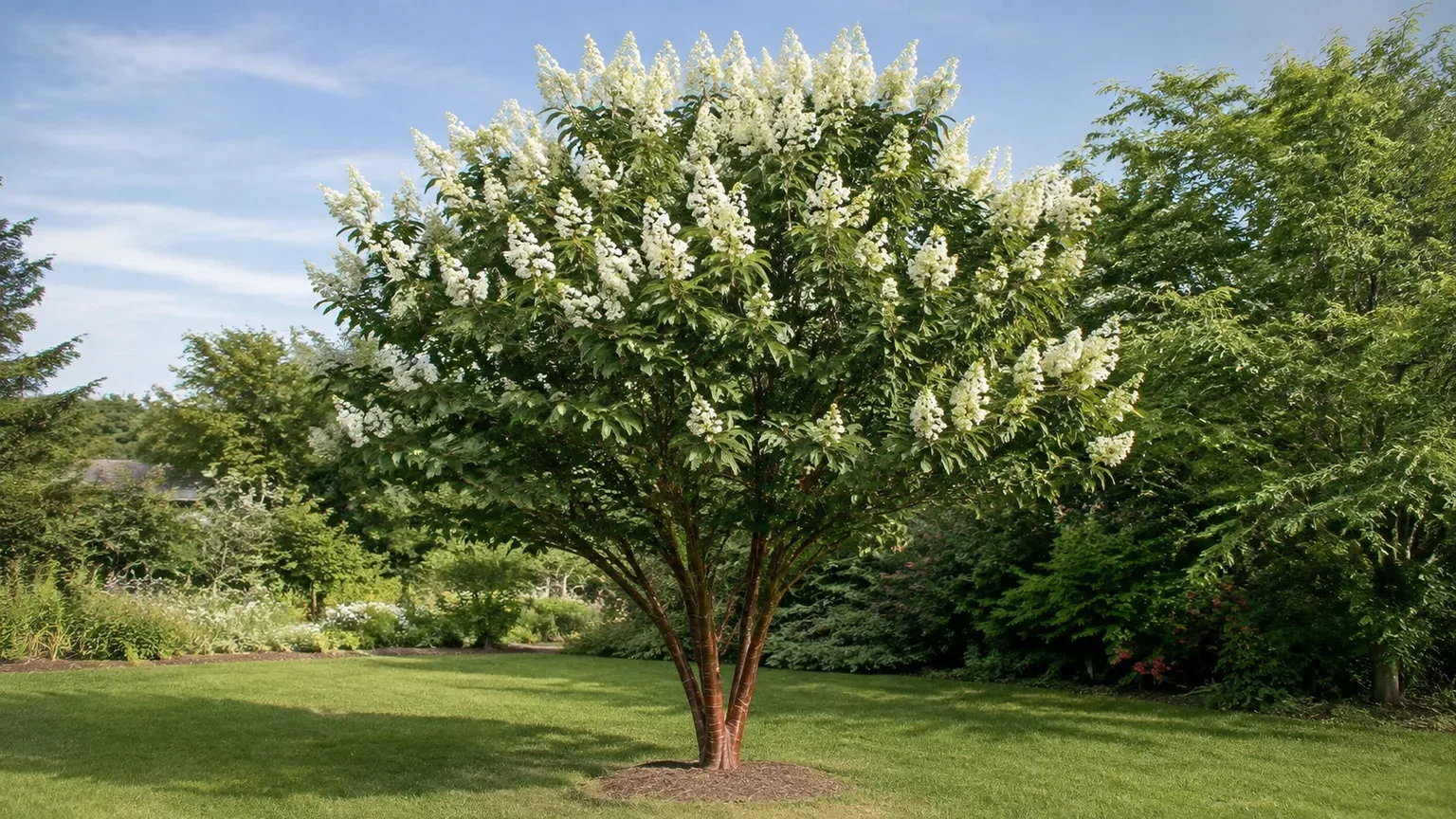
The right lilac pruning cut depends on two things: what you are trying to fix and whether next spring’s flowers are already being prepared. For most established spring-flowering lilacs, the safest routine is to prune shortly after the flowers fade. That window lets you remove spent blooms, thin crowded stems, and correct height before the shrub sets the next season’s flower buds.
The important exception is an old, neglected shrub whose framework has become thick, bare, and unproductive. That lilac may need renewal or even hard rejuvenation, and those jobs have a different risk: they can cost you one or more seasons of flowers while the plant rebuilds. Use the least aggressive method that solves the problem.
The one rule that protects next year’s flowers
Most familiar garden lilacs, including common lilac (Syringa vulgaris), bloom on growth made during the previous growing season. Once the current flowers fade, the shrub begins growing the shoots and branch tips that will carry the following spring’s display. A late-summer, fall, winter, or early-spring cut across healthy flowering wood can remove those developing buds even if the branch looks bare to you.
That is why the simple answer to “When should I prune lilacs?” is immediately after flowering. The Royal Horticultural Society specifically lists lilac among deciduous shrubs to prune immediately after flowering and recommends removing damaged, congested, crossing, or unwanted shoots rather than routinely cutting the whole plant into a shape. (Royal Horticultural Society pruning guidance)
The rule is about routine pruning, not emergency work. Remove a storm-broken, hazardous, or clearly dead branch when necessary, even if the calendar is inconvenient. Make the smallest safe cut, then wait for the proper post-bloom window before doing broader shaping.
Choose the pruning job before you choose the date
Stand back and decide what the shrub actually needs. A lilac that is healthy and well proportioned may need only a few cuts, while a shrub that flowers only at the top and has a crowded base needs a structural plan. Treating both plants to the same haircut is how gardeners remove flowers without solving the underlying problem.
Maintenance pruning
Maintenance pruning keeps a sound shrub open, healthy, and attractive. It includes removing dead, damaged, diseased, rubbing, crossing, badly angled, and unwanted low branches. It may also include removing a few old canes at ground level to make room for younger stems.
You should not feel obliged to remove a fixed percentage every year. A healthy lilac in a suitable location may need little more than dead wood removal and occasional thinning. The best cut is the one that improves structure without creating a new flush of crowded shoots.
Renewal pruning
Renewal pruning is the gradual replacement of old flowering wood. It is appropriate when flowers are moving higher and farther from view, thick stems dominate the center, or young shoots are present but trapped in a dense framework. Each year, remove a limited number of the oldest or least productive canes at the base and keep a few well-placed young stems to become the next framework.
This method preserves more of the shrub’s appearance and flower display than a complete cutback. Space for Life, the botanical garden of Montréal, describes maintenance pruning as a way to remove weak old branches over time, select strong basal shoots, and keep the shrub from becoming overly wide; it notes that up to about one-quarter of a healthy plant’s framework can be removed in one year. (Space for Life’s lilac-pruning guide)
Rejuvenation pruning
Rejuvenation is the reset button, not routine maintenance. It means cutting a suitable, severely overgrown multi-stemmed lilac close to the ground so new shoots can rebuild the shrub from the base. It can rescue an otherwise healthy plant, but it removes the existing flowering framework and should be chosen only when the long-term improvement matters more than the next display.
Do not use the word “rejuvenate” to justify cutting any large lilac hard. First check whether the plant is grafted, whether it reliably produces basal shoots, whether the stems are alive and healthy, and whether you can tolerate a sparse or flowerless recovery period. A gradual renewal plan is usually the better first choice.
When to prune lilacs
Lilac pruning timing is easiest when you separate routine cuts from renovation. The same shrub can be pruned in two different seasons for two different reasons, but the trade-off should be intentional.
After flowering: the routine window
Begin once most flowers have faded and the shrub is no longer at its best ornamental moment. You do not have to race out the same afternoon; a short delay is fine. Aim to finish before the new shoots have spent much of the summer elongating, especially if you need to reduce height or clear the center.
This is the window for deadheading, selective shaping, thinning, and gradual renewal. It also gives you the clearest view of which stems flowered, which areas are congested, and where a new basal shoot could improve the framework. After pruning, water normally during dry weather and keep mulch pulled back from the stems rather than piling it against the bark.
Dormant season: when sacrificing flowers is acceptable
Late winter or early spring makes a leafless shrub easy to inspect, but it is usually the wrong time for routine lilac shaping if you want the coming spring display. Cuts through healthy branch tips can remove the buds that formed during the previous summer. The shrub may grow vigorously afterward and still look healthy, yet flower poorly because its flowering wood is gone.
The dormant season can make sense for a planned hard renovation, when the shrub is so overgrown that preserving the immediate display is not the priority. It can also be acceptable for removing a few structural stems if you knowingly accept fewer flowers. Make that choice because the plant needs rebuilding, not because leafless branches are easier to see.
Exceptions for dwarf, tree, and reblooming lilacs
Dwarf lilacs such as Meyer lilac ‘Palibin’ and Manchurian lilac ‘Miss Kim’ usually need less structural pruning than a large common lilac. Their natural habit is often part of their appeal, so limit the work to deadheading, damaged wood, and occasional removal of an aging stem. Fine Gardening notes that these compact lilacs seldom need complete rejuvenation. (Fine Gardening’s lilac-pruning guide)
Japanese tree lilacs are trained with a trunk and canopy rather than managed like a multi-stemmed shrub. Remove suckers or poorly placed shoots that threaten the form, but do not assume a ground-level cut will recreate the same tree. For any tree-form plant, identify whether the trunk was grafted and keep structural cuts above the graft union unless a qualified arborist gives you a different plan.
Reblooming lilacs, including cultivars sold as Bloomerang, flower heavily in spring and may produce a lighter second flush on new growth. They do not need pruning to rebloom. If shaping is necessary, do it lightly after the main spring display; a heavier cut can delay the later flush because the plant must replace the growth you removed. (Gardenia’s lilac timing and renewal guide explains the different flower-bud timing of reblooming types.)
Tools and setup for clean cuts
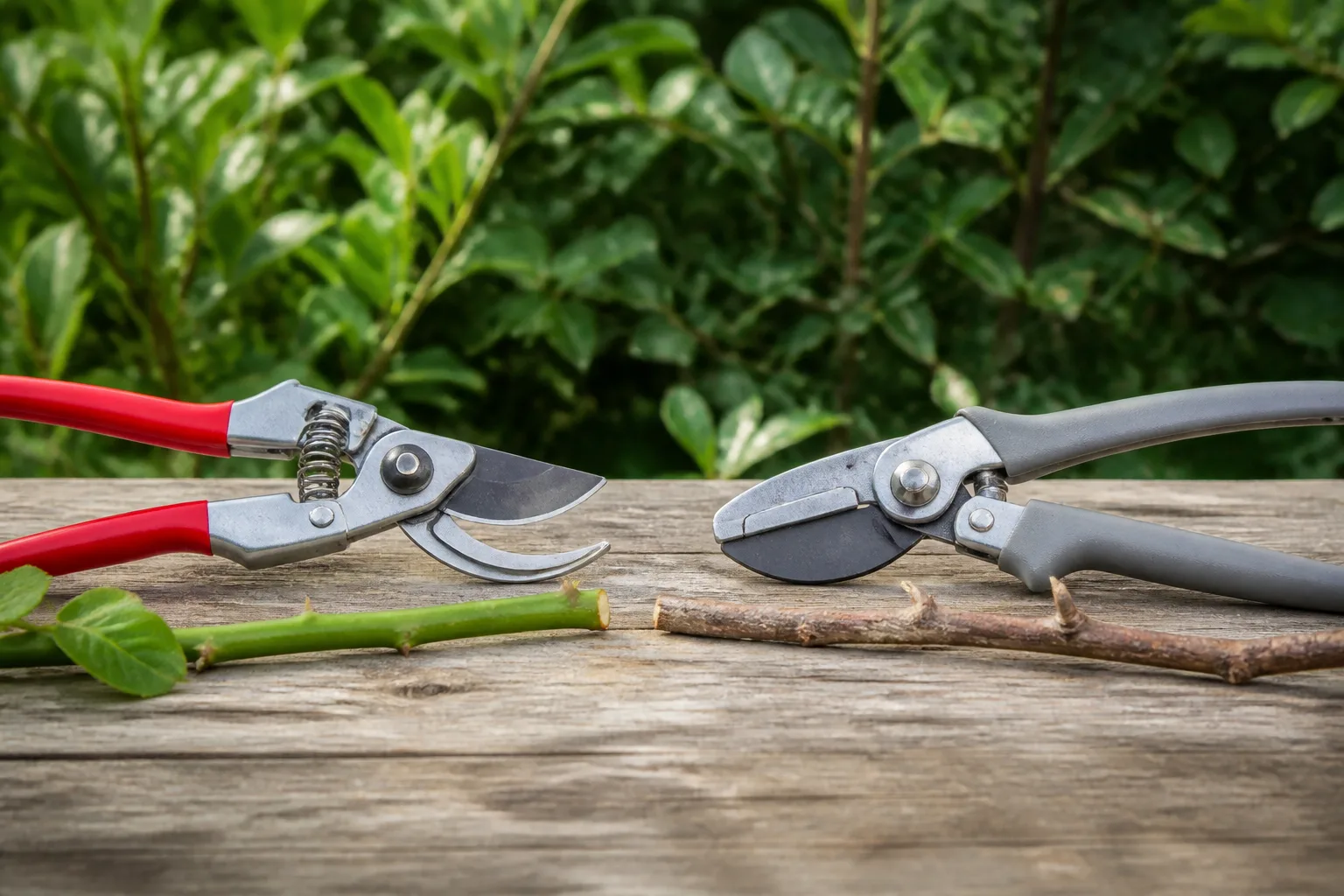
Use a sharp bypass hand pruner for spent flower clusters and pencil-thick shoots. For larger canes, use loppers only when you can make a clean, controlled cut without twisting the branch. A pruning saw is safer than forcing a thick cane through a pruner or lopper; the goal is a smooth cut, not maximum leverage.
Before you start, clear the base so you can see where each stem enters the soil. Wear eye protection when working inside a dense shrub, keep a stable stance, and place removed branches somewhere you can inspect them for disease or borer damage. Disinfect tools between visibly diseased cuts and before moving to another plant; clean, sharp blades reduce tearing and make it easier to stop at the right point.
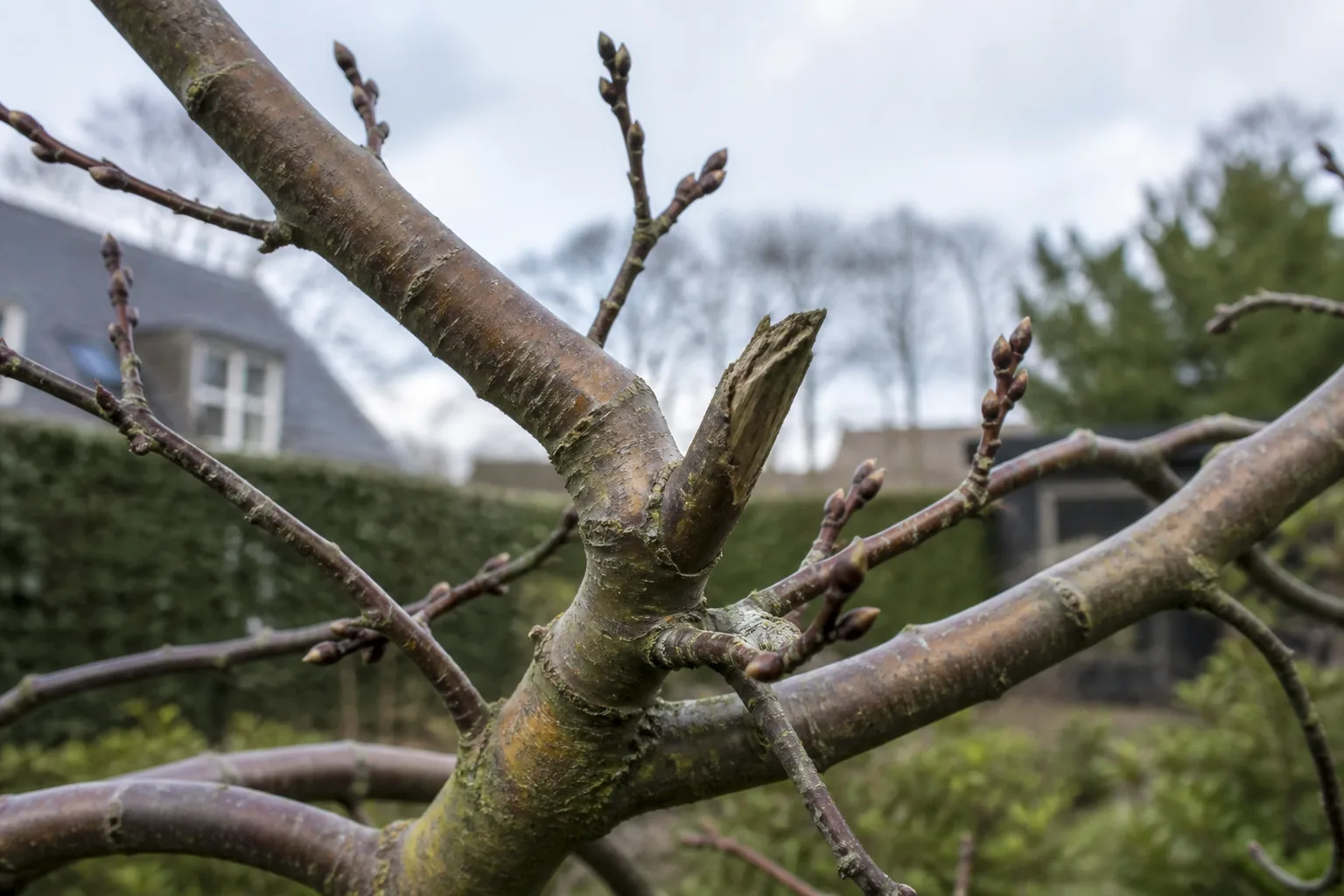
Make thinning cuts at the branch’s point of origin or just outside the branch collar, without leaving a long stub. Make a heading cut only when you have a healthy side shoot positioned to take over. Do not top a tall lilac at an arbitrary height: a line of stubs produces weak regrowth and leaves the dense, old framework intact.
A step-by-step maintenance pruning routine
Work from the least controversial cuts to the more judgment-heavy ones. A useful sequence is: inspect, remove hazards, deadhead, thin, then pause and reassess. Most healthy lilacs need fewer cuts than an anxious first pass suggests.
Remove dead, broken, and crossing wood
Start by tracing every suspect branch from its tip back toward the base. Scratch a small spot on a questionable twig with a clean fingernail: living tissue is usually green or moist beneath the bark, while dead tissue is dry and brown. Cut dead wood back to living tissue, then remove a fully dead cane at ground level rather than leaving a short snag.
Next remove branches that rub, cross through the center, or press against a stronger stem. Keep the better-positioned branch and remove the one that creates congestion. Opening a few windows through the canopy helps leaves dry after rain and gives new shoots room, but do not hollow out the shrub so aggressively that its remaining branches are suddenly exposed to heat or wind.
Deadhead without shortening new growth
Deadheading means removing the faded flower panicle; it is not the same as shortening the branch beneath it. Follow the flower stem downward until you find the first pair of healthy new shoots or leaves, then cut just above that junction. Those new shoots will mature through summer and carry the next flower buds.
Deadheading is most useful on large-flowered common lilacs, young shrubs, and plants where spent clusters look untidy. It is optional on a mature shrub with small flower clusters if the work would be tedious and the plant is otherwise healthy. Removing every faded cluster is not a substitute for renewing old canes, and leaving a few is not a pruning failure.
Thin old canes and select replacement shoots
Look for a pattern rather than a single “correct” stem diameter. Very thick, old canes often have rough bark, sparse side branches, and flowers concentrated far above eye level. Pencil-thick shoots with good spacing and a balanced direction are often better candidates for future flowering wood than a thicket of fine, weak twigs.
On an own-root lilac, do not automatically remove every shoot emerging from the base. Keep a small number of strong, well-placed shoots if they can replace aging canes; remove the rest at soil level so the plant does not become crowded. If the lilac is grafted, inspect the graft union first. Basal shoots below that union may belong to the rootstock and can produce a different plant with different flowers, so remove them rather than allowing them to take over.
When a young, vigorous stem is healthy but too tall, shorten it back to a strong side shoot rather than cutting it midway through empty wood. This controlled heading cut can lower the flowering canopy while preserving a productive branch. If you cannot find a suitable side shoot, make a thinning cut at the base instead of creating a bare-topped cane.
How to renovate an overgrown lilac over several seasons
An old lilac with flowers only at the top, bare lower stems, and a crowded base usually needs a plan that lasts more than one afternoon. Begin just after flowering if you want to preserve as much of the current display as possible. Remove dead and damaged wood first, then choose the oldest, least productive canes for removal at ground level.
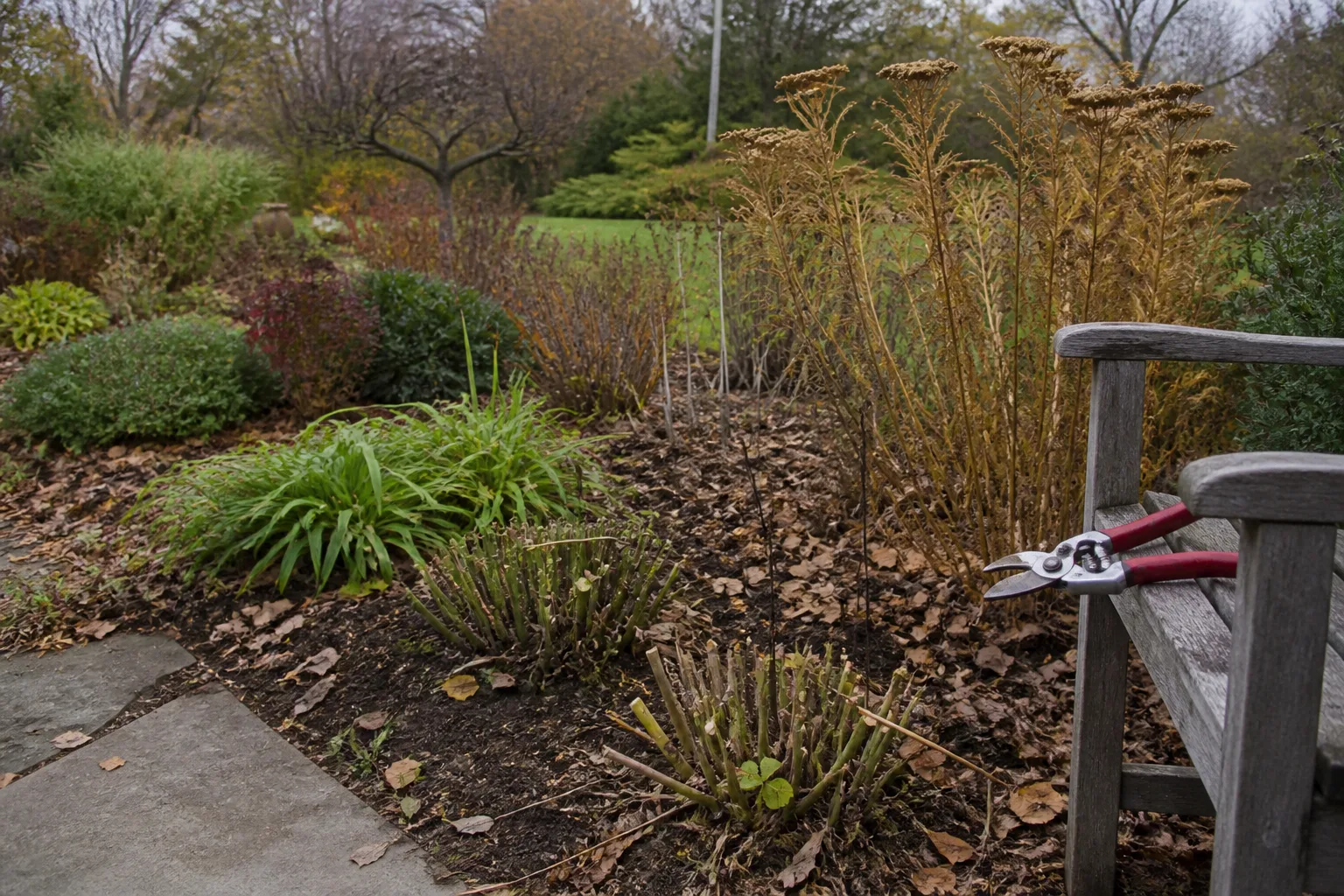
For a large but still manageable shrub, remove roughly one-quarter to one-third of the oldest framework in the first season. That is a planning ceiling, not a target. Stay closer to one-quarter if the plant is stressed, the climate is hot or dry, the stems are unusually large, or you are uncertain which cultivar you have.
At the same session, keep a few young shoots that are evenly distributed around the plant. Remove extras at the soil line; keeping every sucker produces a new thicket and defeats the purpose of renewal. In the second and third seasons, repeat the inspection and remove another share of old stems while allowing selected replacement shoots to mature.
Some vigorous, own-root common lilacs can tolerate a much harder renovation, with the remaining stems cut to roughly 6 to 10 inches above the ground. Space for Life describes this approach for old, neglected lilacs that sucker strongly, while cautioning that different lilac types should be renewed over two or three years instead. The hard cut is a rebuilding operation: it can leave the plant with little or no immediate flower display and may take several years to return to strong bloom. (Space for Life’s rejuvenation guidance)
Before a drastic cut, inspect for a graft union and confirm that the plant is not a tree-form lilac. A grafted shrub should retain the desired cultivar above the union, and a tree lilac should not be treated like a multi-stemmed basal-suckering shrub. If the stems are hollow, badly cracked, extensively diseased, or close to a structure, an arborist or local extension service can help distinguish a recoverable shrub from a hazard.
After renovation, give the plant ordinary good care rather than trying to force it with excessive fertilizer. Keep the root zone evenly watered during drought, maintain a thin mulch layer over the soil, and let the new shoots harden naturally. The first year is about rebuilding structure; cutting the new shoots again because they look untidy only restarts the problem.
Why a lilac may not bloom after pruning
If a lilac stops flowering after a pruning session, timing is a likely explanation, but it is not the only one. A fall or late-winter cut may have removed the buds that were already set. In that case, avoid compensating with another heavy cut or extra fertilizer; let the plant regrow and return to post-bloom pruning the following season.
Check light next. Lilacs generally flower best with substantial direct sun, and a shrub that has become shaded by trees, a fence, or its own dense canopy may produce leaves and thin twigs instead of flower clusters. Thinning can improve the interior, but pruning cannot replace the light the site does not receive.
Age and growth habit also matter. A young lilac may need several seasons to flower reliably, while an old shrub with only ancient canes may need gradual renewal before it has enough productive wood again. A reblooming cultivar may have a weaker second flush than its spring display, and a tree lilac may have been trained for a different form than the multi-stemmed shrub you expected.
Finally, consider weather and care: a late freeze can damage flower buds, drought can reduce the plant’s ability to make strong shoots, poor drainage can weaken roots, and heavy nitrogen feeding can favor leafy growth over flowers. The useful diagnosis is the one that changes your next action. If the pruning was late, wait; if the plant is shaded, improve light or accept fewer flowers; if old wood dominates, begin renewal; if the site is fundamentally too small, replace the plant with a naturally compact cultivar instead of repeatedly cutting it back.
Conclusion
Prune most lilacs soon after they finish flowering, and begin with the smallest cut that solves the problem. Deadhead only the spent panicle, remove dead and crossing wood at its origin, thin old canes at ground level, and keep a few well-placed young shoots to carry the shrub forward.
If the plant is overgrown, choose gradual renewal before hard rejuvenation. A severe cut can work for a suitable, vigorous, own-root lilac, but it trades away the existing framework and may postpone a full flower display for years. Inspect the graft union, identify the lilac’s growth habit, and decide whether you are preserving flowers or rebuilding the plant before the first cut.