When Should You Plant Perennials? A Seasonal Guide
Find the best time to plant perennials in your climate. Use frost dates, soil checks, and plant type to choose spring, fall, or a safer delay.
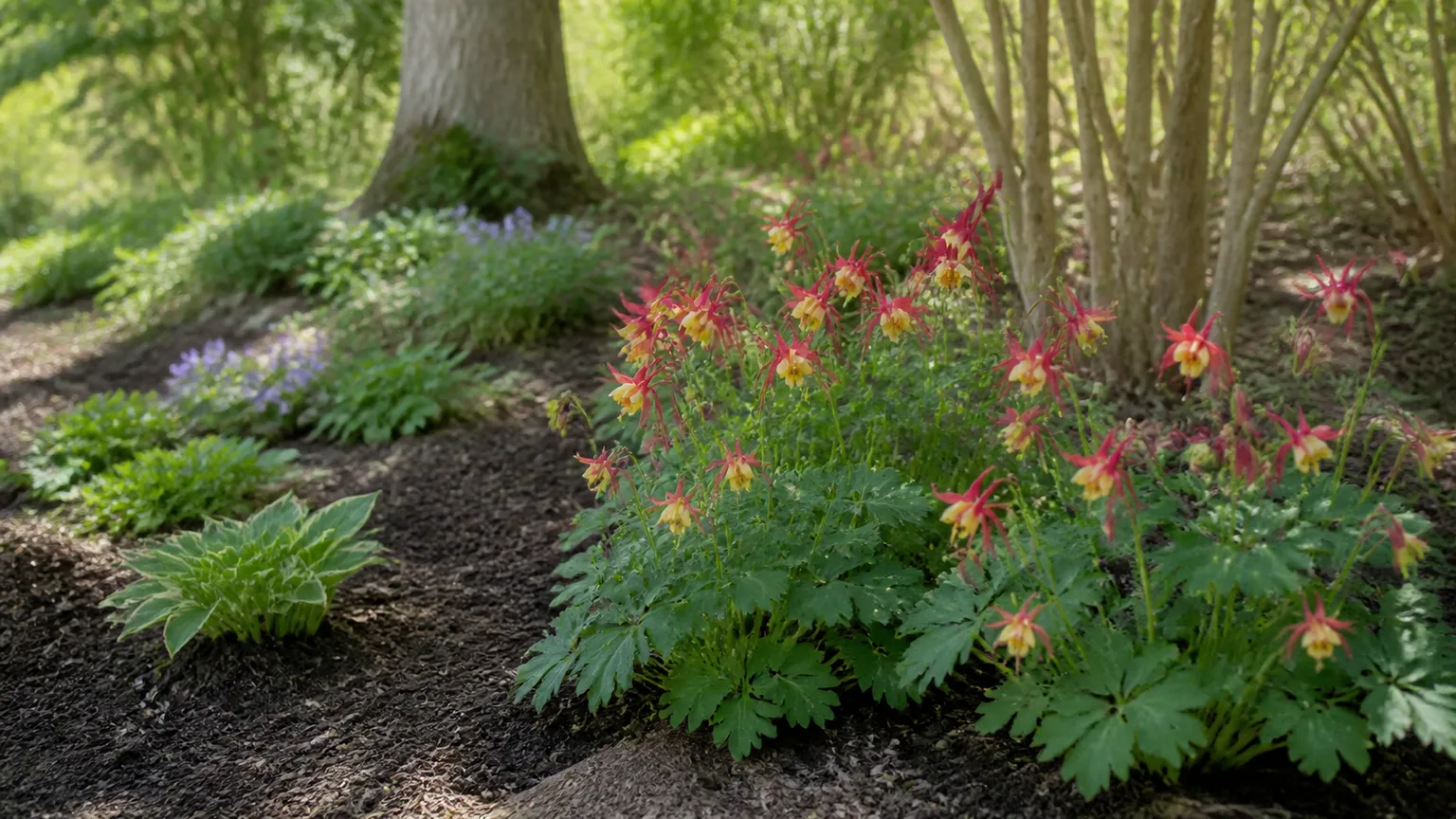
Most hardy perennials are safest to plant in early spring or early fall, when the weather is mild and the soil is workable. Spring gives roots a long growing season before winter; fall often gives roots warm soil, cooler air, and less water loss before dormancy.
That answer is useful, but it is not a calendar appointment. The best planting day depends on your local last and first frost dates, the moisture and temperature of the soil, and whether you are planting a potted perennial, a bare-root crown, a bulb, or a seed packet. Use the guide below to turn “spring or fall” into a decision you can make in your own garden.
The quick answer: use spring or early fall
Choose spring after the ground has thawed and can be dug without smearing into mud, ideally after the most damaging hard frosts have passed. Choose early fall while the soil is still open and warm, but with enough time for new roots to anchor before the ground freezes.
For many gardens, that means several weeks on either side of the most comfortable growing weather rather than the first warm day or the last possible day. The Royal Horticultural Society’s planting guide summarizes the broad window as spring or autumn and cautions against planting container-grown perennials when the ground is frozen or waterlogged.
The plant label still wins over any general rule. A hardy hosta, coneflower, or daylily can tolerate a cooler planting window than a tender dahlia or canna. A seed that needs a period of cold may belong in the fall, while a young seedling with little root mass may need protection before it goes into the border.
Use frost and soil conditions, not the calendar alone
Frost dates tell you when temperatures usually become risky, but your soil tells you whether a plant can actually establish. A mild forecast does not make a saturated bed workable, and a date on the calendar does not guarantee that a root ball will have time to grow before the next stress arrives.
Before planting, squeeze a handful of soil from the intended bed. If it forms a sticky lump that stays shiny or smears across your glove, wait for it to drain; working it then can compact the pore spaces roots need for air. If it breaks apart into small crumbs after you press it, the moisture is more promising. This simple field check echoes the practical test described by Our Wild Garden, but it is not a substitute for a local soil test when drainage is a recurring problem. Also push a trowel into the bed: if the blade meets frozen ground or a hard, dry crust, postpone the job or water and reassess rather than forcing a small hole.
The spring planting window
Spring is the forgiving choice when you are worried about winter. Once the soil is workable and the plant is hardy for your area, a new perennial has months to grow feeder roots before the next cold season. Rain can also reduce the amount of hand watering compared with a hot summer installation, although a spring-planted root ball still must not be allowed to dry out.
Do not confuse “after the last average frost” with “no frost can happen.” Average dates are estimates, and a late cold snap can still damage tender new shoots. Hardy, dormant plants may handle a light frost, but leafy nursery plants and tender perennials need a later start or temporary protection with frost cloth. Keep the plant label nearby, because hardiness and frost tolerance are not the same thing.
Spring is especially convenient for perennials that bloom later in the year, such as coneflowers, black-eyed Susans, sedums, and many asters. You can watch how much sun reaches the bed as trees leaf out, correct drainage before planting, and give the plants an entire season to settle. The trade-off is that spring nurseries are busy, and plants bought in full flower may need extra water while their roots catch up with their top growth.
The fall planting window
Early fall is often the best compromise between root growth and top-growth stress. The soil may still hold summer warmth while cooler air reduces leaf-level water loss. That combination lets a perennial spend energy making root contact instead of trying to support a large flush of foliage during heat, a seasonal advantage also explained in Gardening With Sharon’s fall-planting overview.
Aim to plant roughly four to eight weeks before the ground is expected to freeze solid, with the shorter end reserved for reliably hardy, well-rooted plants and the longer end preferred in cold or exposed gardens. This is a planning buffer, not a promise: a sudden early winter, poorly drained soil, or a very small root system can shorten the safe window.
Fall also makes it easier to judge a tired-looking nursery plant. A perennial that has finished flowering may look plain or slightly worn, but that is not automatically a problem if the crown is firm, the stems and leaves are free of serious disease, and the root ball is moist and intact. The plant does not need to look spectacular above ground to be capable of establishing below it.
The main fall risk is planting too late. A new plant can survive cold once established, but shallow roots that have not gripped the surrounding soil are vulnerable to drying and to frost heave, when repeated freezing and thawing lifts the crown partly out of the ground. Little Creek Farm Nursery’s practical fall guidance also emphasizes giving roots time before the ground freezes and using mulch after the soil begins to freeze, not as a substitute for good timing.
| Planting window | Main advantage | Main risk | Best use |
|---|---|---|---|
| Early spring | Long season for roots to establish | Late frost or an early heat wave | Hardy nursery plants, divisions, and late-season bloomers |
| Early fall | Warm soil and cool air reduce transplant stress | Too little root growth before freeze-thaw cycles | Hardy potted plants, bare roots, and many spring-blooming plants |
| Summer | Immediate availability and visible flowers | Heat, drought, and transplant shock | Only when the plant is healthy and irrigation is reliable |
| Late fall or frozen winter | Sometimes the only time a plant is available | Roots cannot establish and soil may heave | Wait, heel in, or pot the plant unless local guidance says otherwise |
Choose timing by what you are planting
The form a perennial arrives in changes the timing more than the word “perennial” suggests. Roots in a container have some protection, bare-root crowns are exposed and dormant, bulbs follow their own seasonal cues, and seeds may need a cold period before they germinate.
Container-grown perennials
Potted plants are the most flexible. They can be planted whenever the ground is diggable and the weather is not excessively hot, dry, frozen, or waterlogged. A container does not make summer planting risk-free, however; it only means the roots arrive with a soil mass instead of exposed roots.
If you must plant in summer, choose a cool or cloudy day, soak the root ball before planting, and water the surrounding soil deeply. Give the plant temporary afternoon shade if its foliage is tender, and check moisture often for the first few weeks. A potted perennial that is already wilted, badly root-bound, or sitting in a small dry pot is a poor candidate for a stressful mid-summer move.
Before setting the plant in the hole, slide it from the container and inspect the roots. Gently loosen circling roots at the outer edge, but do not tear a healthy root ball apart just to make it look loose. Set the crown at the same level it occupied in the pot unless the plant’s label gives a different depth; burying crowns or stems is a common way to turn a timing problem into a rot problem.
Bare-root perennials
Bare-root perennials are sold without a pot and most of their soil, often while dormant. That makes them light to ship and inexpensive to buy, but it also means the roots must not dry out while you are waiting to plant. Keep them cool and damp according to the supplier’s instructions, and plant them as soon as practical rather than leaving them in a warm garage.
Spring and early fall are usually the safest windows for bare-root plants. Place the roots in a hole wide enough to spread naturally, follow the supplier’s depth instructions, and keep the crown or growth buds at the correct level. A small or weak division may establish more reliably in a temporary pot or sheltered bed before it moves to its permanent location; the RHS notes that undersized bare-root clumps may benefit from being grown on rather than placed immediately in a demanding border.
Bare-root plants may show little above-ground growth after planting, especially in fall. That is not evidence that the plant failed. The first job is root contact and moisture, not an instant display of leaves and flowers.
Perennial seeds and cold stratification
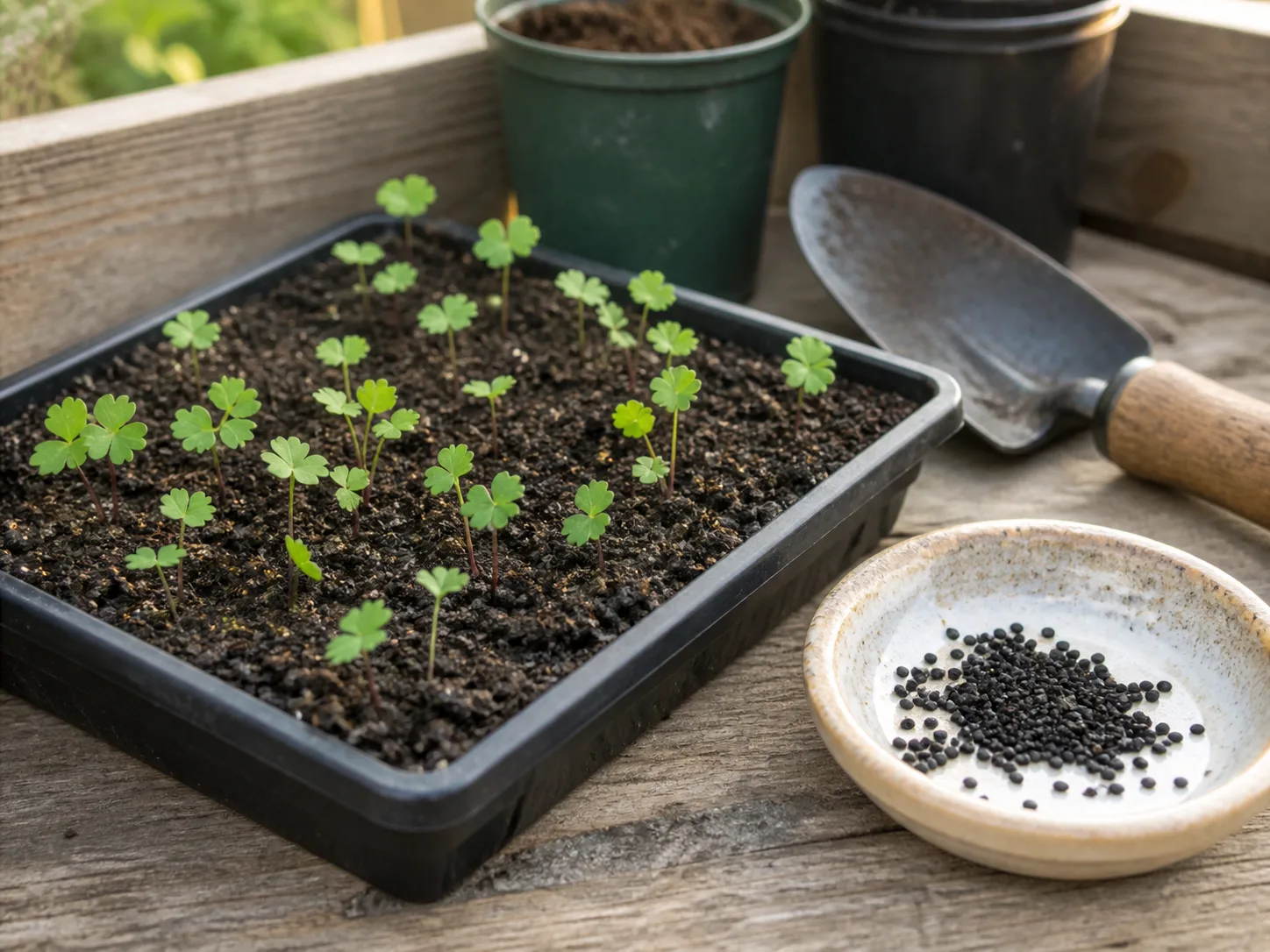
Seeds need a different answer because germination is controlled by the species, temperature, light, moisture, and sometimes a period of cold. Some perennial seeds can be sown outdoors in spring after the soil warms; others germinate more evenly after cold stratification, a planned exposure to cool, moist conditions that breaks dormancy.
For a species that naturally drops seed in late season, direct fall sowing can provide that cold period outdoors. Columbine, bee balm, and yarrow are examples often treated this way, but the seed packet or a reliable species-specific growing guide should determine the method. Do not assume that every perennial seed benefits from winter exposure: tender species, hybrids, and seeds that rot in wet soil may be better started indoors or in a protected container.
If seedlings are tiny, growing them in pots can be safer than placing them straight into a weedy or drought-prone bed. Keep the containers evenly moist, give seedlings enough light, and harden them off before transplanting. The goal is a plant with a developed root system and sturdy foliage, not simply the oldest possible seedling.
Bulbs, corms, tubers, and rhizomes
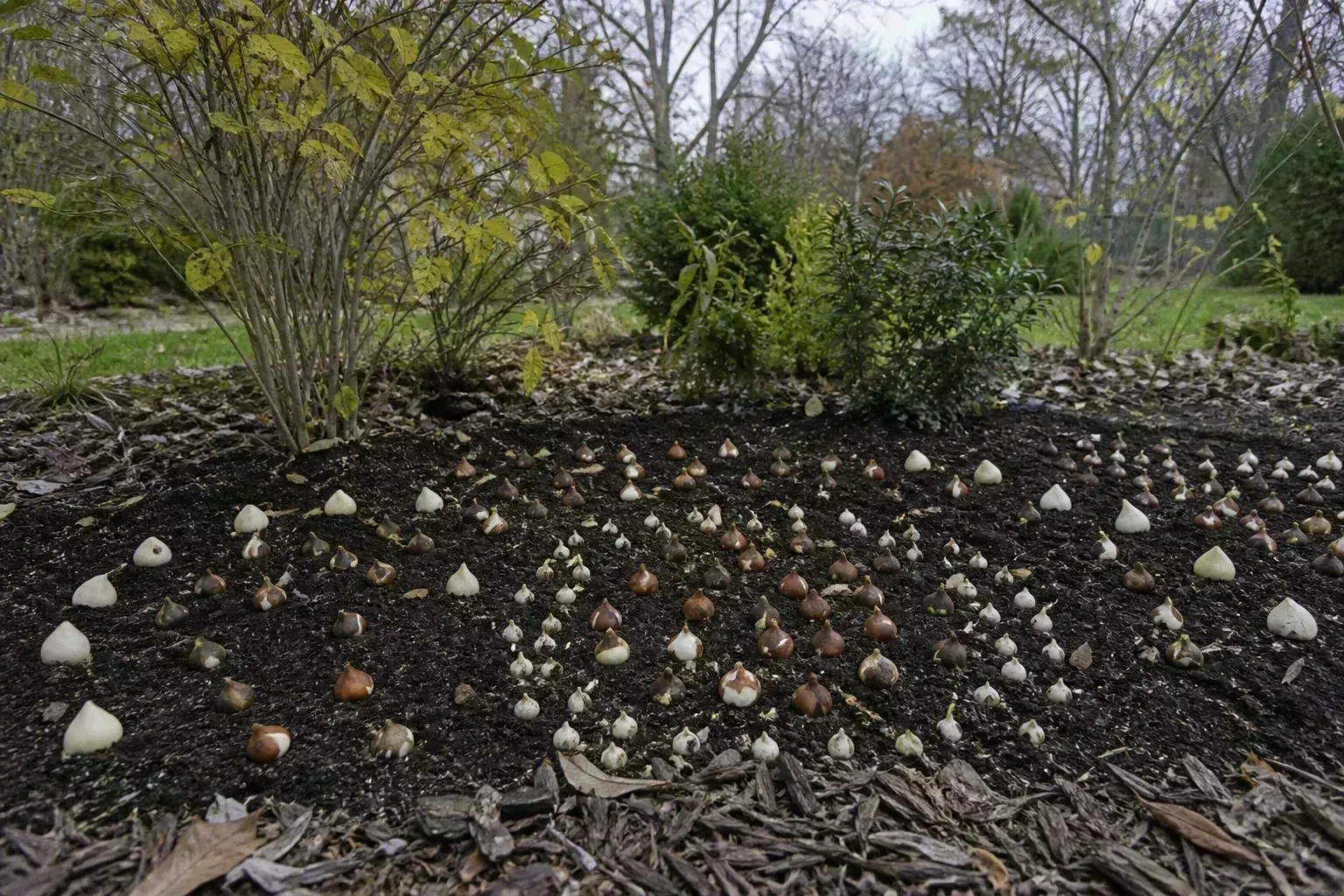
Spring-flowering bulbs such as tulips, daffodils, and hyacinths are usually planted in fall so they can develop roots before winter and complete their seasonal cycle. Their planting window is tied to soil cooling and the supplier’s depth instructions, not simply to the first chilly evening. Planting too early in hot soil can encourage premature growth; planting too late can leave roots underdeveloped.
Not every underground storage organ follows the same calendar. Tender dahlias, cannas, and some colocasias may need to wait until frost danger has passed in spring, while hardy iris rhizomes are planted with the shallow crown exposure their form requires. Treat the terms “bulb,” “tuber,” and “rhizome” as descriptions of plant structure, not as a universal planting schedule.
Adjust the plan for your climate
Hardiness zones are useful for selecting plants, but they do not tell the whole story of planting time. A windy exposed bed, heavy clay, wet low spot, sunny south-facing wall, or high-elevation garden can behave differently from another yard in the same zone.
Cold-winter and short-season gardens
In colder regions, spring planting often waits until the soil has thawed and spring runoff has drained. Fall planting must move earlier, because the calendar can run out before roots have anchored. Favor hardy plants, buy healthy root systems, and use the plant’s local first-freeze estimate rather than waiting for the weather to announce winter.
If you receive a late-season perennial after the safe window, do not force it into frozen soil. Pot it up, heel it into a sheltered bed, or ask the nursery how to overwinter that specific plant. A dormant plant held correctly is often a better bet than a rushed transplant whose roots freeze in air pockets.
Mulch can reduce temperature swings, but it should not be piled against the crown. Once the soil is beginning to freeze, apply a loose layer of clean leaves, straw, or another suitable organic mulch around the plant. Pull excessive winter mulch back in spring so the crown can dry and the soil can warm.
Hot-winter and mild-climate gardens
In mild climates, fall and winter can be excellent planting seasons because the soil stays workable and summer heat is no longer stressing new roots. The challenge is that a mild winter may not provide the cold period some bulbs or seeds require, and wet winter soil can be as damaging as a freeze.
Spring planting should be finished early enough for roots to settle before the first sustained heat. In hot-summer regions, a morning planting, temporary shade, drip irrigation, and a thick but breathable mulch layer can make a larger difference than choosing one exact date. Tender perennials still need frost-free conditions even when hardy plants can go in earlier.
When not to plant a perennial
Skip the planting day when the bed is frozen, saturated, bone-dry, or under an extreme-heat warning. Frozen ground prevents roots from making contact; waterlogged soil removes air from the root zone; and dry, hot soil turns a transplant into a race against water loss. A short delay is usually cheaper than replacing a stressed plant.
Also pause if the plant itself is in poor condition. Do not install a perennial with a brittle, desiccated bare root, a foul-smelling or collapsing crown, active disease, or a root ball so tightly circling that water cannot enter. Improve the plant’s condition first or return it to the seller when that is possible.
If the ideal window has passed, choose among three options: wait for the next safe season, grow the plant on in a container, or plant now only with a clear aftercare plan and a species that tolerates the conditions. The right answer is not always “get it in the ground today.”
How to plant during the right window
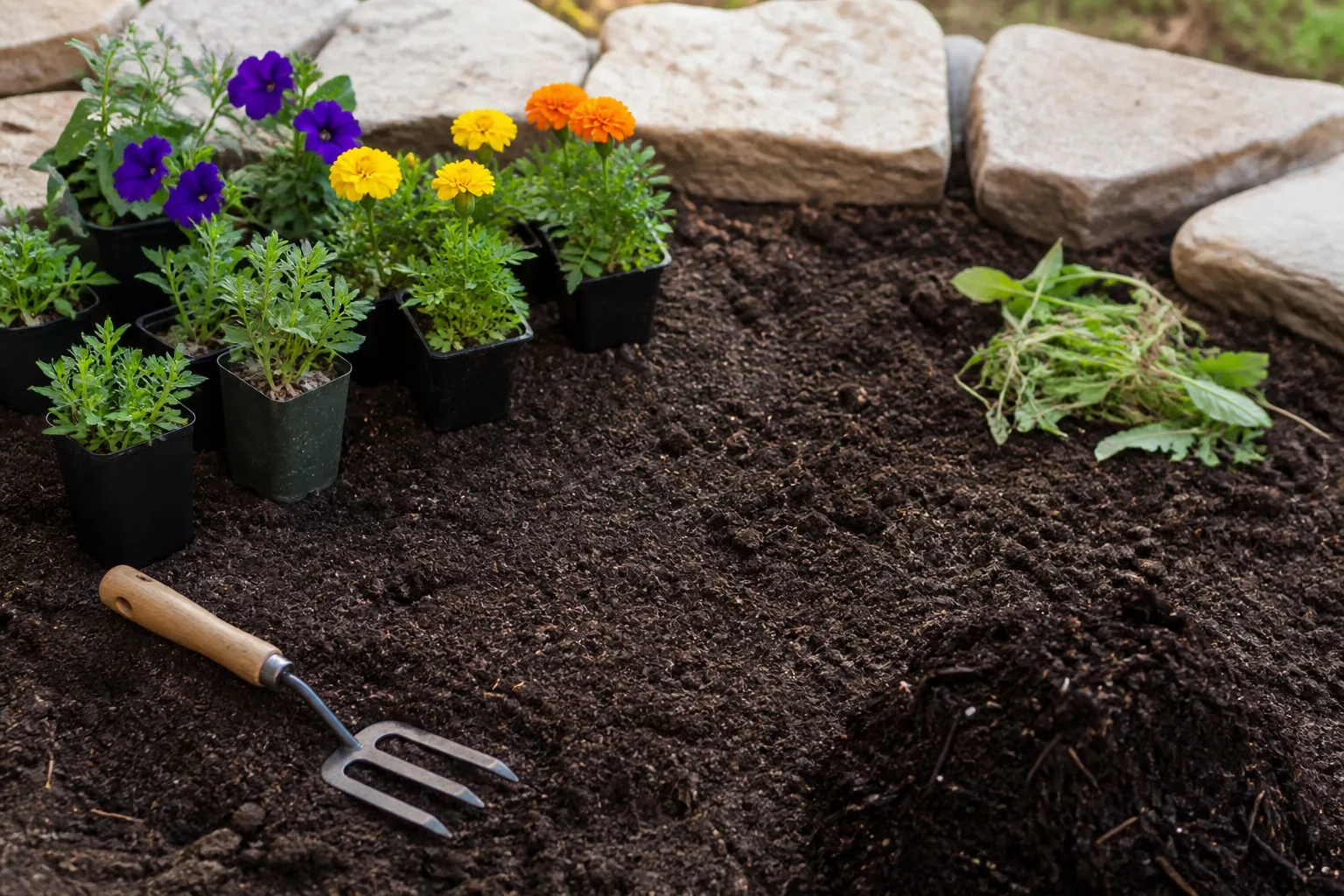
Good timing works best when the planting itself does not create a new problem. Prepare the site before you bring the plant outside so the roots are exposed for the shortest practical time.
A planting-day checklist
- Confirm the site. Match the perennial to its mature light, drainage, and spread. Do not crowd a small nursery plant just to make the bed look full; it will need room when it reaches its mature width.
- Prepare the soil broadly. Loosen the bed to the depth of the root ball and remove competing weeds. Mix in a modest amount of finished compost across the planting area if the soil needs organic matter, rather than creating a rich, isolated pocket that roots may struggle to leave.
- Water before the move. Hydrate a potted plant or bare-root material according to its instructions. A dry root ball is difficult to rewet evenly after it is surrounded by soil.
- Dig for the roots. Make the hole wide enough for roots to spread without bending sharply. The depth should keep the crown at the plant’s proper level, not bury it in the hope of adding winter protection.
- Set, backfill, and water. Firm the soil gently around the roots so large air gaps disappear, then water thoroughly even if rain is expected. That first watering settles the soil against the roots and reveals whether the bed drains normally.
- Label and observe. Mark the plant if it is dormant or newly seeded, note the planting date, and watch the soil rather than watering on an automatic calendar.
Aftercare through the first freeze or heat wave
Newly planted perennials need consistent moisture while roots explore the surrounding soil. Water deeply when the surface begins to dry, then allow excess water to drain; frequent shallow sprinkles can keep the crown wet without building a useful root system. Reduce watering during cool, rainy periods, but do not assume autumn rain is enough without checking the bed.
If a spring planting faces a late frost, protect tender foliage with frost cloth supported above the plant. Do not let plastic rest directly on leaves, and remove the cover when temperatures rise. A hardy dormant crown may need no cover at all, while a leafy tender plant may need several nights of protection.
For fall planting, keep watering until the ground begins to freeze unless rainfall is reliably doing the job. Add winter mulch after the soil cools and begins to freeze, especially where freeze-thaw cycles are common. Leave a small gap around the crown and stems so trapped moisture does not encourage rot.
What to expect in the first season
The first season is often about roots, not a full-size plant. A fall-planted perennial may spend most of its visible energy going dormant and appear to do very little; a spring-planted one may produce leaves without flowering much. Neither outcome automatically means the timing was wrong.
Expect the plant to need more attention than an established perennial, even if the mature variety is marketed as drought tolerant. Keep competing weeds down, avoid heavy fertilizer at planting, and watch for settling that exposes the crown. If the plant emerges weakly the following season, check light, drainage, depth, and moisture before assuming it needs more feed.
Some plants also need a season to reach a useful size. That is normal for divisions and seedlings. A small plant that establishes a healthy crown can outperform a large, stressed specimen planted at the wrong time.
Common timing mistakes and how to recover
Planting by month instead of conditions is the most common mistake. A local bed may be ready two weeks before or after a general calendar recommendation, so use soil workability, frost risk, and the plant label together.
Planting too late in fall is another avoidable problem. If roots have had little time to grow and the plant is lifted by freeze-thaw cycles, press the soil back around the roots when the ground is workable, water if dry, and add loose mulch after freezing begins. If the crown has dried or broken, recovery is less likely.
Treating all perennials as hardy leads to failed dahlias, cannas, and other tender plants. Wait for frost-safe spring conditions for tender types, and store or overwinter them according to their specific needs rather than copying the schedule for coneflowers or hostas.
Burying the crown or rhizome can cause rot and weak growth no matter how perfect the date was. Recheck the plant label and correct the depth while the soil is workable. The RHS guidance on perennial planting stresses setting roots at the proper level, firming the soil, and watering in thoroughly.
Ignoring the first season turns a good planting date into a poor result. Set a reminder to inspect soil moisture, remove weeds, and check whether the plant has settled after heavy rain or frost. The practical guidance from Gardening Know How also highlights keeping bare roots from drying, allowing a buffer before ground freeze, and keeping mulch away from crowns.
Conclusion: plant when roots can work
For most hardy perennials, plant in early spring once the soil is workable or early fall while there is still time for roots to establish before the ground freezes. Then refine that answer using the plant form: potted plants are flexible, bare roots need prompt handling, seeds follow species-specific dormancy rules, and bulbs or tender tubers have their own seasonal cues.
The best planting day is mild, not waterlogged, not frozen, and not so hot or dry that the new root system cannot keep up. When the window is wrong, waiting, potting on, or protecting the plant is a sign of good gardening judgment—not a failure to get started.