When to Put Out Bird Feeders: A Seasonal Guide
Learn when to put out bird feeders by season, local weather, and feeder type. Know when to keep seed and suet available, when to pause, and what to clean.
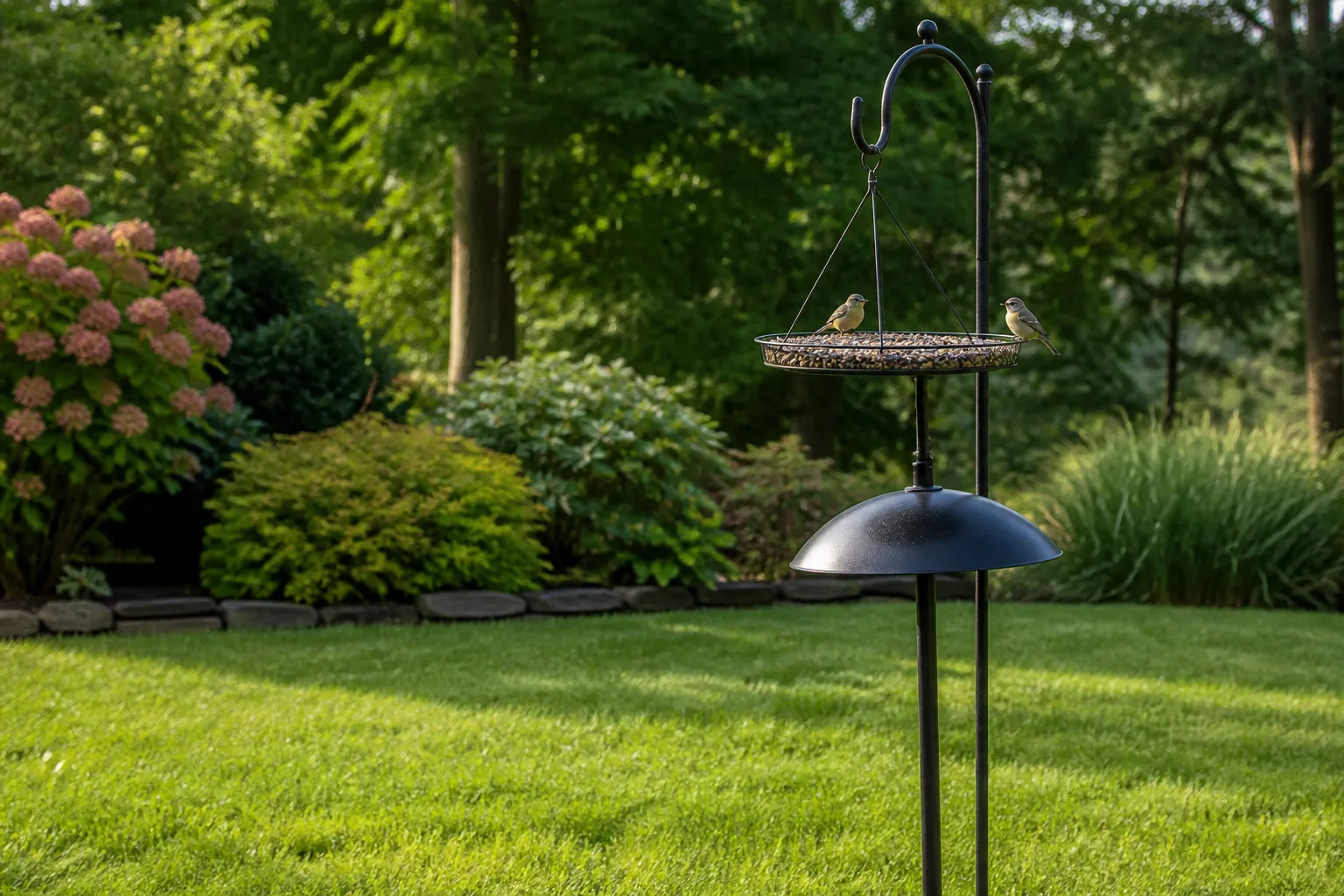
If you want a simple rule, put a feeder out before the season when food becomes harder for local birds to find. In a cold-winter climate, that often means setting up a clean seed feeder in fall, before snow or a hard freeze makes natural food less accessible. In a mild climate, a feeder can be useful throughout the year if you can keep it clean, keep food dry, and manage wildlife safely.
There is no nationwide date when every bird feeder should go up or come down. A seed feeder, a suet cage, and a hummingbird feeder each serve different birds and need different care. Start with the weather and bird activity where you live, then adjust for heat, disease advisories, bear activity, and how often you can maintain the feeder.
Quick Answer: Start Before Food Gets Scarce
For most seed feeders, set one up when your local natural food supply is beginning to thin or when cold weather, snow, or prolonged rain makes foraging harder. You do not need to wait for the first snowstorm: a clean feeder in place before a weather shift gives resident birds time to find it. If your winters are mild and seed, berries, and insects remain available, you can wait until birds begin visiting regularly or keep a modest feeder available year-round.
That is a starting point, not a strict rule. Some people feed birds only during winter; others keep feeders stocked in every season. Either can be a responsible choice. The deciding factor is whether you can offer fresh food without creating a dirty gathering spot, attracting bears or rodents, or ignoring a local wildlife or disease advisory.
If you are setting up a feeder for a particular bird, use that species’ local arrival pattern rather than a national calendar. Migration varies by region and year, and feeder use also changes when berries, seeds, and insects are abundant. When the right food is available and the station is safe, birds can discover it without a special opening day.
Why There Is No Universal Feeder Calendar
Birds do not all migrate, feed, or respond to weather in the same way. A resident cardinal may use a familiar feeder in winter while a migratory warbler passes through briefly and never visits it. A hummingbird feeder in Arizona follows a different calendar from one in the Northeast, and both differ from a seed feeder used by chickadees or finches.
Climate also matters more than the month printed on a calendar. In a northern yard, frozen ground and snow cover can make stored seed and berries harder to reach; in a warm coastal yard, the larger concerns may be damp seed, ants, raccoons, or bears. A stretch of unusually cold or wet weather can change feeding activity even when it is not the season you expected.
Feeders are a supplement, not a replacement for the food and habitat birds find on their own. Virginia Cooperative Extension notes that research on the effects of supplemental feeding varies by species and that poor sanitation can increase disease risks. That is a better reason to make a thoughtful plan than to assume every bird needs a feeder in every season. The extension guide also explains that feeders concentrate birds at shared perches, so the benefit depends on maintaining them well. (Virginia Cooperative Extension)
Bird Feeder Timing by Season
Use the season as a prompt to check conditions rather than as an automatic switch. At each transition, ask whether natural food is still plentiful, whether the feeder is getting used, and whether the food you are offering stays dry and fresh.
Late Winter and Spring
Keep a seed feeder available through late winter if birds are using it and you can maintain it. A late cold snap can follow a mild winter, and migrating birds may arrive while temperatures still swing sharply. Do not take a feeder down simply because the first flowers open; look at actual food availability, bird activity, and local guidance.
Spring is also a good time to review what is landing in the feeder and what is falling below it. If birds are mostly ignoring the feeder because insects, seeds, and berries are plentiful, reduce the amount you offer instead of repeatedly topping it off. That limits old food and spilled seed while keeping the station available if weather turns cold or wet again.
The goal is not to make a seed feeder the main food source during nesting. A feeder can supplement a yard, but it cannot replace the insects and habitat that support birds through breeding season. Keep nearby shrubs, trees, and native plants healthy, and avoid pesticide use where possible.
Summer
You can leave a seed feeder up in summer if it stays clean, dry, and free of pests, but warm weather raises the cost of neglect. Seed that gets wet or sits in a hot feeder can spoil; spilled seed beneath a station can attract rodents and other animals. Put out smaller amounts, refill only as birds use them, and remove food that smells musty or looks clumped, discolored, or moldy.
Summer advice is not identical in every country or region. For example, BBC Gardeners’ World reports that the Royal Society for the Protection of Birds recommends pausing seed and peanut feeding from May through October in the United Kingdom to reduce disease transmission at crowded feeding sites. That precaution reflects a regional disease context; it is not a universal North American calendar. Follow current guidance from the wildlife or bird-health authorities where you live, and take a seasonal pause if local experts recommend one. (BBC Gardeners’ World Magazine, “What to Feed Birds All Year Round”)
If you keep feeding through hot weather, check the feeder more often than you do in winter. A shaded position can limit direct heat, but shade does not make neglected seed safe. Some summer fats can soften or turn rancid, so skip suet or other fat-based foods during hot spells unless the product label says it is formulated for warm temperatures and you can keep it fresh.
Fall
Fall is a practical time to install or restart a feeder in places where winter brings frost, snow, or a sharp drop in natural food. Do it before the weather becomes difficult to work in, and give yourself time to clean the feeder, choose the right seed, and find a safe location. You may not see an immediate rush: berries, nuts, and seeds in the landscape can keep birds busy before they return to feeders.
Watch what is happening in your yard. If seed heads are still standing and berry-producing shrubs are full, the feeder may see light use. When those natural foods are depleted or colder weather begins, increase the amount gradually. BBC Gardeners’ World likewise notes that feeder activity can remain quiet in autumn while wild foods are abundant, then rise as colder weather reduces those choices. (BBC Gardeners’ World Magazine, “What to Feed Birds All Year Round”)
Fall is also an important time to separate seed-feeder timing from hummingbird timing. A hummingbird feeder should follow the migration and residency patterns of local species, not the date you put out black-oil sunflower seed. Keep nectar fresh while the feeder is in use, and do not remove it just because the familiar summer birds have become less visible.
Winter
Put seed and suet feeders out before the first period of persistent cold, snow cover, or freezing rain in your area. Birds still forage naturally in winter, but severe weather can make access to food more difficult and the daylight window for finding it is short. A feeder is most useful when it is available before a storm, not after you notice birds struggling in the yard.
Use high-quality food that matches the birds you see. Black-oil sunflower is a versatile starting point for many common feeder birds; a specialty seed such as nyjer makes sense when finches are present and the feeder is designed to keep it from spilling. Offer only what you can replenish and clean. If a feeder freezes shut, clogs with wet seed, or becomes hard to reach safely, fix the setup rather than leaving spoiled food in place.
Winter does not automatically mean feeding is risk-free. Bears can be active in some regions during seasons when people expect them to be dormant, and local rules may restrict feeders. BearWise, an outreach program supported by state wildlife agencies, advises removing bird feeders when bears are active and checking with the local fish and game agency for the local timing. (BearWise, “Remove Bird Feeders When Bears Are Active”)
Match the Calendar to the Feeder
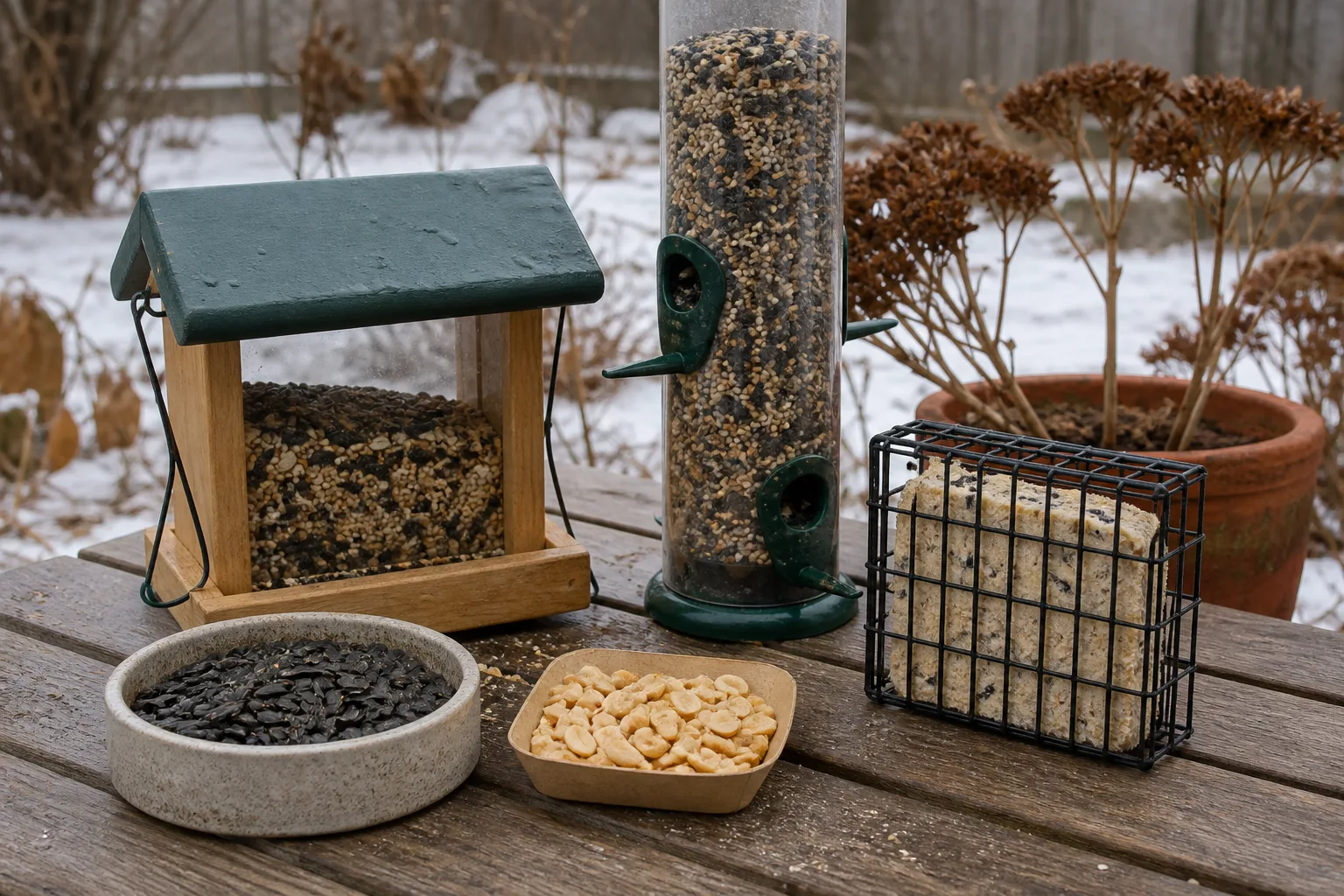
“Bird feeder” covers several different setups. A tube feeder filled with seed, a suet cage, and a nectar feeder have different users, spoilage risks, and seasonal windows, so do not apply one take-down date to all of them.
Seed and Suet Feeders
Seed feeders can be used in any season when you keep the food dry and the feeder clean. The most useful time to start in a cold region is usually before the natural food gap and persistent winter weather; the most useful time to stop is when maintenance, local rules, or wildlife problems make feeding a poor fit. Virginia Cooperative Extension describes seed as a supplement and emphasizes that high-quality, uncontaminated food and regular cleaning are part of responsible feeding.
Choose seed by the birds you hope to attract, but let actual visitors guide you. Black-oil sunflower appeals to many seed-eating species; nyjer is suited to finches when placed in a feeder with small ports; a broad mix can leave unwanted ingredients scattered under the feeder if visiting birds reject them. If a seed mix is mostly left behind, change the mix instead of filling the feeder more often.
Suet is most convenient in cool weather because heat can soften or spoil fat-based products. In hot summer weather, remove it unless you have a product designed for warmth and can inspect it frequently. A feeder that is empty and clean is safer than one filled with old food just because the calendar says birds might need it.
Hummingbird Feeders Follow Migration
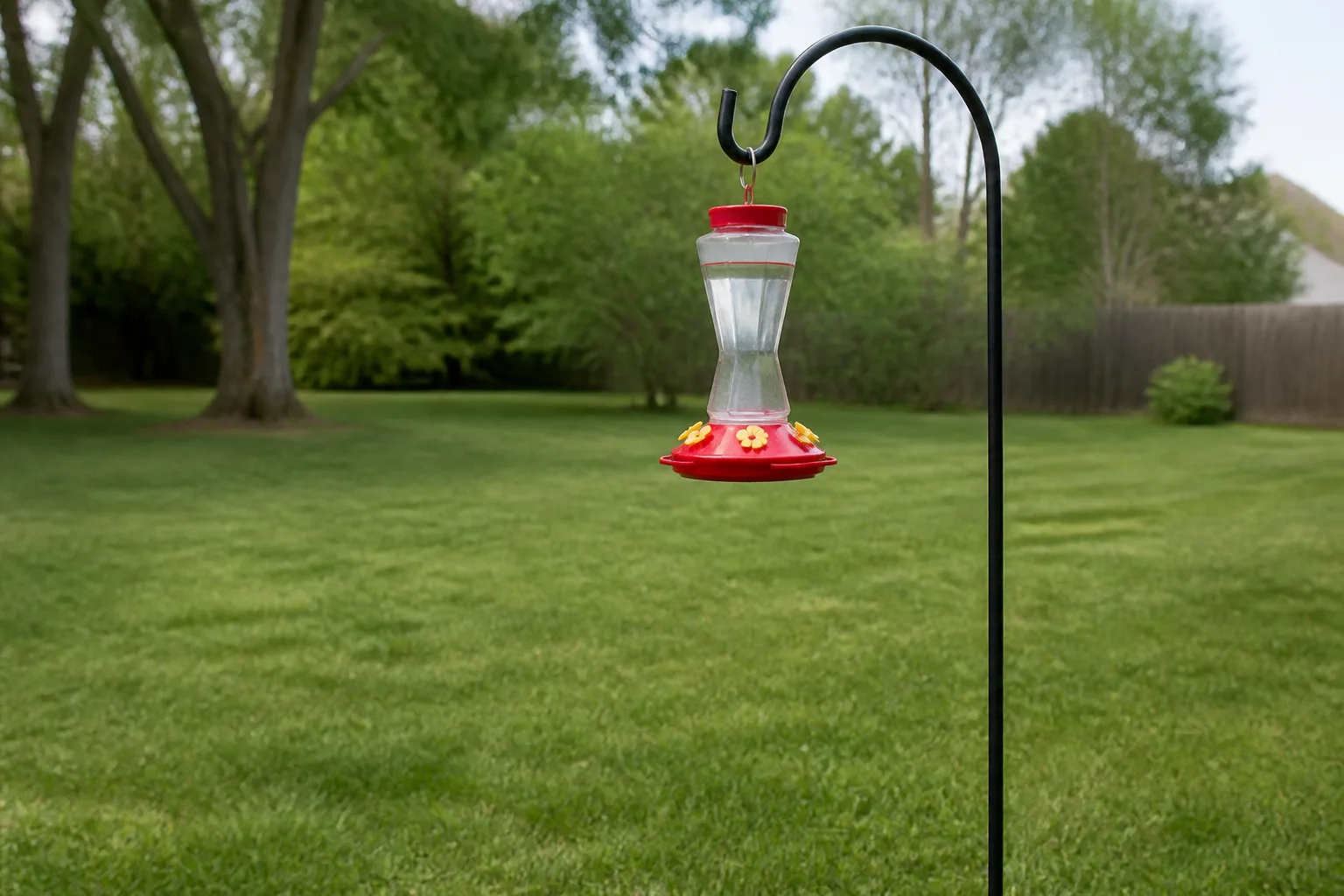
Put a hummingbird feeder out shortly before hummingbirds usually return to your region, using local sightings or a regional migration map as your guide. In places with resident hummingbirds, a feeder may stay useful into winter if you can keep nectar from freezing and maintain it properly. In other regions, it may be a seasonal feeder for spring arrival through fall departure.
Do not take a hummingbird feeder down just because summer is ending or because you hope to encourage birds to migrate. A Cornell Lab Project FeederWatch specialist told Homes & Gardens that hummingbird movement is influenced by factors including daylight, weather, age, and species, and that feeders do not delay migration. (Homes & Gardens, “How to Help Hummingbirds in October”)
As a practical rule of thumb, Farmers’ Almanac advises waiting about two weeks after your last hummingbird sighting before putting the feeder away; later migrants or year-round residents can make an earlier date misleading. (Farmers’ Almanac, “Don’t Take Down Your Hummingbird Feeder Yet”) The rule only works if you keep the nectar fresh and the feeder clean. If you cannot maintain it, take it down, wash it, and store it dry rather than letting old nectar sit outside.
Choose a Start Date for Your Location
Instead of asking which month is correct everywhere, use a short local checklist. It turns a broad seasonal guess into a decision you can revisit when conditions change.
- Check the local food supply. Are berry shrubs, seed heads, and other natural foods still abundant? If so, a new seed feeder may not be busy yet. If those sources are fading, a feeder may become more useful.
- Look at the weather pattern. A forecast of sustained cold, snow, ice, or heavy rain is a good reason to have the feeder clean and ready before the conditions arrive.
- Identify the birds and feeder type. If you want to attract hummingbirds, use local migration timing. If you want winter finches or chickadees, choose seed and a feeder they can use.
- Check local restrictions and advisories. Look at state or provincial wildlife guidance for bear activity, disease notices, and any seasonal rules. A rule from another state or country may not apply to your yard.
- Be honest about maintenance. If you will be away, cannot clean the feeder, or cannot keep food dry, delay starting or ask someone to maintain it. A stocked but neglected feeder can create more problems than an empty one.
This approach handles the most common edge cases. If you live in a mild climate but a cold snap is approaching, you can put out seed for the weather rather than waiting for winter by name. If you live where bears remain active, the same calendar may tell you to keep the seed indoors even as temperatures cool.
Prepare a Feeder Before Filling It
A feeder should be clean, sturdy, and positioned before the first bag of food is opened. Make sure it drains after rain, closes securely, and can be taken down without climbing onto an unstable ladder. If a feeder cannot be cleaned fully or has cracked parts that trap damp seed, repair or replace it before birds gather.
Clean, Dry, and Check the Food
Empty the feeder and remove any clumped, stale, or moldy seed before adding fresh food. Wash away debris with warm, soapy water, rinse thoroughly, and allow the feeder to dry. Virginia Cooperative Extension advises cleaning feeders regularly and gives a disinfection procedure for feeder surfaces; follow the current extension or wildlife-agency directions for the product and material you have, and rinse and air-dry before refilling.
The schedule should respond to conditions. Extension guidance recommends cleaning at least every two weeks, with hummingbird feeders cleaned more often; the guide notes that hot weather can require quicker nectar changes. If a feeder is crowded, damp, or shows visible droppings, mold, or residue, clean it sooner instead of waiting for a calendar reminder. (Virginia Cooperative Extension)
Store seed in a sealed container in a cool, dry place. Do not top off old food with new seed, because that hides the stale layer at the bottom. Start with a small fill and note how long it takes birds to use it; that gives you a better refill rhythm than filling to the brim and discovering damp leftovers later.
Place It for Birds and Safety
Choose a spot where birds can see approaching danger but can also reach nearby cover. Dense shrubs right against a feeder can give a hiding place to a cat or other predator; a completely exposed pole may leave small birds with nowhere to retreat. The Virginia Cooperative Extension guide recommends considering both open sight lines and protective vegetation when placing a feeding station.
Keep the feeder away from reflective windows or make the glass visibly bird-safe. Birds can strike reflections while escaping a predator, so a feeder that is easy to watch from the kitchen should not be placed in a way that sends startled birds into glass. If strikes occur, move the feeder or treat the window rather than accepting collisions as part of birdwatching.
Plan for the food that falls. A catch tray can reduce waste, but it also needs cleaning; sweep spilled seed from the ground so it does not accumulate and attract rodents or skunks. If squirrels are a concern, use a properly placed baffle and a sturdy feeder instead of coating a pole with grease or another substance that can foul feathers or harm wildlife.
When to Pause or Take a Feeder Down
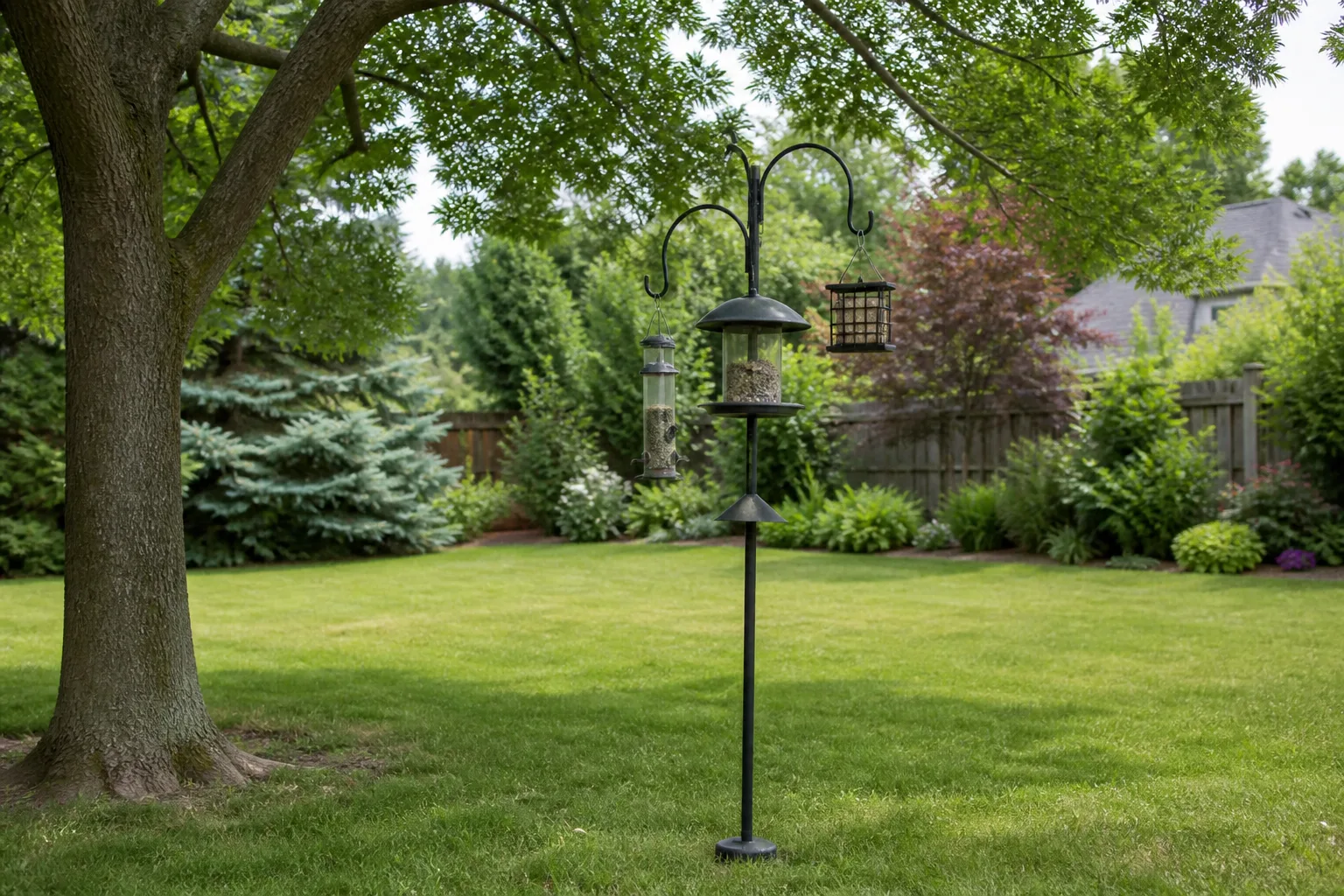
Taking down a feeder is not a failure. It is the right choice when you cannot keep it clean, a local authority advises a pause, wildlife is being drawn into conflict, or the food is repeatedly spoiling before birds can use it. You can clean and store a feeder for a few weeks, then restart when the reason for pausing has passed.
Disease, Bears, and Unwanted Wildlife
If you receive a disease advisory for birds in your area, follow its instructions for feeders and baths. Depending on the advisory, that may mean stopping feeding temporarily, cleaning equipment, and waiting before putting food back out. Do not move a dirty feeder to another part of the yard and assume the issue is solved; contaminated seed and droppings can remain below the station.
Bear timing is local, not a fixed national date. BearWise says to remove feeders while bears are active and to ask the local fish and game agency when that period applies in your region. The Southeast is one example where bears can be active through much of the year, so a calendar rule borrowed from a colder state could be unsafe. If a bear has already found the feeder, remove the food source promptly and follow the agency’s advice about other attractants.
Pause feeding if seed is getting soaked, moldy, or ignored; if rodents or raccoons are appearing regularly; or if you cannot clean up spilled food. Reduce the fill amount first if the problem is simply excess seed. Take the feeder down completely if reducing the amount does not resolve the issue or if a local notice calls for a full pause.
If Birds Do Not Find Your Feeder
A quiet feeder does not automatically mean you chose the wrong month. Birds may be eating natural food, moving through a different route, or looking for a feeder style that matches their feeding habits. Give a new station time, but use the wait to check whether you are offering the right food in a safe and visible place.
Start with the simplest fixes: discard stale or wet food, use a seed that local birds eat, and check that the feeder openings fit the seed. A small finch may use a narrow-port tube feeder while a ground-foraging sparrow is more likely to notice seed on a low platform. Avoid scattering more food on the ground if it will remain overnight or draw rodents.
Next, look at the location. Can birds see the feeder from a distance? Is it so exposed that they cannot reach cover, or so hidden that they cannot spot danger? Are cats, loud activity, or window reflections interfering? A small move can make more difference than buying a larger feeder.
Finally, compare activity with the season. A quiet feeder in autumn may simply mean the yard still offers berries and seed heads. A feeder may also attract birds more slowly in a new yard with little shelter. Add native shrubs and keep some seed-bearing plants through winter so that the feeder is part of a habitat, not the only food source.
Make Natural Food Part of the Plan
Bird feeders work best as one part of a wildlife-friendly yard. Native plants can provide seeds, berries, nectar, insects, shelter, and nesting sites; those resources stay useful when a feeder is empty or temporarily taken down. BearWise recommends native planting and avoiding pesticides as ways to support birds without relying only on feeders. (BearWise, “Remove Bird Feeders When Bears Are Active”)
Leave seed heads standing on plants such as coneflowers and sunflowers when practical, and choose regionally appropriate shrubs that produce fruit. Keep leaf litter or a less-tidy corner where it is safe to do so, because insects and other small wildlife support birds beyond the feeder. A bird bath can help, too, if you can change the water and clean the basin regularly.
A planted yard also gives you a natural way to respond to a feeder pause. If an agency asks residents to take feeders down during a disease event, or bears are active in your neighborhood, you can still offer habitat with native plants, fresh water, and safe shelter. Those options do not replace every nutritional role of a feeder, but they reduce the yard’s dependence on a single food station.
Conclusion
For a cold-winter yard, put a clean seed feeder out before persistent cold or snow makes natural food harder to reach. In a mild region, feeding can be seasonal or year-round if you can keep food fresh and the station safe; hummingbird feeders should follow local migration and resident-bird patterns instead of the seed-feeder calendar.
Let local conditions set the date. Check natural food, weather, species activity, cleaning time, disease notices, and bear rules before you fill a feeder. Then adjust the amount you offer as birds use it, and take the feeder down whenever maintenance or wildlife safety calls for a break.