Why Are My Azaleas Not Blooming? 7 Causes to Check
Find why azaleas are not blooming by checking pruning, frost, light, moisture, soil pH, fertilizer, and cultivar timing—then follow a season-by-season fix.
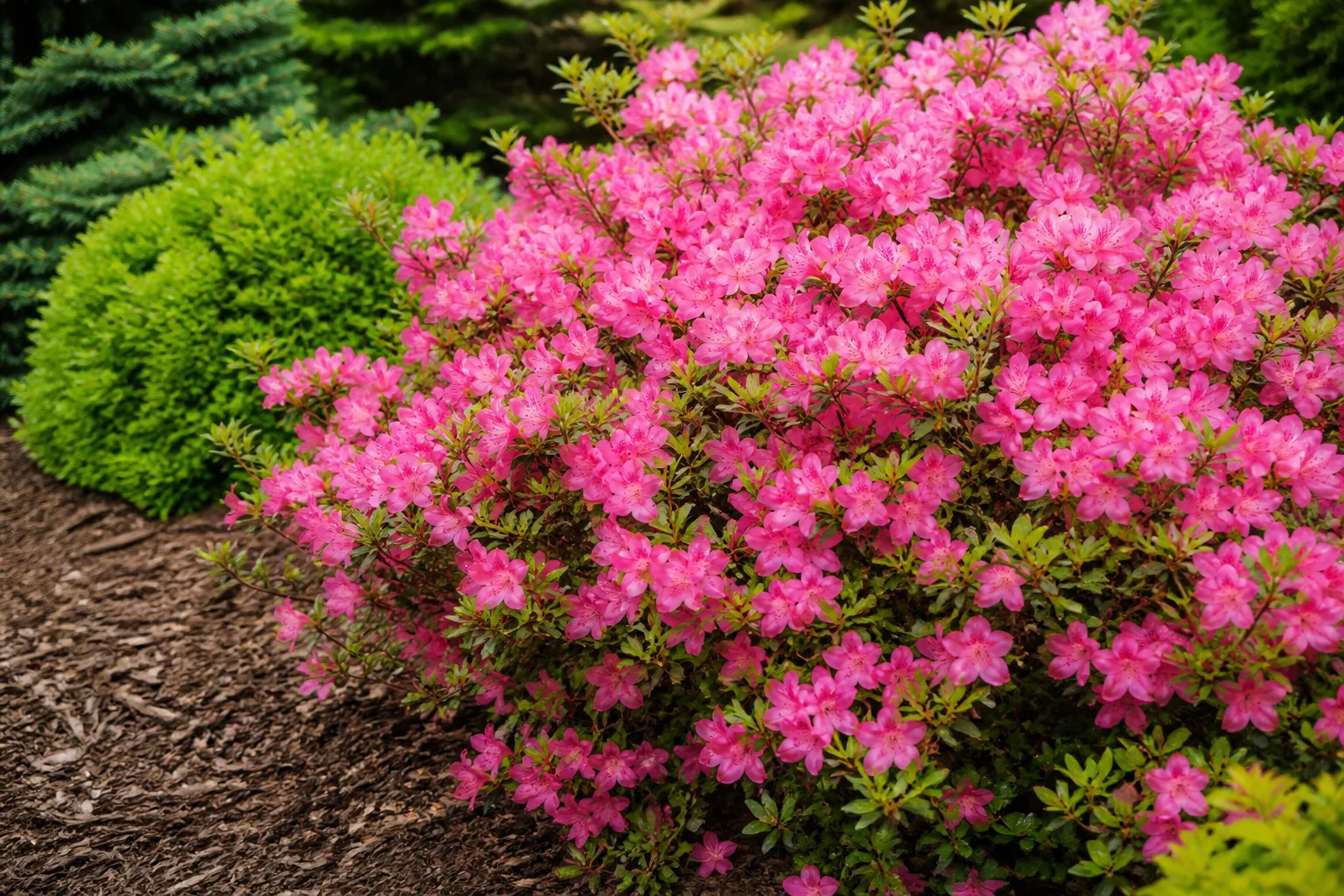
If your azalea is leafy but flowerless, resist the urge to feed it first. The buds that would open this spring may have been formed, damaged, or cut off months earlier; fertilizer cannot replace buds that are already gone. Start with the plant’s expected bloom window and last year’s care, then check the buds, light, soil moisture, roots, and feeding history.
Azaleas vary widely: some are evergreen, others deciduous; some flower once in spring, while selected cultivars can rebloom later. A healthy shrub that has not opened yet may simply be early or late for its variety. If its usual flowering period has passed, one of these seven causes is more likely.
First check whether the azalea should be blooming yet
“Azalea” covers many species and hybrids, not one uniform spring schedule. The Royal Horticultural Society describes flowering as mainly spring, while University of Georgia Cooperative Extension documents native and hybrid azaleas that flower at different times, including summer and fall selections.
Reblooming types add another variable. If you do not know the cultivar, compare it with labeled azaleas growing nearby or check the nursery tag before deciding that it has failed. (RHS growing guide; University of Georgia Cooperative Extension)
Also distinguish a normal gap between flower seasons from a plant that has never bloomed since planting. A recently moved shrub may spend its first season rebuilding roots, and a young plant may need time to reach flowering size; neither condition proves that the soil needs a “bloom booster.” Look for a trend: weak or sparse growth points toward establishment or root stress, while vigorous leafy growth with no buds points more strongly toward pruning, shade, nitrogen, or the cultivar’s timing.
1. Late pruning removed next season’s flower buds
For most spring-flowering azaleas, the previous year’s growth carries the next spring’s flowers. After the shrub finishes flowering, it produces new shoots; flower buds form on that growth during summer.
A trim in late summer, fall, winter, or early spring can therefore remove the very buds you are waiting to see. The plant may look neat and healthy because the cut ends leaf growth, but the flower display is gone for that cycle. (University of Georgia Cooperative Extension; Savvy Gardening’s spring-shrub pruning guide)
Think back to the last 12 months, not just the last few weeks. Did you shear the shrub after new growth appeared, reduce it before winter, or let a landscaper shape it during fall cleanup?
If so, late pruning is a strong suspect—especially when the azalea has healthy foliage and evenly clipped outer tips but no flowers. The date matters more than the tool: shears, hedge trimmers, and hand pruners can all remove flower-bearing tips.
The recovery is mostly a timing correction. Do not cut the shrub again to “make it bloom”; let this season’s growth mature and form new buds.
Next year, prune only when needed and do it soon after flowering ends. If the plant needs a major size reduction, expect to trade at least some flowers for that structural reset. Repeatedly shearing an oversized azalea is a sign that the cultivar may not fit the site, not a reason to keep cutting it harder.
2. Cold, frost, or a warm spell damaged the buds
A shrub can enter winter with flower buds and still open few flowers in spring. A hard freeze, a sudden temperature swing, or conditions that leave a less-hardy cultivar exposed can injure buds before the rest of the plant shows obvious damage.
The University of Georgia’s azalea guidance lists bud abortion among cold-injury symptoms and notes that severity depends on cultivar hardiness, the plant’s condition, the length of the cold, and its preceding temperatures. A winter injury may cost one bloom season without killing the shrub.
An unusually warm spell can complicate the diagnosis. It may push some plants into premature growth or flowering, after which a return to cold damages tender tissue.
This risk varies with cultivar and local weather; do not assume a warm winter is the explanation unless the timing fits and buds or new growth show injury. Compare the azalea with other plants of the same type in the area, and check whether the damaged side faces an exposed wind or frost pocket.
Separate normal bud formation from frost injury
Inspect several branch tips rather than judging the whole shrub from a distance. Intact, firm buds that are still closed may simply be late.
Buds that shrivel, blacken, or fail to expand after the local flowering period—especially after a freeze—are more consistent with injury. If flowers opened and then turned brown, that is a different problem from a shrub that produced no flowers at all.
Do not prune every dark-looking tip immediately. Wait until the expected bloom window has passed, then check whether the twig beneath it is alive and whether new leaves emerge.
If only the flower buds were damaged, the azalea can often grow normally and set buds for another year. Protect stressed plants from drought going into winter, keep mulch over the shallow root zone, and choose cultivars rated for local cold rather than wrapping a large established shrub every winter.
3. Deep shade limits flower-bud formation
Azaleas often grow in woodland settings, but “woodland” does not mean no light. Dense shade can produce long, sparse shoots and plenty of leaves with few flower buds.
University of Georgia Cooperative Extension recommends filtered shade and says some light is needed for bud formation; Fine Gardening’s azalea guide similarly advises against both deep shade and intense, exposed sun. A practical target is bright filtered light or morning sun with protection from the strongest afternoon heat, adjusted for cultivar and climate. (University of Georgia Cooperative Extension; Fine Gardening)
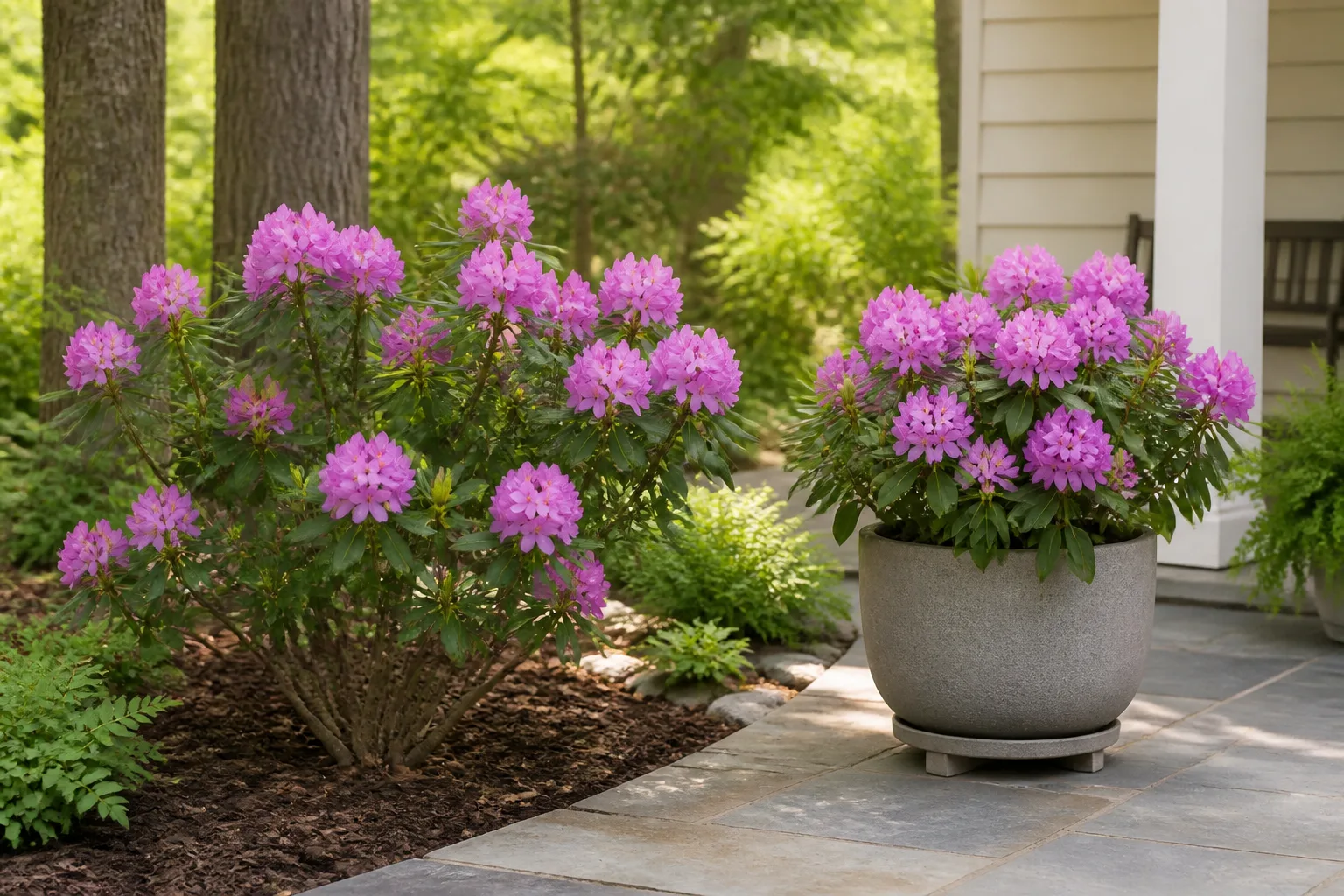
Track the sun at the shrub’s canopy during the growing season, not just the shadow at midday today. A deciduous tree may allow spring light but cast dense shade after leaf-out, precisely when the azalea is growing and setting buds. Tree roots can also compete for water and nutrients, so an azalea tucked beneath a mature tree may have both a light problem and a moisture problem.
More sun is not automatically the answer. Moving a mature azalea can disrupt its shallow roots, while suddenly exposing a shade-grown shrub to hot afternoon sun can scorch leaves and increase water stress.
If a nearby tree is the issue, consider modestly thinning its canopy with appropriate pruning advice, or plan a careful transplant during a locally suitable season. Do not cut major tree limbs or relocate the azalea until you have confirmed that shade is actually excessive.
4. Drought or saturated roots stalled growth
Azaleas have shallow, fine roots, so the surface layer can dry quickly in hot weather. A dry spell after flowering may reduce the plant’s ability to build the new growth that carries next year’s buds.
Drought stress is more likely when leaves curl inward, wilt, turn gray-green, or scorch at the margins; heat reflected from pavement or a west-facing wall can intensify it. Mulch helps slow moisture loss, but it does not replace watering when the root zone is dry. (University of Georgia Cooperative Extension)
The opposite condition—soil that stays soggy—can also stop flowering. Roots deprived of oxygen cannot take up water and nutrients normally, so leaves may yellow or wilt even though the soil is wet.
Repeatedly watering a wilting azalea without checking the soil can deepen the problem. Poor drainage, a low spot, a leaking downspout, a compacted bed, or a root ball planted too deep should move higher on your list when the ground remains wet after rain.
Read the soil and leaves together
Pull mulch aside and feel the soil near the outer canopy, a few inches below the surface. If it is dry there, water slowly at the root zone so moisture reaches the root ball instead of running off.
If it is wet or sticky for days, stop adding water and investigate drainage. A calendar rule such as “one inch every week” is only a rough regional estimate; rain, soil texture, exposure, plant size, and season change how often an azalea needs irrigation.
Keep a 2- to 3-inch layer of organic mulch over the root area, but leave a small gap around the stems. Mulch reduces temperature swings and evaporation, yet piling it against the crown can keep bark wet and hide problems.
If water pools around the shrub, redirect runoff or correct the bed before applying fertilizer. University of Georgia Cooperative Extension recommends moist, well-drained conditions and checking beneath the mulch rather than watering blindly.
5. Soil pH or planting depth is blocking healthy roots
Test before you try to acidify the bed
Azaleas prefer acidic soil, but adding acid without measuring the soil is guesswork. University of Georgia Cooperative Extension gives a preferred pH range of 4.5 to 6.0; Missouri Botanical Garden gives 4.5 to 5.5.
That small difference is a reminder that the best target can depend on the cultivar and regional guidance, not a universal magic number. Both sources emphasize acidic soil and testing before changing it. (UGA Cooperative Extension; Missouri Botanical Garden)
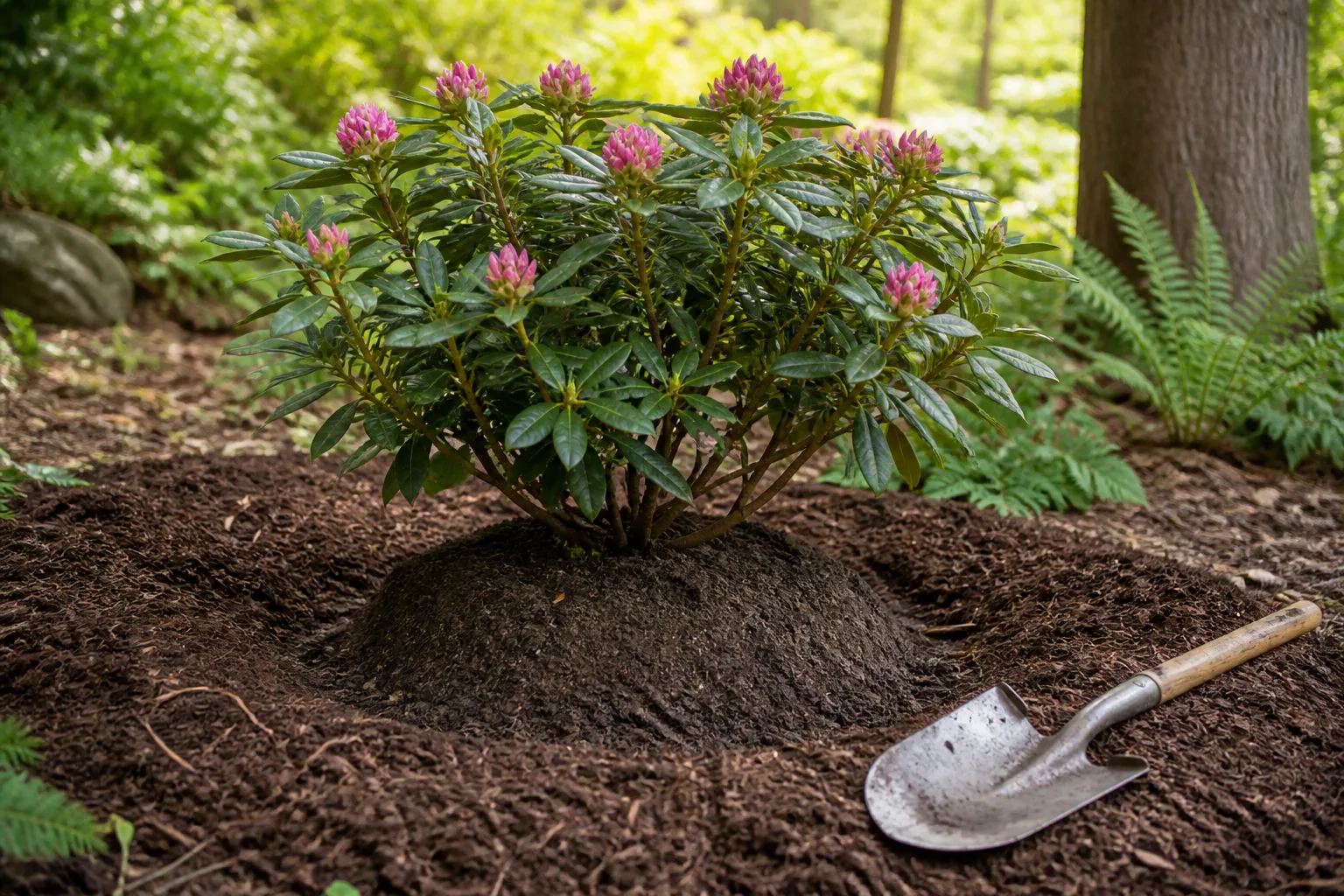
High pH can make iron less available even when iron is present in the soil. Yellowing between green leaf veins on newer growth—called interveinal chlorosis—can be a clue, but drainage problems, root injury, and excess fertilizer can create similar stress.
It is not a reason to pour iron or acidifying products onto the bed without a test. Soil testing helps separate pH from nutrient levels and tells you whether the issue is actually amendable.
Planting depth matters because azalea roots need air near the soil surface. If the original root ball settled below grade, soil or mulch covers the crown, or water collects around the trunk, the shrub may struggle despite regular feeding.
The RHS describes rhododendrons and azaleas as surface-rooting and advises against deep planting. If the site is heavy clay or stays wet, raising the root zone or choosing a better-drained location may be safer than continually amending a hole.
Do not use coffee grounds as a substitute for a soil test or rely on a handful of sulfur to fix the pH quickly. Soil acidification takes time and the amount needed depends on the soil’s texture and buffering capacity.
UGA specifically cautions against aluminum sulfate because it can injure azalea roots. Follow a local soil-lab recommendation, and avoid disturbing established roots unless poor planting depth or drainage is clearly confirmed.
6. Excess nitrogen favors leaves over flowers
A lush, dark-green shrub with long shoots and few blooms may be receiving more nitrogen than it needs. Nitrogen supports leafy growth; repeated high-nitrogen feeding can keep pushing vegetative shoots when you want those shoots to mature and form flower buds. Lawn fertilizer drifting into the azalea’s root zone, a high-nitrogen product applied several times, or feeding a stressed plant can all contribute.
Do not assume that every flowerless azalea needs “bloom fertilizer.” Phosphorus-heavy products are not a shortcut if phosphorus is already adequate, and extra fertilizer can injure the shrub’s shallow roots. The RHS notes that established rhododendrons in suitable soil often need little additional feeding, and warns that excess fertilizer can burn roots and leaves. Fine Gardening likewise recommends restraint and avoiding fertilizer when the plant is dehydrated. (RHS growing guide; Fine Gardening)
Pause routine feeding while you diagnose. Check the fertilizer label and nearby lawn-care schedule, then use a soil test to decide whether any nutrient is lacking.
If the shrub is otherwise healthy, adding nothing may be the correct choice. Where a test or regional extension recommendation supports feeding, apply the appropriate product at the labeled rate and timing; do not fertilize dry roots or late in the season when new growth may not harden before cold weather.
7. The cultivar, plant age, or browsing explains the gap
Sometimes the plant is not failing; the expectation is wrong. Evergreen and deciduous types differ, cultivars flower at different points in spring, and a few rebloom later.
A shrub bought without a tag may be an unfamiliar type, while a nursery-grown plant moved into the garden may need time to establish. University of Georgia’s cultivar list shows a wide flowering sequence, and Fine Gardening notes that recommendations vary across different azaleas and regional conditions.
Verify the cultivar and bloom time
Look for a tag, receipt, old planting plan, or reliable nursery record. If none exists, photograph the leaves, flowers if it eventually blooms, and overall growth habit; a local extension office or experienced nursery may help identify the group.
Compare it with azaleas growing in a similar exposure nearby. One year’s weather can shift opening dates, so a single calendar date is not a dependable test.
If the plant has never flowered but grows weakly, prioritize establishment and roots. Check whether it was recently transplanted, planted too deeply, root-bound in a container, or repeatedly dried out.
A mature-looking canopy is not proof that its roots are settled. Give it a full growing season of steady moisture and suitable light before trying a corrective treatment that may add another stress.
Inspect tips for animal damage, not just insect presence
Deer or rabbits may remove the flower buds and tender shoot tips before you notice. Missing ends, fresh clipped growth, tracks, or droppings near the shrub support browsing more than a fertilizer problem.
Gardening Know How also lists animal browsing, frost, drought, pruning, and excess nitrogen among possible reasons for a flowerless azalea. A barrier that protects the whole canopy may be more dependable than a repellent that washes off or loses effectiveness. (Gardening Know How)
Azalea lace bugs are worth checking when foliage is stippled or pale, especially on leaf undersides, but they mainly damage leaves rather than selectively removing flower buds. Look for dark specks and shed skins beneath affected leaves.
Treat the pest only if you confirm it and the damage is significant; spraying a shrub with no flowers will not correct a pruning mistake, a late bloom window, or frost-killed buds. Severe defoliation or branch dieback deserves a closer pest or disease diagnosis because it can weaken future growth.
A quick diagnosis from what you see
| What you notice | Check first | Most useful next step |
|---|---|---|
| Healthy leaves, clipped outer tips, no flowers | Pruning date during the previous growing season | Stop shaping it now; prune just after its next bloom |
| Buds present but shriveled after a freeze | Recent cold and cultivar hardiness | Wait through the normal bloom window; protect the root zone and tender growth |
| Long, sparse shoots under a canopy | Growing-season light and tree-root competition | Measure exposure before thinning a canopy or moving the shrub |
| Wilted or curled leaves with dry soil beneath mulch | Root-zone moisture and reflected heat | Water slowly and deeply, then recheck rather than following a fixed schedule |
| Yellow leaves with persistently wet soil | Drainage, planting depth, and root condition | Correct standing water before feeding |
| Yellow tissue between green veins | Soil pH and nutrient test | Amend only according to test results |
| Vigorous leafy growth with few buds | Nitrogen sources and recent pruning | Pause extra feeding and protect the new growth |
No single symptom identifies the cause on its own. Use the pattern across buds, leaves, soil, and pruning history; changing several things at once makes it difficult to learn what the azalea actually needed.
What to do now, and what can wait until after bloom
This week: preserve leaves and moisture
First confirm the local flowering window and inspect branch tips. Check the soil under the mulch, look for signs of browsing, and note how much direct or filtered light the shrub receives.
Do not prune, transplant, acidify, or add fertilizer based only on a lack of flowers. If the soil is dry, water it; if it is saturated, stop watering and address runoff or drainage.
If buds are alive but late, leave them alone. If frost or late pruning removed them, there is no reliable product that will restore the current flower crop.
Keep the leaves healthy so the plant can photosynthesize, avoid unnecessary root disturbance, and prevent lawn fertilizer from reaching the azalea. Take dated photos so you can compare bud formation, weather, and growth next season.
After bloom: set next year’s flower buds
Once the shrub finishes flowering, make only the pruning cuts you need. Remove dead or damaged wood and selectively shorten branches that disrupt the plant’s shape; avoid routine shearing that clips every growing tip.
For spring-flowering azaleas, the safe general rule is to prune promptly after the flowers fade, because new growth later in the season carries next year’s buds. Local calendars differ, so do not treat one region’s cutoff date as universal. (Fine Gardening; Savvy Gardening)
During summer, protect the shallow root zone from repeated drying and avoid late, unnecessary nitrogen. Maintain mulch without burying the stems, and use a soil test if chlorosis or poor growth suggests a pH or nutrient issue.
If the site is too dark, too hot, or consistently wet, plan a measured correction for a suitable season instead of moving the shrub during peak heat. Keep notes on when other azaleas bloom nearby and whether your plant sets visible buds; those observations will make next year’s diagnosis much more precise.
Conclusion
A flowerless azalea is often reacting to something that happened months before its expected bloom: late pruning, drought during bud development, insufficient light, frost, or stressed roots. Check the cultivar and season first, then use the buds, leaves, soil, and pruning history to narrow the cause.
Correct one confirmed problem at a time, keep the shallow roots evenly moist but not waterlogged, and protect new growth after flowering. If this year’s buds are already gone, the useful goal is to help the shrub form sound buds for its next flowering cycle—not to force flowers with more fertilizer.