How to Grow Bitter Greens in Winter: 5 Crops and Tips
Learn how to grow bitter greens in winter: compare five crops, count back from frost, choose seeds or transplants, and protect repeat harvests from cold.
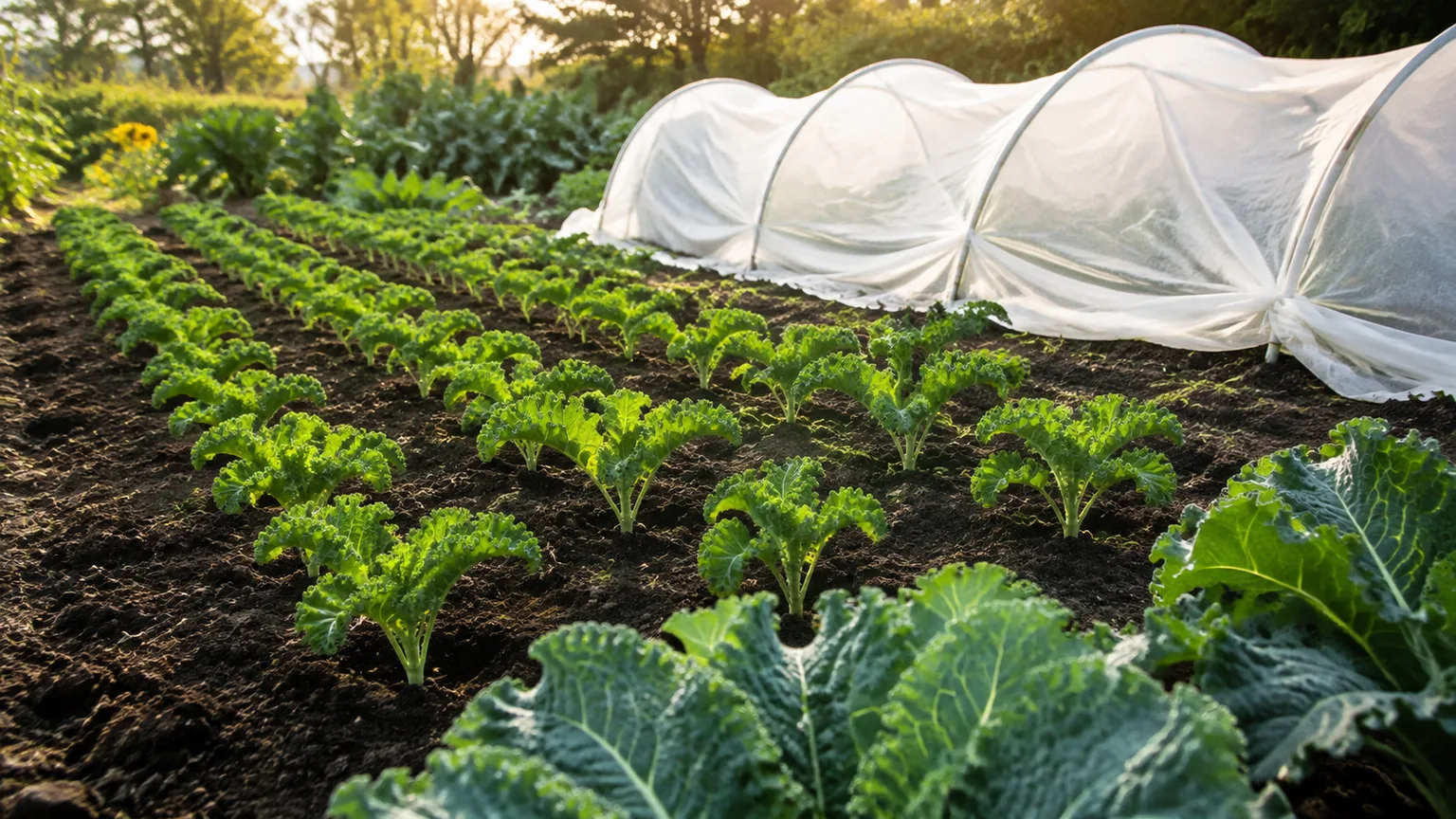
Winter greens are at their best when you plan for winter before winter arrives. In most climates, the useful window for sowing spinach, kale, collards, mustard greens, and cabbage is late summer into fall, while the soil is still workable and there is enough daylight for plants to establish. Once days are short and the ground is frozen, an established plant may hold for harvest, but new seedlings often grow too slowly to make a full crop.
Cold weather can improve the flavor of some greens, but “winter crop” does not mean every variety survives every freeze. Match the crop to your climate, use the seed packet’s days to maturity as a starting point, and protect plants before a hard cold snap. That combination is more reliable than waiting for frost and hoping a stressed plant suddenly tastes sweeter.
Why cold weather can make greens taste less bitter
Many leafy vegetables prefer cool weather, and some brassicas develop a milder or sweeter flavor after cool nights or a light frost. Utah State University Extension notes that fall kale often tastes better after frost, while University of Georgia Extension describes improved flavor in some winter crops. That is a useful pattern, not a promise: variety, leaf age, growing conditions, and the severity and duration of the cold all affect the result. Utah State University Extension’s kale guide and UGA Extension’s winter garden guidance both emphasize crop and climate context.
“Bitter greens” is also a kitchen description, not one uniform botanical group. Mustard tends to taste peppery, collards are substantial and often cooked, kale can range from mild to assertive, and young spinach is usually much less bitter. Cabbage belongs in this winter crop list because it grows in cool weather, but it is grown for a compact head rather than a steady supply of loose leaves.
The distinction between cool flavor and cold survival matters most. A brief light frost is different from a prolonged hard freeze; plants that tolerate chill may pause or suffer leaf damage when temperatures plunge. Oklahoma State University Extension rates spinach and kale high for cold tolerance and collards and mustard medium, but those are relative categories in a regional guide, not guaranteed freeze thresholds for your yard. Oklahoma State University Extension’s Cool Season Greens Production fact sheet is a useful comparison, not a universal home-garden calendar.
Five bitter greens to grow for winter harvests
Choose a crop by the kind of harvest you want and the time your garden has left. Spinach and mustard can provide small leaves relatively quickly, kale and collards reward an earlier start with repeated leaf picking, and cabbage needs enough time to form a head. The table is a quick filter; the cultivar packet and local frost schedule should determine your actual planting date.
| Crop | Best winter use | What to plan for |
|---|---|---|
| Spinach | Tender baby leaves or whole leaves | Direct-sow into cooling soil; growth slows in short days |
| Kale | Repeat harvests from one plant | Give plants time to size up before the coldest weather |
| Collards | Large leaves for cooking | Start early; allow more time than for baby greens |
| Mustard greens | Fast, peppery leaves | Sow small batches; heat and age can intensify flavor |
| Cabbage | A dense, full head | Use a suitable variety and transplant early enough to mature |
Spinach: a fast, mild crop that can overwinter
Spinach is a good first choice if you want tender leaves for salads and cooking. It grows quickly in cool conditions, can be harvested young, and established plants may overwinter in a suitable climate or under a low tunnel. Oklahoma State Extension lists a broad 35-to-90-day harvest range for spinach in its production guide, which reflects differences in cultivar and harvest stage; use your packet rather than assuming one number fits every garden.
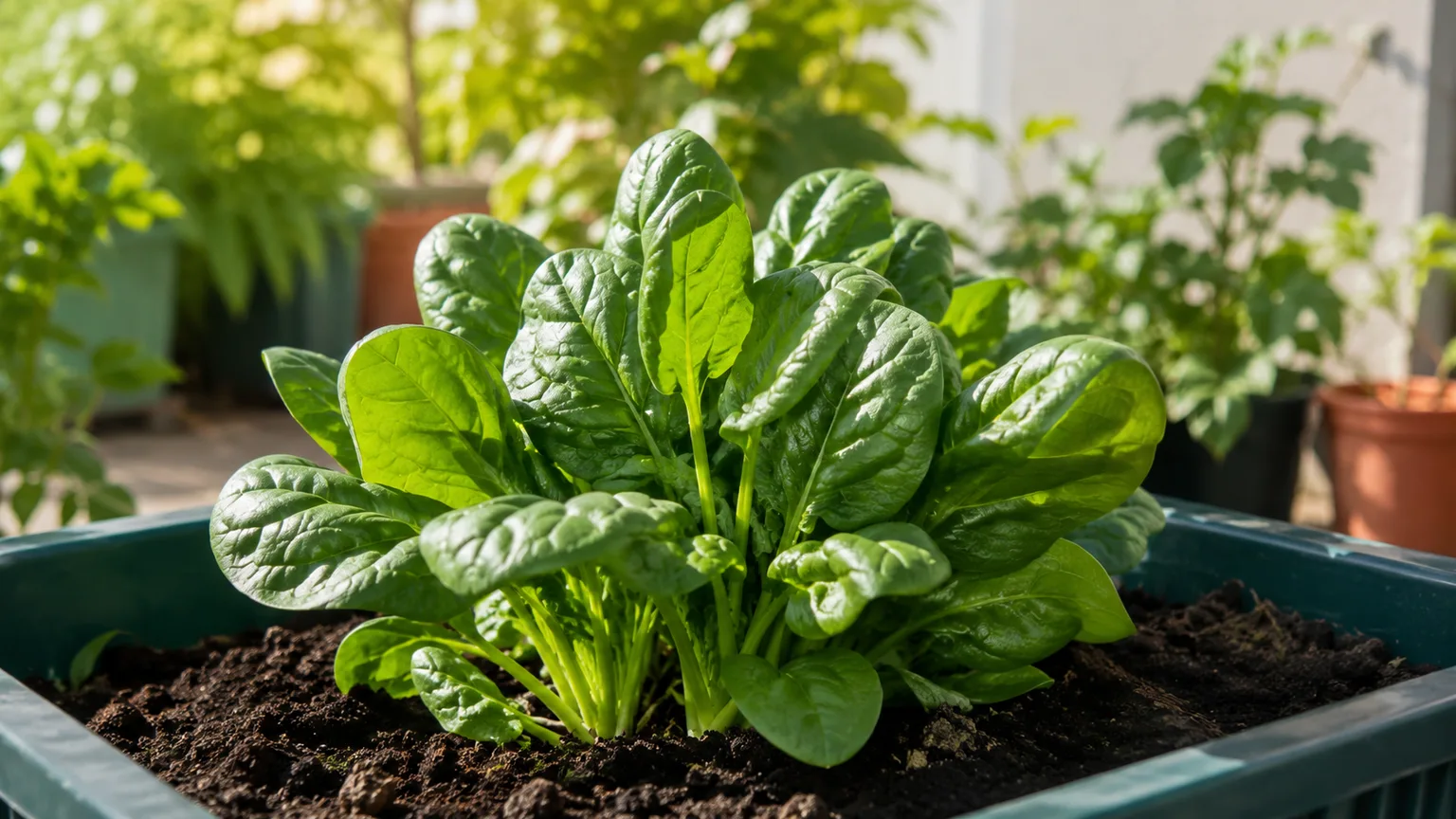
Sow spinach directly where it will grow when the soil is cooling but still easy to work. Late-summer soil that stays hot can make establishment unreliable, so keep the seedbed evenly moist and choose a shady nursery spot or wait for cooler conditions if the surface dries and heats rapidly. Thin crowded seedlings while they are small; closely packed plants compete for light and air, and harvesting them later becomes messy.
For a winter harvest, think of spinach as a plant to establish before the darkest part of the year. Savvy Gardening’s winter vegetable guide describes sowing spinach in late summer in cold frames and tunnels, then harvesting the established crop through colder months. The exact date will differ across regions, and an unheated structure extends the season rather than making spinach grow quickly in deep winter.
Kale: the reliable cut-and-come-again choice
Kale is a strong option when you want a plant that can keep producing leaves after the first frost. Utah State University Extension lists Starbor, Red Russian, and Scarlet among productive, cold-hardy varieties and notes that mature kale is hardier than young seedlings. It also warns that high temperatures and moisture fluctuations can contribute to poor flavor, so fall timing helps with both survival and leaf quality.
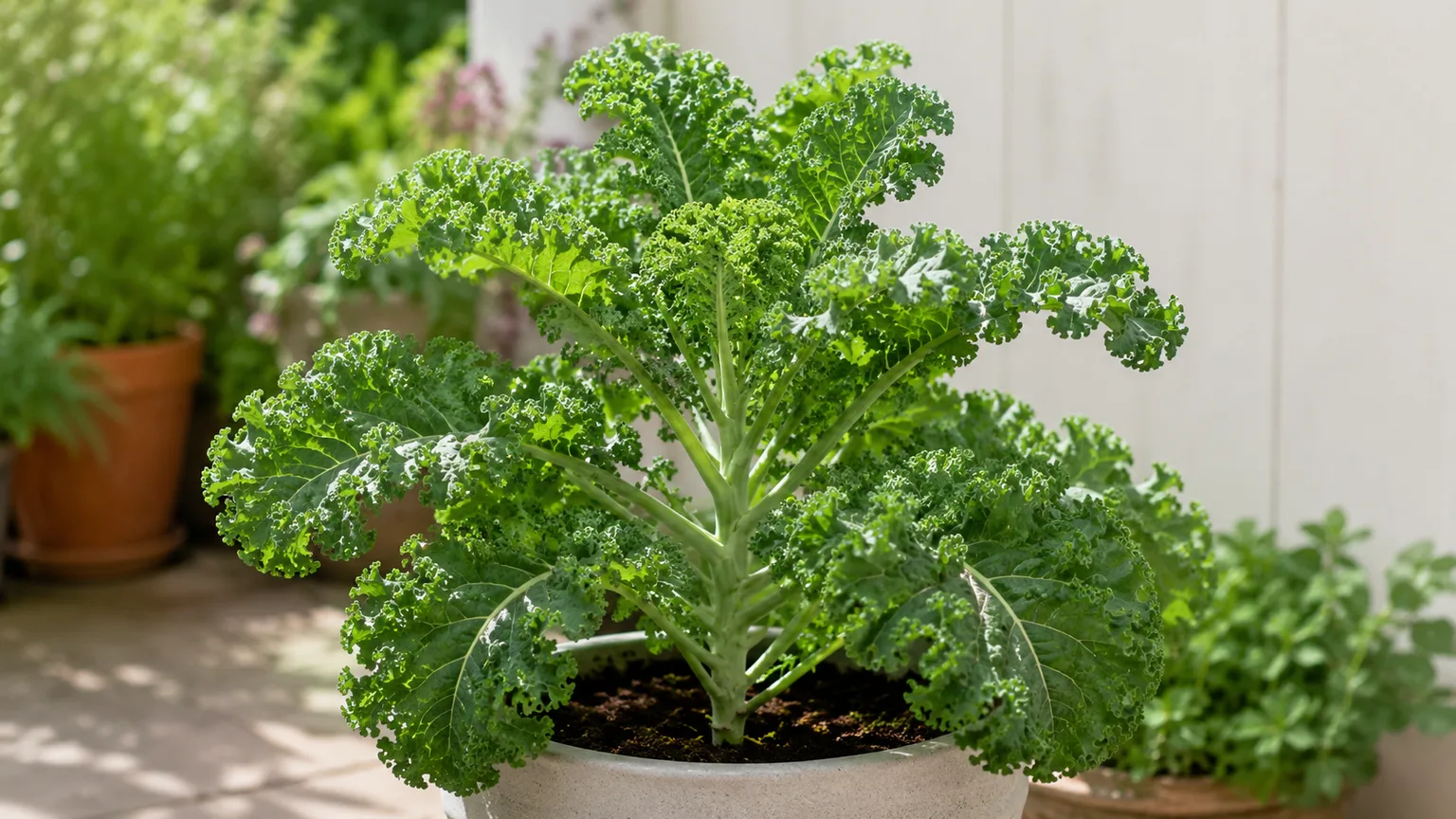
Give kale enough time to build a sturdy root system and a useful set of leaves before winter growth slows. Oklahoma State Extension’s regional chart puts kale around 45 to 55 days from direct seeding and notes that transplants reduce the time to harvest; Utah State recommends setting out fall kale early enough for maturity after the first frost. Those are planning anchors, not guarantees for a northern short-season garden or a warm coastal fall.
Pick the largest outer leaves first and leave the central rosette intact. That keeps the growing point available for new leaves and gives a plant more than one harvest. Compact, early varieties are practical for a small bed; if you want a full-size plant, do not sow so late that the seedling is still tiny when daylight has already shortened sharply.
Collards: large leaves and a long harvest window
Collards are worth the space if your household cooks leafy greens regularly. They form a tall central stem with broad leaves that can be removed a few at a time, so one established plant supplies repeated harvests without the gardener cutting a whole head. Their sturdy leaves are especially useful for sautés, soups, and braises, where a larger leaf is an advantage rather than a drawback.
Plan collards earlier than a quick baby-leaf patch. Oklahoma State Extension gives a 70-to-85-day range from direct seeding in its regional production table, longer than its listed range for kale or mustard. The same fact sheet notes that transplanting can shorten time to harvest by 10 to 14 days in its production context. For a home garden, read the packet carefully and use a transplant if the fall window is already narrowing.
Collards handle heat better than some cool-season greens, but the aim here is a steady, tender fall crop before prolonged cold slows new growth. Space plants according to their expected mature size, keep the root zone evenly moist, and harvest older lower leaves while they are still sound. A plant that has been stressed by drought or left to overmature may taste tougher even if the weather has turned cool.
Mustard greens: quick, spicy leaves
Mustard is the crop to choose when you like a sharper, peppery flavor and want a relatively quick harvest. Its leaves can be picked small for salad mixes or allowed to grow larger for cooking. Oklahoma State Extension lists mustard at roughly 50 to 55 days from direct seeding in Oklahoma; gardeners in other regions should treat that as a regional estimate and compare it with the packet’s variety-specific timing.
Make two or three small sowings rather than planting the whole bed on one date. Succession sowing spreads the harvest and reduces the chance that a single hot spell or early freeze wipes out the only planting. Thin seedlings to the spacing on the packet, and begin picking outer leaves once they are large enough to use; waiting for oversized leaves is not necessary if you prefer a milder texture.
Mustard can be less forgiving of warm weather than its winter reputation suggests. Heat, long days, and bolting can make leaves more pungent, and the plant’s flavor may be strong even when it is healthy. If the leaves taste too sharp, harvest them younger, cook them, or use them in smaller amounts alongside milder spinach rather than assuming frost will erase the flavor.
Cabbage: a cold-season crop, but not a loose-leaf green
Cabbage belongs in a winter garden, but choose it for a firm head rather than repeated leaf harvests. Removing outer leaves as if it were kale slows the plant’s ability to form a full head and can leave you with a small, loose center. If you mainly want loose greens, use spinach, kale, collards, or mustard; if you want a head for slaw, roasting, or storage, cabbage earns its place.
Because the plant must grow a substantial head, cabbage needs an early enough start and a variety suited to your season. UGA Extension includes cabbage among vegetables that can be planted in late summer or early fall in its Georgia guidance, and notes that transplants are often the better way to establish several heading brassicas. That calendar does not transfer directly to every state; use your local extension planting chart and the cultivar’s maturity window.
Keep cabbage evenly watered while the head develops and harvest when it feels firm and has reached the expected size for the variety. Alternating dry soil and a sudden heavy watering can stress a rapidly growing head, so avoid letting the bed swing between bone-dry and saturated. If you are planting late, a healthy transplant is usually a safer bet than starting cabbage from seed and expecting a full head before deep cold.
Count backward from your first frost
Start with your average first fall frost date, then decide when you want the first usable leaves. A frost date is a planning average, not a forecast for a particular night; local slopes, walls, wind exposure, and cold-air drainage can shift what happens in your yard. The National Weather Service’s frost and freeze information illustrates how dates are tied to local climate, and your state extension service may publish a more garden-specific calendar.
Read the seed packet’s “days to maturity” line before doing the math. Some packets count from sowing, some from transplanting, and some count to a full-size harvest rather than baby leaves. Oklahoma State’s commercial production chart, for example, lists average harvest ranges of 35–90 days for spinach, 45–55 for kale, 50–55 for mustard, and 70–85 for collards; it says transplants reduce the listed time in that system. These figures show why the crops cannot share one planting date, but they are not a promise for a colder or darker garden.
For a practical calculation, mark the harvest stage you want, count backward by the packet’s days, and add a cushion for slower autumn growth. If your first frost is usually October 15 and you want first kale leaves around that time, a 55-day packet points to late August before any weather cushion. If you want a larger plant to hold through winter, start earlier still; Utah State Extension’s kale guidance places fall planting so plants reach maturity a couple of weeks after first frost, which means starting substantially ahead of that date.
Late summer often feels like the wrong time to sow cold-loving vegetables, but the plant needs warmth to germinate and daylight to size up. UGA Extension’s 2026 winter-garden advice makes the same seasonal point: winter production begins with planning and planting in summer or early fall, not with sowing into midwinter soil. In warmer regions the useful window may extend later; in short-season climates, use transplants, an early cultivar, and protection to preserve the harvest you already have.
Sow seeds or start with transplants?
Direct sow when the bed is ready, temperatures suit the crop, and there is enough time for seedlings to grow. Seeds cost less, avoid transplant shock, and make succession sowing easy for spinach and mustard. The trade-off is that tiny seedlings need consistent moisture and can be lost to crusted soil, drying winds, slugs, birds, or insect feeding before they establish.
Use transplants when you have missed part of the seed-starting window or want the crop to begin with several true leaves. Set them out while the weather is mild, water the root ball in, and protect newly planted starts from drying wind. A transplant saves the indoor germination and seedling stage; it does not save time if the plant is root-bound, wilted, or so large that it struggles after planting.
For kale and collards, starting a few plants in cells while summer crops finish can make better use of the bed. GrowVeg’s Growing Kale from Sowing to Harvest guide describes sowing in trays before the previous crop is removed, then transplanting young plants into the open space. That sequence is practical for a small garden too: seedlings are ready when the bed opens, and you avoid leaving bare soil while waiting for seed to germinate.
If the window is nearly closed, adjust the goal rather than forcing a full-size crop. Sow a small patch for baby leaves if the remaining weather allows it, buy healthy transplants for a longer-lived plant, or reserve the bed for a spring crop. A late seed packet does not override the number of cool, bright days left in your garden.
Prepare the bed before late-summer planting
Choose the sunniest workable spot you have. Winter sun sits lower and days are shorter, so a fence or tree that barely shades the bed in June can block a large share of the light in November. Leafy greens can tolerate some light shade in warm weather, but strong winter growth usually depends on direct light, fertile soil, and a bed that drains after rain.
Remove spent summer crops and weeds before sowing. Kale, collards, cabbage, and mustard are brassicas, so rotate them away from a bed that recently held other cabbage-family crops when practical; crop rotation helps avoid repeatedly growing related plants in the same problem area. Spinach is botanically different, but it still benefits from clean soil, a level seedbed, and room for air to move around the leaves.
Work in finished compost if the bed needs organic matter, and use a soil test to guide fertilizer instead of adding a large dose by habit. Oklahoma State Extension describes leafy greens as shallow-rooted, fast-growing crops that need reliable water; excessive fertilizer is not a shortcut to a good winter harvest. A well-drained raised bed can be helpful where winter rain lingers, but it dries faster than in-ground soil, so check moisture rather than assuming it stays wet or dry.
Install low hoops and clips while the soil is still soft, leaving room to reach the row for watering and harvest. Label each sowing with its date and cultivar so you can tell a slow variety from a planting that simply started too late.
Protect plants with row covers and low tunnels
A row cover or low tunnel can reduce wind exposure and buffer a short cold event, giving established greens a longer harvest window. It cannot make an unheated bed behave like spring during a prolonged freeze. UGA Extension recommends row covers, low tunnels, and cold frames as ways to protect winter crops from cold wind and frost or freezes; the structure and local weather determine how much protection a gardener gets.
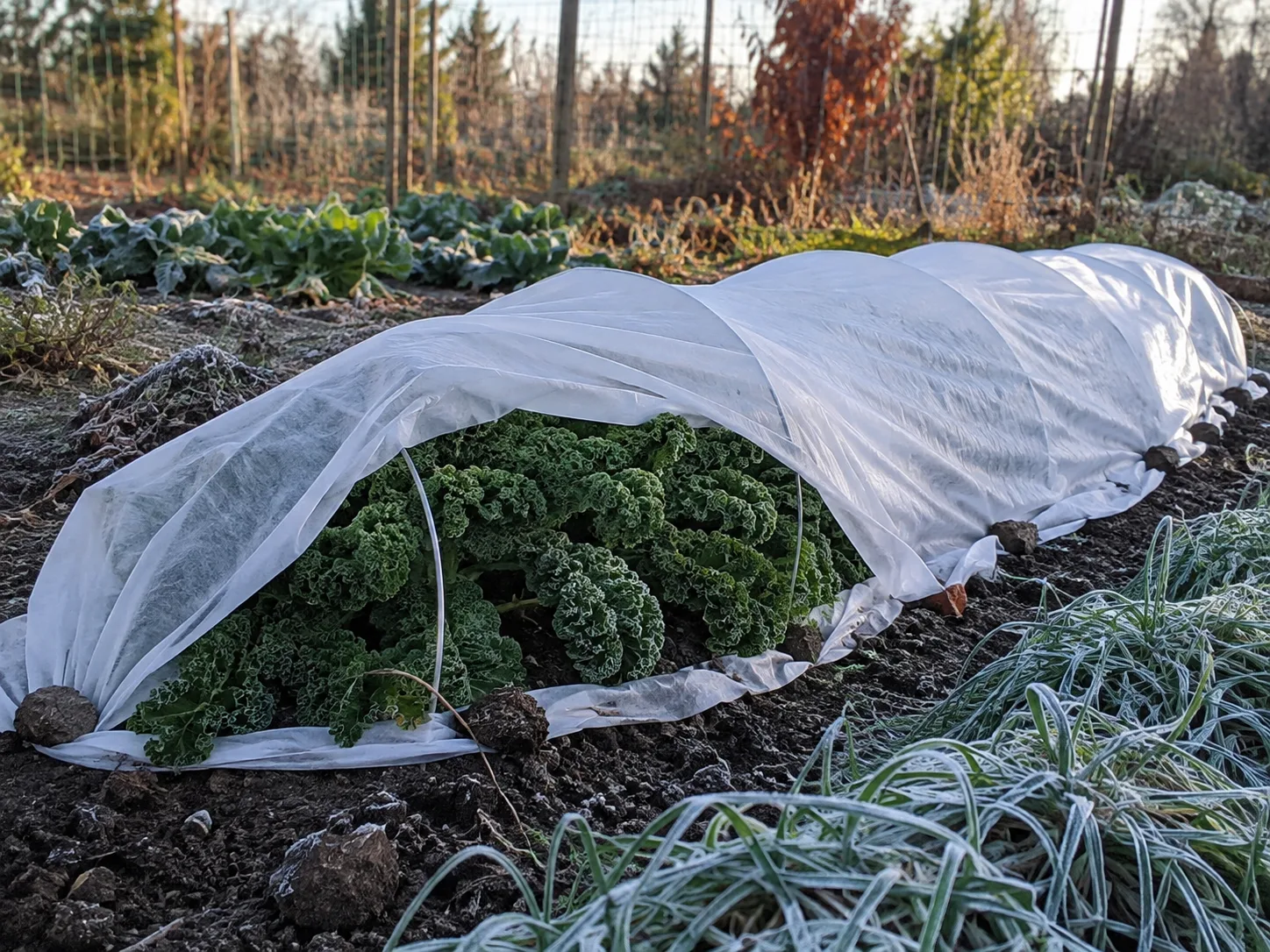
Put a cover in place before the cold night arrives, anchor the edges against wind, and leave room for plant growth. Hoops help keep fabric from rubbing tender leaves in wet, freezing weather. Fine mesh can block fall pests if the edges are secured; a plastic low tunnel traps more warmth but also heats quickly in sun, while a cold frame needs ventilation and easy access. Check the product’s temperature guidance and local forecast rather than relying on a universal claim about how many degrees a cover adds.
Vent covers before heat builds
Check the bed during the day, not only at night. Vent plastic tunnels on bright mild afternoons and close them before temperatures drop; after a hard freeze, remove damaged leaves and harvest the largest usable ones without injuring the growing point.
Water and feed for steady growth
Winter greens need consistent moisture while they are actively growing, but cold, wet soil is not a reason to keep watering on a summer schedule. Check the root zone with a finger or small trowel and water when it is beginning to dry, preferably early enough that foliage is not wet all night. In a raised bed or container, the surface may dry while the deeper root zone remains moist, so check below the top layer before adding more.
Drought and uneven moisture can make leaves tough and worsen off flavors; saturated soil can deprive roots of oxygen and encourage rot. The goal is an evenly moist, well-drained bed rather than constant wetness. If rain has kept the soil soaked, pause irrigation, clear blocked drainage paths, and avoid walking on the bed while it is soft.
A modest compost dressing before planting is often enough for a home bed that has been cared for through the season. If growth is pale or weak, first check light, soil moisture, crowding, and root health before adding fertilizer. Oklahoma State Extension’s production recommendations are written for commercial fields, so do not copy its per-acre fertilizer rates into a backyard bed; use a soil test and the product label for home-garden amounts.
Harvest leaves without sacrificing the plant
Harvest after leaves have thawed and become flexible, not while they are frozen and brittle. Start with the outer leaves that are large enough to use, and leave the central growing point undamaged on kale and collards. A few leaves from several plants usually gives a longer supply than stripping one plant bare.
Spinach can be picked leaf by leaf or as a small baby-leaf cut, depending on how you plan to use it. For a repeat harvest, cut above the crown and leave the growing point intact; a whole-plant cut ends that plant’s production. Mustard can also be clipped young, while cabbage should be harvested as a head when it is firm and the cultivar has reached usable size.
Cold weather slows replacement leaves, so harvest less heavily as growth slows. A plant may look healthy but make little new growth during a stretch of low light and near-freezing temperatures. Leave enough foliage to keep it productive, and treat a cover as a way to protect existing growth rather than as a guarantee of continuous winter production.
After picking, cool leaves promptly and keep them clean and dry. If frost has marked outer leaves but the growing point remains healthy, remove the damaged foliage and give the plant time to recover before cutting more.
Troubleshoot bitterness, slow growth, and bolting
If leaves taste too bitter, identify the crop and the growing condition before changing the whole bed. Mustard is naturally more pungent than spinach, and mature leaves of several crops can taste stronger than young ones. Heat, dry soil, crowding, and delayed harvest can add stress; pick younger leaves, restore even moisture, and sow a fresh small patch when the season still allows it.
If growth is slow, check the calendar first. A planting made after daylight has shortened may stay small even when soil moisture is adequate, because cold slows development and there is less sun to drive new leaf growth. Then check for crowding, shade, waterlogged roots, transplant shock, and pest feeding. If seedlings are healthy but tiny, thin them or use a cover to reduce wind exposure; fertilizer will not fix a lack of light or a damaged root system.
Bolting means the plant is shifting toward flowering and seed production. It is more likely as temperatures rise and days lengthen, particularly in spinach and mustard, and leaf quality can decline once a flower stalk stretches up. Harvest usable leaves promptly, remove the flowering plant if the flavor has become unpleasant, and start the next crop in the season that suits it rather than trying to force a heat-sensitive green through summer.
Frost damage has a different look from bitterness or bolting. Water-soaked or translucent patches after a freeze may turn pale or limp as they thaw; remove badly damaged leaves and inspect the crown or growing point. If that center remains firm and the plant is not collapsing, a protected bed may still provide later leaves. If the crown is mushy or the soil is frozen for a long period, replanting or switching to a protected structure is more realistic than waiting for recovery.
Grow bitter greens in containers
Containers work well for a small spinach patch, baby mustard leaves, or one compact kale plant, especially if the bed is already full. Choose a wide pot with drainage holes and enough soil volume to keep the root zone from drying between checks. Use a fresh, moisture-retentive potting mix and place the container where winter sun reaches it for several hours.
The trade-off is that container soil is exposed to cold on more sides than garden soil. Roots can freeze sooner, and a small pot can swing from wet to dry faster; move it near a sheltered wall, group pots together, and use a larger container if you want the plant to hold through winter. A cover over several pots or a cold frame can add protection, but do not seal containers in a warm enclosure without checking the temperature on sunny days.
Know when outdoor winter harvest is unrealistic
In mild-winter areas, established greens can continue to produce outdoors for much of winter, especially with a low tunnel or cold frame. In colder regions, plants may survive but stop making new leaves for long stretches. The distinction is important: cold tolerance tells you whether a plant can endure a temperature, while harvest reliability depends on growth, light, soil conditions, wind, and the protection available.
If the soil freezes deeply, winter winds expose the bed, or a long hard freeze is expected, plan for a fall harvest and protect what remains. A simple row cover may extend the season through light frosts, while a cold frame or greenhouse can offer a more stable growing space; neither removes the need to match the crop to local conditions. Savvy Gardening’s winter-crop advice focuses on established plants under covers and structures for precisely this reason: winter harvest is often a season-extension project, not ordinary open-bed growth.
Use the cold season to clear diseased debris and note which varieties held their flavor, when frost arrived, and when growth stalled. Those records make next year’s sowing dates more useful than a generic month-by-month list.
Conclusion
The best time to grow bitter greens for winter is usually before winter: sow in late summer or early fall, while seedlings can still establish, then harvest through cool weather and protect the plants that remain. Spinach and mustard suit quick, young leaves; kale and collards are stronger choices for repeat harvesting; cabbage needs enough time to form a head. Each crop has a different pace and cold response, so do not plant all five on the same date.
Count backward from your local frost schedule, check whether the seed packet counts from sowing or transplanting, and allow more time as days shorten. Keep soil evenly moist but well drained, harvest outer leaves without damaging the growing point, and use covers before a hard cold snap. A light frost may improve the flavor of some greens, but a well-timed planting and healthy growth do more for a dependable winter harvest than frost alone.