How to Propagate Dracaena Reflexa: 3 Methods
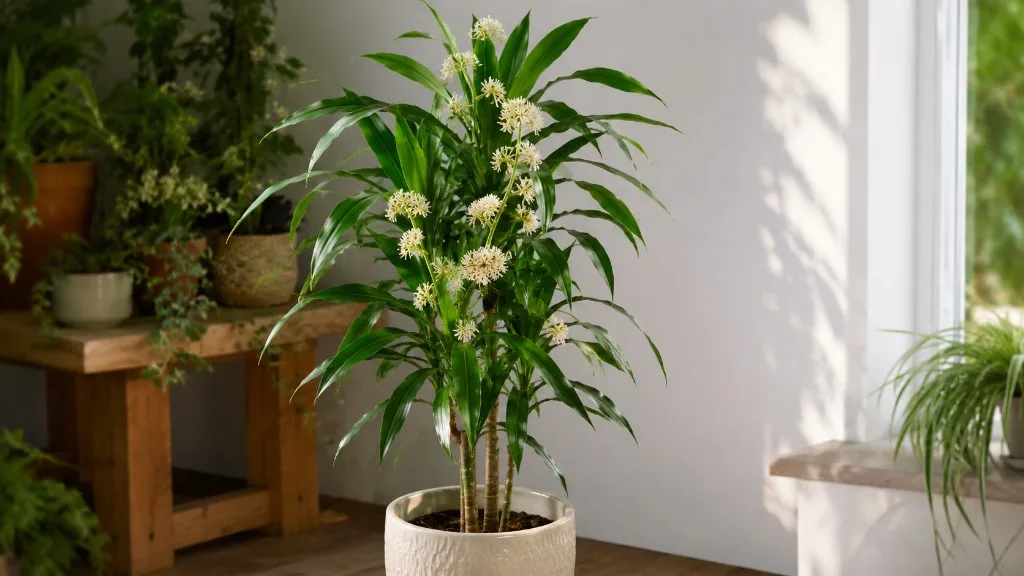
How to Propagate Dracaena Reflexa: 3 Methods
How to Propagate Dracaena Reflexa: 3 Methods
About this guide: Dracaena reflexa — widely sold as Song of India — carries narrow leaves with yellow or cream margins arranged in spiral rosettes on flexible stems. It wants brighter light than corn plant to keep variegation crisp, and it is less drought-forgiving than Dracaena marginata. Treat reflexa as a bright-room foliage plant with steady moisture once the top inch dries, not as a dim-corner survivor.
Dracaena reflexa propagation is one of the more forgiving indoor projects when you respect what Song of India actually is: a shrubby dracaena with wiry, flexible stems and tight spiral leaf clusters — not a thick corn-plant cane and not a pothos you can restart from a single leaf in a jar. The reliable methods are top stem cuttings, stem section cuttings, and air layering, all of which require node tissue on the stem. What fails every time is rooting a detached variegated leaf with no stem attached, no matter how long it sits in clean water.
Song of India roots best when the parent plant is already healthy, the cutting includes at least one node, and the setup matches this species’ real needs: warm bright indirect light per the Dracaena Reflexa light guide, lightly moist — not soggy — rooting medium, and fluoride-free water during the weeks roots are forming. Those three environmental choices matter more for reflexa than for drought-tolerant Dracaena marginata, because reflexa loses turgor faster when propagation trays dry out or when tap water loads fragile new roots with fluoride.
Why Song of India Propagation Works on Nodes, Not Leaves
Dracaena reflexa belongs to Asparagaceae and grows as a slow, shrub-like indoor plant native to Madagascar, Mauritius, and other Indian Ocean islands. Clemson Cooperative Extension describes Pleomele (Dracaena reflexa) as having flexible stems with short, dense leaf rosettes that spiral around the stem — a growth habit quite different from the thick upright canes of Dracaena fragrans corn plant. That architecture tells you where the plant stores its regrowth potential: in nodes along each wiry stem, where dormant buds and vascular tissue can produce adventitious roots or new shoots when wounded, severed, or buried in moist medium.
Spiral Rosettes and Flexible Stems
In good bright indirect light, Song of India often keeps foliage dense toward the base of each stem, unlike corn plants that routinely drop lower leaves and leave a bare trunk. Many home specimens therefore propagate from a leafy crown cutting rather than from a long leafless cane segment — though stems that have stretched in dim corners can still yield section cuttings once lower rosettes senesce. The flexible stems root readily in water when they are green and firm, similar in thickness to dragon tree canes rather than the fleshy 1-inch trunks of mature corn plants.
Variegated Song of India carries yellow or cream leaf margins with less chlorophyll in the pale zones. New cuttings need more light than solid-green dracaenas to maintain stripe contrast on emerging leaves. Propagating in a dim back room may produce roots while the next leaf emerges mostly green — a sign the setup needs brighter filtered light, not more fertilizer.
What Single Leaf Cuttings Cannot Do
A detached reflexa leaf — blade and petiole only, with no stem node — cannot build a new plant. Leaves are photosynthetic; nodes hold meristematic tissue capable of stems and sustained roots. You may occasionally see thin white filaments at a leaf base in water, but those do not develop into a rooted cane that keeps pushing spiral rosettes indefinitely. The leaf transpires, looks alive for weeks, then yellows. If your goal is a full Song of India, take stem tissue with at least one node; compost orphan leaves.
Social propagation videos exploit how dramatic variegated reflexa leaves look in glass jars. They rarely show the follow-up where no stem ever forms. NC State Extension’s propagation handbook lists dracaena among plants propagated by leaf-bud and cane methods — always with node-bearing stem tissue, never leaf blade alone.
Tools, Water Quality, and Safety Before You Cut
Gather supplies before cutting a healthy parent. You need a sharp bypass pruner or sterile knife, 70% isopropyl alcohol to wipe blades between cuts (UF/IFAS Extension recommends alcohol sterilization before dracaena propagation), narrow clear glass or jars for water rooting, small pots with drainage for soil rooting, perlite-heavy potting mix per the Dracaena Reflexa soil guide, optional rooting hormone, sphagnum moss and clear plastic for air layering, and a humidity dome or loose bag supported on stakes so plastic never touches leaves.
Work on a clean surface. Plan where rooted cuttings will sit for six to ten weeks — a warm east window or bright shelf three to five feet from south or west glass, not a cold draft near an air conditioner.
Fluoride-Free Water for Rooting
Dracaena is very sensitive to fluoride, which causes tip burn and marginal scorch on established plants and stresses fragile new roots on cuttings. Clemson HGIC advises keeping soil pH between 6.0 and 6.5 to reduce fluoride injury and avoiding fertilizers with superphosphate that add fluorine. For Song of India propagation, use filtered, distilled, or rainwater in rooting jars and when moistening mix — especially if your municipal tap is fluoridated. Brown margins on a cutting that is otherwise rooting well often trace to water chemistry, not failure of the method.
Pair fluoride-aware water with a well-draining mix that you keep lightly moist. Reflexa is less drought-forgiving than marginata during establishment; letting propagation mix bake completely dry between checks causes slim stems to shrivel before roots emerge. The goal is damp throughout, never waterlogged.
Pet Toxicity When Handling Cuttings
Song of India is toxic to cats and dogs. The ASPCA lists Dracaena spp. as toxic, with saponins causing vomiting, depression, and dilated pupils in cats. Cuttings, stripped leaves, and rooting water should stay completely out of reach for the full rooting window — not on kitchen counters where curious pets investigate. Wear gloves if sap irritates your skin, and wash hands after handling cut tissue.
Best Timing for Dracaena Reflexa Cuttings
Propagate during active growth, typically spring through late summer, when warmth and longer days support cell division at nodes. Clemson HGIC notes dracaenas propagate readily from air layering, tip cuttings, stem cuttings, or basal shoots in spring or late summer — the two windows when indoor plants naturally accelerate if light and temperature cooperate. Fall and winter attempts can succeed with supplemental warmth, but expect rooting timelines to double and rot risk to rise in cool, dim rooms.
Parent health matters as much as the calendar. Take material from a plant that is firm, green-stemmed, and pushing clean new rosette leaves — not from one recovering from repotting shock, pest damage, or chronic drought. Water the parent thoroughly one day before cutting so stems are fully hydrated. Avoid propagating immediately after shipping or a cold delivery. Maintain 65–80°F (18–27°C) around the propagation station; reflexa roots slowly or rots when nights drop near 60°F (15°C) with wet medium.
Method 1: Top Stem Cuttings
Top stem cuttings are the default Song of India method and the one most growers need first. Remove the leafy crown — typically 4 to 8 inches (10 to 20 cm) of stem with several healthy spiral-cluster leaves — and root it while the parent stem branches below. This resets a leggy specimen, produces a shapely new plant, and suits reflexa’s flexible stems well. UF/IFAS Extension recommends tip cuttings about six inches long with two or three leaves remaining, rooted in moistened sand, vermiculite, or perlite in bright indirect light — and notes tip cuttings are used for producing smaller Dracaena species, which includes shrubby reflexa rather than only massive corn plants.
Make the cut just below a node with a sterile blade. Remove leaves that would sit below the water line or bury in soil. Let the cut end air-dry one to four hours in warm shade. Optionally dip the lowest node zone in rooting hormone; it is helpful but not mandatory on slim reflexa stems.
Rooting Song of India Cuttings in Water
Water propagation suits reflexa’s wiry green stems and lets you monitor root emergence without disturbing the cutting. Fill a clean narrow glass with room-temperature filtered or distilled water. Submerge one node while keeping all spiral rosette foliage above the surface — wet leaves rot quickly and foul the water.
Place the jar in bright indirect light. East windows work well; south and west exposures need distance or sheer curtain so direct sun does not overheat the water. Change water every five to seven days, rinsing the stem and glass if biofilm appears.
Roots often show as white nubs at the submerged node within two to four weeks in warm spring conditions. UF/IFAS cites six to nine weeks as a typical range before roots are developed enough to pot. Wait until roots reach 1 to 2 inches (2.5 to 5 cm) before transplanting into the airy mix described in the soil guide. Do not leave cuttings in water past eight weeks; stems can soften at the base even when roots look fine.
Rooting Top Cuttings in Potting Mix
Soil rooting produces sturdier roots from the start and skips the water-to-soil transition shock that kills some water-rooted dracaenas. Fill a small pot with mix amended roughly 50% with perlite or coarse bark. Moisten until damp like a wrung-out sponge. Insert the cutting about 2 inches (5 cm) deep with at least one node below the surface. Enclose in a loose humidity dome or bag with airflow gaps, maintaining 60–80% humidity without sealing plastic against leaves.
Keep medium lightly moist, not wet, in the same bright indirect light used for water propagation. After four to six weeks, gentle tug resistance or new leaf unfurling signals success. Bottom heat toward 75–80°F (24–27°C) under the pot accelerates rooting in cool homes. Reflexa cuttings in soil often match water timelines but fail less often when you forget a water change — provided the mix never stays saturated.
Method 2: Stem Section Cuttings
Stem section cuttings multiply plants from bare or partially bare stem after lower rosettes drop — common when Song of India grew in too little light and shed lower foliage. Slice the stem into segments with one to three nodes each and at least 3 to 4 inches (7 to 10 cm) of length. Note which end was uppermost on the parent; buds orient upward.
NC State Extension describes cane cuttings for dracaena and similar houseplants: 2 to 3 inch stem sections with nodes, laid horizontally on medium or inserted vertically with half below the surface. Roots and shoots emerge from nodes in contact with moisture.
Vertical vs Horizontal Section Placement
Vertical sections bury the bottom 1 to 2 inches (2.5 to 5 cm) with one node below soil and one above; the upper node pushes a new spiral rosette while the lower roots. Horizontal sections lie on moist mix, pressed halfway in so underside nodes contact moisture; multiple shoots can form along one piece before you separate plants.
Both orientations need high humidity, warm bright indirect light, and lightly moist mix. Leafless sections transpire less than top cuttings but rot fast if mix stays cold and saturated. Vertical placement is simpler for beginners; horizontal maximizes plant count from one pruning session.
Method 3: Air Layering Tall Specimens
Air layering roots a stem section while still attached to the parent, so the cutting keeps receiving water and sugars from roots below the wound. Use it on tall, multi-stem Song of India specimens where you want guaranteed roots before severing, or when water rooting failed on semi-woody lower stem. It is less commonly needed on young reflexa than on massive corn plants, but valuable on mature shrubs with several flexible trunks.
Choose a firm stem 12 to 18 inches (30 to 45 cm) below the leafy crown, with healthy green tissue. Wipe with alcohol. For monocot dracaenas, NC State Extension recommends an upward cut about one-third of the way through the stem, held open with a toothpick, dusted with rooting hormone, wrapped in damp sphagnum moss, and sealed in clear plastic with twist ties above and below the moss ball.
Monitor weekly; mist through a small opening if moss lightens. Roots appear inside the plastic in four to eight weeks in warm spring conditions, sometimes longer in cool rooms. When roots are at least 1 inch (2.5 cm) long and dense, sever just below the rooted zone and pot without disturbing the moss root ball. The parent stem below typically pushes new shoots from nearby nodes within weeks.
Rooting Environment: Light, Warmth, and Humidity
Every reflexa propagation method converges on the same triangle: warmth, bright indirect light, and balanced moisture with airflow. Cold wet mix is the silent killer — a cutting at 62°F (17°C) in saturated perlite rots before it roots, while the same cutting at 75°F (24°C) may root in half the time.
Light must be bright enough for variegation without scorching leaves or overheating water jars. Song of India propagated in a dim office corner often roots slowly and produces green-dominated new foliage. If stripes fade on the parent, fix light placement before expecting variegated clones.
Target 65–85°F (18–29°C) air temperature and 60–80% humidity under domes. Never seal plastic tightly against reflexa leaves — stagnant air encourages fungal spotting on narrow variegated blades. Increase humidity more for leafless stem sections than for leafy top cuttings.
Aftercare From First Roots to Stable Plants
Propagation is not finished when white roots appear. Transition stress kills many dracaena cuttings after apparent success. Pot water-rooted cuttings when roots reach 1 to 2 inches into a slightly moist airy mix, keep humidity high, and shield from harsh direct sun for two weeks while soil roots develop. Water when the top inch dries per normal Dracaena Reflexa watering rhythm — reflexa wants steady moisture, not drought cycles, while roots establish.
Hold fertilizer until active new growth appears, typically four to eight weeks after confirmed rooting. Young roots in fresh mix do not need feeding; salts burn sensitive dracaena tissue. When growth resumes, follow the fertilizer guide at diluted strength during spring and summer only.
Watch new spiral rosette leaves as your quality check. Firm leaves with crisp yellow margins mean the clone is on track. Yellowing of the oldest leaf on a small new plant can be normal energy redirection; yellowing of newest leaves or softening stem base signals overwatering, fluoride, or rot. Use filtered water for the first several months after potting.
Parent Plant Regrowth After Beheading
Song of India shares the dracaena family’s best propagation side effect: parent stem resilience. When you remove a top cutting, the remaining stem activates dormant buds below the cut and typically produces one or more new shoots within two to eight weeks in warm bright conditions. Clemson HGIC states that if stems become too long and bare, you can cut them at the desired height and new leaves will soon appear — how a single leggy shrub becomes a fuller multi-stem specimen after one pruning season.
Leave the parent in its original pot for at least one growth cycle unless roots were already compromised. Water on your normal schedule and provide the same bright indirect light that supported the plant before propagation. Do not force growth with heavy fertilizer; buds break when hormones rebalance. If no shoots appear after ten warm weeks, confirm the cane is still firm and green, verify viable nodes remain below the cut, and check that cold wet soil is not suppressing metabolism.
You can also root basal side shoots when they appear near soil level on multi-stem plants. Sever shoots with a node when they reach 6 inches (15 cm) or taller and treat them like top cuttings. Shrubby reflexa occasionally offers this material without beheading the main stem.
Common Propagation Failures on Song of India
Most failed reflexa propagations trace to a short list of correctable errors. Mushy stem base in water means the cutting sat too deep, water was stagnant or cold, or tissue was declining before the cut — discard soft material and restart from firm green stem. Sections that shrivel without rooting usually indicate low humidity, mix allowed to dry completely, or cuttings from a dehydrated parent — increase dome humidity and keep medium lightly moist; reflexa wilts faster than marginata when propagation trays dry out.
Green leaves but no roots after ten weeks often means too little light or too cool a room — move to brighter filtered exposure and add bottom heat under soil setups. Brown leaf tips on otherwise healthy cuttings frequently reflect fluoride in tap water, not propagation failure — switch to filtered water. Variegation fading on new leaves signals insufficient light during rooting, not a bad cutting.
Blackened nodes indicate fungal or bacterial rot from airless wet conditions — improve airflow and reduce watering frequency. Roots that collapse after potting mean transition happened too early or new mix stayed too wet — wait for longer roots and water conservatively. No parent resprouting suggests no viable nodes remain, cold waterlogged soil, or diseased cane — scrape gently to confirm green tissue.
If multiple sections fail from one plant, pause and stabilize the parent in overview care before taking more material. Propagation multiplies healthy plants; it does not rescue chronic stress.
Conclusion
Dracaena reflexa propagation rewards growers who work with flexible stems and spiral rosettes, not detached leaves and hope. Top stem cuttings in fluoride-free water or moist perlite-heavy mix are the fastest path for most Song of India specimens. Stem sections recover value from bare lower stem after leggy growth. Air layering secures roots on tall multi-stem plants before you cut. All three need warm bright indirect light, lightly moist medium, and patience measured in weeks, not days.
Choose firm node-bearing tissue, sterilize your blade, match moisture to reflexa’s lower drought tolerance compared with dragon tree, and give both the new cutting and the parent stem steady care while buds and roots wake. Done correctly, one overgrown Song of India becomes several crisp-variegated plants — and a bushier parent — in a single growing season.
When to use this page vs other Dracaena Reflexa guides
- Dracaena Reflexa overview — Whole-plant identity, toxicity, and care summary before you multiply specimens.
- Dracaena Reflexa pruning — Shaping and cane-topping decisions that produce the cutting material this guide roots.
- Dracaena Reflexa repotting — Potting newly rooted clones and timing repots away from fresh propagation stress.