Insulin Plant Fertilizer Guide: When & How
Insulin Plant Fertilizer Guide: When & How
Insulin Plant Fertilizer Guide: When & How
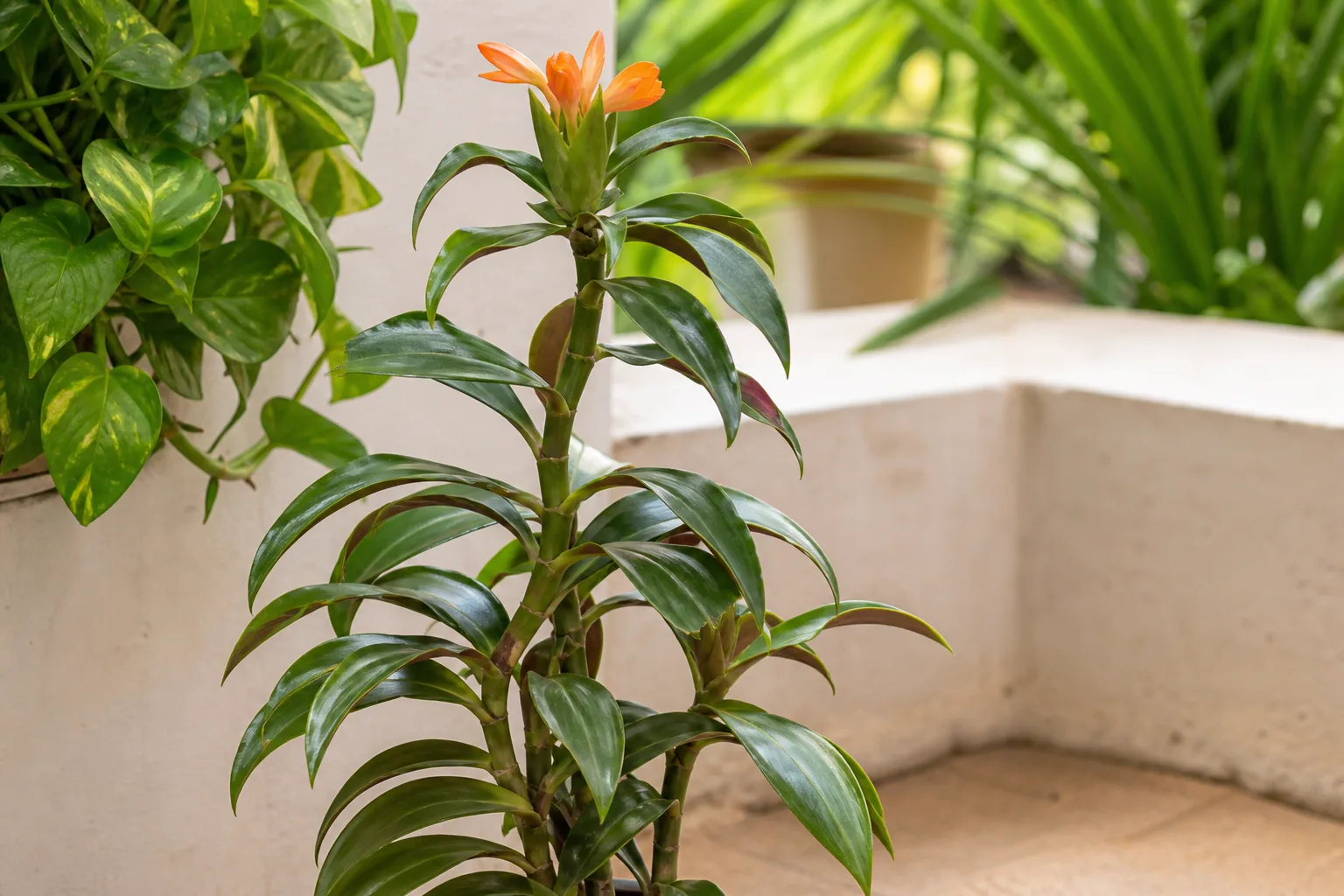
Insulin Plant (Costus igneus, treated by Kew as a synonym of Chamaecostus cuspidatus) is a compact spiral ginger in the Costaceae family—not a weekly full-strength balcony herb. The practical default for most home growers is moderate, seasonal feeding: a balanced water-soluble fertilizer at half the label strength every three to four weeks from spring through early autumn while new spiralling leaves keep forming, plus a light compost or worm-castings top-dress. Skip fertilizer when growth stalls in cool weather, when the mix stays wet around rhizomes, or when the plant is newly repotted and still settling.
That moderate approach matches how this plant actually grows. It wants rich, organic, well-draining soil and bright filtered light more than aggressive nitrogen. Fertilizer supports an already working system—light, watering, and soil—it does not rescue scorched leaves, soggy rhizomes, or a pot that never dries. This page is the dedicated feeding reference. The Insulin Plant care hub covers the full cluster.
Why Insulin Plant Needs Moderate, Seasonal Feeding
Treat fertilizer as a support for active growth, not a cure-all. Clemson Extension’s nutrient guidance is blunt on timing: apply fertilizer when plants are actively growing and can absorb nutrients, and avoid wasting product when conditions will leach or runoff nutrients unused. UConn’s houseplant fertilization fact sheet likewise recommends feeding during active growth—typically March until October—and holding feed when cooler, darker months slow the plant.
Spiral ginger biology vs hungry tropical foliage plants
Insulin Plant pushes fleshy rhizomes and spiralling leaf ranks rather than the continuous soft flush of a high-nitrogen kitchen herb. Cultivation notes for Chamaecostus cuspidatus commonly call for a balanced fertilizer during the growing season and warn against overdoing soluble salts. [Flagged: no authoritative source found for this claim — species-specific balanced-fertilizer cultivation notes not verified beyond non-extension blogs] Landscape ginger relatives are sometimes described as heavy feeders, but this compact spiral species in a small balcony pot is easier to burn than to starve. Aim for steady, diluted nutrition while rhizomes are warm and leaves are expanding—not the aggressive fortnightly full-strength schedule used for large landscape gingers in open ground.
In containers, the nutrient bank is finite and watering regularly leaches soluble salts. In-ground plants in compost-amended beds often need less liquid feed because organic matter releases nutrients more slowly. Match the dose to the setup, not to a viral “medicinal plant boost” chart.
When to Fertilize Insulin Plant in Indian Climates
Feed when Insulin Plant is actively pushing new spiralling leaves and firm rhizome growth—typically the warm, bright months across most of India. Hold feed when temperatures drop, when growth stalls after cool nights, or when the plant is shedding lower leaves from wet soil or harsh sun rather than from nutrient lack.
Warm-season active growth window
For terrace and indoor-outdoor Insulin Plant in India, the reliable window is roughly March through early October, with strongest response from late spring through the humid monsoon and early post-monsoon flush. Start only after you see fresh leaf spirals unfurling—not on a calendar day alone. Young plants in bright filtered light that dry evenly may use a half-strength liquid every three to four weeks through this window; larger clumps in compost-rich beds may need only two to four organic top-dressings across the same season.
If you overwinter containers indoors in North India, keep the same rule: feed only while new growth is visible under adequate light. Artificial heat without filtered brightness does not create a feeding season.
Cool-season pause and monsoon holds
From late October or November through February in most Indian regions, taper to a stop. Give a final light feed in early autumn only if soft new growth is still forming, then pause. Resume in late winter or early spring when you see the first consistent spiral flush again.
Also pause during acute rhizome stress: yellowing lower leaves with a soft stem base, sour-smelling soil, or a pot that stays heavy for days. Clemson stresses applying nutrients at the right time when plants can absorb them. During heavy monsoon stretches, postpone soluble fertilizer if pots are constantly wet or if torrential rain will leach nutrients before roots can use them. Fix watering and drainage first, then feed days later on moist—not soggy—mix.
Best Fertilizer Types for Costus igneus
The best insulin plant fertilizer for most home growers is a complete, water-soluble, balanced formula (for example 10-10-10 or 20-20-20) used at half label strength, optionally paired with slow organic matter. You do not need a specialty “insulin plant” bottle. You do need restraint.
Balanced liquids at half strength
Clemson explains that fertilizer labels list three numbers for the percentage of nitrogen, phosphorus, and potassium by weight. A balanced grade such as 10-10-10 supplies equal parts of those macronutrients and suits foliage-forward spiral gingers in soilless or loam-based container mixes. UConn notes that foliage houseplants often do well with all-purpose balanced formulas such as 20-20-20, and that more is not better—excess nutrients can harm roots and leaves.
Measure dilutions with a spoon or syringe. If the label says one teaspoon per litre for outdoor ornamentals, use half for container Insulin Plant; if it lists a houseplant rate, still start at half of that and watch the next flush before increasing frequency. Always apply fertilizer to already moist potting mix—UConn specifically warns that fertilizing dry soil can damage roots.
Organic liquids such as diluted compost tea, seaweed extract, or fish emulsion can substitute at half strength or weaker during warm months. Use fish emulsion outdoors or near ventilation; skip it when pots stay damp and fungus gnats are already a problem.
Compost, vermicompost, and slow-release options
For balcony tubs and garden beds, well-rotted compost or vermicompost worked lightly into the top few centimetres once or twice in the warm season builds a slower nutrient base that matches Insulin Plant’s preference for organic-rich soil better than frequent full-strength synthetic doses. A thin worm-castings top-dress (roughly a handful for a 20–25 cm pot, kept off the stem collar) once in spring and once mid-season is enough for many plants.
Slow-release pellets or spikes can work if you prefer fewer applications, but choose a moderate rate and do not stack them with strong weekly liquids. Cultivation summaries for this species often mention balanced slow-release fertilizer from spring to fall as an alternative to frequent liquids. [Flagged: no authoritative source found for this claim — species-specific spring-to-fall slow-release schedule not verified on extension or botanical-garden sources] Skip high-phosphorus bloom boosters, fertilizer-pesticide combos, and undiluted “boost” spikes in small pots. They add salt without solving the light or drainage limits that usually stall Insulin Plant.
How Much and How Often: Containers vs Ground
Use this as a starting schedule, then adjust to flush quality and salt signs.
| Setup | Warm-season schedule | Strength / amount | Notes |
|---|---|---|---|
| Small pot (15–20 cm) | Every 3–4 weeks, Mar–early Oct | Half-strength balanced liquid | Pause if tips brown or crust forms |
| Large tub / crowded rhizomes | Every 3–4 weeks + spring compost top-dress | Half-strength liquid; thin compost layer | Refresh mix when rhizomes circle the pot |
| In-ground / raised bed | 2–4 organic top-dressings per warm season | Compost/vermicompost; optional light liquid | Less soluble feed than containers |
| Newly repotted or stressed | Hold 4–6 weeks | None | Resume only after new firm growth |
Water thoroughly after liquid feeds so excess solution can drain, and empty saucers. UF/IFAS notes that applying too much fertilizer on container plants can create a build-up of salts that causes stunted growth, leaf browning, or plant death. That risk is real on Insulin Plant’s fleshy rhizomes in small pots.
Signs of Underfeeding vs Overfertilizing
Possible underfeeding (only after light and watering check out): uniformly pale newer leaves, very slow spiral formation through peak warm months, and a plant that has sat in the same mix for years without organic refresh. Correct with one half-strength feed and, if needed, a compost top-dress—not a double dose.
Likely overfertilizing or salt stress: brown leaf tips and margins soon after a feed, white crust on the soil surface or pot rim, wilting while the mix is still moist, and poorly shaped new leaves. UConn lists browning roots and leaf tips, wilting, and white crust as classic overfertilization signs. Colorado State Extension PlantTalk likewise ties brown tips, yellowing, and unexplained wilting to salt build-up from fertilizers and water.
Do not confuse fertilizer burn with midday sun scorch or rhizome rot. Scorch usually hits the most exposed leaf surfaces after a light change. Rot pairs yellowing with soft stem bases and sour soil—fix wetness and soil drainage before adding any feed.
How to Fix Fertilizer Burn and Salt Buildup
If you see tip burn or crust after feeding, stop fertilizer immediately. Colorado State Extension recommends leaching soluble salts: remove any white crust and a thin surface layer of mix, set the pot where water drains freely, and flush with tepid water several times until liquid runs clear from the drainage holes. Discard runoff; do not let the pot sit in it. UConn likewise suggests leaching with copious water or, in severe cases, repotting into fresh medium.
Hold fertilizer for four to six weeks after a flush. Restart later at half strength on moist soil only, and lengthen the interval. If rhizomes feel soft or the mix smells sour, prioritize root recovery and a soil refresh over any feeding plan.
What Not to Do When Feeding Insulin Plant
Do not fertilize dry, wilted, or waterlogged pots. Do not stack full-strength liquid, slow-release pellets, and worm castings in the same week. Do not chase “faster leaf harvest” with high-nitrogen urea or lawn fertilizers—those salts burn rhizomes quickly in containers. Do not feed through cool-season stall or right after repotting or division. Do not treat fertilizer as a substitute for filtered light or an airy mix. And do not assume leaf harvest for personal use requires heavy feeding—take only occasional mature leaves from a stable plant, and treat medicinal claims as outside the scope of this care guide.
When to use this page vs other Insulin Plant guides
Use this fertilizer page when you need schedule, NPK type, dilution, organic alternatives, or salt-burn recovery for Costus igneus. Use the overview for identity and full-care summary. Use light when pale or scorched leaves track window exposure more than nutrients. Use watering when yellowing pairs with soggy mix or brittle drought. Use soil when drainage or mix age is the real limit. Use repotting when rhizomes circle the pot and you need a fresh nutrient bank. Use propagation when dividing or rooting cuttings—hold fertilizer on new divisions until roots establish.
Related Insulin Plant guides
- Insulin Plant overview — habit, size, and care map
- Insulin Plant light — filtered light that drives nutrient use
- Insulin Plant watering — moist-not-soggy rhythm before any feed
- Insulin Plant soil — airy loam mix that prevents salt trapping
- Insulin Plant repotting — when to refresh mix instead of adding more NPK
- Insulin Plant care hub — full cluster entry point
Conclusion
Insulin Plant grows best on half-strength balanced fertilizer every three to four weeks in the warm season, backed by compost or worm castings—not on constant full-strength doses. Feed only while new spirals form, pause in cool months and during wet-rhizome stress, and leach the pot at the first sign of tip burn or white crust. Get filtered light, even moisture, and drainage right first; then fertilizer becomes a quiet support instead of a recurring tip-burn cycle.