Insulin Plant Light Needs: Best Spot & Sun Limits
Insulin Plant Light Needs: Best Spot & Sun Limits
Insulin Plant Light Needs: Best Spot & Sun Limits
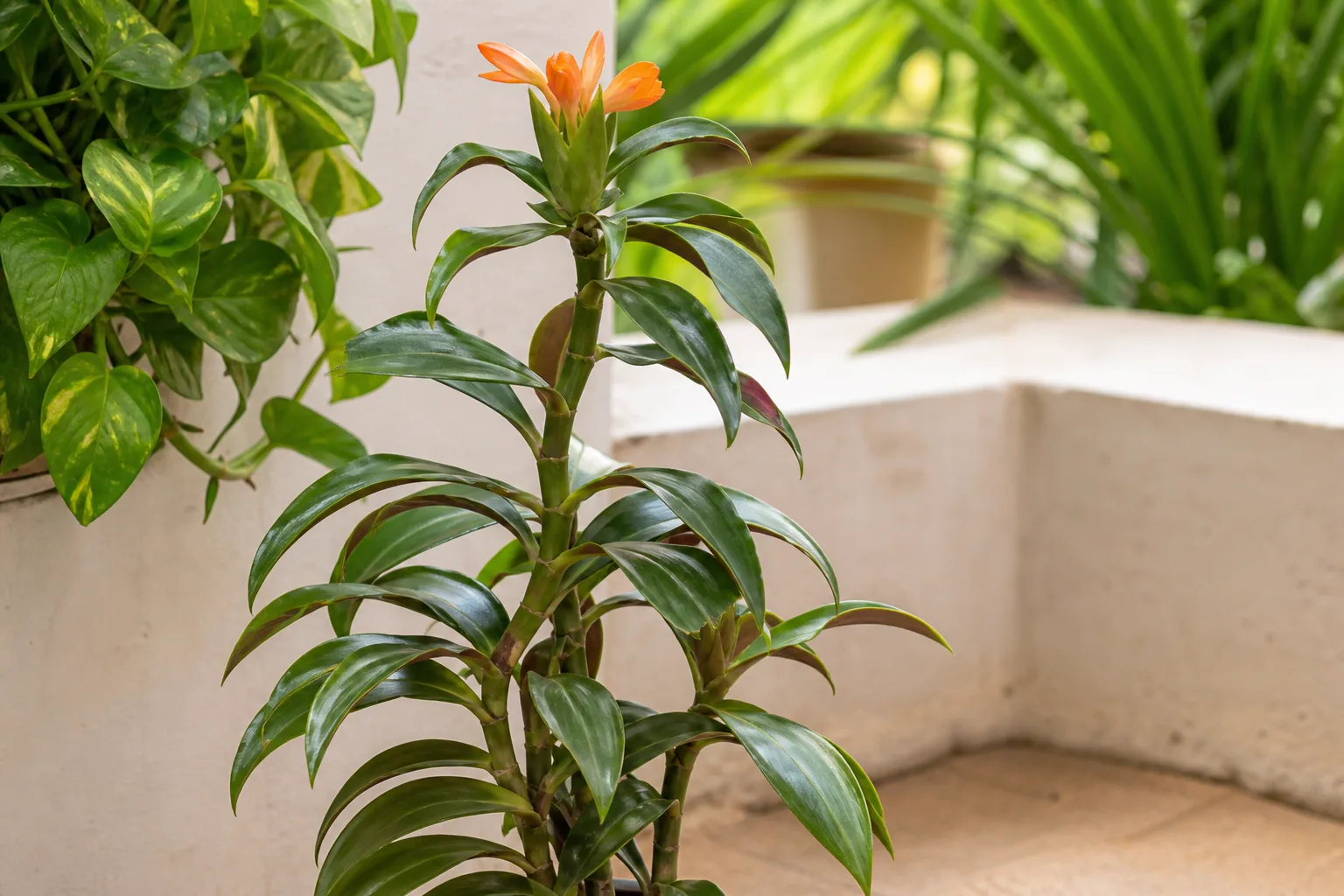
Insulin Plant (Costus igneus, accepted as Chamaecostus cuspidatus) is a short spiral ginger from eastern Brazil, not a full-sun balcony herb that wants all-day rays on hot concrete. Kew’s Plants of the World Online treats it as a rhizomatous geophyte of the wet tropical biome, native to northeast and southeast Brazil, with Costus igneus listed as a synonym. (Plants of the World Online) Missouri Botanical Garden places the species on shady rainforest floors and lists cultural light as part shade, with mature clumps about 1.5–2 feet tall. (Missouri Botanical Garden)
That habitat maps to home care more clearly than the common name suggests. Give Insulin Plant bright filtered light or gentle morning sun, and the spiral leaves stay dark green with the familiar purple-tinged undersides. Park it against unfiltered west glass in a May heatwave and you often get papery brown edges even when watering looks correct. This page covers how much light the plant needs, which Indian windows and balconies work, how far you can push sun or shade, grow-light options, and the warning signs that tell you to move the pot before rhizomes suffer.
How Much Light Insulin Plant Actually Needs
Start with the botanical garden standard, then translate it into rooms. Missouri Botanical Garden’s culture note is direct: grow Insulin Plant in evenly moist, rich, well-draining loams in part shade, and treat it as hardy outdoors only in warm zones (roughly USDA 9–11) or as a houseplant elsewhere. (Missouri Botanical Garden) Part shade for a compact Costaceae plant usually means bright open daylight for most of the day, with a few hours of softer direct sun — especially morning — and protection from prolonged harsh midday or late-afternoon beams.
In practice for Indian apartments and terraces, aim for a spot where you can read comfortably by plant-facing light without a lamp at midday, with a soft, readable shadow on the leaves rather than a hard, hot spotlight. Rough indoor targets that match this feel are often around 1,500–3,500 lux (about 150–325 foot-candles) at the leaf surface for steady growth. [Flagged: no authoritative source found for this claim] Dim corners under 500–800 lux may keep the plant alive for weeks but usually stall spiral renewal and leave the mix wet too long. [Flagged: no authoritative source found for this claim]
Judge success by new growth, not by whether last month’s leaves are still green. A healthy Insulin Plant in good light pushes firm, spiralling shoots and may show terminal orange flowers in warm months. A plant in marginal light keeps old foliage while internodes stretch and the pot stays heavy after watering.
Part Shade Versus Bright Indirect Light
Growers use both phrases for the same plant, and both can be right. Part shade outdoors usually means morning sun plus afternoon shelter, or dappled light under open canopy — the rainforest-floor pattern Missouri Botanical Garden describes for this species. (Missouri Botanical Garden) Bright indirect light indoors means strong ambient brightness near an east or filtered south window without glass-focused afternoon burn.
UF/IFAS shade-gardening guidance reminds growers that “shade” is not one condition: a spot with morning sun and later partial shade is very different from all-day deep shade under a dense canopy. (UF/IFAS Gardening Solutions) For Insulin Plant, that distinction matters. Morning sun plus bright open shade works. A north-facing alcove with no plant-facing sky brightness does not, even if the room “looks green” to your eyes.
Why Sources Disagree on Full Sun
Some nursery catalogs say Costus igneus can grow in full sun or partial shade and “thrives in sunny areas with a little shade.” (Top Tropicals) That advice is more believable in humid coastal gardens with constant moisture and some afternoon relief than on a dry west-facing Indian balcony behind glass. Missouri Botanical Garden’s part shade listing and shady-floor origin are the safer default for containers, especially when you cannot guarantee cool roots and even moisture. (Missouri Botanical Garden)
Treat full-day unfiltered sun as an advanced outdoor option, not the beginner indoor placement. If you experiment toward brighter sun, acclimate over one to two weeks, keep the soil mix moist but draining, and watch the sun-facing leaf edges first.
Best Window and Balcony Placement in Indian Homes
The best default for most flats is an east-facing balcony or window: cool morning sun, then bright open light for the rest of the day. That pattern matches part-shade culture without the heat load of west glass. Place the pot where leaves see the sky, not buried behind a deep verandah beam that cuts hours of useful brightness.
South exposures work when you set the pot back from the glass or use a sheer curtain during peak summer. North balconies in many Indian cities keep the plant alive but often produce thinner, slower spirals unless the opening is unusually bright or you add a grow light. West balconies need heat monitoring from March through June — afternoon rays through glass are the most common scorch trigger.
Indoors, keep Insulin Plant within about 0.5–1.5 metres of a bright window rather than in the middle of a deep living room. Rotate the pot a quarter turn every week or two so the spiral does not lean permanently toward one light source. Pair placement with the overview care hub so light, water, and humidity stay coherent in the first month after bringing a plant home.
East Versus West Versus South Exposures
East: safest everyday choice — morning direct light is usually gentle enough for unacclimated nursery plants. South: strong growth if filtered; watch for hotspots at noon in summer. West: use only with afternoon shade cloth, a setback, or a taller companion plant that breaks the beam; leaf temperature rises fast even when air temperature feels “just warm.” North: maintenance light only unless supplemented.
If monsoon cloud cover lasts for weeks, temporarily move the pot closer to the brightest opening so growth does not stall and the mix does not stay sour. When clear skies return, ease it back rather than slamming it into full afternoon sun in one day.
Direct Sun Tolerance and Leaf Scorch
Insulin Plant can take some direct sun, especially early morning, but its broad, fleshy leaves are not built like desert succulents. Scorch usually shows first as bleached or tan patches on the sun-facing surface, then crisp brown margins, while the shaded side of the same leaf still looks fine. That asymmetric pattern is your clue that light intensity — not fertilizer — is the driver.
Acclimate nursery plants grown under shade cloth before any permanent sunny balcony slot. Move them into stronger light in steps over 7–14 days, water when the top 2–3 cm of mix dry, and never combine a sudden light jump with a same-day repot and heavy feed. Scale insects are noted as a culture problem on this species in botanical garden notes; weak, stressed foliage in harsh light plus stagnant air makes pest issues easier to miss. (Missouri Botanical Garden)
If scorch appears, move the plant into filtered light immediately. Trim only fully dead tissue after new growth resumes — brown edges on otherwise firm leaves are cosmetic scars, not a reason to strip the plant bare.
Low-Light Limits Indoors
Insulin Plant is shade-tolerant relative to many sun herbs, but it is not a deep-interior cast-iron plant. Kew places the species in a wet tropical context, and Missouri Botanical Garden’s rainforest-floor note still implies open understory brightness, not a windowless hallway. (Plants of the World Online) UF/IFAS lists gingers among plants that perform in shade gardens when light is understood and managed, not when darkness is absolute. (UF/IFAS Gardening Solutions)
In low light, expect slower spiral production, longer internodes, smaller new leaves, weaker purple undersides, and soil that stays wet for many days. That wetness is where rhizome soft-rot risk climbs. Use low-light corners only as short holding zones after purchase or while you set up a grow light — not as the permanent home if you want flowering and dense clumps.
Grow Lights for Dim Rooms
When your only space is a north room or an AC office, a full-spectrum LED grow light is more honest than pretending ceiling fluorescents are enough. Hang or clamp the fixture so the brightest zone falls on the leaf canopy, typically 30–45 cm above the tallest shoot for common consumer panels (follow your lamp’s wattage guidance). Run 10–12 hours daily on a timer during active growth; 8 hours is a maintenance floor, not a vigor target.
Keep the mix’s drying rhythm in mind: grow lights raise leaf demand for water compared with a dim corner, so re-check moisture after the first week rather than copying the old calendar. Avoid blasting a newly moved plant with both maximum lamp intensity and a fertilizer spike on day one — light first, then resume a light feeding schedule once new growth looks stable.
Warning Signs of Too Little Light
Too little light on Insulin Plant rarely looks dramatic at first. Watch for stretched, floppy stems, wider gaps between leaves on new spirals, smaller and paler new blades, stalled orange flowering, and a pot that stays heavy or smells faintly sour because water use slowed. RHS guidance on how plants use light notes that insufficient light commonly produces weak, pale, spindly growth — the same pattern you see when a spiral ginger is parked too far from a window. (RHS)
First action: move the plant closer to bright filtered light or add a grow light for 10–12 hours. Do not “fix” dim stagnation with more fertilizer — fertilizer cannot compensate for inadequate light. Confirm the watering check — top 2–3 cm dry — before the next soak so wet rhizomes are not carrying the low-light load alone.
Warning Signs of Too Much Light
Too much light or heat shows as bleached patches, papery brown edges, leaves that feel hot to the touch at midday, and sudden damage on the window-facing side after a placement change. In extreme cases, soft stems can collapse if heat and drought hit together, but more often the plant looks “thirsty” while the real issue is leaf burn from intensity.
First action: pull the pot back, add sheer filtering, or shift to an east exposure the same day you notice fresh scorch. Resume normal watering only after the mix’s drying time settles in the new spot. Old scorched tissue will not re-green; judge recovery by the next two or three new leaves.
How Light Affects Watering and Rhizome Health
Light sets the plant’s water budget. In bright filtered light, Insulin Plant often needs water every 2–4 days in hot weather once the top 2–3 cm dry, matching the pattern on the plant’s watering guide. In a dim room, the same pot may stay wet for a week — dangerous for fleshy rhizomes that rot when cold and waterlogged. Missouri Botanical Garden’s culture line pairs part shade with medium, evenly moist conditions, not swampy pots in darkness. (Missouri Botanical Garden)
If the mix stays wet longer than expected, improve light or drainage before watering again. If it dries in under a day after a move into strong sun, you may need a slightly larger pot, a richer moisture-holding mix, or temporary afternoon shade — not a daily flood that leaves the crown soggy overnight.
Seasonal Light Changes Across India
A placement that works in December can fail in May. Winter sun is lower and milder, so an east sill that felt perfect may become too dim under monsoon overcast or when festival curtains stay closed. Summer west and south glass intensifies heat even when day length is long. Re-check leaf temperature and drying time at the start of each season rather than locking the pot forever.
In cooler North Indian winters, bring containers indoors before nights drop near 10°C, and give the brightest indoor filtered light you can — growth slows, but a dark cold corner plus wet soil is the worst combination for rhizomes. [Flagged: no authoritative source found for this claim] In humid coastal summers, prioritize afternoon shade and airflow over chasing maximum sun hours.
When to Use This Page vs Other Insulin Plant Guides
Use this page when the question is where to place the plant, how much sun it can take, or whether leaves are scorched or stretched from light. Switch to the watering guide when the mix stays wet or bone-dry regardless of a sensible window. Use the soil guide when drainage or mix texture is the bottleneck. Use fertilizer only after light and moisture are stable. For identity, size, and full-care context, start at the Insulin Plant hub or the overview.
Related Insulin Plant Guides
- Insulin Plant care overview — habit, climate fit, and how light sits in the full routine
- Insulin Plant watering — how brightness changes drying time and rhizome risk
- Insulin Plant soil — mixes that stay moist without drowning roots in lower light
- Insulin Plant fertilizer — feeding only after placement is right
- Insulin Plant repotting — when a move to better light also needs a fresh pot
- Insulin Plant propagation — rooting cuttings and divisions in warm, bright shade
Conclusion
Insulin Plant grows best in part shade to bright filtered light: morning sun, open sky brightness, and protection from harsh midday and west-glass heat. That matches its eastern Brazilian rainforest-floor origin and Missouri Botanical Garden’s culture standard far better than treating it like a full-sun terrace herb. Place it on an east balcony or a filtered south window, use grow lights honestly in dim rooms, and let new spiral leaves — not old scars — tell you whether the spot works. Fix light first when leaves bleach or stretch; watering and feeding only make sense after the pot sees the right kind of day.