Insulin Plant Watering: How Often & Soil Checks
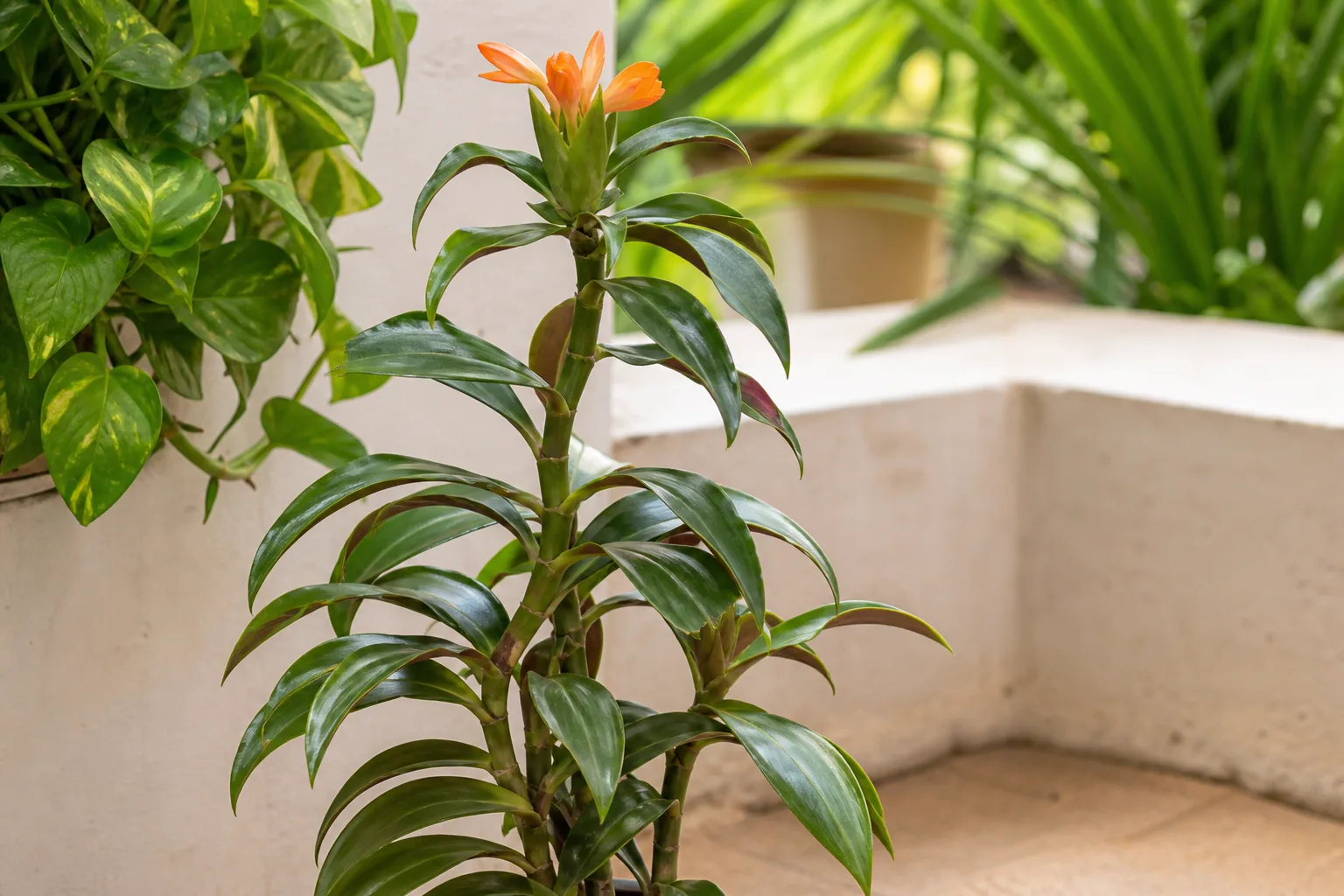
Insulin Plant Watering: How Often & Soil Checks
Insulin Plant Watering: How Often & Soil Checks
Insulin Plant watering sits between rainforest moisture and container caution. Costus igneus — accepted by Kew as Chamaecostus cuspidatus, and also sold as spiral flag or fiery costus — is a rhizomatous geophyte of the wet tropical biome native to eastern Brazil. Missouri Botanical Garden culture notes call for evenly moist, rich, well-draining loams in part shade, with a medium water rating. UF/IFAS describes the same plant as needing fertile soil and ample moisture, often planted near water, with only moderate drought tolerance.
That biology does not mean leave the pot sitting in stale runoff. The goal is steady moisture around fleshy rhizomes without cutting off oxygen. Water when the top 2–3 cm of mix feel dry, soak until water exits the drainage holes, empty the saucer, and wait until that surface layer dries again. In hot Indian summers that often lands every 2–4 days; in cooler months closer to every 5–7 days — always verified by touch, not by a reminder app.
This guide covers how often to water, how to check dryness, overwatering versus underwatering on this species, how pot and soil mix change the rhythm, and the first action to take when you are unsure. Pair it with the Insulin Plant overview if you are still confirming light and placement.
Why Insulin Plant Wants Even Moisture, Not Dry Spells
Insulin Plant evolved on shady rainforest floors, not arid scrub. Kew places Chamaecostus cuspidatus in eastern Brazil as a rhizomatous species of the wet tropics, and Missouri Botanical Garden echoes that rainforest-floor origin with medium water and even moisture. UF/IFAS lists soil that may be occasionally wet among its tolerances and notes moderate — not high — drought tolerance.
Treat it like a small spiral ginger, not a succulent. Thin periods of surface dryness between waterings are fine. Multi-day bone-dry pots in terracotta on a windy balcony are not. The fleshy underground rhizomes store some moisture, but they also rot quickly when the entire root zone stays anaerobic. Your job is the middle path: moist, aerated, never swampy.
How Often to Water Insulin Plant
There is no honest universal calendar. Pot size, mix texture, light level, humidity, and season all change how fast the top layer dries. Use the intervals below as a starting framework, then lock them to your finger test.
Hot weather and Indian summers
In warm, bright weather — especially April through June on Indian balconies — many 15–20 cm pots need water every 2–4 days. Morning watering is usually best so foliage can dry and roots refill before afternoon heat. Terracotta, hanging baskets, and windy ledges dry faster; plastic pots and shaded corners dry slower. If the top 2–3 cm are dry by evening after a hot day, water again rather than waiting for the calendar.
Do not confuse heat wilt with drought automatically. Leaves can soften slightly in harsh midday sun even when the mix is still moist at depth. Check the soil before adding more water. If the pot is already heavy and cold, improve light and airflow instead of pouring again.
Cooler months and monsoon pauses
When nights cool and growth slows, stretch the interval toward every 5–7 days, still confirming dryness first. In monsoon or prolonged rain, pause irrigation whenever the mix stays wet on its own. Empty saucers that fill with dirty overflow, keep drainage holes clear, and resume only when the top layer begins to dry. Cold, wet rhizomes in low light are a faster failure mode than a short cool-season dry spell. Protect containers below about 10°C (50°F) and do not water on a summer schedule in a dim winter room.
The 2–3 cm Finger Test Before Every Drink
Surface color lies. Coco-peat mixes can look pale on top while staying damp near the rhizomes. Insert a finger 2–3 cm into the mix. Water when that layer feels dry to the touch and the deeper mix is only lightly cool or faintly moist. If you feel cling or cool dampness at that depth, wait.
A wooden skewer or chopstick helps in deeper pots: push toward the rhizome zone, pull out, and look for soil sticking or darkening. Clean, dry wood near the top means you can water. Lift the pot after a full soak and again before the next watering — a clearly lighter pot is a useful second signal, especially once you know your container’s wet and dry weight.
Never water because it is “watering day.” Never water because the top millimetre looks dusty while the pot still feels heavy. The finger test is the rule; the calendar is only a reminder to check.
How to Water Thoroughly Without Flooding Rhizomes
When the check passes, water slowly across the whole surface until runoff exits the drainage holes. That confirms the root ball received moisture, not just the rim. Let the pot drain fully, then empty the saucer within 15–30 minutes. Leaving Insulin Plant standing in a tray of old water recreates the waterlogged conditions that kill rhizomes even though the species likes moisture in the ground.
Partial top sips every day are worse than one thorough soak. Shallow dribbling keeps the upper crust damp, encourages shallow roots, and can hide a wet lower zone where rot begins. One deep soak per dry-down cycle matches how rainforest plants experience rain followed by drainage through organic soil.
Room-temperature water is kinder than ice-cold tap water on warm rhizomes. Hard water is usually acceptable; if white crust builds on the rim, flush the pot occasionally with a longer soak until runoff runs clearer. Water quality matters less than frequency and drainage.
Signs You Are Overwatering Insulin Plant
Overwatering is the more dangerous mistake on this plant. Watch for yellowing lower leaves in clusters, a soft or mushy stem base, soil that smells sour or rotten, and a pot that stays heavy and cold for many days after watering. Growth may stall even though the mix looks wet. Fungus gnats often appear when organic mix never dries at the surface.
Missouri Botanical Garden’s overwatering guidance explains the mechanism: roots in waterlogged soil cannot absorb the oxygen they need, then die and fail to supply water and nutrients — so the plant can wilt while sitting in wet mix. That paradox traps beginners into watering again.
If several signs stack together, stop watering immediately. Improve light and airflow, empty saucers, and only consider a soil refresh once you confirm the mix is staying anaerobic. Do not “perk it up” with another drink.
Soft stem bases and rhizome rot
Gently tip the plant from its pot if the crown feels soft or the mix smells foul. Healthy rhizomes and roots feel firm and smell like damp earth. Rotting tissue is brown or black, slippery, and foul. Trim clearly mushy sections with clean tools, discard the worst media, and repot into a fresh, airy loam-based mix with drainage. Wait several days before a cautious first soak, then return to the 2–3 cm check. Recovery is realistic when firm rhizome tissue remains; a collapsed, soft crown often is not.
Signs Your Insulin Plant Needs Water
Underwatering shows up as inward-curling leaf margins, brittle or weak petioles, stalled spiral growth, and a pot that feels very light. Leaf edges may crisp when dry indoor air compounds drought, especially below the humidity range this tropical prefers. Soil may pull away from the pot walls.
A single dry episode rarely kills an established clump. Rehydrate with one full soak until water runs out, let it drain, then resume the moist-but-not-soggy cycle. Do not compensate with daily tiny cups — that swings the problem toward overwatering within a week.
If leaves droop and the mix is still wet, you are not dealing with simple drought. That pattern usually means roots or rhizomes are already damaged from excess moisture. Fix drainage and oxygen first; more water will make it worse.
Pot Size, Soil Mix, and Drainage Change the Interval
Watering advice fails when the mix cannot drain. Insulin Plant wants rich, well-draining loam that holds moisture without turning to sludge — see the Insulin Plant soil guide for mix ratios. Dense peat bricks, sealed decorative pots without holes, and blocked drainage turn even careful watering into rhizome rot. UF/IFAS notes the plant tolerates a range of soils outdoors when moisture is ample, but container growers must prioritize air plus moisture, not one without the other.
Larger containers buffer mistakes; tiny nursery pots swing hard between bone dry and soaked. Upsize when rhizomes crowd the rim or the mix dries within a day in heat. After a soil change, expect a new drying rhythm for a week or two while roots re-explore the volume. If the pot stays wet longer than your usual interval, fix the medium or pot before changing how often you pour.
Light, Humidity, and Temperature Affect Drying Speed
Water use follows light. A plant in bright filtered light or gentle morning sun uses moisture predictably; the same plant in a dim corner holds water for days and invites rot. If the mix never reaches the 2–3 cm dry mark, move the plant into better light before you keep watering on a summer schedule.
Humidity around 60–80% [Flagged: no authoritative species-specific source found for this humidity range] reduces crispy edges from dry air but does not replace root-zone watering. Misting leaves is optional cosmetic care; it will not fix a dry root ball and can encourage foliar issues if airflow is poor. Keep temperatures roughly 18–35°C [Flagged: no authoritative species-specific source found for this temperature range] during active growth and protect from cold drafts. Cold nights plus wet soil is a poor combination for tropical rhizomes.
Common Insulin Plant Watering Mistakes
Watering on a fixed weekday without checking depth is the most common error. The second is treating Insulin Plant like a cactus and letting the whole pot go bone dry for a week in heat. The third is leaving pots in saucers through monsoon. The fourth is stacking fertilizer, hard pruning, and a soil change on the same week you are already correcting wet rhizomes — stabilize watering and light first, then use the fertilizer guide only after growth resumes. The fifth is assuming yellow leaves always mean thirst; on this species they more often mean wet feet in low light.
When to Use This Page vs Other Insulin Plant Guides
Use this watering page when you need to decide whether to water today, how deeply to soak, or how to read wet versus dry stress on leaves and rhizomes. Switch to Insulin Plant light if the pot never dries — light often drives the watering problem. Use Insulin Plant soil when water sits on the surface or the mix smells sour even after you cut irrigation. Use Insulin Plant repotting when drainage has failed or rhizomes have filled the pot. Use Insulin Plant fertilizer only after roots are healthy and growth is active. For species identity and full-care context, start with the Insulin Plant overview.
Related Insulin Plant Guides
- Insulin Plant overview — identity, climate fit, and full-care summary
- Insulin Plant light — filtered light that drives drying speed
- Insulin Plant soil — moisture-retentive mixes that still drain
- Insulin Plant fertilizer — feeding after rhizomes are healthy
- Insulin Plant repotting — when wet mix or crowded rhizomes need a reset
- Insulin Plant propagation — aftercare moisture for cuttings and divisions
Conclusion
Water Insulin Plant the way a wet-tropical spiral ginger wants: soak when the top 2–3 cm are dry, drain fully, and keep rhizomes evenly moist without drowning them. Expect roughly every 2–4 days in hot weather and 5–7 days when cool, always confirmed by touch. Overwatering shows as yellowing leaves, soft bases, and sour soil; underwatering shows as curling margins and stalled growth. Fix light and drainage when the pot never dries, and empty saucers in monsoon. Get the moisture rhythm right and Costus igneus stays firm, spiralling, and ready for warm-season growth — not because it needs neglect, but because it needs deliberate moisture with oxygen at the rhizomes.