Mustard Greens Light Needs: Full Sun, Winter Sun & Shade
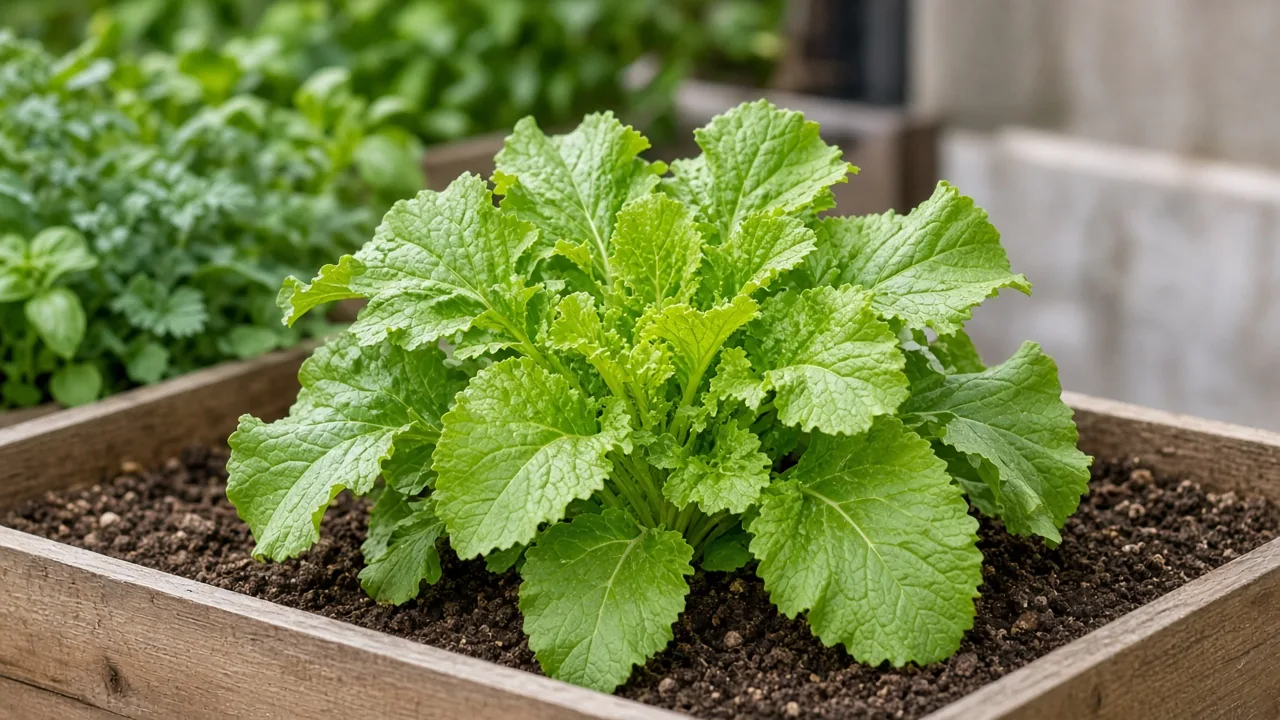
Mustard Greens Light Needs: Full Sun, Winter Sun & Shade
Mustard Greens Light Needs: Full Sun, Winter Sun & Shade
Mustard greens (Brassica juncea) — sarson, rai saag, and Indian mustard in many kitchens — turn sunlight into wide, peppery leaves faster than most cool-season greens. Unlike slow root crops, mustard is judged on leaf quality in weeks, so light mistakes show up quickly as thin leaves, sharp bitterness, or a sudden flower stalk. This page is about how much sun the crop wants, when brief shade helps, and where to place beds and containers so winter harvests stay tender.
Start with the Mustard Greens overview for sowing windows, cultivar choice, and harvest rhythm. Pair light decisions with watering and soil — bright sun without even moisture produces tough, fiery leaves even on a well-fed plant.
Mustard greens light needs: the quick answer
Plan for at least six hours of direct sun on the mustard row or container while temperatures stay in the cool growth band (roughly 10–24 °C / 50–75 °F on the plant hub). NC State Extension describes mustard as growing best in full sun to part shade with rich, consistently moist soil, performing best in fall and spring while bolting and developing strong flavor in summer. Utah State Extension recommends a sunny location and notes mustard grows best when temperatures do not exceed 75 °F, with high summer temperatures reducing growth, quality, and pushing plants to seed with bitter off-flavors.
On Indian plains, that usually means October–November sowings into open winter sun, not a permanently shaded courtyard. Give rabi and cool-month plantings all the unobstructed light the site offers while nights stay mild; use afternoon shade only on warm winter afternoons when sun on dark tile overheats shallow containers.
Six or more hours of direct sun in the cool window
Full sun means a sharp hand shadow on soil for most of the bright part of the day. Six hours is a practical minimum for full-size cooking leaves in 40–50 days. Eight or more hours on a clear cool-season day supports the fastest baby-leaf turnover when moisture stays steady. Missouri Botanical Garden lists Brassica juncea in full sun to part shade on average, well-drained soil — the same range most brassica greens share.
Partial shade as heat relief, not a full-season plan
NC State Extension adds that some shade is appreciated as the weather turns hot, especially for baby greens. That is not permission to grow sarson year-round in deep shade. Partial shade slows leaf expansion and often increases pungency when plants are stressed. Treat shade as a temporary tool — east-facing exposure, taller companion crops, or 30–50% shade cloth — when heat, not day length alone, threatens quality.
Why light shapes leaf size and peppery flavor
Mustard leaves are the crop. Photosynthesis fuels rapid cell division in young blades; dim sites produce smaller, slower leaves with a narrower harvest window. Heat and moisture stress compound the problem: NC State Extension links moisture and temperature stress to spicier, unpleasantly strong flavor, while Utah State Extension ties temperatures above 75 °F to bitter flavor and flowering.
Fast leaf growth needs bright, cool days
In the hub’s ideal band (10–24 °C), long sun hours are an asset: leaves thicken, color deepens, and cut-and-come-again harvests stay productive. Smooth-leaf types such as Florida Broadleaf and Tendergreen read milder; Red Giant, Green Wave, and curly southern types build sharper heat as leaves mature — especially if water is withheld. Light fuels size; cultivar and stress set the bite.
Heat plus strong sun pushes bolting and bitterness
Bright weather on warm soil is the classic bolt trigger for cool-season brassicas. Utah State Extension explains that mustard naturally flowers during long, warm summer days and advises harvesting before hot weather or sowing a fall crop when temperatures cool. Shade cloth lowers canopy and soil temperature more than it “hides” day length from the plant; it buys time on late-spring or warm-winter edges, not midsummer on the plains.
How much sun mustard greens need each day
Full sun versus partial shade in extension terms
| Situation | Target direct sun | What to expect |
|---|---|---|
| Cool-season main crop (rabi / winter terrace) | 6–8+ hours | Fastest leaf size, best texture |
| Warm late-spring bed (temperate) | 4–6 hours morning + afternoon shade | Slower growth, delayed bolt |
| Baby-leaf tray / microgreens | Bright light; 4+ hours or strong LEDs | Usable young leaves; smaller size |
| Deep shade (<3 hours) | Not recommended | Survival only; poor harvest |
NC State Extension’s full sun to part shade wording describes tolerance, not equal outcomes. Aim for the top of the range whenever air temperature cooperates.
Baby-leaf and microgreen harvests in dimmer sites
Mustard can be sown thick and pulled young when a site fails the six-hour test. Johnny’s Selected Seeds notes Brassica juncea culture from early spring to late summer with harvest when greens reach full bunching size — but baby leaves mature far sooner. See propagation for sowing density; see pruning for outer-leaf harvest that keeps the rosette productive in good light.
Best placement on beds, terraces, and balconies
The morning–noon–afternoon shadow test
On a clear day, check whether sun hits the sowing row at 9 a.m., whether midday light is blocked by parapets or trees, and whether late-afternoon sun still reaches the bed. Mustard stays low; a wall that shades only the afternoon can still drop daily totals below six hours. A sharp shadow at seedling height means direct sun; a fuzzy shadow means bright indirect — useful for comparing balcony corners.
Rim walls, tanks, and low brassica rosettes
Terrace layouts hide light from the crop’s height, not yours. Walk the perimeter at leaf height or lay a board where rosettes will spread. The hub recommends at least a 15–20 litre pot for one full-size plant or dense baby-leaf trays in wide shallow containers — place those where they catch the longest sun arc, then pair with repotting guidance so seedlings are not root-bound before they see real sun.
Seasonal light strategy for India and tropical plains
Rabi and winter sowings in open sun
For most hot lowlands, the winning light strategy is when you sow, not permanent shade. October–November plantings into short, bright winter days match Brassica juncea biology: mild nights, strong sun, and manageable bolt risk. Give those crops full open sky on the brightest bed or outer railing. Cooler hills can stretch the season with the same rule — maximize sun while temperatures stay in the hub band.
Afternoon shade on unusually warm winter days
When a warm spell pushes afternoon temperatures above the comfort zone, moving containers to afternoon shade or deploying light shade cloth can reduce heat stress without abandoning winter sun entirely. That is heat management for shallow mix on hot tile, not a substitute for a dim courtyard. Return pots to full morning-to-midday exposure once weather normalizes.
Seasonal light strategy for temperate gardens
Spring and fall full sun
NC State Extension places mustard among cool-season crops for fall and spring. Sow into full sun as soon as soil is workable in spring, and again for fall harvest 50–75 days before your first fall frost window per Utah State Extension. Fall plantings often taste best because they mature in cooler, brighter autumn conditions.
Late spring shade cloth before summer bolt
As days lengthen and soil warms above 75 °F, switch tactics: morning sun, afternoon shade, and bolt-slower cultivars such as Red Giant (described as very slow-bolting in Johnny’s Selected Seeds listings). No cultivar overrides peak summer on the plains — succession sow into the next cool window instead.
Container and rooftop growing
Wide pots and mobility for sun management
Containers turn light into a daily decision. A wide pot on a wheeled saucer can sit in full sun until early afternoon, then roll to dappled shade during a heat spike — practical for one to three pots, not a whole field. Mustard roots are fairly shallow on the hub; wide containers outperform narrow tall pots because they heat and dry more evenly under strong sun.
Reflected heat on dark terrace surfaces
South- and west-facing concrete can raise pot temperature several degrees above air temperature, making afternoon shade more important even when day length is short. Pair sun management with watering checks: full sun on a rooftop dries shallow mix fast. Fertilizer after you confirm the site is bright enough — excess nitrogen in shade produces lush, leggy tops with thin flavor.
Grow lights for seedlings and baby mustard
Photoperiod and intensity for short indoor bridges
Indoors works for germination and early growth when outdoor nights are still too warm or weather is unstable: a bright veranda or full-spectrum LEDs on a 12–14 hour timer Iowa State Extension while you harden seedlings off. Mustard is not a long-term houseplant; mature cooking greens need more photons than typical rooms supply. Use lights to bridge to outdoor six-hour sun, not to replace it.
Why mature sarson rarely finishes indoors
Without greenhouse-level intensity, plants stretch toward fixtures, leaves stay small, and flavor sharpens under stress. For indoor experiments, harvest baby leaf early and plan the next sowing for the terrace. Johnny’s Selected Seeds lists several mustard lines as hydroponic performers — a hint that bright, even light matters for uniform baby greens, not that a desk lamp will feed a family through winter.
Warning signs of too little light
Watch for elongated stems, smaller-than-packet leaves after 40+ days, dark green but static rosettes, and very slow regrowth after harvest. Leggy mustard in a “bright room” usually means less than six hours of real direct sun or heavy shade from neighboring pots. Fix placement on the next sowing; mature plants cannot be dug and moved without shock. If the site is permanently dim, switch to baby-leaf density and earlier picks.
Warning signs of too much sun or heat stress
A sudden central flower stalk, yellowing lower leaves with bitter flavor, and midday wilting on dry soil point to heat and day-length stress, not a need to hide the plant from all sun. Crisp leaf edges on young seedlings can mean harden off gradually from nursery shade to open winter sun. Mild frost on winter plantings can sweeten leaves per hub grower notes; hard freeze kills the crop — that is cold injury, not sunburn.
Light with watering and soil
Sun drives transpiration. A full-sun container in a warm spell may need moisture checks every day while a shaded pot dries slowly yet still yields poor leaves. Loose, compost-rich soil lets shallow roots access water between bright mornings; waterlogged mix in low light invites stem rot. Thin and harvest outer leaves so rosettes do not shade each other at the soil line — crowded canopies waste a sunny terrace.
When to use this page vs other Mustard Greens guides
- Mustard Greens overview — identity, rabi calendar, cultivar flavor, and harvest basics before you tune sun.
- Mustard Greens watering — even moisture when full winter sun dries containers quickly.
- Mustard Greens soil — fertile, well-drained mix; poor growth in shade can mimic starving roots.
- Mustard Greens fertilizer — feed lightly once light and water support steady leaf expansion.
- Mustard Greens propagation — sow into the sunniest final bed or pot, not a dim nursery corner.
- Mustard Greens repotting — pot-up seedlings before roots stall; final position should already have six-hour sun.
- Mustard Greens pruning — outer-leaf harvest and thinning so inner leaves still receive light.
Related Mustard Greens guides
- Mustard Greens overview — sarson growing framework for beds and containers
- Mustard Greens watering — moisture checks when bright sun pulls water from shallow mix
- Mustard Greens soil — organic, free-draining loam for sun-fed leaf growth
- Mustard Greens propagation — succession sowing into your brightest cool-season window
- Mustard Greens fertilizer — steady nitrogen only after light and water are right
Conclusion
Mustard greens reward cool weather plus long, direct sun on a well-chosen site. Aim for six or more hours of unobstructed light during rabi and winter terrace crops, run the morning–noon–afternoon shadow test before you sow, and use afternoon shade on containers only when heat spikes — not as a year-round location. Read bolted stalks and bitter leaves as signals to change season or shade strategy on the next batch, not to abandon brightness during the cool window. When rosettes stay low, leaves regrow quickly after harvest, and flavor matches your cultivar, light and timing are working with Brassica juncea; when plants race to flower in warmth, fix the calendar before you blame the sun alone.