Grow More Sarson: Mustard Greens Propagation Guide
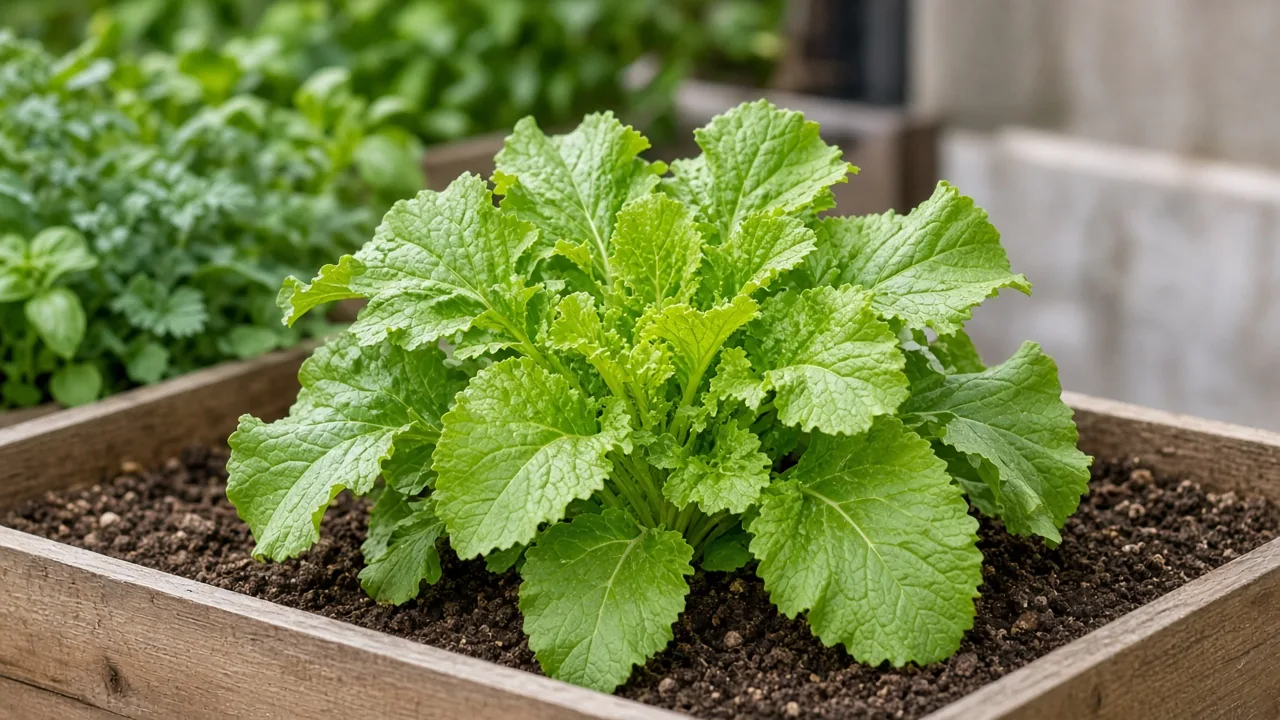
Grow More Sarson: Mustard Greens Propagation Guide
Grow More Sarson: Mustard Greens Propagation Guide
Mustard greens propagation for Brassica juncea—the peppery leaf mustard sold as sarson, rai saag, and Indian mustard—means growing from seed. Unlike Malabar spinach, which roots easily from cuttings, garden mustard is a fast cool-season annual (sometimes biennial if left to flower) that completes its life cycle in one season and does not regenerate from leaf or stem fragments. NC State Extension describes planting seed or seedlings in cool weather, with additional seed every two to three weeks to extend harvest—exactly the rhythm home growers need on a balcony or winter bed.
If you are wondering whether a leftover cooking stem will root, it will not. Your next crop comes from a fresh sowing in mild weather, not from vegetative cloning. The good news is that mustard seed is inexpensive, emerges quickly when soil stays cool and moist, and pairs naturally with succession sowing so you are never dependent on one long-lived plant.
How Brassica juncea reproduces in the garden
Mustard greens form a low rosette of leaves, then—when heat, drought, or long days trigger bolting—send up yellow flowers and set seed in narrow pods (siliques). Each plant is genetically finished once it commits to flowering, which is why propagation is always about starting the next generation from seed rather than “reviving” an old rosette. Epic Gardening notes that mustard is an easy cool-season green grown for spicy leaves, edible flowers, and seed, with brown mustard (B. juncea) among the common types selected for leafy harvests.
Leaf harvest vs seed harvest goals
Before you open a seed packet, decide whether you want tender leaves, baby salad mix, or home-saved seed for grinding. Leaf crops need close sowing, frequent cutting, and prompt harvest before bolting. Seed crops need wider spacing, fewer disturbances, and patience through flowering—often on a separate row so you do not pull every plant the moment yellow blooms appear. The mustard greens overview explains mature size, cultivar heat differences, and how October–March fits most Indian plains growing.
Why cuttings and division do not work
Houseplant guides discuss division because those plants are perennial clumps. Mustard roots stay fairly shallow on an annual timetable; severed leaves may wilt in water but will not rebuild a productive rosette. Harvest to Table treats mustard as a hardy leaf crop established from seed or young transplants, not from vegetative pieces. Focus on direct sowing where plants will finish, or on module starts you move once while seedlings are still small.
Best propagation method for mustard greens
Direct sowing into fertile, well-drained soil is the default for sarson. Mustard dislikes repeated root disturbance, and outdoor drills avoid the bolting stress that can follow late, root-bound transplants. Harvest to Table recommends sowing outdoors four to six weeks before the last spring frost or six to eight weeks before the first fall frost, covering seed lightly and keeping soil consistently moist until emergence.
For bunching greens, Johnny’s Selected Seeds suggests sowing about 15 seeds per foot in rows 18–24 inches apart, at ¼–½ inch deep. That density is a starting point for full-size plants you will thin; baby-leaf trays use much heavier scatter sowing and earlier harvest instead of wide spacing.
Module or cell starts are useful when you need to protect seedlings from flea beetles or early cold, but treat them as a short bridge to the garden—not a way to hold plants indoors for weeks. Transplant after two true leaves, at the same depth as in the cell, and water in gently. Match post-sow moisture with the mustard greens watering guide so cotyledons do not dry out on a sunny terrace.
When to sow mustard greens for reliable germination
Mustard seed germinates best in cool, moist soil, not in the peak heat of a lowland summer. Gardener’s Navigator reports emergence in about three to five days in cool soil, with the crop performing as a 30–45 day leaf vegetable when conditions stay mild. Harvest to Table warns that seed may be slow below about 40°F (4°C) and that mustard bolts in hot weather or long days, ending the leaf harvest.
In temperate spring and fall schedules, sow four to six weeks before the last spring frost and again six to eight weeks before the first fall frost so leaves mature in mild weather. Epic Gardening recommends spring sowing four to six weeks before the last frost and late-summer sowings until frost, with ideal growth roughly 50–75°F (10–24°C).
Sarson sowing calendar for India and similar climates
For growers on hot plains, treat mustard greens as a cool-season crop: sow during the mildest months—often October through February or March in many parts of India—rather than during peak summer. The mustard greens light guide pairs with this window: provide strong winter sun while air temperatures stay roughly 10–24°C, and use afternoon shade only when warm spells threaten to push plants toward bolting. In mild hill stations you may sow slightly earlier or stretch harvest longer, but the principle stays the same: if nights are warm and days lengthen quickly, seed goes in only when you can keep soil cool and evenly moist.
Sowing depth, spacing, and thinning rules
Sow mustard seed about ¼ inch (6 mm) deep—roughly ¼–½ inch on the shallow side in heavy soil—and cover lightly without burying seed deeply. Harvest to Table lists ¼ inch sowing depth, 4–6 inches between plants after thinning, and 12–18 inches between rows for garden drills. Epic Gardening suggests ¼-inch holes or surface scatter with a light soil cover, then six to eight inches apart when setting transplants.
Baby-leaf sowing can be denser: scatter thinly in wide shallow trays, harvest with scissors at two to three inches, and do not expect full-size rosettes without thinning. Full-size cooking greens need aggressive thinning once seedlings have a few true leaves—crowded plants bolt sooner and produce tough, overly hot leaves. Prepare the mix first using the mustard greens soil guide; loose, compost-rich beds hold moisture without waterlogging shallow roots.
Germination moisture, temperature, and emergence timelines
Keep the seedbed evenly moist—not saturated—from sowing until cotyledons unfold. A dry surface crust stops small mustard seed from anchoring; a waterlogged cell invites collapse at the soil line. Water with a fine spray or rose head so you do not wash seed into clumps. In cool, moist conditions, expect visible emergence within about five to ten days Harvest to Table; Gardener’s Navigator often sees sprouts in three to five days when soil is already cool.
If nothing appears after two weeks, check seed age, sowing depth, and whether midday sun baked the tray. Resow in the next cool window rather than drowning the row—mustard is cheap enough to restart cleanly.
Succession sowing and harvest rhythm
One sowing rarely feeds a household for a whole cool season. NC State Extension recommends planting additional seed every two to three weeks while weather stays suitable. Sow Right Seeds suggests succession sowing about every three weeks when the season allows. Each batch should reach usable baby leaves in roughly three weeks and full-size harvest in about 40–50 days depending on cultivar—match expectations to your seed packet.
Propagation aftercare is really thinning and picking: harvest outer leaves while the central bud stays intact for cut-and-come-again growth, as described in the hub grower notes on the mustard greens plant profile. Once a central stalk elongates, treat that plant as finished and rely on the next sowing.
Indoor starts and gentle transplanting
Start indoors only when outdoor soil is too wet, too cold, or exposed to flea beetles. Use fresh seed compost, one sowing per cell or a short row you will prick out early, and grow under bright light so stems do not stretch. Harden seedlings for about a week before moving them outdoors. Harvest to Table advises transplanting when seedlings have two sets of true leaves and stand two to three inches tall, spacing four to six inches apart in amended soil.
Mustard tolerates light frost once established, but young indoor seedlings still need gradual exposure. Avoid holding plants in small cells until roots circle densely—that stress pushes bolting soon after planting. For containers, wide pots often outperform narrow tall ones because mustard roots spread shallowly; see repotting guidance for choosing a final home rather than repeatedly shifting mature plants.
Saving mustard seed from your garden
To propagate next year’s crop from your own garden, reserve healthy plants on a separate row labeled by variety. Let flowers finish, then cut stems when most pods are tan or brown but before they shatter. Dry bundles in a paper bag or on a tray until pods are crisp, then thresh and winnow seed away from chaff—Epic Gardening describes slowly pouring seed in front of a fan so debris blows off. Store clean, dry seed in a labeled airtight jar in a cool, dark place.
If multiple mustard types flower nearby, cross-pollination can blur traits. Isolate varieties by distance or time flowering if you need seed that stays true to type. Pull finished seed plants promptly if you do not want volunteers sprouting throughout the bed next season—mustard self-sows readily when pods split in the garden.
Troubleshooting failed germination and damping off
When seedlings collapse at the soil line in cold, wet compost, suspect damping off, a fungal issue linked to overwatering and poor airflow. NC State Extension on damping off notes that infected stems pinch and topple while roots may look healthy. Discard affected trays, restart with fresh mix, sow slightly shallower, and water less while improving ventilation rather than re-wetting stagnant cells.
Poor germination without collapse usually traces to heat, dry soil, or old seed. Mustard is not a perennial you can “propagate” by nursing the same rosette—sow again when the forecast cools. Floating row covers at sowing time help exclude flea beetles, which pepper young leaves with holes and stress seedlings Epic Gardening.
When to use this page vs other Mustard Greens guides
Use this propagation guide for seed sowing, germination moisture, thinning, succession timing, gentle transplants, and seed-saving basics. Use the mustard greens overview for identity, cultivar flavor differences, and seasonal expectations. After plants are established, move to light, watering, soil, and fertilizer for ongoing care. Use repotting to understand final container size rather than shifting mature plants, and pruning for harvest cuts—not for creating new plants.
Related Mustard Greens guides
- Mustard greens care overview — sarson basics, cultivar heat, and winter growing windows
- Mustard greens light needs — direct winter sun and heat-stress shade
- Mustard greens watering — even moisture from germination through harvest
- Mustard greens soil — fertile, well-drained mixes for containers and beds
- Mustard greens fertilizer — feeding without pushing bolting
- Mustard greens repotting — one move into a final pot instead of repeated shifts
Conclusion
Mustard greens propagation is cool-season seed sowing at shallow depth, with prompt thinning, repeat plantings every two to three weeks, and separate plans for leaf harvest versus seed saving. Direct sow into beds or final containers whenever possible, transplant only while seedlings are small, and expect no useful crop from cuttings. Match moisture and light to the season—especially on Indian plains, where October–March sowings outperform summer attempts—and pull bolting plants early so they do not shade the next sarson batch. With fresh seed and realistic timing, a single packet becomes months of peppery leaves.
Related tool
Try the Propagation Success Calculator with mustard greens pre-selected to estimate needs for your setup.