Philodendron Burle Marx Pruning: When, How, and Mistakes
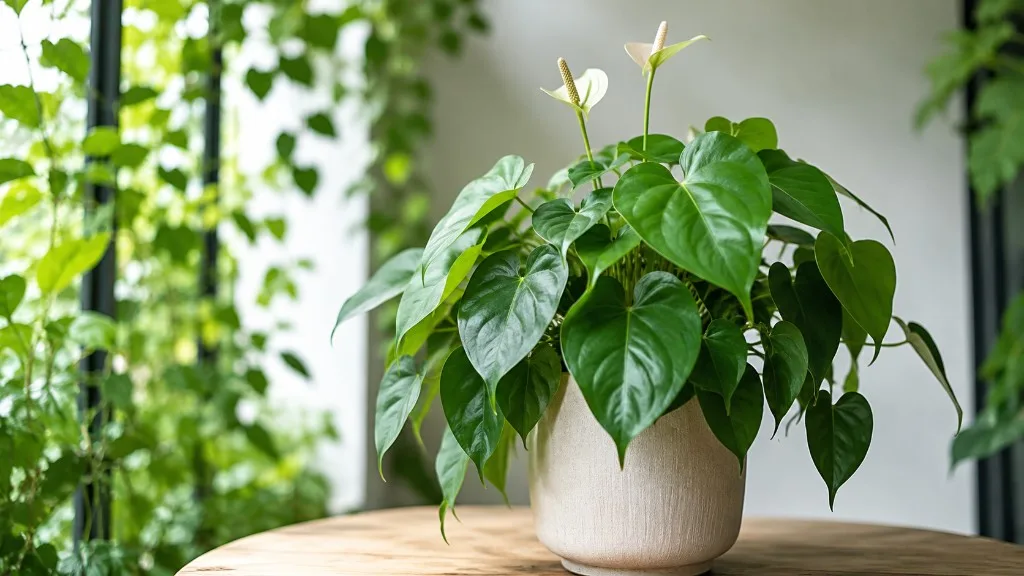
Philodendron Burle Marx Pruning: When, How, and Mistakes to Avoid
Philodendron Burle Marx Pruning: When, How, and Mistakes to Avoid
First, remove only dead, yellow, or clearly damaged leaves with clean sharp scissors — snip at the petiole base where the narrow leaf meets the creeping stem. Philodendron Burle Marx (Philodendron ‘Burle Marx’) spreads along the soil surface or trails from wide bowls and hanging baskets with narrow glossy emerald leaves. A quick sanitation pass shows you what tissue is actually alive before you decide whether a runner needs shortening or the whole pot needs thinning.
Quick Answer
Prune Burle Marx for cleanup, shape, and fuller creeping growth in late spring through summer, when runners are actively advancing. Make each shaping cut 6–10 mm (about ¼ inch) above a visible node — the slightly swollen joint where a leaf attaches and the next runner segment emerges. Limit routine removal to no more than one-third of total runner length or foliage per session. Emergency trimming of mushy, pest-damaged, or dead tissue can happen any time. Pruning activates lateral buds along creeping stems, but it cannot replace Philodendron Burle Marx light — leggy stretch with long internodes returns quickly in dim corners regardless of cut frequency.
What Pruning Does for Burle Marx
Burle Marx is a creeping philodendron in the arum family — a ground-cover-style spreader indoors, not a moss-pole climber like Pink Princess. NC State Extension notes that philodendron pruning may be needed to help maintain shape, and the RHS Philodendron burle-marxii profile lists trimming stems as the only routine pruning requirement for this species group. Unlike self-heading philodendrons such as Birkin, Burle Marx advances horizontally with runners that root along the soil line when conditions stay moist and bright.
Narrow leaves on short petioles give the plant a tidy tropical ground-cover look. In good light, the cultivar is a moderately fast grower — the RHS profile cites 30–60 cm of new growth per year under ideal conditions — which means runners can overhang pot edges or thin out in the center if you never trim.
Pruning serves five practical jobs on Burle Marx:
- Removes failing tissue — yellow, collapsed, or scorched narrow leaves
- Shortens overlong runners above nodes for a denser trailing edge
- Opens airflow through a congested basket where damp foliage crowds the crown
- Redirects energy toward healthy nodes still producing firm glossy leaves
- Supplies propagation material from stem sections with nodes
Pruning does not fix chronic under-lighting. If new leaves unfurl small with gaps longer than roughly 8–12 cm between nodes, read leggy growth on Philodendron Burle Marx and improve placement before expecting shears to restore compact habit.
What to Check Before You Cut
Before any cosmetic shortening, read the runner pattern from soil line to growing tip:
- Node health — look for firm green stems with active leaf attachments; swollen or cracked nodes may signal rot
- Soil-line condition — creeping stems that stay wet where they touch mix often soften and brown first
- Leaf firmness — narrow blades should feel glossy and springy, not papery or limp
- Internode length — long bare gaps between small leaves signal stretch from low light
- Pot geometry — wide shallow containers dry more evenly than tall narrow pots where the center stays soggy
The ASPCA lists philodendron as toxic to cats and dogs due to insoluble calcium oxalates. Wear gloves when cutting — sap can irritate skin, and trimmings belong in the bin, not within pet reach.
The First Cut to Make
After dead and damaged leaves are gone, inspect runners where they meet the soil. Burle Marx often fails at the crown when the pot center stays chronically wet while outer stems dry — a pattern our grower notes flag for creeping philodendrons. If any stem is mushy, blackened, or smells sour, cut back into firm tissue just above the nearest healthy node and sterilize blades before touching healthy growth.
If all runners are firm, your next decision is whether the plant needs thinning (too many overlapping stems in one basket) or shortening (runners dangling past the pot lip). Do not shorten healthy runners until failing tissue and soil-line rot are ruled out.
When to Prune Burle Marx
Burle Marx tolerates light cleanup year-round, but timing changes speed, not survival. Active-season cuts produce visible buds within two to four weeks; winter cuts may sit unchanged longer in cooler, dimmer homes.
Best season for shaping and thinning
Late spring through summer is the ideal window for runner cutbacks, tip pinching, and thinning congested baskets. Daylight is increasing, the pot dries on a predictable rhythm per our watering guide, and new narrow leaves are already unfurling. RHS philodendron guidance recommends pruning trailing philodendrons in spring as they come into growth, cutting straggly specimens to encourage fresh leafy growth.
Early autumn works as a second option if your space stays warm and bright through winter.
Cuts that cannot wait
Some trimming should not wait for spring:
- Mushy, blackened, or rotting stems — cut back into firm tissue above a healthy node; sterilize blades between cuts
- Fully brown, dry leaves — snip at the petiole base any time
- Heavily pest-infested sections — remove the worst stems once you have a treatment plan for the rest
- Runners with advanced soil-line rot — excise affected tissue before it spreads through the crown
When to delay major pruning
Hold off on large cutbacks when:
- The plant was recently repotted — let roots firm first per our repotting guide
- Chronic overwatering is active — fix moisture before removing substantial foliage; wet roots plus heavy pruning compound stress
- The specimen is weak or recently recovered from pest damage — a light sanitation pass is enough until new growth stabilizes
- You are in late autumn or winter with low light unless you accept a slow response
Where to Cut: Node-Level Technique
Identify nodes as slight swellings along the creeping stem — leaf scars, petiole attachments, or tiny aerial roots mark them. Cut 6–10 mm above the node at a slight angle with clean, sharp scissors or pruning shears, following RHS node-level guidance for trailing philodendrons. The node must stay intact; that is where the next leaf and lateral runner emerge.
Never cut mid-internode — bare stubs die back without producing new growth on philodendron runners. For propagation, include at least one node and one leaf on each cutting. The propagation guide covers water, moss, and perlite rooting for sections removed during pruning.
Sterilize blades with rubbing alcohol between cuts when removing diseased or pest-damaged tissue.
Shaping Creeping Runners vs Routine Cleanup
Routine cleanup removes individual yellow leaves, brown tips after the underlying cause is fixed, and dry spent blades at the petiole base. Cosmetic tip trimming alone does not stop brown tips if salts, low humidity, or inconsistent watering continue.
Shaping cuts shorten runners that have advanced past the pot edge or thinned in the center. Trim the longest stems above a node roughly two-thirds of the way back toward the crown, prioritizing nodes that still carry firm healthy leaves. Multiple moderate cuts beat one drastic chop on a mature basket.
Burle Marx does not need a moss pole. Encourage fullness by letting shortened runners rest on the soil surface in a wide shallow pot — nodes in contact with moist mix can root and thicken the mat. Clemson HGIC notes heartleaf philodendron is commonly grown as groundcover in larger planters; Burle Marx follows the same creeping logic indoors.
How Much You Can Safely Remove
Limit removal to one-third of total runner length or foliage in a single session under normal conditions. Burle Marx with several independent rooted runners in one wide pot may tolerate staged rejuvenation, but removing too much leaf area from a young single-stem plant stalls recovery.
For severely overgrown hanging baskets, spread major cutbacks across two spring or summer sessions spaced four to six weeks apart. Watch new growth between sessions — if buds are slow or new leaves emerge smaller with long internodes, pause and address light before the next round.
Pruning Leggy or Sparse Runners
Leggy Burle Marx develops long bare internodes when light is insufficient or when one dominant runner outpaces side shoots. Shorten the longest stems above a node toward the pot center, then improve placement per our light guide.
Tip-pinching soft new growth during summer slows apical stretch without another hard cutback. If the plant looks sparse after legitimate stretch, rooted cuttings from your trimmings can fill bare zones along the soil surface — see the propagation guide for same-pot integration timing.
Using Pruned Cuttings
Sections with one node and firm narrow leaves root in water or sphagnum moss per Clemson HGIC philodendron propagation guidance. Burle Marx is one of the easier philodendrons to share once the parent is established — but cuttings fail when nodes are skipped or water stagnates in a cold dim room.
Keep propagation setups in bright indirect light at 18–29°C (65–85°F); NC State Extension lists that temperature band as ideal for philodendrons indoors.
Aftercare and Recovery
After pruning, focus on conditions that support clean regrowth:
- Medium to bright indirect light — essential for compact internodes; harsh direct sun scorches narrow leaves first
- Wide shallow pot or basket — matches creeping habit and prevents a permanently wet center
- Water when the top 3–5 cm of mix dries — hold fertilizer two to three weeks post-prune while wounds callus
- Moderate humidity (50–60%) — supports clean unfurling without stagnant damp foliage
Avoid stacking repotting, relocation, and heavy pruning on the same week. During active growth, new shoots usually appear within two to four weeks of a clean node cut. Visible fullness along the pot edge develops over six to ten weeks. Autumn or winter pruning can double that timeline — consistent with slow growth patterns in low light.
Signs Pruning Worked (or Went Too Far)
Pruning worked when:
- New narrow leaves unfurl from nodes below your cuts within two to four weeks during active growth
- Secondary runners appear along shortened stems instead of one long dangling vine
- The pot edge looks fuller as lateral buds activate
- Soil-line stems stay firm and green after rot removal
Pruning went too far or was badly timed when:
- No new growth appears for six or more weeks during warm active season
- New leaves emerge smaller and thinner with long internodes — usually a light problem, not a shear problem
- The plant wilts or yellows widely after removing more than one-third of foliage
- Crown rot returns quickly after pruning — fix drainage and watering rhythm before cutting again
Mistakes to Avoid
- Pruning without correcting light — legginess and sparse centers return quickly in dim corners
- Leaving mushy soil-line stems — rot spreads through creeping crowns faster than on upright self-headers
- Cutting mid-internode — stubs die without branching
- Stripping a young plant bare hoping to force bushiness — insufficient leaf area stalls runners
- Using a tall narrow pot — center stays wet while you prune outer stems repeatedly
- Expecting a moss pole response — Burle Marx spreads horizontally; support means wide pots, not vertical poles
- Handling cut material bare-handed around pets or children — sap is irritating and plant parts are toxic if chewed
- Cosmetic tip trims on brown leaves without fixing salts or watering — tips re-brown from the same stress
Conclusion
Philodendron Burle Marx pruning is creeping-runner management: sanitize failing tissue first, cut above nodes for bushier mats, limit removal to one-third per session, and root healthy trimmings when you want a fuller pot. Medium to bright indirect light and a wide shallow container preserve the narrow-leaf ground-cover look — scissors redirect growth but do not replace adequate light or dry-down rhythm.
When to use this page vs other Philodendron Burle Marx guides
- Philodendron Burle Marx overview — Start here for whole-plant context before deep-diving this topic.
- Leggy Growth on Philodendron Burle Marx — Escalate here when pruning adjustments are not enough.
- Plant Leaning on Philodendron Burle Marx — Escalate here when runners sprawl unevenly from the pot.
- Brown Tips on Philodendron Burle Marx — Escalate here when tip damage persists after pruning.
Related Philodendron Burle Marx guides
- Philodendron Burle Marx overview
- Philodendron Burle Marx watering
- Philodendron Burle Marx light
- Philodendron Burle Marx soil
- Philodendron Burle Marx propagation
- Philodendron Burle Marx fertilizer
- Leggy Growth on Philodendron Burle Marx
- Slow Growth on Philodendron Burle Marx
- Brown Tips on Philodendron Burle Marx