Slow Growth on Raindrop Peperomia: Causes, Checks & Fixes
Quick answer
Raindrop Peperomia is naturally slow-one or two new teardrop leaves per warm month can be normal. If nothing new appears through spring and summer, check bright indirect light and whether the pot dries between waterings before feeding or repotting.
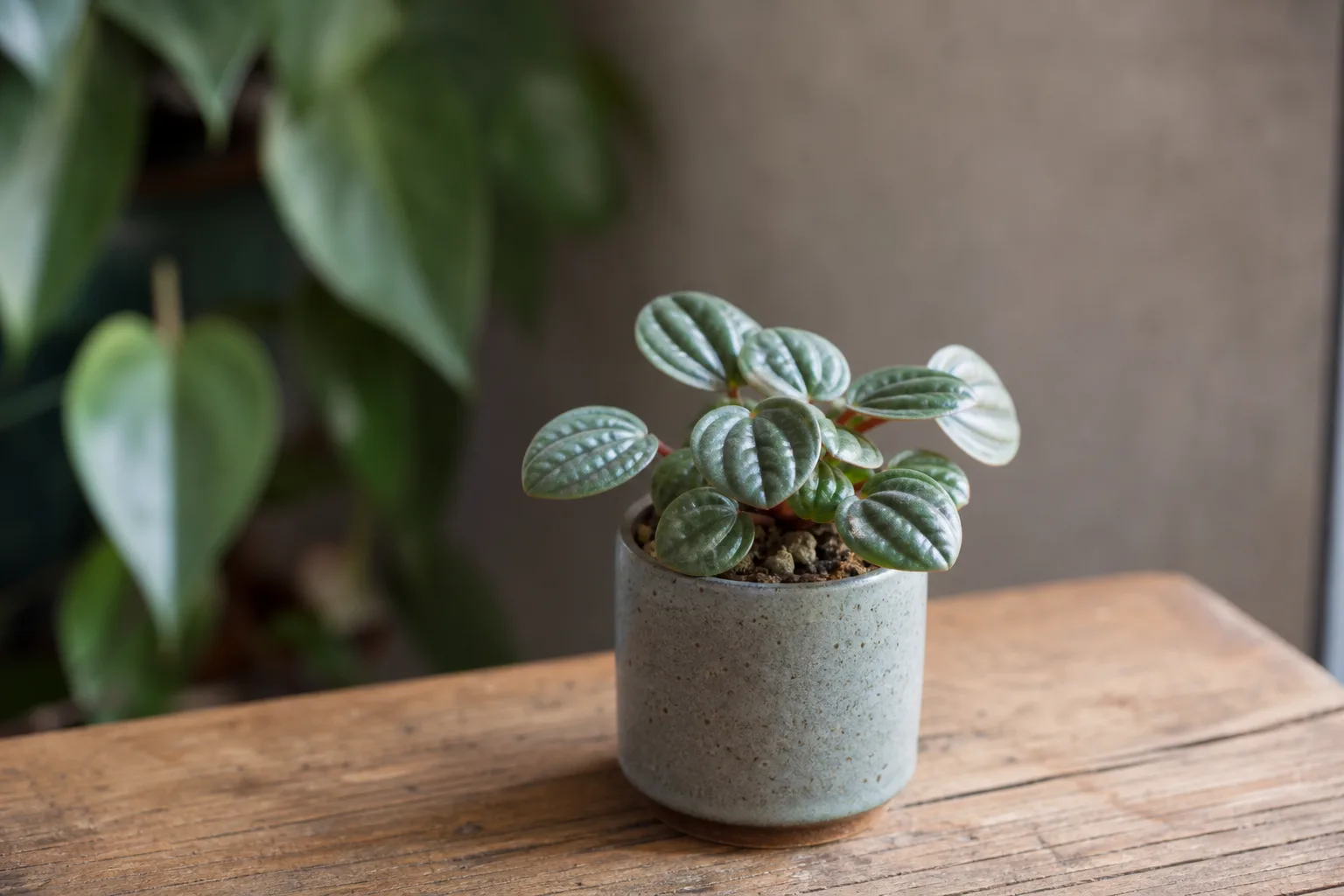
Slow Growth on Raindrop Peperomia: Causes, Checks & Fixes
This guide covers slow growth on Raindrop Peperomia. See also the general Slow Growth guide, watering, and light pages for this plant.
Slow Growth on Raindrop Peperomia: Causes, Checks & Fixes
Quick answer
Raindrop Peperomia (Peperomia polybotrya) is a compact, erect houseplant that matures around one foot tall. It was never meant to push leaves weekly like a pothos on the same shelf. One or two new glossy teardrop leaves during a warm month can be completely normal.
This page covers slow pace-not a total growth stop. If your leaf count has not changed at all through an entire warm season, use the no new growth guide instead; that slug owns zero-output stalls, repot shock, and pruning history. Here, the plant is still adding tissue-just smaller, duller, or slower than you expected.
Concern starts when new leaves arrive much smaller and duller than the mature baseline, or when gaps between leaves stretch while the crown stays green. That pattern usually traces to too little usable light, roots stressed by chronic wet soil, or normal winter rest mistaken for a problem.
First fix: Confirm the season, then assess light. If it is spring or summer and the plant sits more than a few feet from bright glass-or on an interior shelf-move it to bright indirect light before you fertilize, repot, or change watering volume. Placement details live on the light guide; fix that before anything else during the growing season.
Slow growth vs. no new growth vs. leggy growth
Raindrop Peperomia stall symptoms overlap across three slugs. Use this table to route yourself before reading further.
| Pattern | Leaf count change | New leaf quality | Stem shape | Urgency | Start here |
|---|---|---|---|---|---|
| Slow growth (this page) | Rises slowly-maybe one teardrop leaf every few weeks in summer | New leaves smaller or less glossy than older ones | Mostly compact; internodes may lengthen slightly | Low unless paired with wet soil or yellowing | Stay on this page |
| No new growth | Frozen for eight+ warm weeks-zero emerging tips | Existing leaves static; bare nodes may show | May lean toward window | Medium-check light and roots | No new growth |
| Leggy growth | Some new leaves, but thin and pale | Small leaves on long gaps between nodes | Stretched, leaning stems | Medium-almost always light | Leggy growth |
| Winter rest | Little or no change Oct–Feb | Older leaves firm and glossy | Compact and upright | None if mix dries slowly | Reduce water; resume tracking in March |
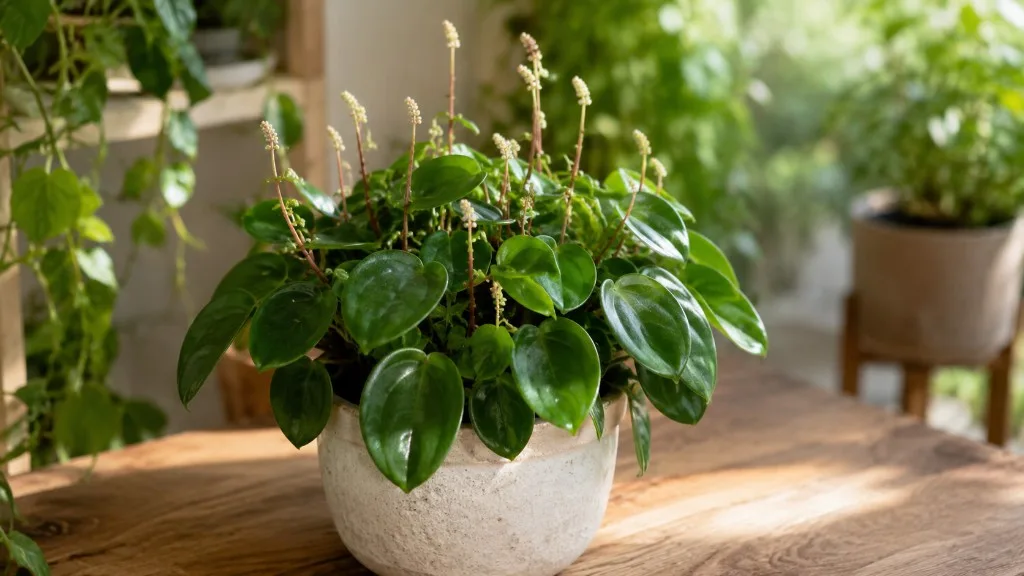
What slow growth looks like on Raindrop Peperomia
Healthy Raindrop Peperomia holds firm, glossy, teardrop-shaped leaves on short upright stems. Slow growth-not disease-shows as:
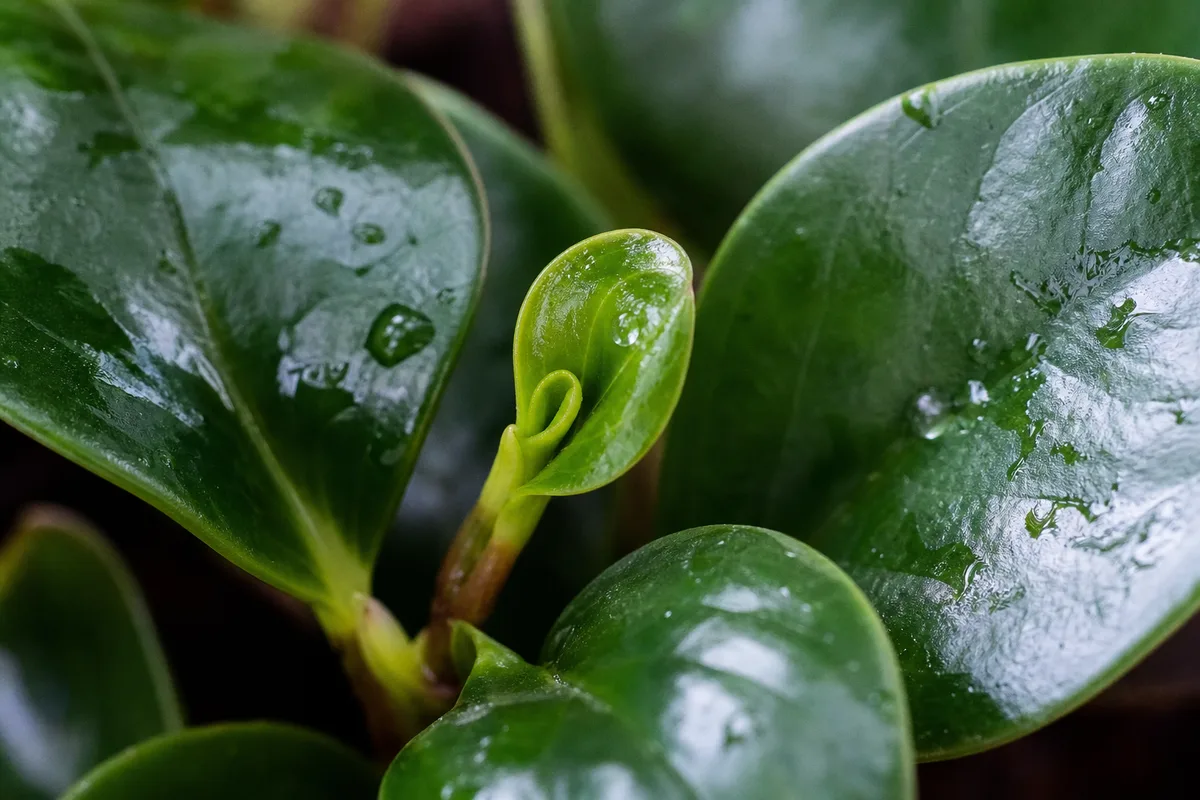
Slow Growth symptoms on Raindrop Peperomia - compare with healthy tissue on the same plant.
- One new leaf every two to four weeks in summer while a pothos nearby adds several-a normal pace gap for this species
- New leaves smaller than older ones, with less gloss and thinner texture
- Longer gaps between alternate leaves on stems that should stay compact, sometimes overlapping with early leggy growth from low light
- A plant that looks frozen in time at the same rough leaf count for a month or two-not eight warm weeks of zero output
- Soil that stays damp for two weeks or more after a single watering, especially in a large decorative pot
What slow growth usually is not: sudden yellowing, mushy stems, widespread leaf drop, or crisp scorched patches. Those point to overwatering, root rot, or severe light stress severe enough to need a different diagnosis path.
Normal winter pattern: From late fall through winter, many Raindrop Peperomias push little or no visible growth. Leaves may look static while the plant rests in cooler, shorter days. That pause is expected if the stem base stays firm and the mix dries on a slower schedule. Resume tracking new leaves when days lengthen and indoor temperatures stabilize above about 65°F (18°C).
Why Raindrop Peperomia grows slowly-or stops adding full-size leaves
Naturally slow genetics
Peperomias are generally slow growing and can stay in the same container for two or three years before roots fill the pot. NC State lists the genus with a slow growth rate and low maintenance needs. Raindrop Peperomia’s thick leaves and small root system favor steady, modest expansion over rapid size jumps. Comparing it to fast-growing trailing plants sets unrealistic expectations-this species tops out near a foot indoors.
Insufficient light during the growing season
Raindrop Peperomia prefers bright, indirect sunlight. Too much shade leads to poor, straggly growth-stems stretch, internodes lengthen, and the plant invests energy reaching for photons instead of producing full-size teardrop leaves. Dim rooms also slow soil dry-down, which pairs dangerously with habitual overwatering. The not enough light guide covers placement tests when the stall is clearly light-related.
Chronic wet soil and damaged roots
This species stores water in its leaves and runs a compact root system that should dry out between waterings. When mix stays soggy-often in an oversized pot with poor drainage-roots lose oxygen. NC State Extension warns that root rot can result from overwatering. Rot does not always collapse the plant overnight; it often stalls growth silently while older leaves hang on. Small new leaves on chronically wet mix need overwatering and possibly root rot triage-not more patience.
Seasonal rest and cool temperatures
Indoors, Raindrop Peperomia does best at 65 to 75°F. Cool drafts, AC blasts, or rooms below about 60°F (15°C) slow metabolism. Shorter winter photoperiods reduce photosynthesis even when the plant looks fine. Growth resumes when light and warmth return-not when you add fertilizer in December.
Root-bound or exhausted mix (less common early on)
Because peperomias stay potted for years, severely circling roots or broken-down peat that holds too much water can limit uptake. This is a secondary cause-check light and moisture first. Clemson notes peperomia can remain in a pot for several years before repotting becomes necessary.
Nutrient gaps (only after basics are right)
Raindrop Peperomia is a light feeder. Pale new leaves in otherwise good light and dry-down rhythm may benefit from diluted feed during active growth per the fertilizer guide. Fertilizer rarely fixes stall when light is poor or roots are wet-and overfeeding can burn roots and slow growth further.
How to confirm the cause
Work through these checks in order. Stop when one pattern clearly fits.
- Season - Is it late fall or winter? Minimal growth may be normal rest. Note the date and wait for lengthening days before calling it a problem.
- New-leaf log - Mark every emerging teardrop leaf for eight weeks. One small leaf in that window may be slow-but-healthy; zero leaves in warm months routes to no new growth.
- Light on the plant - Can the canopy receive bright indirect light most of the day-not just ambient room brightness? Interior shelves five feet from glass often fail the full-size new-leaf test.
- Pot dry-down - After watering, how many days until the top 1–2 inches feel dry? If the answer is more than ten to fourteen days in warm weather, roots may be using little water because of dim light or rot.
- Pot weight and smell - A heavy pot weeks after watering, or sour odor from the mix, suggests chronic wetness-not benign slowness.
- Root spot-check - If wet soil persists, slide the plant out gently. Healthy roots are firm and pale; mushy brown roots confirm rot-related stall.
- Leaf quality on any new growth - Full-size glossy new leaves mean conditions are improving. Tiny pale leaves mean light or root stress continues.
Slow pace vs. zero stall decision table
| Signal | Slow growth (stay here) | Zero stall (escalate) |
|---|---|---|
| Warm-season leaf count | Creeps up by one or two leaves over two months | Unchanged for eight+ weeks |
| New tissue | Smaller or duller teardrops appear | No emerging tips at nodes |
| Stem habit | Mostly compact; slight stretch possible | Bare sections; strong lean to window |
| Next step | Fix light and dry-down rhythm below | No new growth guide |
Separate confirmed diagnosis from suspected causes before you change multiple variables at once.
First fix to try
Move the plant to bright indirect light if it is spring or summer and new leaves arrive small, dull, or weeks apart while placement is dim.
Place it on an east- or west-facing windowsill, or within one to three feet of a bright north window, or several feet back from a south or west window with sheer diffusion-matching the partial-shade preference this species carries. Rotate the pot a quarter turn weekly so growth stays even. Full placement guidance is on the light guide.
Do not fertilize, repot, or increase watering as your opening move. Brighter light increases photosynthesis and usually speeds dry-down, which helps you read the pot more accurately over the next two weeks.
If the pot has stayed wet for weeks regardless of light, your first fix shifts: stop watering and inspect roots before moving to brighter light. Growth cannot resume on rotting roots even with perfect windows-see root rot if tissue is mushy.
Window light still fails the test? A full-spectrum grow light a few feet above the crown for ten to twelve hours daily can supplement dim northern exposures. Treat it as a bridge while you improve placement-not a substitute for fixing chronic wet soil.
Step-by-step recovery
After the first fix, address the confirmed bottleneck:
When light was the limit
- Acclimate over seven to ten days if moving from deep shade to a much brighter window-sudden harsh direct sun can scorch fleshy leaves.
- Adjust watering after the move; brighter light dries the mix faster. Follow watering guide dry-top checks before every drink.
- Wait four to eight weeks in warm months for a new teardrop leaf at or near full size. Judge success by leaf size and gloss, not stem length.
- Optionally trim the longest weak stems once new compact growth appears-old stretched sections will not shorten on their own; see leggy growth if stretch is the main issue.
When wet soil or root damage was the limit
- Stop watering until the top half of the mix dries. Empty saucers and cachepots.
- Unpot and trim mushy roots back to firm tissue with clean scissors. Discard soggy mix.
- Repot into a right-sized container-only slightly larger than the root ball-with airy, well-draining mix and open drainage holes per the repotting guide.
- Wait five to seven days before the first light watering. Hold fertilizer until new growth looks healthy for two weeks.
- Pair recovery with adequate indirect light so the root zone can use water predictably.
When the plant was simply winter-resting
- Reduce watering frequency but keep the dry-top rule from the watering guide.
- Keep temperatures above about 65°F and away from cold drafts.
- Resume normal light and watering rhythm in late winter or early spring without forcing feed.
When root-bound after years in the same pot
- Repot in spring or early summer-one size up, never a huge jump.
- Use loose, free-draining mix with perlite. RHS recommends a pot only a few centimetres larger than the rootball so compost does not stay wet.
- Skip fertilizer for two weeks post-repot, then feed lightly at half strength during active growth if new leaves look pale.
Recovery timeline
Timelines below are typical grower ranges, not guarantees-cool rooms and short winter days extend every window.
Light correction alone: Many growers see the first new firm teardrop leaf at or near full size in four to eight weeks during warm months. Internode spacing tightens on subsequent leaves over another month or two.
Root recovery after rot trim: Stabilization takes two to four weeks of dry-down discipline. New leaves may take six to ten weeks if a large portion of roots was removed.
Winter rest: Growth often resumes in late winter or early spring without intervention beyond stable care. Expect a slower start than mid-summer.
Worsening signs during recovery: Continued yellowing, soft stem bases, shrinking leaf count, or wet mix that never dries mean the bottleneck was misidentified-reinspect roots rather than waiting passively.
Old leaves will not enlarge retroactively. Recovery shows in new tissue.
Lookalike symptoms and causes to rule out
- Leggy growth - Long thin stems with small pale leaves; usually low light during warm months. Fix light first; old stretched stems remain unless pruned.
- No new growth - Total stall through summer with zero emerging tips; higher urgency than slow pace alone.
- Dormancy in winter - Normal pause; firm leaves and gradual dry-down, not mushy roots.
- Overwatering - Yellow lower leaves, drooping despite wet soil; may show slow or small new leaves before collapse.
- Underwatering - Very light pot, dry mix throughout, slightly soft leaves; deep soak once, then resume dry-top schedule-growth resumes if roots are intact.
Mistakes to avoid
Do not overfertilize to force speed-Raindrop Peperomia is a light feeder and salt burn stalls growth further. Avoid repotting into a much larger pot “to help it grow”; excess wet mix around a small root ball is a common hidden stall. Do not water on a calendar without checking dry-down-dim, slow-growing plants stay wet longest. Do not expect summer growth rates in winter. Do not ignore persistent wet soil because the plant still looks green; rot often stalls growth before obvious collapse. Do not confuse slow pace with zero stall-if leaf count is frozen through summer, switch to the no new growth protocol.
How to prevent slow growth next time
Place Raindrop Peperomia where bright indirect light is realistic all year, not only where the pot looks best-see the light guide. Use a pot sized to the root ball, refresh mix every two to three years per repotting, and feed at half strength during the growing season only when the plant is actively pushing leaves. Track monthly new-leaf count so you notice when pace drops from “one per month” to “none for six weeks.” In winter, accept slower dry-down and skip fertilizer until new growth returns.
When to worry
Treat as urgent when slow growth pairs with soft stems, spreading yellow leaves, sour soil, or roots that crumble when touched. Those signs mean root failure-not patience. Follow root rot rescue when the stem base softens on wet mix.
Slow growth alone through one winter rarely threatens the plant. Slow growth through an entire warm season with dim light or chronically wet soil will gradually weaken the plant even if it stays upright today.
Escalate to no new growth when the leaf count has not changed for eight or more warm weeks despite corrected light and dry-down-or when bare stem sections appear with no replacement teardrops.
Related Raindrop Peperomia guides
- Overview - species habit, mature size, and baseline care
- Light guide - placement for full-size teardrop leaves
- Watering guide - dry-top rhythm and pot-weight checks
- Repotting guide - right-sized pots after years in one container
- No new growth - zero-output stall through warm months
- Leggy growth - stretched stems and small pale leaves
- Not enough light - dim-room placement failures
- Overwatering - chronic wet mix on compact roots
- Root rot - mushy roots and silent growth stall
- Fertilizer guide - light feeding only during active growth
Conclusion
Raindrop Peperomia rewards patient growers with compact glossy foliage-but “patient” is not the same as “neglected.” One or two teardrop leaves per warm month can be healthy progress on this naturally slow species. When new leaves arrive small, dull, or weeks apart, fix bright indirect light and dry-down rhythm before fertilizer or oversized pots. If leaf count freezes through summer instead, switch to the no new growth guide. Judge recovery by the next full-size teardrop leaf-not by comparing this plant to faster species on the same shelf.
FAQs
How can I tell if my Raindrop Peperomia is growing too slowly?
Track new teardrop leaves through a full warm season. One or two per month in bright light is normal for this compact species. Zero new leaves from late spring through summer, or new leaves much smaller than older ones, signals a bottleneck-not just slow genetics.
What should I check first when Raindrop Peperomia slows down?
Season and light. Winter rest with minimal leaves is normal. During spring and summer, confirm bright indirect light-not a dim interior shelf-and that the top of the mix dries before you water again.
Is slow growth the same as no new growth on Raindrop Peperomia?
No. Slow growth means the plant still adds teardrop leaves, just at a modest pace or smaller size. No new growth means zero emerging tips for many warm weeks-that pattern belongs on the no new growth page.
Will a slow Raindrop Peperomia speed up on its own?
After you fix the limiting factor-usually light or chronic wet soil-new glossy leaves often appear within four to eight weeks in warm months. Damaged roots from overwatering need dry-down and sometimes repotting before growth resumes.
How do I prevent slow growth on Raindrop Peperomia?
Bright indirect light year-round, a right-sized pot with drainage, well-draining mix, dry-top watering, and light feeding only during active spring-summer growth. Avoid oversized pots that stay wet and do not force growth with heavy fertilizer.